


Search results
Search for "deposition" in Full Text gives 1162 result(s) in Beilstein Journal of Nanotechnology. Showing first 200.
High-temperature epitaxial growth of tantalum nitride thin films on MgO: structural evolution and potential for SQUID applications
Beilstein J. Nanotechnol. 2025, 16, 690–699, doi:10.3762/bjnano.16.53
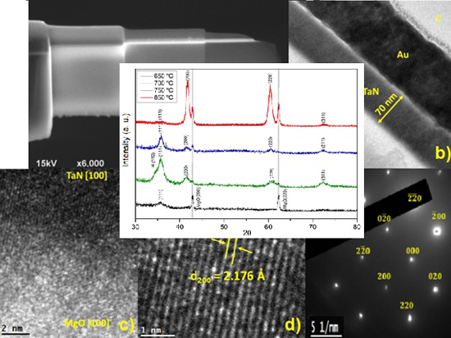
- using pulsed laser deposition (PLD). This research investigates the influence of varying deposition parameters, including substrate temperature and ambient gas composition, on the structural, morphological, and superconducting properties of the films. X-ray photoelectron spectroscopy, X-ray diffraction
- 6.3 K, depending on the stoichiometry and deposition conditions. Resistance–temperature curves further confirm the high quality of the films, as evidenced by their low residual resistivity ratios. These findings demonstrate that PLD is a suitable technique for producing high-quality TaN
- could be pushed up to 10.8 K [13]. The Tc of TaN depends strongly on the crystallinity and stoichiometry of the thin films. Reports mentioned that pulsed laser deposition (PLD) in the reactive pulsed laser deposition (RPLD) mode is an efficient method for the growth of high-quality thin films [14]. In


The impact of tris(pentafluorophenyl)borane hole transport layer doping on interfacial charge extraction and recombination
Beilstein J. Nanotechnol. 2025, 16, 678–689, doi:10.3762/bjnano.16.52
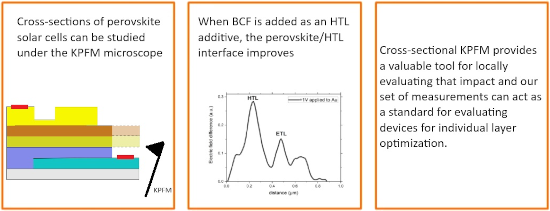
- deposited a mesoporous TiO2 layer from a (transparent) titania paste solution (Aldrich, 16.67 wt % in ethanol) via spin coating and annealed it (same parameters as in the previous step). After each of these titania deposition steps, we subjected the films to a UV-ozone cleaning step (FHR UVO 150) for 30 min
- deposition method (500 rpm for 10 s and 4000 rpm for 25 s). A volume of 150 μL of toluene was used as anti-solvent 10 s into the second step. The perovskite was crystalized during a 100 °C annealing step for 30 min. For the cells that incorporated spiro-OMeTAD, we used a solution containing 72.3 mg spiro
- solution containing 15 mg PTAA, 7.5 μL, LiTFSI solution (170 mg in 1 mL acetonitrile), and 7.5 μL tBP solution (1:1 in acetonitrile), dissolved in 1 mL toluene. For the BCF batch, instead of LiTFSI and tBP, BCF was added in at an 8% mol ratio to PTAA. After the HTL deposition, an Au electrode was


Focused ion and electron beams for synthesis and characterization of nanomaterials
Beilstein J. Nanotechnol. 2025, 16, 613–616, doi:10.3762/bjnano.16.47

- Aleksandra Szkudlarek Academic Centre for Materials and Nanotechnology, AGH University of Krakow, av. Mickiewicza 30, 30-059, Krakow, Poland 10.3762/bjnano.16.47 Keywords: deposition; etching; focused electron beams; focused ion beams; lithography; milling; nanofabrication; 3D nanostructures; It
- etching or deposition. The precision and versatility of these beams, including the use of multiple gas species, open pathways to fabricate 3D nanomaterials that are unattainable through conventional chemical methods. However, achieving reproducibility in such structures requires a deep understanding of
- the fundamental mechanisms underlying precursor fragmentation by low-energy electrons, which remains an ongoing focus of study in the field, see Figure 1. Within the widely studied group of acetylacetonate complexes, which also play a crucial role in chemical vapor deposition and atomic layer

Polyurethane/silk fibroin-based electrospun membranes for wound healing and skin substitute applications
Beilstein J. Nanotechnol. 2025, 16, 591–612, doi:10.3762/bjnano.16.46
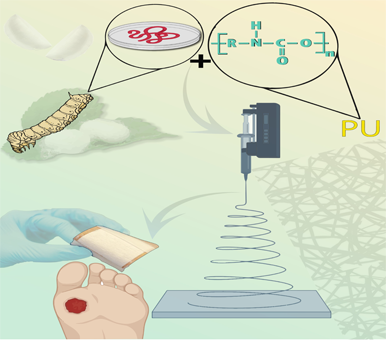
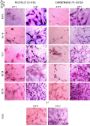
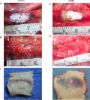
- endothelial cells are heavily activated during the proliferation stage, which helps in matrix deposition, wound closure, and angiogenesis. In wound healing, the formation of granulation tissue occurs, which is composed of cellular and fibril matrix [42]. Fibroblasts synthesize the fibrillar components
- dermal matrix [85]. In vitro studies showed that the use of electrospun silk nanofibers favors the attachment of human fibroblasts, keratinocytes, and deposition of collagen type I [86]. Silk can be processed into hydrogels, scaffolds, and films with the incorporation of bioactive factors such as growth



Feasibility analysis of carbon nanofiber synthesis and morphology control using a LPG premixed flame
Beilstein J. Nanotechnol. 2025, 16, 581–590, doi:10.3762/bjnano.16.45
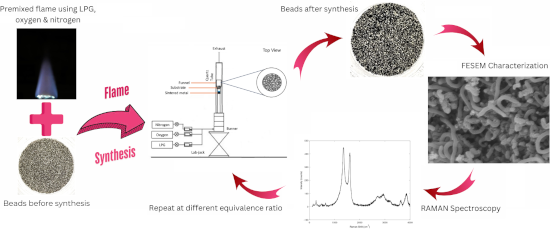
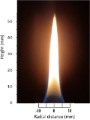
- , Udayana University 80231 Badung, Bali, Indonesia 10.3762/bjnano.16.45 Abstract Flame synthesis using liquefied petroleum gas (LPG) as the precursor gas to produce carbon nanofibers (CNFs) is an economical alternative to conventional chemical vapor deposition methods using single-component fuels such as
- delivery, tissue engineering, and implants [7]. Methods of CNT/CNF synthesis include (a) chemical vapor deposition, (b) arc discharge, (c) flame synthesis, and (d) laser ablation [1]. Flame-assisted synthesis is a promising method for efficient and continuous one-step production. Various flame
- that flame synthesis can be faster and yield higher throughput compared to some recent works. The CNT/CNF growth rates decrease with increasing height above the burner because of lower temperatures and reduced CO concentrations [10]. A custom-made chamber device for flame fragments deposition with



Nanomaterials in targeting amyloid-β oligomers: current advances and future directions for Alzheimer's disease diagnosis and therapy
Beilstein J. Nanotechnol. 2025, 16, 561–580, doi:10.3762/bjnano.16.44
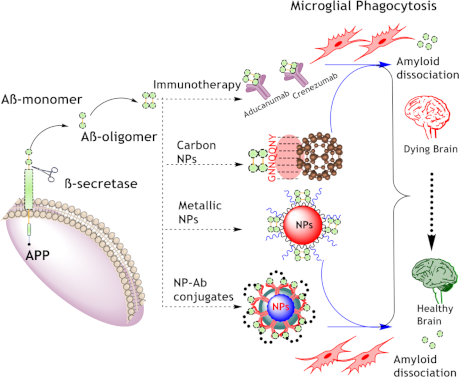
- progression. They found that treatment with M2-EXOs in AD cell models, such as HT-22- and MAP2-positive neuronal cells, significantly reduced Aβ plaque deposition and expression of AβOs. Their findings suggest that M2-EXOs confer protective effects in AD pathogenesis through the modulation of PINK1/Parkin


Electron beam-based direct writing of nanostructures using a palladium β-ketoesterate complex
Beilstein J. Nanotechnol. 2025, 16, 530–539, doi:10.3762/bjnano.16.41
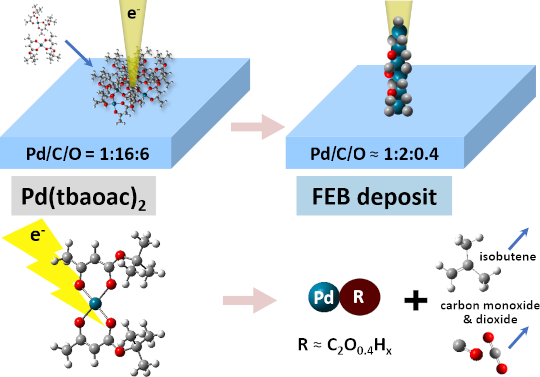
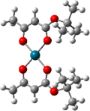
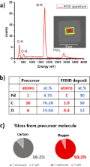
- Rennes, CNRS, IPR (Institut de Physique de Rennes) - UMR 6251, Rennes, France Faculty of Chemistry, Nicolaus Copernicus University in Toruń (NCU), Toruń, Poland 10.3762/bjnano.16.41 Abstract Gas-assisted focused electron beam-induced deposition (FEBID) as a direct, minimally invasive 3D nanopatterning
- promising precursor for nanoprinting 3D structures with finely focused electron beams. Keywords: 3D nanoprinting; electron-induced molecule dissociation; focused electron beam-induced deposition; metal nanostructures; metalorganic complexes; Introduction Direct fabrication of nanostructures without the
- ][11][12] properties at the nanometer scale. One method that is capable of creating such nanostructures is focused electron beam-induced deposition (FEBID) [13][14][15][16][17][18][19][20][21][22][23]. In this technique, a focused electron beam decomposes adsorbed molecules on a substrate in vacuum


N2+-implantation-induced tailoring of structural, morphological, optical, and electrical characteristics of sputtered molybdenum thin films
Beilstein J. Nanotechnol. 2025, 16, 495–509, doi:10.3762/bjnano.16.38
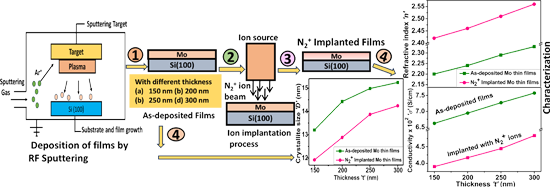
- substrates under suitable conditions lead to improvements in functionality and address the needs of various cutting-edge industries [6][7]. For the deposition of Mo thin films, various techniques such as chemical vapor deposition, physical vapor deposition (RF sputtering and DC sputtering) [1][8][9], and
- electron beam evaporation [10] have been reported in the literature. RF sputtering is the predominant technique for thin film deposition because of its benefits regarding layer adhesion, uniformity, composition, and deposition rate compared to other methods [11]. In the deposition of molybdenum films, RF
- the properties of argon-ion-implanted Mo thin films deposited via ion beam sputtering, varying deposition parameters such as accelerating voltage, incidence angle, and chamber pressure. Films deposited at near-normal incidence exhibited compressive stress and a nearly linear increase with the


Performance optimization of a microwave-coupled plasma-based ultralow-energy ECR ion source for silicon nanostructuring
Beilstein J. Nanotechnol. 2025, 16, 484–494, doi:10.3762/bjnano.16.37

- ° and 72.5°) sputtering of surface atoms and their consecutive redistribution [9][39][40]. During ion bombardment, the unequal radius of curvature of the surface leads to unequal deposition of energy at different points on the surface, which results in unequal sputtering at those points. This generates
- , rendering it valuable for both implantation and deposition processes. Our meticulous investigation of the ECR ion source lays the groundwork for ion beam-induced nanostructuring and layer-wise material modification, affording precise control over ion penetration depth and fluence. The manuscript emphasizes


Impact of adsorbate–substrate interaction on nanostructured thin films growth during low-pressure condensation
Beilstein J. Nanotechnol. 2025, 16, 473–483, doi:10.3762/bjnano.16.36

- formation. We simulate deposition on one- and multicomponent substrates with different strengths of adsorbate–substrate interactions. We will show that an increase in the strength of adsorbate–substrate interactions stimulates the formation of stable surface structures during deposition, which leads to an
- increase in its coverage and the formation of a smaller number of adsorbate islands of larger size. At elevated adsorption rates, an increase in adsorbate–substrate interactions results in the transformation of the surface morphology and the formation of percolating adsorbate structures. Deposition onto
- ], sensors [5], and catalysts [6][7][8]. Nanostructured thin films grown via low-pressure deposition methods have garnered significant attention because of their diverse applications in electronics, optics, catalysis, and sensors [9]. The ability to precisely control properties such as morphology


Biomimetics and bioinspired surfaces: from nature to theory and applications
Beilstein J. Nanotechnol. 2025, 16, 418–421, doi:10.3762/bjnano.16.32
- scaling on steel surfaces. Using silicone nanofilaments, they achieved 75.5% reduction of calcium carbonate deposition on treated steel samples. While many articles concentrated on using natural designs to inspire technological innovation (biology-push), others took an application-driven (technology-pull

ReactorAFM/STM – dynamic reactions on surfaces at elevated temperature and atmospheric pressure
Beilstein J. Nanotechnol. 2025, 16, 397–406, doi:10.3762/bjnano.16.30
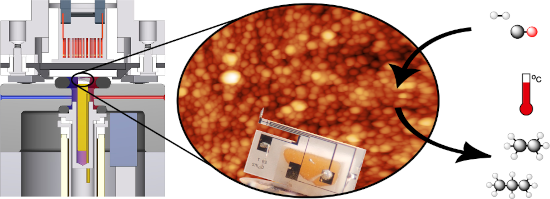
- annealing at 1000 K for 5 min. The oxide is deposited ex situ (in a nearby setup, transfer is done in air) by physical vapor deposition using an aluminum oxide sputter target and NiAl(110) as substrate. The deposition was performed at a 10−3 mbar argon pressure for a duration of 40 min. Once placed back in


Tailoring of physical properties of RF-sputtered ZnTe films: role of substrate temperature
Beilstein J. Nanotechnol. 2025, 16, 333–348, doi:10.3762/bjnano.16.25
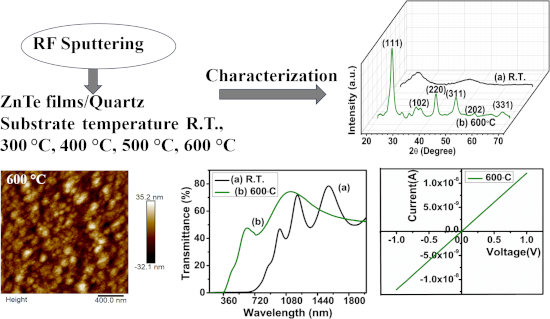
- ) compounds have numerous applications in optoelectronic devices such as light-emitting diodes [1], display devices [2], infrared detectors [3], and terahertz emitters [4]. Owing to their suitable physical properties (deposition at low temperatures and good thermal stability) and unique optical properties due
- , depending on the deposition method and deposition parameters. ZnTe is sensitive towards visible and infrared illumination; hence, it is used in the fabrication of optoelectronic devices and infrared detectors. Moreover, its electrical aspects are alterable in intrinsic or doped binary (ZnTe) and ternary
- resistivity of the films depends on the structure, grain boundary defects, and surface morphology of the films. These properties can be altered by varying the deposition method as well as the deposition parameters. In literature, there are several reports of zinc telluride films deposited using various




Fabrication and evaluation of BerNPs regarding the growth and development of Streptococcus mutans
Beilstein J. Nanotechnol. 2025, 16, 308–315, doi:10.3762/bjnano.16.23
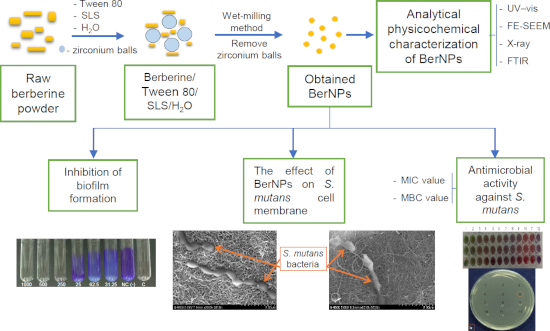
- each other, reducing the likelihood of agglomeration and deposition, and enhancing the stability of the suspension [21][22]. Consequently, a suspension of the BerNPs was produced with uniform particle sizes, predominantly ranging from 40 to 65 nm (Figure 1B,C). In our study, the rotary grinding method




Enhancing mechanical properties of chitosan/PVA electrospun nanofibers: a comprehensive review
Beilstein J. Nanotechnol. 2025, 16, 286–307, doi:10.3762/bjnano.16.22

- nozzles so that the fibers attract instead of repelling each other, or using auxiliary electrodes to control the electric field and concentrate the flow of fiber jets into a smaller deposition area [89]. Multichamber electrospinning Multichamber electrospinning incorporates special nozzle designs to


Preferential enrichment and extraction of laser-synthesized nanoparticles in organic phases
Beilstein J. Nanotechnol. 2025, 16, 254–263, doi:10.3762/bjnano.16.20
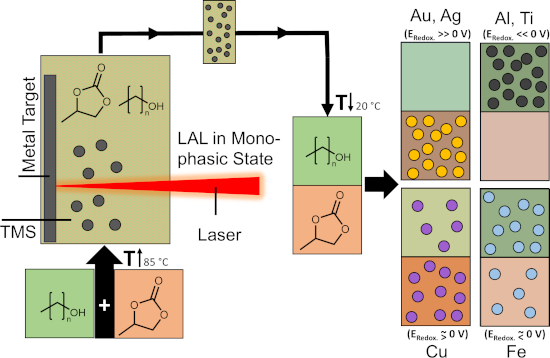
- synthesize heterogeneous catalysts by deposition of nanoparticles, the specific nanoparticle solubility, and eventually also the colloidal stability of the individual nanoparticles, in different solvents is required [47][48]. If the colloid does not possess required properties such as colloidal stability




Recent advances in photothermal nanomaterials for ophthalmic applications
Beilstein J. Nanotechnol. 2025, 16, 195–215, doi:10.3762/bjnano.16.16
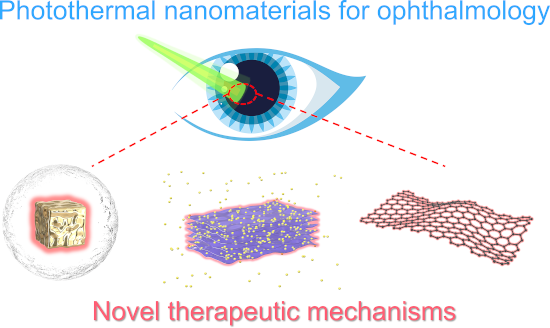
- ]. Chemotherapy poses difficulties in accurately controlling drug deposition on the ocular surface and dosage, with frequent administrations often leading to complications such as retinal edema, vitreous hemorrhage, and ocular deformity [98][99]. Direct photothermal therapy (PTT) may induce irreversible thermal
- penetration and deposition [163]. Moreover, common ocular drug delivery methods have disadvantages such as short intraocular retention time, low drug accumulation, and low bioavailability [164]. Because of the transparency of the cornea and crystalline lens, the eye allows various wavelengths of light to


Nanocarriers and macrophage interaction: from a potential hurdle to an alternative therapeutic strategy
Beilstein J. Nanotechnol. 2025, 16, 97–118, doi:10.3762/bjnano.16.10

- ], as well as vascular endothelial growth factor (VEGF) and platelet-derived growth factor (PDGF), which promote extracellular matrix (ECM) deposition and angiogenesis, playing a key role in conditions like fibrosis and wound healing [14][17]. The M2 activation state is mediated by the STAT6 pathway via
- production, effectively reducing collagen type I deposition and mitigating fibrosis. Additional nanomaterials such as superparamagnetic iron oxide nanoparticles (SPIONs) and chitosan-based NPs are engineered with liver-cell-specific ligands like lactose or galactose, enhancing their specificity for treating


Characterization of ZnO nanoparticles synthesized using probiotic Lactiplantibacillus plantarum GP258
Beilstein J. Nanotechnol. 2025, 16, 78–89, doi:10.3762/bjnano.16.8
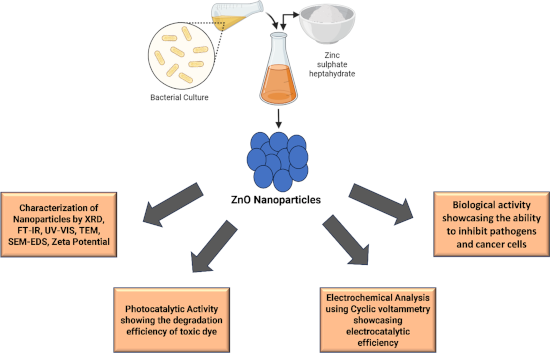
- deposition. The particle sediment was then filtered, cleaned twice with deionized water, and dried for 4 h at 40 °C. Characterization of ZnO nanoparticles XRD patterns were recorded using a Bruker D8 Advance diffractometer with Cu Kα radiation (λ = 1.54 Å), operating at 40 kV and 30 mA. The scan range was 10



Advanced atomic force microscopy techniques V
Beilstein J. Nanotechnol. 2025, 16, 54–56, doi:10.3762/bjnano.16.6
- al. present the application of AFM-based infrared nanospectroscopy to coated polymer surfaces [11]. The authors prepare thin films of SiOx on polypropylene surfaces by plasma-enhanced chemical vapor deposition (PE-CVD), which is commonly done to improve gas barrier properties of polypropylene. They
Precursor sticking coefficient determination from indented deposits fabricated by electron beam induced deposition
Beilstein J. Nanotechnol. 2025, 16, 35–43, doi:10.3762/bjnano.16.4

- Alexander Kuprava Michael Huth Physics Institute, Goethe University Frankfurt, Max-von-Laue-Str. 1, 60438 Frankfurt am Main, Germany 10.3762/bjnano.16.4 Abstract A fast simulation approach for focused electron beam induced deposition (FEBID) numerically solves the diffusion–reaction equation
- ; Introduction Nanoscale fabrication of free-form structures via methods like focused electron or ion beam induced deposition (FEBID/FIBID) requires precise beam control and sufficient knowledge of key properties of the precursor material used [1]. In addition, a reliable prediction of the expected deposit shape
- deposited non-volatile fragment. Under stationary steady-state deposition conditions, the growth rate can be expressed as: Under such conditions the final shape of the deposit is a product of the radially resolved growth rate and the deposition time. In the following we use a dimensionless growth rate which


Bioinspired nanofilament coatings for scale reduction on steel
Beilstein J. Nanotechnol. 2025, 16, 25–34, doi:10.3762/bjnano.16.3

- stability on steel. Our study demonstrates the successful coating of stainless steel with SNFs, achieving super-hydrophobicity and resilience under high shear stress and explosion/decompression tests. Scaling experiments reveal a 75.5% reduction in calcium carbonate deposition on SNF-coated steel surfaces
- applications of mimicking the liquid-repelling properties of their skin to address a common industrial challenge: The scaling of steel surfaces. Scaling, a pervasive issue in various industries, results from unwanted water adhesion and mineral deposition, leading to corrosion, reduced efficiency, and increased
- in the bulk solution or heterogeneously on material surface [25]. Once nucleation occurs, calcium carbonate crystals start to grow. The growth process involves the continuous deposition of Ca2+ and CO32− ions onto the surface-bound nuclei. Over time, these crystals increase in size and adhere more


Orientation-dependent photonic bandgaps in gold-dust weevil scales and their titania bioreplicates
Beilstein J. Nanotechnol. 2025, 16, 1–10, doi:10.3762/bjnano.16.1
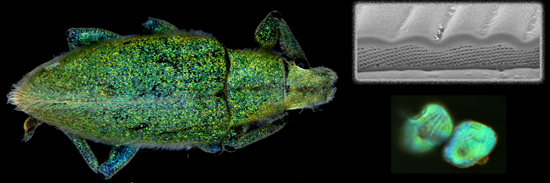
- [40], 1.50–1.95 [41] and hybrid organotitania (1.75–2.05 [42], 1.55–1.65 [43]). This is lower than the tabulated values of titania prepared by, for example, layer deposition (2.10 [44], 2.40 [45], see also [46][47]), but higher than that of pure silica replicas (1.50 [18]). This is not unexpected as


Fabrication of hafnium-based nanoparticles and nanostructures using picosecond laser ablation
Beilstein J. Nanotechnol. 2024, 15, 1639–1653, doi:10.3762/bjnano.15.129
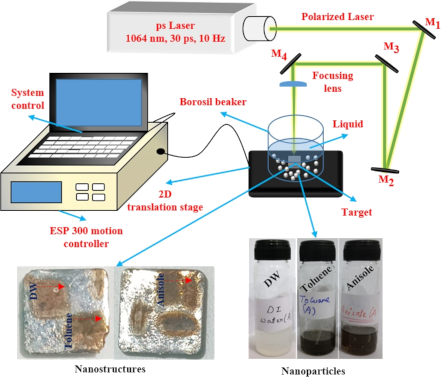
- desired morphology is essential for a given application. Generally, practical techniques for obtaining nanomaterials are sol–gel method, chemical and physical vapour deposition, hydrothermal method, ball milling, grinding, lithography, etching, and laser ablation [14][15][16][17][18]. The morphology
- independent on λL [63], instead the HSFL size depends on laser parameters such as fluence, energy dose, and pulse duration [64]. Re-deposition and re-solidification of the ablated NPs on NSs were also observed, which matches with observation in an earlier reported work [65] for titanium ablation. These




Heterogeneous reactions in a HFCVD reactor: simulation using a 2D model
Beilstein J. Nanotechnol. 2024, 15, 1627–1638, doi:10.3762/bjnano.15.128
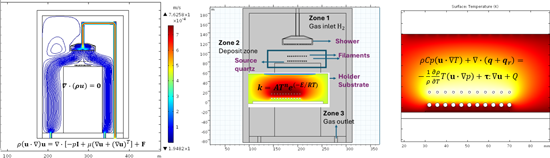
- 14 sur, Edif. IC5 y IC6. Puebla, Pue., 72507 México 10.3762/bjnano.15.128 Abstract In this study, a simulation of the elementary chemical reactions during SiOx film growth in a hot filament chemical vapor deposition (HFCVD) reactor was carried out using a 2D model. For the 2D simulation, the
- precursors quartz and hydrogen was carried out. The obtained equilibrium constants (Keq) were related to the temperature profile in the deposition zone and used in the proposed simulation. The validation of the model was carried out by measuring the temperature experimentally, where the temperature range on
- the substrate is 450 to 500 °C for different deposition parameters. In the simulation, the laminar flow of species contributing to the film growth was confirmed, and the simulated concentration profiles of H° and SiO near the filaments and the sources were as expected. H° and SiO are essential species





