Search results
Search for "detection" in Full Text gives 834 result(s) in Beilstein Journal of Nanotechnology. Showing first 200.
Retrieval of B1 phase from high-pressure B2 phase for CdO nanoparticles by electronic excitations in CdxZn1−xO composite thin films
Beilstein J. Nanotechnol. 2025, 16, 551–560, doi:10.3762/bjnano.16.43

- film. This observation further supports the presence of the Zn2SiO4 phase in the CZ900_313O thin film, which has not been detected in the XRD pattern due to limitations in detection sensitivity. Thus, X-ray absorption spectroscopy (XAS) has effectively addressed this limitation, providing evidence for


Functionalized gold nanoflowers on carbon screen-printed electrodes: an electrochemical platform for biosensing hemagglutinin protein of influenza A H1N1 virus
Beilstein J. Nanotechnol. 2025, 16, 540–550, doi:10.3762/bjnano.16.42
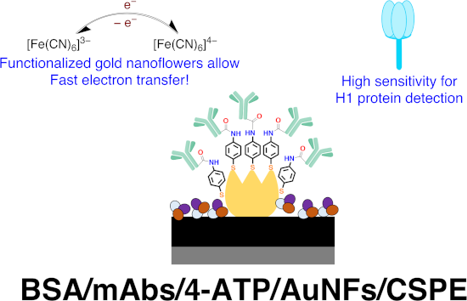
- .16.42 Abstract An electrochemical biosensor based on modified carbon screen-printed electrodes was developed for the detection of hemagglutinin of influenza A H1N1 virus (H1). Gold nanoflowers were electrodeposited on the electrode to increase conductivity and surface area. The electrochemical signal
- current across the electrode as a function of H1 concentration. This was performed on a series of samples of artificial saliva containing H1 protein in a clinically relevant concentration range. In these experiments, the biosensor showed a limit of detection of 19 pg/mL. Finally, the biosensor platform
- lengthy protocols that take a few days to complete, and they fail to detect the virus at early stages of infection because of the low concentration of viral particles. However, detection of viral infections at early stages of infection is essential to prevent the dissemination of pathogens and the


Electron beam-based direct writing of nanostructures using a palladium β-ketoesterate complex
Beilstein J. Nanotechnol. 2025, 16, 530–539, doi:10.3762/bjnano.16.41
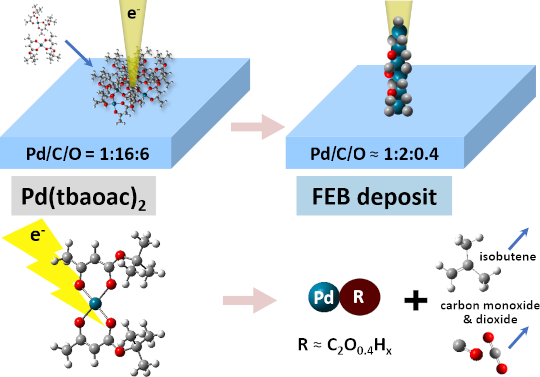
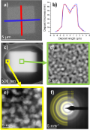
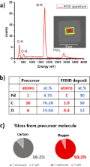
- 0.35 nA. The operating pressure was 1.5 × 10⁻⁵ mbar. Results and Discussion The square deposit, fabricated on the native-oxide Si(100) substrate using a spiral inward scanning strategy, was analyzed to assess its morphology and structure. Secondary electron detection in SEM imaging reveals the


Synthetic-polymer-assisted antisense oligonucleotide delivery: targeted approaches for precision disease treatment
Beilstein J. Nanotechnol. 2025, 16, 435–463, doi:10.3762/bjnano.16.34


Quantification of lead through rod-shaped silver-doped zinc oxide nanoparticles using an electrochemical approach
Beilstein J. Nanotechnol. 2025, 16, 422–434, doi:10.3762/bjnano.16.33
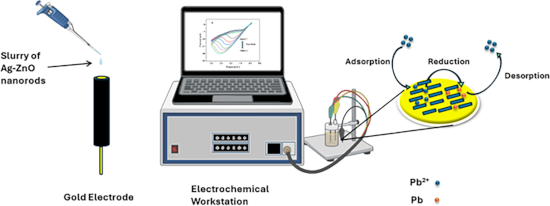
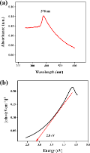
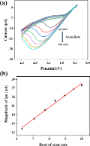
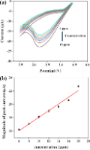
- . Electrochemical techniques comparatively offer quick, portable, sensitive, and inexpensive basic equipment for heavy metal detection. The interactions between Ag@ZnO NRs and lead were studied using electrochemical methods. The prepared lead sensor using Ag@ZnO NRs show a very low detection limit and a very high
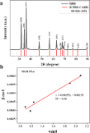
- sensitivity toward lead. The lead chemical sensor that was developed had a detection limit of 3 ppm with a sensitivity of 16 µA·ppm−1·cm−2. The recorded reaction time of lead sensor was less than two seconds. Keywords: electrochemical methods; chemical sensor; doping; lead; nanoparticles; ZnO nanorods
- chemical substances [7][8]. Target detection in real time is a strong suit for electrochemical devices. Electron mediators are typically used to modify the working electrodes in electrochemical sensor fabrication. These days, due to their unique electrical and optical characteristics, nanomaterials are





Size control of nanoparticles synthesized by pulsed laser ablation in liquids using donut-shaped beams
Beilstein J. Nanotechnol. 2025, 16, 407–417, doi:10.3762/bjnano.16.31
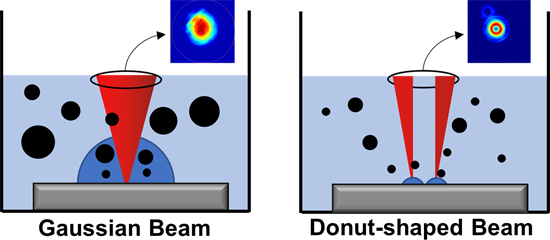
- the size, requiring a monodisperse or at least monomodal size distribution. As an example, gold NPs with a narrow particle size distribution achieve a higher detection sensitivity in sensing applications [9]. Besides, NP size is critical for biomedical applications, where deviations from the optimum


ReactorAFM/STM – dynamic reactions on surfaces at elevated temperature and atmospheric pressure
Beilstein J. Nanotechnol. 2025, 16, 397–406, doi:10.3762/bjnano.16.30
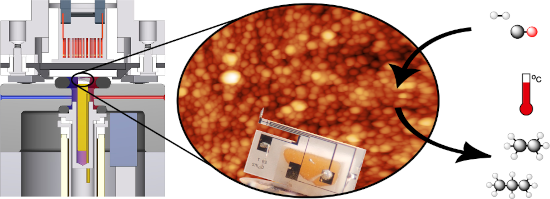
- detection method with a laser diode, which is not compatible with the design limitations of a reactor volume of 95 μL. Figure 3a shows a zoomed-in image of a third-generation M5B qPlus sensor (purchased from Nanosurf). The sensor has four gold electrodes of which three are used for AFM drive and readout


Engineered PEG–PCL nanoparticles enable sensitive and selective detection of sodium dodecyl sulfate: a qualitative and quantitative analysis
Beilstein J. Nanotechnol. 2025, 16, 385–396, doi:10.3762/bjnano.16.29
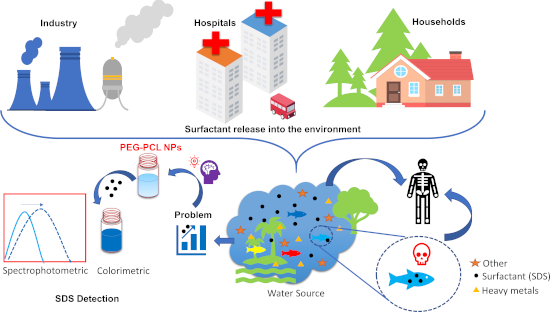
- , labor-intensive, and require specialized technical expertise. This study developed a novel colorimetric method for the selective and sensitive detection of SDS, utilizing polyethylene glycol-polycaprolactone nanoparticles (PEG–PCL NPs) synthesized via a ring-opening polymerization approach. The
- excellent linearity over a concentration range of 0–200 μg/mL, with a correlation coefficient (R2) of 0.98. The limits of detection and quantification for the proposed method were determined to be 26.14 μg/mL and 79.23 μg/mL, respectively. These findings indicate that the newly developed method offers high
- selectivity and sensitivity for SDS detection, making it a promising analytical tool for rapid and onsite estimation. Keywords: Bradford reagent; environmental monitoring; PEG–PCL nanoparticles; SDS; SDS detection; Introduction Sodium dodecyl sulfate (SDS), or sodium lauryl sulfate, is an anionic surfactant


Pulsed laser in liquid grafting of gold nanoparticle–carbon support composites
Beilstein J. Nanotechnol. 2025, 16, 349–361, doi:10.3762/bjnano.16.26
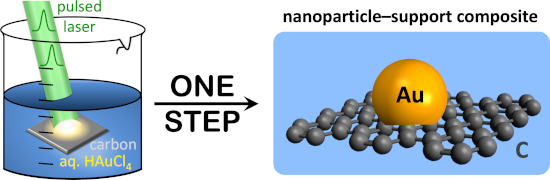
- absence of a carbonaceous shell on the gold nanoparticles, evident from the detection of surface gold (Figure 4). The elements carbon and oxygen are present in hydrophilic carbon fiber paper (Figure 4A), as expected for this support material [22]. High-resolution C 1s region spectra required six peaks to
- normalized to the geometric area of the cathode and the mass of gold, which we obtained from digesting the electrodes in aqua regia and collecting inductively coupled plasma mass spectrometry data. We note that only gold was quantified, as carbon has a Z number that is too low for ICP-MS detection [68
- . Inductively coupled plasma mass spectrometry measurements were conducted at the University of Rochester Medical Center. A Perkin Elmer NexION 2000 system featuring multielement detection and parts per billion/parts per trillion sensitivity was used. The gold nanoparticle–carbon fiber paper composites were


Radiosensitizing properties of dual-functionalized carbon nanostructures loaded with temozolomide
Beilstein J. Nanotechnol. 2025, 16, 229–251, doi:10.3762/bjnano.16.18
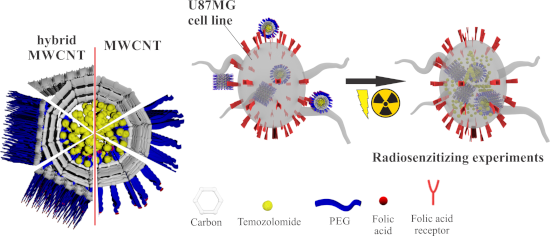
- ]. These findings are supported by several publications in which CNs were evaluated as potential drug carriers or inherent drugs for brain targeting and (synergistic) treatment of Alzheimer disease [20], Parkinson disease [21], and brain tumors [22][23][24][25], and as agents for the detection of brain




Recent advances in photothermal nanomaterials for ophthalmic applications
Beilstein J. Nanotechnol. 2025, 16, 195–215, doi:10.3762/bjnano.16.16
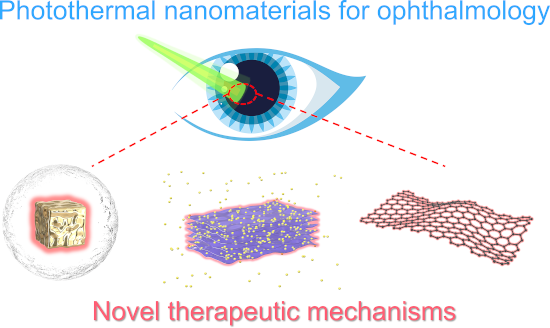
- PAI contrast agents [195][196]. Gold nanorods [197], gold nanostars [198], hollow gold nanocages [199], chains of gold nanoparticles [200], and ultraminiature chain-like gold nanoparticle clusters [201] have been used for the detection of ocular structures such as retinal blood vessels, choroidal


Modeling and simulation of carbon-nanocomposite-based gas sensors
Beilstein J. Nanotechnol. 2025, 16, 90–96, doi:10.3762/bjnano.16.9
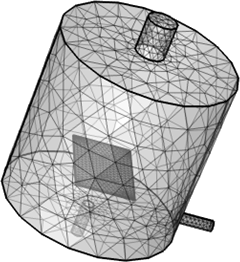
- , its composites, and their application in electrochemical sensors have been discussed [6][7][8]. There are research contributions on pristine graphene and ammonia gas sensors for detection of very low ammonia content [9]. The thin-film sensor fabricated on polyethylenimine- (PEI) functionalized SWCNTs
- showed high sensitivity towards strong electron-withdrawing molecules for NO2 gas detection [10]. To simulate gas adsorption in COMSOL Multiphysics for a gas sensor, several adsorption models can be employed depending on the physical and chemical behavior of the sensor. Commonly used models include the



Characterization of ZnO nanoparticles synthesized using probiotic Lactiplantibacillus plantarum GP258
Beilstein J. Nanotechnol. 2025, 16, 78–89, doi:10.3762/bjnano.16.8
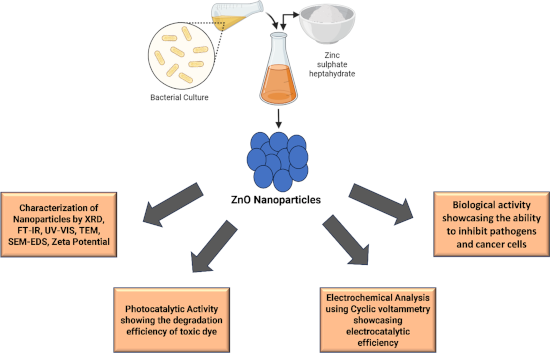
- procedure was used. Denaturation at 96 °C for 5 min was preceded by denaturation at the same temperature for 30 s, hybridization at 50 °C for 30 s for thirty cycles, with a final elongation step at 60 °C for 90 s. Later, the amplicons were sequenced using the ABI 3130 Genetic Analyzer sequence detection



Instance maps as an organising concept for complex experimental workflows as demonstrated for (nano)material safety research
Beilstein J. Nanotechnol. 2025, 16, 57–77, doi:10.3762/bjnano.16.7

- functionalised SiO2 nanomaterials under varying conditions. They also compared artificial and real allergen mixtures by applying genuine detection assays suitable for allergenic molecules in vitro and assessed two recently developed in silico protein corona prediction tools regarding the results from


Advanced atomic force microscopy techniques V
Beilstein J. Nanotechnol. 2025, 16, 54–56, doi:10.3762/bjnano.16.6

- . Khachartryan et al. highlight the strength of cantilever displacement detection with a Michelson-type fibre interferometer and provide a model for interferometric signal generation [4]. The interferometer response is slightly nonlinear under typical NC-AFM working conditions, while a large cantilever
- . Grévin et al. further push the boundaries of the detection by implementing an open-loop variant of KPFM which accesses the spectrum of a time-periodic surface potential [5]. By exploiting a double heterodyne frequency mixing effect, they can selectively transfer each harmonic component to the second
- cantilever eigenmode, which is particularly relevant when generating the time-periodic potential by optical or electrical pumping. With this development, the authors could present the detection of modulated components that are below the detection limit of other KPFM measurement modes. Da Lisca et al
A nanocarrier containing carboxylic and histamine groups with dual action: acetylcholine hydrolysis and antidote atropine delivery
Beilstein J. Nanotechnol. 2025, 16, 11–24, doi:10.3762/bjnano.16.2

- to use. Elution was carried out using 0.05 M K2HPO4, pH 7.4, at a flow rate of 0.5 mL·min−1 and a column temperature of 40 °C with refractive index detection on a 1260 Infinity detector (Agilent, Germany) at an optical unit temperature of 35 °C. Polyacrylic acid standards of 240, 5, and 1.8 kDa (Alfa


Orientation-dependent photonic bandgaps in gold-dust weevil scales and their titania bioreplicates
Beilstein J. Nanotechnol. 2025, 16, 1–10, doi:10.3762/bjnano.16.1
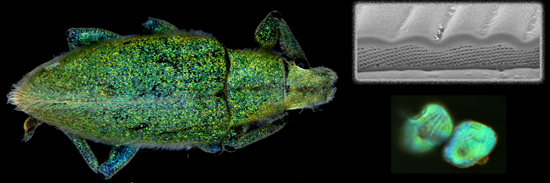
- detection pathway, we obtained reciprocal space images (Figure 3b). The domains oriented close to the {111} direction produced reciprocal space images with a greenish or yellowish central hexagon shape (Figure 3b II,VII), while the domains close to {110} orientation produced images with two partially


Liver-targeting iron oxide nanoparticles and their complexes with plant extracts for biocompatibility
Beilstein J. Nanotechnol. 2024, 15, 1593–1602, doi:10.3762/bjnano.15.125
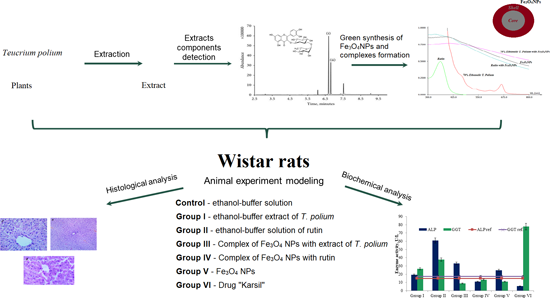
- , biochemistry, biophysics, and other disciplines within biology and medicine [1][2][3][4][5]. The development of nanotechnology has provided resources for various applications in the medical field, leading to significant advances in diagnosis, biological detection, therapy, and drug delivery [6][7][8][9]. An
- colorimetric method using the stable radical 2,2-diphenyl-1-picrylhydrazyl (DPPH, Alfa Aeser, Germany) at 30 °C. Optical density (OD) detection was carried out at 517 nm wavelength (UV-VIS 18, MRC, Israel), and ARA was estimated according to the following equation: where ODc is the optical density of the


Facile synthesis of size-tunable L-carnosine-capped silver nanoparticles and their role in metal ion sensing and catalytic degradation of p-nitrophenol
Beilstein J. Nanotechnol. 2024, 15, 1576–1592, doi:10.3762/bjnano.15.124
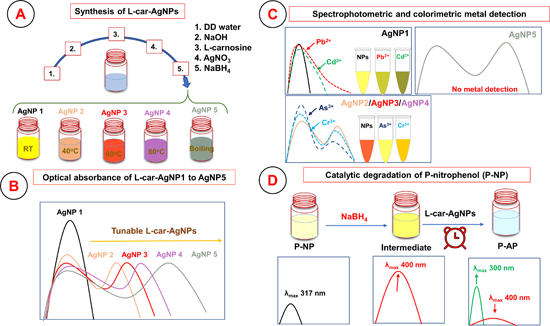
- , and Raman spectroscopy, as well as EDX and XRD revealed controlled aggregation, successful capping, and crystalline growth of the ʟ-car-AgNPs. The ʟ-car-AgNPs exhibited promising sensing capabilities with limits of detection of 141.79 ppb (1.2 μM) for Cd2+, 131.33 ppb (0.63 μM) for Pb2+, 215.35 ppb
- -car-AgNPs for both heavy metal ion detection and catalytic degradation of P-NP, indicating their suitability for environmental monitoring and remediation applications. Further optimization and research are needed to expand their environmental applications and to understand their interaction mechanisms
- biomagnification [1]. Similarly, organic pollutants such as p-nitrophenol (P-NP), from agricultural and industrial processes, are of significant concern because of their toxicity and resistance to degradation [2]. Consequently, detection and removal of these contaminants have become crucial for environmental




Electrochemical nanostructured CuBTC/FeBTC MOF composite sensor for enrofloxacin detection
Beilstein J. Nanotechnol. 2024, 15, 1522–1535, doi:10.3762/bjnano.15.120
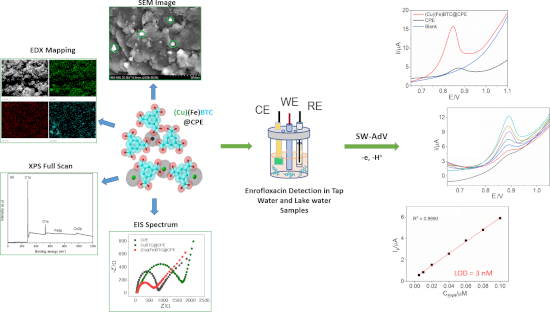
- /bjnano.15.120 Abstract A novel electrochemical sensor for the detection of enrofloxacin (ENR) in aqueous solutions has been developed using a carbon paste electrode modified with a mixture of metal-organic frameworks (MOFs) of CuBTC and FeBTC. These MOFs were successfully synthesized via a solvothermal
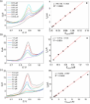
- significantly enhanced the electrochemical response of ENR, increasing the signal by more than ten times compared to the unmodified electrode. Under optimal analytical conditions, the sensor exhibited three dynamic ranges for ENR detection, that is, 0.005 to 0.100 µM, 0.1 to 1.0 µM, and 1 to 13 µM, with
- coefficients of determination of 0.9990, 0.9954, and 0.9992, respectively, depending on the accumulation duration. The sensor achieved a low detection limit of 3 nM and demonstrated good reproducibility, with a relative standard deviation of 3.83%. Furthermore, the sensor demonstrated effective performance in





Lithium niobate on insulator: an emerging nanophotonic crystal for optimized light control
Beilstein J. Nanotechnol. 2024, 15, 1415–1426, doi:10.3762/bjnano.15.114
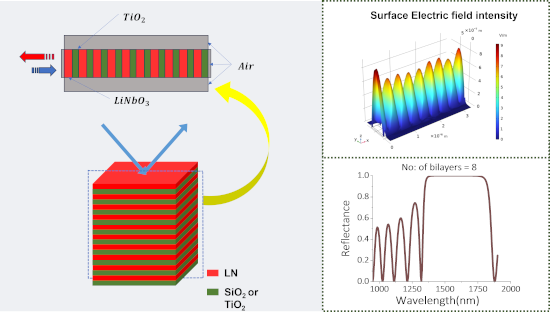
- , and spin–photon entanglement), and detection (involving single-photon detectors). Keywords: integrated photonics; lithium niobate; photonic bandgap; photonic crystal; titanium dioxide; Introduction One-dimensional photonic crystals (PhCs) are electromagnetic media in which materials are periodically


Out-of-plane polarization induces a picosecond photoresponse in rhombohedral stacked bilayer WSe2
Beilstein J. Nanotechnol. 2024, 15, 1362–1368, doi:10.3762/bjnano.15.109
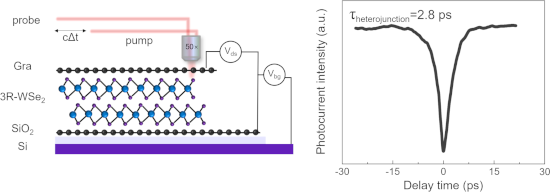
- intrinsic photoresponse time of approximately 3 ps. The ultrafast response time remains consistent across varying detection powers, demonstrating environmental stability and highlighting the potential in optoelectronic applications. Our study presents an effective strategy for enhancing the response time of
- photoelectric detection. Experimental Device fabrication The 2D materials, WSe2 and graphene, were obtained from high-quality bulk crystals using the mechanical exfoliation method. The monolayer WSe2 nanoflakes were exfoliated onto a transparent polydimethylsiloxane (PDMS) film, selected based on optical


Investigation of Hf/Ti bilayers for the development of transition-edge sensor microcalorimeters
Beilstein J. Nanotechnol. 2024, 15, 1353–1361, doi:10.3762/bjnano.15.108

- , for example, for the detection of dark matter, as single-photon detectors (X-ray, visible, and infrared ranges) [1], and the detection of individual excimers [2]. One of the new applications is the detection of the recoil energy of 4He atoms evaporated from a superfluid condensate (helium II). This
- generally also means a shorter thermal response time, allowing the detector to respond more quickly to small temperature changes. Second, the active area is reduced, which allows for a more efficient detection of a useful signal because of the higher energy density and, therefore, a higher signal-to-noise


Hymenoptera and biomimetic surfaces: insights and innovations
Beilstein J. Nanotechnol. 2024, 15, 1333–1352, doi:10.3762/bjnano.15.107
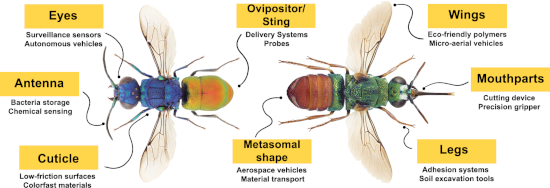
- tiny structures belong to two main functional types. They are either mechanosensory and belong to the peripheral nervous system or they have no sensing role and serve to prevent wetting of, for example, wings and legs [41][42][43][44]. Other functions include the detection of airflow patterns, for
- the result of co-evolution of these traits with ecological requirements [56][92][93][94]. Furthermore, they are essentially in both intra- and interspecific communications [95][96][97]. These antennal sensors have inspired the development of devices for the detection of volatile compounds, which have






Nanoarchitectonics with cetrimonium bromide on metal nanoparticles for linker-free detection of toxic metal ions and catalytic degradation of 4-nitrophenol
Beilstein J. Nanotechnol. 2024, 15, 1312–1332, doi:10.3762/bjnano.15.106
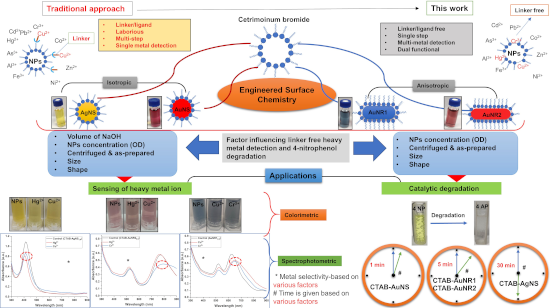
- nanoparticle-based systems capable of efficient detection and degradation. However, conventional approaches utilizing strong capping agents like cetrimonium bromide (CTAB) on nanoparticles lead to limitations due to the rigid nature of CTAB. This restricts its utility in heavy metal detection and 4-NP
- degradation, requiring additional surface modifications using linker molecules, thereby increasing process complexity and cost. To overcome these limitations, there is a critical need for the development of an easy-to-use, dual-functional, linker-free nanosystem capable of simultaneous detection of heavy
- metals and efficient degradation of 4-NP. For enabling linker-free/ligand-free detection of heavy metal ions and catalytic degradation of 4-NP, CTAB was engineered as a versatile capping agent on gold and silver nanoparticles. Various factors, including nanoparticle characteristics such as shape, size