


Search results
Search for "drug delivery" in Full Text gives 371 result(s) in Beilstein Journal of Nanotechnology. Showing first 200.
AI-assisted models to predict chemotherapy drugs modified with C60 fullerene derivatives
Beilstein J. Nanotechnol. 2024, 15, 1170–1188, doi:10.3762/bjnano.15.95
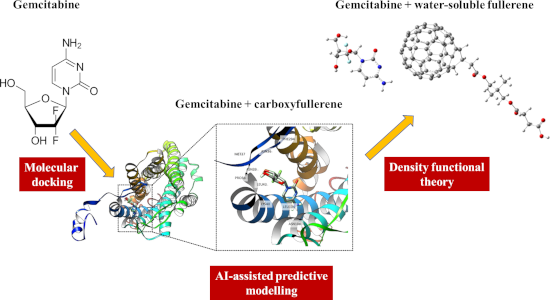
- , central nervous system and cardiac disorders, and autoimmune diseases [16]. In recent years, nanomaterials have attracted the attention of different scientific communities by providing them with new solutions for drug delivery [19][20]. These nanotechnological applications have made it possible to obtain
- treatments that release substances at specific sites of interest, reducing the required drug amount and side effects. Nanostructures to form these drug delivery systems can be divided into organic and inorganic [19][20], with the latter one being the less extensively studied. One option currently considered


Introducing third-generation periodic table descriptors for nano-qRASTR modeling of zebrafish toxicity of metal oxide nanoparticles
Beilstein J. Nanotechnol. 2024, 15, 1142–1152, doi:10.3762/bjnano.15.93
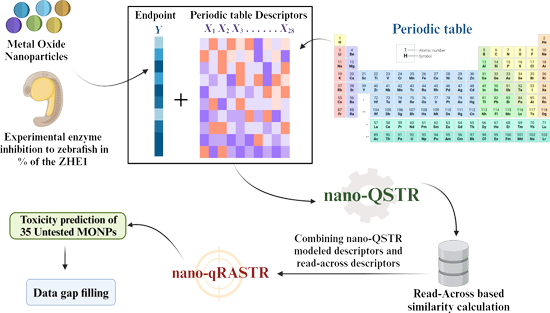
- development of nanotechnology, more and more MONPs including zinc, iron, titanium, and copper are being explored in therapeutic applications such as drug delivery, bioimaging, biosensing, bioelectronics, and tissue engineering applications [4][5][6]. Simultaneously, many of these particles also presented
- findings of this study have significant implications for the use of MONPs in medical applications. Nanoparticles are increasingly explored regarding drug delivery, imaging, and therapeutic purposes. Understanding the toxicity mechanisms and predicting potential adverse effects of MONPs can guide the design


Recent updates in applications of nanomedicine for the treatment of hepatic fibrosis
Beilstein J. Nanotechnol. 2024, 15, 1105–1116, doi:10.3762/bjnano.15.89
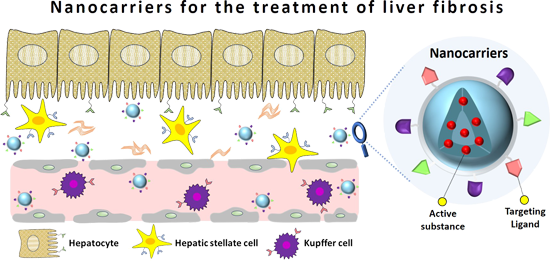
- played an important role in the enhancement of therapeutic outcomes compared to those of conventional therapy. At the same time, nanoparticle drug delivery systems offer a significant reduction in side effects of treatments by lowering the off-target biodistribution of the active pharmaceutical
- fibrosis. We first emphasize the challenges of conventional drugs for penetrating the biological barriers of the liver. After that, we highlight design principles of nanocarriers for achieving improved drug delivery of antifibrosis drugs through passive and active targeting strategies. Keywords: active
- application of nanoscale systems with unique physicochemical properties, including small size, large specific surface area, high reactivity, and quantum effects of the nanoparticles (NPs) [1][2]. Nanomedicine is specifically designated for therapeutics (drug delivery), diagnostics, and imaging, as well as for


Unveiling the potential of alginate-based nanomaterials in sensing technology and smart delivery applications
Beilstein J. Nanotechnol. 2024, 15, 1077–1104, doi:10.3762/bjnano.15.88
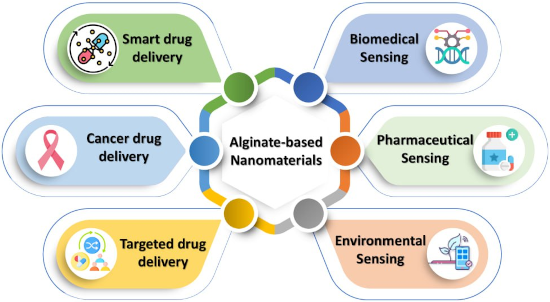
- and pharmaceutical fields. Many review papers describe applications of alginate in the drug delivery field. The current study covers the structural and physicochemical properties of alginate-based nanoparticles. The prospective applications of alginate-based nanomaterials in various domains are
- discussed, including drug delivery and environmental sensing applications for humidity, heavy metals, and hydrogen peroxide. Moreover, biomedical sensing applications of alginate-based nanoparticles regarding various analytes such as glucose, cancer cells, pharmaceutical drugs, and human motion will also be
- reviewed in this paper. Future research scopes highlight existing challenges and solutions. Keywords: alginate; biomedical sensing; polymer nanoparticle; smart drug delivery; Review Introduction Sensors have received a lot of attention in a variety of applications, including health, pharmacy, the


Interface properties of nanostructured carbon-coated biological implants: an overview
Beilstein J. Nanotechnol. 2024, 15, 1041–1053, doi:10.3762/bjnano.15.85
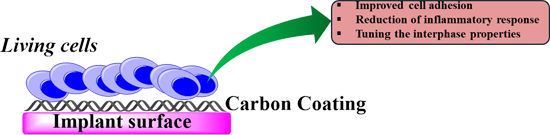
- applications [4] as active species or as drug delivery platforms using tailored carbon nanotubes (CNTs) [5][6], fullerenes [7][8], carbon dots (CDs) [9][10], and graphene-related materials (i.e., graphene oxide (GO) [11], reduced graphene oxide (rGO) [12], and nanographite (nG) [13]). Furthermore, the



Entry of nanoparticles into cells and tissues: status and challenges
Beilstein J. Nanotechnol. 2024, 15, 1017–1029, doi:10.3762/bjnano.15.83
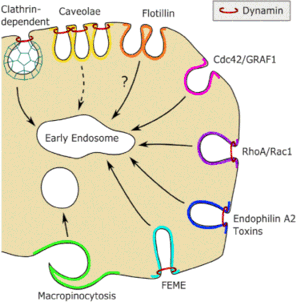
- , exposure to various types of NPs (Au, Ag, SiO2, and Fe3O4) was found to change the content of EV-containing miRNAs [72]. It is important to understand the mechanisms involved to analyze exosome markers with and without incubation with NPs. Nanoparticles under development for drug delivery are made from
- -based products for drug delivery into the cytosol is whether sufficient drug is delivered when not benefitting from the cytosolic amplification as in the case of mRNA. Another issue that needs attention regarding the use of such lipid-based NPs for drug delivery is whether ionizable synthetic lipids


Therapeutic effect of F127-folate@PLGA/CHL/IR780 nanoparticles on folate receptor-expressing cancer cells
Beilstein J. Nanotechnol. 2024, 15, 954–964, doi:10.3762/bjnano.15.78
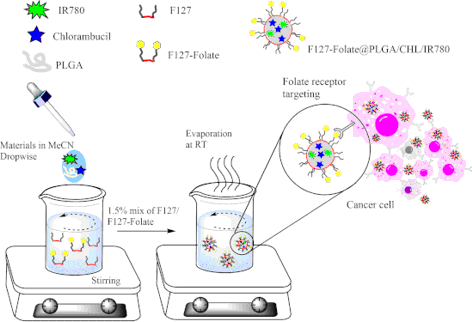
- ). Previous research has demonstrated that the presence of folate on the particles increases the internalization of the nanoparticles into the cell [12][14][36][37]. Many studies have used F127 as a drug delivery agent because it is an FDA-approved material for use in the living body and assists the entry of



Electrospun nanofibers: building blocks for the repair of bone tissue
Beilstein J. Nanotechnol. 2024, 15, 941–953, doi:10.3762/bjnano.15.77
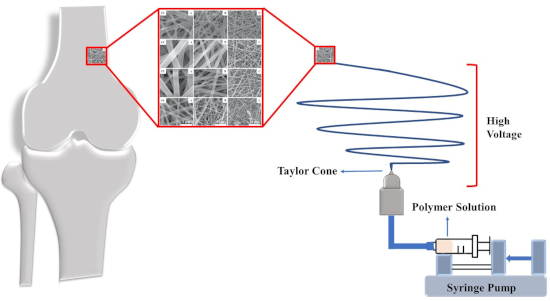
- regeneration and give an insight about bone regeneration, production techniques of the electrospun nanofibers, and varying formulation parameters in order to reach different drug delivery goals. This review also provides an extensive market research of electrospun nanofibers and an overview on scientific
- research and patents in the field. Keywords: bone regeneration; controlled release; drug delivery; electrospinning; nanofibers; Introduction The nanofiber technology is a recent technology developed for producing implantable systems that can be used for structural support to the bones as well as drug
- , antibiotics, anticancer agents, proteins, DNA, RNA, and growth factors for tissue regeneration [6][7][8]. In addition, nanofibers as drug delivery systems provide rapid or delayed and controlled release of pharmaceuticals. Apart from being implantable drug delivery systems, nanofiber scaffolds can contribute


When nanomedicines meet tropical diseases
Beilstein J. Nanotechnol. 2024, 15, 830–832, doi:10.3762/bjnano.15.69

- ]. Potentially beneficial properties of nanomedicines include enhanced drug solubility, improved bioavailability, targeted drug delivery, longer half-life, and reduced toxicity. This thematic issue covers pre-clinical research employing chemotherapeutic or prophylactic nanomedicines against NTDs in a concise
Synthesis of silver–palladium Janus nanoparticles using co-sputtering of independent sources: experimental and theorical study
Beilstein J. Nanotechnol. 2024, 15, 808–816, doi:10.3762/bjnano.15.67
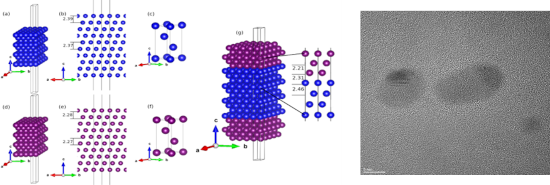
- not have. For instance, the distinct sides of Janus nanoparticles can be functionalized with different surface chemistries, allowing for controlled interactions with different molecules, surfaces, or biological entities; this feature may be particularly useful in applications as diverse as drug
- delivery, catalysis, and sensors. The methodologies, developed for the first time in 1999 [1], for the production of bimetallic nanoparticles in the gas phase can be roughly classified as either simultaneous or sequential. In the first category, the materials that will be used to make the nanoparticles are




Electrospun polysuccinimide scaffolds containing different salts as potential wound dressing material
Beilstein J. Nanotechnol. 2024, 15, 781–796, doi:10.3762/bjnano.15.65
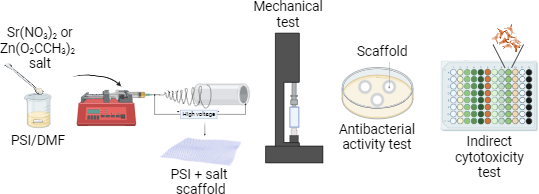
- )/hydroxyapatite in orthopedics [1][2]. Biocompatible polymers are widely used in biomedical fields, such as stents, drug delivery systems in cancer therapy, bone repair, dentistry, joint prostheses, and tissue engineering [2][3][4][5][6]. Polymers have several advantageous properties for these applications as
- created and used in numerous biomedical applications, such as tissue engineering, wound dressing, and drug delivery [11][12]. Electrospinning has many advantages: it is a simple technique, cost-effective, reproducible, scalable, and reliable. In addition, various polymers can be used as starting material



Green synthesis of biomass-derived carbon quantum dots for photocatalytic degradation of methylene blue
Beilstein J. Nanotechnol. 2024, 15, 755–766, doi:10.3762/bjnano.15.63
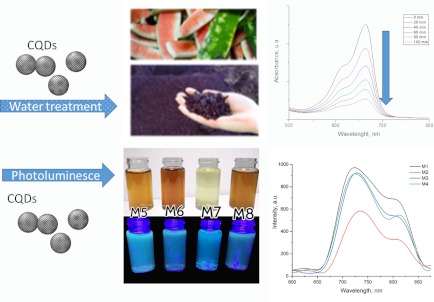
- of CQDs range from sensing and cell imaging to drug delivery, photocatalysis, and energy conversion [26][27][28][29]. In this study, biomass from watermelon shell and grape pomace waste is used as the carbon source. The hydrothermal method employing urea, nitric acid, and water is utilized. Samples
- properties for advanced photocatalytic applications. Furthermore, the assessment of luminescence activity unveiled the potential of CQDs for biomedical imaging, particularly with upconversion luminescence. This presents opportunities for targeted cell identification and drug delivery. This study underscores


On the additive artificial intelligence-based discovery of nanoparticle neurodegenerative disease drug delivery systems
Beilstein J. Nanotechnol. 2024, 15, 535–555, doi:10.3762/bjnano.15.47
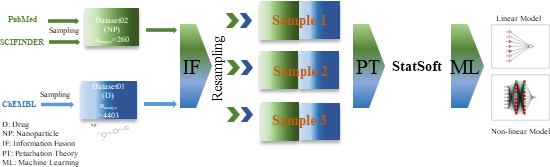
- drugs (NDDs) requires immediate attention. Nanoparticle (NP) systems are of increasing interest for transporting NDDs to the central nervous system. However, discovering effective nanoparticle neuronal disease drug delivery systems (N2D3Ss) is challenging because of the vast number of combinations of NP
- serve as valuable tools in the design of drug delivery systems for neurosciences. Keywords: artificial neural network (ANN); linear discriminant analysis (LDA); machine learning; nanoparticle; neurodegenerative diseases; Introduction Over time, there has been a significant shift in global dietary
- possible nanomedicine strategies for NDD transport to the central nervous system (CNS) [9][10]. For simplicity, we are going to call them nanoparticle neuronal diseases drug delivery systems (N2D3Ss). N2D3Ss have the ability to protect NDDs from chemical and enzymatic degradation, direct the active



Cholesterol nanoarchaeosomes for alendronate targeted delivery as an anti-endothelial dysfunction agent
Beilstein J. Nanotechnol. 2024, 15, 517–534, doi:10.3762/bjnano.15.46
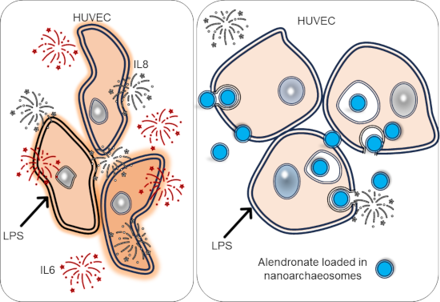
- interest in the drug delivery field [27][28]. Nanoarchaeosomes (nanoARC) prepared with lipids extracted from H. tebenquichense, for example, are naturally targeted to scavenger receptor A I/II (SRAI/II) expressed by phagocytic cells and certain endothelial cells and outperform liposomes in structural





Aero-ZnS prepared by physical vapor transport on three-dimensional networks of sacrificial ZnO microtetrapods
Beilstein J. Nanotechnol. 2024, 15, 490–499, doi:10.3762/bjnano.15.44
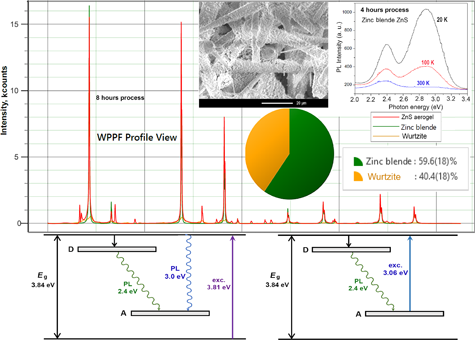
- pollutants from the atmosphere and from water, in other catalytic processes, including photocatalytic water splitting, in energy production and storage, in microfluidic systems, in drug delivery and other biomedical applications, in sensing, in electronic, photoelectronic, optoelectronic and nanophotonic



Fabrication of nanocrystal forms of ᴅ-cycloserine and their application for transdermal and enteric drug delivery systems
Beilstein J. Nanotechnol. 2024, 15, 465–474, doi:10.3762/bjnano.15.42
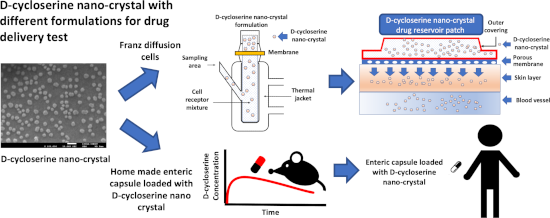
- showed good performance in the Franz diffusion test and rodent pharmacokinetic studies due to the nanoparticle size and faster dissolution as compared with the commercial DCS powder. These DCS nanocrystal formulations could offer a new approach for the development of an advanced drug delivery system for
- the treatment of CNS disorders. Keywords: ᴅ-cycloserine; drug delivery system; enteric capsules; N-methyl-ᴅ-aspartate; nanocrystals; NMDA receptor agonist; transdermal reservoir; Introduction Tuberculosis (TB) is a prevalent respiratory disease caused by Mycobacterium tuberculosis. According to the
- ]. Nanocrystals can improve many physicochemical properties of drugs such as solubility, size effect, dissolution rate, and adhesiveness to surface membranes [23]. The limitations of conventional medication delivery can be overcome by advanced drug delivery methodologies, such as transdermal drug delivery (TDD


Classification and application of metal-based nanoantioxidants in medicine and healthcare
Beilstein J. Nanotechnol. 2024, 15, 396–415, doi:10.3762/bjnano.15.36
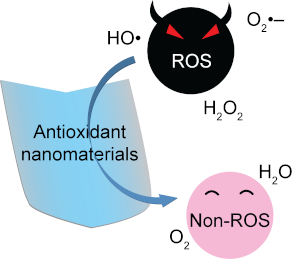
- atherosclerotic plaques [171]. One promising avenue involves the development of metal-based NPs for targeted drug delivery to atherosclerotic lesions. These NPs, often composed of biocompatible metals such as gold, silver, or iron, offer unique properties that enable precise drug delivery to affected areas while
- et al. demonstrated that biodegradable Mg scaffolds have shown promise in promoting vascular regeneration [188]. In brief, the use of metal-based nanomaterials in CVD treatment encompasses a range of innovative approaches from targeted drug delivery using NPs to the development of advanced metallic


Nanomedicines against Chagas disease: a critical review
Beilstein J. Nanotechnol. 2024, 15, 333–349, doi:10.3762/bjnano.15.30
- self-nanoemulsified drug delivery systems (SNEDDSs). SNEEDSs provide a pediatric liquid formulation of BNZ, which is only marketed as solid tablets. SNEDDSs are isotropic mixtures of oil, surfactants, and co-surfactants that form submicrometer-droplet emulsions under agitation in water or
- immunosuppression caused by oncological treatments [108]. The big picture shows that nanomedicines, specifically the drug delivery field, are (and probably will be) focused on diseases that exclude parasitic diseases, regardless of their socioeconomic burden. In the next two sections, we will examine the general
- , because of their easy industrial scale-up, structural assessment, and cheaper production (compared to that required for drug delivery or vaccination), could make it to the market against CD. Consider the development of Mosquirix™, which took nearly 35 years, for instance. In comparison, the factors that

Exploring the relationships between physiochemical properties of nanoparticles and cell damage to combat cancer growth using simple periodic table-based descriptors
Beilstein J. Nanotechnol. 2024, 15, 297–309, doi:10.3762/bjnano.15.27
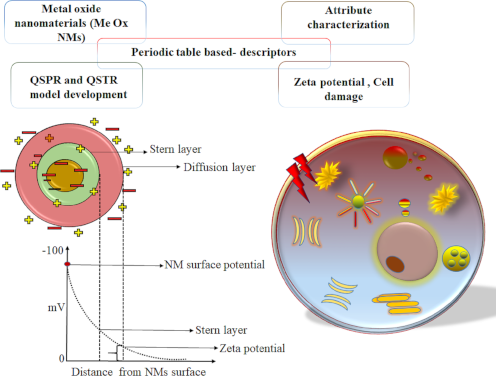
- = 0.54) showing the stability and predictive ability of the model. Utilization of the metal oxide cell damage knowledge for cancer treatment NPs have shown immense potential in treating various diseases owing to their small size and high surface-to-volume ratio, which makes them effective drug delivery


Vinorelbine-loaded multifunctional magnetic nanoparticles as anticancer drug delivery systems: synthesis, characterization, and in vitro release study
Beilstein J. Nanotechnol. 2024, 15, 256–269, doi:10.3762/bjnano.15.24
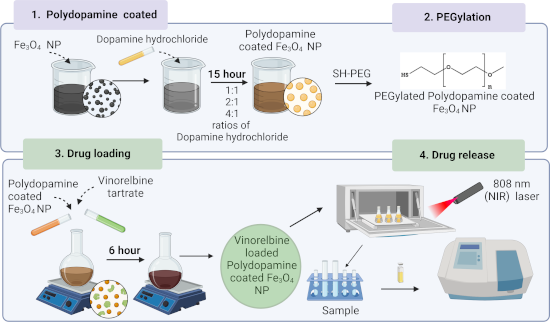
- drug delivery systems to formulate more effective cancer treatments, thereby addressing the current limitations encountered within this field of study. Functional nanostructures have been designed to mitigate potential harm to healthy tissue caused by these techniques [6]. Additionally, they facilitate
- passive targeting and offer multimodal tumor therapy. In recent years, the use of nanotechnology-based cancer drugs has emerged as a promising alternative treatment approach. Utilizing various nanostructures as specific vehicles for drug delivery enhances efficacy and pharmacokinetic properties of
- anticancer drugs while mitigating the adverse effects of large dosage administration [6][7]. Additionally, it offers several advantages, such as controlled release, targeted drug delivery, and improved stability [8]. Moreover, nanoscale drug delivery systems hold great promise for specific cancer treatments


Ion beam processing of DNA origami nanostructures
Beilstein J. Nanotechnol. 2024, 15, 207–214, doi:10.3762/bjnano.15.20
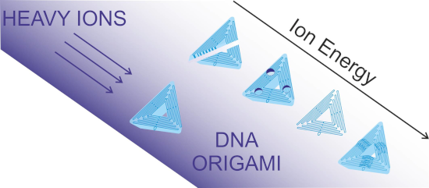
- DNA origami nanostructures is rarely explored, yet promising applications are foreseen to require such information. DNA nanostructures have been explored as drug delivery vessels for chemotherapeutics [1][2]. With the constant pursuit of effective targeting strategies [3], they could eventually be


Nanocarrier systems loaded with IR780, iron oxide nanoparticles and chlorambucil for cancer theragnostics
Beilstein J. Nanotechnol. 2024, 15, 180–189, doi:10.3762/bjnano.15.17
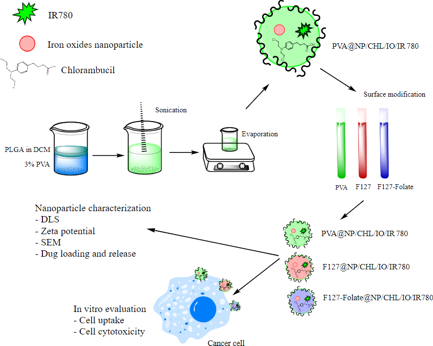
- diagnoses, including tumor-targeted drug delivery, hyperthermia, photodynamic therapy, and imaging. Nanomedicines can be made from a variety of inert, biodegradable, and in vivo biocompatible materials. Poly(lactic-co-glycolic acid) is one of the most biodegradable and biocompatible copolymers owing to its
- nanoparticle surfaces would assist the NPs to enter the cells. Therefore, F127 has been used as a nanoparticle component for drug delivery. For example, doxorubicin-loaded L61/F127 NPs (SP1049C, Supratek Pharma Inc., Montreal, Canada) have reached phase three in clinical trials [41][42]. The F127-folate@NP has


Development and characterization of potential larvicidal nanoemulsions against Aedes aegypti
Beilstein J. Nanotechnol. 2024, 15, 104–114, doi:10.3762/bjnano.15.10
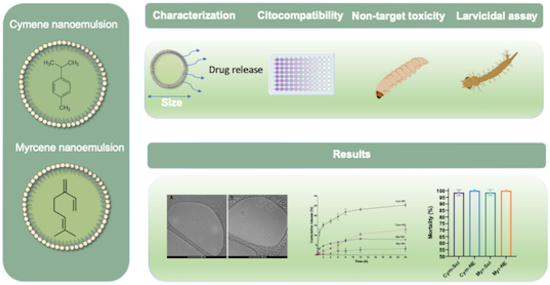
- ; drug delivery system; hydrophile–lipophile balance; monoterpenes; Introduction Aedes aegypti (Linnaeus, 1762) is a mosquito species that is cosmopolitan and well adapted to anthropized and peridomestic environments. It is an important vector of arboviruses, including dengue, chikungunya fever, zika
- bioavailability. NEs have been shown to increase the solubility of poorly soluble drugs, such as monoterpenes, which can improve drug delivery and efficacy. The cumulative release of both free terpenes was lower than the cumulative release of nanoemulsions (Figure 2). The observed differences in the release of


Berberine-loaded polylactic acid nanofiber scaffold as a drug delivery system: The relationship between chemical characteristics, drug-release behavior, and antibacterial efficiency
Beilstein J. Nanotechnol. 2024, 15, 71–82, doi:10.3762/bjnano.15.7
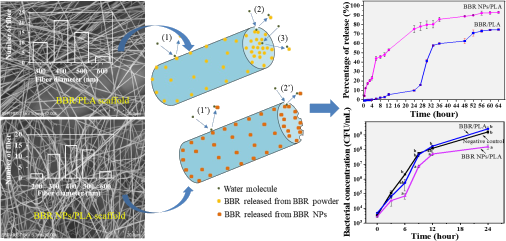
- cytotoxicity test revealed that the BBR NPs/PLA nanofiber scaffold did not induce any changes in morphology and proliferation of MA-104 cell monolayers. It suggests that the BBR/PLA and BBR NPs/PLA nanofiber scaffolds can be used in different biomedical applications, such as wound dressing, drug delivery
- been employed to produce nanoformulations of drugs for endowing a better therapeutic effect. The nanoformulations for drug delivery can be designed using nanocarrier systems, including organic materials (liposomes, nanoemulsions, nanomicelles, and nanofibers) and inorganic nanoparticles (gold, silver
- polymer solution blended with additional components is applied under a high-voltage electrostatic field, generating a charged and stretched solution jet following nanofiber formation [8][9]. Drug delivery systems based on nanofiber scaffolds produced by electrospinning method have strongly attracted


Influence of conductive carbon and MnCo2O4 on morphological and electrical properties of hydrogels for electrochemical energy conversion
Beilstein J. Nanotechnol. 2024, 15, 57–70, doi:10.3762/bjnano.15.6
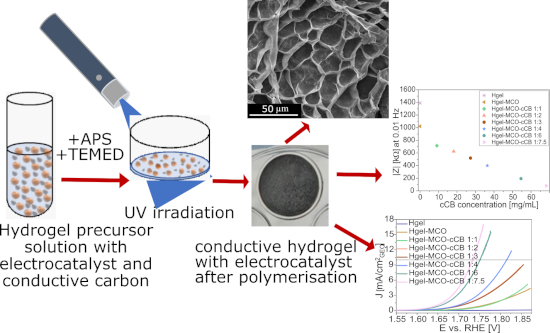
- , such as environmental engineering [32], renewable energy [22][33][34][35], electronics [36][37][38], medical devices [39][40][41], and drug delivery systems [42][43][44][45]. They combine the properties of a hydrophilic matrix with conductive properties obtained thanks to the use of an appropriate





