


Search results
Search for "ethanol" in Full Text gives 698 result(s) in Beilstein Journal of Nanotechnology. Showing first 200.
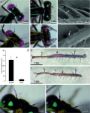
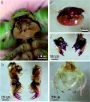
Functional morphology of cleaning devices in the damselfly Ischnura elegans (Odonata, Coenagrionidae)
Beilstein J. Nanotechnol. 2024, 15, 1260–1272, doi:10.3762/bjnano.15.102

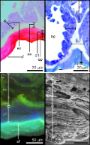
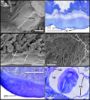
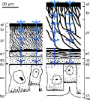
- the same buffer, dehydrated by using ascending ethanol concentrations, and finally embedded in an Epon–Araldite resin mixture (Sigma-Aldrich). Afterwards, semithin sections of the foretibial grooming structures were cut with a diamond knife using a Leica EM UC6 ultramicrotome, collected on glass
- Foretibiae were dissected from anaesthetised specimens (ten males and ten females), fixed for 12 h in 2.5% glutaraldehyde in cacodylate buffer (Electron Microscopy Sciences) at pH 7.2, repeatedly rinsed in the same buffer and dehydrated using ascending ethanol gradients (20%, 50%, 70%, 80%, 95%, and 100
- conventional lab freezer (ca. −20 °C) for 10 min. The foretibiae were cut from males and females by a scalpel. The specimens were washed in 70% ethanol and then immersed in glycerine (≥99.5%, Carl Roth GmbH & Co. KG, Karlsruhe, Germany). After fixing the specimens in glycerine between a glass slide and a cover


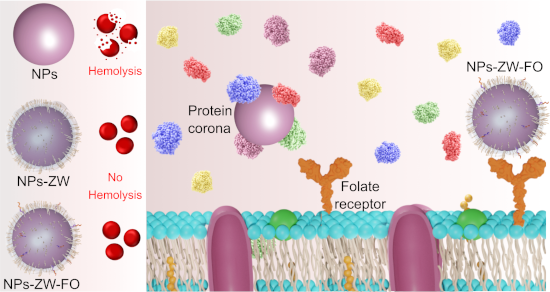
Dual-functionalized architecture enables stable and tumor cell-specific SiO2NPs in complex biological fluids
Beilstein J. Nanotechnol. 2024, 15, 1238–1252, doi:10.3762/bjnano.15.100
- -aminopropyl)triethoxysilane (99%) were purchased from Fisher Scientific. Ethanol (absolute) was purchased from Merck. All reagents and chemicals were used as received without further purification. Water used in the described procedures was obtained from a water purification system (Purelab from ELGA
- of 50:1 (dye: APTES) in absolute ethanol under nitrogen. The resulting solution was continuously stirred for 24 h. The conjugate was then hydrolyzed in a basic ethanolic solution with TEOS and catalyzed by ammonia. In summary, the dye precursor (0.1 mL) was added to ethanol (120.0 mL), TEOS (2.0 mL
- ), and ammonia solution (6.1 mL), and the resulting mixture was stirred for 3 h. Afterward, the conjugate and TEOS were added at the same concentrations as described above, and the reaction was stirred overnight. The NPs were centrifuged (10000 rpm, 15 min), followed by a single wash with ethanol and


Enhanced catalytic reduction through in situ synthesized gold nanoparticles embedded in glucosamine/alginate nanocomposites
Beilstein J. Nanotechnol. 2024, 15, 1227–1237, doi:10.3762/bjnano.15.99
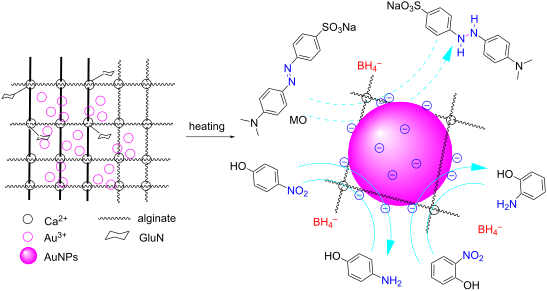
- reaction solution, cleaned with ethanol, and then washed multiple times with distilled water before being used again. Results and Discussion In situ synthesis of AuNPs@Glu/Alg AuNPs are incorporated into a nanocomposite composed of GluN/Alg following the process depicted in Figure 1. Initially, the blank



Synthesis, characterization and anticancer effect of doxorubicin-loaded dual stimuli-responsive smart nanopolymers
Beilstein J. Nanotechnol. 2024, 15, 1189–1196, doi:10.3762/bjnano.15.96
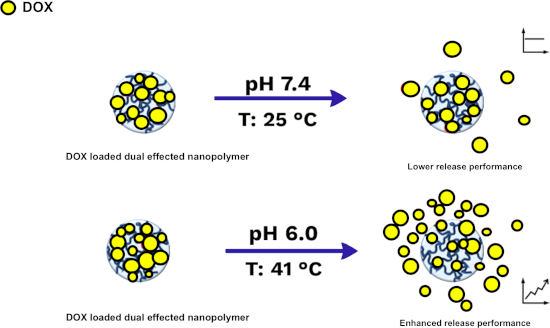
- 0.230 g NaHSO3 (solution D) were added to the medium, and polymerization was initiated. After about 10 h of polymerization, the surfactants and unreacted monomers were washed out with the help of an ethanol–water mixture, and the mixture was centrifuged at 25,000 rpm (Beckman Coulter, Allegra 64R


Photocatalytic methane oxidation over a TiO2/SiNWs p–n junction catalyst at room temperature
Beilstein J. Nanotechnol. 2024, 15, 1132–1141, doi:10.3762/bjnano.15.92
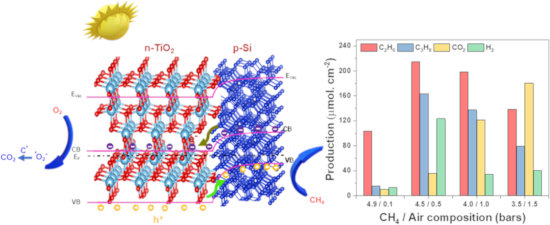
- . Experimental Chemicals and materials Commercial p-type Si 3-inch wafers (⟨100⟩ orientation, boron-doped, resistivity = 0.01–1 Ω·cm) were purchased from Silicon Mitus Corporation, South Korea. Silver nitrate (AgNO3, 0.1 M), hydrofluoric acid HF (50 wt %), nitric acid (HNO3, 63%), acetone, and ethanol were
- provided from Sigma-Aldrich. Deionized (DI) water was used for cleaning steps. Si NWs and TiO2/Si NWs preparation First, a small piece (1 × 2 cm2) was cut from a commercial p-type Si wafer and washed several times using DI water, ethanol, and acetone in a sonication bath. Etching solution containing AgNO3


Direct electron beam writing of silver using a β-diketonate precursor: first insights
Beilstein J. Nanotechnol. 2024, 15, 1117–1124, doi:10.3762/bjnano.15.90

- precursors were cleaned after each use. The cleaning involved mechanical wiping using acetone-wetted tissues, followed by a sequence of sonification in acetone and ethanol, and dry-blowing with nitrogen. Depositions were carried out on silicon with native oxide. The silicon substrates were cleaned using a
- sequence of sonification in acetone, ethanol, and rinsed water, and dry-blowing with nitrogen. In our deposition experiments, faint deposits were visible starting at a GIS temperature of 50 °C for spots of 5 min dwell time, turning into clearly visible deposits starting from about 60 °C. From 80 °C onwards


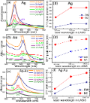
Effect of wavelength and liquid on formation of Ag, Au, Ag/Au nanoparticles via picosecond laser ablation and SERS-based detection of DMMP
Beilstein J. Nanotechnol. 2024, 15, 1054–1069, doi:10.3762/bjnano.15.86

- and cut into 1 cm × 1 cm pieces. The targets were thoroughly cleaned in an ultrasonic bath using ethanol, acetone, and DW for 10 min. After washing, the targets were fixed at the bottom of the glass beaker filled with 5 mL of DW and aqueous NaCl solution (1 mM). The setup was mounted on the motorized


Electrospun nanofibers: building blocks for the repair of bone tissue
Beilstein J. Nanotechnol. 2024, 15, 941–953, doi:10.3762/bjnano.15.77
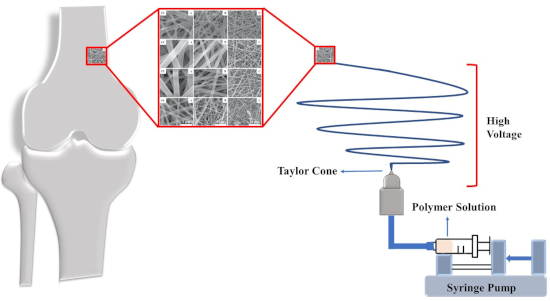
- , ethanol, formic acid, and tetrahydrofuran. Depending on the polymer type or the hybrid polymer composition, these organic solvents can be used alone or applied as mixtures in order to obtain suitable solution properties [67]. Surface tension The surface tension of the polymer liquid is important for the


Facile synthesis of Fe-based metal–organic frameworks from Fe2O3 nanoparticles and their application for CO2/N2 separation
Beilstein J. Nanotechnol. 2024, 15, 897–908, doi:10.3762/bjnano.15.74
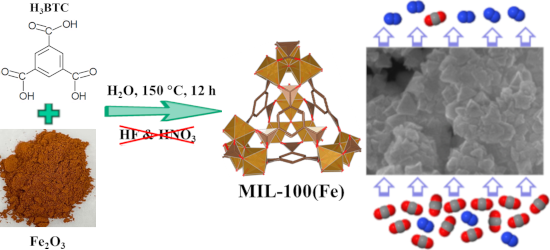
- (H3BTC, 95%) were supplied from Sigma-Aldrich. Anhydrous ethanol (EtOH, 99.5%) was acquired from Daejung Chemicals (Korea). Deionized (DI) water was generated using the Aqua Max ultra 360 system from Young-Lin (Korea). No further purification was performed on the chemicals before use. Preparation of M
- (ethanol and water) inside the pore system were released at low temperature around 100 °C. Subsequently, the ligands (water and/or –OH ligands) connected to Fe sites of the iron oxo-clusters were removed, leaving unsaturated metal sites inside the framework. Finally, a significant weight loss (approx. 41.8





The effect of age on the attachment ability of stick insects (Phasmatodea)
Beilstein J. Nanotechnol. 2024, 15, 867–883, doi:10.3762/bjnano.15.72

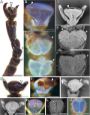
- projections. 8 Scanning Electron Microscopy (SEM) For inspection of the tarsal morphology of different age groups, samples were chosen after CLSM to compare regions of interest, such as altered autofluorescence or damage. Selected tarsi were transferred from glycerin into 50% ethanol via a gradual series of
- glycerin (descending) and ethanol (ascending) mixtures. Afterwards, samples were dehydrated in an ascending ethanol series and dried using a Leica EM CPD300 (Leica, Wetzlar, Germany) critical point drier. The tarsi were mounted on SEM stubs and sputter-coated with 10 nm gold–palladium in a Leica Bal-TEC


Intermixing of MoS2 and WS2 photocatalysts toward methylene blue photodegradation
Beilstein J. Nanotechnol. 2024, 15, 817–829, doi:10.3762/bjnano.15.68
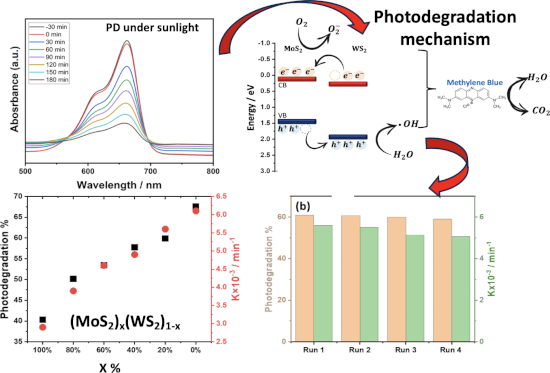
- SiO2/Si substrates as detailed elsewhere [27]. The fabricated samples were exfoliated in a mixed solution composed of 10 mL of ethanol, 10 mL acetone, and 10 mL of deionized water under sonication for 30 min as shown in Figure 12. Five to ten substrates loaded with the samples were used to prepare the


Exploring surface charge dynamics: implications for AFM height measurements in 2D materials
Beilstein J. Nanotechnol. 2024, 15, 767–780, doi:10.3762/bjnano.15.64
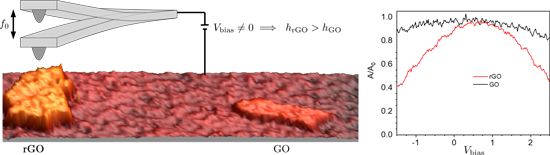
- ethanol and MQ water. Subsequently, the substrate was exposed to UV/ozone for 15 min to eliminate organic contaminants and promote the hydrophilicity of the SiO2 surface. GO (Graphenea), was employed without further treatment, while rGO was obtained through chemical reduction using hydrazine hydrate (50


Gold nanomakura: nanoarchitectonics and their photothermal response in association with carrageenan hydrogels
Beilstein J. Nanotechnol. 2024, 15, 678–693, doi:10.3762/bjnano.15.56

- the stability of the synthesized nanomakuras, different dispersion media were used. The relevant media for biological applications were used for the stability assessment of the nanoparticles. Figure 2a–c shows colloidal stability of AuNMs in ethanol (70%), NaCl (0.9%), and PBS (1X), respectively. The
- drop cast in a KCl solution (1 M) using a 2.5 mL syringe. This resulted in the formation of bright blue coloured spherical k-CG hydrogel beads incorporated with gold nanoparticles. The beads were further rinsed with DD water, subsequently washed with 70% ethanol, and finally dried in a hot air oven for
- DTAB-AuNM, respectively, over a wavelength range 300–900 nm. Stability of AuNMs (CTAB-AuNM, MTAB-AuNM, and DTAB AuNM) in different media at the ratio (NPs:media) 3:1 where (a), (b), and (c) represent the stability of AuNMs in ethanol (70%), NaCl (0.9%), and 1X phosphate buffer saline (PBS). (a) k-CG






Laser synthesis of nanoparticles in organic solvents – products, reactions, and perspectives
Beilstein J. Nanotechnol. 2024, 15, 638–663, doi:10.3762/bjnano.15.54
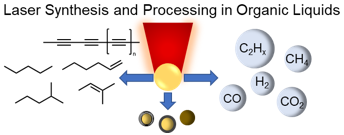
- an accumulation of anions in the Helmholtz layer indicated by zeta potential measurements. Scaramuzza et al., in contrast, investigated non-ionic additives and their influence on structure and composition during the ablation of metastable AuFe alloys [20]. They used ethanol and water as solvents and
- added different additives. In the case of gaseous additives (nitrogen, carbon dioxide, and argon), they saturated the solution by bubbling. Further additives were 0.3 vol % hydrogen peroxide and 0.2 vol % water (for ethanol only). Depending on the chosen additive, they found a different degree of
- oxidation of the alloy nanoparticles. The highest oxidation was found for the mixture of water and hydrogen peroxide, yielding AuFe nanoparticles with an oxide shell; hence, the authors declared the mixture as highly oxidizing. In contrast, ethanol and hydrogen peroxide brought forth AuFe nanoparticles





Comparative analysis of the ultrastructure and adhesive secretion pathways of different smooth attachment pads of the stick insect Medauroidea extradentata (Phasmatodea)
Beilstein J. Nanotechnol. 2024, 15, 612–630, doi:10.3762/bjnano.15.52
- tarsomeres were fixed in 2.5% glutaraldehyde in (pH 7.4) phosphate-buffered saline (PBS) for 24 h, washed two times in PBS for 30 min each, fixed in 1% aqueous OsO4 for 1 h, and washed two times in double-distilled water, for 30 min each. After fixation, the samples were dehydrated using an ascending ethanol
- PBS for 30 min and two times with double-distilled water for 30 min each. Afterwards, the samples were dehydrated in an ascending ethanol series. Each step was performed on ice (4 °C) and on a shaker. Afterwards, the samples were critical point dried (Leica EM CPD300, Leica, Wetzlar, Germany). Then




Radiofrequency enhances drug release from responsive nanoflowers for hepatocellular carcinoma therapy
Beilstein J. Nanotechnol. 2024, 15, 569–579, doi:10.3762/bjnano.15.49
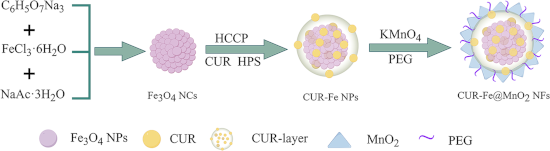
- sample was added to ethanol and ultrasonically dispersed. Then the dispersed liquid was added dropwise to the copper net. After drying, the US FEI Tecnai F20 TEM was used at an accelerated voltage of 200 kV to capture the morphology in high resolution. Zeta potentials and hydrodynamic diameters were


Fabrication of nanocrystal forms of ᴅ-cycloserine and their application for transdermal and enteric drug delivery systems
Beilstein J. Nanotechnol. 2024, 15, 465–474, doi:10.3762/bjnano.15.42
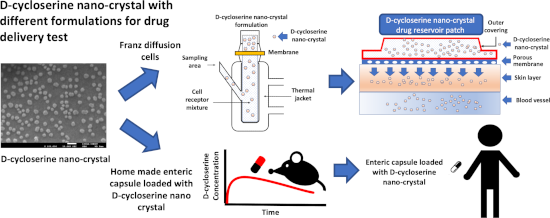
- double-coated carbon conductive tape and DCS nanocrystals were suspended in ethanol (Merck KGaA) at 10 mg/mL, put on the double-coated carbon conductive tape, and coated with platinum using an auto-fine coater for better electrical conduction. For the XRPD analysis, commercial DCS powder and DCS


Nanomedicines against Chagas disease: a critical review
Beilstein J. Nanotechnol. 2024, 15, 333–349, doi:10.3762/bjnano.15.30
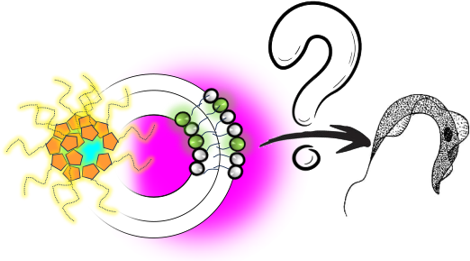
- drugs with low molecular weight, such as Doxil® (for delivery of doxorubicin) launched in 1995, DoceAqualip® (for delivery of docetaxel, devoid of polysorbate-80 and ethanol) launched in 2014, Onivyde® (for delivery of irinotecan) launched in 2015, and Vyxeos® (for synchronous delivery of cytarabine and

Ion beam processing of DNA origami nanostructures
Beilstein J. Nanotechnol. 2024, 15, 207–214, doi:10.3762/bjnano.15.20
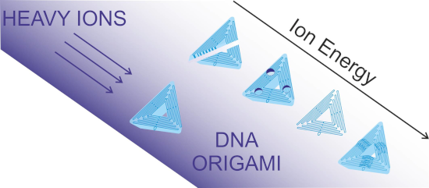
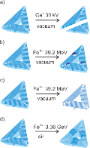
- at least 10 s at a distance of 0.2 mm. A volume of 1 μL of a 6 nM DNA origami solution was then dropped onto the Si chips together with 15 μL of 10× FOB and allowed to incubate for 1 h over an ethanol bath. The surfaces were thoroughly washed with at least 1 mL of 50% ethanol and then dried carefully


Assessing phytotoxicity and tolerance levels of ZnO nanoparticles on Raphanus sativus: implications for widespread adoptions
Beilstein J. Nanotechnol. 2024, 15, 115–125, doi:10.3762/bjnano.15.11
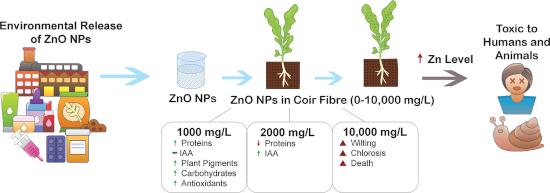
- antioxidant levels R. sativus plants treated with 1000 mg/L of ZnO NPs were selected for further biochemical testing. Determination of total carbohydrate content in leaves The leaf samples (50 mg) were separately homogenized with 5 mL of 80% ethanol and extracted by boiling in a water bath at 95 °C for 10 min
- [60]. The ethanol extracts of the samples were centrifuged at 2500 rpm for 5 min and the supernatant was analyzed for carbohydrate content by the phenol-sulfuric method [61]. Determination of pigment content in leaves Fresh leaf samples (50 mg) were obtained, and chlorophyll a (Chl-a), chlorophyll b


Development and characterization of potential larvicidal nanoemulsions against Aedes aegypti
Beilstein J. Nanotechnol. 2024, 15, 104–114, doi:10.3762/bjnano.15.10
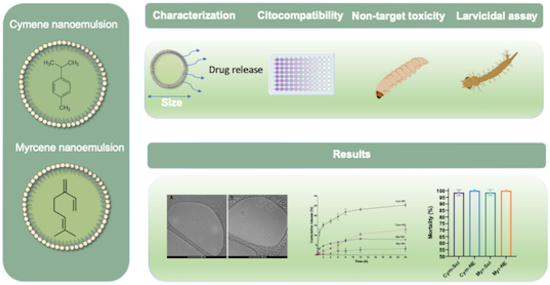
- ethanol (50:50 v/v), pH 5.5. 1 mL of the formulations was used, as allowed by the Franz cell. The acceptor solution was constantly agitated at 300 rpm using mini-magnetic agitators. The temperature was maintained at 37 ± 2 °C by utilizing a circulating heating bath in the jacketed cells. The evaluation of
- ), solvent control (5% ethanol, SC), and NE control (Cym-B and Myr-B). Cryogenic transmission electron microscopy of (A) Cym-NE and (B) Myr-NE. The in vitro drug release of nanoemulsions (Cym-NE, Myr-NE) and free terpenes (Cym-Sol and Myr-Sol). Kaplan–Meier survival curve of G. mellonella exposed to (A) Cym
- -Sol, (B) Myr-Sol, (C) Cym-NE, and (D) Myr-NE; DC: death control (100% methanol); SC: solvent control (ethanol 5%); TC: trauma control. Hydrodynamic diameter, PdI, and zeta potential of Cym-NEs.a Hydrodynamic diameter, PdI and zeta potential of Myr-NEs.a In silico molecular/physicochemical properties


Fluorescent bioinspired albumin/polydopamine nanoparticles and their interactions with Escherichia coli cells
Beilstein J. Nanotechnol. 2023, 14, 1208–1224, doi:10.3762/bjnano.14.100
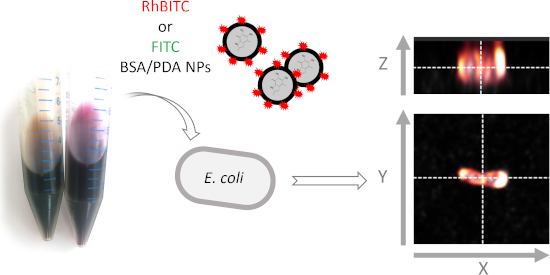
- . Experimental Synthesis Reagents Dopamine (DA) hydrochloride and bovine serum albumin (BSA) were purchased from Merck (Darmstadt, Germany) and used without purification. Fluorescein isothiocyanate (FITC), rhodamine B isothiocyanate (RhBITC), hydrochloric acid 37% (wt/v), absolute ethanol and Hellmanex® were
- suspension was finally deposited on a glass slide and covered by a glass coverslip, both previously washed using 0.2% Hellmanex® cleaning solution and ethanol in an ultrasonic bath. After complete drying (15 min), 8 µL of mounting medium (ProLong™ Diamond, Molecular Probes™) was deposited on the dry drop of



Spatial variations of conductivity of self-assembled monolayers of dodecanethiol on Au/mica and Au/Si substrates
Beilstein J. Nanotechnol. 2023, 14, 1169–1177, doi:10.3762/bjnano.14.97
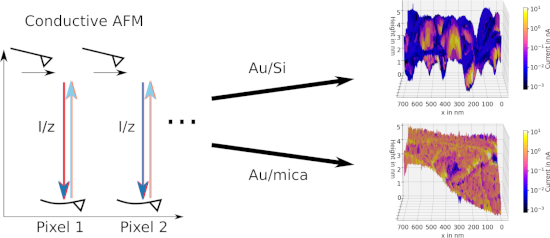
- substrates were used directly out of the box without any further cleaning steps. Au/Si was additionally cleaned by boiling in acetone followed by ethanol for 20 min under a fume hood. It was then dried in a glovebox in N2 atmosphere, exposed to ozone to remove organic contaminants, and finally rinsed with
- warm ethanol. DDT SAMs were deposited onto these substrates by immersing them in a 10 mM solution of DDT in ethanol with subsequent incubation for 24 h. After transfer into a glovebox, the samples were rinsed with ethanol and dried. To improve the order of the SAMs, they were again immersed in 10 mM
- DDT/ethanol solution and heated to ≈80 °C for 1 h. After gradual cooldown, the samples were again rinsed and dried in N2 atmosphere in the glovebox. The obtained samples were studied using a commercially available JPK NanoWizard® 3 AFM setup. The setup has been upgraded by a CAFM tip holder with an


Curcumin-loaded albumin submicron particles with potential as a cancer therapy: an in vitro study
Beilstein J. Nanotechnol. 2023, 14, 1127–1140, doi:10.3762/bjnano.14.93
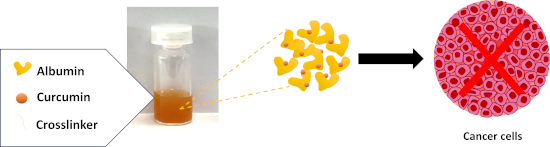
- mV were prepared. The CUR loading efficiency was up to 65%. A maximum release of 37% of the encapsulated CUR was observed within 6 h when the CUR-HSA-MPs were dispersed in 50% ethanol in PBS at pH 7, while in RPMI 1640 medium the release was 7%. This demonstrates a sustainable release. The in vitro
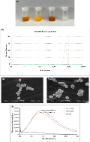
- cells [34]. Thus, submicron particles offer potential in the development of CUR delivery systems. The photophysical properties of CUR, HSA-MPs, and CUR-HSA-MPs in ethanol solution were evaluated. CUR exhibited the maximum emission at 545 nm, while CUR-HSA-MPs exhibited the maximum emission at 540 nm
- release of CUR for 6 h. The cumulative release of CUR was 35% when dispersed in 50% ethanol in PBS at pH 7, and 7% when dispersed in RPMI 1640 medium. However, the release in PBS (pH 7.4) was less than 1% after 96 h, as shown in Figure 5. Sustained release is a desirable property in the treatment of




Sulfur nanocomposites with insecticidal effect for the control of Bactericera cockerelli
Beilstein J. Nanotechnol. 2023, 14, 1106–1115, doi:10.3762/bjnano.14.91
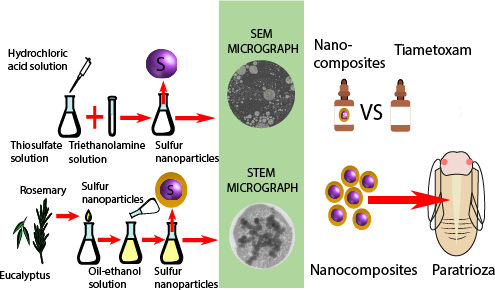
- rosemary essential oil. Ethanol used during synthesis acts as a cosurfactant. Because of its amphiphilic properties with a hydrocarbon chain and a hydroxy group it can reduce the interfacial tension between the two immiscible phases [39][40]. The size of the NCMPs depends on the concentration of eucalyptus
- %, CAS number: 10102-17-7), hydrochloric acid (HCl, ACS reagent, 37%, CAS number: 7647-01-0), triethanolamine ((HOCH2CH2)3N, ACS reagent, ≥99.5%, CAS number: 102-71-6), ethanol (CH3CH2OH, CAS number: 64-17-5), and polyethylene glycol (PEG, H(OCH2CH2)nOH, Wt: 6000, CAS number: 25322-68-3), were acquired
- equilibrium (Equation 1). Synthesis of nanocomposites Solutions of ethanol/essential oil were prepared using oil concentrations of 0.25%, 0.5%, and 0.75%. Subsequently, the previously synthesized sulfur nanoparticle solution was added (Table 4). Finally, 1 mL of 1% PEG was added to each solution as





