


Search results
Search for "photocatalyst" in Full Text gives 128 result(s) in Beilstein Journal of Nanotechnology.
Bombyx mori silk/titania/gold hybrid materials for photocatalytic water splitting: combining renewable raw materials with clean fuels
Beilstein J. Nanotechnol. 2018, 9, 187–204, doi:10.3762/bjnano.9.21
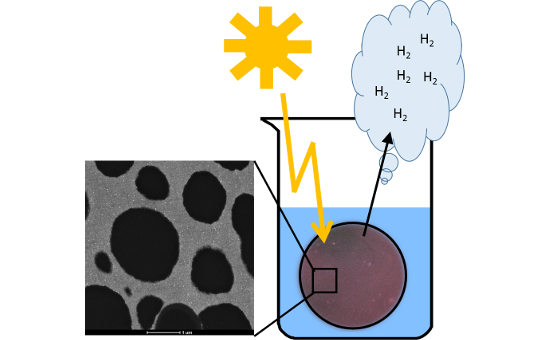
- (Ag) NPs or TiO2 nano-grass films with AuNP for photocatalytic water splitting [29][30]. Matsuoka et al. sputtered TiO2 on a quartz glass plate by radiofrequency (RF) magnetron sputtering deposition followed by Pt deposition to make a TiO2 thin film photocatalyst for water splitting [31]. Finally
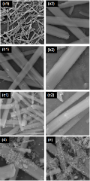
- , ideally a scaffold with a high porosity, and good chemical and mechanical stability to enable access of all reactants to the catalytically active sites over extended periods of time. Moreover, a suitable photocatalyst should ideally use a scaffold from renewable materials; ideally the scaffold should be
- a scaffold for photocatalyst synthesis. Instead of plasma chemistry, however, we employed a much softer wet chemistry method for materials synthesis. B. mori silk contains numerous amino acids, predominantly glycine, alanine, serine, and tyrosine [37][38]. As numerous amide and hydroxyl groups are




Review on optofluidic microreactors for artificial photosynthesis
Beilstein J. Nanotechnol. 2018, 9, 30–41, doi:10.3762/bjnano.9.5
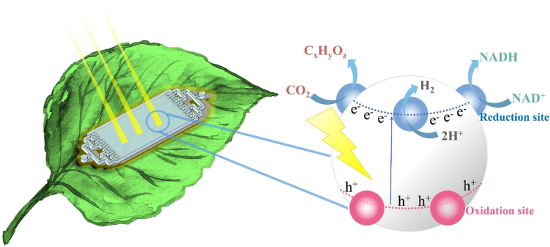
- [38], easy flow control and improved mass and photon transfer in the reaction system [49][50][51][52][53]. The small volume of optofluidic systems reduces the diffusion time, dramatically increases the reaction rate on the photocatalyst surface, and reduces the consumption of expensive photocatalysts
- energy could be offered by external light. In principle, a semiconductor photocatalyst (e.g., TiO2, C3N4) absorbs the appropriate photon (hν ≥ E0, where E0 is the bandgap of the semiconductor photocatalyst) to excite an electron in the conduction band, leaving a hole in the valence band. The electron
- for the redox reactions [65][66][67]. The desirable features of a photocatalyst include wide-range absorption, long-term stability, fast electron–hole separation, and strong redox powers. However, it is difficult to have all of these features in a single photocatalyst. Thereby, a simple heterojunction


Facile synthesis of silver/silver thiocyanate (Ag@AgSCN) plasmonic nanostructures with enhanced photocatalytic performance
Beilstein J. Nanotechnol. 2017, 8, 2781–2789, doi:10.3762/bjnano.8.277
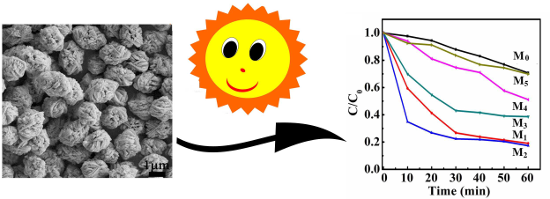
- nanostructured plasmonic photocatalyst, silver/silver thiocyanate (Ag@AgSCN), has been prepared by a simple precipitation method followed by UV-light-induced reduction. The ratio of Ag to silver thiocyanate (AgSCN) can be controlled by simply adjusting the photo-induced reduction time. The formation mechanism of
- visible-light irradiation. In addition to the microstructure and high specific surface area, the enhanced photocatalytic activity was mainly caused by the surface plasmon resonance of Ag nanoparticles, and the high stability of AgSCN resulted in the long-term stability of the photocatalyst product
- . Keywords: Ag@AgSCN; degradation of oxytetracycline; plasmonic photocatalyst; stability; Introduction In the past decade, water decontamination technology has attracted great attention due to the increasing health risk that water contamination poses to humankind. The removal of pollutants has been


CdSe nanorod/TiO2 nanoparticle heterojunctions with enhanced solar- and visible-light photocatalytic activity
Beilstein J. Nanotechnol. 2017, 8, 2741–2752, doi:10.3762/bjnano.8.273
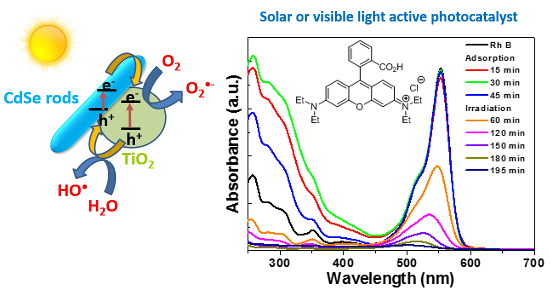
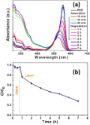
- remove the CdSe/TiO2 photocatalyst. The relative concentration of RhB in the solution was determined by comparing its UV−visible absorption at 554 nm with that of the starting solution. The mechanism of RhB photodegradation in aqueous solution was investigated through the use of scavengers. t-BuOH and p
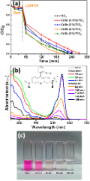
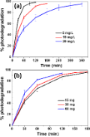
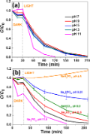
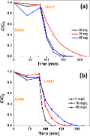
- photocatalyst, the photodegradation of RhB was found to be negligible. As shown in Figure 6a, the highest photocatalytic activity was reached for the CdSe (2 wt %)/TiO2 material which fully bleached the dye in 150 min. Thereafter, the activity decreases when increasing the amount of CdSe NRs associated to TiO2
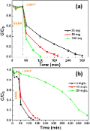
- TiO2 and CdSe/TiO2 composites loaded with 0.5, 1, 2, and 5 wt % CdSe, respectively (Figure S4, Supporting Information File 1). Influence of the photocatalyst dosage and rhodamine B concentration The photodegradation efficiency is generally affected by the amount of catalyst used and by the






Hydrothermal synthesis of ZnO quantum dot/KNb3O8 nanosheet photocatalysts for reducing carbon dioxide to methanol
Beilstein J. Nanotechnol. 2017, 8, 2264–2270, doi:10.3762/bjnano.8.226
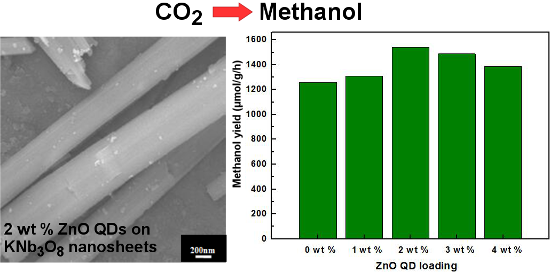
- -state reaction or alkoxide methods at more than 800 °C [15][16][17], which make the particle size uncontrollable. It is well-known that the morphology, size and crystal structure of the photocatalyst are crucial properties to control its photocatalytic activity [18]. Francesco and his team [19
- transparent solution was centrifugally separated from the slurry and analyzed by a gas chromatograph (SCION 456–GC). The reference experiments were carried out in the absence of photocatalyst or laser irradiation, and there were no products formed. Results and Discussion Catalyst characterization The two-step
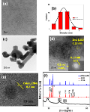
- KNb3O8 nanosheets: (a) 0 wt %; (b) 1 wt %; (c) 2 wt %; (d) 3 wt %; (e) 4 wt %. TEM image of the 2 wt % ZnO quantum dot/KNb3O8 nanosheet composite photocatalyst. HRTEM image of the 2 wt % ZnO quantum dot/KNb3O8 nanosheet composite photocatalyst. Energy dispersive X-ray spectroscopy pattern of the 2 wt




Evaluating the toxicity of TiO2-based nanoparticles to Chinese hamster ovary cells and Escherichia coli: a complementary experimental and computational approach
Beilstein J. Nanotechnol. 2017, 8, 2171–2180, doi:10.3762/bjnano.8.216

- (Brunauer–Emmett–Teller surface, BET) of nanoparticles were discussed. Keywords: Au/Pd–TiO2 photocatalyst; bimetallic nanoparticles; nanotoxicity; nano-QSAR; second-generation nanoparticles; Introduction Unmodified titania (TiO2) nanoparticles (so-called first-generation NPs) represent a material that
- alters the rate of chemical reactions, when exposed to light (photocatalyst) [1]. TiO2-based NPs have already found wide applications as efficient photocatalysts for sterilization, sanitation, air and water purification systems, hydrogen production by water splitting, and dye-sensitized solar cells [1


Two-dimensional carbon-based nanocomposites for photocatalytic energy generation and environmental remediation applications
Beilstein J. Nanotechnol. 2017, 8, 1571–1600, doi:10.3762/bjnano.8.159
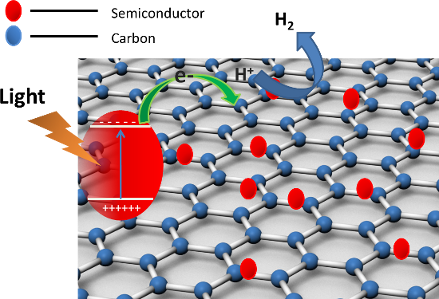
- nanocomposites. Then, the development of various graphene-based nanocomposites for the above-mentioned applications is presented, wherein graphene plays different roles, including electron acceptor/transporter, cocatalyst, photocatalyst and photosensitizer. Subsequently, the development of different graphitic
- environmental remediation and energy generation applications [29][30][31][32]. Semiconductor nanocomposite-based photocatalytic reactions are generally initiated by absorbing light energy equal to or more than the band gap of semiconductor photocatalyst [4]. This leads to the excitation of electrons from the
- valence band (VB) of the semiconductor to their empty conduction band (CB), resulting in the electron–hole pair generation [4]. This photoexcitation process leaves a hole in the VB of the photocatalyst, which can oxidize water of OH− at its surface to produce hydroxyl radical (OH*), which is a powerful


Enhanced catalytic activity without the use of an external light source using microwave-synthesized CuO nanopetals
Beilstein J. Nanotechnol. 2017, 8, 1167–1173, doi:10.3762/bjnano.8.118
- with the development of cost effective and ecologically friendly methods [2]. Metal oxides have attracted significant attention as a photocatalyst for the degradation of these pollutants [3][4][5][6]. Copper oxide (CuO) is one of the most efficient materials for the oxidation of the air pollutant
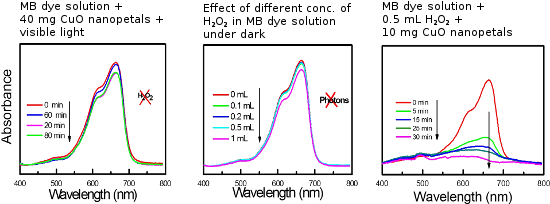
- the photocatalyst. Here, we have adopted the simple microwave-assisted route for the wet chemical surfactantless synthesis of copper oxide (CuO) nanostructures (nanoflowers and nanopetals) having a large specific surface area. The catalytic reaction of CuO nanopetals and H2O2 was studied under the
- blue degradation in the absence of CuO nanopetals (catalyst) under dark conditions. (d) UV–vis absorption spectrum of methylene blue degradation using CuO nanopetals as a photocatalyst for different durations. (a) UV–vis absorption spectra for MB degradation for different duration for 10 mg nanopetals


ZnO nanoparticles sensitized by CuInZnxS2+x quantum dots as highly efficient solar light driven photocatalysts
Beilstein J. Nanotechnol. 2017, 8, 1080–1093, doi:10.3762/bjnano.8.110
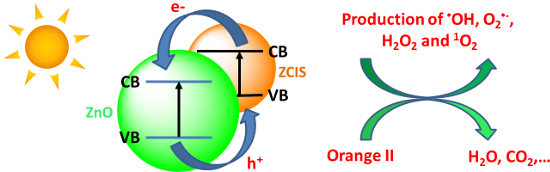
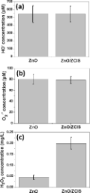
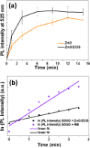
- range by the photocatalyst but also acts to decrease electron/hole recombination. Interestingly, the ZnO/ZCIS composite was found to produce increased amounts of H2O2 and singlet oxygen 1O2 compared to ZnO, suggesting that these reactive oxygen species play a key role in the photodegradation mechanism
- generating UV-A and UV-B radiation. In this paper, we report first the successful preparation of a ZnO/ZCIS heterostructured photocatalyst using commercial ZnO nanoparticles and only 2.5 wt % of ZCIS QDs. The high photocatalytic activity of this material for the degradation of Orange II dye under simulated
- solar light irradiation was demonstrated. The ZnO/ZCIS photocatalyst was found to possess high stability and could be reused at least ten times without significant loss of activity. Additionally, it was found to be only weakly sensitive to interfering substances such as salts present in the aqueous




High photocatalytic activity of Fe2O3/TiO2 nanocomposites prepared by photodeposition for degradation of 2,4-dichlorophenoxyacetic acid
Beilstein J. Nanotechnol. 2017, 8, 915–926, doi:10.3762/bjnano.8.93
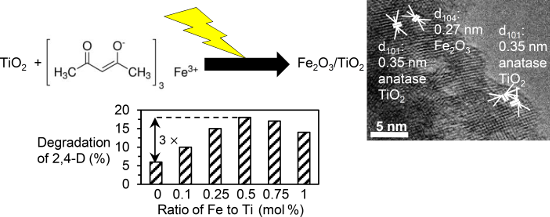
- photodeposition showed higher photocatalytic activity than the unmodified TiO2. Three times higher photocatalytic activity was obtained on the best photocatalyst, Fe2O3(0.5)/TiO2. The improved activity of TiO2 after photodeposition of Fe2O3 was contributed to the formation of a heterojunction between the Fe2O3
- stability and reusability, suggesting its potential for water purification applications. Keywords: 2,4-dichlorophenoxyacetic acid; Fe2O3/TiO2; herbicide degradation; heterojunction; holes and superoxide radicals; photocatalyst; photodeposition; water purification; Introduction Photocatalytic reactions
- have been widely suggested for environmental remediation under mild conditions. In the presence of only a photocatalyst and a light source of appropriate energy, the process can mineralize organic pollutants to harmless products such as carbon dioxide and water. Among the semiconductor photocatalysts


Synthesis of graphene–transition metal oxide hybrid nanoparticles and their application in various fields
Beilstein J. Nanotechnol. 2017, 8, 688–714, doi:10.3762/bjnano.8.74
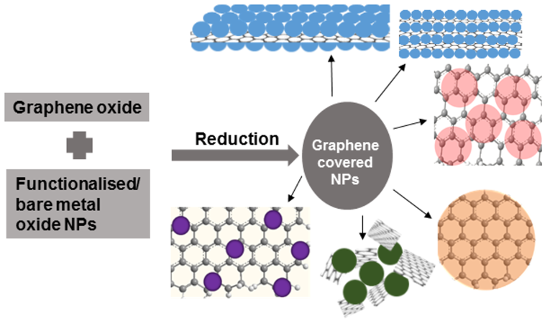
- and electrical properties. It has been used as a heterogeneous photocatalyst and it has outstanding advantages because of its low cost, scalability, nontoxicity, strong photo-oxidising power and stability in oxidative and acidic environments [78]. Extensive research on TiO2 nanomaterials has shown






Investigation of the photocatalytic efficiency of tantalum alkoxy carboxylate-derived Ta2O5 nanoparticles in rhodamine B removal
Beilstein J. Nanotechnol. 2017, 8, 604–613, doi:10.3762/bjnano.8.65
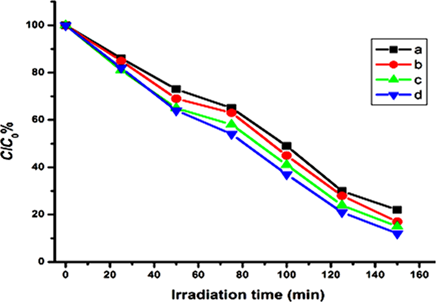
- with the Scherrer equation, are in the range of 15–28 nm. The samples attained good crystallinity after calcination at 750 °C. SEM micrographs show that the synthesized samples are almost spherical and agglomerate to some extent. The photodegradation of rhodamine B by the semiconductor photocatalyst


Photocatalysis applications of some hybrid polymeric composites incorporating TiO2 nanoparticles and their combinations with SiO2/Fe2O3
Beilstein J. Nanotechnol. 2017, 8, 272–286, doi:10.3762/bjnano.8.30
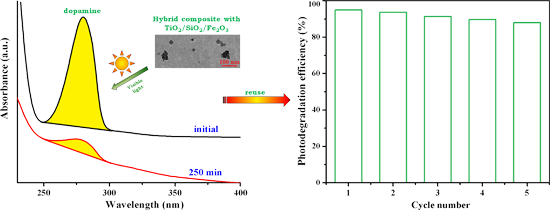
- separation and recycling of photocatalyst particles from aqueous suspension can appear. In order to eliminate or at least diminish the limitations mentioned, many studies were directed on obtaining TiO2-based materials that are active under solar/visible light. It has been demonstrated that the increase of


Laser irradiation in water for the novel, scalable synthesis of black TiOx photocatalyst for environmental remediation
Beilstein J. Nanotechnol. 2017, 8, 196–202, doi:10.3762/bjnano.8.21
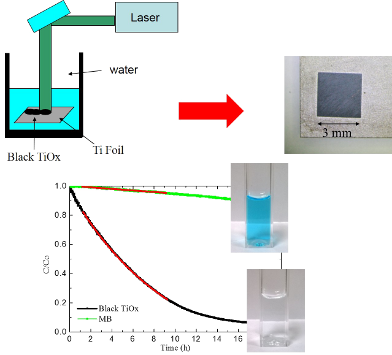
- irradiation. We employed a commercial high repetition rate green laser in order to synthesize a black TiOx layer and we demonstrate the scalability of the present methodology. The photocatalyst is composed of a nanostructured titanate film (TiOx) synthetized on a titanium foil, directly back-contacted to a
- irradiation in the presence of black TiOx material (black) and without the photocatalyst (green) are reported. The MB concentration follows a pseudo first-order kinetic law in the first 10 hours of irradiation. The discoloration rate constant k is measured by fitting the curve in Figure 6 with the following
- the TiOx/Ti film in the IR, visible and UV spectral range. UV discoloration of methylene blue (MB) dye in the presence of TiOx/Ti/Pt foil. The discoloration of a MB solution without photocatalyst is also reported for comparison purposes. Acknowledgements This research has been supported by the FP7


Organoclay hybrid materials as precursors of porous ZnO/silica-clay heterostructures for photocatalytic applications
Beilstein J. Nanotechnol. 2016, 7, 1971–1982, doi:10.3762/bjnano.7.188
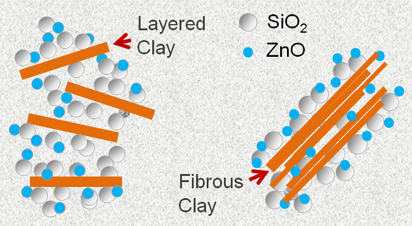
- microparticulated layered silicates of the smectite family, giving rise to materials exhibiting interesting properties [8][9]. The immobilization of those NP on clay surfaces represents an advantage for the easier recovering of the photocatalyst from the reaction medium compared to ZnO NP alone. In recent years
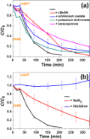
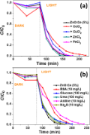
- different applications as a photocatalyst. Hence, their activity has been tested using methylene blue (MB) model dye molecule. Figure 11 shows the concentration of methylene blue solutions (C/C0) as a function of the UV irradiation time in presence of SiO2/ZnO montmorillonite and ZnO/SiO2-sepiolite
- photocatalyst for the degradation of drug pollutants in water, ibuprofen was selected as a model pharmaceutical. Ibuprofen shows a low adsorption affinity towards silica/silicate substrates and the observed degradation could be directly related to the photocatalytic activity of the tested materials. Figure 12





Role of RGO support and irradiation source on the photocatalytic activity of CdS–ZnO semiconductor nanostructures
Beilstein J. Nanotechnol. 2016, 7, 1684–1697, doi:10.3762/bjnano.7.161
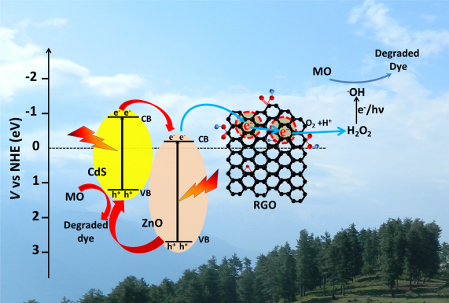
- the photocatalysts. In this work, we have investigated the role of reduced graphene oxide (RGO) support and the irradiation source on mixed metal chalcogenide semiconductor (CdS–ZnO) nanostructures. The photocatalyst material was synthesized using a facile hydrothermal method and thoroughly
- characterized using different spectroscopic and microscopic techniques. The photocatalytic activity was evaluated by studying the degradation of a model dye (methyl orange, MO) under visible light (only) irradiation and under natural sunlight. The results reveal that the RGO-supported CdS–ZnO photocatalyst
- with other semiconductor materials to form nanocomposites, they turn out be an efficient photocatalyst [25]. Recently, there have been few reports available in literature on CdS–ZnO coupled photocatalytic systems with enhanced activity [26]. On illumination of light, charge transfer takes place from





High performance Ce-doped ZnO nanorods for sunlight-driven photocatalysis
Beilstein J. Nanotechnol. 2016, 7, 1338–1349, doi:10.3762/bjnano.7.125
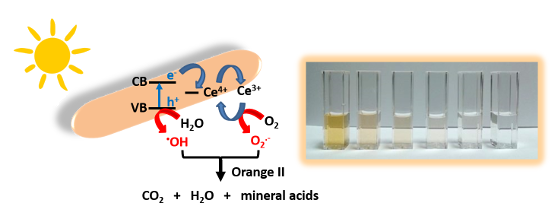
- no marked detrimental effect on the photocatalytic activity was observed. Finally, recyclability experiments demonstrate that ZnO:Ce rods are a stable solar-light photocatalyst. Keywords: Ce doping; photocatalysis; solvothermal synthesis; ZnO rods; Introduction Due to the increasing pollution of
- adequate wavelength by the semiconductor, electrons (e−) are promoted from the valence band (VB) to the conduction band (CB) and holes (h+) generated in the VB to form electron–hole pairs. Most of these e−/h+ pairs recombine and only a small percentage migrate to the surface of the photocatalyst where they
- semiconductor photocatalyst owing to its availability, weak toxicity, stability and relatively good resistance to photocorrosion [2][3][4][5][6][7]. However, to efficiently use ZnO in practice as an air and water decontamination agent, two drawbacks should be overcome. First, ZnO is a wide bandgap material (Eg







Manufacturing and investigation of physical properties of polyacrylonitrile nanofibre composites with SiO2, TiO2 and Bi2O3 nanoparticles
Beilstein J. Nanotechnol. 2016, 7, 1141–1155, doi:10.3762/bjnano.7.106
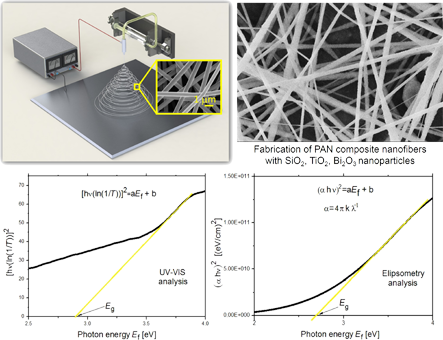
- composite nanofibres obtained by Ji Sun Im, Min Il Kim and Young-Seak Lee [36]. This leads to a significant increase in the specific surface area of the composite mats related to receiving more efficient photocatalyst materials. It is anticipated that the Bi2O3-reinforced composite PAN nanofibres produced
- by the authors hereof, due to their photocatalyst properties [37], can provide a more effective alternative to the previously produced PAN/TiO2 nanofibres. In addition, in the a stage of the study, it is planned to examine the effects even larger distances between the electrodes while maintaining the



Selective photocatalytic reduction of CO2 to methanol in CuO-loaded NaTaO3 nanocubes in isopropanol
Beilstein J. Nanotechnol. 2016, 7, 776–783, doi:10.3762/bjnano.7.69
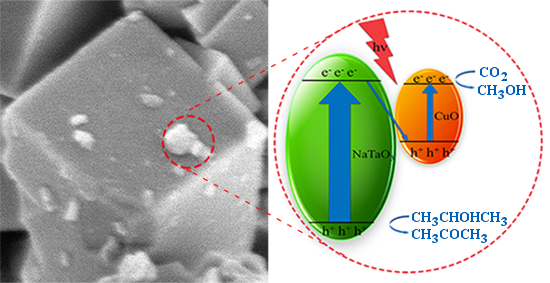
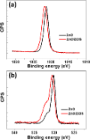
- visible light absorbance correlates with the formation rate and increase in electrons and holes on the photocatalyst surface [35]. Energy-dispersive X-ray spectroscopy (EDS) and X-ray photoelectron spectroscopy (XPS) were carried out to confirm that CuO was loaded onto the surface of NaTaO3 nanocubes
- , 2wt-NaTaO3 and 5wt-NaTaO3. Methanol and acetone yields for 2M-NaTaO3 loaded with different amounts of CuO after 6 h of irradiation. Schematic diagram for photocatalytic reduction of CO2 to methanol in CuO–NaTaO3 photocatalyst under UV light irradiation. Acknowledgements We gratefully thank the


Synthesis and applications of carbon nanomaterials for energy generation and storage
Beilstein J. Nanotechnol. 2016, 7, 149–196, doi:10.3762/bjnano.7.17
- 15 and a conductivity of 300 S/cm with HI acid. Derivative approaches of the chemical method have also been employed to reduce GO: photocatalyst reduction where the GO mixed with TiO2 particles is exposed to ultraviolet (UV) irradiation [131]; electrochemical reduction with an inert electrode placed

















Impact of ultrasonic dispersion on the photocatalytic activity of titania aggregates
Beilstein J. Nanotechnol. 2015, 6, 2423–2430, doi:10.3762/bjnano.6.250
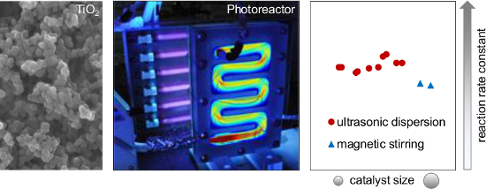
- effectiveness of photocatalytic materials increases with the specific surface area, thus nanoscale photocatalyst particles are preferred. However, such nanomaterials are frequently found in an aggregated state, which may reduce the photocatalytic activity due to internal obscuration and the extended diffusion
- promising photocatalyst because of its commercial availability, chemical and biological inertness, and because it has no known adverse health effects on humans [5][6]. Due to its large active surface area, the suspended TiO2 powder is favored [6]. Most slurry photocatalysts have been implemented in
- experimental setup, which defines the process parameters. In addition, ultrasonic dispersion was used to disintegrate the P25 nano-photocatalyst as well as vary the size. The photocatalytic activity was examined by the discoloration of MB under UV irradiation. Experimental Materials All experiments were


Effect of SiNx diffusion barrier thickness on the structural properties and photocatalytic activity of TiO2 films obtained by sol–gel dip coating and reactive magnetron sputtering
Beilstein J. Nanotechnol. 2015, 6, 2039–2045, doi:10.3762/bjnano.6.207
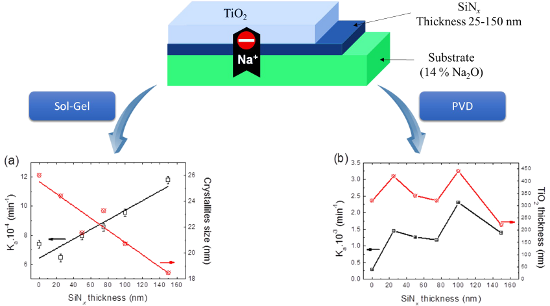
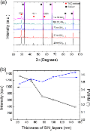
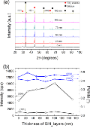
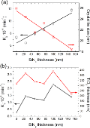
- presence of an uncoated SLG under UV–vis illumination or in the dark in the presence of the TiO2 photocatalyst. Thus, the OII was not photobleached by photolysis nor was it adsorbed at the surface of the photocatalyst, which suggests a neglected effect of the specific surface area of the film on the
- the adsorption/bleaching of the azo molecule [18]. This means that even the dye molecule OII could absorb visible light to produce the excited singlet and/or triplet state of the OII molecule [19], the OII may be able to sensitize the TiO2 photocatalyst. However, the degradation of the OII dye via the
- increasing the SiNx diffusion barrier thickness affects the interfacial electron transfer rate [20]. The photo-generated electron–hole pair produced in the bulk of the photocatalyst during the illumination diffuses faster to reach the surface, since the distance traveled is reduced by the smaller crystallite
High photocatalytic activity of V-doped SrTiO3 porous nanofibers produced from a combined electrospinning and thermal diffusion process
Beilstein J. Nanotechnol. 2015, 6, 1281–1286, doi:10.3762/bjnano.6.132
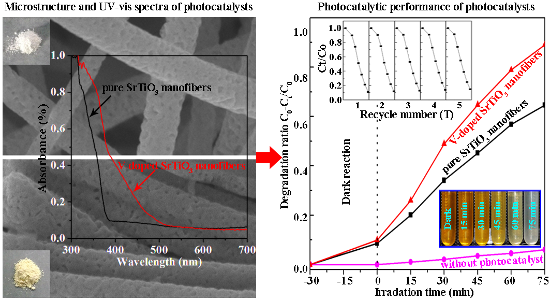
- /bjnano.6.132 Abstract In this letter, we report a novel V-doped SrTiO3 photocatalyst synthesized via electrospinning followed by a thermal diffusion process at low temperature. The morphological and crystalline structural investigations reveal not only that the V-doped SrTiO3 photocatalyst possesses a
- photocatalytic activity with excellent endurance. Results and Discussion The morphology and microstructure are very important for the development of an excellent photocatalyst. In Figure 1a, the pure SrTiO3 nanofibers appear to be tens of micrometers in length, with a porous surface and uniform diameter
- distribution. The pore size and diameter distributions were measured to be about 10–32 nm and 90–240 nm, respectively. Such a long fibrous and porous structure is beneficial to electron transfer, dye molecular absorption and the light utilization efficiency for a photocatalyst. In Figure 1b, the morphological
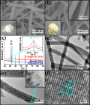


Effects of swift heavy ion irradiation on structural, optical and photocatalytic properties of ZnO–CuO nanocomposites prepared by carbothermal evaporation method
Beilstein J. Nanotechnol. 2015, 6, 928–937, doi:10.3762/bjnano.6.96
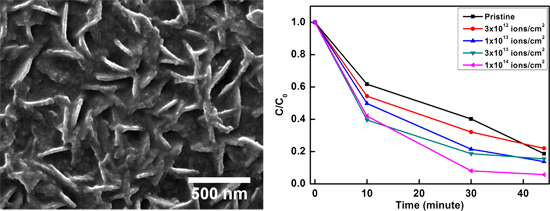
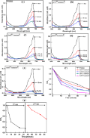
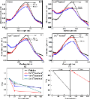
- of CuO. This helps to inhibit the recombination of photogenerated electrons and holes and improves the charge separation efficiency. The oxygen molecules adsorbed on the photocatalyst form superoxide anion radicals (•O2−) due to their interaction with electrons in the conduction band of ZnO. Surface



Tm-doped TiO2 and Tm2Ti2O7 pyrochlore nanoparticles: enhancing the photocatalytic activity of rutile with a pyrochlore phase
Beilstein J. Nanotechnol. 2015, 6, 605–616, doi:10.3762/bjnano.6.62
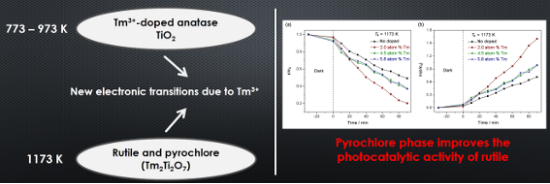
- semiconductors used as a photocatalyst for the degradation of organic compounds. This is due to its high chemical and biological stability, low cost, excellent electronic and optical properties, and the strong oxidation capacity of its photogenerated holes [1][2]. Photocatalytic activity depends on several
- catalytic properties, such as band gap energy, specific surface area, the extent of crystallinity, the structure of the material, etc. [3]. In general, a good photocatalyst should efficiently absorb photons with an energy equal to or higher than its band gap, thus generating an electron–hole pair. These
- photodegradation of methylene blue (MB) was performed using a set of five actinic lamps emitting at around 360 nm. The initial concentration of the aqueous solution of MB (purity 82%, Panreac) was 1.56 · 10−5 M, and the concentration of the photocatalyst was 0.3 g·L−1. The photocatalyst/MB mixture was kept in





