


Search results
Search for "silica nanoparticles" in Full Text gives 80 result(s) in Beilstein Journal of Nanotechnology.
Organic and inorganic–organic thin film structures by molecular layer deposition: A review
Beilstein J. Nanotechnol. 2014, 5, 1104–1136, doi:10.3762/bjnano.5.123
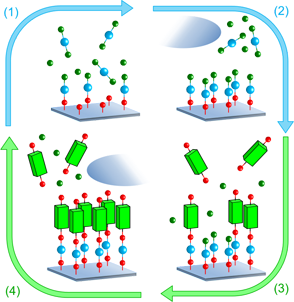
- using 1,4-diisothiocyanatobenzene and ED as the precursors (Table 8). The deposition temperature in these experiments was kept at 50 °C and the films were grown on silicon and silica nanoparticles. The obtained growth rates were 1.9 and 2.8 Å per cycle, respectively. These values are modest when




Biocalcite, a multifunctional inorganic polymer: Building block for calcareous sponge spicules and bioseed for the synthesis of calcium phosphate-based bone
Beilstein J. Nanotechnol. 2014, 5, 610–621, doi:10.3762/bjnano.5.72
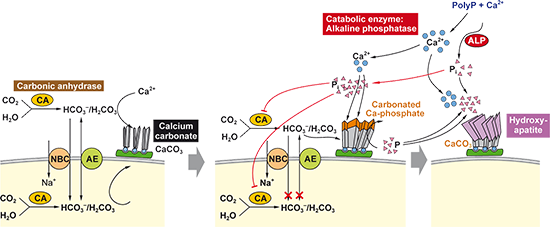
- 2:1, while in S. domuncula the molar ratio amounts to 4:1. Soon after the expression of the silicateins and after the first formation of silica nanoparticles, the silicatein-interacting proteins, the silintaphins, are read out (Figure 1A). Until now two silintaphins, silintaphin-1 [12] and



Structural, optical and photocatalytic properties of flower-like ZnO nanostructures prepared by a facile wet chemical method
Beilstein J. Nanotechnol. 2013, 4, 763–770, doi:10.3762/bjnano.4.87
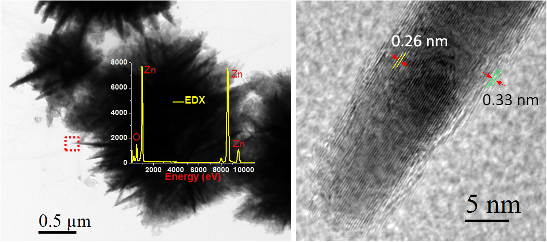
- ] by the tape casting method. These ZnO plates showed a good photocatalytic activity for azo dyes that depended on their surface area. Shen et al. [34] have shown that depositing ZnO on silica nanoparticles is a simple and effective method to prepare photocatalysts that could degrade 90% methylene blue


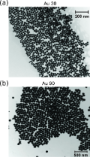
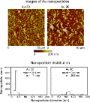
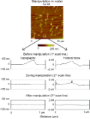
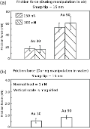
Effect of spherical Au nanoparticles on nanofriction and wear reduction in dry and liquid environments
Beilstein J. Nanotechnol. 2012, 3, 759–772, doi:10.3762/bjnano.3.85
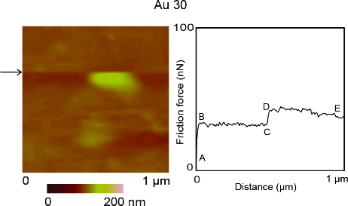
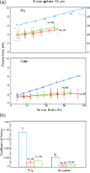
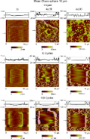
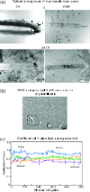
- include, but are not limited to, their use in targeted drug delivery and chemical sensors in the identification of oil, removal of contaminants and enhanced oil recovery (EOR). Au, iron oxide, polymer and silica nanoparticles have been studied in targeted drug delivery [3][4][5][6][7][8]. In cancer



Pore structure and surface area of silica SBA-15: influence of washing and scale-up
Beilstein J. Nanotechnol. 2011, 2, 110–118, doi:10.3762/bjnano.2.13
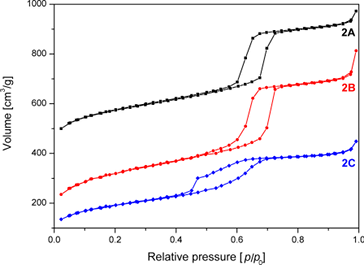
- Silica (PHTS), which is a material analogous to SBA-15, synthesized at different TEOS/Pluronic 123 ratios, the occurrence of pore narrowing and blocking by silica nanoparticles inside the pores [25][32][33][34]. Tian et al. polymerized N-isopropylacrylamide inside the SBA-15 structure and explained their


Other Beilstein-Institut Open Science Activities



