


Search results
Search for "transport" in Full Text gives 833 result(s) in Beilstein Journal of Nanotechnology. Showing first 200.
Tailoring of physical properties of RF-sputtered ZnTe films: role of substrate temperature
Beilstein J. Nanotechnol. 2025, 16, 333–348, doi:10.3762/bjnano.16.25
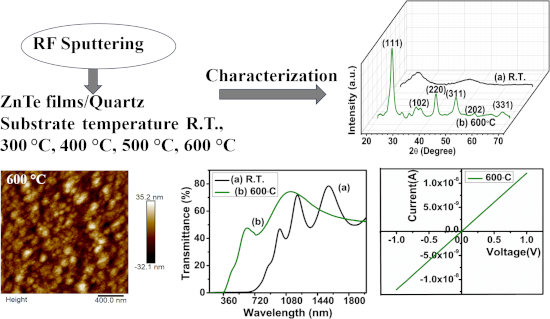
- carrier transport, ZnTe can be used as a buffer layer in CdTe-based solar cells for back contact. Moreover, n-type zinc telluride films can be used in the window layer as a substitute for CdS [6]. Zinc telluride films are highly resistive with a resistivity of about several megaohm·centimetres [7]. The
- of films with substrate temperature [42]. Grain boundaries have a significant effect on the electric transport properties in polycrystalline films. Grain boundaries are growth process-dependent phenomena and have a large number of charge-trapping centres. Thus, grain boundaries reduce the mobility of




Graphene oxide–chloroquine conjugate induces DNA damage in A549 lung cancer cells through autophagy modulation
Beilstein J. Nanotechnol. 2025, 16, 316–332, doi:10.3762/bjnano.16.24
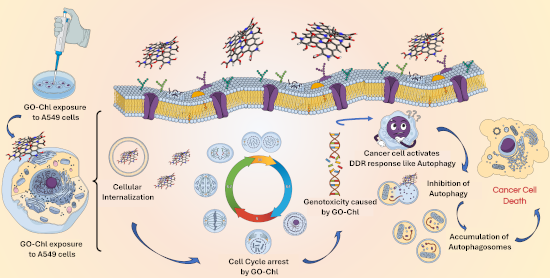
- -based propidium iodide uptake analysis The efficacy of nanomedicines mainly depends upon the effective cellular internalization and their transport to the appropriate intercellular effector site [52][53]. Studies have shown that based on its size and surface characteristics (i.e., hydrophilicity or
- hydrophobicity, and C/O ratio) GO is internalized via clathrin or caveolae-mediated endocytosis and micropinocytosis [53]. The exposure to nanomaterials is known to affect plasma membrane integrity, which in turn initiates various metabolic processes, such as ineffective nutrient transport, unspecific molecular



Emerging strategies in the sustainable removal of antibiotics using semiconductor-based photocatalysts
Beilstein J. Nanotechnol. 2025, 16, 264–285, doi:10.3762/bjnano.16.21
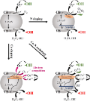
- photocatalytic systems differ from direct Z-scheme systems by incorporating an electron mediator between the two semiconductors. This mediator facilitates the transport and separation of electrons and holes. However, the inclusion of an ionic electron transport medium in the traditional Z-scheme photocatalytic
- materials as photocatalysts. GO has attracted interest as another metal-free carbon material, owing to its two-dimensional ultrathin layered structure, robust stability, and remarkable capacity to transport charge carriers [110]. When coupled with suitable semiconductor materials or modified to other forms



Radiosensitizing properties of dual-functionalized carbon nanostructures loaded with temozolomide
Beilstein J. Nanotechnol. 2025, 16, 229–251, doi:10.3762/bjnano.16.18
- enable transport and delivery to brain tumors. Inorganic nanostructures as TMZ carriers have shown several advantages compared to organic ones with respect to physicochemical stability and potency/cytotoxic activity, overcoming their main disadvantages, that is, hydrophobicity/fluidity and toxicity by
- release was also provided through loading TMZ in a hybrid compound of carbon quantum dots, chitosan, polyethylene oxide, and carboxymethyl cellulose–polyvinyl alcohol (CS-PEO-CQDs/CMC-PVA) via coaxial spinning, and a transport system of CMC-PVA coating and CS-PEO-CQDs core was formed [41][42]. In a study




Synthesis and the impact of hydroxyapatite nanoparticles on the viability and activity of rhizobacteria
Beilstein J. Nanotechnol. 2025, 16, 216–228, doi:10.3762/bjnano.16.17
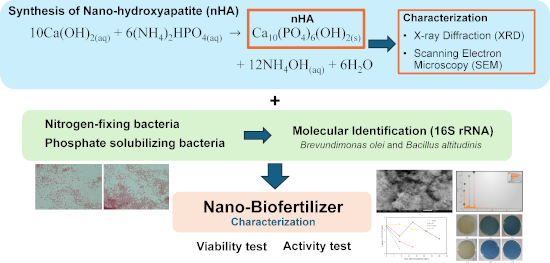
- maintain their viability over time [4]. Consequently, the characteristics of the carrier material used to transport rhizobacteria are critical in determining their survival and successful colonization within both soil and root systems. This, in turn, contributes to the development of biofertilizers as a


A review of metal-organic frameworks and polymers in mixed matrix membranes for CO2 capture
Beilstein J. Nanotechnol. 2025, 16, 155–186, doi:10.3762/bjnano.16.14
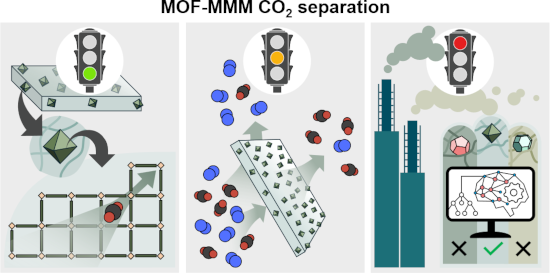
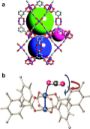
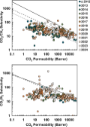
- of MOF-based MMMs in a general context have been published by Lin et al. [27] and Kitao and coworkers [28]. Focusing on gas separation in general, Daglar et al. [29] have summarized computational approaches to simulate gas transport in thin-film MOF membranes and MOF-based MMMs. With an emphasis on




Comparison of organic and inorganic hole transport layers in double perovskite material-based solar cell
Beilstein J. Nanotechnol. 2025, 16, 119–127, doi:10.3762/bjnano.16.11
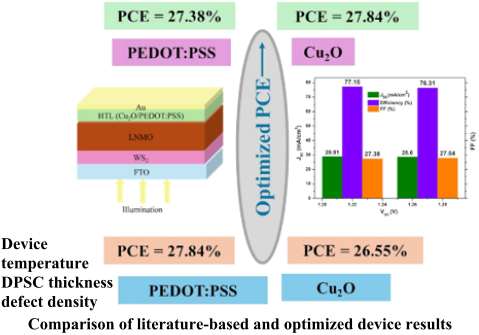
- , that is, La2NiMnO6 (LNMO), is studied with the organic and inorganic hole transport layers (HTLs) Cu2O and PEDOT:PSS. Our study yields a significant improvement in the power conversion efficiency (PCE) of perovskite solar cells with two types of HTLs. The optimized devices achieved a maximum PCE of
- performance. Keywords: double perovskite solar cell (DPSC); electron transport layer (ETL); hole transport layer (HTL); SCAPS-1D; simulation; Introduction The rapid growth of the world population has increased the global need for energy, which has become undoubtedly quite strong. To date, the energy
- 2009 to 26.1% in 2023 [5][6]. PSCs consist of an absorber layer sandwiched between charge transport layers (CTLs), that is, the hole transport layer (HTL) and the electron transport layer (ETL). Light generates excitons, which further dissociate into electrons and holes. The electrons and holes are


Nanocarriers and macrophage interaction: from a potential hurdle to an alternative therapeutic strategy
Beilstein J. Nanotechnol. 2025, 16, 97–118, doi:10.3762/bjnano.16.10
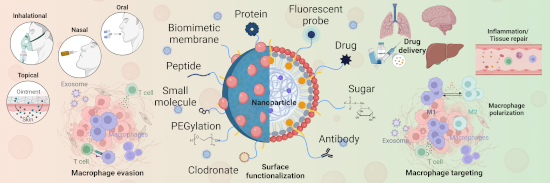
- NCs to transport drugs, mRNAs, and other therapeutic agents directly to the site of pathology represents a significant advancement in medical treatment modalities. This approach can significantly support the shift towards more targeted and efficient therapeutic strategies. This progress results from
- transport across membranes, and extend circulation times. These advantages could reduce the negative effects of off-target drug accumulation and improve the release to the disease sites compared to current delivery systems [6]. Despite the expected applications in the biomedical field, the journey of NPs


Modeling and simulation of carbon-nanocomposite-based gas sensors
Beilstein J. Nanotechnol. 2025, 16, 90–96, doi:10.3762/bjnano.16.9
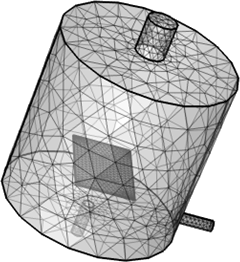
- (reaction engineering, transport of diluted species, laminar flow, and chemistry interface), create the geometry of the sensor within a gas chamber, and select the materials. We then set up the physics with boundary conditions, mesh the geometry using tetrahedral and triangular elements, and define study



Characterization of ZnO nanoparticles synthesized using probiotic Lactiplantibacillus plantarum GP258
Beilstein J. Nanotechnol. 2025, 16, 78–89, doi:10.3762/bjnano.16.8
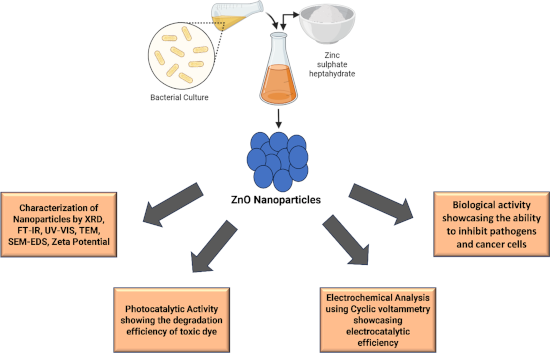
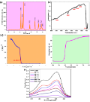
- reduction currents and increased peak oxidation, indicating rapid electron transport at the contacts between the electrolyte and electrode. Pseudo-capacitive behavior was observed in both electrolytes, where ionic conductivity influenced capacitance [17][18]. The addition of dextrose increased the redox



Precursor sticking coefficient determination from indented deposits fabricated by electron beam induced deposition
Beilstein J. Nanotechnol. 2025, 16, 35–43, doi:10.3762/bjnano.16.4

- (continuum model) of the precursor surface on the growing nanostructure in conjunction with a Monte Carlo simulation for electron transport in the growing deposit. An important requirement in this regard is to have access to a methodology that can be used to systematically determine the values for the set of
- distinct deposit shapes evolve in accordance with the deposition regime (Figure 1) as governed by the balance between the four processes in Equation 1. The first case with a flat-top deposit is typical for the precursor- or mass-transport-limited regime (MTL). In this case, precursor replenishment by
- transport. The depth of the indent can be controlled by the degree of the beam defocus, although there is a lower limit of the indent depth. With a significantly wide beam, the indent reaches its maximum depth and evolves into a plateau (Figure 2). In such a case, all diffusing precursor molecules are


Mechanistic insights into endosomal escape by sodium oleate-modified liposomes
Beilstein J. Nanotechnol. 2024, 15, 1667–1685, doi:10.3762/bjnano.15.131
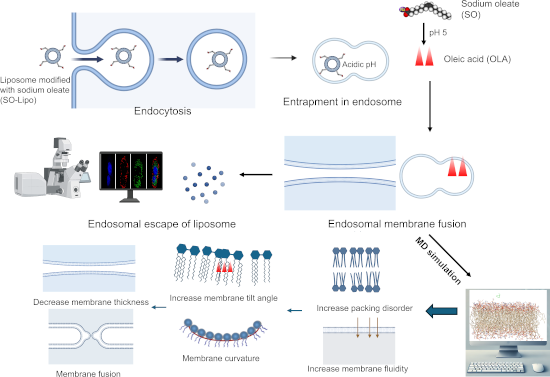
- order to assess the intracellular transport of various nanoformulations, subcellular colocalization was carried out following the methodology proposed by Torres-Vanegas et al. with adaptations [37]. Specifically, Unmodified-Lipo, SO-Lipo, and AUR-Lipo were utilized, incorporating the fluorescent




Heterogeneous reactions in a HFCVD reactor: simulation using a 2D model
Beilstein J. Nanotechnol. 2024, 15, 1627–1638, doi:10.3762/bjnano.15.128
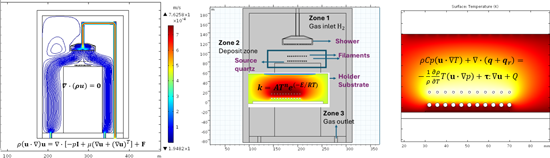
- parameters of the heterogeneous reaction between H° in the gas phase and quartz to describe its behavior as a function of temperature at constant pressure. The thermodynamic data obtained and those taken from the bibliography will be used in the Arrhenius equation to calculate the thermodynamic and transport
- properties of the system in the gas phase in a dimensionless and temporal model. The thermodynamic and transport properties of the mixture will permit a study in the steady state considering the dimensions of the HFCVD reactor and the deposition parameters through numerically solving the equations of
- were calculated through data obtained below from Table 2 and using Equation 5: where ΔG is the change in the Gibbs energy and R is the gas constant. The equations in the spatial model The used model assumes conservative species transport by diffusion and convection through a mass balance as described


Biomimetic nanocarriers: integrating natural functions for advanced therapeutic applications
Beilstein J. Nanotechnol. 2024, 15, 1619–1626, doi:10.3762/bjnano.15.127

- such as: loss of stability, low efficiency in crossing biological barriers, inadequate efficacy in reaching target active molecules, and poor biodistribution [13][14]. Nanocarriers are employed to transport raw materials, which can be vesicles or solid nanoparticles [15]. Despite the significant
- (B), characteristics of cell membranes (C), and biomimetic nanocarriers (D). Created in BioRender. Sodré, B. (2024) https://BioRender.com/n85g617. This content is not subject to CC BY 4.0. Action of biomimetic nanocarriers. Inorganic and organic nanoparticles with transport function (A); target with


Natural nanofibers embedded in the seed mucilage envelope: composite hydrogels with specific adhesive and frictional properties
Beilstein J. Nanotechnol. 2024, 15, 1603–1618, doi:10.3762/bjnano.15.126
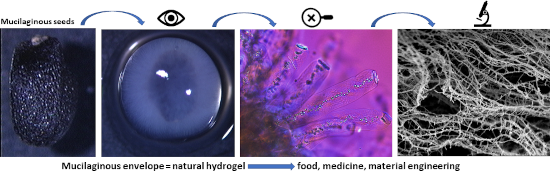
- distances between islands or continents [28][118]. Plants developed diverse morphological mechanisms for the diaspore transport. One of the ways of promoting long-distance dispersal is the proper interaction between the plant diaspores and animals [118][119][120]. Epizoochory is the way of diaspore
- transport on animals due to the presence of interlocking structures or sticky viscous substances, which allow for attachment to the animal body [118][119][121]. The mucilage envelope is one of the factors enabling short- and long-distance dispersal of diaspores. Many authors working on mucilaginous seeds
- for successful dispersal. Animals contribute in the dispersal of plant diaspores, spreading them over short or long distances [120][151][152][153][154]. One of the most effective ways of seed transport by animals is endozoochory. The seeds are ingested, pass through the animal digestive system, and


Liver-targeting iron oxide nanoparticles and their complexes with plant extracts for biocompatibility
Beilstein J. Nanotechnol. 2024, 15, 1593–1602, doi:10.3762/bjnano.15.125
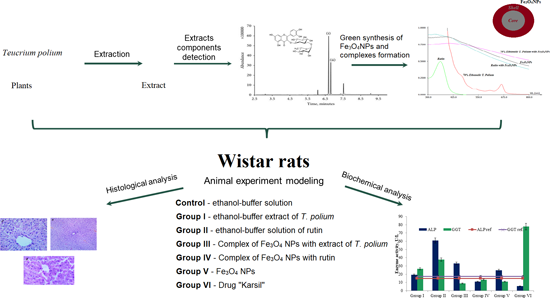
- xenobiotics to enhance the expression of transport proteins during prolonged exposure, correlating with studies by Belinskaia and colleagues [60]. The combined effect of Fe3O4 NPs with 70% ethanol extract of T. polium and its component rutin leads to suppression of GPx activity, which may be associated either


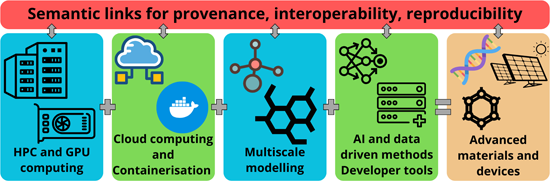
Integrating high-performance computing, machine learning, data management workflows, and infrastructures for multiscale simulations and nanomaterials technologies
Beilstein J. Nanotechnol. 2024, 15, 1498–1521, doi:10.3762/bjnano.15.119


Strain-induced bandgap engineering in 2D ψ-graphene materials: a first-principles study
Beilstein J. Nanotechnol. 2024, 15, 1440–1452, doi:10.3762/bjnano.15.116
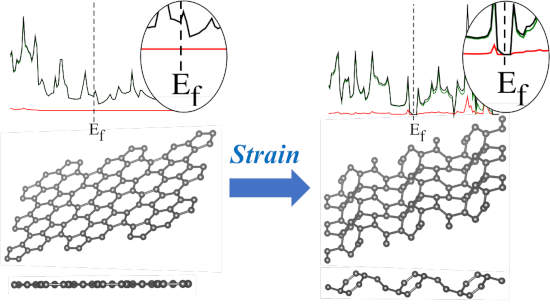
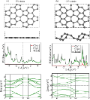
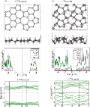
- cannot move from the valence to the conduction band even when strain is applied. This direct bandgap allows the most efficient transport of charge carriers and easy recombination of electrons and holes, indicating its suitability in quantum computing, which requires semiconductors with direct bandgaps. ψ


Ion-induced surface reactions and deposition from Pt(CO)2Cl2 and Pt(CO)2Br2
Beilstein J. Nanotechnol. 2024, 15, 1427–1439, doi:10.3762/bjnano.15.115

- ][53][54]. An ideal precursor candidate would have sufficient volatility and stability for the transport of intact gas phase precursor molecules during the process. The ligands should readily and cleanly be liberated from the precursor upon irradiation to provide a metallic deposit in the path of the



Lithium niobate on insulator: an emerging nanophotonic crystal for optimized light control
Beilstein J. Nanotechnol. 2024, 15, 1415–1426, doi:10.3762/bjnano.15.114
- conversion of absorbed light into electricity [43]. The carrier diffusion length within PbS CQD solar cells aligns closely with the thickness of the CQD films. This correlation introduces a tradeoff between light absorption and charge transport. As the thickness of the CQD film increases to enhance light


Nanotechnological approaches for efficient N2B delivery: from small-molecule drugs to biopharmaceuticals
Beilstein J. Nanotechnol. 2024, 15, 1400–1414, doi:10.3762/bjnano.15.113
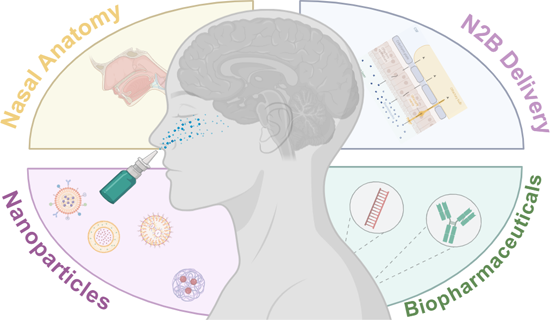
- mucosa is also being investigated because it is innervated by the trigeminal nerve and provides a possible indirect transport of the drugs to the brain via a systemic pathway [48]. The focus of research interest is the olfactory region in the upper part of the nasal cavity lined up with the olfactory
- , goblet cells, and basal cells [55]. Transport mechanisms for N2B delivery The transport mechanisms for the N2B delivery are yet to be fully understood. It is suggested that olfactory and trigeminal nerves are responsible for direct transport to the brain through the nasal route (Figure 3). For the
- by Li et al. showed that the trigeminal pathway could be the dominant pathway for the N2B delivery of intact polymeric NPs [57]. Furthermore, because of the highly vascularized nature of the respiratory region of the nose, drug transport can also follow a systemic pathway through this region [58


Various CVD-grown ZnO nanostructures for nanodevices and interdisciplinary applications
Beilstein J. Nanotechnol. 2024, 15, 1390–1399, doi:10.3762/bjnano.15.112
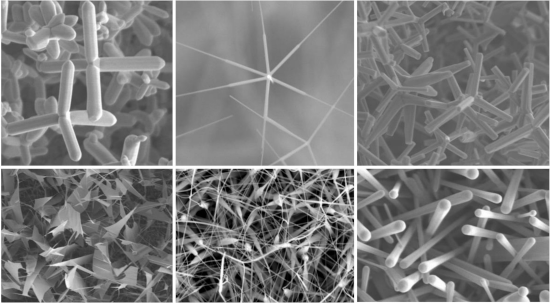
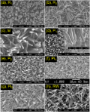
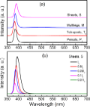
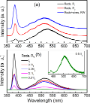
- Torr. After that, the gas mixture of Ar/O2 ≈ 4:1 at a flow rate of ≈300 sccm was introduced and used as a transport gas, which ensured the growth condition to be at atmospheric pressure. The growth was executed at a temperature range of T = 600–700 °C. After growth for 6–10 h, the CVD system was cooled



Hymenoptera and biomimetic surfaces: insights and innovations
Beilstein J. Nanotechnol. 2024, 15, 1333–1352, doi:10.3762/bjnano.15.107
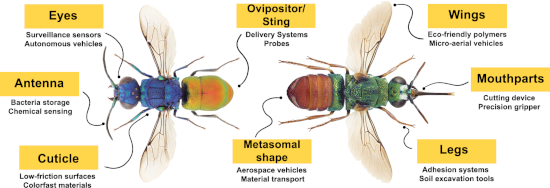
- ligustica) facilitate nectar-dipping by minimizing drag, enabling the bees to feed more efficiently [75]. The unique morphology and dynamic movement of the bee’s hairy tongue optimizes nectar feeding while conserving energy, providing insights into design methodologies for fluid transport devices using
- could achieve enhanced compactness and versatility, allowing for easy transport and storage, as well as efficient adaptation to various environments and mission requirements. Microwasps exhibit remarkable adaptations in their wing structure, offering unique insights for biomimetic applications. Many
- prey and subsequently transport it in flight to the nests, using either mandibles, legs or even the sting to keep the prey. Most predatory wasps use front and mid legs to carry the prey, while a few wasp species hold their prey only with the hind legs [189]. The efficient prey-loading mechanisms of




Realizing active targeting in cancer nanomedicine with ultrasmall nanoparticles
Beilstein J. Nanotechnol. 2024, 15, 1208–1226, doi:10.3762/bjnano.15.98
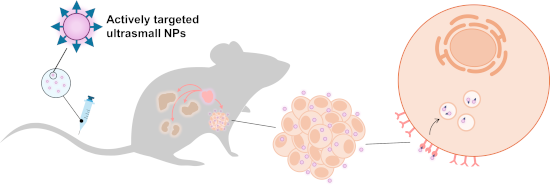
- ) designed to transport therapeutic agents with precise delivery to tumor sites. This approach aims to mitigate toxic effects associated with off-target drug delivery and optimize therapeutic efficacy. For decades, the enhanced permeability and retention (EPR) effect has stood as the central mechanism for
- primarily occurs via transendothelial transport pathways [6][7]. Regardless of the mode of NP extravasation, active targeting strategies have been widely explored to further enhance NP accumulation in tumors and NP internalization by cancer cells [8][9]. Active targeting involves the modification of NPs
- targeting can also promote usNP transport to the cell interior, potentially leading to more effective drug delivery and chemotherapy. It must be noted that the success of these strategies relies on efficient passive targeting in the first place [83][84]. Nevertheless, cumulative evidence suggests that


Synthesis, characterization and anticancer effect of doxorubicin-loaded dual stimuli-responsive smart nanopolymers
Beilstein J. Nanotechnol. 2024, 15, 1189–1196, doi:10.3762/bjnano.15.96
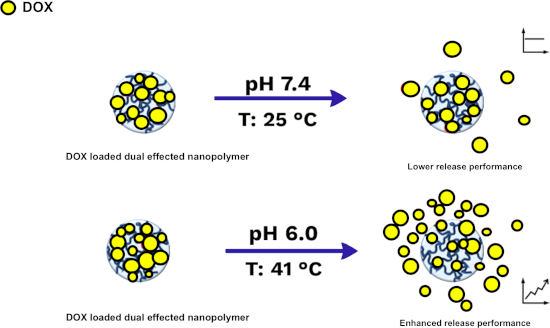
- physiological functions. They can effectively transport therapeutic agents to targeted cells or specific intracellular regions through passive targeting or ligand-based strategies [9][10][11]. The use of certain polymers could potentially enable sustained drug levels for controlled release and extended





