Search results
Search for "calcium" in Full Text gives 132 result(s) in Beilstein Journal of Nanotechnology.
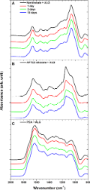
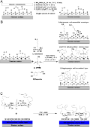
Fabrication and characterization of novel multilayered structures by stereocomplexion of poly(D-lactic acid)/poly(L-lactic acid) and self-assembly of polyelectrolytes
Beilstein J. Nanotechnol. 2016, 7, 81–90, doi:10.3762/bjnano.7.10
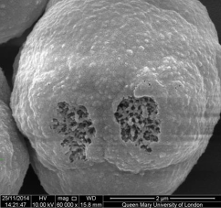
- ) (PLLA) were alternately adsorbed directly on calcium carbonate (CaCO3) templates and on poly(styrene sulfonate) (PSS) and poly(allylamine hydrochloride) (PAH) multilayer precursors in order to fabricate a novel layer-by-layer (LBL) assembly. A single layer of poly(L-lysine) (PLL) was used as a linker
- deposition. The multilayer structure (PSS/PAH)4/PSS/PLL(PDLA/PLLA)3/PSS was built on calcium carbonate cores, and then moved from acetonitrile to water. A drop of the aqueous dispersion was let to evaporate at room temperature. In this sample, the structure of the calcium carbonate core is visible in some
- points where no shell is present. The different morphologies between the bare calcium carbonate core and the coated surface can be clearly noticed, confirming the successful assembly of the capsule shell. Since particles coated with (PSS/PAH)4/PSS/PLL(PDLA/PLLA)3 and (PSS/PAH)4/PSS/PLL(PDLA/PLLA)3/PSS


Green and energy-efficient methods for the production of metallic nanoparticles
Beilstein J. Nanotechnol. 2015, 6, 2354–2376, doi:10.3762/bjnano.6.243
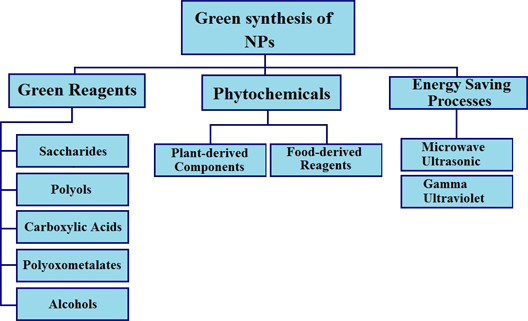
- reduced to spherical NPs and their sizes range from 18 to 40 nm depending on pH, temperature, and the Au3+/dextran ratio. However, in acidic conditions, the reduction is very slow and large Au NPs with different shapes are formed [35]. Saha et al. utilized calcium alginate gel beads as a template for Ag
- showed that the more Au atoms than Ag atoms are loaded on calcium alginate [98]. Venkatpurwar and Pokharkar mentioned a single step method for synthesis of Ag NPs by using sulfated polysaccharide extracted from marine red algae (Porphyra vietnamensis) in a 15 min reaction at 70 °C. The produced NPs


Self-organization of gold nanoparticles on silanated surfaces
Beilstein J. Nanotechnol. 2015, 6, 2345–2353, doi:10.3762/bjnano.6.242
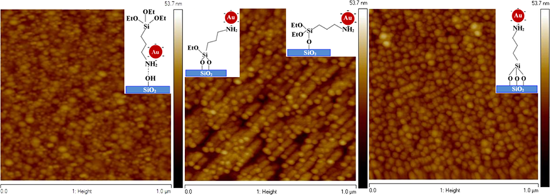
- and after functionalization of glass substrates for 24 h with 1% APTES are shown in Figure 1. The survey spectra (Figure 1a) show oxygen, carbon, silicon, tin, potassium, calcium and sodium KLL peaks of non-functionalized glass substrates as well as APTES-modified glass substrates (The core peak of Na


Electrochemical coating of dental implants with anodic porous titania for enhanced osteointegration
Beilstein J. Nanotechnol. 2015, 6, 2183–2192, doi:10.3762/bjnano.6.224
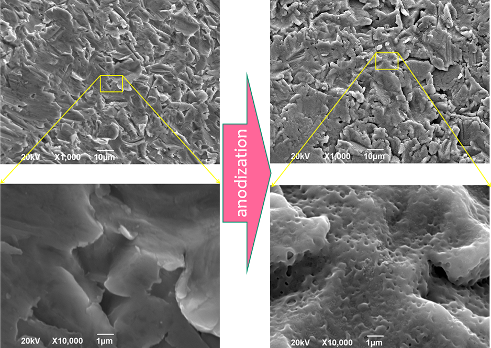
- affinity to tri-calcium phosphates or hydroxylapatite. Both the Stark and S&M implants were made using grade 4 Ti. Actually, grade 5 Ti is commonly used only for abutments and other parts, since it presents higher mechanical performance (e.g., yield stress of 860 MPa vs 550 MPa) but is less biocompatible


Nanotechnology in the real world: Redeveloping the nanomaterial consumer products inventory
Beilstein J. Nanotechnol. 2015, 6, 1769–1780, doi:10.3762/bjnano.6.181

- oxide [17]. Calcium and magnesium were listed together in dietary supplements. Nano-ceramics and silver are used in combination in water filtration products, cosmetics, and a humidifier. These results demonstrate the use of nanohybrids [23] in consumer products and indicate that the use of
- variety of nanomaterial compositions (silver, nano-organics, calcium, gold, silicon dioxide, magnesium, ceramics, etc.) were also advertised to be used for health applications, such as dietary supplements (11%). Potential exposure pathways Since critical information such as nanomaterial size and




Towards multifunctional inorganic materials: biopolymeric templates
Beilstein J. Nanotechnol. 2015, 6, 1698–1699, doi:10.3762/bjnano.6.172

- structure formation of inorganic components in an aqueous environment. Accordingly, composites made of inorganic solids (i.e., calcium phosphate or carbonate) and biopolymers are formed. Furthermore, the resulting combination of inorganic and bioorganic components yields biominerals with unique
Thermal energy storage – overview and specific insight into nitrate salts for sensible and latent heat storage
Beilstein J. Nanotechnol. 2015, 6, 1487–1497, doi:10.3762/bjnano.6.154
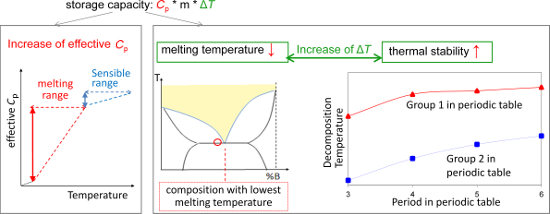
- temperature range between 285 to 450 °C were performed. The heat transfer medium Hitec XL® was used. The material tests of the quartzite rocks as well as sand were successful, apart from the observed calcium carbonate crust formation in the high temperature tests. Implementations in commercial-scale solar
- power plants do not exist so far because of concerns due to the calcium carbonate crust formation and its treatment in a large scale thermal storage unit. The stability of the filler material is influenced by the molten salt (Solar Salt, HITEC XL®, etc.) and by the maximum operation temperature. In the
- ®. Cofalit® is manufactured by the INERTAM Company in France and is produced by high-temperature plasma treatment (1500 °C) of asbestos-containing waste called ACW. Cofalit® is a calcium magnesium iron alumina-silicate [26]. The thermophysical properties meet the required criteria of potential filler


PLGA nanoparticles as a platform for vitamin D-based cancer therapy
Beilstein J. Nanotechnol. 2015, 6, 1306–1318, doi:10.3762/bjnano.6.135
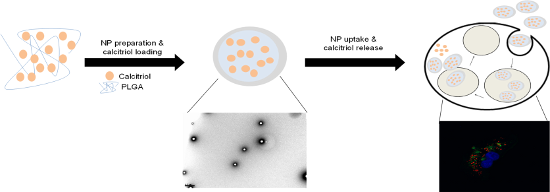
- targeting gene expression via both genomic and nongenomic pathways [1]. Although known as an important regulator of calcium homeostasis and bone mineralization [3], several studies support that vitamin D also plays a major role in tumor pathogenesis, progression and therapy [2]. Calcitriol is also regarded


Self-assembled anchor layers/polysaccharide coatings on titanium surfaces: a study of functionalization and stability
Beilstein J. Nanotechnol. 2015, 6, 617–631, doi:10.3762/bjnano.6.63
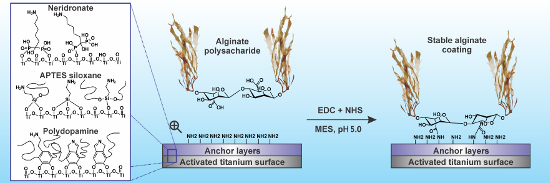
- a long-term immersion. Based on the stability observations, the alginate monolayers bound to the neridronate or PDA anchor layers can be potentially used for the immobilization of a thin alginate hydrogel carrier of bioactive compounds (such as calcium phosphates or other biologically active


In situ scanning tunneling microscopy study of Ca-modified rutile TiO2(110) in bulk water
Beilstein J. Nanotechnol. 2015, 6, 438–443, doi:10.3762/bjnano.6.44
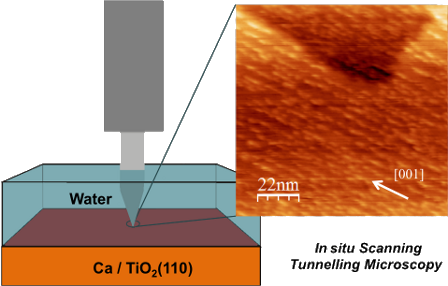
- Abstract Despite the rising technological interest in the use of calcium-modified TiO2 surfaces in biomedical implants, the Ca/TiO2 interface has not been studied in an aqueous environment. This investigation is the first report on the use of in situ scanning tunneling microscopy (STM) to study calcium
- -modified rutile TiO2(110) surfaces immersed in high purity water. The TiO2 surface was prepared under ultrahigh vacuum (UHV) with repeated sputtering/annealing cycles. Low energy electron diffraction (LEED) analysis shows a pattern typical for the surface segregation of calcium, which is present as an
- impurity on the TiO2 bulk. In situ STM images of the surface in bulk water exhibit one-dimensional rows of segregated calcium regularly aligned with the [001] crystal direction. The in situ-characterized morphology and structure of this Ca-modified TiO2 surface are discussed and compared with UHV-STM


Hematopoietic and mesenchymal stem cells: polymeric nanoparticle uptake and lineage differentiation
Beilstein J. Nanotechnol. 2015, 6, 383–395, doi:10.3762/bjnano.6.38
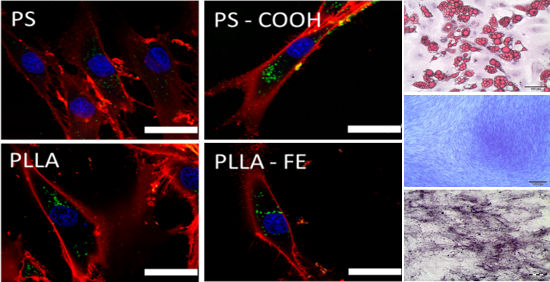
- for 24 h and analyzed by flow cytometry. Flow cytometry Particle uptake, cell viability, and CD marker staining were measured with a flow cytometer (FACS Canto II, BD, Heidelberg, Germany). The cells were washed with phosphate buffered saline without calcium (PBS−, Invitrogen) and incubated with 28.6


Overview about the localization of nanoparticles in tissue and cellular context by different imaging techniques
Beilstein J. Nanotechnol. 2015, 6, 263–280, doi:10.3762/bjnano.6.25
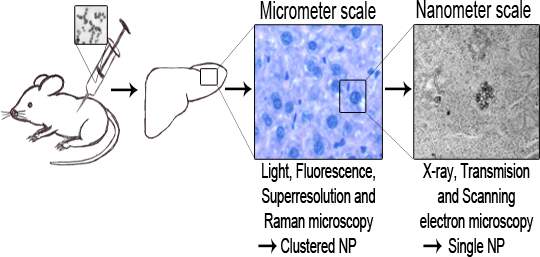
- fluorochrome can be monitored independently of the fluorochrome concentration [102]. FLIM gains its information from the fluorescence decay curves and applications of this technique include environmental sensing of, amongst others, polarity, local pH, and calcium concentrations, as well as the study of protein
- muscle cells and characterized the local calcium distribution by using spectromicroscopy at the calcium L3,2 edges [150]. Despite the advantages of soft X-ray microscopy compared with fluorescence or electron microscopy techniques, it has only been applied for few biomedical samples so far due to the
- ) allows for 2D-mapping of tissues or cells. As a result, the distribution of specific elements such as phosphorus, calcium and iron can be identified [173] and conclusions about toxic effects induced by NP may be drawn. In summary, TEM is thus regarded as a useful addition to a series of microscopic tools

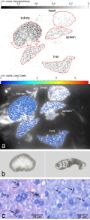
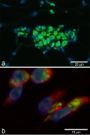


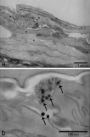
Mammalian cell growth on gold nanoparticle-decorated substrates is influenced by the nanoparticle coating
Beilstein J. Nanotechnol. 2014, 5, 2479–2488, doi:10.3762/bjnano.5.257
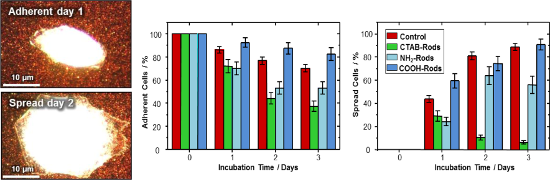
- incubator with 5% CO2 atmosphere at 37 °C (HERA cell 150, Heraeus). Subculture was performed weekly after cells reached confluence. After the medium was removed, the cell monolayer was washed twice with phosphate-buffered saline (PBS, 4 mL) without magnesium and calcium ions and incubated with the chelating


Interaction of dermatologically relevant nanoparticles with skin cells and skin
Beilstein J. Nanotechnol. 2014, 5, 2363–2373, doi:10.3762/bjnano.5.245
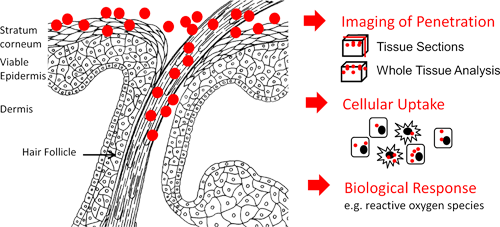
- functionalization of silica particles with amino groups in order to turn the surface potential of the particles from initially negative to highly positive did not significantly affect cellular uptake rates in whole-tissue experiments. However, immortalized human keratinocytes (HaCaT, Human Adult Low Calcium High


Biopolymer colloids for controlling and templating inorganic synthesis
Beilstein J. Nanotechnol. 2014, 5, 2129–2138, doi:10.3762/bjnano.5.222
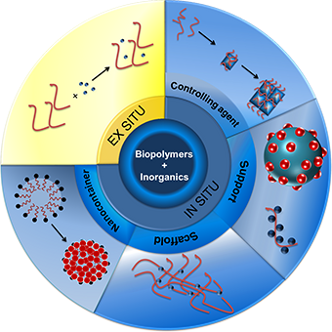
- by Müller et al. [31]. From the mineral side, the most investigated systems are by far the calcium minerals because of their biological importance: calcium carbonate [16][17][18][20][32], calcium oxalate [23][24][25][26][33], and calcium phosphates (including hydroxyapatite) [22]. Nevertheless
- lengths and composition are sometimes used [23][24][36][37]. A previous work from our research group showed that an increasing length of oligo(L-glutamic acid) chains is able to change not only the morphology of the obtained crystals, but also to stabilize the metastable calcium oxalate dihydrate (Figure
- groups were shown to have an effect on the growth and on the final properties of inorganic materials such as zinc oxide [40][41], calcium oxalate [38], or calcium carbonate [42][43]. It is expectable that analogous effects should be obtained when biopolymeric (or synthetic biomimetic chains) are attached


Effect of silver nanoparticles on human mesenchymal stem cell differentiation
Beilstein J. Nanotechnol. 2014, 5, 2058–2069, doi:10.3762/bjnano.5.214
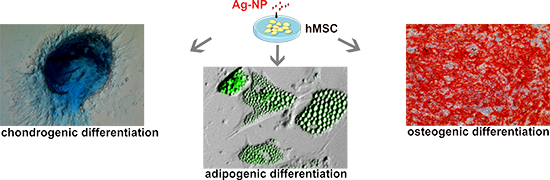
- -NP displayed no distinct morphological changes, but a decrease in the differentiation of hMSCs (Figure 6B) in contrast to cells cultured without silver (Figure 6C) was observed. In the presence of Ag+ ions, no significant change in calcium accretion was measured (Figure 6D) in contrast to the
- positive control (Figure 6C). The microscopic data were confirmed by quantitative analyses of osteogenic differentiation using cetylpyridinium chloride after the extraction of alizarin red. As shown in Figure 7, there was a significant change in calcium accretion after 21 d in the presence of Ag-NP
- images), staining with alizarin red S was used to visualize calcium accretion in cells cultured under osteogenic conditions. hMSCs incubated in the presence of osteogenic-differentiation media served as the positive control (C). hMSCs incubated in the presence of RPMI/FCS served as the negative control


Carbon-based smart nanomaterials in biomedicine and neuroengineering
Beilstein J. Nanotechnol. 2014, 5, 1849–1863, doi:10.3762/bjnano.5.196
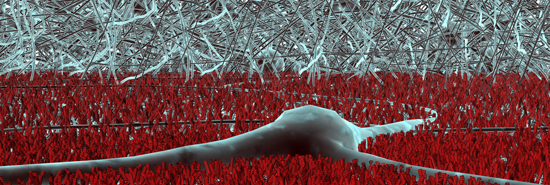
- been studied by Park et al. [144]; the results showed not only an improved differentiation but also an enhanced cell adhesion and neurites formation compared to control conditions. Moreover, the expression of laminin-related receptors and of genes involved in the calcium signalling pathway was up


Real-time monitoring of calcium carbonate and cationic peptide deposition on carboxylate-SAM using a microfluidic SAW biosensor
Beilstein J. Nanotechnol. 2014, 5, 1823–1835, doi:10.3762/bjnano.5.193
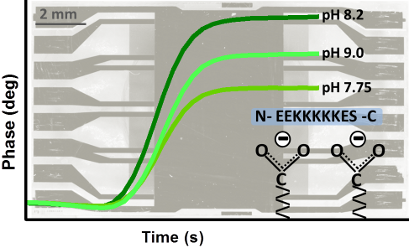
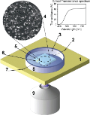
- the interaction of calcium carbonate with standard carboxylate self-assembled monolayer sensor chips. Different fluids, with and without biomolecular components, were investigated. The pH-dependent surface interactions of two bio-inspired cationic peptides, AS8 and ES9, which are similar to an
- acoustic wave biosensors to significantly expand our experimental capabilities for studying the principles underlying biomineralization in vitro. Keywords: biomineralization; calcium carbonate; love-type surface acoustic wave; poly-cationic peptide; Introduction Biomineralization is a natural process of
- efficiency while expanding the experimental design options [37][38]. So far, the most common real-time assays with respect to the function of macromolecules involved in biomineralization are based on calcium titration in bulk environments [23][39]. Although these assays are perfectly suited to monitor the


Ionic liquid-assisted formation of cellulose/calcium phosphate hybrid materials
Beilstein J. Nanotechnol. 2014, 5, 1553–1568, doi:10.3762/bjnano.5.167
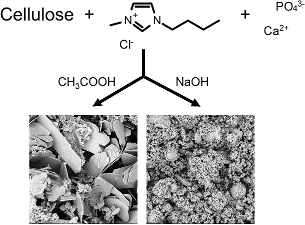
- -14476 Potsdam, Germany 10.3762/bjnano.5.167 Abstract Cellulose/calcium phosphate hybrid materials were synthesized via an ionic liquid-assisted route. Scanning electron microscopy, transmission electron microscopy, energy-dispersive X-ray spectroscopy, X-ray diffraction, infrared spectroscopy, and
- the ionic liquid-based process yields materials that are potentially useful as scaffolds for regenerative therapies. Keywords: biomineralization; calcium phosphate; carbohydrates; cellulose; hybrid materials; ionic liquid; Introduction One of the key advantages of carbohydrates, especially cellulose
- and chitin, is their abundance and favorable properties such as mechanical robustness and biocompatibility [1][2][3][4]. Moreover, the growth (mineralization) of calcium phosphate on polysaccharides may lead to composites with properties that are useful for the regeneration of hard tissue even though


Direct nanoscale observations of the coupled dissolution of calcite and dolomite and the precipitation of gypsum
Beilstein J. Nanotechnol. 2014, 5, 1245–1253, doi:10.3762/bjnano.5.138
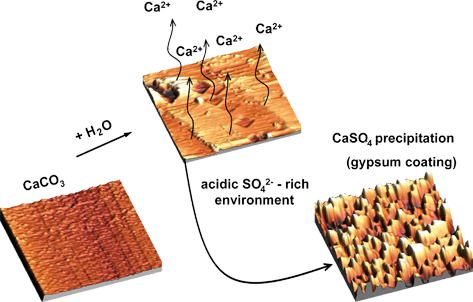
- amounts of synthetic gypsum can precipitate during industrial processes involving the reaction between calcite and sulfuric acid [26]. The motivation of this study is to learn about the overall process of calcium carbonate mineral (calcite and dolomite) dissolution and gypsum precipitation in acid sulfate


Model systems for studying cell adhesion and biomimetic actin networks
Beilstein J. Nanotechnol. 2014, 5, 1193–1202, doi:10.3762/bjnano.5.131
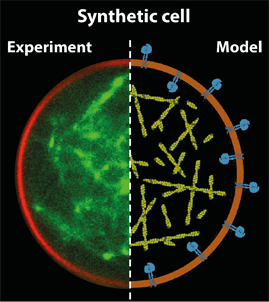
- increased by the presence of divalent ions such as manganese or calcium [16]. Cellular adhesion strength is mostly controlled by the intermolecular spacing of the adhesion receptors rather than by their density [17]. This result was obtained from different studies using highly ordered gold nanoparticles


Characterization and photocatalytic study of tantalum oxide nanoparticles prepared by the hydrolysis of tantalum oxo-ethoxide Ta8(μ3-O)2(μ-O)8(μ-OEt)6(OEt)14
Beilstein J. Nanotechnol. 2014, 5, 1082–1090, doi:10.3762/bjnano.5.121
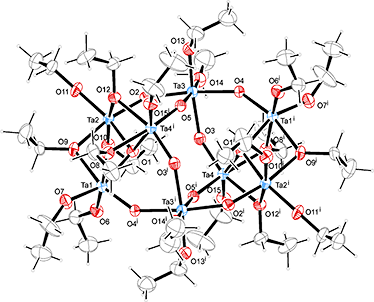
- , fused calcium chloride and aluminum isopropoxide, then it was passed into the distilled water through a tube with a diameter of 7 mm. 1H NMR spectra were recorded in C6D6 on a Bruker Biospin ARX spectrometer with TMS as internal reference. TGA/DTA/DSC was recorded by using a Diamond TG/DTAN instrument


Growth and characterization of CNT–TiO2 heterostructures
Beilstein J. Nanotechnol. 2014, 5, 946–955, doi:10.3762/bjnano.5.108
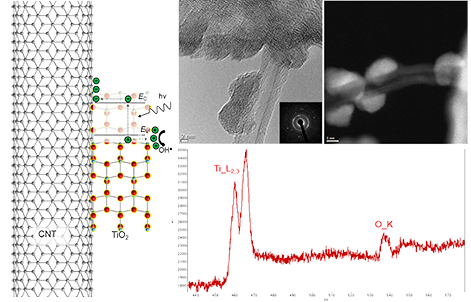
- voltage of 60 kV to avoid beam damage, Suenaga et al. have been able to detect single calcium atoms inside the metallofullerence-doped single-wall nanotubes [46]. Nakagawa et al. have applied the atomic-scale EELS to the study of the (001) LaAlO3 and SrTiO3 interfaces, and observed an asymmetry between


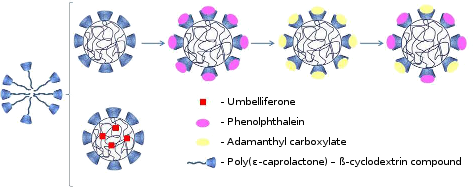
Cyclodextrin-poly(ε-caprolactone) based nanoparticles able to complex phenolphthalein and adamantyl carboxylate
Beilstein J. Nanotechnol. 2014, 5, 651–657, doi:10.3762/bjnano.5.76
- purchased from Acros, dried over calcium hydride, distilled under reduced pressure, and stored over 0.4 nm molecular sieves. Sodium ascorbate (AppliChem) and copper(II) sulfate (Carl Roth GmbH) were used as received. Commercially available reagents and solvents were used without further purification


Biocalcite, a multifunctional inorganic polymer: Building block for calcareous sponge spicules and bioseed for the synthesis of calcium phosphate-based bone
Beilstein J. Nanotechnol. 2014, 5, 610–621, doi:10.3762/bjnano.5.72
- Xiaohong Wang Heinz C. Schroder Werner E. G. Muller ERC Advanced Investigator Grant Research Group at Institute for Physiological Chemistry, University Medical Center of the Johannes Gutenberg University Mainz, Duesbergweg 6, D-55128 Mainz, Germany 10.3762/bjnano.5.72 Abstract Calcium carbonate
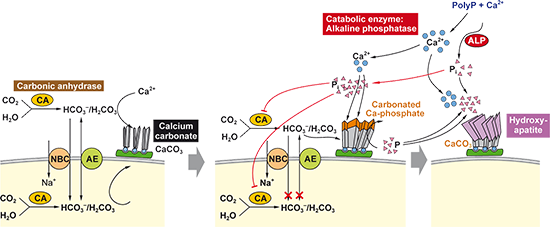
- is the material that builds up the spicules of the calcareous sponges. Recent results revealed that the calcium carbonate/biocalcite-based spicular skeleton of these animals is formed through an enzymatic mechanism, such as the skeleton of the siliceous sponges, evolutionarily the oldest animals that
- consist of biosilica. The enzyme that mediates the calcium carbonate deposition has been identified as a carbonic anhydrase (CA) and has been cloned from the calcareous sponge species Sycon raphanus. Calcium carbonate deposits are also found in vertebrate bones besides the main constituent, calcium