


Search results
Search for "mechanical" in Full Text gives 1136 result(s) in Beilstein Journal of Nanotechnology. Showing first 200.
Functionalized gold nanoflowers on carbon screen-printed electrodes: an electrochemical platform for biosensing hemagglutinin protein of influenza A H1N1 virus
Beilstein J. Nanotechnol. 2025, 16, 540–550, doi:10.3762/bjnano.16.42
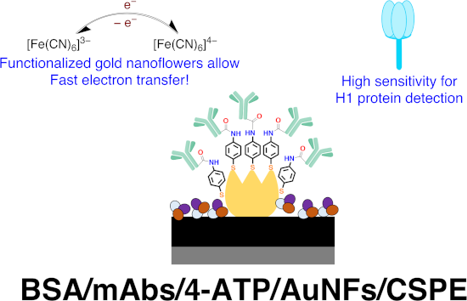
- process, forming stable AuNFs that remain at the surface of the electrode upon contact with water and ethanol as no change in the CV was observed after contact with these solvents (Supporting Information File 1, Figure S1). This suggests strong mechanical adhesion of the AuNFs to the CSPE surface. The


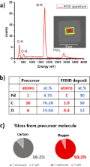
Electron beam-based direct writing of nanostructures using a palladium β-ketoesterate complex
Beilstein J. Nanotechnol. 2025, 16, 530–539, doi:10.3762/bjnano.16.41
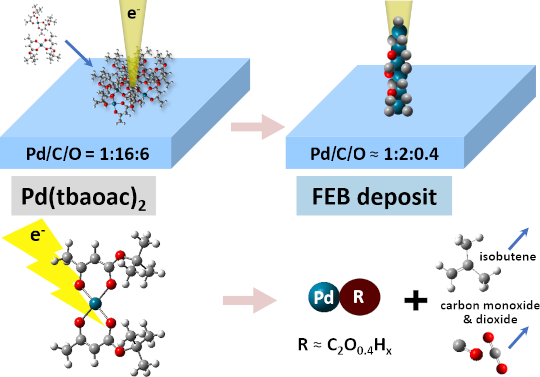
- use of masks, achieving scales down to a few nanometers with various patterns and shapes, offers significant advantages for a wide range of technological applications. These include areas that require plasmonic [1][2][3], phononic [3][4], magnetic [5][6], optoelectronic [7][8][9], and mechanical [10


Water in nanoporous hexagonal boron nitride nanosheets: a first-principles study
Beilstein J. Nanotechnol. 2025, 16, 510–519, doi:10.3762/bjnano.16.39
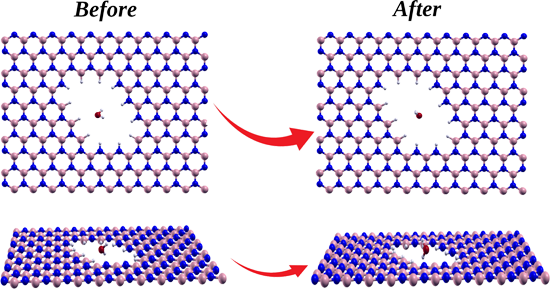
- , and high mechanical strength [20][21]. Additionally, it possesses unique properties compared to graphene, such as a wide bandgap, electrical insulation, and chemical inertness. Because of its remarkable mechanical properties and resistance to oxidation during the desalination process, h-BN can be used
- graphene membranes interacting with water, where wrinkles significantly impact the mechanical response of the membranes when filled with water on a platform. Conclusion Our investigation of pores in a free-standing hexagonal boron nitride monolayer sheds light on the intricate interactions between 2D




Performance optimization of a microwave-coupled plasma-based ultralow-energy ECR ion source for silicon nanostructuring
Beilstein J. Nanotechnol. 2025, 16, 484–494, doi:10.3762/bjnano.16.37

- . However, careful attention is required for the microwave coupling to the plasma cup to minimize the reflections of microwave power. Mechanical adjustments to the resonator length and waveguide are made to ensure minimal reflection. Additionally, maintaining the necessary magnetic field strength is crucial


Synthetic-polymer-assisted antisense oligonucleotide delivery: targeted approaches for precision disease treatment
Beilstein J. Nanotechnol. 2025, 16, 435–463, doi:10.3762/bjnano.16.34


Biomimetics and bioinspired surfaces: from nature to theory and applications
Beilstein J. Nanotechnol. 2025, 16, 418–421, doi:10.3762/bjnano.16.32

- Mechanics and Control for Aerospace Structures, College of Mechanical and Electrical Engineering, Nanjing University of Aeronautics and Astronautics, Nanjing, China 10.3762/bjnano.16.32 Keywords: adhesives; bioengineering; biomimetics; drag reduction; functional morphology; insects; medical coatings

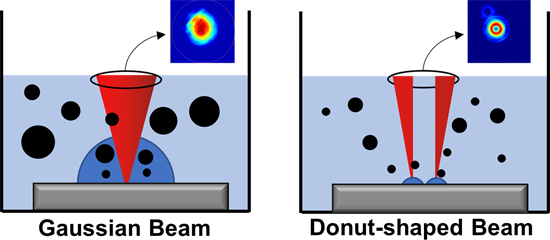
Size control of nanoparticles synthesized by pulsed laser ablation in liquids using donut-shaped beams
Beilstein J. Nanotechnol. 2025, 16, 407–417, doi:10.3762/bjnano.16.31
- Abdel Rahman Altakroury Oleksandr Gatsa Farbod Riahi Zongwen Fu Miroslava Flimelova Andrei Samokhvalov Stephan Barcikowski Carlos Donate-Buendia Alexander V. Bulgakov Bilal Gokce Chair of Materials Science and Additive Manufacturing, School of Mechanical Engineering and Safety Engineering


Engineered PEG–PCL nanoparticles enable sensitive and selective detection of sodium dodecyl sulfate: a qualitative and quantitative analysis
Beilstein J. Nanotechnol. 2025, 16, 385–396, doi:10.3762/bjnano.16.29
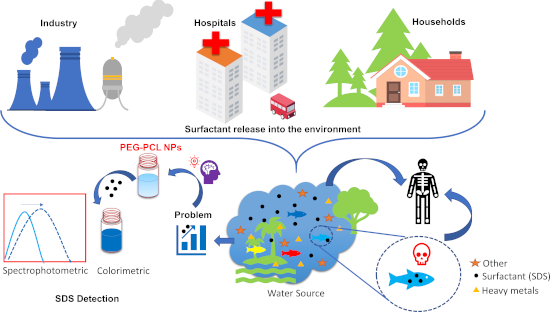
- interactions. Previous studies confirmed that PEG contains hydroxyl groups (–OH) that can form hydrogen bonds with the PCL carbonyl groups (C=O). These hydrogen bonds help stabilize the nanocomposite structure and improve its mechanical properties [33]. Optimization of PEG–PCL nanoparticle concentration The


Enhancing mechanical properties of chitosan/PVA electrospun nanofibers: a comprehensive review
Beilstein J. Nanotechnol. 2025, 16, 286–307, doi:10.3762/bjnano.16.22

- Nur Areisman Mohd Salleh Amalina Muhammad Afifi Fathiah Mohamed Zuki Hanna Sofia SalehHudin Forest Products Department, Forest Research Institute Malaysia, 52109, Kepong, Malaysia Department of Mechanical Engineering, Faculty of Engineering, University of Malaya, 50603 Kuala Lumpur, Malaysia
- Department of Chemical Engineering, Faculty of Engineering, University of Malaya, 50603 Kuala Lumpur, Malaysia 10.3762/bjnano.16.22 Abstract This review examines strategies to enhance the mechanical properties of chitosan/polyvinyl alcohol (PVA) electrospun nanofibers, recognized for their biomedical and
- industrial applications. It begins by outlining the fundamental properties of chitosan and PVA, highlighting their compatibility and mechanical characteristics. The electrospinning process is discussed, focusing on how various parameters and post-treatment methods influence fiber formation and performance


Emerging strategies in the sustainable removal of antibiotics using semiconductor-based photocatalysts
Beilstein J. Nanotechnol. 2025, 16, 264–285, doi:10.3762/bjnano.16.21
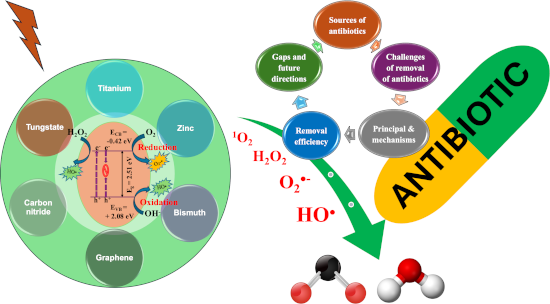
- antibiotics, several physical, biological, and chemical methods have been applied [13][18][19]. Various physical wastewater treatment techniques are based on mechanical separation to reduce contaminant levels by relocating rather than degrading antibiotics [7][8][20]. Biological approaches, such as the



Radiosensitizing properties of dual-functionalized carbon nanostructures loaded with temozolomide
Beilstein J. Nanotechnol. 2025, 16, 229–251, doi:10.3762/bjnano.16.18
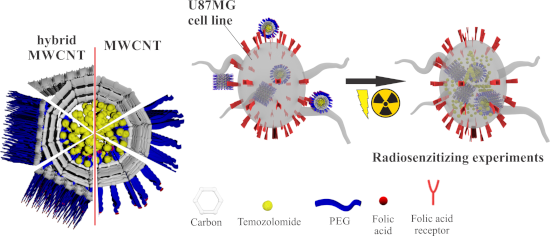
- (i.e., oxidation) of their surface, CNs with optimal hydrophobic/hydrophilic properties and increased dispersibility can be obtained as preconditions for biocompatibility and low immunogenicity. Also, improved electronic, mechanical, and thermal properties as preconditions for (photo)thermal and




Recent advances in photothermal nanomaterials for ophthalmic applications
Beilstein J. Nanotechnol. 2025, 16, 195–215, doi:10.3762/bjnano.16.16
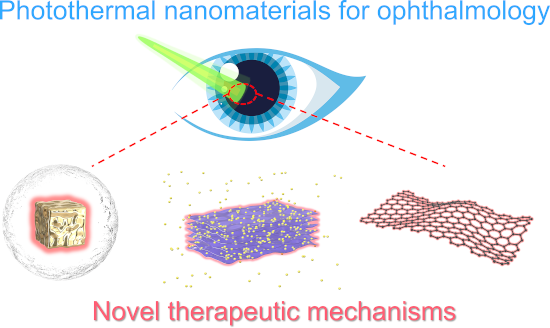
- collapse of these VNBs transform thermal energy into mechanical forces, such as jets and acoustic shock waves, enabling cellular or tissue treatment with minimal thermal damage. Currently, VNBs are being explored for applications in cancer cell eradication [51], harmful protein aggregate degradation [52
- photothermal conversion of iron oxide minimizes the necessary laser energy. The mechanical force generated by laser-induced VNBs enables the selective destruction of single corneal cells. The PLA films aid in precisely positioning the photothermal therapy, restrain the dispersion of iron oxide nanoclusters
- therapeutic effects in humans [213]. The safety profile of photothermal nanomaterials is influenced by various factors, including their morphology, structure, concentration, photothermal stability, mechanical strength, and surface chemistry [214]. Enhancements in biocompatibility and stability can be achieved


Probing the potential of rare earth elements in the development of new anticancer drugs: single molecule studies
Beilstein J. Nanotechnol. 2025, 16, 187–194, doi:10.3762/bjnano.16.15
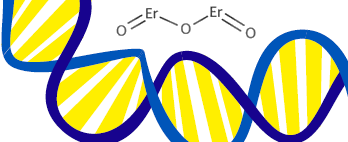
- -molecule force spectroscopy using optical tweezers (OT) on DNA complexes formed with the three rare earths at various concentrations. The mechanical properties of these complexes were then determined as a function of the element concentration. From these data, the physical chemistry of the interaction was
- the two main mechanical parameters in the entropic regime, that is, the contour and persistence lengths of the DNA molecule. To guarantee the accuracy of the results, the chosen DNA is stretched using only low forces (<5 pN); this type of measurement is repeated six times, obtaining the average values
- of the mechanical parameters and their error bars (standard error of the mean) [21]. After this characterization, the chosen rare earth is introduced in the sample chamber at the desired concentration, and the procedure described above is repeated using the same DNA molecule, thus obtaining the


A review of metal-organic frameworks and polymers in mixed matrix membranes for CO2 capture
Beilstein J. Nanotechnol. 2025, 16, 155–186, doi:10.3762/bjnano.16.14
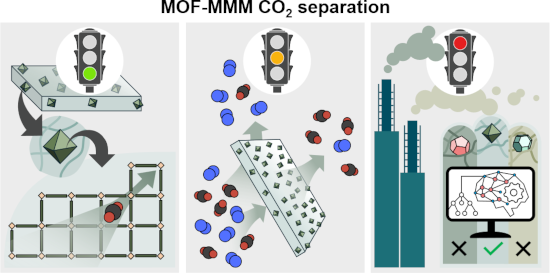
- membranes exhibit superior thermal, chemical, and mechanical stability compared to organic membranes [72][73][74]. However, inorganic membranes tend to be brittle, which can lead to crack formation in the finalized membrane, thereby reducing their selective properties. While organic membranes typically
- possess greater mechanical strength, they are more prone to deformation under mechanical stress [75][76]. Membranes used for gas separation must have sufficient mechanical strength to resist plastic deformation under high gas pressures [77]. Although inorganic membranes appear more advantageous for gas
- symmetric membranes, the MMM spans the entire sheet, which imposes mechanical instability for sheets thinner than 50 µm and limits gas flux through the membrane [87]. Asymmetric membranes feature a thin MMM layer supported by a porous polymer layer that provides mechanical stability and high gas flux better




TiO2 immobilized on 2D mordenite: effect of hydrolysis conditions on structural, textural, and optical characteristics of the nanocomposites
Beilstein J. Nanotechnol. 2025, 16, 128–140, doi:10.3762/bjnano.16.12
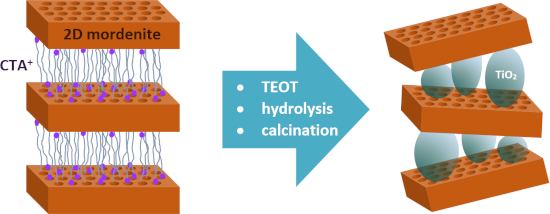
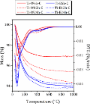
- in a mechanical mixture of TiO2 with microporous zeolite, but higher than for composites obtained by a liquid impregnation method [40]. Thermogravimetric (TG) profiles of the studied samples together with the derivative thermogravimetric (DTG) curves are shown in Figure 6. As can be seen, mass loss



Modeling and simulation of carbon-nanocomposite-based gas sensors
Beilstein J. Nanotechnol. 2025, 16, 90–96, doi:10.3762/bjnano.16.9
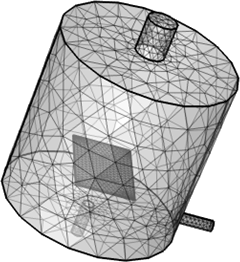
- disciplines, leading to the development of materials with unprecedented properties. Among these materials, carbon nanocomposites have gathered significant attention because of their exceptional electrical, mechanical, and thermal characteristics. These nanocomposites typically consist of carbon-based



Characterization of ZnO nanoparticles synthesized using probiotic Lactiplantibacillus plantarum GP258
Beilstein J. Nanotechnol. 2025, 16, 78–89, doi:10.3762/bjnano.16.8
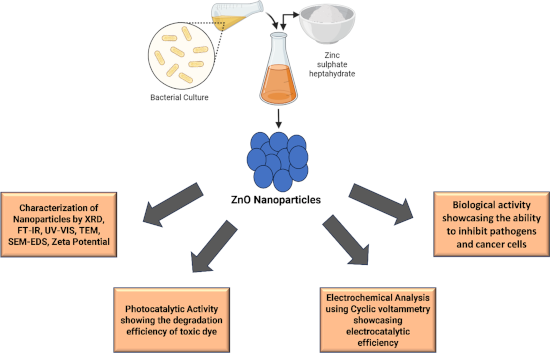
- -to-volume ratio, and magnetic, electrical, optical, antimicrobial and hardness properties give NPs distinct mechanical, thermal, and catalytic properties. As a result, nanotechnology has widespread applications across diverse domains and opened up new possibilities for innovation [1][2]. Particles



Advanced atomic force microscopy techniques V
Beilstein J. Nanotechnol. 2025, 16, 54–56, doi:10.3762/bjnano.16.6
- mechanical oscillation of the piezoelectric membrane with highest resolution in real time. In addition to the measurement of surface potentials or photovoltages, Navarro-Rodriguez et al. investigate the dynamics of surface charges and how they couple to the detection system [9]. They describe in detail how
Precursor sticking coefficient determination from indented deposits fabricated by electron beam induced deposition
Beilstein J. Nanotechnol. 2025, 16, 35–43, doi:10.3762/bjnano.16.4

- 60° with the identical positioning. The background pressure was 4 × 10⁻⁷ mbar and rose to 5 × 10⁻⁷ mbar for Cr(C6H6)2 and 6 × 10⁻⁶ mbar for Me3CpPtMe during deposition at room temperature. To prevent any mechanical or beam drift, a waiting time of 10 min was introduced right before the start of the


Bioinspired nanofilament coatings for scale reduction on steel
Beilstein J. Nanotechnol. 2025, 16, 25–34, doi:10.3762/bjnano.16.3

- ], and textiles [11][12][13][14][15][16] as it does not offer the hydroxy moieties used previously for direct surface polymerization. It is therefore important to carefully test the stability and attachment of any SNFs growing on steel surfaces. Mechanical scratching of the coated steel surface will
- pressure is quickly released after 24 hours at 100 °C and 100 bar. The pressure is reduced to 50 bar over a period of five minutes and afterwards the pressure is reduced to ambient pressure over a period of ten minutes. Any blisters or cracks in the coating indicate delamination or mechanical failure. As


Attempts to preserve and visualize protein corona on the surface of biological nanoparticles in blood serum using photomodification
Beilstein J. Nanotechnol. 2024, 15, 1654–1666, doi:10.3762/bjnano.15.130

- separation of some components from the surface of bio-NPs, probably due to the mechanical action of sucrose particles and clusters on the surface of bio-NPs. It is also possible to suppose chemical interactions of sucrose molecules with surface molecules of bio-NPs. However, we do not have factual data for



Biomimetic nanocarriers: integrating natural functions for advanced therapeutic applications
Beilstein J. Nanotechnol. 2024, 15, 1619–1626, doi:10.3762/bjnano.15.127

- cellular membranes and carriers is coextrusion through polyester or polycarbonate membranes with various pore sizes [51][52]. In this method, mechanical extrusion forces the nanocarriers into the membrane vesicles. This approach yields product uniformity and preserves membrane protein layers, though it


Natural nanofibers embedded in the seed mucilage envelope: composite hydrogels with specific adhesive and frictional properties
Beilstein J. Nanotechnol. 2024, 15, 1603–1618, doi:10.3762/bjnano.15.126
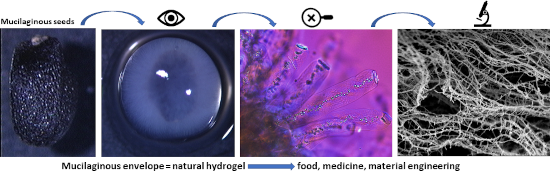
- reformation, which may cause the mechanical collapse of the spatial structure. Frictional properties One of the important features of hydrogels [83][84][85][86][87] is their ability to decrease friction in contact. The frictional properties of hydrogels depend on their chemical composition [26][27][88][89
- ). Basil mucilage comprises thick cellulose fibrils [7]. Cellulose in the form of CNFs is very often used as an additive in the production of, for example, paper and biofilms [41][147][148] because CFNs have many unique properties, such as high mechanical strength (higher than that of steel and alloys, <2
- GPa) [149]. Therefore, it was assumed that cellulose fibrils are responsible for the strong mechanical resistance of the mucilage. Another important physical factor strongly influencing the attachment of mucilaginous seeds to the substrate is the temperature. LoPresti et al. [37] stated that mucilage


Liver-targeting iron oxide nanoparticles and their complexes with plant extracts for biocompatibility
Beilstein J. Nanotechnol. 2024, 15, 1593–1602, doi:10.3762/bjnano.15.125
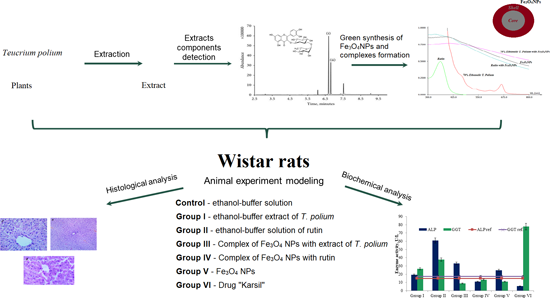
- that MNPs larger than 200 nm are captured by the spleen through mechanical filtration, while MNPs smaller than 10 nm can be eliminated via renal clearance. Therefore, the 10–100 nm range is considered optimal for administration in specific applications [29]. The biodistribution patterns of these
- wash and sterilization in 1% calcium hypochlorite solution (Sigma-Aldrich, Germany), plants were dried to 10% moisture level and ground in a mechanical homogenizer to obtain a homogeneous powder. The method for obtaining T. polium extracts is similar to the extraction method of Ocimum araratum


The round-robin approach applied to nanoinformatics: consensus prediction of nanomaterials zeta potential
Beilstein J. Nanotechnol. 2024, 15, 1536–1553, doi:10.3762/bjnano.15.121
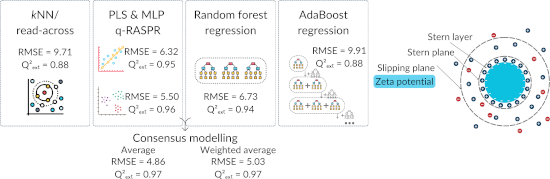
- relationship (QSPR/QSFR) modelling, read-across, and deep learning models. Mikolajczyk et al. [16] implemented a consensus nano-QSPR scheme for the prediction of the ZP of metal oxide nanoparticles (NPs) based on the size and a quantum mechanical descriptor encoding the energy of the highest occupied molecular





