Search results
Search for "mobility" in Full Text gives 473 result(s) in Beilstein Journal of Nanotechnology. Showing first 200.
The role of sulfonate groups and hydrogen bonding in the proton conductivity of two coordination networks
Beilstein J. Nanotechnol. 2022, 13, 437–443, doi:10.3762/bjnano.13.36
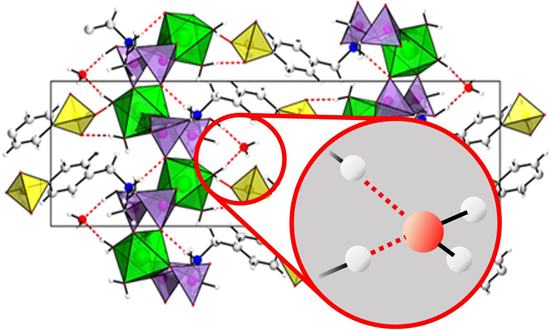
- the bridging ligands, for example, –OH, –COOH, –PO3H2 or –SO3H, (ii) by filling pores or channels with acidic guest molecules, such as oxonium ions, organic or inorganic acids, or ammonium cations, or (iii) by ligand substitution to increase the mobility of proton carriers [13][14][15][16]. Here we
- increases from 4.9 × 10⁻¹⁰ S·cm−1 at 70% r.h. to 2.0 × 10⁻⁸ S·cm−1 at 90% r.h. (non-activated sample, 22 °C). Activation only leads to a very slight change in conductivity (9.9 × 10⁻⁹ S·cm−1 at 90% r.h., see Table 1). These findings suggest that proton mobility is mostly governed by the (reversible) uptake
- detail below. (We did not observe any semicircular behavior in the absence of humidity, neither before nor after thermal activation, from which we conclude that other phenomena, such as relaxation of electric dipoles, do not significantly contribute to the charge mobility.) Another way to depict the


A chemiresistive sensor array based on polyaniline nanocomposites and machine learning classification
Beilstein J. Nanotechnol. 2022, 13, 411–423, doi:10.3762/bjnano.13.34
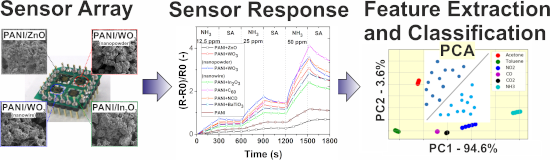
- concentration due to PANI doping and the formation of charge transfer complexes [20]. The decrease of electrical resistance is caused by the greater mobility of the dopant ions, related to the development of PANI chains. Furthermore, the swelling effect contributes to the change in resistivity [21]. Statistical




Electrostatic pull-in application in flexible devices: A review
Beilstein J. Nanotechnol. 2022, 13, 390–403, doi:10.3762/bjnano.13.32
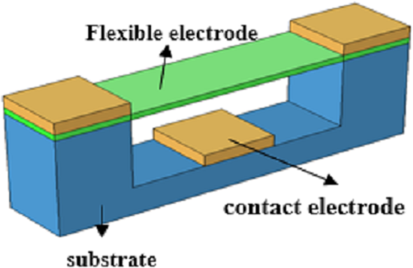
- the scale down of advanced IC designs. GR-NEM switches can be used as a new and unique ESD protection structure to replace PN junctions in integrated circuits. The high carrier mobility and the heat transfer coefficient allow for a low conduction resistance and can avoid device burn during ESD. ESD


Alcohol-perturbed self-assembly of the tobacco mosaic virus coat protein
Beilstein J. Nanotechnol. 2022, 13, 355–362, doi:10.3762/bjnano.13.30
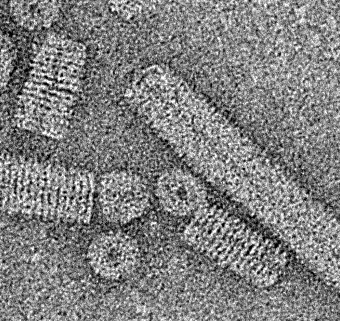
- small hydration shell of structured water molecules. As the alcohol content increases, the hydration shells begin to overlap, leading to an extensive hydrogen bonding network and significantly reduced mobility of water molecules. Beyond this point, alcohol molecules begin to cluster together, and


Low-energy electron interaction and focused electron beam-induced deposition of molybdenum hexacarbonyl (Mo(CO)6)
Beilstein J. Nanotechnol. 2022, 13, 182–191, doi:10.3762/bjnano.13.13
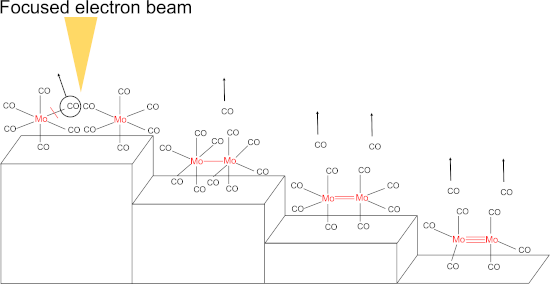
- about 160 K, the FEBID studies on this precursor were conducted at elevated temperatures and at room temperature while the current FEBID with Mo(CO)6 was conducted at room temperature. At these higher temperatures the mobility at the surface is higher and conceivable activation barriers associated with


Measurement of polarization effects in dual-phase ceria-based oxygen permeation membranes using Kelvin probe force microscopy
Beilstein J. Nanotechnol. 2021, 12, 1380–1391, doi:10.3762/bjnano.12.102
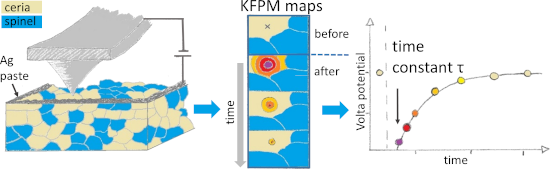
- environment are the strong decrease in oxygen ion mobility below 600 °C, mechanical stability and chemical stability against the used reactive gases, and local chemical reactions at the triple-phase boundaries (ceria|electron conductor|gas) as well as at the interfaces between the different components (ceria
- temperatures above 400 °C. However, the implications of local oxidation and reduction for charge carrier mobility at lower temperatures are by far less well studied. Therefore, a combined polarization-KPFM experiment was performed on a dual-phase material consisting of 60 vol % Ce0.8Sm0.2O1.9 and 40 vol
- electrons are trapped at oxygen vacancy sites, allowing also for singly charged () or uncharged (VO) oxygen vacancies in close vicinity to Ce3+ ions [31][32], which show a strongly lowered mobility. For low temperatures, the common electroneutrality equation for acceptor-doped ceria can be shortened, as


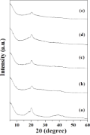
Electrical, electrochemical and structural studies of a chlorine-derived ionic liquid-based polymer gel electrolyte
Beilstein J. Nanotechnol. 2021, 12, 1252–1261, doi:10.3762/bjnano.12.92
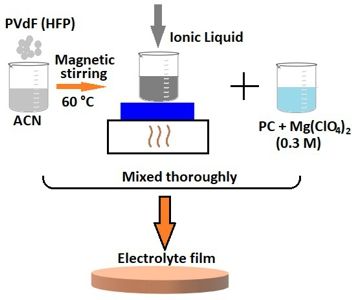
- conductivity values after 20 wt % of the (PVdF-HFP)-IL blend is due to the increased viscosity of the electrolyte system, which lowers the mobility of mobile species and hence the conductivity decreases thereafter. Finally, ionic liquid-based polymer gel electrolytes with an optimized composition of ({(PVdF
- the overall mobility of free ions and segmental motion of polymeric chains. As a result, there is an increase in the conductivity of the polymer gel electrolyte system. The VTF fitting parameters (i.e., A, B, and T0) were determined by using non-linear least square fitting of the data and are
- frequencies [10]. From Figure 6b it can be seen that the larger values of the dielectric loss (εi) are more prominent in lower frequencies as well as in higher temperature regions. Mostly it arises due to the mobility of free charge carriers that exist within the dielectric materials. The general pattern



A review on slip boundary conditions at the nanoscale: recent development and applications
Beilstein J. Nanotechnol. 2021, 12, 1237–1251, doi:10.3762/bjnano.12.91
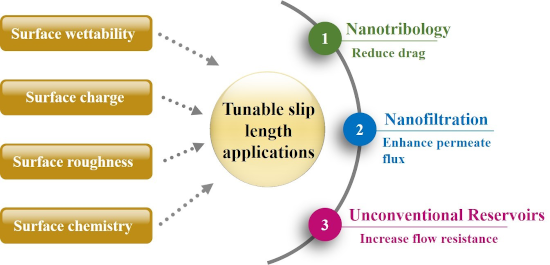
- mobility of surface charges to describe the motion of electro-osmosis. The approximate expressions for the electro-osmotic velocity can be derived even when the surface charge density is large [75]. When investigating the motion of an electrolyte solution driven by an external electric field, Celebi and


First-principles study of the structural, optoelectronic and thermophysical properties of the π-SnSe for thermoelectric applications
Beilstein J. Nanotechnol. 2021, 12, 1101–1114, doi:10.3762/bjnano.12.82
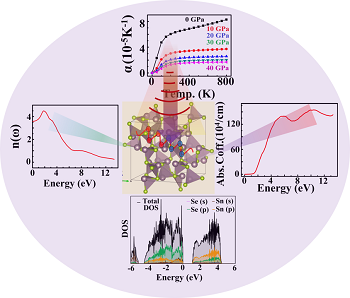
- hierarchical architecture [2][11][12] as well as through nanostructuring [13][14][15]), retaining the hole mobility [16][17], and by improving the value of the Seebeck coefficient (by tuning the band structure [18] along with a large conduction (valence) band convergence [19][20], electron energy barrier


Assessment of the optical and electrical properties of light-emitting diodes containing carbon-based nanostructures and plasmonic nanoparticles: a review
Beilstein J. Nanotechnol. 2021, 12, 1078–1092, doi:10.3762/bjnano.12.80
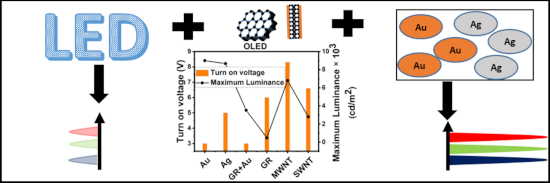
- determined. Enhancing hole mobility: hole injection and transport layers The optimization of charge carrier injection also consists of reducing the driving voltage of the LED. For achieving this, holes should be readily injected from the high-work-function anode surface (e.g., ITO, SWNT), while the electrons
- should be injected from the low-work-function metal cathode surface. Therefore, HTL should possess excellent charge mobility and maintain morphological stability. Moreover, it should have an appropriate highest occupied molecular level (HOMO), ensuring a low energy barrier for hole injection from the
- concentrations (0.4 wt %) improved the hole-injecting ability of PEDOT:PSS. Incorporation of 0.005 wt % of SWNT in PVK HTL resulted in 55% increment in hole mobility, which was initially 2.5 × 10⁻⁶ cm2/V·s [63]. Other carbon-based nanostructures for HTL include graphene oxide. However, an optimum thickness of


Use of nanosystems to improve the anticancer effects of curcumin
Beilstein J. Nanotechnol. 2021, 12, 1047–1062, doi:10.3762/bjnano.12.78
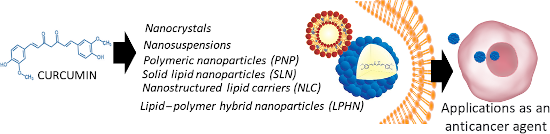
- constituted by lipophilic and hydrophilic polymers which contribute to increase their systemic mobility and residence time [86]. The advantages of this hybrid system include high encapsulation efficiency, well-defined release kinetics, well-tolerated serum stability, and well-triggered tissue, cellular, and


Revealing the formation mechanism and band gap tuning of Sb2S3 nanoparticles
Beilstein J. Nanotechnol. 2021, 12, 1021–1033, doi:10.3762/bjnano.12.76
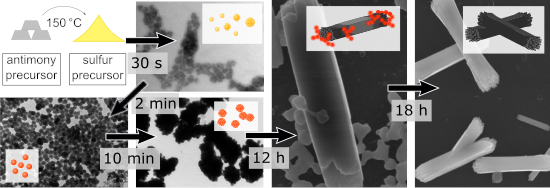
- amorphous materials can be divided into localized and delocalized states, forming a so-called mobility gap [46]. Initially, the Tauc plot (Equation 1) was used to calculate band gap values for amorphous materials, i.e., mobility gaps, with a transition factor γ equal to 2 [37]. Hence, an amorphous material
- explained by different preparation conditions [49]. Different formation mechanisms can lead to differences in bond lengths and angles in an amorphous material, and therefore to a different mobility gap [46]. Hence, a decreasing mobility gap suggests that an electronic relaxation process occurs after a
- range of 2.18 ± 0.03 to 2.01 ± 0.03 eV. In contrast, the optical band gap of the crystalline particles decreased to a value of 1.71 ± 0.03 eV and did not change any further. The reduction of the mobility gap of the amorphous states of the particles was likely due to an electronic relaxation effect with


Is the Ne operation of the helium ion microscope suitable for electron backscatter diffraction sample preparation?
Beilstein J. Nanotechnol. 2021, 12, 965–983, doi:10.3762/bjnano.12.73
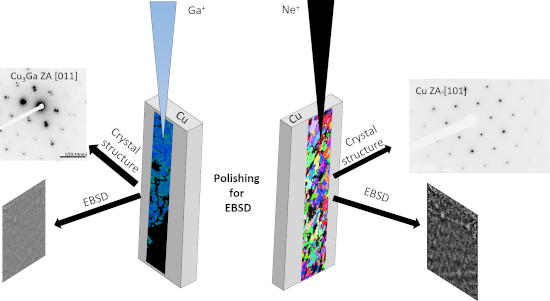
- SRIM simulation suggested that each copper atom is displaced around 22 times during the polishing process. A high enough Cu atom as well as Ga ion mobility is likely to move ions as well as displaced Cu atoms into grain boundaries. Grain boundaries can facilitate transport deeper into the material and



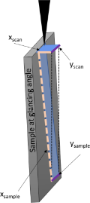
Self-assembly of Eucalyptus gunnii wax tubules and pure ß-diketone on HOPG and glass
Beilstein J. Nanotechnol. 2021, 12, 939–949, doi:10.3762/bjnano.12.70
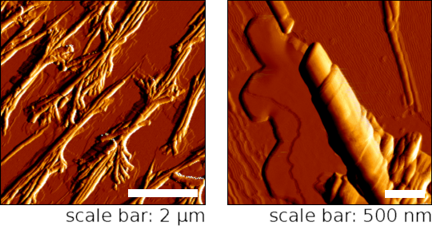
- due to the solvent-driven mobility of the molecules [25]. ß-Diketone: the shape-determining compound For plant waxes mainly composed of primary alcohols, it has already been demonstrated that the main components can determine the crystal shape [15][27]. However, minor components can be shape




In situ transport characterization of magnetic states in Nb/Co superconductor/ferromagnet heterostructures
Beilstein J. Nanotechnol. 2021, 12, 913–923, doi:10.3762/bjnano.12.68
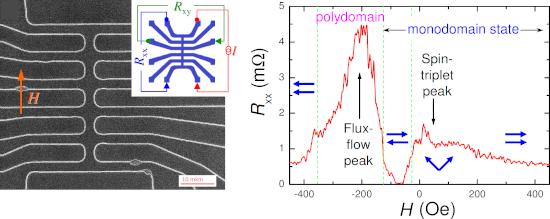
- vortex mobility. The latter may indeed show strong temperature variations close to Tc. In situ characterization of magnetic states by the first-order-reversal-curves analysis The aim of this work is to establish techniques for in situ transport characterization of magnetic states in micropatterned S/F


9.1% efficient zinc oxide/silicon solar cells on a 50 μm thick Si absorber
Beilstein J. Nanotechnol. 2021, 12, 766–774, doi:10.3762/bjnano.12.60
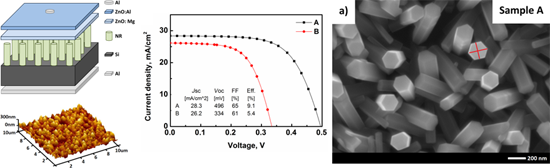
- was used as absorber of the solar spectrum. Carrier concentration, mobility, and resistivity were 4.3 × 1015 cm−3, 270 cm2·V−1·s−1, and 5.3 Ω·cm, respectively. The silicon wafer was cut into small square pieces, ca. 1.5 × 1.5 cm2 in size. Samples were cleaned in acetone, iso-propanol, and twice in


Physical constraints lead to parallel evolution of micro- and nanostructures of animal adhesive pads: a review
Beilstein J. Nanotechnol. 2021, 12, 725–743, doi:10.3762/bjnano.12.57
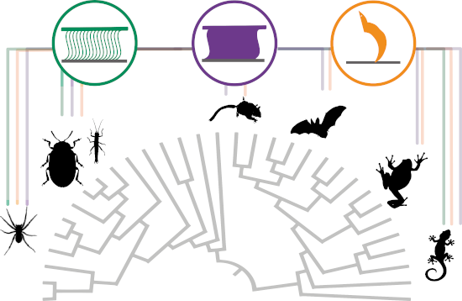
- tools for various functional demands [3][40]. Specifically, the wings are considered important to facilitate mobility, dispersal, and escape from predators [41][42][43][44][45][46]. Furthermore, the ability to efficiently move in different environments promotes niche diversity and subsequently species
- diversity in insects [47]. A key feature for mobility, next to the evolution of wings, is the evolution of a segmented leg in arthropods [48]. These paired, articulated appendages, in combination with the hardened exoskeleton, served for both Arthropoda and insects, in particular, as a tool to become


Fate and transformation of silver nanoparticles in different biological conditions
Beilstein J. Nanotechnol. 2021, 12, 665–679, doi:10.3762/bjnano.12.53
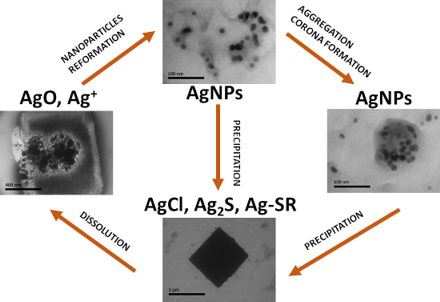
- were calculated from the measured electrophoretic mobility and reported as an average of six measurements. The Zetasizer software (6.32; Malvern Instruments, Malvern, UK) was used for data processing. Experiments with animal tissues Three-month-old male Wistar rats, 320–350 g (b.w.) were bred at the




Nanoporous and nonporous conjugated donor–acceptor polymer semiconductors for photocatalytic hydrogen production
Beilstein J. Nanotechnol. 2021, 12, 607–623, doi:10.3762/bjnano.12.50
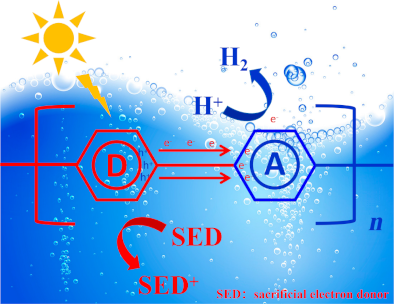
- Conjugated polymers (CPs) as photocatalysts have evoked substantial interest. Their geometries and physical (e.g., chemical and thermal stability and solubility), optical (e.g., light absorption range), and electronic properties (e.g., charge carrier mobility, redox potential, and exciton binding energy) can
- tuning the bandgap, enlarging the surface area, enabling more efficient separation of electron–hole pairs, and enhancing the charge carrier mobility. In particular, donor–acceptor (D–A) polymers were demonstrated as a promising platform to develop high-performance photocatalysts due to their easily
- tunable bandgaps, high charge carrier mobility, and efficient intramolecular charge transfer. In this minireview, recent advances of D–A polymers in photocatalytic hydrogen evolution are summarized with a particular focus on modulating the optical and electronic properties of CPs by varying the acceptor




Properties of graphene deposited on GaN nanowires: influence of nanowire roughness, self-induced nanogating and defects
Beilstein J. Nanotechnol. 2021, 12, 566–577, doi:10.3762/bjnano.12.47
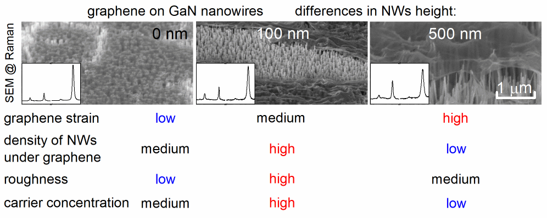
- mobility and, consequently, graphene conductivity. On the other hand, chemical functionalization of graphene may improve the sensitivity of graphene-based sensors [6]. Therefore, the control of density and types of defects in graphene might be a new way to prepare efficient molecular sensors. Systems
- , carrier mobility. The 2D band energy and FWHM also depend on carrier concentration. However, their changes are significantly lower than those found for the G band FWHM, which will be discussed in the next paragraph [43]. The analysis of graphene G band parameters allows for one to trace how NW substrate
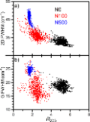
- carrier mobility in N0 and N100 samples (Figure 3b, Figure 3f). The intensity ratio of 2D and G graphene bands in monolayer graphene has been reported to be negatively correlated with carrier concentration [15]. A higher Fermi energy increases the probability of scattering on free carriers, which adds to




Surface-enhanced Raman scattering of water in aqueous dispersions of silver nanoparticles
Beilstein J. Nanotechnol. 2021, 12, 497–506, doi:10.3762/bjnano.12.40
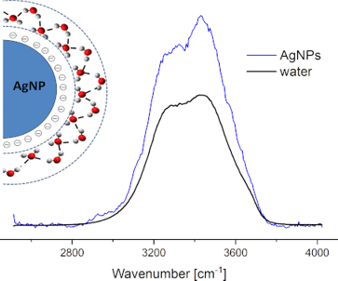
- average size of 34 ± 14 nm. The temperature experiment results showed a higher enhancement with temperature increase. Performed simulation studies revealed a slowdown of the mobility of the water molecules close to the surface of AgNPs. Keywords: Dynamic lattice liquid (DLL) simulations; liquid water
- enhanced by the mobility decrease in the nearest vicinity of the metal nanoparticle and by the increase of the rotational relaxation time and residence time of water molecules surrounding the ion wall in a charged monolayer-protected Au nanoparticle [39]. Assuming that the observed Raman enhancement is
- ) – CASE C; (v) Eb = 19 kJ/mol, Ew = 21.1 kJ/mol (Eb = 0.90Ew) – CASE D. The solvent mobility was calculated as an averaged probability of movement of a water-like element at a given distance (r) from the Ag wall. The Figure 5 presents the results of the DLL simulation. The κ parameter is defined as: and


Boosting of photocatalytic hydrogen evolution via chlorine doping of polymeric carbon nitride
Beilstein J. Nanotechnol. 2021, 12, 473–484, doi:10.3762/bjnano.12.38
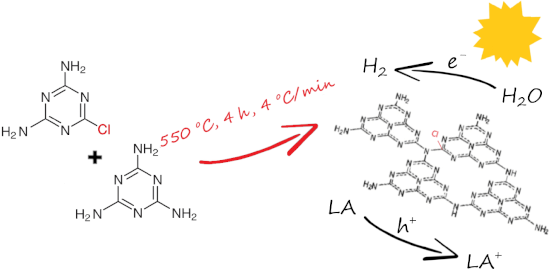
- with the P atom may promote the mobility of the charge carrier and facilitate the separation of the photogenerated electron–holes [34]. Another research group found that their prepared fluorinated carbon nitride has a photocatalytic activity 20.8 times higher than that of pristine PCN [30]. Wang et al


Extended iron phthalocyanine islands self-assembled on a Ge(001):H surface
Beilstein J. Nanotechnol. 2021, 12, 232–241, doi:10.3762/bjnano.12.19
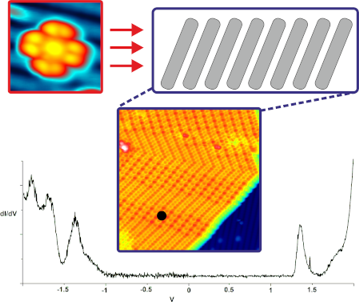
- atomic-scale defects and our previous experiments with other organic molecules [35], we may expect that single FePc molecules on the surface are trapped at surface defects, although the formation of molecular islands hints at a sufficient mobility of the molecules on the Ge(001):H surface. In a
TiOx/Pt3Ti(111) surface-directed formation of electronically responsive supramolecular assemblies of tungsten oxide clusters
Beilstein J. Nanotechnol. 2021, 12, 203–212, doi:10.3762/bjnano.12.16
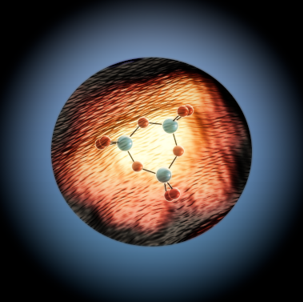
- , respectively. After the annealing at 600 K, hardly any single nanocluster can be found on the surface. In return, the step edges are now highly decorated with clusters, while the terraces are covered by up to 1 nm high and 5 nm wide cluster agglomerations. This indicates a high lateral mobility of the clusters
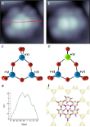
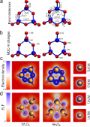
- STM tip-induced manipulation, resulting in a partial reduction to a W3O8 molecule, up to now just theoretically known. At elevated temperatures, the clusters showed a significantly increased lateral mobility, leading first to cluster agglomerations at 600 K and finally to the formation of larger WO3



Toward graphene textiles in wearable eye tracking systems for human–machine interaction
Beilstein J. Nanotechnol. 2021, 12, 180–189, doi:10.3762/bjnano.12.14
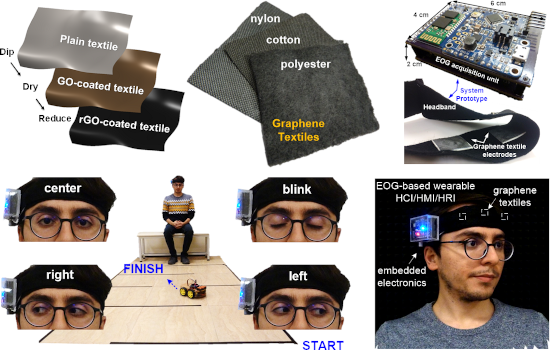
- people with locked-in syndromes who have extremely limited peripheral mobility but still retain their eye motor coordination [10]. Similarly, basic deliberate eye movements such as saccades (i.e., fast eye movements), fixations (i.e., the duration between two saccades when the gaze is fixated at a point