Search results
Search for "nanoparticles" in Full Text gives 1300 result(s) in Beilstein Journal of Nanotechnology. Showing first 200.
Size control of nanoparticles synthesized by pulsed laser ablation in liquids using donut-shaped beams
Beilstein J. Nanotechnol. 2025, 16, 407–417, doi:10.3762/bjnano.16.31
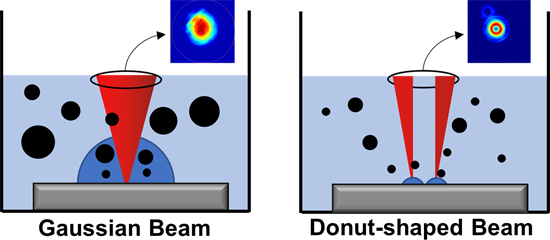
- GROC·UJI, Institute of New Imaging Technologies, Universitat Jaume I, Av. de Vicent Sos Baynat, s/n, 12071 Castellón, Spain 10.3762/bjnano.16.31 Abstract The potential to modify the size distribution of nanoparticles synthesized by pulsed laser ablation in liquids is demonstrated using a donut-shaped
- this pioneering study, further investigation with higher temporal and spatial resolution are warranted. Keywords: beam shaping; cavitation bubble; donut beam; gold nanoparticles; high-entropy alloy nanoparticles; nanoparticle size analysis; yttrium oxide nanoparticles; Introduction The demand for
- nanoparticles (NPs) with defined particle sizes and narrow size distribution width is driven by the growing integration of nanomaterials into various industrial applications, such as medicine [1][2][3], catalysis [4][5], sensors [6][7], and additive manufacturing [8]. The performance of NPs typically depends on


ReactorAFM/STM – dynamic reactions on surfaces at elevated temperature and atmospheric pressure
Beilstein J. Nanotechnol. 2025, 16, 397–406, doi:10.3762/bjnano.16.30
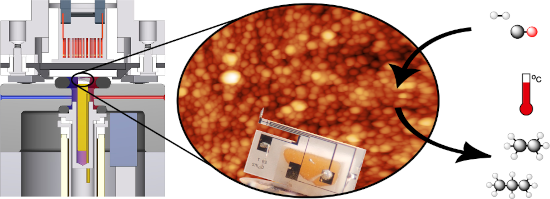
- show operando combined AFM/STM images of a clean Pd(100) single crystal that undergoes oxidation of the surface. The oxidation happens at 450 K under 0.5 bar of oxygen atmosphere. The second experiment is a FTS experiment, where we show AFM images of catalytic cobalt nanoparticles. The nanoparticles
- hydrocarbons CnH2n+2, with water as byproduct [24]. We have investigated the reaction on Co nanoparticles deposited on an Al2O3 support, grown on a NiAl(110) single crystal. The NiAl(110) surface has been prepared by repeated cycles of Ar-ion sputtering (3 μA, 1 kV, 30 min) at room temperature followed by
- the main setup, the sample is annealed at 800 K in 10−6 mbar of O2 to remove carbon impurities and replenish the oxygen in the oxide layer. The composition of the surface was verified by AES (not shown here). The cobalt nanoparticles were deposited by e-beam evaporation with a Co rod, an emission


Engineered PEG–PCL nanoparticles enable sensitive and selective detection of sodium dodecyl sulfate: a qualitative and quantitative analysis
Beilstein J. Nanotechnol. 2025, 16, 385–396, doi:10.3762/bjnano.16.29
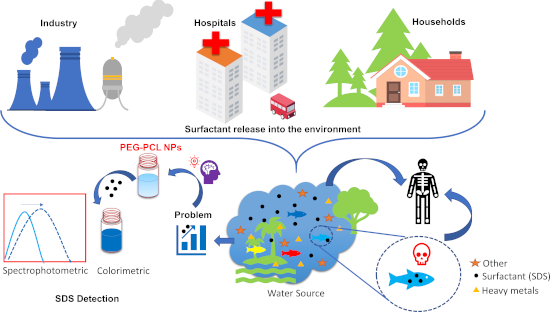
- , labor-intensive, and require specialized technical expertise. This study developed a novel colorimetric method for the selective and sensitive detection of SDS, utilizing polyethylene glycol-polycaprolactone nanoparticles (PEG–PCL NPs) synthesized via a ring-opening polymerization approach. The
- synthesized nanoparticles exhibited a distinct colorimetric response to SDS when combined with the Bradford reagent, which acted as a linker molecule. Interference studies demonstrated the high selectivity of the method, even in the presence of various heavy metals and other surfactants. The method showed
- selectivity and sensitivity for SDS detection, making it a promising analytical tool for rapid and onsite estimation. Keywords: Bradford reagent; environmental monitoring; PEG–PCL nanoparticles; SDS; SDS detection; Introduction Sodium dodecyl sulfate (SDS), or sodium lauryl sulfate, is an anionic surfactant


Development of a mucoadhesive drug delivery system and its interaction with gastric cells
Beilstein J. Nanotechnol. 2025, 16, 371–384, doi:10.3762/bjnano.16.28

- mucoadhesive drug delivery system that was developed to fulfill these requirements. Alginate nanoparticles were synthesized by water-in-oil emulsification followed by external gelation and then coated with the mucoadhesive polymer Eudragit RS100. The formulated nanoparticles had a mean size of 219 nm and
- positive charge. A peptide, as a model drug, was loaded onto the nanoparticles with an encapsulation efficiency of 58%. The release of the model drug from the delivery system was pH-independent and lasted for 7 days. The periodic acid–Schiff stain assay indicated 69% mucin interaction for the nanoparticles
- , which were also capable of diffusion through artificial mucus. The nanoparticles were not toxic to gastric epithelial cells and can be internalized by the cells within 4 h. The adsorption of nanoparticles onto mucus-secreting gastric cells was found to be correlated with cell number. The delivery system


Pulsed laser in liquid grafting of gold nanoparticle–carbon support composites
Beilstein J. Nanotechnol. 2025, 16, 349–361, doi:10.3762/bjnano.16.26
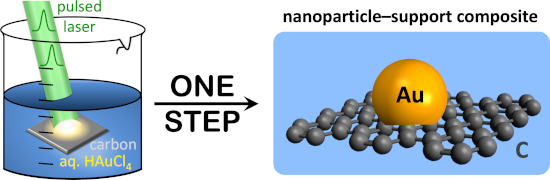
- , University of Rochester, Rochester, New York 14627, United States 10.3762/bjnano.16.26 Abstract We developed a novel pulsed laser-assisted process for the fabrication of advanced composites of nonequilibrium gold nanoparticles on carbon fiber paper supports. Our one-step process integrates the generation of
- nanoparticles with their surface attachment and solves longstanding nanoparticle adhesion and electrical contact issues. Irradiation of hydrophilic carbon fiber paper submerged in aqueous HAuCl4 solution by nanosecond laser pulses produced composites with uniform distribution of gold nanoparticles on carbon
- fibers, taking advantage of the high internal surface area of carbon fiber paper. The pulsed laser-grafted composites exhibited zero measurable charge transfer resistance between gold nanoparticles and the carbon support, leading to superior cathode performance over conventionally prepared electrodes for


Graphene oxide–chloroquine conjugate induces DNA damage in A549 lung cancer cells through autophagy modulation
Beilstein J. Nanotechnol. 2025, 16, 316–332, doi:10.3762/bjnano.16.24
- exposure to starch-capped silver nanoparticles (AgNPs) [11]. Gemcitabine-encapsulated poly(lactic-co-glycolic acid) (PLGA) nanoparticles have been shown to enhance cell death in chemoresistant PANC1 cells, human pancreatic epithelial carcinoma cells [12]. Also, TiO2 nanoparticles can sensitize A549 cells
- , human lung epithelial carcinoma cells towards the genotoxic agent methyl methanesulphonate through disruption of the DDR process [13]. Recently, ZnO nanoparticles induced significant cytotoxicity and DNA double-strand breaks in SKOV3 cells, human ovarian epithelial cancer cells, through induction of



Fabrication and evaluation of BerNPs regarding the growth and development of Streptococcus mutans
Beilstein J. Nanotechnol. 2025, 16, 308–315, doi:10.3762/bjnano.16.23
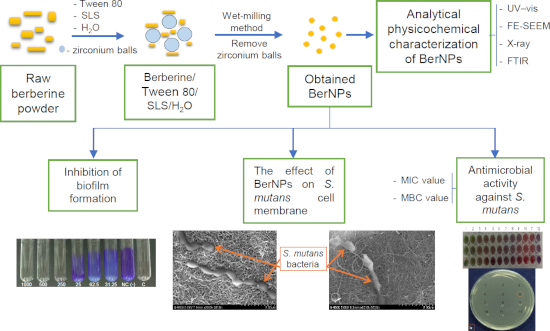
- Faculty of Medical Technology, Van Lang University, Ho Chi Minh City, Vietnam Department of Biotechnology, Nong Lam University, Ho Chi Minh City, Vietnam Faculty of Pharmacy, Van Lang University, Ho Chi Minh City, Vietnam 10.3762/bjnano.16.23 Abstract In this study, berberine nanoparticles (BerNPs) were
- formation of S. mutans. In summary, BerNPs demonstrated a potent inhibitory effect on the activities of S. mutans at selectively applied concentrations. Keywords: antibacterial; berberine nanoparticles; BerNPs; biofilm; FE-SEM; Streptococcus mutans; Introduction According to the Global Burden of Disease
- inhibitory activity against pathogenic bacteria have been reported. In 2022, Nguyen et al. fabricated berberine nanoparticles (BerNPs) by antisolvent precipitation (ASP) using glycerol as a safe organic solvent and evaluated their antibacterial activity on S. aureus and E. coli O157:H7 [12]. Additionally




Enhancing mechanical properties of chitosan/PVA electrospun nanofibers: a comprehensive review
Beilstein J. Nanotechnol. 2025, 16, 286–307, doi:10.3762/bjnano.16.22

- also be used to incorporate nanoparticles into the nanofiber structures through simultaneous electrospinning and electrospraying [88]. In co-electrospinning, the interaction between charged jets for nozzles that are positioned close to one another may cause jet repulsion for nozzles of the same
- nanocomposites have been produced through the substantial utilization of nanoparticles. The development of fibrous nanocomposites or bio-nanocomposites, where the matrix and/or fillers are biomaterials, has been advanced in recent years by introducing nanoscale materials into electrospun fibers in the form of
- compared to electrospun fibers without nanoclay. This improvement is due to the dispersion of nanoparticles within the polymer matrices, which plays an important role in enhancing the physical and mechanical properties of electrospun nanofiber [169]. The purpose of surface modification is to increase the


Emerging strategies in the sustainable removal of antibiotics using semiconductor-based photocatalysts
Beilstein J. Nanotechnol. 2025, 16, 264–285, doi:10.3762/bjnano.16.21
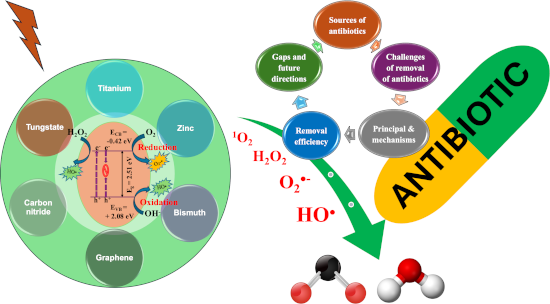
- capabilities in degrading CIP (82.6% within 2 h) and generating hydrogen from rainwater. The effective separation and mobility of photogenerated charge carriers were credited to the role of Ag nanoparticles as electron mediators. There are some other observations, which are shown below in Table 4. Graphene



Preferential enrichment and extraction of laser-synthesized nanoparticles in organic phases
Beilstein J. Nanotechnol. 2025, 16, 254–263, doi:10.3762/bjnano.16.20
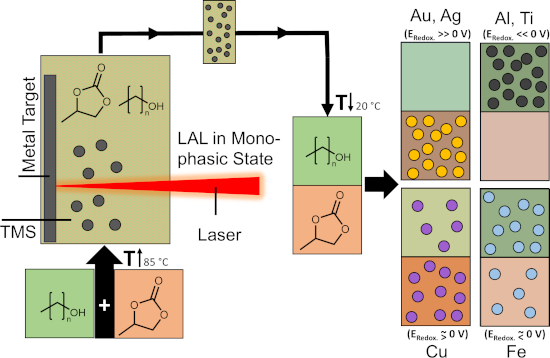
- Chemical Engineering, Laboratory for Industrial Chemistry, TU Dortmund University, Emil-Figge-Str. 66, 44227 Dortmund, Germany 10.3762/bjnano.16.20 Abstract Pulsed laser ablation in liquids (LAL) is an established preparation method of nanoparticles and catalysts, which additionally allows to chemically
- modify the nanomaterials in situ via chemical reactions of the nanoparticles with the molecules or solutes of the liquid. Particularly when organic solvents are used as liquids, photothermally induced C–C cleavage, addition or dehydrogenation reactions of the solvents, as well as (carbon
- ) functionalization of the nanoparticles have been observed, which ultimately should affect their lipophilicity and, hence, colloidal stability in apolar or polar solvents. Two-phase liquid systems and the possibility to transfer the surfactant-free nanoparticles from one liquid phase into another remain practically




Radiosensitizing properties of dual-functionalized carbon nanostructures loaded with temozolomide
Beilstein J. Nanotechnol. 2025, 16, 229–251, doi:10.3762/bjnano.16.18
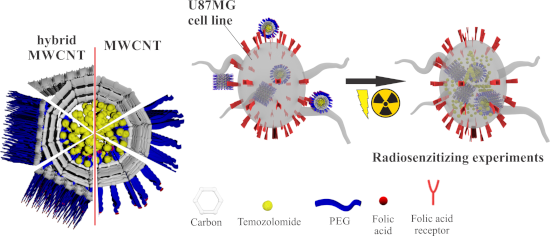
- incorporation of TMZ in organic and inorganic nanomaterials and their hybrids, designed in a wide variety of shapes such as nanoparticles (NPs), conjugates, dendrimers, and liposomes [35]. With various bioengineering techniques, the nanomaterials’ size, shape, and surface properties were modified to improve
- . The same was also confirmed in a systematic review related to the cell toxicity and immunological effects of CNs, in which the toxicity of CNs followed the order: fullerenes < carbon black nanoparticles < MWCNTs < SWCNTs < graphene [69]. Regarding the surface modification, findings from all studies




Synthesis and the impact of hydroxyapatite nanoparticles on the viability and activity of rhizobacteria
Beilstein J. Nanotechnol. 2025, 16, 216–228, doi:10.3762/bjnano.16.17
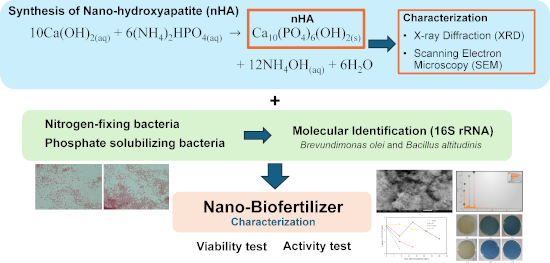
- . Furthermore, they require only small quantities for utilization [8]. Several types of nanoparticles have been employed as carriers for rhizobacteria inoculants, including silica nanoparticles [9], clay nanoparticles [8], carbon nanoparticles [10], zinc oxide nanoparticles [11], and calcium carbonate
- nanoparticles [12]. Among these, nanohydroxyapatite (nHA) offers distinct advantages over other nanoparticles regarding the application as a carrier for rhizobacteria, particularly in terms of phosphorus supply [13], biological compatibility [14], and high adsorption capacity [15]. Consequently, nHA not only
- ][23]. Modern research endeavors are marked by a range of pioneering developments regarding hydroxyapatite (HA), aimed at creating highly effective HA nanoparticles customized for the use as carrier materials. These nanoparticles are undergoing thorough examination as carriers for rhizobacteria


Recent advances in photothermal nanomaterials for ophthalmic applications
Beilstein J. Nanotechnol. 2025, 16, 195–215, doi:10.3762/bjnano.16.16
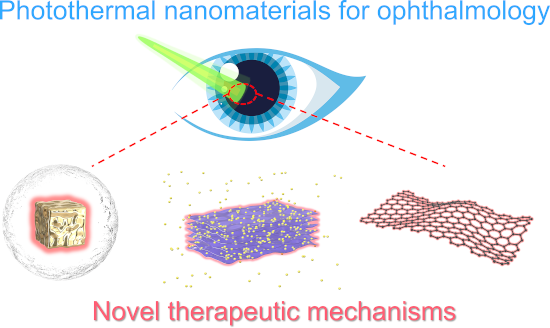
- selectively limits the photothermal conversion processes to the target tissue area, resulting in highly efficient, precise, and safe treatments [38][39]. 2.1 Plasmonic metal nanoparticles The vibrant colors of metals are indicative of their tendency to absorb light at single wavelengths, rather than across
- -tumor efficacy both in vitro and in vivo [106]. Additionally, Au nanoparticles synthesized using fucoidan (Fu-AuNPs) loaded with the chemotherapy drug doxorubicin (DOX), effectively inhibit choroidal melanoma via a synergistic PTT–chemotherapy approach [107]. Fu, as a reducing agent, assisted in the
- synthesis of AuNPs and served as a surface coating for AuNPs, promoting the coupling of DOX, enhancing anti-tumor activity, and improving the biocompatibility of AuNPs. The significant extinction coefficient of these nanoparticles enhances the contrast in photoacoustic imaging within the tumor region


TiO2 immobilized on 2D mordenite: effect of hydrolysis conditions on structural, textural, and optical characteristics of the nanocomposites
Beilstein J. Nanotechnol. 2025, 16, 128–140, doi:10.3762/bjnano.16.12
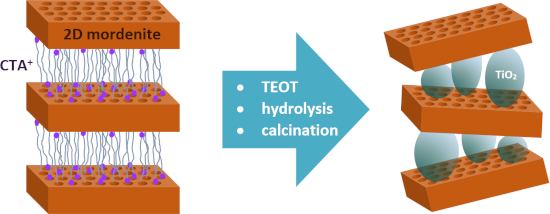
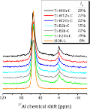
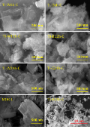
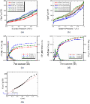
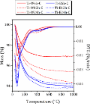
- mesoporosity after calcination due to anatase nanoparticles of about 4 nm preventing the collapse of the interlamellar space. Immobilization of TiO2 on the zeolite surface is evidenced by the formation of Si–O–Ti bonds. The bandgap width of the synthetized nanocomposites was found to be sensitive to the
- . Typically, such pillars are amorphous SiO2 nanoparticles formed during the hydrolysis of tetraethoxysilane (TEOS) introduced into liquid crystalline 2D CTAB layers that fill the interlamellar space between the 2D zeolite nanosheets. Tetraethoxytitanium (TEOT) is a homolog of TEOS, and its hydrolysis
- similarly leads to the formation of TiO2. TiO2 is a well-known photocatalyst whose efficiency depends on a number of factors, including the crystalline phase, particle size, and degree of crystallinity. The most active phase of TiO2 is considered to be anatase. Its nanoparticles usually show higher



Comparison of organic and inorganic hole transport layers in double perovskite material-based solar cell
Beilstein J. Nanotechnol. 2025, 16, 119–127, doi:10.3762/bjnano.16.11
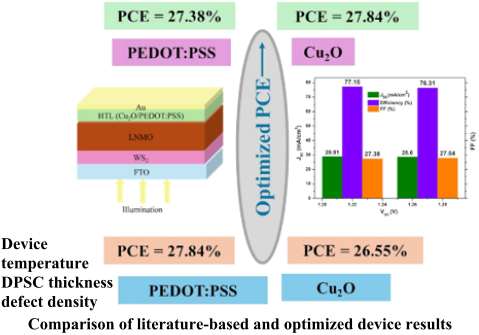
- ETL, and NiO was used as HTL, with La2NiMnO6 as absorber [25]. The DPSC showed promising characteristics. Applications of double perovskite compounds include fuel cells, UV sensors, electrochemical sensors, indoor photovoltaics, and light-emitting diodes [26]. Double perovskite LNMO nanoparticles and


Nanocarriers and macrophage interaction: from a potential hurdle to an alternative therapeutic strategy
Beilstein J. Nanotechnol. 2025, 16, 97–118, doi:10.3762/bjnano.16.10
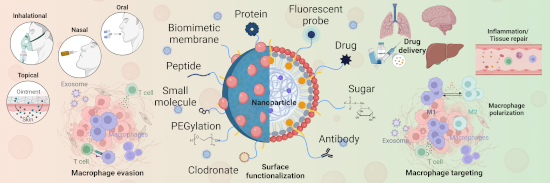
- decades of technological evolution, during which NCs have become indispensable components of drug delivery systems, known for their adaptability and efficiency [2]. The “family” of nanoparticles (NPs) includes a broad range of materials such as lipids, polymers, proteins, dextran, silica [3], and metals
- high buffering capacities in the acidic pH range of endosomes (pH 5–6). Lipid nanoparticles (LNPs), which include cationic and ionizable materials, exhibit such intracellularly triggered delivery mechanisms and are often used to carry nucleic acids into cells. In this case, the endosomal escape is
- ]. In RA, the predominance of M1 macrophages in inflamed joints drives synovitis and cartilage destruction. Yang and colleagues developed folic acid-modified silver nanoparticles (FA-AgNPs) to target M1 macrophages via folate receptor-mediated endocytosis. Once internalized, these NPs scavenged ROS


Characterization of ZnO nanoparticles synthesized using probiotic Lactiplantibacillus plantarum GP258
Beilstein J. Nanotechnol. 2025, 16, 78–89, doi:10.3762/bjnano.16.8
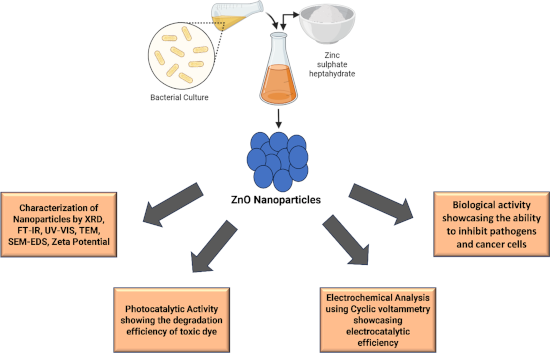
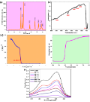
- nanoparticles (ZnO NPs), utilizing lactic acid bacteria isolated from curd as the key biological agent. Bacteria function as agents for both reduction and capping processes, which aids the synthesis of ZnO NPs. Various characterization techniques including XRD, FTIR, UV–vis, TEM, SEM-EDX, and zeta potential
- measurements were employed to analyze the morphology, dimensions, and elemental composition of the generated nanoparticles. The experimental outcomes confirmed the presence of hexagonal wurtzite-structured ZnO NPs with an average size of 10 nm. The colloidal system demonstrated excellent stability with a zeta
- potential of −60 mV. Furthermore, the synthesized nanoparticles displayed significant antibacterial activity against selected human pathogens, with the biggest inhibition zone observed against Staphylococcus aureus (22 ± 0.57 mm) and the smallest inhibition zone observed against Salmonella enterica serovar



Instance maps as an organising concept for complex experimental workflows as demonstrated for (nano)material safety research
Beilstein J. Nanotechnol. 2025, 16, 57–77, doi:10.3762/bjnano.16.7

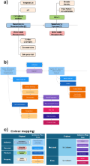
- based on differences in the particles’ sulfidation levels [35]. We note that the same reasons underpinned its selection for the discussion of instance maps in [28]. The instance map in Figure 3 delineates all steps of the synthesis of sulfidised silver nanoparticles (AgNPs). AgNPs are synthesised with a


Theoretical study of the electronic and optical properties of a composite formed by the zeolite NaA and a magnetite cluster
Beilstein J. Nanotechnol. 2025, 16, 44–53, doi:10.3762/bjnano.16.5
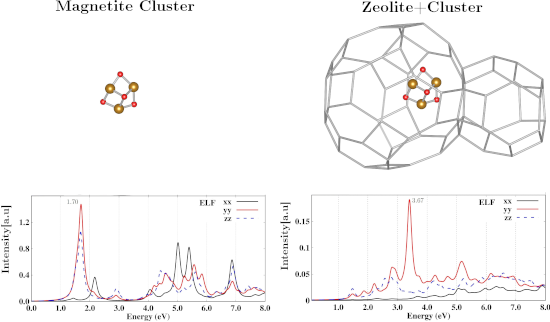
- because of the migration and coalescence of nanoparticles on the carrier material [21][22]. Such changes can significantly modify the physicochemical properties of the original nanomaterial. Also, the most interesting physicochemical properties are exhibited by clusters with subnanometer dimensions. For
- introduction of magnetic nanoparticles into zeolite crystals so that the resulting composite can respond to an external magnetic field [33]. By imparting magnetic properties to such composites, they can be efficiently recovered after capturing contaminants such as heavy metals [34][35][36][37] and dyes [38][39
- nanoparticles, sodium Linde A Type (LTA) zeolite, also known as NaA zeolite, stands out for its remarkable capacity and selectivity to capture various types of metals commonly found as contaminants in drinking water. These metals include Ca, K, Mg, Mn, Co, Zn, Cu, Pb, Cd, Cs, and Sr [42][43][44][45][46




Attempts to preserve and visualize protein corona on the surface of biological nanoparticles in blood serum using photomodification
Beilstein J. Nanotechnol. 2024, 15, 1654–1666, doi:10.3762/bjnano.15.130

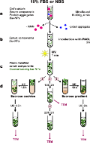
- protein corona is present on any nanoparticle (NP) entering biological fluids; however, the existence of a natural protein corona on natural NPs has not been experimentally confirmed. We used our previously developed photomodification method to fix the natural corona on “biological nanoparticles” (bio-NPs
- obtained direct images of a “natural” protein corona on natural bio-NPs of blood serum for the first time Keywords: chylomicrons; extracellular vesicles; lipoproteins; photomodification; protein corona; Introduction The existence of a protein corona on all nanoparticles (NPs) entering biological fluids
- (tears, urine, ascitic fluid, and nutrient media collected after culturing various cell lines) [17][18][19][20][21]. We consider the term “biological nanoparticles” (bio-NPs) proposed by Jens B. Simonsen and Rasmus Münter [22] to be adequate in defining the totality of all types of EVs and LPs present in



Fabrication of hafnium-based nanoparticles and nanostructures using picosecond laser ablation
Beilstein J. Nanotechnol. 2024, 15, 1639–1653, doi:10.3762/bjnano.15.129
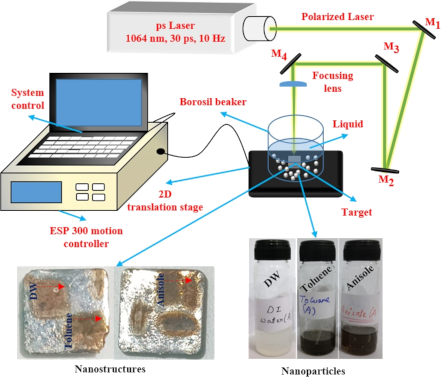
- /bjnano.15.129 Abstract This work presents a unique and straightforward method to synthesise hafnium oxide (HfO2) and hafnium carbide (HfC) nanoparticles (NPs) and to fabricate hafnium nanostructures (NSs) on a Hf surface. Ultrafast picosecond laser ablation of the Hf metal target was performed in three
- insight into their morphological and optical characteristics paving way for their applications in future. Keywords: hafnium; laser ablation in liquids; nanofibres; nanoparticles; nanostructures; Introduction Hafnium (Hf) is a tetravalent transition metal with compounds showing excellent thermal and
- expansion and shrinkage, releasing nanoparticles into the surrounding liquid. The formed nanoparticles stay in the liquid as colloidal suspensions or can agglomerate to form a precipitate [6][16][20][23][24][25][26][27]. LAL provides flexibility regarding the choice of the liquid medium surrounding the




Biomimetic nanocarriers: integrating natural functions for advanced therapeutic applications
Beilstein J. Nanotechnol. 2024, 15, 1619–1626, doi:10.3762/bjnano.15.127

- strategy for personalized medicine. Keywords: cancer; drug delivery; human health; mimetics; nanotechnology; Introduction Human exposure to nanoparticles has naturally occurred for millennia, with a notable intensification following the industrial revolution [1]. The foundational concept of modern
- manipulation of matter on a nanoscale, typically ranging from 1 to 100 nm [2]. At this scale, nanoparticles can effectively interact with DNA and protein molecules [3][4]. Matter can exhibit distinct physical, chemical, and biological properties at the nanoscale compared to the macroscale, with significant
- differences in key characteristics. The National Nanotechnology Initiative (NNI) emphasizes that nanomaterials hold promising potential across various fields of knowledge [1][5]. Materials such as liposomes, nanoparticles, polymer–drug conjugates, inorganic noble metals, and quantum dots may improve


Natural nanofibers embedded in the seed mucilage envelope: composite hydrogels with specific adhesive and frictional properties
Beilstein J. Nanotechnol. 2024, 15, 1603–1618, doi:10.3762/bjnano.15.126
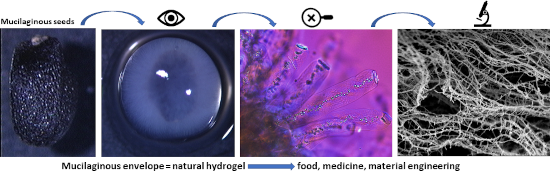
- as food, agriculture, and medicine [20][114][115]. Diverse other substances and systems with antimicrobial activity (antibiotics, essential oils, phenolics, and metal nanoparticles) can be incorporated into the mucilage hydrogels, which after some additional modifications can be used for the


Liver-targeting iron oxide nanoparticles and their complexes with plant extracts for biocompatibility
Beilstein J. Nanotechnol. 2024, 15, 1593–1602, doi:10.3762/bjnano.15.125
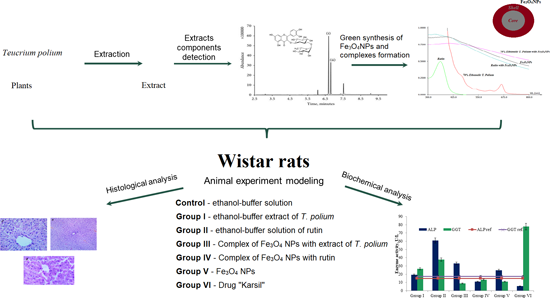
- Biochemistry, Koryun St 2, Yerevan, Armenia Ghitu Institute of Electronic Engineering and Nanotechnologies of Technical University of Moldova, Chisinau, Moldova 10.3762/bjnano.15.125 Abstract Thanks to their simple synthesis, controlled physical properties, and minimal toxicity, iron oxide nanoparticles
- in most biological and chemical reactions involved in the production of medical materials [10][11][12][13]. Magnetic nanoparticles (MNPs), such as iron oxides, not only exhibit superparamagnetism and high magnetic susceptibility, they also possess unique physical properties, biocompatibility
- tissue barriers all give iron oxide MNPs an advantage over other metallic nanoparticles. Because of their small size, nanoparticles have a high surface-to-volume ratio, making them more appealing. However, since the large surface area provides numerous active sites for interactions, it can also lead to


Facile synthesis of size-tunable L-carnosine-capped silver nanoparticles and their role in metal ion sensing and catalytic degradation of p-nitrophenol
Beilstein J. Nanotechnol. 2024, 15, 1576–1592, doi:10.3762/bjnano.15.124
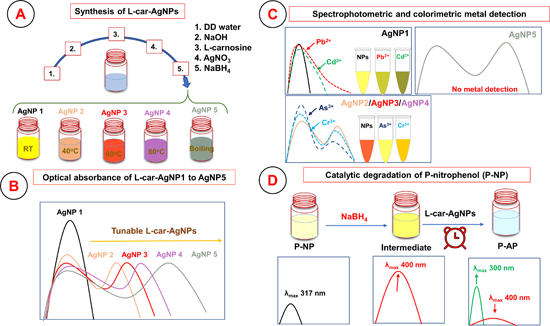
- ʟ-carnosine in synthesizing tunable plasmonic silver nanoparticles (ʟ-car-AgNPs). The formation of ʟ-car-AgNPs was confirmed via UV–vis optical absorption spectroscopy, showing single and double plasmonic peaks, depending on the synthesis conditions. Physicochemical characterization using TEM, FTIR
- (2.8 μM) for As3+, and 245.49 ppb (4.7 μM) for Cr3+. Additionally, these nanoparticles demonstrated catalytic activity regarding the degradation of p-nitrophenol (P-NP), achieving complete degradation of 0.25 and 1 mM solutions within 5 and 10 min, respectively. This study reveals the potential of ʟ
- with various contaminants. Keywords: catalysis; heavy metals; ʟ-carnosine; p-nitrophenol; silver nanoparticles; Introduction The persistent rise in environmental pollution, notably from heavy metal ions and organic pollutants, has propelled the development of innovative and efficient environmental