Search results
Search for "physicochemical" in Full Text gives 323 result(s) in Beilstein Journal of Nanotechnology. Showing first 200.
Exploring the relationships between physiochemical properties of nanoparticles and cell damage to combat cancer growth using simple periodic table-based descriptors
Beilstein J. Nanotechnol. 2024, 15, 297–309, doi:10.3762/bjnano.15.27
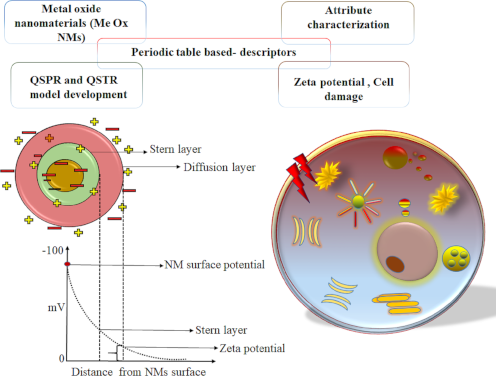
- the safety concerns regarding new NPs in this rapidly growing field. Therefore, computational-based approaches are effective methods in risk assessment. Among them, quantitative structure–property relationship (QSPR) models seem to be the most promising method [13]. However, the physicochemical and
- and toxicity endpoint. Physicochemical features encoding the information of MeOx NPs into PT descriptors were used to build prediction models for zeta potential and cytotoxicity (cell damage). The basic information of MeOx NPs was directly taken from the periodic table and some were calculated with
- have a regular pattern resulting in structural similarity and similar physicochemical, toxicokinetic, toxicodynamic, and ecotoxicological properties [36]. Therefore, after selecting the appropriate descriptors from the PLS model (model 2), we have applied the Quantitative Read-Across v4.0 tool


Vinorelbine-loaded multifunctional magnetic nanoparticles as anticancer drug delivery systems: synthesis, characterization, and in vitro release study
Beilstein J. Nanotechnol. 2024, 15, 256–269, doi:10.3762/bjnano.15.24
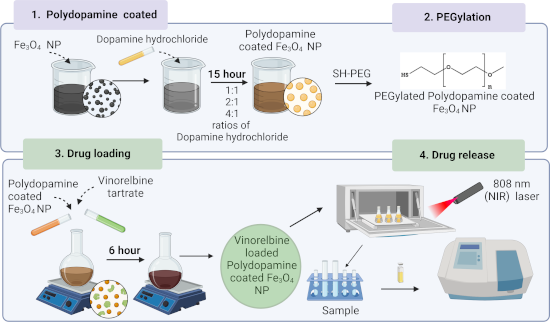
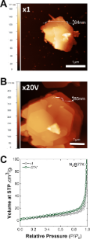
- chemotherapy functionalities using a solvothermal method. The incorporation of PDA into the fabricated nanostructures imparts several advantages for cancer therapy and controlled drug release systems because of its robust structural and physicochemical properties. Additionally, aside from enhancing


Multiscale modelling of biomolecular corona formation on metallic surfaces
Beilstein J. Nanotechnol. 2024, 15, 215–229, doi:10.3762/bjnano.15.21
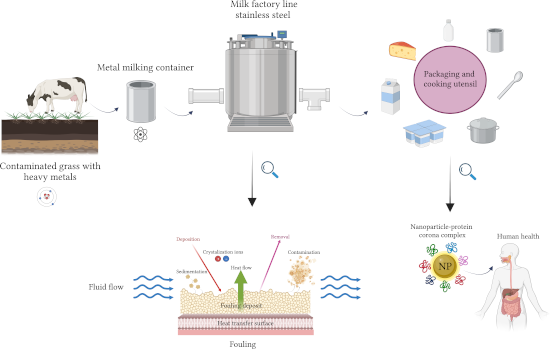
- engage in a complex interplay of dynamic physicochemical interactions, kinetics, and thermodynamic exchanges that can lead to undesirable outcomes [1][8][9][10]. In a more general context, the importance in understanding the mechanism of bionano interactions arises from the increasing awareness and
- concerns regarding the safety of nanoparticles (NPs) in relation to human and animal health. The toxicity of NPs is closely linked to their chemical aggressiveness and varies with their physicochemical properties, including surface area, charge, and reactivity. Understanding the intricate interplay between
- of the NP, which is influenced by its physicochemical composition, (ii) the interface between the solid NP and the surrounding liquid environment, where notable changes occur upon interaction, and (iii) the contact zone between the solid–liquid interface and biological substrates (Figure 2) [22]. In





Development and characterization of potential larvicidal nanoemulsions against Aedes aegypti
Beilstein J. Nanotechnol. 2024, 15, 104–114, doi:10.3762/bjnano.15.10
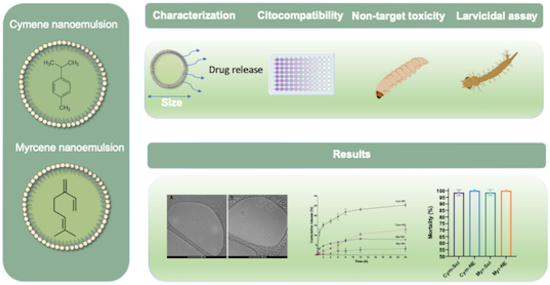
- nanoemulsion comprising 5% p-cymene stabilized with 1% Tween 80, with droplet sizes measuring approximately 150 nm, which maintained its stability for 60 days [31]. The zeta potential is used to predict the stability of dispersions, and its value depends on the physicochemical properties of active ingredients
- previously validated method. In silico molecular and physicochemical properties of the monoterpenes The ACD/Labs Percepta Platform, particularly the PhysChem Module, was employed to forecast molecular and physicochemical data. The ChemSpider tool facilitated the acquisition of these properties [56][57
- -Sol, (B) Myr-Sol, (C) Cym-NE, and (D) Myr-NE; DC: death control (100% methanol); SC: solvent control (ethanol 5%); TC: trauma control. Hydrodynamic diameter, PdI, and zeta potential of Cym-NEs.a Hydrodynamic diameter, PdI and zeta potential of Myr-NEs.a In silico molecular/physicochemical properties


Influence of conductive carbon and MnCo2O4 on morphological and electrical properties of hydrogels for electrochemical energy conversion
Beilstein J. Nanotechnol. 2024, 15, 57–70, doi:10.3762/bjnano.15.6
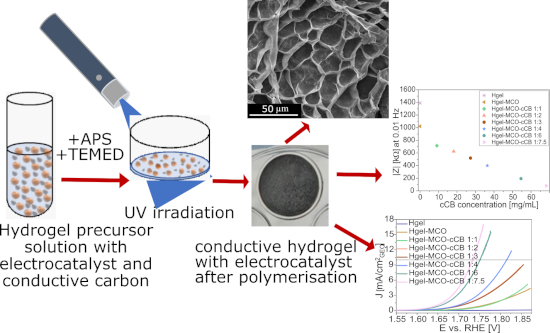
- temperature above LCST results in shrinkage of the hydrogel structure and formation of inhomogeneities. Such a hydrogel ceases to be transparent and loses most of its water [42]. Morphological and physicochemical characterisation Scanning electron microscopy was performed with an FE-SEM FEI Quanta FEG 250 at


Curcumin-loaded nanostructured systems for treatment of leishmaniasis: a review
Beilstein J. Nanotechnol. 2024, 15, 37–50, doi:10.3762/bjnano.15.4
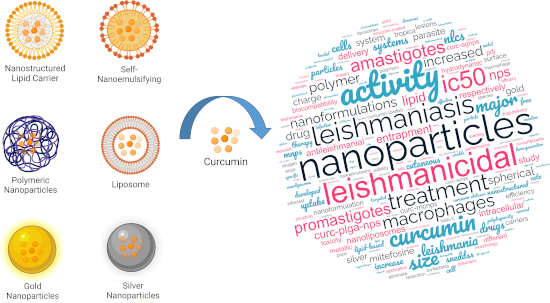
- high tolerance profile, and it has shown in vitro and in vivo leishmanicidal properties against different species of Leishmania spp. [11][14]. Despite its pharmacological potential, curcumin has some physicochemical and biopharmaceutical limitations that should be highlighted, such as: (i) low aqueous
- physicochemical properties of the systems, and by the release and targeting features of the loaded nanosystems, rather than by the drug properties themselves [58][59][60][61][62]. The intracellular amastigote form of Leishmania spp. allocates in macrophage phagolysosomes from infected individuals [63]. However
- limitations, improving their physicochemical and leishmanicidal properties [79][80]. In this context, curcumin-loaded SNEDDSs intended for the treatment of leishmaniasis were developed. Khan and collaborators developed curcumin-loaded self-emulsifying drug delivery systems (curc-SNEDDSs) for topical


Elasticity, an often-overseen parameter in the development of nanoscale drug delivery systems
Beilstein J. Nanotechnol. 2023, 14, 1149–1156, doi:10.3762/bjnano.14.95
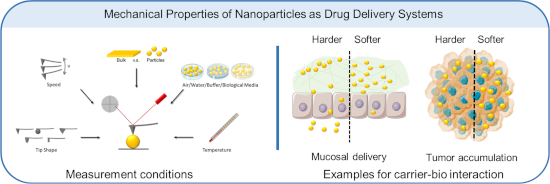
- , translation to the clinics or even market approval often fails. So far, the reason for this discrepancy is manifold. Physicochemical properties such as size, surface potential, and surface chemistry are in focus of research for many years. Other equally important parameters, influencing whether a successful


Nanoarchitectonics of photothermal materials to enhance the sensitivity of lateral flow assays
Beilstein J. Nanotechnol. 2023, 14, 988–1003, doi:10.3762/bjnano.14.82
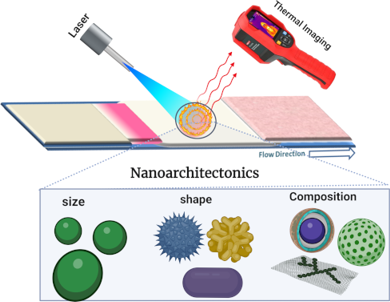
- the aggregation pattern of nanomaterials, and extrinsic factors, including surrounding medium, medium viscosity, and concentration of the nanomaterial. Most often, nanomaterials with complex three-dimensional structures have better optical and physicochemical properties for the use in colorimetry
- ]. The photothermal properties can also be enhanced by optimizing the elemental composition of the nanomaterials [44]. Generally, nanocomposite materials are developed by incorporating two or more compounds in a single particle, resulting in enhanced physicochemical properties of the final composite


Upscaling the urea method synthesis of CoAl layered double hydroxides
Beilstein J. Nanotechnol. 2023, 14, 927–938, doi:10.3762/bjnano.14.76
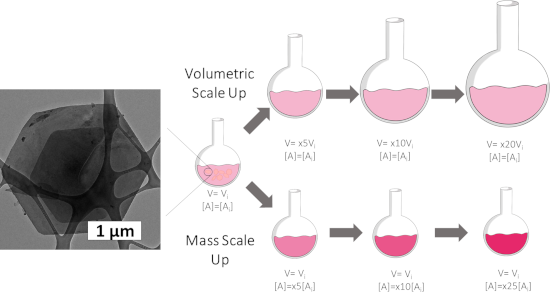
- (P, As, Sb and Bi)) to multielementals (e.g., boron nitrate, metal dichalcogenides, MXenes, layered metal/covalent organic frameworks, or layered hydroxides/oxides) [9][10][11]. These systems exhibit an enormous variability in their physicochemical properties, which are defined by their layer-to


Antibody-conjugated nanoparticles for target-specific drug delivery of chemotherapeutics
Beilstein J. Nanotechnol. 2023, 14, 912–926, doi:10.3762/bjnano.14.75
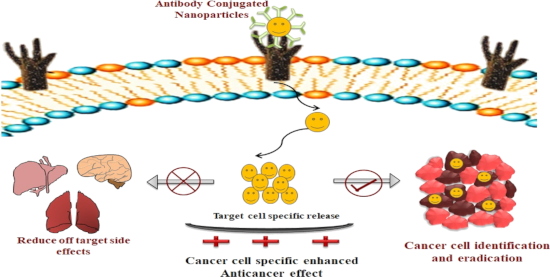
- affected by their physicochemical properties, including hydrodynamic diameter, surface potential, shape, functional groups, and hydrophobicity. The protein corona reduces the targeted delivery of NPs by disturbing or inhibiting the binding of target molecules to their receptors. Mirshafiee et al. used a
- , and enhanced physicochemical features [89][90]. However, NPs can also be restricted by biological barriers; thus, to achieve site-specific delivery, the exterior of NPs is decorated with highly compatible ligands to enhance the receptor-mediated internalization of NPs [91]. The multifunctionalization



Nanostructured lipid carriers containing benznidazole: physicochemical, biopharmaceutical and cellular in vitro studies
Beilstein J. Nanotechnol. 2023, 14, 804–818, doi:10.3762/bjnano.14.66
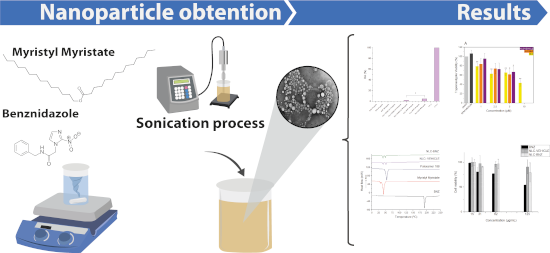
- . These results show potential for the development of new nanomedicines against T. cruzi. Keywords: benznidazole; biopharmaceutical study; Chagas disease; nanoparticles; nanostructured lipid carriers; physicochemical characterization; Trypanosoma cruzi; Introduction Chagas disease is a neglected disease
- development of nanostructured lipid carriers (NLC) [20]. Here, we resort to NLC encapsulating BNZ, describing the preparation, physicochemical and biopharmaceutical characterization, and in vitro evaluation against T. cruzi intracellular and blood circulating forms. Interestingly, our formulation achieves a
- other researchers working in the field. Results and Discussion Formulation and physicochemical characterization of NLC-BNZ Nanoparticle formulations were prepared by the ultrasonication method and named as NLC-BNZ or NLC-VEHICLE, in that order, depending on whether they contained BNZ or not. Stable


Silver nanoparticles loaded on lactose/alginate: in situ synthesis, catalytic degradation, and pH-dependent antibacterial activity
Beilstein J. Nanotechnol. 2023, 14, 781–792, doi:10.3762/bjnano.14.64
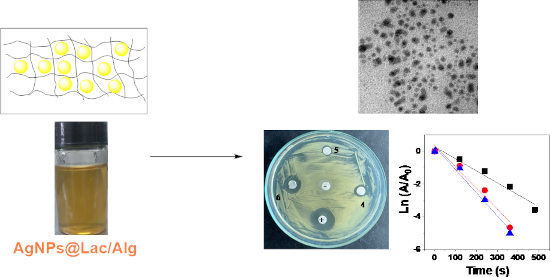
- . Subsequently, AgNPs@Lac/Alg was characterized using various analytical techniques and applied for the catalytic degradation of contaminants and in bacterial activity assays. Absorption spectra were analyzed to monitor changes in physicochemical properties at the maximum peak region of surface plasmon resonance
- in the absorbance value in the UV–vis spectra. Minor changes in λmax values were noted from the absorption data, indicating a slight influence of the silver-ion-to-nanocomposite ratio on the physicochemical properties of the synthesized AgNPs. Considering these findings, two ratios of silver ions to
- Lac/Alg, namely 0.3 (AgNPs@Lac/Alg-0.3) and 0.7 (AgNPs@Lac/Alg-0.7), were selected for further physicochemical characterizations. Physicochemical characterizations The stability and size of the nanocomposites in the colloidal solution were evaluated through zeta potential and DLS measurements at a


In situ magnesiothermic reduction synthesis of a Ge@C composite for high-performance lithium-ion batterie anodes
Beilstein J. Nanotechnol. 2023, 14, 751–761, doi:10.3762/bjnano.14.62
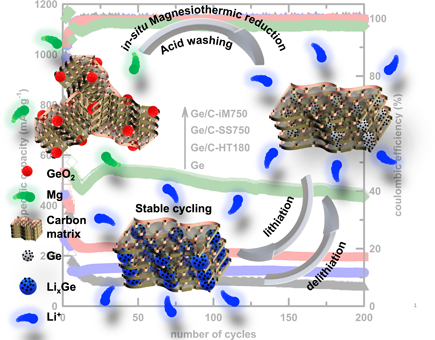
- between the components obtained via this route. Results and Discussion Physicochemical characterization The synthesis of Ge/C-iM750 (see Experimental section for sample denominations) was carried out through a one-pot in situ generation of Ge nanoparticles in the presence of a carbon matrix. In this


Nanomaterials for photocatalysis and applications in environmental remediation and renewable energy
Beilstein J. Nanotechnol. 2023, 14, 722–724, doi:10.3762/bjnano.14.58

- , and related fields [4]. To reduce contaminants (e.g., air pollution (CO2, NOx, SO2), POPs) there are many routes (e.g., physicochemical approaches, biological fixation, advanced oxidation process, and photocatalysis [5][6][7][8]). Among the aforementioned methods, the photocatalysis route is

Humidity-dependent electrical performance of CuO nanowire networks studied by electrochemical impedance spectroscopy
Beilstein J. Nanotechnol. 2023, 14, 683–691, doi:10.3762/bjnano.14.54
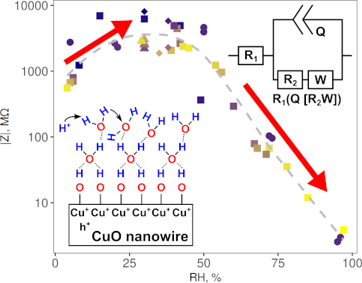
- chemisorption and physisorption at the nanowire interface, which suppress electronic transport inside the p-type semiconductor nanowire but enhance ionic transport in the water layers adsorbed on the nanowire surface. Possible physicochemical processes at the nanowire surface are discussed in line with


Metal-organic framework-based nanomaterials as opto-electrochemical sensors for the detection of antibiotics and hormones: A review
Beilstein J. Nanotechnol. 2023, 14, 631–673, doi:10.3762/bjnano.14.52
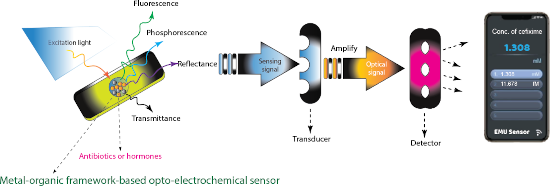
- electrochemical sensors (Figure 10). The target analyte interacts with the recognition layer at the sensing electrode surface to produce an electrical signal that contains the analytical information. Chemical reactions (redox reactions) on the electrode surface are converted by the physicochemical transducer into
- ions. By regulating how many ligands can bind to the metal and in which direction, the coordination preference of the metal, for instance, affects the stability, size, and nature of the formed pores. Electronic and optical properties of MOFs In addition to the physicochemical characteristics of MOFs


Carbon nanotube-cellulose ink for rapid solvent identification
Beilstein J. Nanotechnol. 2023, 14, 535–543, doi:10.3762/bjnano.14.44
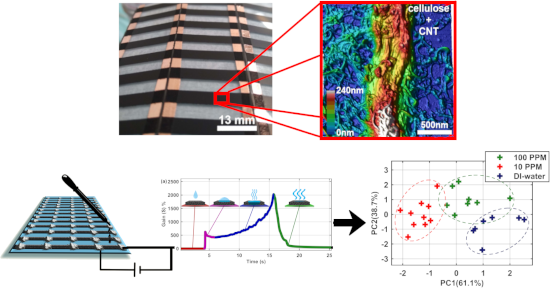
- mechanism of polymer composites with physicochemical characteristics such as dielectric constant, specific heat, and vapor pressure [25][56][57]. Our ink-based devices could extract those characteristics even from unknown samples and mixtures. Finally, test analysis using principal component analysis (PCA
- ) with physicochemical properties of the organic solvents (vapor pressure and dielectric constant) [63][64]. Guided by previous studies that show the electrical response is due to the swelling of CPCs [25][56][57], we found that the maximum value in the Gain curve (max) is proportional to the dielectric


On the use of Raman spectroscopy to characterize mass-produced graphene nanoplatelets
Beilstein J. Nanotechnol. 2023, 14, 509–521, doi:10.3762/bjnano.14.42
- , Enabling innovation to meet UK Net Zero targets through physicochemical metrology of nanoscale advanced materials) for funding.


New trends in nanobiotechnology
Beilstein J. Nanotechnol. 2023, 14, 377–379, doi:10.3762/bjnano.14.32
- agent for nanomaterials synthesis. The review is concluded providing an outlook of these two components (i.e., deep eutectic solvents and carrageenan) as alternatives for the formation of plasmonic metal nanoparticles. The importance of applying these tools to improve the physicochemical properties and
Polymer nanoparticles from low-energy nanoemulsions for biomedical applications
Beilstein J. Nanotechnol. 2023, 14, 339–350, doi:10.3762/bjnano.14.29
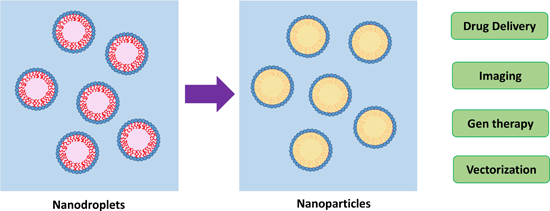
- , particularly by the phase inversion composition method, and the use of these nanoemulsions as templates for the preparation of polymer nanoparticles for biomedical applications are reviewed. The methods of preparation, nature of the components in the formulation, and their impact on the physicochemical
- nanoemulsions and derived PLGA nanoparticles discussed above are summarized in Table 2. 3.3 Polyurethane and polyurea nanoparticles Polyurethane and polyurea are polymers that can be made biocompatible and display superior physicochemical properties. Therefore, they are attractive for biomedical applications




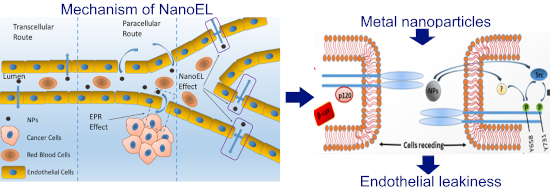
Overview of mechanism and consequences of endothelial leakiness caused by metal and polymeric nanoparticles
Beilstein J. Nanotechnol. 2023, 14, 329–338, doi:10.3762/bjnano.14.28
- Magdalena Lasak Karol Ciepluch Division of Medical Biology, Jan Kochanowski University in Kielce, Uniwersytecka Street 7, Kielce, Poland 10.3762/bjnano.14.28 Abstract Nanoparticles (NPs) exhibit unique physicochemical properties that enable them to overcome biological barriers and to be
- increasing the access to the target sites in the organism. This type of interaction can lead to NP-modulated endothelial leakiness (NanoEL). The most important factors determining NanoEL are the physicochemical properties of the NPs. NP-modulated endothelial leakiness can lead to the discovery of new
- [18][19][20][21][22][23]. NPs exhibit unique physicochemical properties that enable them to overcome biological barriers, such as negative surface charge and sizes from 5 to 50 nm. Moreover, most of the administered NPs eventually end up in the bloodstream, which facilitates their interaction with the


Bismuth-based nanostructured photocatalysts for the remediation of antibiotics and organic dyes
Beilstein J. Nanotechnol. 2023, 14, 291–321, doi:10.3762/bjnano.14.26
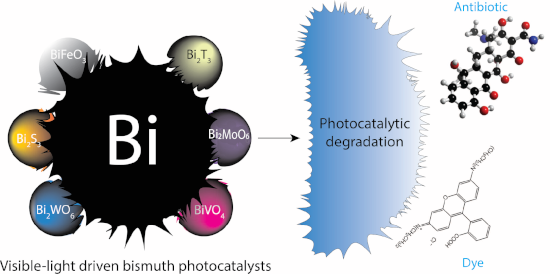
- promising green and sustainable wastewater treatment method for a cleaner environment. Due to their narrow bandgaps, distinctive layered structures, plasmonic, piezoelectric and ferroelectric properties, and desirable physicochemical features, bismuth-based nanostructure photocatalysts have emerged as one
- precipitation, in particular, are believed to be ineffective [4][11]. As a result of the non-biodegradable and persistent nature of the majority of organic contaminants, some physicochemical treatment techniques, such as adsorption, are ineffective in removing them from water resources [11]. Because of their


Biocatalytic synthesis and ordered self-assembly of silica nanoparticles via a silica-binding peptide
Beilstein J. Nanotechnol. 2023, 14, 280–290, doi:10.3762/bjnano.14.25
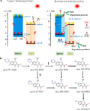
- . Capping agents are not only used to regulate growth and size of colloidal nanoparticles, but also to control the physicochemical or biological characteristics. As will be demonstrated below, in addition to the size of the particles, the SiBP also changes the surface charge of the particles, resulting in
- synthesis and assembly of SiO2 nanoparticles into gels or opal-like ordered structures. Experimental Synthesis of the peptide The SiBP was commercially synthesized (Genscript, NJ, USA) at <98% purity via 9-fluorenylmethoxycarbonyl (F-moc) chemistry methods. The amino acid sequence and physicochemical
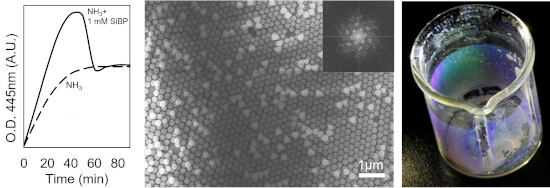
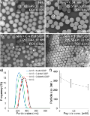
- -range homogeneity of self-assembly of as-synthesized SiO2 particles formed with NH3 alone and NH3 + 1 mM SiBP. Amino acid sequence and physicochemical properties of the SiBP. Reaction contents for the different conditions studied. Supporting Information Supporting Information features mass spectra of




Nanotechnology – a robust tool for fighting the challenges of drug resistance in non-small cell lung cancer
Beilstein J. Nanotechnol. 2023, 14, 240–261, doi:10.3762/bjnano.14.23
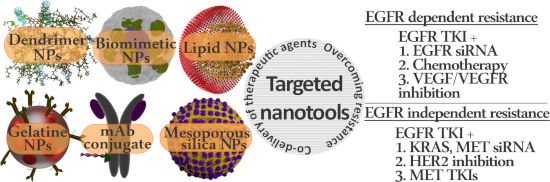
- microenvironment, and tumor cells, (ii) delivering large payloads of active substances with different physicochemical properties, such as small-molecular drugs and siRNA, to the site of action, and (iii) limiting drug resistance [91]. Nanotherapy can change the landscape of clinical lung cancer treatment by
- task limited by extracellular and intracellular challenges. Combinatorial therapy further complicates the right-time, right-place co-delivery of siRNA with other active ingredients due to the differences in the physicochemical properties, delivery, and stability problems. The nanoparticle core for
- physicochemical properties (polar headgroup, linker region, and type and length of hydrophobic domain), PEG amount, PEG lipid alkyl length, as well as the physicochemical properties of the LNPs (zeta potential, pKa value, and structure and conformation of the lipid bilayer) will result in improved targeting


Cyclodextrins as eminent constituents in nanoarchitectonics for drug delivery systems
Beilstein J. Nanotechnol. 2023, 14, 218–232, doi:10.3762/bjnano.14.21
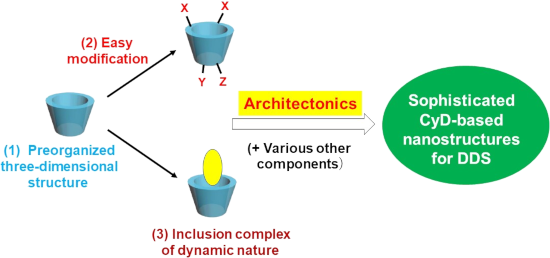
- developments in nanoarchitectonics, these excellent properties of CyDs have been further extended to the construction of well-designed nanostructures for advanced drug delivery systems (DDSs). In some nanoarchitectures, their physicochemical and biological properties are successfully modulated by using CyDs as