Search results
Search for "surfaces" in Full Text gives 1303 result(s) in Beilstein Journal of Nanotechnology. Showing first 200.
Advanced atomic force microscopy techniques V
Beilstein J. Nanotechnol. 2025, 16, 54–56, doi:10.3762/bjnano.16.6

- software tool (”unDrift”), which allows reliable and fast drift correction. Dickbreder et al. demonstrate the robust performance of the software tool by AFM data recorded under varying conditions (vacuum or liquid environment) on calcite surfaces with recording times up to several hours. The work by Nony
- monolayers (SAMs) and conducting AFM [10]. The authors find that rougher surfaces lead to stronger variations in conductivity, and it is suggested that a correlation of topography and conductivity maps is carried out to identify suitable areas for a representative averaging of conductivity values. Müller et
- al. present the application of AFM-based infrared nanospectroscopy to coated polymer surfaces [11]. The authors prepare thin films of SiOx on polypropylene surfaces by plasma-enhanced chemical vapor deposition (PE-CVD), which is commonly done to improve gas barrier properties of polypropylene. They
Precursor sticking coefficient determination from indented deposits fabricated by electron beam induced deposition
Beilstein J. Nanotechnol. 2025, 16, 35–43, doi:10.3762/bjnano.16.4

- . Firstly, the sticking coefficient of the molecules stemming from directed and diffuse flow will be different due to the different kinetic energies, as precursor gas from the gas injection system and precursor gas from surrounding surfaces are at different equilibrium temperatures. In other work involving
- coefficient and residence time, may be different for metallic surfaces such as that of the chamber wall and internal installations. The aforementioned considerations can partially explain the substantially lower sticking coefficients determined here for FEBID-precursors than those determined for lighter


Bioinspired nanofilament coatings for scale reduction on steel
Beilstein J. Nanotechnol. 2025, 16, 25–34, doi:10.3762/bjnano.16.3

- , Danish Technical University, 2800 Kongens Lyngby, Denmark 10.3762/bjnano.16.3 Abstract Scaling of steel surfaces, prevalent in various industrial applications, results in significant operational inefficiencies and maintenance costs. Inspired by the natural hydrophobicity of springtail (Collembola) skin
- , which employs micro- and nanostructures to repel water, we investigate the application of silicone nanofilaments (SNFs) as a coating on steel surfaces to mitigate scaling. Silicone nanofilaments, previously successful on polymers, textiles, and glass, are explored for their hydrophobic properties and
- stability on steel. Our study demonstrates the successful coating of stainless steel with SNFs, achieving super-hydrophobicity and resilience under high shear stress and explosion/decompression tests. Scaling experiments reveal a 75.5% reduction in calcium carbonate deposition on SNF-coated steel surfaces


Biomimetic nanocarriers: integrating natural functions for advanced therapeutic applications
Beilstein J. Nanotechnol. 2024, 15, 1619–1626, doi:10.3762/bjnano.15.127

- main solutions that biomimetics addresses (Figure 2C). This approach has demonstrated that complex nanocarrier drug delivery systems need to exhibit compatible surfaces with target cells to enhance their functional capabilities [19]. Biomimetic Nanocarriers in Human Health The field of nanocarriers for


Natural nanofibers embedded in the seed mucilage envelope: composite hydrogels with specific adhesive and frictional properties
Beilstein J. Nanotechnol. 2024, 15, 1603–1618, doi:10.3762/bjnano.15.126
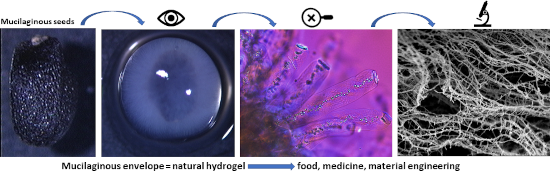
- important biological functions, such as supporting seed germination, protecting seeds against pathogens and predators, and allowing the seed to attach to diverse surfaces (e.g., soil or animals). The attachment properties of mucilage are thus responsible for seed dispersal. Mucilage represents a hydrophilic
- ][28]. Hydrated mucilage can very strongly adhere to surfaces (e.g., stone or glass) when completely dried out after contact, with pull-off forces reaching values around 6.5 N [29]. Such strong adhesion can enable seed attachment to the soil, preventing removal and damage by other organisms [16][30
- in the mucilage, the diaspore can be removed from surfaces (animal fur or feathers). However, even in the fully hydrated state, the mucilage is sticky to ensure the first contact to the surface. Losing the water from mucilage causes stronger adhesion [26][27]; finally, dry mucilage can be strongly


Facile synthesis of size-tunable L-carnosine-capped silver nanoparticles and their role in metal ion sensing and catalytic degradation of p-nitrophenol
Beilstein J. Nanotechnol. 2024, 15, 1576–1592, doi:10.3762/bjnano.15.124
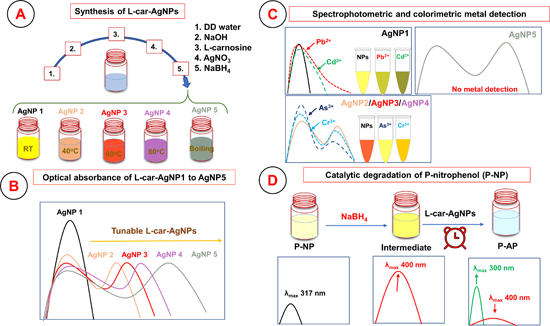
- 94.33 mg/g at a pH of 8.5 and 0.4 g/L adsorbent [16]. These studies confirmed that ʟ-carnosine adsorbed on metal surfaces has widespread environmental applications. However, magnetic nanoparticles or MOFs coated with ʟ-carnosine were applicable only for environmental remediation but were incapable of
- towards the positively charged surfaces of silver. The morphology and size of silver nanoparticles capped with ʟ-carnosine were measured using TEM (Figure 3b–f). The TEM micrograph of ʟ-car-AgNP1 (Figure 3b) indicates the formation of spherical particles with high monodispersity and is consistent with the




Ultrablack color in velvet ant cuticle
Beilstein J. Nanotechnol. 2024, 15, 1554–1565, doi:10.3762/bjnano.15.122

- examples observed in some organisms, scientists are committed to unraveling the mechanisms underlying the development of ultrablack technical surfaces, seeking to replicate such structures in synthetic and natural materials with equivalent properties [3][4][5][6][7][8]. Ultrablack colors are a rare
- light [10][13]. The ultrablack surfaces found in certain organisms present a remarkable adaptation shaped by selective pressures in their respective environments. For example, combining conspicuous visual cues with ultrablack colors may provide heightened internal visual contrast, thus highlighting
- assisted absorption to reduce specular reflectance. This demonstrates how organisms have developed sophisticated mechanisms to modulate the interaction between light and biological surfaces, resulting in highly absorptive and minimally reflective colors. These adaptations play a role in animal survival and



Effect of radiation-induced vacancy saturation on the first-order phase transformation in nanoparticles: insights from a model
Beilstein J. Nanotechnol. 2024, 15, 1453–1472, doi:10.3762/bjnano.15.117

- based on the fact that the movement of dislocations is impeded by particle surfaces (grain boundaries) quite rapidly. For example, a transmission electron microscopy study (irradiation with Kr ions at 1 MeV at room temperature and an average defect generation rate of about 2 × 10⁻³ dpa·s−1) showed that
- irradiation, which generate vacancies and interstitial atoms in both the interior and on the surfaces of the nanoparticle. Our approach utilizes thermodynamic calculations to determine the Gibbs free energy of a nanoparticle in various phase states with vacancy-type defects. Additionally, we consider the size
- point defects in HDCMs under irradiation are mainly vacancies inside the nanoparticle, and the movement of interstitials from their initial positions to the surfaces is assumed to be rapid [17][22][23][24]. Additionally, the nanoparticles are considered isolated, with no exchange of atoms between them


Lithium niobate on insulator: an emerging nanophotonic crystal for optimized light control
Beilstein J. Nanotechnol. 2024, 15, 1415–1426, doi:10.3762/bjnano.15.114
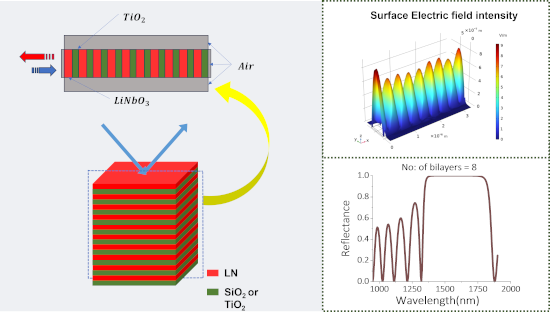
- implantation, the wafer is bonded to a SiO2 (or TiO2) substrate using direct bonding techniques, which involves bringing the surfaces into close contact and applying pressure or heat to form a strong bond. The wafer is then subjected to thermal annealing, which activates the splitting process along the


Nanotechnological approaches for efficient N2B delivery: from small-molecule drugs to biopharmaceuticals
Beilstein J. Nanotechnol. 2024, 15, 1400–1414, doi:10.3762/bjnano.15.113
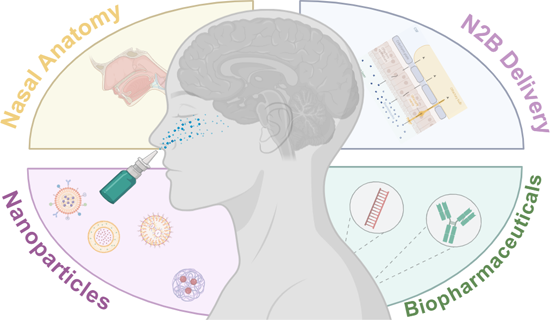
- neutralizing the tumor necrosis factor-related apoptosis-inducing ligand on the surfaces of polymeric NPs and NLCs for the treatment of Alzheimer’s disease. The in vivo studies in a mouse model showed that polymeric NPs and NLCs reached the brain via N2B delivery. They also showed that the adsorption of the


Various CVD-grown ZnO nanostructures for nanodevices and interdisciplinary applications
Beilstein J. Nanotechnol. 2024, 15, 1390–1399, doi:10.3762/bjnano.15.112
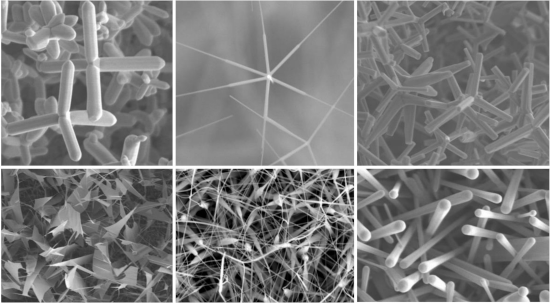
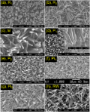
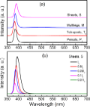
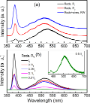
- ⟩ direction [39]. Top and bottom sides/surfaces of these structures are terminated with Zn and O atoms forming positively charged Zn-terminated (0001) and negatively charged O-terminated planes, respectively. Such 1D-type structures have many potential applications in optoelectronic devices [5][39][40



A biomimetic approach towards a universal slippery liquid infused surface coating
Beilstein J. Nanotechnol. 2024, 15, 1376–1389, doi:10.3762/bjnano.15.111
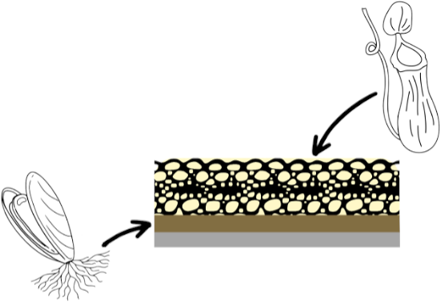
- surface coatings based on the slick surfaces of carnivorous pitcher plants (Nepenthes), termed slippery liquid-infused porous surfaces (SLIPS). This study introduces a simplified method to produce SLIPS using a polydopamine (PDA) anchor layer, inspired by mussel adhesion. SLIPS layers were formed on
- omniphobic. Keywords: biocompatibility; biomimetic; blood-contacting; hemocompatibility; non-fouling; Introduction Clot formation and the overall compatibility of artificial materials within the body remains a common complication of blood contacting surfaces [1][2][3][4][5][6][7][8]. A critical hurdle in
- biomimetic approach to surface passivation involves a series of surface coatings based on the slick surfaces of carnivorous pitcher plants (Nepenthes), termed slippery liquid-infused porous surfaces (SLIPS) [4]. When wetted, the slippery surfaces on the plant cause prey to slide into the bottom of the




Out-of-plane polarization induces a picosecond photoresponse in rhombohedral stacked bilayer WSe2
Beilstein J. Nanotechnol. 2024, 15, 1362–1368, doi:10.3762/bjnano.15.109
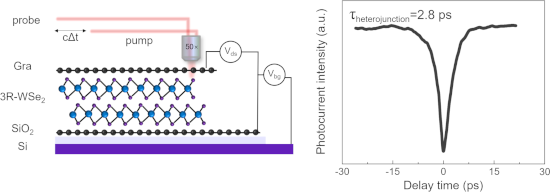
- photodetectors. Keywords: broken inversion symmetry; out-of-plane polarization; picosecond photoresponse; time-resolved photocurrent measurement (TRPC); WSe2; Introduction Two-dimensional (2D) van der Waals (vdW) ferroelectrics with dangling-bond-free surfaces exhibit ferroelectricity by effectively resisting


Hymenoptera and biomimetic surfaces: insights and innovations
Beilstein J. Nanotechnol. 2024, 15, 1333–1352, doi:10.3762/bjnano.15.107
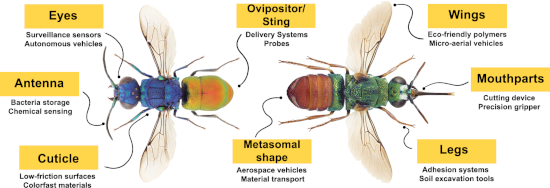
- extraordinary adaptations that Hymenoptera (sawflies, wasps, ants, and bees) exhibit on their body surfaces has long intrigued biologists. These adaptations, which enabled the immense success of these insects in a wide range of environments and habitats, include an amazing array of specialized structures
- surfaces. We highlight recent advancements and outline potential strategic pathways, evaluating their current functions and applications while suggesting promising avenues for further investigations. By studying these fascinating and biologically diverse insects, researchers could develop innovative
- materials and devices that replicate the efficiency and functionality of insect body structures, driving progress in medical technology, robotics, environmental monitoring, and beyond. Keywords: arthropods; bio-inspired surfaces; bioengineering; cuticle; nanoscale structures; Introduction The body




Nanoarchitectonics with cetrimonium bromide on metal nanoparticles for linker-free detection of toxic metal ions and catalytic degradation of 4-nitrophenol
Beilstein J. Nanotechnol. 2024, 15, 1312–1332, doi:10.3762/bjnano.15.106
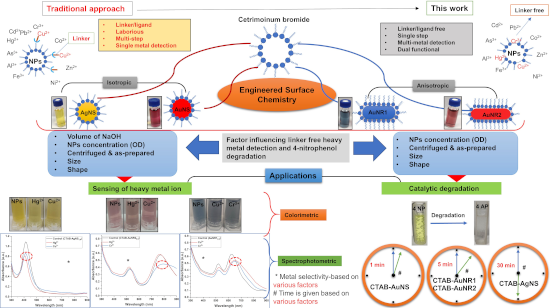
- environments or functional groups [3]. Surfactants bind to metal surfaces and create a stable colloidal solution by preventing the nanoparticles from aggregation or clustering [4]. CTAB is a widely used cationic surfactant that provides nanoparticle ionic stability and anisotropy [5]. Although CTAB delivers
- to confirm the peak value of the compound. The supernatants of centrifuged CTAB-capped nanoparticles were used for CTAB quantification. Stability of CTAB-capped metal nanoparticles in NaCl and NaOH solutions In order to determine the ability and functionality of CTAB on metal nanoparticle surfaces
- synthesized using wet chemical reduction, as shown in Figure 1a. A unique feature of CTAB is its robust and selective binding to certain crystal facets of metal surfaces that define the growth and nucleation of nanoparticles. CTAB on metal surfaces plays a key role in nanoparticle stabilization but hinders




Interaction of graphene oxide with tannic acid: computational modeling and toxicity mitigation in C. elegans
Beilstein J. Nanotechnol. 2024, 15, 1297–1311, doi:10.3762/bjnano.15.105
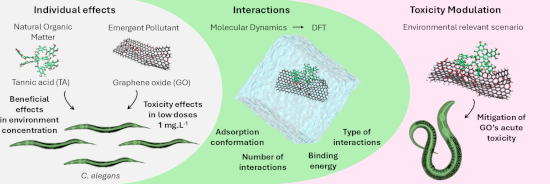
- modeling, including reactive classical molecular dynamics and ab initio calculations, we reveal that TA preferentially binds to the most reactive sites on GO surfaces via the oxygen-containing groups or the carbon matrix; van der Waals interaction forces dominate the binding energy. TA exhibits a dose
- in hydrogen bonding as well as hydrophobic and electrostatic interactions; also, they are responsible for TA’s high solubility, reactivity to metal cations, binding capacity to molecules and surfaces, and significant reducing and radical scavenging properties [19][21][22][23][24]. This range of
- surfaces via oxygen-containing functional groups, resulting in enhanced binding energies. Nevertheless, the adsorption of TA also involves weaker interactions mediated by the carbon framework. DFT calculations using Fukui functions demonstrated that TA interacts with the most reactive sites of GO, and van


New design of operational MEMS bridges for measurements of properties of FEBID-based nanostructures
Beilstein J. Nanotechnol. 2024, 15, 1273–1282, doi:10.3762/bjnano.15.103
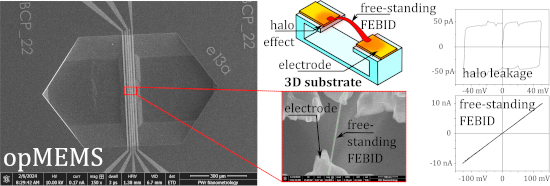
- thermal expansion multiphysics module. The following constraints were imposed: no displacement and no heat sink on the substrate surfaces. Heat sources were defined on the actuation paths as temperature sources of alternating temperatures. The heat source temperature was 293 K (given by the experimental


Functional morphology of cleaning devices in the damselfly Ischnura elegans (Odonata, Coenagrionidae)
Beilstein J. Nanotechnol. 2024, 15, 1260–1272, doi:10.3762/bjnano.15.102

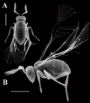
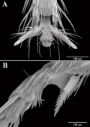
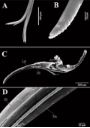
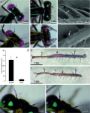
- Abstract Among the different micro- and nanostructures located on cuticular surfaces, grooming devices represent fundamental tools for insect survival. The present study describes the grooming microstructures of the damselfly Ischnura elegans (Odonata, Coenagrionidae) at the adult stage. These structures
- represent a starting point to develop advanced biomimetic cleaning tools. Keywords: antennae; cuticle; eyes; grooming; legs; resilin; Introduction Self-grooming, defined as any behavior related to the maintenance and care of body surfaces, is an innate behavior found across a wide range of animal species
- hairs, while the soft tips ensure effective contact between the attachment system and the substrate. Similarly, the material gradient in grooming devices may enhance adhesion to foreign materials for grooming body surfaces. The soft tip and soft lateral cuticular lamina adapt to various surface


Dual-functionalized architecture enables stable and tumor cell-specific SiO2NPs in complex biological fluids
Beilstein J. Nanotechnol. 2024, 15, 1238–1252, doi:10.3762/bjnano.15.100
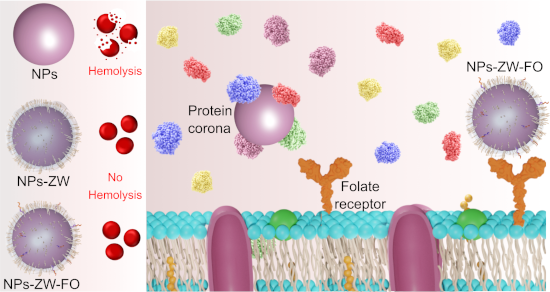
- hemolytic activity was observed, even for the non-functionalized NPs (Figure 3b). According to the literature [51][52], the protein corona suppresses hemolytic activity, as proteins induce modifications on the surfaces of NPs, altering the interactions between NPs and blood cells. When the functionalized


Realizing active targeting in cancer nanomedicine with ultrasmall nanoparticles
Beilstein J. Nanotechnol. 2024, 15, 1208–1226, doi:10.3762/bjnano.15.98
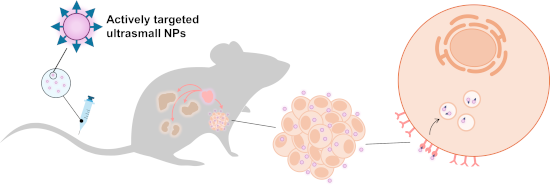
- polysiloxane NPs (AGuIX®) targeted with full-length antibodies against the B-cell maturation antigen (BCMA), which is almost exclusively present on the surfaces of mature B cells [149]. In addition, BCMA overexpression and activation are associated with multiple myeloma (MM), highlighting its potential as a


Introducing third-generation periodic table descriptors for nano-qRASTR modeling of zebrafish toxicity of metal oxide nanoparticles
Beilstein J. Nanotechnol. 2024, 15, 1142–1152, doi:10.3762/bjnano.15.93
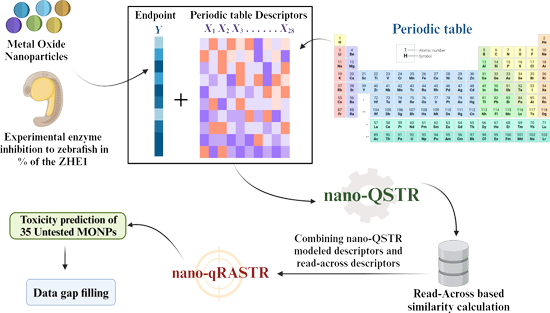
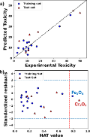
- alternative, more detrimental cellular uptake pathways or provoke harmful responses by accumulating on cell surfaces. Such MONPs might also elevate oxidative stress by triggering the production of reactive oxygen species, which damage cellular components. They can obstruct vital biological processes and


Photocatalytic methane oxidation over a TiO2/SiNWs p–n junction catalyst at room temperature
Beilstein J. Nanotechnol. 2024, 15, 1132–1141, doi:10.3762/bjnano.15.92
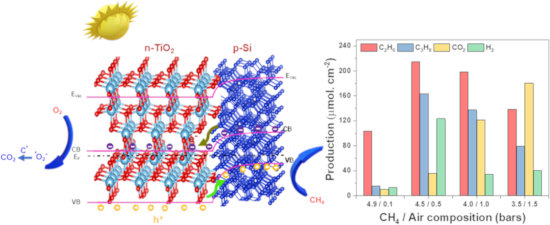
- deposition on catalyst surfaces [4][5][6][7]. Therefore, sustainable strategies for both green conversion and atmospheric removal of CH4 are urgently necessary [8][9][10][11]. Semiconductor-based photocatalysis has been attracting scientists’ attention because of its environmental friendliness and easy
- that the superior wettability of TiO2/SiNWs (hydrophilic surfaces) compared to TiO2/glass (hydrophobic surfaces) enables partial adsorption of water molecules, which facilitates the generation of radicals necessary for photocatalytic reactions. Furthermore, the TiO2 nanostructure and p-type SiNWs are


Local work function on graphene nanoribbons
Beilstein J. Nanotechnol. 2024, 15, 1125–1131, doi:10.3762/bjnano.15.91
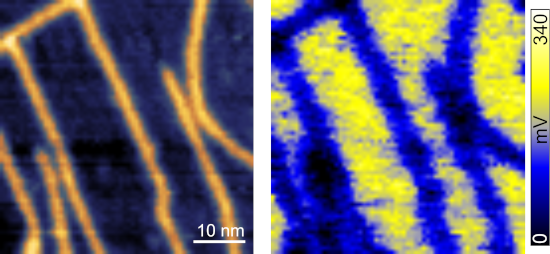
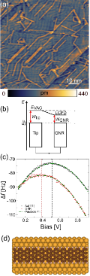
- exotic nature of the charge carriers and to local confinement as well as atomic-scale structural details. The local work function provides evidence for such structural, electronic, and chemical variations at surfaces. Kelvin prove force microscopy can be used to measure the local contact potential
- surfaces, all related to charge differences; for a review, see [14]. Kelvin probe force microscopy (KPFM), a method derived from scanning force microscopy (SFM), allows one to study the local work function difference of a sample with great accuracy and with atomic resolution [15][16][17][18][19][20]. In
- acquisition [21][22]. In this way, an image of the local contact potential difference between tip and sample is obtained. This has been shown not only for general surfaces, for example, insulating surfaces, but also for molecules and molecular layers [18][23][24][25]. Here, we study the local work function

![[Graphic 1]](/bjnano/content/inline/2190-4286-15-91-i4.svg?max-width=637&scale=1.18182)
Direct electron beam writing of silver using a β-diketonate precursor: first insights
Beilstein J. Nanotechnol. 2024, 15, 1117–1124, doi:10.3762/bjnano.15.90

- in scanning electron microscopes during deposition, a double layer of water is still present on hydrophilic surfaces. This turns water into a natural co-reactant of direct electron beam writing [7] and helps in the formation of neutral volatile reaction products from the ligands, such as CO, CO2, CH4


Effect of wavelength and liquid on formation of Ag, Au, Ag/Au nanoparticles via picosecond laser ablation and SERS-based detection of DMMP
Beilstein J. Nanotechnol. 2024, 15, 1054–1069, doi:10.3762/bjnano.15.86

- ], pesticides on vegetables, dals [42], fruit surfaces [43], and explosives on rough surfaces [44][45]. In the last few years, our group has been continuously working on developing a flexible SERS substrate for the detection of various types of hazardous molecules: aggregated Ag and Au NPs on filter paper [46