


Search results
Search for "thermal" in Full Text gives 1311 result(s) in Beilstein Journal of Nanotechnology. Showing first 200.
Emerging strategies in the sustainable removal of antibiotics using semiconductor-based photocatalysts
Beilstein J. Nanotechnol. 2025, 16, 264–285, doi:10.3762/bjnano.16.21
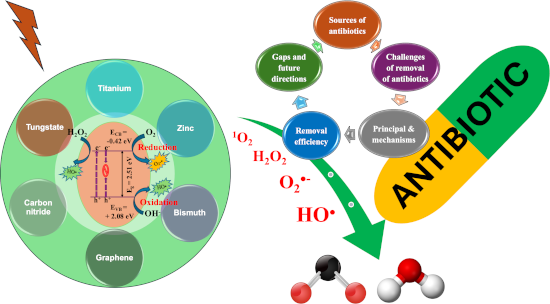
- − + h+ → HO• + H+) [35][57]. After excitation, H+ possesses the capacity to interact with electrons, generating thermal energy (H+ + e− → energy). This process results in a reduction of the photodegradation efficiency. Notably, the typical redox potential of photocatalysts must exceed that of HO•/OH
- area, exhibits good thermal stability, is non-toxic, and can be easily morphologically modified (such as nanorods, nanosheets, and nanobelts). Because of its higher quantum efficiency, it is anticipated to demonstrate superior photocatalytic activity in comparison with TiO2, g-C3N4, and BiOBr [66
- bandgap of 2.77 eV. The research community has shown significant interest in zero-dimensional Bi2WO6 quantum dots and one-dimensional Bi2WO6 nanofibers. Bismuth tungstate exhibits excellent thermal and chemical stability in addition to its activity in visible light. It is typically synthesized through



Preferential enrichment and extraction of laser-synthesized nanoparticles in organic phases
Beilstein J. Nanotechnol. 2025, 16, 254–263, doi:10.3762/bjnano.16.20
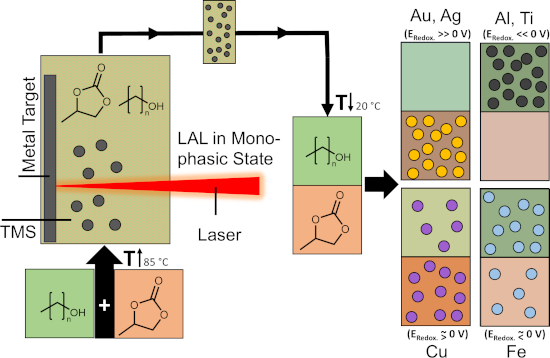
- to the two simultaneously occurring and commonly accepted nanoparticle formation mechanisms happening during the plume phase of LAL (picosecond to longer nanosecond time scale) [57][58]. Recent spatiotemporal, large-scale molecular dynamic simulations show that the thermal history of nanoparticles




Radiosensitizing properties of dual-functionalized carbon nanostructures loaded with temozolomide
Beilstein J. Nanotechnol. 2025, 16, 229–251, doi:10.3762/bjnano.16.18
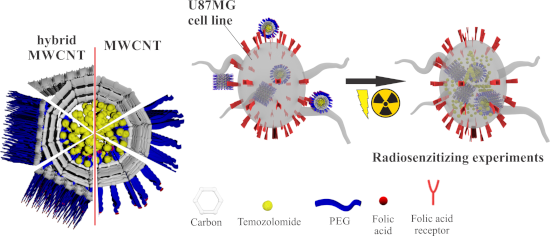
- (i.e., oxidation) of their surface, CNs with optimal hydrophobic/hydrophilic properties and increased dispersibility can be obtained as preconditions for biocompatibility and low immunogenicity. Also, improved electronic, mechanical, and thermal properties as preconditions for (photo)thermal and




Recent advances in photothermal nanomaterials for ophthalmic applications
Beilstein J. Nanotechnol. 2025, 16, 195–215, doi:10.3762/bjnano.16.16
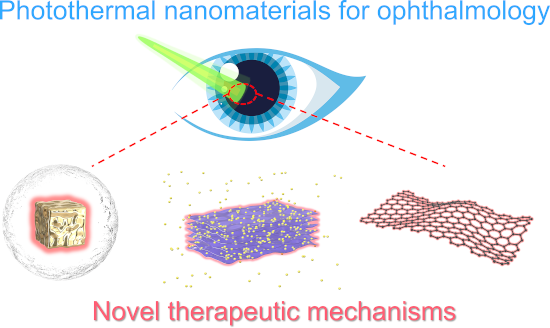
- nanomaterials, particularly well-suited for the transparent tissues of the eye, have emerged as a potential game changer. These materials enable precise and controllable photothermal therapy by effectively manipulating the distribution of the thermal field. Moreover, they extend beyond the conventional
- boundaries of thermal therapy, achieving unparalleled therapeutic effects through their diverse composite structures and demonstrating enormous potential in promoting retinal drug delivery and photoacoustic imaging. This paper provides a comprehensive summary of the structure–activity relationship between
- enhancing global visual health. Keywords: multifunctional composite; ophthalmology; photothermal nanomaterial; thermal field distribution; vapor nanobubble; Review 1 Introduction The human eye, serving as a primary organ for information acquisition, is vulnerable to various diseases over a lifetime [1


A review of metal-organic frameworks and polymers in mixed matrix membranes for CO2 capture
Beilstein J. Nanotechnol. 2025, 16, 155–186, doi:10.3762/bjnano.16.14
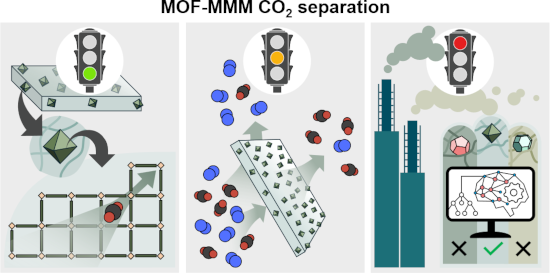
- membranes exhibit superior thermal, chemical, and mechanical stability compared to organic membranes [72][73][74]. However, inorganic membranes tend to be brittle, which can lead to crack formation in the finalized membrane, thereby reducing their selective properties. While organic membranes typically




Clays enhanced with niobium: potential in wastewater treatment and reuse as pigment with antibacterial activity
Beilstein J. Nanotechnol. 2025, 16, 141–154, doi:10.3762/bjnano.16.13
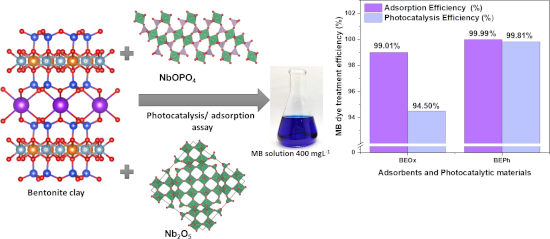
- clay/Nb suspension was continuously stirred for 72 h at 65 °C. The color of the bentonite modified with niobium changes to light yellow (Figure 1b,c). Finally, after being cooled to room temperature, the suspensions were subjected to thermal treatment at 500 °C, with a heating rate of 5 °C/min. These


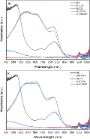

TiO2 immobilized on 2D mordenite: effect of hydrolysis conditions on structural, textural, and optical characteristics of the nanocomposites
Beilstein J. Nanotechnol. 2025, 16, 128–140, doi:10.3762/bjnano.16.12
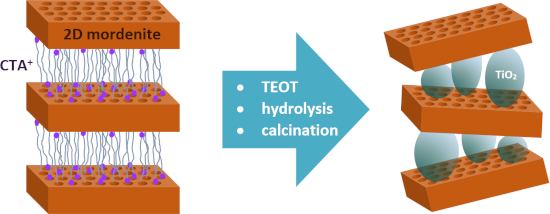
- accuracy of the experiment). Therefore, this step is immediately followed by condensation: The final composition of the hydrolysis products of alkoxides of titanium roughly corresponds to TiO1.5(OR)·yROH, where y = 0.15–1.00 depending on the nature of the alcohol. The residual carbon during thermal
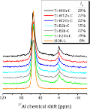
- the mBET method. Thermal gravimetric analysis (TGA) was carried out using a Netzsch STA 449 F1 Jupiter instrument in the temperature range of 40–990 °C at a heating rate of 10 °C/min in an Ar flow of 90 mL/min. 27Al MAS NMR spectra were recorded using a Bruker Avance IIIWB 400 MHz solid-state NMR



Comparison of organic and inorganic hole transport layers in double perovskite material-based solar cell
Beilstein J. Nanotechnol. 2025, 16, 119–127, doi:10.3762/bjnano.16.11
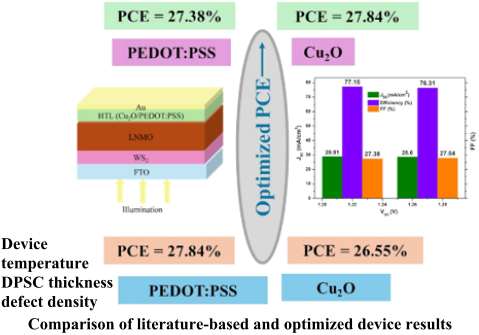
- possible that misalignment of energy levels due to thermal effects can hinder efficient hole extraction, further increasing recombination losses. Effect of absorber layer defect density Defects in the absorber layer hinder carrier transportation between the absorber layer and the CTLs, leading to a drop in


Modeling and simulation of carbon-nanocomposite-based gas sensors
Beilstein J. Nanotechnol. 2025, 16, 90–96, doi:10.3762/bjnano.16.9
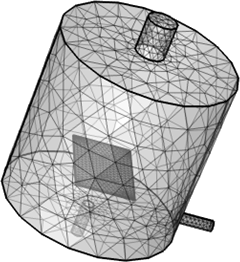
- disciplines, leading to the development of materials with unprecedented properties. Among these materials, carbon nanocomposites have gathered significant attention because of their exceptional electrical, mechanical, and thermal characteristics. These nanocomposites typically consist of carbon-based


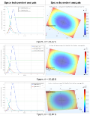

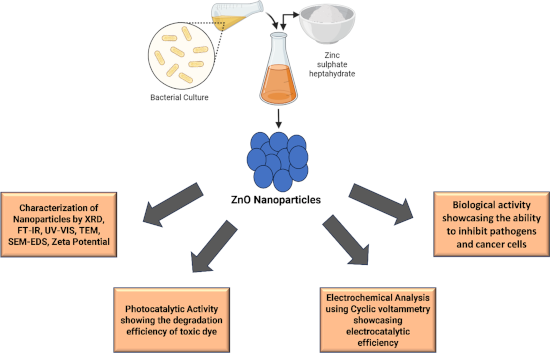
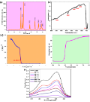
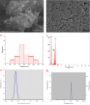
Characterization of ZnO nanoparticles synthesized using probiotic Lactiplantibacillus plantarum GP258
Beilstein J. Nanotechnol. 2025, 16, 78–89, doi:10.3762/bjnano.16.8
- -to-volume ratio, and magnetic, electrical, optical, antimicrobial and hardness properties give NPs distinct mechanical, thermal, and catalytic properties. As a result, nanotechnology has widespread applications across diverse domains and opened up new possibilities for innovation [1][2]. Particles
- rRNA. The CTAB method was used to isolate genomic DNA as per the protocol [30]. Polymerase chain reaction (PCR) was conducted using the following primers: Reverse Primer (396) - 5'-CGGTGTACAAGGCCCGG-3' and Forward Primer (395) - 5'-GGATGAGCCCGCGGCCTA-3'. For the PCR experiments, a thermal cycling


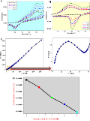

Advanced atomic force microscopy techniques V
Beilstein J. Nanotechnol. 2025, 16, 54–56, doi:10.3762/bjnano.16.6

- accurate knowledge of the quartz cantilever stiffness, the authors develop a method to quantify the stiffness based on thermal noise measurements and numerical simulation. Calibrated measurements of conductivity and resistivity are the focus of the contribution by Piquemal et al. [3]. A particular
Fabrication of hafnium-based nanoparticles and nanostructures using picosecond laser ablation
Beilstein J. Nanotechnol. 2024, 15, 1639–1653, doi:10.3762/bjnano.15.129
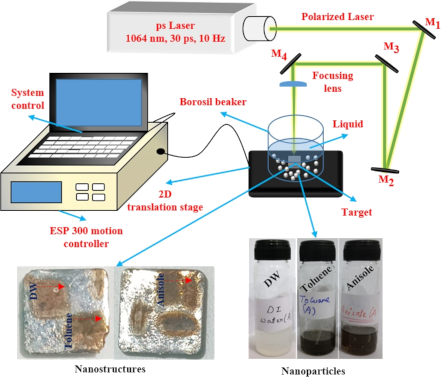
- insight into their morphological and optical characteristics paving way for their applications in future. Keywords: hafnium; laser ablation in liquids; nanofibres; nanoparticles; nanostructures; Introduction Hafnium (Hf) is a tetravalent transition metal with compounds showing excellent thermal and
- them to be used in high-temperature alloys and ceramics. Hf compounds are widely used in microelectronics because of their high dielectricity values [2]. In recent years, NPs derived from Hf have gained significant interest in biomedical fields because of their superior optical and thermal properties




Heterogeneous reactions in a HFCVD reactor: simulation using a 2D model
Beilstein J. Nanotechnol. 2024, 15, 1627–1638, doi:10.3762/bjnano.15.128
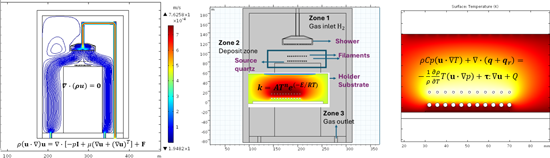
- convert H to OH. Finally, •H and •OH radicals can attack saturated surface species, removing H to form H2 and H2O, respectively, in the gas phase [21][36]. The presence of dangling bonds in the SiOx films was detected previously. In this study, SiOx films with thermal treatment and without thermal
- treatment were analyzed, and a decrease in thickness, refractive index, and excess silicon was observed. This behavior was attributed to the structural rearrangement at the atomic level by the thermal treatment due to the desorption of hydrogen from dangling bonds. The films after thermal treatment
- exhibited greater photoluminescence compared to those that did not undergo thermal treatment [29]. The SiO species plays an important role in the proposed mechanism; the reaction of SiO with •OH and •H radicals leads to the formation of HSiO and silanes [15]. Silane and silanol species were also found in


Natural nanofibers embedded in the seed mucilage envelope: composite hydrogels with specific adhesive and frictional properties
Beilstein J. Nanotechnol. 2024, 15, 1603–1618, doi:10.3762/bjnano.15.126
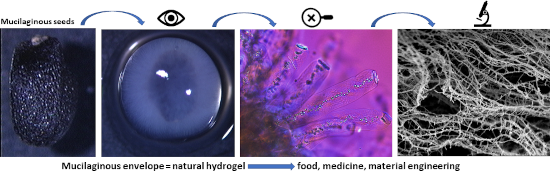
- friction better fulfil their biological role than mucilaginous seeds with just low friction, which was demonstrated in our experiment with pigeons (see below). Friction after chemical and thermal treatments The antimicrobial activity of seed mucilage was previously described for Linum usitatissimum [105


Ultrablack color in velvet ant cuticle
Beilstein J. Nanotechnol. 2024, 15, 1554–1565, doi:10.3762/bjnano.15.122

- : Salticidae), and the bird-of-paradise Drepanornis bruijnii (Passeriformes: Paradisaeidae). The spectra of these species were obtained from data provided in [10][12], and species with the highest absorbance in the UV–vis spectrum were selected. Thermal images This experimental protocol was adapted from [15
- ]. For the thermal images, a velvet ant specimen was carefully positioned on a polystyrene plate, serving as a thermal insulator, and covered with a layer of sand measuring 2 cm in thickness. Using a Fluke TiS75+ Thermal Camera, thermal images were captured before, during, and after a controlled heating
- process induced by a thermal lamp positioned 10 cm away. Prior to initiating the experiment, the female specimen was photographed, and subsequent images were taken at 1 min and 2 min intervals during the heating process. Throughout the experiment, the ambient temperature was meticulously maintained at a



Integrating high-performance computing, machine learning, data management workflows, and infrastructures for multiscale simulations and nanomaterials technologies
Beilstein J. Nanotechnol. 2024, 15, 1498–1521, doi:10.3762/bjnano.15.119

- performance of materials before they are synthesized [1][2][3]. This approach enables the discovery of materials with, for example, improved mechanical strength, enhanced thermal conductivity, superior electrical properties, or other tailored characteristics. Simulations provide crucial insights at different
- time and length scales, from atomic and molecular-level interactions to the macroscale, that govern the structural, mechanical, and thermal properties of materials [4][5]. More recently, data-driven approaches, such as machine learning (ML) and artificial intelligence (AI), are revolutionizing


Effect of radiation-induced vacancy saturation on the first-order phase transformation in nanoparticles: insights from a model
Beilstein J. Nanotechnol. 2024, 15, 1453–1472, doi:10.3762/bjnano.15.117

- and subsequent description. It is important to distinguish between two types of point defects, that is, (i) thermal-equilibrium defects (vacancies and interstitials that exist without irradiation treatment) and (ii) radiation-induced defects. Point defects caused by radiation are formed when a fast
- . Disorder can arise from the recombination of these defects [1][2][3][4][5][6][7][8][9]. In metals, for instance, the equilibrium concentration of thermal vacancies, even at high pre-melting temperatures, reaches values of only about 0.1% [10][11]. Therefore, in the following, we will focus on radiation
- -induced vacancies, assuming that the concentration of radiation-induced point defects at characteristic temperatures (far from melting) exceeds the concentration of thermal-equilibrium defects. The behavior of HDCMs under irradiation highly depends on their size. For example, when TiN nanograins are


Strain-induced bandgap engineering in 2D ψ-graphene materials: a first-principles study
Beilstein J. Nanotechnol. 2024, 15, 1440–1452, doi:10.3762/bjnano.15.116
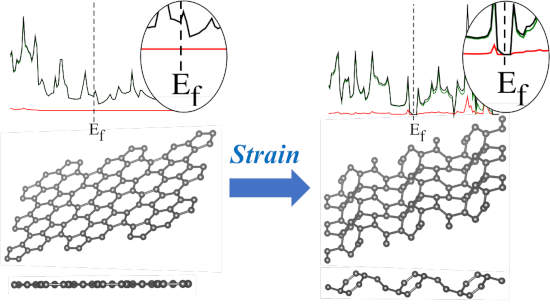
- Interdisciplinary Nanostructure Science and Technology, University of Kassel, Heinrich-Plett-Straße 40, 34132 Kassel, Germany 10.3762/bjnano.15.116 Abstract High mechanical strength, excellent thermal and electrical conductivity, and tunable properties make two-dimensional (2D) materials attractive for various
- two-dimensional (2D) material, consisting of a single layer of sp2-hybridized carbon atoms arranged together in a hexagonal lattice [1]. Because of its extraordinary electrical and thermal conductivity, large surface area, and easy chemical functionalization, it provides a variety of applications in
- compatibility with established technologies (the semiconductor industry can adopt it to enhance the performance of devices) [28]. Strain can be introduced in graphene using different methods, namely, by exploiting a mismatch in thermal expansion between graphene and the underlying substrate, by transferring


Lithium niobate on insulator: an emerging nanophotonic crystal for optimized light control
Beilstein J. Nanotechnol. 2024, 15, 1415–1426, doi:10.3762/bjnano.15.114
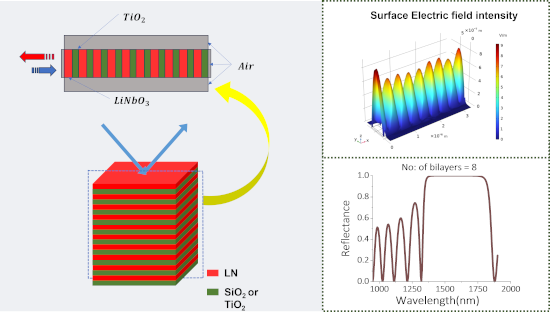
- , owing to its elevated refractive index and thermal stability, they are suitable for applications at high temperatures. Additionally, TiO2 exhibits a wide bandgap, making it conducive for incorporation into photonic crystals designed to operate within the ultraviolet and visible spectra. Moreover, its
- implantation, the wafer is bonded to a SiO2 (or TiO2) substrate using direct bonding techniques, which involves bringing the surfaces into close contact and applying pressure or heat to form a strong bond. The wafer is then subjected to thermal annealing, which activates the splitting process along the


Various CVD-grown ZnO nanostructures for nanodevices and interdisciplinary applications
Beilstein J. Nanotechnol. 2024, 15, 1390–1399, doi:10.3762/bjnano.15.112
- comparison to other compounds [4][5][6]. Specifically, its large bandgap energy Eg ≈ 3.4 eV is comparable to GaN – a typical material for blue-light-emitting diode (LED) technology [7][8]. Also, its exciton binding energy is higher than the thermal energy at 300 K, and it has high-quality optical
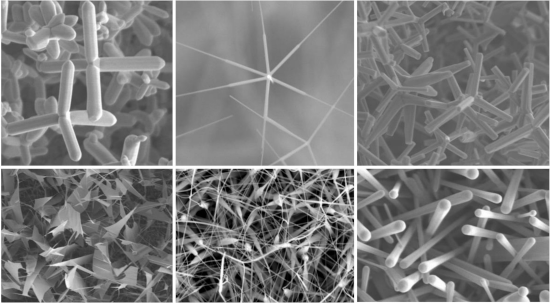
- thermal sublimation [18][23], thermal evaporation [21], hydrothermal method [31][32][33], and other facile chemical/physical routes [34]. The changes in fabrication and processing conditions will influence the shape and size of ZnO nanostructures. When using CVD, vapour sources can be Zn powder or a

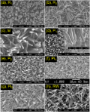


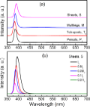
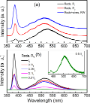
Green synthesis of carbon dot structures from Rheum Ribes and Schottky diode fabrication
Beilstein J. Nanotechnol. 2024, 15, 1369–1375, doi:10.3762/bjnano.15.110
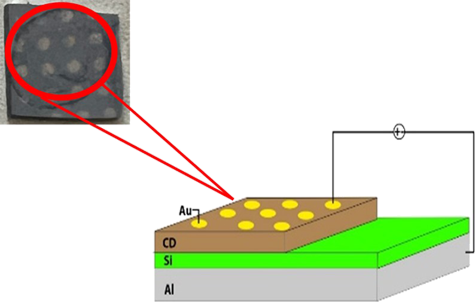
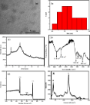
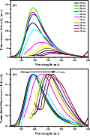
- Cary Eclipse fluorescence spectrophotometer were used for transmission electron microscopy (TEM), zeta potential measurements, X-ray diffractometry (XRD), Fourier-transform infrared spectroscopy (FTIR), X-ray photoelectron spectroscopy (XPS), micro-Raman spectroscopy, PVD thermal evaporation, scanning
- substrate was cut to approximately 1 cm2 in size and cleaned by washing it in acetone, methanol, and pure water for 10 min each. An ohmic contact was made with aluminum on the cleaned sample at 1 × 10⁻⁷ Torr vacuum in a PVD thermal evaporation device. Approximately 30 μL of the CDs stock solution was taken




Out-of-plane polarization induces a picosecond photoresponse in rhombohedral stacked bilayer WSe2
Beilstein J. Nanotechnol. 2024, 15, 1362–1368, doi:10.3762/bjnano.15.109
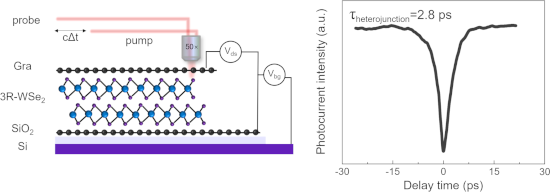
- deposited onto the heterojunctions through metal thermal evaporation. Material and performance characterization The optical images of heterojunctions were obtained using a microscope (ZEISS, Axio Scope A1). The SHG and PL measurements were performed by using a scanning confocal microscope (WITec, alpha 300R


Investigation of Hf/Ti bilayers for the development of transition-edge sensor microcalorimeters
Beilstein J. Nanotechnol. 2024, 15, 1353–1361, doi:10.3762/bjnano.15.108

- regions the critical temperature is different. Furthermore, such a protracted transition can be explained by the effect of phase separation in a film of large size, that is, it becomes superconducting in parts. The film sample C1, unlike samples A1–A4 and B1, shows thermal hysteresis, which is expressed
- clamp contacts as sample C1, but the measured area was further away from the contact points. This way, the current first flows through the superconducting electrodes with low thermal conductivity in the superconducting state, and only then goes to the bridge. Nevertheless, non-equilibrium heating
- –Larkin formula [18]: where τ0 is found as (RSe2)/(16ℏ), τT equals to (T − TC)/TC, and RS is the surface resistance of the film. Equation 1 describes the change of film resistance above the critical temperature. This change happens because of thermal fluctuations of conductivity and depends on the surface


Hymenoptera and biomimetic surfaces: insights and innovations
Beilstein J. Nanotechnol. 2024, 15, 1333–1352, doi:10.3762/bjnano.15.107
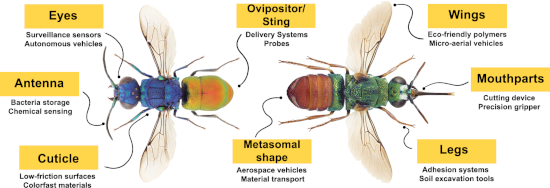
- morphology (triangular cross section with two corrugated surfaces) associated with a strong optical reflection in the visible and near-infrared (NIR) range, while maximizing heat emissivity in the mid-infrared (MIR). This allows the insects to maintain a lower thermal steady state and to cope with high
- temperatures (50 °C or even more) [51]. Additionally, specialized hairs with thermal functions are present in both wasps [52] and bees [53]. At last, hymenopteran hairs considerably vary in terms of length [54][55][56], suggesting that they may possess different physical properties, which may be variably used






Mn-doped ZnO nanopowders prepared by sol–gel and microwave-assisted sol–gel methods and their photocatalytic properties
Beilstein J. Nanotechnol. 2024, 15, 1283–1296, doi:10.3762/bjnano.15.104
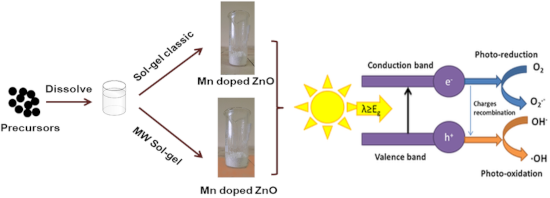
- distribution, improved purity, tailored shape, and morphological uniformity [21]. More crucially, the crystallization can be influenced by varying reaction temperature, reaction duration, and system composition [18][22]. According to the literature, MW has been predominantly employed for the thermal treatment
- of amorphous oxide nanopowders, the precipitation of nanocrystalline metal oxides, and the drying and thermal treatment of oxide films [23]. However, there has been comparatively less focus on studying chemical reactions in sol–gel solutions under microwave irradiation [24][25][26][27]. Numerous
- and biological sensing [38][39][40]. The optical, thermal, and photocatalytic [40] reactivity of ZnO can also be improved with this method without changing its basic hexagonal structure. Consequently, the photodegradation of aqueous organic compounds triggered by manganese-doped ZnO still provides





