


Search results
Search for "animals" in Full Text gives 157 result(s) in Beilstein Journal of Nanotechnology.
Peptide-equipped tobacco mosaic virus templates for selective and controllable biomineral deposition
Beilstein J. Nanotechnol. 2015, 6, 1399–1412, doi:10.3762/bjnano.6.145
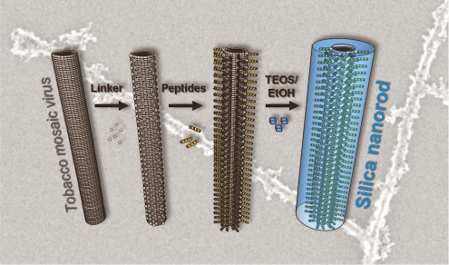
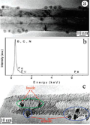
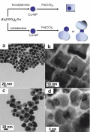
- scaffolds because of their biological safety for humans, animals, and their commensal bacteria. TMV is a widespread plant-infecting pathogen, which can be isolated in large amounts from susceptible plants [40]. TMV particles are highly ordered, supramolecular complexes, consisting of a single-stranded




Influence of gold, silver and gold–silver alloy nanoparticles on germ cell function and embryo development
Beilstein J. Nanotechnol. 2015, 6, 651–664, doi:10.3762/bjnano.6.66
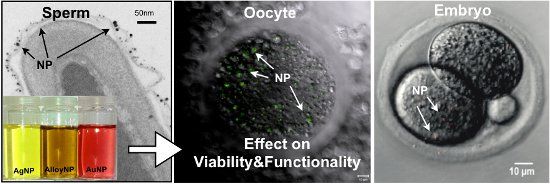
- been performed solely on male animals or in case females were used ovaries or uteri were not examined. However, while in one study no nanoparticles where found in either ovary or placenta after intraveneous injection of AuNP [42], further studies reported the detection of AuNP after intertracheal or




Silica micro/nanospheres for theranostics: from bimodal MRI and fluorescent imaging probes to cancer therapy
Beilstein J. Nanotechnol. 2015, 6, 546–558, doi:10.3762/bjnano.6.57
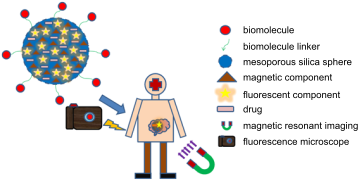
- (hMSCs) at different time and dose intervals. The results showed that NPs were accumulated fast by the cells, which can be clearly detected by MRI. The in vivo studies carried out on nude mice reflected that the nanocomposite labeled cells could be detected in living animals under a clinical MRI system


Overview about the localization of nanoparticles in tissue and cellular context by different imaging techniques
Beilstein J. Nanotechnol. 2015, 6, 263–280, doi:10.3762/bjnano.6.25
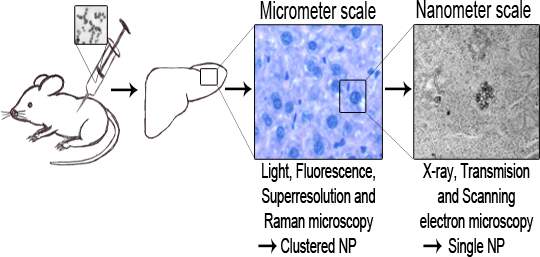
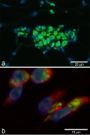
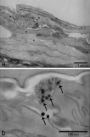
- are available on NP pharmacology and toxicology in humans and animals [8][9]. However, despite all advancements in in vitro testing including permanent or primary cell lines and ex vivo organ cultures, the complexity of a living organism cannot be modeled in a test tube or culture dish. In this regard
- detected and quantified by a gamma counter, micro imager, phosphoimager plates or autoradiographic films that are commonly used for X-ray exposures. However, such autoradiographs performed on cross sections of whole bodies or total organs of animals (Figure 2a and Figure 2b) [62][63][66][67][68] possess

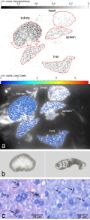


The distribution and degradation of radiolabeled superparamagnetic iron oxide nanoparticles and quantum dots in mice
Beilstein J. Nanotechnol. 2015, 6, 111–123, doi:10.3762/bjnano.6.11
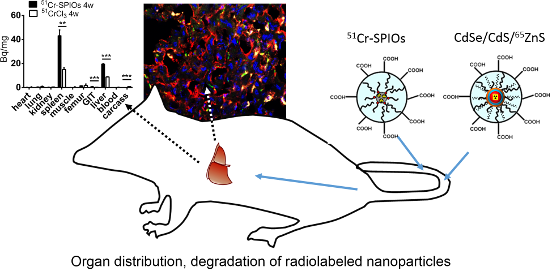
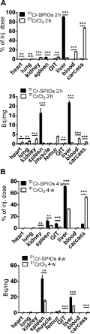
- data have been called into question regarding the application in animals or even for future application in humans [15][16]. The organ-specific dose for in vivo experiments may not be high enough to induce detectable acute toxicity. However, when Qdots are retained by animals, long-term toxicity may be
- the lack of appropriate techniques to reliably quantify the dynamic variation of Qdots in living animals. Fluorescent imaging has low spatial resolution and limited penetration depth, and quantification based only on such methods is limited. Functionalized SPIOs are also interesting candidates for
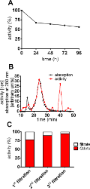
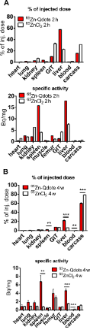
- the present study the outer ZnS shell of CdSe/CdS/ZnS (core/shell/shell) quantum dots was labeled by incubation with water-free 65Zn2+ in an organic solvent. This radionuclide is a hard γ-emitter (1.1 MeV), which would allow precise measurement even in living animals using a whole body counter





Synthesis of boron nitride nanotubes and their applications
Beilstein J. Nanotechnol. 2015, 6, 84–102, doi:10.3762/bjnano.6.9




Proinflammatory and cytotoxic response to nanoparticles in precision-cut lung slices
Beilstein J. Nanotechnol. 2014, 5, 2440–2449, doi:10.3762/bjnano.5.253
- procedure was repeated three times. Animals Female Wistar rats (Wistar RjHan:WI rats), 8–10 weeks of age (approx. 250 g body weight), were obtained from Janvier (Le Genest Saint Isle, France). The animals had at least one week for acclimatization and were housed in pairs in standard Makrolon plastic cages


Aquatic versus terrestrial attachment: Water makes a difference
Beilstein J. Nanotechnol. 2014, 5, 2424–2439, doi:10.3762/bjnano.5.252
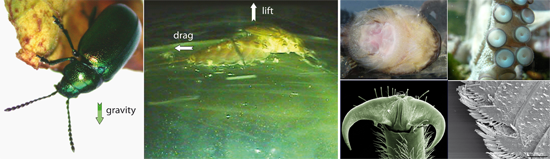
- acting to detach animals and forces of attachment. While in a terrestrial environment gravity is commonly understood as the most important detachment force, under submerged conditions gravity is nearly balanced out by buoyancy and therefore matters little. In contrast, flow forces such as drag and lift
- adhesion, e.g., in terrestrial beetles or flies, but usually do not occur under water. Viscous forces are likely an important contributor to adhesion under water in some mobile animals such as torrent frogs and mayflies, but there are still many open questions to be answered. Glue is the dominant
- attachment mechanism of sessile aquatic animals and the aquatic realm presents many challenges to this mode of attachment. Viscous forces and the lack of surface tension under submerged conditions also affect frictional interactions in the aquatic environment. Moreover, the limitation of suction to the


Inorganic Janus particles for biomedical applications
Beilstein J. Nanotechnol. 2014, 5, 2346–2362, doi:10.3762/bjnano.5.244
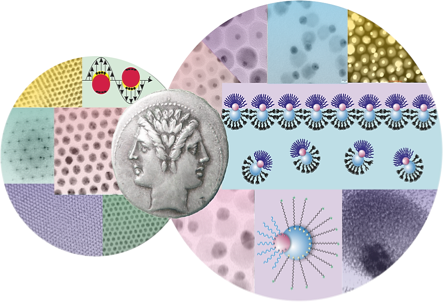
- selective excitation of the focal volume [93][94]. Nevertheless, it remains challenging to extend the technique to time-dependent measurements for clinically relevant volumes, reaching beyond small animals used as testing systems at the moment [95][96][97][98]. Surface modification of Janus particles The






Anticancer efficacy of a supramolecular complex of a 2-diethylaminoethyl–dextran–MMA graft copolymer and paclitaxel used as an artificial enzyme
Beilstein J. Nanotechnol. 2014, 5, 2293–2307, doi:10.3762/bjnano.5.238
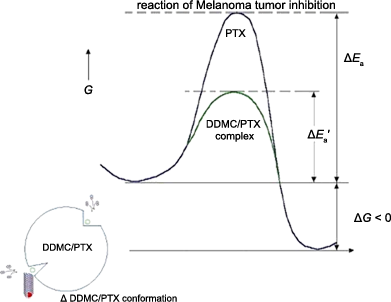
- . MST is shown using T/C (MST: T; treated group/C; control group). Cancer growth (V/V0) after 48 h from 1st I.P. injection. Statement for studies with animals The animal studies were carried out by the authors following the guidelines of Oita University for the care and use of laboratory animals


The gut wall provides an effective barrier against nanoparticle uptake
Beilstein J. Nanotechnol. 2014, 5, 2092–2101, doi:10.3762/bjnano.5.218
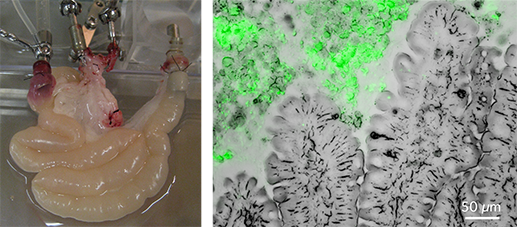
- protocol from a single-flow to a circulating system, each experiment used about 450 mL of vascular buffer, which is about 30 times the blood volume of our experimental animals (calculated from the body weight and the equation given by [27]). In order to compensate for this dilution factor we decided to use
- tract provides an effective barrier against NP uptake whereby the mucus film seems to be a central protagonist. Experimental Animals, dissection and perfusion technique All animal experiments were approved by the local authorities (Ministry of Agriculture, Environment and Rural Areas of the State of


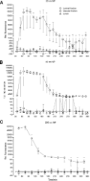
PVP-coated, negatively charged silver nanoparticles: A multi-center study of their physicochemical characteristics, cell culture and in vivo experiments
Beilstein J. Nanotechnol. 2014, 5, 1944–1965, doi:10.3762/bjnano.5.205
- pharmaceuticals are therefore of particular significance to the lung [1][12][13][123]. In vivo studies using animals or humans provide the benefit of having a complete organism displaying the full range of biological responses to a given treatment. Human case studies on silver nanoparticles are only performed to


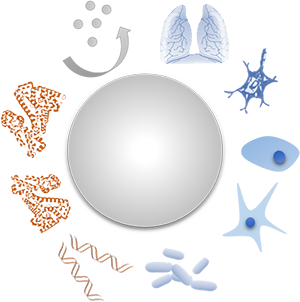
In vitro and in vivo interactions of selected nanoparticles with rodent serum proteins and their consequences in biokinetics
Beilstein J. Nanotechnol. 2014, 5, 1699–1711, doi:10.3762/bjnano.5.180
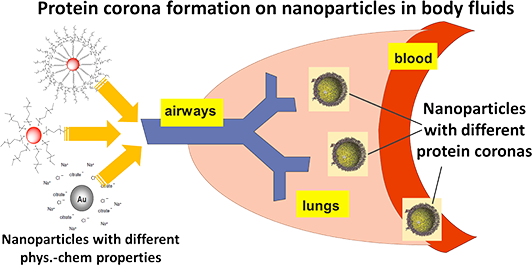
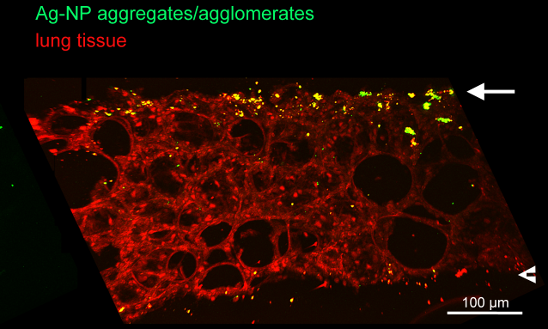
- important cell types is retained and the number of test animals can be reduced by creating multiple PCLS from one single lung. Thus, PCLS may represent a good ex vivo intermediate between in vitro and in vivo test systems. In the following we describe a pilot study anticipated to be followed by in-depth
- biokinetics. After particle administration at time t = 0 the whole urinary and fecal excretions are collected separately. Animals are euthanized at times t1, t2, t3, etc., and organs and tissues of interest and the entire remaining carcass are sampled (100% balanced sampling) and their weights or volumes are
- LDH in the supernatant after incubation of PCLS in tissue culture medium for 4 h. The animals had been treated 24 h before either with 50 or 250 µg AgNP (freshly prepared or six months old) or silver acetate (250 µg Ag+) or AgNP-free supernatant after centrifugation of AgNP. The percentage of total


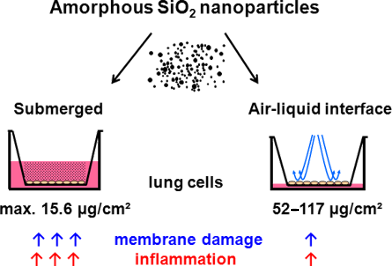
Silica nanoparticles are less toxic to human lung cells when deposited at the air–liquid interface compared to conventional submerged exposure
Beilstein J. Nanotechnol. 2014, 5, 1590–1602, doi:10.3762/bjnano.5.171
- from exposure studies with animals or even humans. Experimental Materials Aerosil®200 powder was kindly provided by Evonik (Essen, Germany). The SiO2-50 nm NPs without or with labelling with fluorescein isothiocyanate (FITC) supplied as a monodisperse solution of 25 mg/mL in water were from Postnova


The cell-type specific uptake of polymer-coated or micelle-embedded QDs and SPIOs does not provoke an acute pro-inflammatory response in the liver
Beilstein J. Nanotechnol. 2014, 5, 1432–1440, doi:10.3762/bjnano.5.155
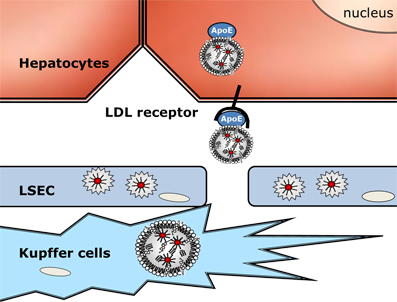
- may be relevant at time points other than the ones we investigated in the current study. Experimental Animals and diets All experimental procedures were performed with approval from the animal care committees responsible for the University Medical Center Hamburg-Eppendorf. Animals were housed at 22 °C


Mimicking exposures to acute and lifetime concentrations of inhaled silver nanoparticles by two different in vitro approaches
Beilstein J. Nanotechnol. 2014, 5, 1357–1370, doi:10.3762/bjnano.5.149
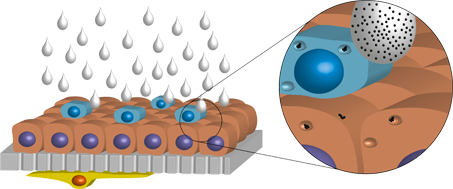
- applied via instillation [34] or by inhalation [35]. In order to reduce the number of animals used for research, continuous efforts are made towards sophisticated in vitro methods for toxicology testing [36]. The most commonly used in vitro setup for many studies are submerged cultured lung cells [30][36



Molecular biology approaches in bioadhesion research
Beilstein J. Nanotechnol. 2014, 5, 983–993, doi:10.3762/bjnano.5.112
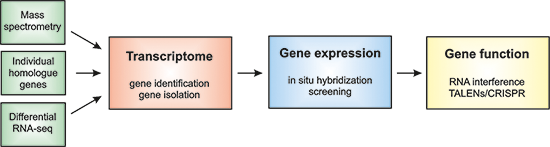
- ][2][3]. Information on how animals solve problems of adhesion in diverse environments can lead to the development of novel bio-inspired adhesives [4] with major applicability in the fields of surface engineering and biomedicine. Molecular biology is helpful in bioadhesion research with respect to the
- and Artemia enriched with engineered bacteria to feed planarians and Hydra [72][86]. Lastly, microinjection has been applied in several species, like the harvestmen Opiliones [87] and tardigrades [88]. The suitability of each delivery method depends on the organism being studied. Experimental animals


Optimizing the synthesis of CdS/ZnS core/shell semiconductor nanocrystals for bioimaging applications
Beilstein J. Nanotechnol. 2014, 5, 919–926, doi:10.3762/bjnano.5.105
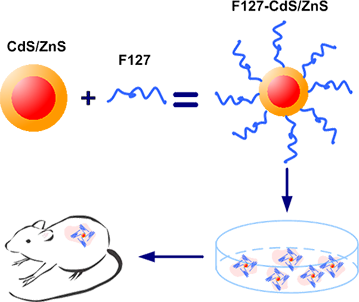
- , indicating the low toxicity of the formulated nanoparticles. Animal studies Five-week-old nude female mice were purchased from the experimental animal center of Jilin University. The animal housing area was maintained at 24 °C with a 12 h light/dark cycle. The animals were fed ad libitum with water and


Measuring air layer volumes retained by submerged floating-ferns Salvinia and biomimetic superhydrophobic surfaces
Beilstein J. Nanotechnol. 2014, 5, 812–821, doi:10.3762/bjnano.5.93
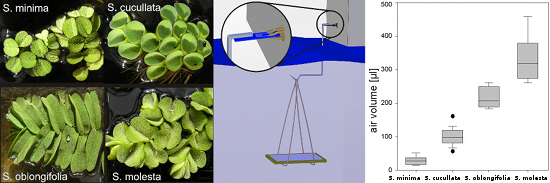
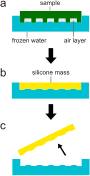
- of Freiburg, Schänzlestrasse 1, 79104 Freiburg im Breisgau, Germany 10.3762/bjnano.5.93 Abstract Some plants and animals feature superhydrophobic surfaces capable of retaining a layer of air when submerged under water. Long-term air retaining surfaces (Salvinia-effect) are of high interest for


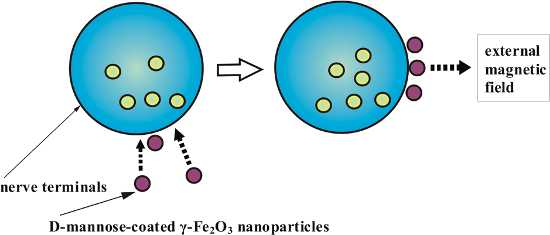
Manipulation of isolated brain nerve terminals by an external magnetic field using D-mannose-coated γ-Fe2O3 nano-sized particles and assessment of their effects on glutamate transport
Beilstein J. Nanotechnol. 2014, 5, 778–788, doi:10.3762/bjnano.5.90
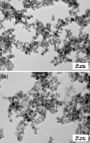
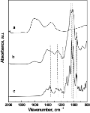
- spectroscopy with the Golden GateTM single reflection system (Specac Ltd., Orpington, UK) at 400–4000 cm−1. Ethics statement Wistar male rats, 100–120 g body weight, were obtained from the vivarium of M. D. Strazhesko Institute of Cardiology, Medical Academy of Sciences of Ukraine. Animals were kept in animal
- animals were removed and homogenized rapidly in ice-cold 0.32 M sucrose, 5 mM HEPES–NaOH, pH 7.4, and 0.2 mM EDTA. The synaptosomes were prepared by differential and Ficoll-400 density gradient centrifugation of rat brain homogenate [31] with slight modifications [30]. All manipulations were performed at



The optimal shape of elastomer mushroom-like fibers for high and robust adhesion
Beilstein J. Nanotechnol. 2014, 5, 630–638, doi:10.3762/bjnano.5.74
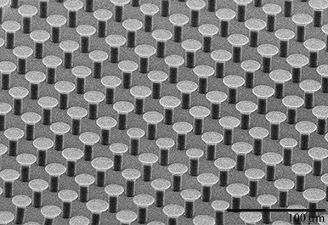
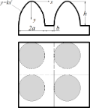
- that bears them [1]. Some insects, spiders, and anoles have fibers with effective diameters of the order of micrometers. Other animals such as the gecko lizard bear micro-scale stalks, which branch down to nano-scale fibers forming intricate hierarchical structures. The common aspect of fibrillar



The surface microstructure of cusps and leaflets in rabbit and mouse heart valves
Beilstein J. Nanotechnol. 2014, 5, 622–629, doi:10.3762/bjnano.5.73
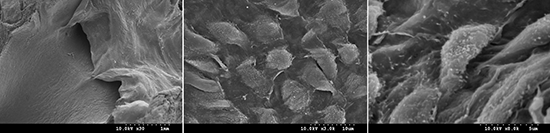
- plant leaves have been studied beginning with the lotus leaf [1][2][3]. Researchers then studied the microstructures of the India canna leaf, the rice leaf, and the leaf of Colocasia esculenta [4][5]. Subsequently, the study of surface microstructures expanded to animals. Researchers studied surface
- /leaflets taken from animals are studied along with the effect of these microstructures on blood flow characteristics. Thus, this study will help improve the hemocompatibility of artificial heart valves. Experimental Sample preparation: The thoracic cavities of the rabbits and the mice were cut open by



Biocalcite, a multifunctional inorganic polymer: Building block for calcareous sponge spicules and bioseed for the synthesis of calcium phosphate-based bone
Beilstein J. Nanotechnol. 2014, 5, 610–621, doi:10.3762/bjnano.5.72
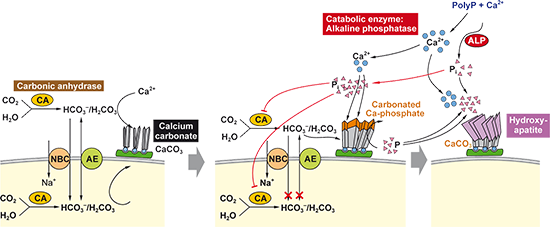
- is the material that builds up the spicules of the calcareous sponges. Recent results revealed that the calcium carbonate/biocalcite-based spicular skeleton of these animals is formed through an enzymatic mechanism, such as the skeleton of the siliceous sponges, evolutionarily the oldest animals that
- complex composite skeleton. This statement can be exemplarily illustrated by comparing different sponge [phylum: Porifera] species. These animals are grouped to the classes of the siliceous sponges, the Hexactinellida and the Demospongia, and the calcareous sponges, the Calcarea [1][2]. Sponges of the
- vesparium, or the hexactinellid Monorhaphis chuni [1][2]. The evolutionary oldest animals on earth to comprise a skeleton formed of biosilica and are found among the siliceous sponges, the Hexactinellida and later in the Demospongiae [3][4], while the mineralized skeletons of the calcareous sponges are



Hairy suckers: the surface microstructure and its possible functional significance in the Octopus vulgaris sucker
Beilstein J. Nanotechnol. 2014, 5, 561–565, doi:10.3762/bjnano.5.66
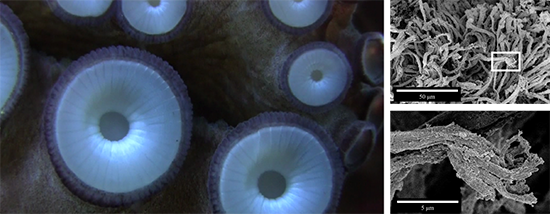
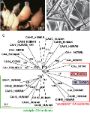
- were analysed. Animals were obtained from licensed fishermen, who captured these animals from the bay of Livorno (Italy) in October 2012 for human consumption. The suckers were taken from freshly killed animals. All facilities and procedures complied with European law (Directive 2010/63/EU). For SEM
- spatulate termini that are well known in the attachment pads of terrestrial animals [12][13]. In the case of the clingfish, it was hypothesised that the amazing tenacity observed for this fish could be related to the hierarchical structure of the hairs (“microvilli”) [3]. Moreover, the absence of spatulate
A catechol biosensor based on electrospun carbon nanofibers
Beilstein J. Nanotechnol. 2014, 5, 346–354, doi:10.3762/bjnano.5.39
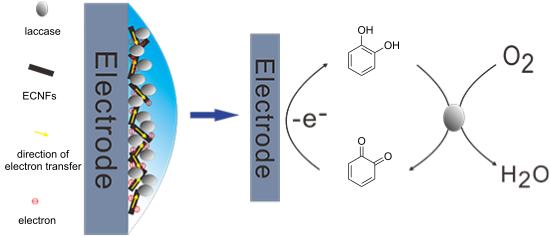
- electrocatalytic properties. However, it is rarely reported that ECNFs were utilized directly in the design of enzyme-based biosensors. Phenolic compounds, which widely occur in processes of agriculture and industry, often cause severe health problems in human beings and animals [28]. So it is important to develop





