


Search results
Search for "assembly" in Full Text gives 575 result(s) in Beilstein Journal of Nanotechnology. Showing first 200.
High-yield synthesis of silver nanowires for transparent conducting PET films
Beilstein J. Nanotechnol. 2021, 12, 624–632, doi:10.3762/bjnano.12.51
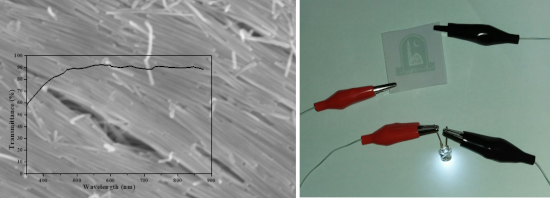
- nanowire interactions. Also, the aligned assembly may not only yield reduced PET film roughness and resistance but also improved transmissivity. Here, AgNWs with lengths and diameters of 3.3–4.7 µm and 75–97 nm, respectively, have been formed in the reaction. The AgNWs with larger diameters yield lower


Influence of electrospray deposition on C60 molecular assemblies
Beilstein J. Nanotechnol. 2021, 12, 552–558, doi:10.3762/bjnano.12.45
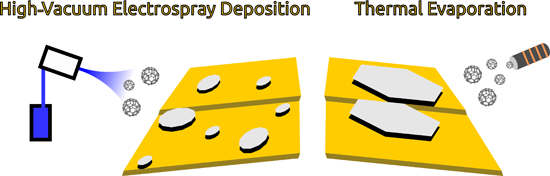
- method can yield single isolated molecules accompanied by surface modifications. Keywords: alkali halide; Au(111); bulk insulator; C60; electrospray; electrospray deposition; fullerene; high-vacuum electrospray deposition (HV-ESD); molecular assembly; nc-AFM; NiO; single molecule; thermal evaporation
- assembly formation. Part 1 describes the Au(111) surface with a significant presence of solvent. Part 2 presents a comparison between HV-ESD and TE for the Ag(111) surface. Part 3 shows defect formation after HV-ESD on a KBr surface. Supporting Information File 46: Additional experimental data Funding


On the stability of microwave-fabricated SERS substrates – chemical and morphological considerations
Beilstein J. Nanotechnol. 2021, 12, 541–551, doi:10.3762/bjnano.12.44
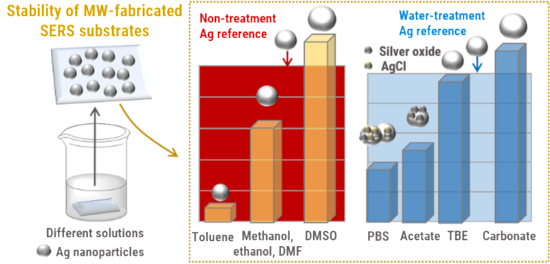
- gaps which can particularly enhance the Raman intensities. Consequently, a lot of research and development efforts have been devoted to the fabrication of high-performance substrates following a wide range of different design concepts. These include, for example, the assembly of colloidal nanoparticles
- drop-coating and self-assembly procedures [20][21][22]. Alternatively, monolayers of nanoparticles can be formed directly on substrates by a microwave-assisted one-step fabrication process [23][24] on glass and silicon-based substrates with different shapes (e.g., on flat substrates as well as inside
- the Raman spectroscopic performance of the SERS substrates. After self-assembly of 4-ATP from an ethanolic solution, the substrates were carefully cleaned with ethanol to ensure a complete removal of molecules that were non-specifically attached to the surface. The formation of a monolayer is ensured


Solution combustion synthesis of a nanometer-scale Co3O4 anode material for Li-ion batteries
Beilstein J. Nanotechnol. 2021, 12, 424–431, doi:10.3762/bjnano.12.34
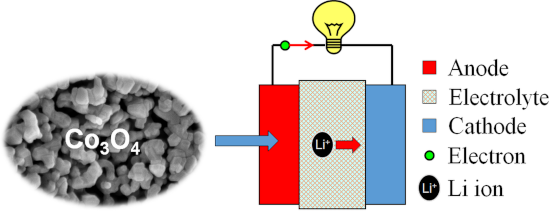
- surface area of the investigated material was determined with the Brunauer–Emmett–Teller (BET) method based on N2 adsorption–desorption measurements performed with a Thermo Scientific Sorptomatic 1990 analyzer. Battery assembly and electrochemical measurements: In order to use the Co3O4 sample as a


Colloidal particle aggregation: mechanism of assembly studied via constructal theory modeling
Beilstein J. Nanotechnol. 2021, 12, 413–423, doi:10.3762/bjnano.12.33
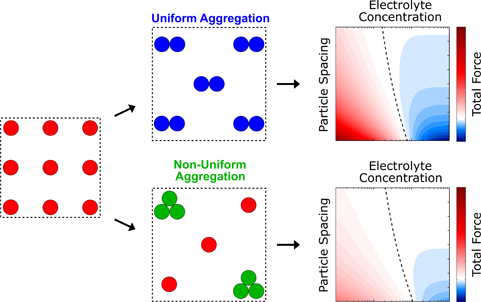
- Scott C. Bukosky Sukrith Dev Monica S. Allen Jeffery W. Allen Air Force Research Laboratory, Munitions Directorate, Eglin AFB, FL 32542, USA 10.3762/bjnano.12.33 Abstract The assembly of colloidal particles into ordered structures is of great importance to a variety of nanoscale applications
- where the precise control and placement of particles is essential. A fundamental understanding of this assembly mechanism is necessary to not only predict, but also to tune the desired properties of a given system. Here, we use constructal theory to develop a theoretical model to explain this mechanism
- with respect to van der Waals and double layer interactions. Preliminary results show that the particle aggregation behavior depends on the initial lattice configuration and solvent properties. Ultimately, our model provides the first constructal framework for predicting the self-assembly of particles




A stretchable triboelectric nanogenerator made of silver-coated glass microspheres for human motion energy harvesting and self-powered sensing applications
Beilstein J. Nanotechnol. 2021, 12, 402–412, doi:10.3762/bjnano.12.32
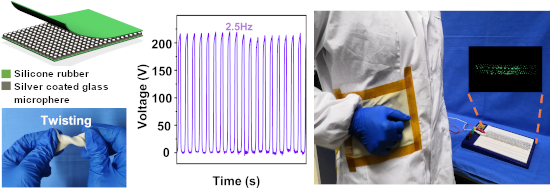
- process, (b) it shows stable output and long working life, which provides sustainable electricity, and (c) due to the unique structural design of the device and the high elasticity of the silicone rubber, the S-TENG can be stretched easily to 300% to realize a conformal assembly in stretchable electronic





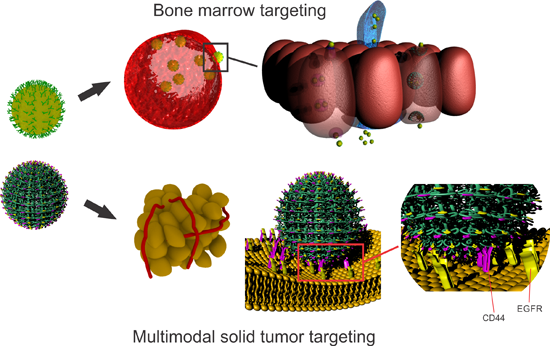
The impact of molecular tumor profiling on the design strategies for targeting myeloid leukemia and EGFR/CD44-positive solid tumors
Beilstein J. Nanotechnol. 2021, 12, 375–401, doi:10.3762/bjnano.12.31


The patterning toolbox FIB-o-mat: Exploiting the full potential of focused helium ions for nanofabrication
Beilstein J. Nanotechnol. 2021, 12, 304–318, doi:10.3762/bjnano.12.25
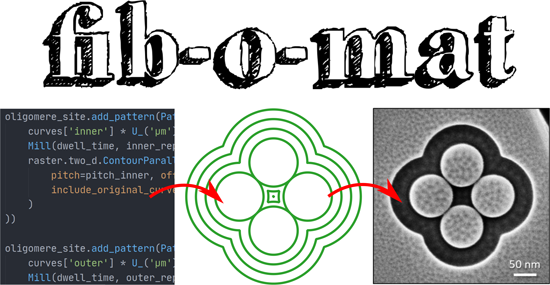
- FIB-o-mat. Here, the point cloud depicted in Figure 3a is not an assembly of pre-defined primitives. Instead, it represents a list of true beam positions. Such lists can be loaded into the microscope software as so-called deflection lists or stream files. FIB-o-mat creates the deflection lists by


Doxorubicin-loaded gold nanorods: a multifunctional chemo-photothermal nanoplatform for cancer management
Beilstein J. Nanotechnol. 2021, 12, 295–303, doi:10.3762/bjnano.12.24
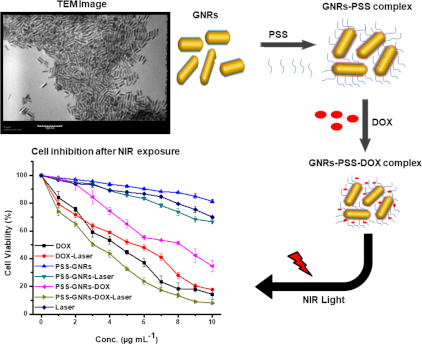
- their surface with PSS. The LSPR peak of the PSS-coated GNRs was slightly redshifted to 783 nm (Figure 1c). The shift of the LSPR peak after PSS coating is due to the side-by-side assembly of the PSS-GNRs [27]. The surface charge of the GNRs changed from strongly positive (+42 mV, due to CTAB presence


Differences in surface chemistry of iron oxide nanoparticles result in different routes of internalization
Beilstein J. Nanotechnol. 2021, 12, 270–281, doi:10.3762/bjnano.12.22
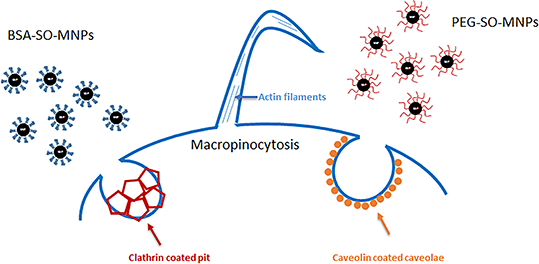
- initiated by the polymerization of clathrin units resulting in the assembly of a basket-like structure (clathrin-coated pit) with a size of 120–150 nm at the inner layer of the plasma membrane [11]. An alternative endocytosis pathway is caveolin-mediated endocytosis (CavME), the second most important route



The nanomorphology of cell surfaces of adhered osteoblasts
Beilstein J. Nanotechnol. 2021, 12, 242–256, doi:10.3762/bjnano.12.20
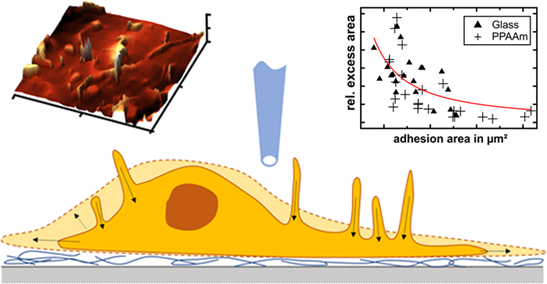
- . Dynamic remodeling of structures, which requires a continuous balance between assembly and disassembly, is well known for cytoskeletal fibers. To quantify the excess membrane of the cells, we fixed the cells already 3 h after adhesion. The reason is that most of the spreading happens in the early phase


Extended iron phthalocyanine islands self-assembled on a Ge(001):H surface
Beilstein J. Nanotechnol. 2021, 12, 232–241, doi:10.3762/bjnano.12.19
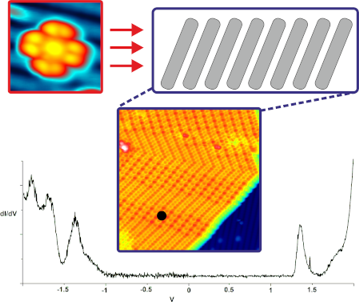
- Rafal Zuzak Marek Szymonski Szymon Godlewski Centre for Nanometer-Scale Science and Advanced Materials, NANOSAM, Faculty of Physics, Astronomy, and Applied Computer Science, Jagiellonian University, Łojasiewicza 11, PL 30-348 Kraków, Poland 10.3762/bjnano.12.19 Abstract Self-assembly of iron(II
- ; iron phthalocyanine (FePc); scanning tunneling microscopy; self-assembly; Introduction The development of molecular circuitry requires the preparation of nanostructures isolated from the influence of the underlying substrate. This is of crucial importance for atomic and single-molecule prototypes, but
- holds also for layered materials. Single-molecule prototypes or molecular nanostructures are often prepared on metals, which usually provide a sufficiently low diffusion barrier for efficient self-assembly and simultaneously allow for in-depth analysis through atomically precise tools from the family of
TiOx/Pt3Ti(111) surface-directed formation of electronically responsive supramolecular assemblies of tungsten oxide clusters
Beilstein J. Nanotechnol. 2021, 12, 203–212, doi:10.3762/bjnano.12.16
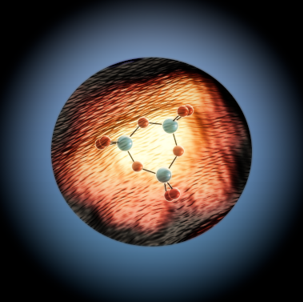
- ]. One possibility to achieve this is to create substrate surfaces, whose characteristics would give rise to the nanostructured metal-oxide self-assembly formation. Herein, we demonstrate the potential of this approach using thermal evaporation of WO3 powder under ultra-high vacuum (UHV) on ultrathin
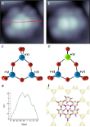
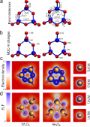
- complex particles with a hexagonal symmetry and a brighter triangle of electron density depicted in the center, which is characteristic of W3O9. Since form and size of the outer lobes of these particles are rather similar to the brighter ones in the center, we proposed a supramolecular assembly of single
- exhibit unique electronic properties [21][23]. Thus, it is not surprising that the adsorption on such positions may result in extraordinary arrangements. As a consequence of this supramolecular assembly, the risen cluster in the center does not have a direct contact with the metallic substrate or with the



Toward graphene textiles in wearable eye tracking systems for human–machine interaction
Beilstein J. Nanotechnol. 2021, 12, 180–189, doi:10.3762/bjnano.12.14
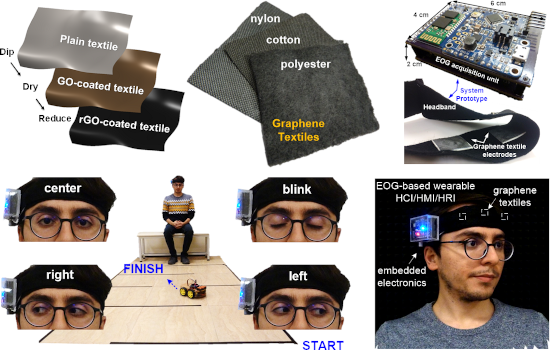
- along with component values and circuit schematic. Vin is connected to the graphene textile, and Vout is connected to the snap button. Both are used to provide the connection of the “active” textile electrode to the signal acquisition unit; insets show the front side of the electrode assembly with the


A review on the green and sustainable synthesis of silver nanoparticles and one-dimensional silver nanostructures
Beilstein J. Nanotechnol. 2021, 12, 102–136, doi:10.3762/bjnano.12.9


Fusion of purple membranes triggered by immobilization on carbon nanomembranes
Beilstein J. Nanotechnol. 2021, 12, 93–101, doi:10.3762/bjnano.12.8
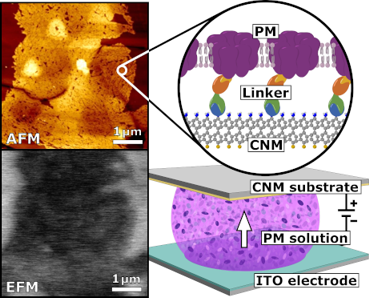
- -standing, large-area PM monolayer remains challenging. Previous approaches for the oriented assembly of PM were based on solid supports [8][29][30] or interfaces between liquids [31][32]. Other approaches, by implementing transmembrane proteins such as BR in lipid bilayers, have so far been used only to
- study protein behavior and also do not provide the means to construct an oriented PM monolayer for potential technical applications [33][34]. In this work, we report the successful assembly of a unidirectionally oriented PM quasi-monolayer on an ultrathin carbon nanomembrane (CNM) substrate. CNMs are
- only a few vacancies could be obtained. Assembly of a stable hybrid membrane The experiments were repeated with a genetically modified species of c-His PM. This species has histidine-tags on every BR molecule and hence is strongly positively charged on the extracellular side. Thus, a chemical complex


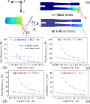
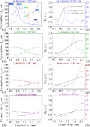
Numerical analysis of vibration modes of a qPlus sensor with a long tip
Beilstein J. Nanotechnol. 2021, 12, 82–92, doi:10.3762/bjnano.12.7
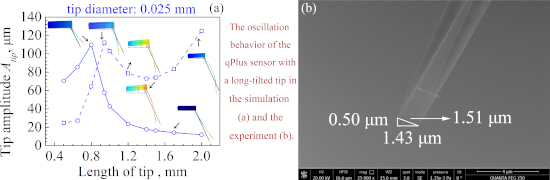
- occurring inside gold and tungsten, we did not assign a damping coefficient to any of these materials to reduce the computational cost, and that (ii) the sensor is oscillating in vacuum. Observation by scanning electron microscope (SEM) Firstly, in this paper, the whole assembly consisting of tuning fork






Towards 3D self-assembled rolled multiwall carbon nanotube structures by spontaneous peel off
Beilstein J. Nanotechnol. 2020, 11, 1865–1872, doi:10.3762/bjnano.11.168
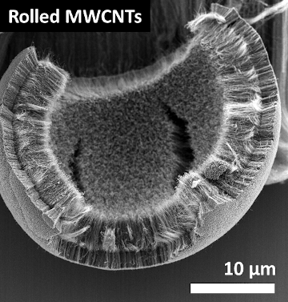
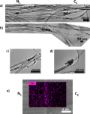
- Jonathan Quinson Department of Chemistry, University of Copenhagen, Universitetsparken 5, 2100 Copenhagen Ø, Denmark Work carried out at: Department of Materials, University of Oxford, Parks Road, Oxford OX1 3PH, United Kingdom 10.3762/bjnano.11.168 Abstract Controlling the 3D assembly of



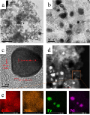
Self-standing heterostructured NiCx-NiFe-NC/biochar as a highly efficient cathode for lithium–oxygen batteries
Beilstein J. Nanotechnol. 2020, 11, 1809–1821, doi:10.3762/bjnano.11.163
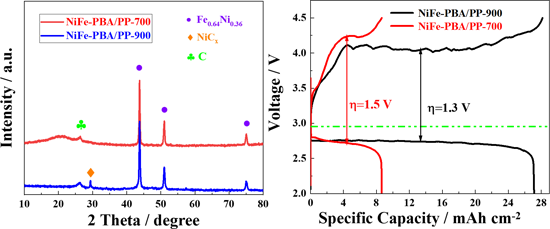
- the anode, and LiCF3SO3 dissolved in tetraethylene glycol dimethyl ether was used as the electrolyte. A glass filter (Whatman grade GF/D) was used as the separator in these coin cells. The cell assembly was carried out in an Ar-filled glove box (H2O < 0.5 ppm, O2 < 0.5 ppm). The sealed coin cells were




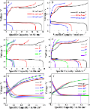


PTCDA adsorption on CaF2 thin films
Beilstein J. Nanotechnol. 2020, 11, 1615–1622, doi:10.3762/bjnano.11.144
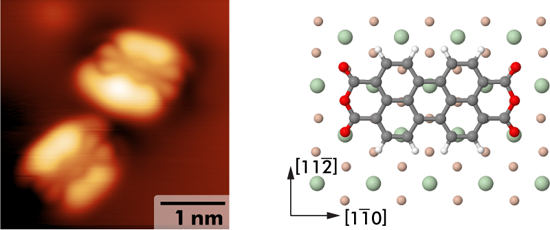
- modern applications, for example as a critical component in organic thin-film transistors [2]. However, and despite the success of using thin insulating NaCl films for molecular decoupling [3], it is now understood that ultrathin layers are often not sufficient to truly insulate a molecular assembly. To


Electrokinetic characterization of synthetic protein nanoparticles
Beilstein J. Nanotechnol. 2020, 11, 1556–1567, doi:10.3762/bjnano.11.138
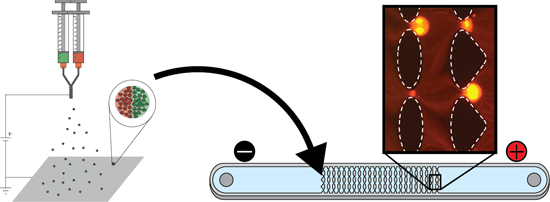
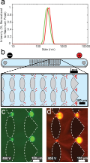
- for producing subcompartments within particles. By localizing proteins at the nanoscale, PNPs could be used to control the release and delivery of therapeutics, theragnostics, and enzymatic cascades [10]. Although previously developed methods to produce PNPs, such as coacervation, self-assembly, and



Optically and electrically driven nanoantennas
Beilstein J. Nanotechnol. 2020, 11, 1542–1545, doi:10.3762/bjnano.11.136

- top-down approaches such as thin film deposition and nanopatterning, as well as bottom-up approaches such as chemical synthesis and self-assembly [38]. Gap sizes may range from a few tens of nanometers down to sub-nanometer tunnel junctions, where the classical description of the plasmonic behavior
- to a sharp tip is refined to a two-step procedure with high throughput. A self-assembly approach to create a dumbbell antenna consisting of a 40 nm and an 80 nm Au nanoparticle at a scanning tip is shown in [48] and applied for single molecule sensitivity imaging. The advantage of applying TERS for
Adsorption and self-assembly of porphyrins on ultrathin CoO films on Ir(100)
Beilstein J. Nanotechnol. 2020, 11, 1516–1524, doi:10.3762/bjnano.11.134
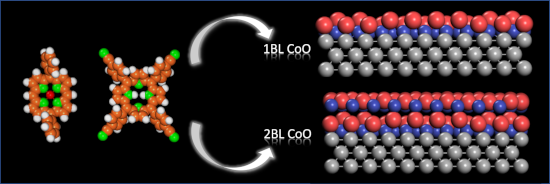
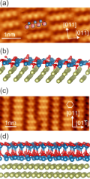
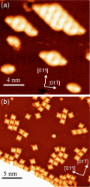
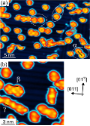
- films on Ir(100) by scanning tunneling microscopy (STM) and density functional theory (DFT). The two substrates differ greatly with respect to their structural and potential-energy landscape corrugation with immediate consequences for adsorption and self-assembly of the molecules studied. On both films
- , due to the rather flat potential landscape, molecular rotation is thermally activated, which effectively prevents self-assembly. The situation is different for 2H-TCNPP, which, due to the additional functional anchoring groups, does not self-assemble on the 1BL film but forms self-assembled compact
- islands on the 2BL film. The findings demonstrate the guiding effect of the cobalt oxide films of different thickness and the effect of functional surface anchoring. Keywords: adsorption energy; molecular rotors; porphyrins; self-assembly; transition metal oxides; Introduction Due to their variability




Self-assembly and spectroscopic fingerprints of photoactive pyrenyl tectons on hBN/Cu(111)
Beilstein J. Nanotechnol. 2020, 11, 1470–1483, doi:10.3762/bjnano.11.130
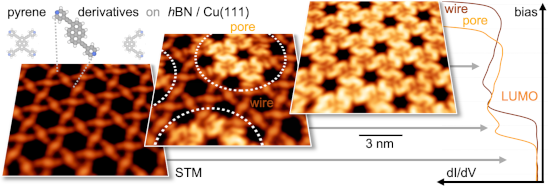
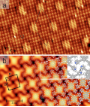
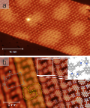
- -like-disubstituted derivatives governed the self-assembly of the pyrenyl core on the nanostructured hBN support, affording dense-packed arrays and intricate porous networks featuring a kagome lattice. Keywords: electronic structure; hexagonal boron nitride; optical properties; pyrene; self-assembly
- electronic and optical properties of molecular tectons and the respective assemblies must be comprehensively characterized [3][4][5][6]. Diverse self-assembly protocols have been extensively explored on metal substrates, and organic–metal interfaces have been analyzed in great detail [7][8]. In many cases
- superstructure: Depending on the registry of the layer and substrate atoms, the surface is divided in areas of low and high local work function, denoted as “pores” and “wires”, respectively [28][29][30][31]. In recent years, our group and others used hBN/Cu(111) to guide the self-assembly of porphyrins [28][32





Wafer-level integration of self-aligned high aspect ratio silicon 3D structures using the MACE method with Au, Pd, Pt, Cu, and Ir
Beilstein J. Nanotechnol. 2020, 11, 1439–1449, doi:10.3762/bjnano.11.128
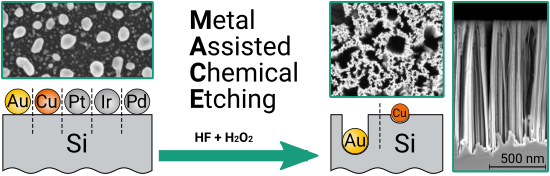
- nanoparticles were used to locally etch the silicon substrate. This work demonstrates a bottom-up self-assembly approach for noble metal nanoparticle formation and the subsequent silicon wet etching. The macroscopic wafer patterning has been done by using a poly(methyl methacrylate) masking layer. Different





