


Search results
Search for "diffusion" in Full Text gives 773 result(s) in Beilstein Journal of Nanotechnology. Showing first 200.
Isolation of cubic Si3P4 in the form of nanocrystals
Beilstein J. Nanotechnol. 2023, 14, 971–979, doi:10.3762/bjnano.14.80
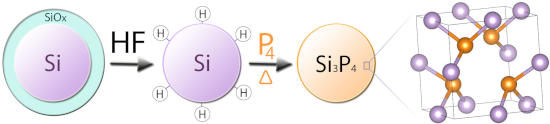
- precursor for diffusion doping of wafers and as anode material for Li-ion batteries. A similar method with a hydrogenation step offers the possibility to obtain other compounds, such as silicon selenides, arsenides, and sulfides. Keywords: ampoule annealing; defective zinc blende structure; DFT
- microcircuits through the introduction of P donors by diffusion doping of wafers with an efficiency comparable to monolayer doping [18] or ion implantation [19]. This paper outlines the successful formation of the cubic Si3P4 phase under mild conditions. The technique developed for this investigation requires
- phosphorus as a dopant. From the outset, phosphorus diffusion through hydrogenated and oxide layers was surmised to be different. In the case of similar previously performed syntheses of Si NPs with an oxide layer [21], phosphorus diffuses deep into the NP cores and distributes rather homogenously with a


Low temperature atomic layer deposition of cobalt using dicobalt hexacarbonyl-1-heptyne as precursor
Beilstein J. Nanotechnol. 2023, 14, 951–963, doi:10.3762/bjnano.14.78
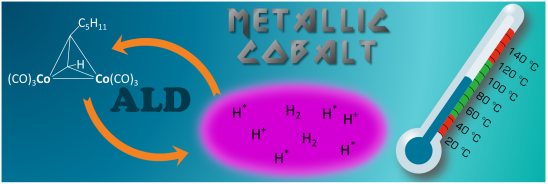
- resistance to electromigration and lowers the tendency to undergo diffusion, giving a higher stability in environments involving both elevated temperature and high current densities [1][3]. In current technology nodes with device dimensions below 10 nm, electron scattering becomes the dominant factor in


Antibody-conjugated nanoparticles for target-specific drug delivery of chemotherapeutics
Beilstein J. Nanotechnol. 2023, 14, 912–926, doi:10.3762/bjnano.14.75
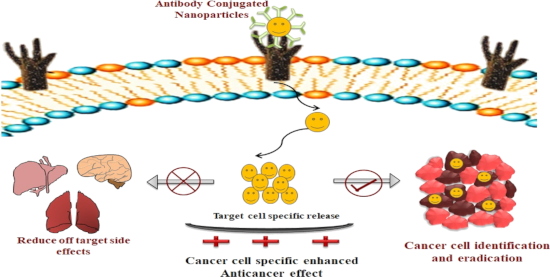
- antigen binding ability. Improper antibody conjugation influences antigen binding affinity and specificity. Once injected into the body, the ACNPs face both physical and biological barriers (such as diffusion, flow and shear forces, aggregation, protein adsorption, phagocytic sequestration, and clearance



Nanostructured lipid carriers containing benznidazole: physicochemical, biopharmaceutical and cellular in vitro studies
Beilstein J. Nanotechnol. 2023, 14, 804–818, doi:10.3762/bjnano.14.66
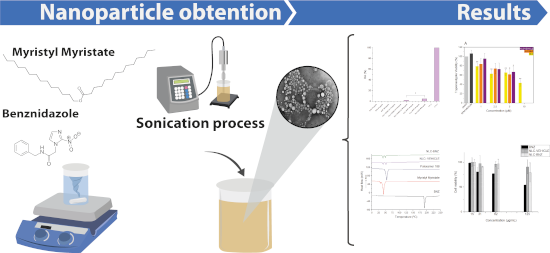
- –Peppas model, also called power law, was initially used to describe drug release in polymeric systems where the two predominant mechanisms were relaxation of the polymer chains and diffusion. In this model (Equation 2), Mt/M∞ is the fraction dissolved, K is a constant that incorporates structural and
- release can be inferred through the value of the release exponent n. For spherical systems, n will take a value of 0.43 for drug release governed by Fickian diffusion, a value of 1 for zero-order release, and intermediate values for intermediate behavior, often regarded as anomalous transport. In our case
- , the estimated value of n was 0.56, suggesting mixed release mechanisms at play with a strong contribution of diffusion. As in our case there is no polymer relaxation involved, it may be hypothesized that the burst effect could be slightly affecting the global kinetics of the process [35]. Although


Silver-based SERS substrates fabricated using a 3D printed microfluidic device
Beilstein J. Nanotechnol. 2023, 14, 793–803, doi:10.3762/bjnano.14.65
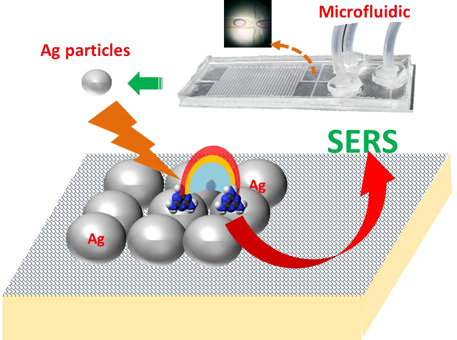
- reactants in segmented flow and oil in continuous flow. They can control the reaction rates by mass transfer through convection and diffusion [20][21]. Furthermore, droplet-based microfluidic devices are frequently utilized to synthesize complex materials of uniform size, as each droplet can function as a



Silver nanoparticles loaded on lactose/alginate: in situ synthesis, catalytic degradation, and pH-dependent antibacterial activity
Beilstein J. Nanotechnol. 2023, 14, 781–792, doi:10.3762/bjnano.14.64
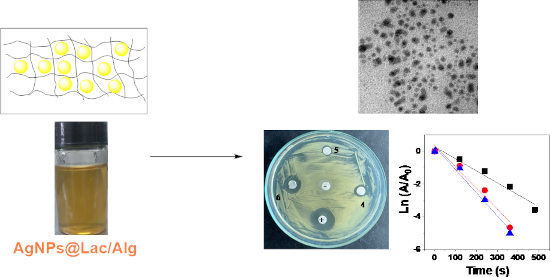
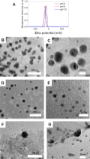
- microbial strains S. aureus (Gram-positive) and S. typhi (Gram-negative) using the disk diffusion method at different pH values. To establish the bioactivity of the nanocomposite, antibacterial assays were also conducted in media with different pH values without the nanocomposite. These resulted in no
- to experiment antibacterial activity. The solutions with pH 4, 6, and 12 were also used to determine stability of the nanocomposite through zeta potential measurements and TEM. The disk diffusion method was employed to assay the antibacterial activity of the samples [52]. In order to conduct the


In situ magnesiothermic reduction synthesis of a Ge@C composite for high-performance lithium-ion batterie anodes
Beilstein J. Nanotechnol. 2023, 14, 751–761, doi:10.3762/bjnano.14.62
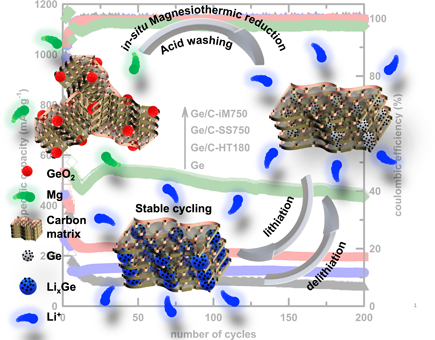
- the low-frequency region. The former component is characteristic of charge transfer resistance, while the latter presents the diffusion of ions in the solid phase. Compared to the pure Ge electrode, the diameters of the semicircle are smaller in the Ge@C electrodes because of the higher electrical
- elements (CPE) [65]. According to Table 2, the charge transfer resistances of all Ge@C electrodes are much lower than the values of the pure Ge electrode, and Ge/C-iM750 exhibits the lowest value. The ionic conductivity was evaluated using the lithium-ion diffusion coefficient () using the following


Control of morphology and crystallinity of CNTs in flame synthesis with one-dimensional reaction zone
Beilstein J. Nanotechnol. 2023, 14, 741–750, doi:10.3762/bjnano.14.61
- difficult to achieve in a highly heterogeneous environment. Therefore, the analysis of the properties of the reaction zone within the flame is critical for the optimal growth of CNTs. In the present study, a comprehensive comparison between the CNT synthesis using a methane diffusion flame and a premixed
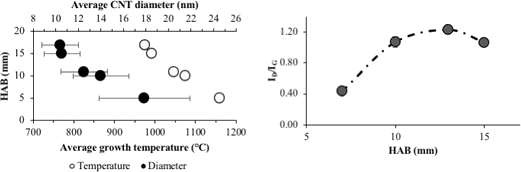
- significant difference in temperature distribution between the two flames causes a difference in the characteristics of the growth products. In the diffusion flame, the growth is limited to specific regions at certain height-above-burner (HAB) values with a temperature range of 750 to 950 °C at varying radial
- control to achieve stable growth conditions. Yet, achieving independent parametric control in flame synthesis is a challenging task. In a diffusion flame, specific locations within the flame are imperative and conducive for CNT growth, depending on height above burner (HAB), local distance from the flame


Cross-sectional Kelvin probe force microscopy on III–V epitaxial multilayer stacks: challenges and perspectives
Beilstein J. Nanotechnol. 2023, 14, 725–737, doi:10.3762/bjnano.14.59
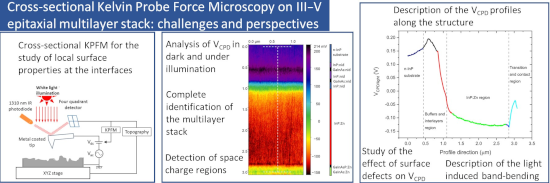
- 1 × 1018 cm−3. The three Zn doping levels of InP layers were purposely inverted along the growth direction to facilitate electrochemical capacitance–voltage (ECV) characterization due to the strong Zn diffusion. The InP:Zn and the GaInAsP:Zn layers were epitaxially grown at a surface temperature of
- KELSCAN [13], which evaluates the contact potential and surface photovoltage as a function of the position. The Silvaco ATLAS model solves the Poisson equation self-consistently coupled to carrier continuity and transport equations in the well-known drift diffusion model, which is given detail in [22] and
- space charge that extends for around 0.16 μm inside the first InP:Zn region. As a matter of fact, the diffusion of Zn impurities is likely to occur due to the high temperatures required for the growth of the material and the high diffusion coefficient of Zn in InP [30]. Therefore, the true spatial


A graphene quantum dots–glassy carbon electrode-based electrochemical sensor for monitoring malathion
Beilstein J. Nanotechnol. 2023, 14, 701–710, doi:10.3762/bjnano.14.56
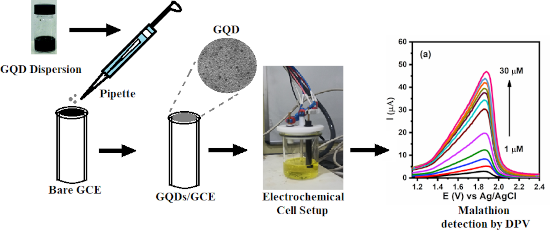
- the electrode are diffusion-controlled, and the linear relationship (R2 = 0.9674) between peak height and scan rate suggests an enhanced electrochemical activity. Electrochemical detection of malathion Using the modified working GQDs/GCE electrode as electrochemical sensor, a differential pulse


Humidity-dependent electrical performance of CuO nanowire networks studied by electrochemical impedance spectroscopy
Beilstein J. Nanotechnol. 2023, 14, 683–691, doi:10.3762/bjnano.14.54
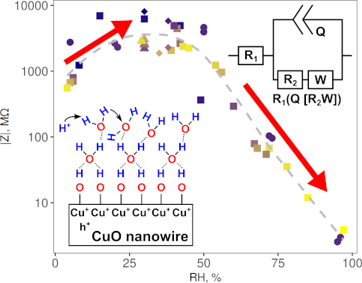
- , e.g., RH 73% and 95%, Figure 2a). A small tail at low frequencies (RH 95%, Figure 2a inset) corresponds to the appearance of a Warburg element W in the equivalent circuit (Figure 2b), which may be attributed to diffusion processes from liquids at high humidity. The values of impedance magnitude and
- the physisorbed water layer grows [27][32]. At RH above 60% (Figure 4b) the Warburg element appears and it grows with increasing the humidity, which suggests increased contribution of the diffusion processes to the total impedance with increased thickness of the water layer adsorbed at the nanowire


Metal-organic framework-based nanomaterials as opto-electrochemical sensors for the detection of antibiotics and hormones: A review
Beilstein J. Nanotechnol. 2023, 14, 631–673, doi:10.3762/bjnano.14.52
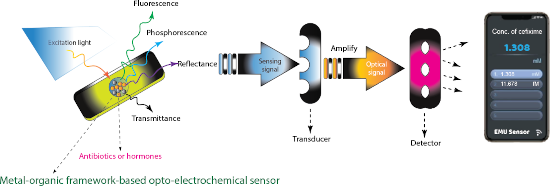
- 100 nm are the main choice for the design of electrochemical sensors. These characteristics all combine to improve the electrochemical process. A sensing or working electrode that acts as a transducer, an electrolyte, a diffusion barrier, and a reference counter electrode are the common components of


Nanoarchitectonics to entrap living cells in silica-based systems: encapsulations with yolk–shell and sepiolite nanomaterials
Beilstein J. Nanotechnol. 2023, 14, 522–534, doi:10.3762/bjnano.14.43
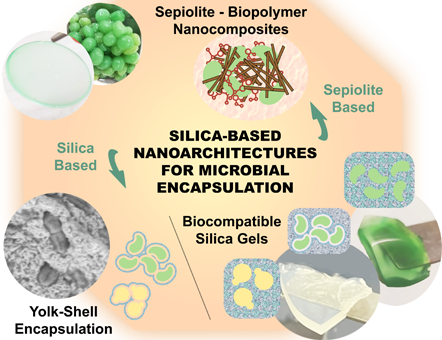
- –alginate biohybrid beads strongly limit the diffusion of metabolites, as we determined by means of diffusion studies using Congo red and crystal violet dyes (Supporting Information File 1, Figure S1). It can be concluded that the developed sepiolite–biopolymer nanostructured materials exhibit interesting
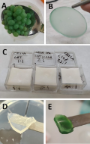
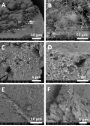


Conjugated photothermal materials and structure design for solar steam generation
Beilstein J. Nanotechnol. 2023, 14, 454–466, doi:10.3762/bjnano.14.36
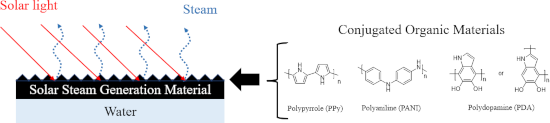
- , yielding a temperature profile based on the optical absorption and bulk/surface recombination properties. Here, the photothermal effect refers to this temperature distribution caused by the diffusion and recombination of optically excited carriers. In organic materials, the delocalization of electrons in π


Molecular nanoarchitectonics: unification of nanotechnology and molecular/materials science
Beilstein J. Nanotechnol. 2023, 14, 434–453, doi:10.3762/bjnano.14.35
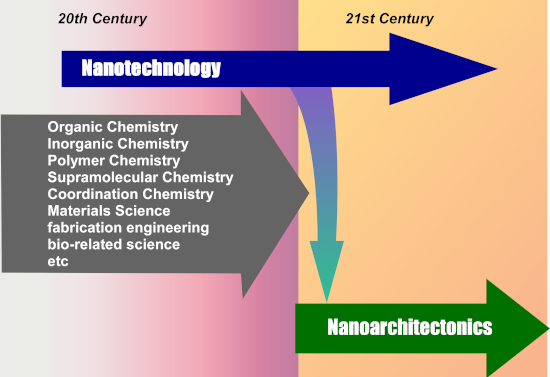
- water impermeability of the bilayer membrane causes one-dimensional swelling and diffusion, and the hydrophobic aggregates act as sacrificial bonds to yield high mechanical strength and toughness during deformation. The abovementioned general examples could be involved in parts of nanoarchitectonics





Plasmonic nanotechnology for photothermal applications – an evaluation
Beilstein J. Nanotechnol. 2023, 14, 380–419, doi:10.3762/bjnano.14.33
- through pump–probe laser spectroscopy [83]. From the slope of this transient reflectivity curve, the coupling constant is arrived at, from which the lattice temperature is calculated through the two-temperature model by means of two coupled diffusion equations, where Te and Tl are, respectively, the


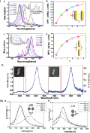


Quercetin- and caffeic acid-functionalized chitosan-capped colloidal silver nanoparticles: one-pot synthesis, characterization, and anticancer and antibacterial activities
Beilstein J. Nanotechnol. 2023, 14, 362–376, doi:10.3762/bjnano.14.31
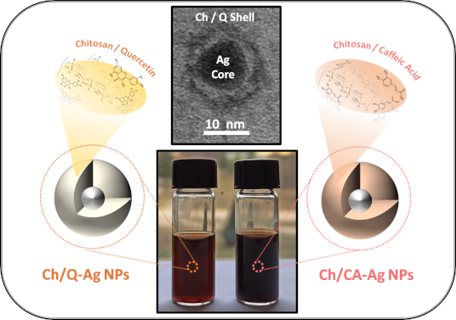
- strains of S. aureus (ATCC 25923), S. epidermidis (ATCC 12228), P. aeruginosa (ATCC 27853), and E. coli (ATCC 8739), which are generally opportunistic pathogens, were used in the study. The antibacterial activity of diluted nanoparticle solutions was investigated by the agar disc diffusion method. The
- studied against Gram-negative (P. aeruginosa and E. coli) and Gram-positive (S. aureus and S. epidermidis) bacteria using the disc diffusion method. The inhibition zone diameters obtained after adding Ch/Q- and Ch/CA-Ag NPs in three different concentrations (1/1, 1/3, and 1/5 dilutions) are presented in
- (ampicillin and amikacin) in terms of inhibition zone diameters by disc diffusion. Values in parentheses indicate the dilution ratios from the stock NPs and the measured diameters. A p-value of 0.05 was considered a statistical significance level. Supporting Information Supporting Information File 10


The steep road to nonviral nanomedicines: Frequent challenges and culprits in designing nanoparticles for gene therapy
Beilstein J. Nanotechnol. 2023, 14, 351–361, doi:10.3762/bjnano.14.30
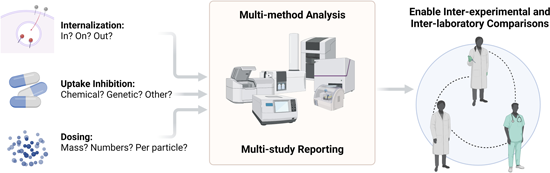
- within the nanoparticle and, thus, in preventing the diffusion and association of probe molecules [6]. For these types of assays, it is very common for the result of concentration measurements to be significantly lower than those obtained from free NAT systems with identical concentrations. Inclusion of

Polymer nanoparticles from low-energy nanoemulsions for biomedical applications
Beilstein J. Nanotechnol. 2023, 14, 339–350, doi:10.3762/bjnano.14.29
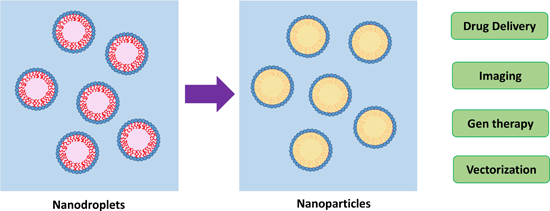
- the solvent can also be removed by selective diffusion [22]. The emulsion solvent evaporation method enables the use of biocompatible polymers, thermolabile compounds, and low-toxicity surfactants. The nanoparticle size can be tuned by formulation parameters and since the nanoparticles are directly
- encapsulated in these ethyl cellulose nanoparticles by dissolving it in the hydrophobic droplet phase of the starting nanoemulsions. The drug release from the nanoparticles appeared to follow a coupled diffusion/relaxation model. Nanoemulsions containing ethyl cellulose have also been prepared at room
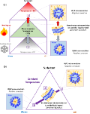


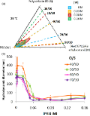


Overview of mechanism and consequences of endothelial leakiness caused by metal and polymeric nanoparticles
Beilstein J. Nanotechnol. 2023, 14, 329–338, doi:10.3762/bjnano.14.28
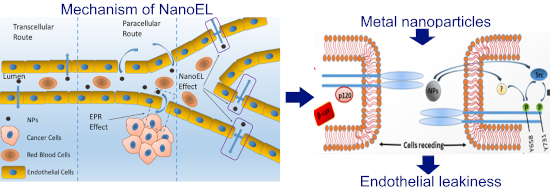
- on the physiology of the organ. The continuous endothelium is characterized by the lowest permeability. Most organs possess a continuous endothelium, which allows for diffusion of water and small molecules. Transporters, pumps, transcytosis, and ligand–receptor interactions are used to transport


Bismuth-based nanostructured photocatalysts for the remediation of antibiotics and organic dyes
Beilstein J. Nanotechnol. 2023, 14, 291–321, doi:10.3762/bjnano.14.26
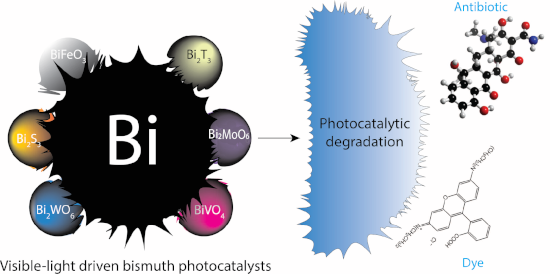
- nanodots), dimension, and particle size of the photocatalyst. Functional properties such as bandgap, optoelectronic properties, surface area, photoresponse, and magnetic properties depend on particle size and morphology of Bi-based photocatalysts. For instance, the charge diffusion path can be decreased by
- photocatalysis over the past few years due to their distinct optical and electronic characteristics [42][88][106]. Simple strain relaxation and short diffusion paths are benefits of 1-D nanostructured materials and are advantageous for the separation of photogenerated carriers [102]. 1-D spindle-like BiVO4
- nanostructures with oriented carrier transport, high optical performance, and a short carrier diffusion length, for instance, were prepared by Li and co-workers [42]. The photodegradation rates of ciprofloxacin and tetracycline were, respectively, 94.8% and 81.1% after 1 h. Additionally, Lin et al. [122


Nanotechnology – a robust tool for fighting the challenges of drug resistance in non-small cell lung cancer
Beilstein J. Nanotechnol. 2023, 14, 240–261, doi:10.3762/bjnano.14.23
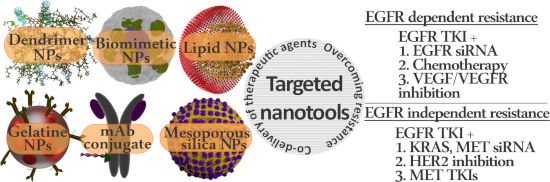
- targeting efficacy of nanomedicines. Various solutions have been proposed to improve mononuclear phagocytic system (MPS) evasion, extravasation at the tumor site, and diffusion through the dense collagen matrix of the solid tumors. Biomimetic, multifunctional, and multistage targeted nanoscale delivery
- nanosized drug delivery carriers: Mixed-layer and multilayered nanocarriers with bioresponsive and cleavable layers, possessing different functional properties for improving the enhanced permeability and retention (EPR) effect, diffusion in the tumor microenvironment, cellular internalization and
- , the pH-responsive linker between HA and PEG is hydrolyzed, leading to the cleavage of the HA layer. This, in turn, decreases the NP size and enables faster tumor diffusion, improved internalization, and drug release at the site of action. These nanocarriers exhibited a high degree of tumor homing, low


Spin dynamics in superconductor/ferromagnetic insulator hybrid structures with precessing magnetization
Beilstein J. Nanotechnol. 2023, 14, 233–239, doi:10.3762/bjnano.14.22
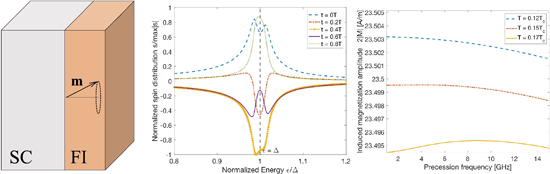
- superconducting condensate in the weak proximity effect regime can be described via the nonstationary Usadel equation [18][19][30]: where is the stationary BCS superconducting order parameter matrix [28], D is the diffusion constant, is the auxiliary matrix in Nambu–spin-Keldysh space, is the time convolution


A novel approach to pulsed laser deposition of platinum catalyst on carbon particles for use in polymer electrolyte membrane fuel cells
Beilstein J. Nanotechnol. 2023, 14, 190–204, doi:10.3762/bjnano.14.19
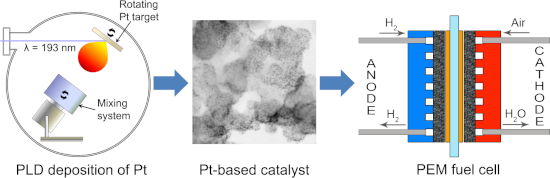
- to deposit Pt for the cathode of PEM fuel cells only in a few studies, and in all of them only on gas diffusion layers of carbon fabric or on proton conductive Nafion membrane [27][32][33]. According to our knowledge, no studies have been reported on the PLD deposition of Pt catalyst on carbon
- losses [33]. These losses result accordingly from the necessity to overcome the activation barriers of electrode reactions, the non-zero internal resistance of the cell, and resistance of diffusion and convection of the substrates and products of the electrode reactions. All losses coincide at each point
- the catalytic and diffusion layers. The microscopic water droplets must leave the MEA and the cell, but in some cases, they are temporarily trapped in the diffusion layer or the flow fields. The presence of water results in a temporary decrease of the current due to the transport resistance increase



Formation of nanoflowers: Au and Ni silicide cores surrounded by SiOx branches
Beilstein J. Nanotechnol. 2023, 14, 133–140, doi:10.3762/bjnano.14.14
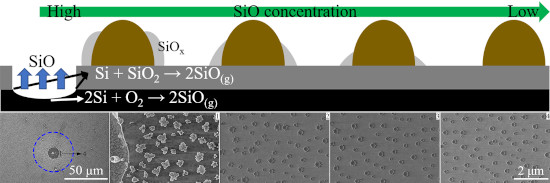
- ][4], dewetting of the Au/Ni bilayers and diffusion of Au and Ni atoms from the bilayers to the SiO2/Si interface begin at high temperatures. Simultaneously, decomposition is initiated at the SiO2/Si interface, and it can be strengthened by the diffused Au and Ni atoms to finally form the
- nm. XRD patterns of the dewetted systems after annealing at 1050 °C. The standard data of Au (PDF 03-065-2870) and Ni (PDF 03-065-0380) are listed. Formation mechanisms at elevated temperatures. (a) As-deposited bilayers and Au/Ni diffusion along nanochannels (dashed lines) in the SiO2 layer. All





