Search results
Search for "light" in Full Text gives 1532 result(s) in Beilstein Journal of Nanotechnology. Showing first 200.
Clays enhanced with niobium: potential in wastewater treatment and reuse as pigment with antibacterial activity
Beilstein J. Nanotechnol. 2025, 16, 141–154, doi:10.3762/bjnano.16.13
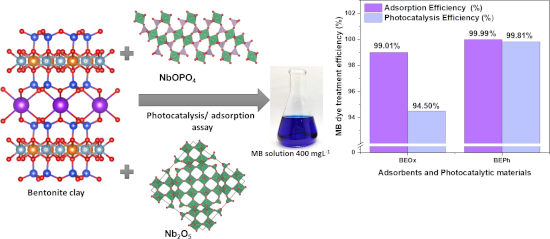
- color of MB in wastewater reduces light penetration into aquatic organisms, disturbing the balance of the ecosystem and harming various forms of life [3]. Effluents and water bodies containing MB require prioritized treatment due to its adverse effect on water quality. Therefore, it is crucial to
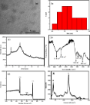
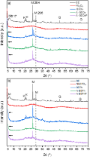
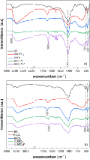
- clay/Nb suspension was continuously stirred for 72 h at 65 °C. The color of the bentonite modified with niobium changes to light yellow (Figure 1b,c). Finally, after being cooled to room temperature, the suspensions were subjected to thermal treatment at 500 °C, with a heating rate of 5 °C/min. These
- out considering ambient light conditions in the laboratory. Following the adsorption process, the clay/Nb samples were centrifuged at 3500 rpm for 10 min, and the final concentration of the solutions was determined using a UV–vis spectrophotometer. These samples were named A-BEPh and A-BEOx to



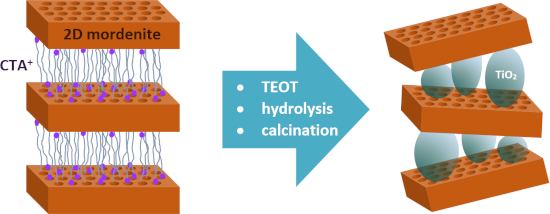
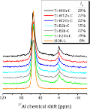
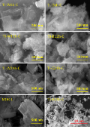
TiO2 immobilized on 2D mordenite: effect of hydrolysis conditions on structural, textural, and optical characteristics of the nanocomposites
Beilstein J. Nanotechnol. 2025, 16, 128–140, doi:10.3762/bjnano.16.12
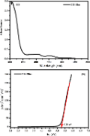
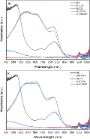
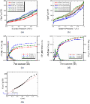
- studied nanocomposites transformed using Equation 6 with n = 2 (since TiO2 is an indirect bandgap semiconductor). Semiconductor materials are characterized by a steep linear increase in light absorption with increasing energy. The bandgap energy can be estimated from the point of intersection of the x



Comparison of organic and inorganic hole transport layers in double perovskite material-based solar cell
Beilstein J. Nanotechnol. 2025, 16, 119–127, doi:10.3762/bjnano.16.11
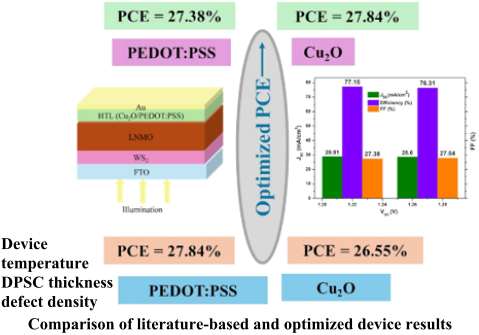
- 2009 to 26.1% in 2023 [5][6]. PSCs consist of an absorber layer sandwiched between charge transport layers (CTLs), that is, the hole transport layer (HTL) and the electron transport layer (ETL). Light generates excitons, which further dissociate into electrons and holes. The electrons and holes are
- to device instability [18]. In this manuscript, La2NiMnO6 (LNMO) is used as a double perovskite light absorbing layer for the device structure FTO/WS2/LNMO/HTL/Au, where WS2 is used as ETL. We optimize the La2NiMnO6 double perovskite with respect to organic (PEDOT:PSS) and inorganic (Cu2O) HTLs. This
- ETL, and NiO was used as HTL, with La2NiMnO6 as absorber [25]. The DPSC showed promising characteristics. Applications of double perovskite compounds include fuel cells, UV sensors, electrochemical sensors, indoor photovoltaics, and light-emitting diodes [26]. Double perovskite LNMO nanoparticles and


Nanocarriers and macrophage interaction: from a potential hurdle to an alternative therapeutic strategy
Beilstein J. Nanotechnol. 2025, 16, 97–118, doi:10.3762/bjnano.16.10
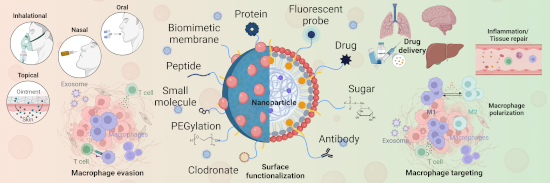
- cancer cells upon near-infrared light exposure, significantly reducing tumor size with minimal damage to surrounding tissues [99]. Moreover, NCs can be designed to deliver immunomodulatory agents, such as checkpoint inhibitors or cytokines, directly to the tumor microenvironment to enhance antitumor


Modeling and simulation of carbon-nanocomposite-based gas sensors
Beilstein J. Nanotechnol. 2025, 16, 90–96, doi:10.3762/bjnano.16.9
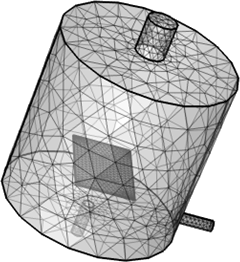
- range from mild headaches and light headedness to sudden death or permanent brain damage. In houses as well as workplaces, it is important to ensure the constant monitoring of enclosed areas for carbon monoxide presence because of the severe risks to human health. Traditional CO sensors, although



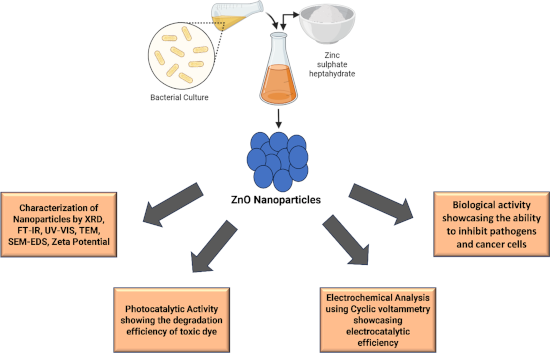
Characterization of ZnO nanoparticles synthesized using probiotic Lactiplantibacillus plantarum GP258
Beilstein J. Nanotechnol. 2025, 16, 78–89, doi:10.3762/bjnano.16.8
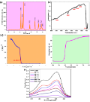
- photocatalyst and 20 ppm of MB dye was exposed to UV light in order to initiate photodegradation. Measurements were taken at 15 min intervals to track the reduction in MB dye concentration. UV–visible spectrophotometry was used to measure the absorbance at 663 nm. Under UV irradiation, the photodegradation of
- showed significant photocatalytic activity by degrading methylene blue under UV illumination, achieving a remarkable 74.15% decolorization within 60 min, with a slightly lower energy of UV light, that is, 392 nm whereas above authors reported 385 nm. Our ZnO NPs shows a zeta potential value of −60 mV
- ppm dye solution containing 60 mg of ZnO NPs. The solution was irradiated with UV light at 392 nm, and aliquots were collected in 15 min intervals for spectrophotometric analysis using the Shimadzu UV-2600 double-beam spectrophotometer. CV and EIS were conducted using a CHI608E analyzer with a three



Instance maps as an organising concept for complex experimental workflows as demonstrated for (nano)material safety research
Beilstein J. Nanotechnol. 2025, 16, 57–77, doi:10.3762/bjnano.16.7

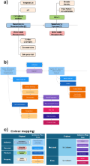
- laboratory under a 16:8 hours light/dark cycle. The steps involved in maintaining the daphnia and the algae on which they feed are shown in the instance map of Figure 5. Third-brood daphniids are used for all ecotoxicity experiments (i.e., acute and chronic toxicity testing) to ensure optimum genetic health
- focused on silica (SiO2) nanomaterials in the size range of 50–100 nm (depending on the method used, i.e., transmission electron microscopy, nanoparticle tracking analysis, or dynamic light scattering (intensity or number distribution)) with different surface modifications, which are reported to be


Advanced atomic force microscopy techniques V
Beilstein J. Nanotechnol. 2025, 16, 54–56, doi:10.3762/bjnano.16.6

- oscillation amplitude yields a signal with a complex temporal structure. This is due to the interferometer signal being limited in amplitude by the spatial periodicity of the cavity light field. By the fit of a model function to the measured time-domain interferometer signal, all displacement signal
- parameters can precisely be determined regardless of the oscillation amplitude. As the periodicity of the cavity light field scales with the length standard given by the laser light wavelength, this specifically facilitates a calibration of the oscillation amplitude with unprecedented accuracy and precision
Theoretical study of the electronic and optical properties of a composite formed by the zeolite NaA and a magnetite cluster
Beilstein J. Nanotechnol. 2025, 16, 44–53, doi:10.3762/bjnano.16.5
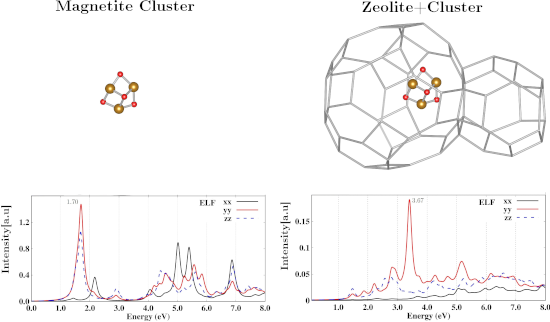
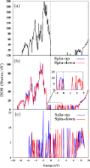
- evident that for energies below 6.8 eV (the value that corresponds to the zeolite bandgap), the value of ε2 is practically zero. Under such circumstances, the velocity (v) of electromagnetic wave propagation in a dielectric medium can be described as , where c is the speed of light in a vacuum. Within




Precursor sticking coefficient determination from indented deposits fabricated by electron beam induced deposition
Beilstein J. Nanotechnol. 2025, 16, 35–43, doi:10.3762/bjnano.16.4

- (C6H6)2 at room temperature are almost two orders of magnitude lower. Despite the fact that the investigations in these works have been performed for relatively light molecules (≈72 g/mole) compared to Cr(C6H6)2 (208 g/mole) or Me3CpPtMe (319 g/mole), these findings may shed light on the adsorption


A nanocarrier containing carboxylic and histamine groups with dual action: acetylcholine hydrolysis and antidote atropine delivery
Beilstein J. Nanotechnol. 2025, 16, 11–24, doi:10.3762/bjnano.16.2

- corresponds to the hydrodynamic diameter of p(Hist-CA), while the latter one relates to the size of aggregates. The average molecular weight (M) of the aggregate was determined using the static light scattering (SLS) Debye plot. The plot of KC/Rθ against C, where K is the Debye constant, C is the
- than that of free Fl because of self-quenching within the confined core and light screening by the polymer shell. Notably, the addition of individual Hist-RA or CA-RA, or of their mixture does not significantly impact Fl emission intensity (Supporting Information File 1, Figure S6a). Similarly
- weighed on a Sartorius CP2P microbalance (Germany) in tin capsules. Quantitative measurements and data analysis were performed with Callidus 4.1 software. Hydrodynamic size and molecular weight were analyzed with a ZetaSizer Nano dynamic light scattering photon correlation spectrometer from Malvern, UK


Orientation-dependent photonic bandgaps in gold-dust weevil scales and their titania bioreplicates
Beilstein J. Nanotechnol. 2025, 16, 1–10, doi:10.3762/bjnano.16.1
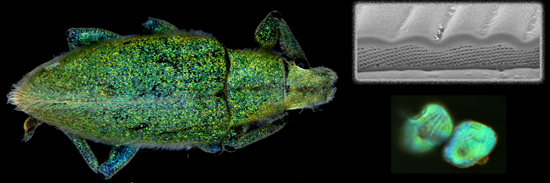
- crystallites with different lattice orientations. The reciprocal space images and reflection spectra obtained from single domains indicated a partial photonic bandgap in the wavelength range from 450 to 650 nm. Light reflected from {111}-oriented domains is green-yellow. Light reflected from blue, {100
- }-oriented domains exhibits polarization conversion, rotating the angle of linearly polarized light. The overall coloration, resulting from the reflections from many scales, is close to uniformly diffuse because of the random orientation of the domains. Using titania sol–gel chemistry, we produced negative
- achieved when light interacts with a material having a periodically changing refractive index. Interference produces structural colors that may be quite saturated and angle-dependent (iridescent). Structurally colored materials feature refractive index variations in one, two, or three dimensions [1][2]. In


Attempts to preserve and visualize protein corona on the surface of biological nanoparticles in blood serum using photomodification
Beilstein J. Nanotechnol. 2024, 15, 1654–1666, doi:10.3762/bjnano.15.130

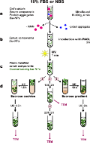
- -modified serum proteins to the surface of bio-NPs, the sera were exposed to UV light with a wavelength of 310 nm and 8.2 mW/cm2 for 1 min. Sera that were not photomodified served as a control. Thus, we obtained FBS and NBS samples containing bio-NPs carrying proteins bound by the photomodifier to the



Fabrication of hafnium-based nanoparticles and nanostructures using picosecond laser ablation
Beilstein J. Nanotechnol. 2024, 15, 1639–1653, doi:10.3762/bjnano.15.129
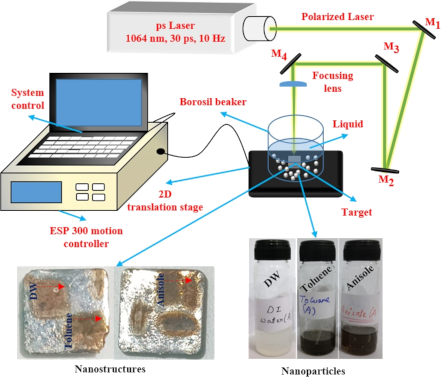
- properties make Hf metal suitable for laser patterning of sub-wavelength-size structures, and the choice of the liquid for LAL enables the variation of feature size. We have used linearly polarised light in the present study. The orientation of the LIPSS depends on the polarization and rotates with the input




Natural nanofibers embedded in the seed mucilage envelope: composite hydrogels with specific adhesive and frictional properties
Beilstein J. Nanotechnol. 2024, 15, 1603–1618, doi:10.3762/bjnano.15.126
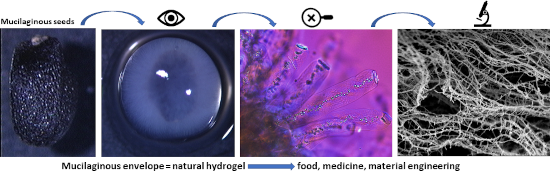
- spontaneously. The mucilage envelope can act as a lens focusing the light and locally increasing temperature [4]. The temperature increase possibly activates enzymes involved in the germination processes [5]. This could happen to Ocimum basilicum seeds (as well as to seeds of other plant taxa) under natural


Liver-targeting iron oxide nanoparticles and their complexes with plant extracts for biocompatibility
Beilstein J. Nanotechnol. 2024, 15, 1593–1602, doi:10.3762/bjnano.15.125
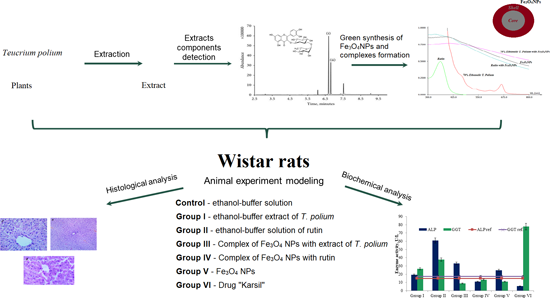
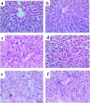
- liver tissue sections were stained with hematoxylin and eosin according to standard techniques [64]. The histological preparations were analyzed using light microscopy on an AmScope microscope (USA), and microphotographs of the liver tissue samples were obtained using an AmScope MU500 5MP digital camera


Facile synthesis of size-tunable L-carnosine-capped silver nanoparticles and their role in metal ion sensing and catalytic degradation of p-nitrophenol
Beilstein J. Nanotechnol. 2024, 15, 1576–1592, doi:10.3762/bjnano.15.124
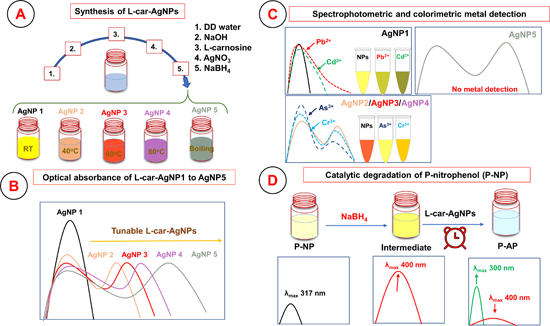
- Raman spectra of ʟ-carnosine-capped silver nanoparticles, as well as ʟ-carnosine, as solid and in aqueous solution, were recorded at RT using an excitation source of 532 nm. The light source was a diode-pumped solid-state Nd3+:YAG laser (Cobolt Samba 0532-01-0500-500, Cobolt AB, Sweden). For solid ʟ
- -carnosine solutions were analyzed using a standard cuvette (1 cm), and the Raman-scattered light was collected at an angle of 180°. The Raman signal detection was achieved with a charge-coupled device (CCD, Synapse, Horiba Jobin Yvon) attached to a monochromator (LabRAM HR800, Horiba Jobin Yvon, France) and
- cuvette, and the spectral changes were monitored as the reaction progressed. The reaction mixture consisted of an aqueous solution of P-NP (0.25 and 1 mM) and 0.1 M NaBH4 to which ʟ-car-AgNPs were added. It was noticed that, upon introducing NaBH4, the light yellow color changes to intense yellow-green




Ultrablack color in velvet ant cuticle
Beilstein J. Nanotechnol. 2024, 15, 1554–1565, doi:10.3762/bjnano.15.122

- specialized cuticle, characterized by microstructures that effectively minimize reflectance and enhance light absorption. Optical spectrometry confirmed the ultrablack nature of the cuticle, with the measured reflectance approaching minimal levels across a broad spectrum of wavelengths. Therefore, our study
- risen considerable interest in recent years because of its potential applications in various fields, including optics, camouflage, and solar energy harvesting [1][2]. These colors are characterized by their ability to reflect an exceptionally low amount of visible light. Inspired by several biological
- pigmentation originates from the interaction of light with arrays of microlenses on the cuticle or overlapping brush-like scales positioned just above a densely pigmented absorbing layer. Similar phenomena can be observed in butterflies [11][12], birds [13], and snakes [14][15]. This intricately structured



The round-robin approach applied to nanoinformatics: consensus prediction of nanomaterials zeta potential
Beilstein J. Nanotechnol. 2024, 15, 1536–1553, doi:10.3762/bjnano.15.121
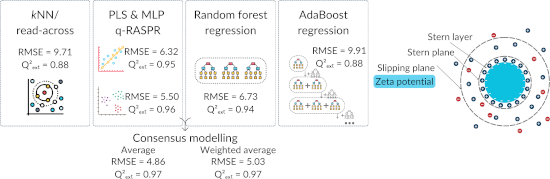
- [36], the following four were included in this study because of the completeness of the data (absence of data gaps): the NMs’ core chemistry, coating, morphology, and hydrodynamic diameter measured using dynamic light scattering (DLS). The ZP of the NMs was measured in water (pH 6.5–8.5). To enrich


Polymer lipid hybrid nanoparticles for phytochemical delivery: challenges, progress, and future prospects
Beilstein J. Nanotechnol. 2024, 15, 1473–1497, doi:10.3762/bjnano.15.118
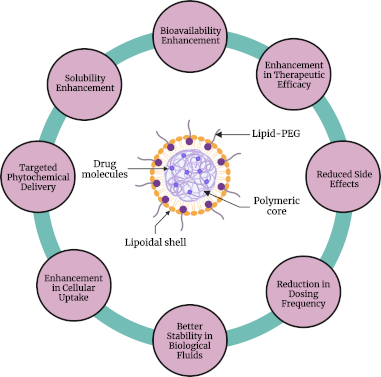
- and intestinal absorption after oral administration, which results in very limited oral bioavailability. Further, THQ is sensitive to light and pH, shows poor stability in biological fluids, is extensively metabolized in the liver, rapidly eliminated from the body, and shows a very short biological


Strain-induced bandgap engineering in 2D ψ-graphene materials: a first-principles study
Beilstein J. Nanotechnol. 2024, 15, 1440–1452, doi:10.3762/bjnano.15.116
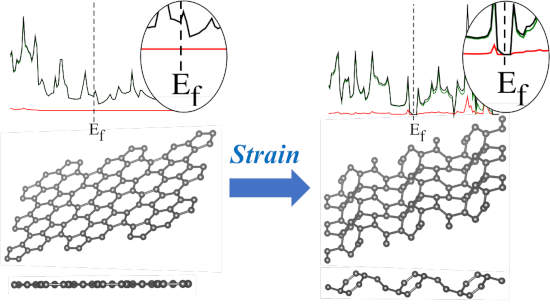
- calculations and concluded that ψ-graphene has the potential to be employed in infrared (IR) sensors, ultraviolet (UV) optomechanical sensors, and visible-light sensors [39]. Li et al. theoretically reported a maximum theoretical storage capacity of 372 mAh·g−1 for Li, showing its capability to be utilized as


Ion-induced surface reactions and deposition from Pt(CO)2Cl2 and Pt(CO)2Br2
Beilstein J. Nanotechnol. 2024, 15, 1427–1439, doi:10.3762/bjnano.15.115

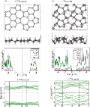
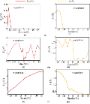
- ; however, light ion (He+ and H2+) irradiation resulted in very inefficient physical sputtering of Pt as compared to C atoms and therefore produced nearly pure Pt films for sufficiently high ion doses. The present study aims to elucidate the role of precursor and ion identities in FIBID by evaluating the
- of any chlorine although carbon and oxygen are observed. We ascribe the presence of carbon and oxygen to be in part due to the adsorption of background CO in the growth chamber onto the exposed Pt surface as it was warmed to room temperature. Light Ar+ sputtering significantly reduces the
- compound by sublimation at 30–35 °C at 125 ± 1 mTorr, a light-yellow solid (0.28 g, yield 80%) was obtained. 13C NMR (CDCl3, 500 MHz) δ 152.34 (1JC–Pt = 1546 Hz); IR (CH2Cl2, Figure S1, Supporting Information File 1): νco 2129, 2170 cm−1. cis-Pt(CO)2Cl2 The compound was prepared according to a literature



Lithium niobate on insulator: an emerging nanophotonic crystal for optimized light control
Beilstein J. Nanotechnol. 2024, 15, 1415–1426, doi:10.3762/bjnano.15.114
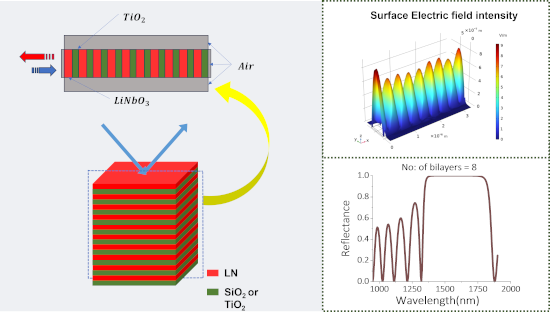
- manipulate the transmission of light modes, similar to how nanostructures have been utilized to regulate electron-related phenomena. Here we study the optical performance of a one-dimensional stacked photonic crystal based on LN and TiO2/SiO2. We studied the quarter wavelength multi-layered stack using
- electromagnetic simulation. The forbidden-frequency region indifferent from the bulk material has been observed around 1.55 µm. A high refractive index and non-linear optical and electro-optical properties enable LN to be used for more efficient manipulation of light. The highly reflective quarternary stack can
- arranged in a certain direction. The periodicity is proportional to the wavelength of light that lies in its photonic bandgap (PBG) [1]. The presence of the PBG and the potential ability to tune its position to match specific frequencies is perhaps the most attractive quality of PhC [2]. The specific


Various CVD-grown ZnO nanostructures for nanodevices and interdisciplinary applications
Beilstein J. Nanotechnol. 2024, 15, 1390–1399, doi:10.3762/bjnano.15.112
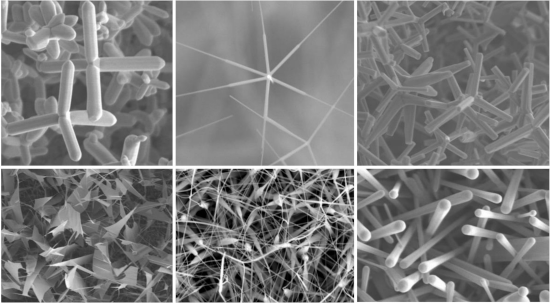
- comparison to other compounds [4][5][6]. Specifically, its large bandgap energy Eg ≈ 3.4 eV is comparable to GaN – a typical material for blue-light-emitting diode (LED) technology [7][8]. Also, its exciton binding energy is higher than the thermal energy at 300 K, and it has high-quality optical



Green synthesis of carbon dot structures from Rheum Ribes and Schottky diode fabrication
Beilstein J. Nanotechnol. 2024, 15, 1369–1375, doi:10.3762/bjnano.15.110
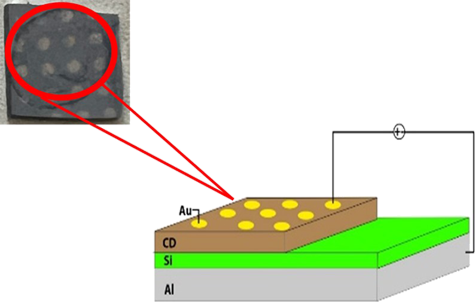
- range of uses in the fields of electrocatalysis, bioimaging, chemical sensors, biosensors, nanomedicine, biomolecule/drug release, light-emitting diodes, and photocatalysts. They also have promising applications in areas such as lasers and optoelectronic device applications [2][3][4][5]. CDs can be