Search results
Search for "reactivity" in Full Text gives 283 result(s) in Beilstein Journal of Nanotechnology. Showing first 200.
Improved catalytic combustion of methane using CuO nanobelts with predominantly (001) surfaces
Beilstein J. Nanotechnol. 2018, 9, 2526–2532, doi:10.3762/bjnano.9.235
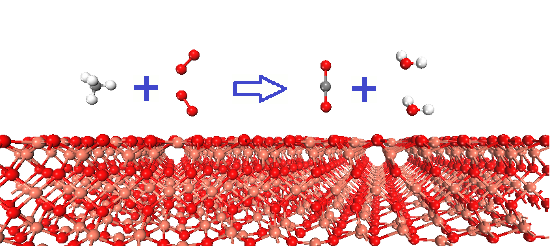
- most metal oxides. To improve the reactivity of metal oxides, surfaces with high energy (and thus low surface area), namely minority surfaces, may offer new opportunities. Although minority surfaces often diminish quickly during crystal growth due to their low stability, they can be stabilized by
- controlling the synthesis conditions, as previously demonstrated in the literature [18][19][20]. In terms of reactivity, minority surfaces have a large amount of lowly coordinated atoms that can be actively involved in surface reactions, including adsorbing CH4 and stabilizing intermediates [7]. Following
- shows high reactivity due to the high ratio of lowly coordinated oxygen – a feature that has been employed for gas sensing and Li-ion batteries [21]. Now we turn to the experimental validation, starting with the synthesis of CuO nanowires (NWs) and CuO nanobelts (NBs) comprised of predominantly (001


Nanocellulose: Recent advances and its prospects in environmental remediation
Beilstein J. Nanotechnol. 2018, 9, 2479–2498, doi:10.3762/bjnano.9.232
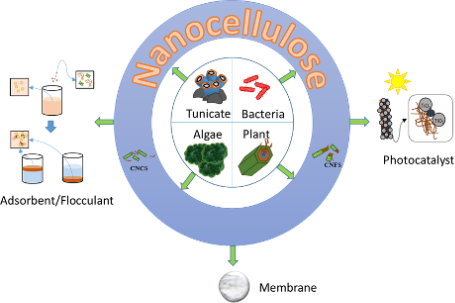
- morphologies and have various functions (e.g., adsorbents, catalysts, or membranes). The high reactivity and high surface area of nanomaterials are some of the notable features which provide an advantage in environmental remediation over other conventional alternatives [1]. Promising materials such as
- multiple carboxy functional groups for the adsorption of uranium(VI) and cobalt(II). The co-polymerization of itaconic acid and methacrylic acid was able to introduce three carboxy functionalities which increased reactivity and hydrophilicity for effective removal of the metal ions from the aqueous


Block copolymers for designing nanostructured porous coatings
Beilstein J. Nanotechnol. 2018, 9, 2332–2344, doi:10.3762/bjnano.9.218
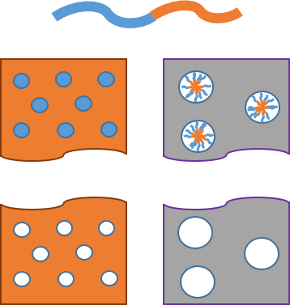
- functionalities, reactivity). Since the scientific literature describing the properties of BCs is extremely vast, this review will only consider (and analyze in detail) the works and the technical discussion relevant for this review. Moreover, for simplicity, only the scientific literature describing polystyrene
- its specific debonding reactivity toward the aliphatic ether functionalities forming the PEO chains [88]. Furthermore, they tried also to obtain a monolithic nanoporous material with nanochannels of ≈10 nm width [61]. Unfortunately, the extremely harsh conditions due to the aqueous hydrogen iodine


Dumbbell gold nanoparticle dimer antennas with advanced optical properties
Beilstein J. Nanotechnol. 2018, 9, 2188–2197, doi:10.3762/bjnano.9.205
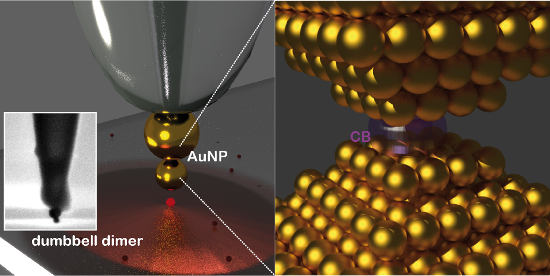
- , to be well-suited as SERS substrates [54][55]. The high reactivity of CB[n]s with Au surfaces may lead to the uncontrolled formation nanoparticle aggregates in solution, and often prevents a controlled self-assembly into dimers or small oligomer structures. However, using guided assembly by taking




Electrospun one-dimensional nanostructures: a new horizon for gas sensing materials
Beilstein J. Nanotechnol. 2018, 9, 2128–2170, doi:10.3762/bjnano.9.202
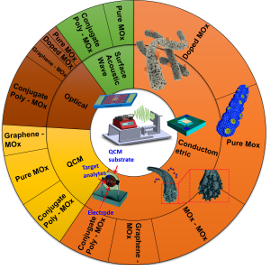
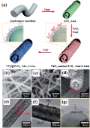
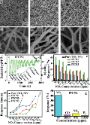
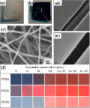
- ratio, high surface active sites, high specific surface area and reactivity [12][13]. Among these nanostructured materials, one-dimensional (1D) materials are known to be highly suitable candidates due to their higher surface energy, increased number of reactive sites, effective charge carrier transport






The structural and chemical basis of temporary adhesion in the sea star Asterina gibbosa
Beilstein J. Nanotechnol. 2018, 9, 2071–2086, doi:10.3762/bjnano.9.196
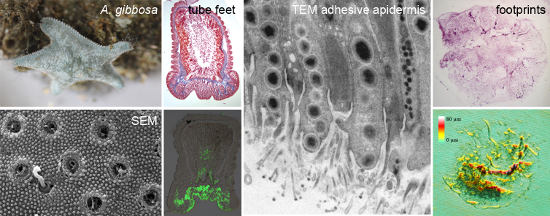
- interference microscopy, and atomic force microscopy (AFM). A. gibbosa tube feet and footprints were labelled with antibodies raised against the adhesive protein Sfp1 from A. rubens, but no cross-reactivity was observed. To detect carbohydrate moieties, we performed lectin labelling with 24 commercially


Metal-free catalysis based on nitrogen-doped carbon nanomaterials: a photoelectron spectroscopy point of view
Beilstein J. Nanotechnol. 2018, 9, 2015–2031, doi:10.3762/bjnano.9.191
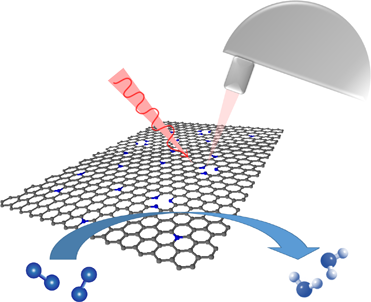
- ], a key feature of a working electrode. Therefore, graphene may be used in many fields where CNTs have been already used. The excellent mechanical properties, low reactivity and high stability [23] ensure a long-time use as a catalyst under working conditions. Another very important property of
- turn, be active sites. A change of the reactivity can be thus obtained in a controllable way for systematic optimization. Changing the structure of current metal catalysts in order to study their dynamic behavior is a difficult task and rarely investigated [36]. In contrast, this is routinely done with
- graphene and carbon nanotubes. Among the strategies adopted to dope graphene, heteroatom doping is a promising way to improve its reactivity by introducing active sites that facilitate the interaction with foreign gases already at room temperature [29]. Heteroatoms change the electronic properties of




Cryochemical synthesis of ultrasmall, highly crystalline, nanostructured metal oxides and salts
Beilstein J. Nanotechnol. 2018, 9, 1755–1763, doi:10.3762/bjnano.9.166
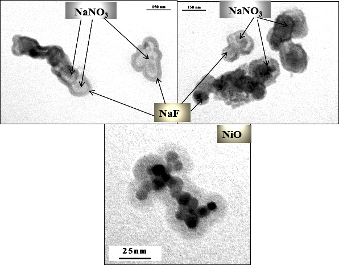
- industry and have applications in medical and biological research. Sergeev et al. have shown that the particle size is an active variable that together with other thermodynamic variables determines the state and reactivity of the system, whereby nanoparticles can promote chemical reactions which are not


Friction force microscopy of tribochemistry and interfacial ageing for the SiOx/Si/Au system
Beilstein J. Nanotechnol. 2018, 9, 1647–1658, doi:10.3762/bjnano.9.157
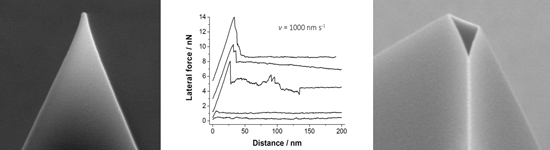
- reactivity between tip and surface occurred faster when sliding Au/Si tips on reactive Si(100) than for SiOx/Si tips. The difference can be explained by the thickness of the oxide layer on the tip, which is thinner for Au coated tips than for the oxide-sharpened SiOx/Si tips. Furthermore, the highly reactive




Cr(VI) remediation from aqueous environment through modified-TiO2-mediated photocatalytic reduction
Beilstein J. Nanotechnol. 2018, 9, 1448–1470, doi:10.3762/bjnano.9.137
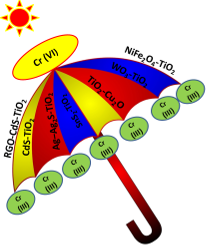
- photocatalytic behavior towards reduction of Cr(VI) under UV and visible light irradiation. The enhanced photocatalytic performance may be attributed to its accessible pore volume, appropriate band edge positions and specific reactivity of the crystal phase. Photocatalytic reduction of Cr(VI) proceeds with


Chemistry for electron-induced nanofabrication
Beilstein J. Nanotechnol. 2018, 9, 1317–1320, doi:10.3762/bjnano.9.124

- potential. In fact, the composition and spatial resolution of deposits fabricated by FEBID depend on a delicate interplay of electron-induced and thermal precursor chemistry with the reactivity of the surface where these reactions take place, and with precursor transport to and on the surface. Novel
Understanding the performance and mechanism of Mg-containing oxides as support catalysts in the thermal dry reforming of methane
Beilstein J. Nanotechnol. 2018, 9, 1162–1183, doi:10.3762/bjnano.9.108
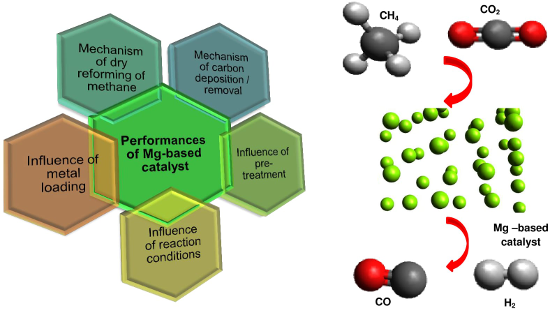
- reactivity. Promoters can be classified as small amounts of additives to active metals or support. The promoter of supports is used to prevent unwanted catalyst activity, such as carbon deposition, while promoters are added to active components to enhance reaction activity [90]. The activity and stability of
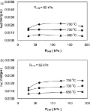
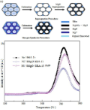
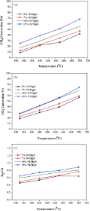
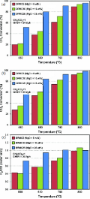
- and 13 wt %, respectively). Based on the reactivity in DRM, both NiMg/Al2O3 catalysts prepared via different methods showed similar CO2 conversion of 27% at a reaction temperature of 600 °C, whereas the NiMg/Al2O3 catalyst prepared via the impregnation method showed a slightly higher CO2 conversion of






Review on nanoparticles and nanostructured materials: history, sources, toxicity and regulations
Beilstein J. Nanotechnol. 2018, 9, 1050–1074, doi:10.3762/bjnano.9.98



Enzymatically promoted release of organic molecules linked to magnetic nanoparticles
Beilstein J. Nanotechnol. 2018, 9, 986–999, doi:10.3762/bjnano.9.92
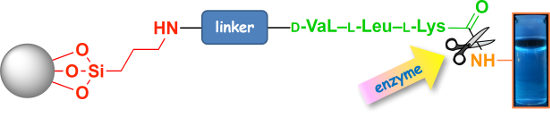
- possible when the tripeptide specifier is anchored to magnetic NPs, the reaction rate is considerably lower. Clearly, the presence of the nanoparticles influences the enzymatic activity. We think that the length and nature of the spacer is of great importance in affecting the reactivity. Although we




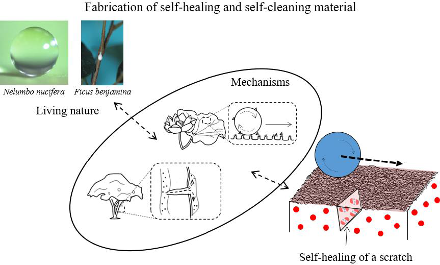
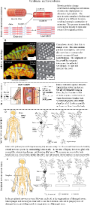
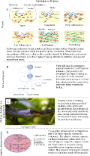
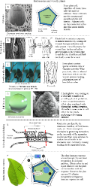
Bioinspired self-healing materials: lessons from nature
Beilstein J. Nanotechnol. 2018, 9, 907–935, doi:10.3762/bjnano.9.85






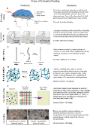


Towards the third dimension in direct electron beam writing of silver
Beilstein J. Nanotechnol. 2018, 9, 842–849, doi:10.3762/bjnano.9.78
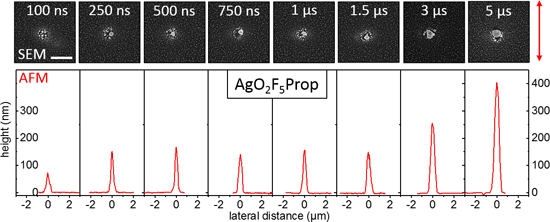
- in the planar deposits. Hence, we conclude that the actual silver content is higher and closer to that of the planar deposits. We attribute the observed high silver contents to the low precursor flux and the high reactivity of the used silver carboxylates. A recent study investigated the dependency


Noble metal-modified titania with visible-light activity for the decomposition of microorganisms
Beilstein J. Nanotechnol. 2018, 9, 829–841, doi:10.3762/bjnano.9.77
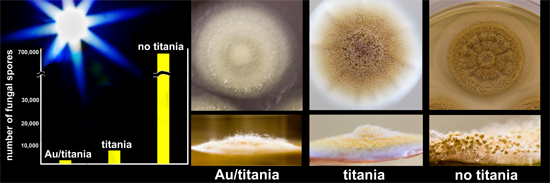
- microorganisms, and silver coins thrown into the water prolonged its freshness [4][5][6]. Recent advances in nanotechnology enable to utilize size-dependent properties of nanomaterials, such as high specific surface area, high reactivity, quantum-size effects and plasmonic properties. Nanosilver and nanogold


Heavy-metal detectors based on modified ferrite nanoparticles
Beilstein J. Nanotechnol. 2018, 9, 762–770, doi:10.3762/bjnano.9.69
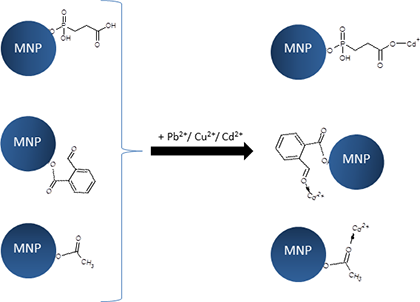
- of applied medications [2]. Also, one can imagine sensors based on nanostructures possessing very high sensitivity towards particular species due to the high surface area and specific reactivity [3][4]. However, very often not only surface termination but also core composition is of crucial


A review of carbon-based and non-carbon-based catalyst supports for the selective catalytic reduction of nitric oxide
Beilstein J. Nanotechnol. 2018, 9, 740–761, doi:10.3762/bjnano.9.68
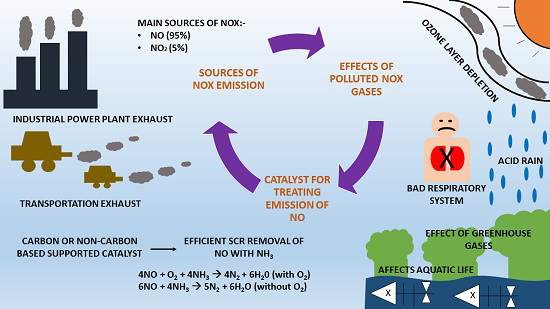
Tuning adhesion forces between functionalized gold colloidal nanoparticles and silicon AFM tips: role of ligands and capillary forces
Beilstein J. Nanotechnol. 2018, 9, 660–670, doi:10.3762/bjnano.9.61
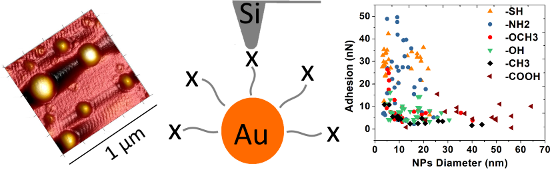
- –OH functional group compared to those of –NH2 and –SH groups, a higher adhesion value might have been expected. However, this high polarity of the tail group also confers a high reactivity to Au NPs, especially with contamination in air. As a result, the final adhesive behavior of the Au coated NPs
- that under ambient conditions an adsorbed thin water film exists at the NPs–substrate interface, that should increase the capillary forces and indirectly the adhesion between NPs and tip. On the other hand, high polarity of –COOH group increases the reactivity of NPs with airborne contaminants, which


Mechanistic insights into plasmonic photocatalysts in utilizing visible light
Beilstein J. Nanotechnol. 2018, 9, 628–648, doi:10.3762/bjnano.9.59
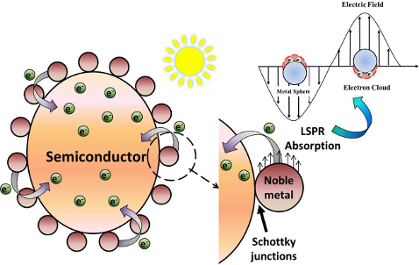
- vapour under aerobic conditions, whereby photocatalysis involving oxygen (O2) and water (H2O) as reaction species is vital. The species to which oxygen converts with high reactivity are generally called reactive oxygen species (ROSs) and four such major ROSs are recognized, namely hydroxyl radical (•OH
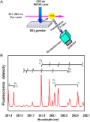
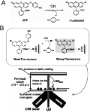
- various ROSs, the rate constant of •OH is almost at the diffusion limit and hence the reactivity of •OH is considerably high. The detection methods utilized for •OH in photocatalysis are focussed on (1) laser-induced fluorescence (LIF), (2) spin-trapping ESR and (3) fluorescent probe methods. Laser





Review: Electrostatically actuated nanobeam-based nanoelectromechanical switches – materials solutions and operational conditions
Beilstein J. Nanotechnol. 2018, 9, 271–300, doi:10.3762/bjnano.9.29


Anchoring of a dye precursor on NiO(001) studied by non-contact atomic force microscopy
Beilstein J. Nanotechnol. 2018, 9, 242–249, doi:10.3762/bjnano.9.26
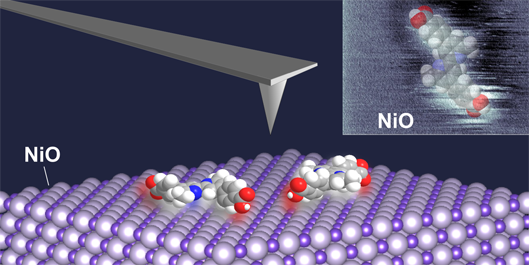
- lie between 3.5 and 4.3 eV [25][26][27][28][29], and given that scanning tunnelling microscopy (STM) can only be performed on thin NiO films grown on metals [30][31], non-contact atomic force microscopy (nc-AFM) in ultra-high vacuum is the technique of choice. Due to its hardness and high reactivity



Atomic layer deposition and properties of ZrO2/Fe2O3 thin films
Beilstein J. Nanotechnol. 2018, 9, 119–128, doi:10.3762/bjnano.9.14
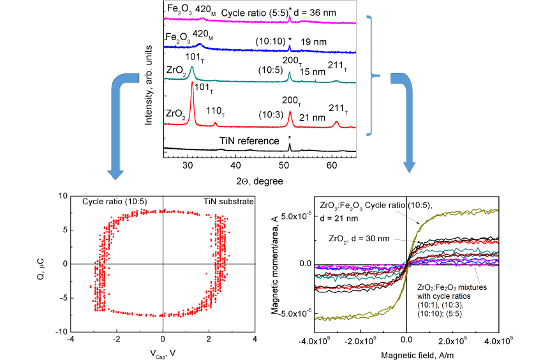
- towards the trailing edge. One can recognize this phenomenon on the basis of the curves in Figure 1. The extent of the profile depends on the reactivity of the precursors, process temperature, and pulse time parameters, and has been experimentally observed, for example, in an early study devoted to ALD of


Electron-driven and thermal chemistry during water-assisted purification of platinum nanomaterials generated by electron beam induced deposition
Beilstein J. Nanotechnol. 2018, 9, 77–90, doi:10.3762/bjnano.9.10
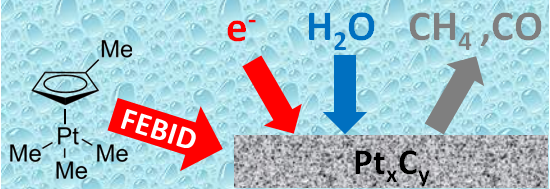
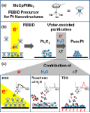
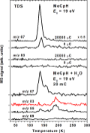
- that FEBID deposits produced from MeCpPtMe3 can be purified by electron irradiation in the presence of H2O vapour [12] implies that as a consequence of electron exposure the deposit reacts readily with H2O. To resolve under which conditions this reactivity sets in, thin condensed layers of MeCpPtMe3