Search results
Search for "room temperature" in Full Text gives 1452 result(s) in Beilstein Journal of Nanotechnology. Showing first 200.
Effect of radiation-induced vacancy saturation on the first-order phase transformation in nanoparticles: insights from a model
Beilstein J. Nanotechnol. 2024, 15, 1453–1472, doi:10.3762/bjnano.15.117

- based on the fact that the movement of dislocations is impeded by particle surfaces (grain boundaries) quite rapidly. For example, a transmission electron microscopy study (irradiation with Kr ions at 1 MeV at room temperature and an average defect generation rate of about 2 × 10⁻³ dpa·s−1) showed that


Ion-induced surface reactions and deposition from Pt(CO)2Cl2 and Pt(CO)2Br2
Beilstein J. Nanotechnol. 2024, 15, 1427–1439, doi:10.3762/bjnano.15.115

- where a substrate at room temperature is exposed to a constant flux of Pt(CO)2Cl2 molecules and Ar+ ions. Results The mass spectra in Figure 1 identify the volatile species produced from Ar+ ion irradiation of Pt(13CO)2Cl2. The UHV chamber background gases (H2, H2O, and 12CO/N2) and Ar (Ar2+, m/z 20; Ar
- of any chlorine although carbon and oxygen are observed. We ascribe the presence of carbon and oxygen to be in part due to the adsorption of background CO in the growth chamber onto the exposed Pt surface as it was warmed to room temperature. Light Ar+ sputtering significantly reduces the
- vessel was charged with PtBr2 (0.31 g, 0.88 mmol), a magnetic stir bar and dry DCE (30 mL). The glass pressure vessel was placed in a 300 mL Parr reactor for 2 h at room temperature under CO (150 psi). The temperature was then increased to 110 °C by a sand bath, and the reaction mixture was stirred for



Lithium niobate on insulator: an emerging nanophotonic crystal for optimized light control
Beilstein J. Nanotechnol. 2024, 15, 1415–1426, doi:10.3762/bjnano.15.114
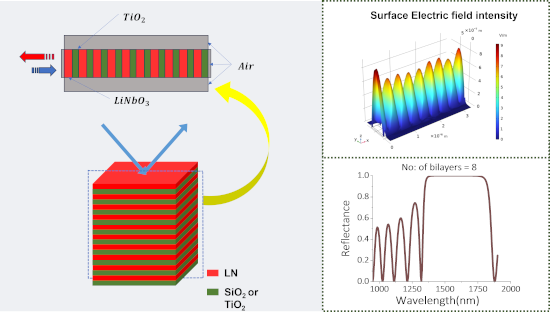
- systems. The research output gives a wide tuning range of 10.7 nm with 19 consecutive channels obtained with a single tuning current at room temperature, expanding to 16 nm with the help of heat sink temperature [49]. Our focus material, LN, possessing a large electromechanical coupling coefficient (Kt


Nanotechnological approaches for efficient N2B delivery: from small-molecule drugs to biopharmaceuticals
Beilstein J. Nanotechnol. 2024, 15, 1400–1414, doi:10.3762/bjnano.15.113
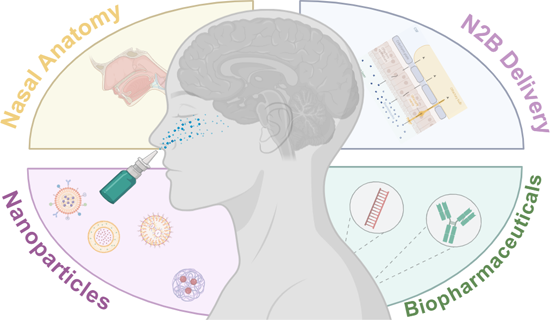
- lipid NPs (SLNs) are prepared from lipids that are solid at room temperature, which are then stabilized by surfactants [100]. While both liposomes and SLNs are considered biocompatible and biodegradable, SLNs provide increased stability because of their rigid core [101]. Nevertheless, SLNs suffer from


Various CVD-grown ZnO nanostructures for nanodevices and interdisciplinary applications
Beilstein J. Nanotechnol. 2024, 15, 1390–1399, doi:10.3762/bjnano.15.112
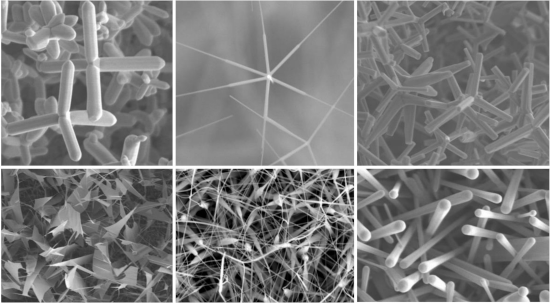
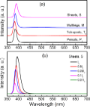
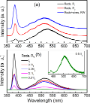
- nanostructures [23][35][36]. Our current work uses this simple method to grow ZnO nanostructures. After fabrication, the crystal quality of nanostructures is assessed through Raman scattering (RS) and photoluminescent (PL) measurements at room temperature. Experimental As mentioned above, CVD was utilized to



A biomimetic approach towards a universal slippery liquid infused surface coating
Beilstein J. Nanotechnol. 2024, 15, 1376–1389, doi:10.3762/bjnano.15.111
- sodium citrate Vacutainers. Acid-citrate-dextrose (ACD) was added to the whole blood at a 1:10 volume ratio. Blood was centrifuged at 200g for 20 min at room temperature. The supernatant platelet-rich plasma was transferred, and 0.1 μg/mL prostaglandin I2 was added to inhibit platelet activation
- . Platelet-rich plasma was centrifuged at 1000g for 10 min at room temperature. The supernatant platelet-poor plasma (PPP) was transferred and used for fibrin generation studies. The platelet pellet was resuspended in Tyrode’s buffer (129 mM NaCl, 20 mM HEPES, 12 mM NaHCO3, 2.9 mM KCl, 1 mM MgCl2, and 0.34




Green synthesis of carbon dot structures from Rheum Ribes and Schottky diode fabrication
Beilstein J. Nanotechnol. 2024, 15, 1369–1375, doi:10.3762/bjnano.15.110
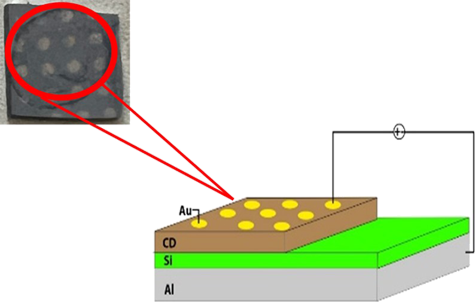
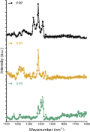
- dried to synthesize CDs. Acetone, methanol, silicon, gold powder, and aluminum were purchased from Sigma-Aldrich, Merck, and Alfa Aesar. All studies were carried out at room temperature. Instruments Various devices were used for the structural, morphological, and optical characterization of the CDs. FEI
- autoclave and hydrothermal synthesis was carried out at 125 °C for 12 h. After the reaction was completed, the aqueous suspension was brought to room temperature and filtered with ordinary filter paper. The filtrate was passed through a 0.22 µm membrane filter and centrifuged at 10000 rpm for 30 min. The
- and diluted with 5 mL of pure water; 100 μL of this solution was dripped onto the silicon substrate and evaporated at room temperature. In the last stage, the diode structure was obtained by evaporating gold onto the created CDs film using the shadow mask technique (Figure 1). The size of the diode




Out-of-plane polarization induces a picosecond photoresponse in rhombohedral stacked bilayer WSe2
Beilstein J. Nanotechnol. 2024, 15, 1362–1368, doi:10.3762/bjnano.15.109
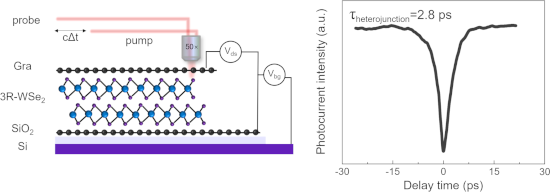
- contrast, and characterized by photoluminescence (PL) measurements at room temperature (see Supporting Information File 1, Figure S3). The relative angles between crystalline axes of the top and bottom WSe2 layers were determined by polarization-resolved SHG measurements. The zigzag directions of the two
- ) at room temperature. The electrical properties of the devices were characterized using an Agilent B1500 semiconductor analyzer in a Lake Shore vacuum chamber (10−4 Pa). SPCM and TRPC measurement The photocurrent maps were all obtained under zero bias using a custom-built scanning photocurrent


Investigation of Hf/Ti bilayers for the development of transition-edge sensor microcalorimeters
Beilstein J. Nanotechnol. 2024, 15, 1353–1361, doi:10.3762/bjnano.15.108

- resistivity estimated considering the width of the electrodes ranged from 0.7 × 10⁻⁷ to 1.1 × 10⁻⁷ Ω·m for the four structures A1–A4 from Figure 1a. Bearing in mind that the residual resistance ratio of the studied samples is in the range from 1.9 to 2.5, the room temperature resistivity is close to the value
- of the bulk resistivity at room temperature of 3.3 × 10⁻⁷ Ω·m [11]. The variation of calculated resistivity between bridges of different sizes is likely not due to physically different film properties, but rather due to rough estimations not taking into account the edge effects for the current flow


Nanoarchitectonics with cetrimonium bromide on metal nanoparticles for linker-free detection of toxic metal ions and catalytic degradation of 4-nitrophenol
Beilstein J. Nanotechnol. 2024, 15, 1312–1332, doi:10.3762/bjnano.15.106
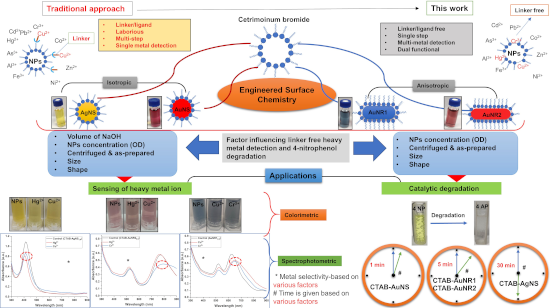
- , respectively, to remove impurities. The supernatants were discarded and the pellets were dispersed in DD water and stored at room temperature. Tunable aspect ratio of gold nanorods capped with CTAB Gold nanorods of different lengths were synthesized using a two-step protocol as described in previous reports
- -AP) in the presence of NaBH4. All reactions were carried out at room temperature in a 3.5 mL quartz cuvette. The reagent for catalysis was added in a sequence of 2 mL of 4-nitrophenol (0.1 mM), 1 mL of NaBH4 (100 mM), and 50 µL (0.5 ± 0.1 OD and 1.0 ± 0.1 OD) of CTAB-AgNS, CTAB-AuNS, CTAB-AuNR1, and




Interaction of graphene oxide with tannic acid: computational modeling and toxicity mitigation in C. elegans
Beilstein J. Nanotechnol. 2024, 15, 1297–1311, doi:10.3762/bjnano.15.105

- (370 mL). The mixture is stirred for 20 min, then KMnO4 (22.5 mg) is added gradually over 1 h. The reaction is kept under stirring for 72 h at room temperature, and then it is diluted with 300 mL of deionized water and kept for another hour at 95 °C. The temperature is then reduced to 60 °C, and H2O2
- mg·L−1 TA. Then, to avoid salt interference, the suspension was washed three times with deionized water and dripped on mica substrate. The incubation procedure was repeated for spectroscopy analysis. For Raman and FTIR analysis, the suspensions were dried using the speed-vacuum method at room
- temperature; for XPS, the suspensions were dripped on a silicon substrate. Computational methods MD simulations of interactions between TA and the GO surface were performed in LAMMPS, applying ReaxFF reactive force field [72]. MD simulations were conducted under constant pressure (P) and temperature (T), the


Mn-doped ZnO nanopowders prepared by sol–gel and microwave-assisted sol–gel methods and their photocatalytic properties
Beilstein J. Nanotechnol. 2024, 15, 1283–1296, doi:10.3762/bjnano.15.104
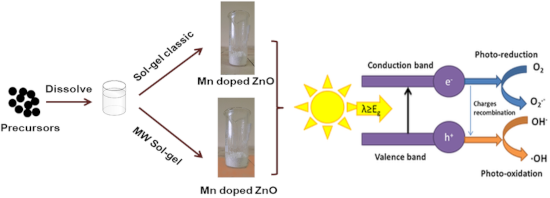
- semiconductor with many versatile and attractive applications in optical, optoelectronic, and photocatalytic fields [35][36][37]. The doping of ZnO with Mn can lead to the development of multifunctional nanostructures, such as room-temperature ferromagnetic materials with potential applications in spintronics
- for 10 min at 60 °C, 200 W power and a frequency of 2.45 GHz. Gelation took place at room temperature. All resulting gels were dried at 100 °C for 24 h and then thermally treated at 350 °C for 1 h with a heating speed of 1 °C/min followed by a treatment at 500 °C for 1 h with a heating speed of 5 °C
- resolution of 0.5 nm, and 10 nm slits in excitation and emission. All measurements were performed for 0.001 g catalyst suspended after ultrasonication in ultrapure water at room temperature (25 °C) and λexc = 270 nm. For ROS identification, ·OH radicals trapping was performed with 10 mM coumarin solution


The role of a tantalum interlayer in enhancing the properties of Fe3O4 thin films
Beilstein J. Nanotechnol. 2024, 15, 1253–1259, doi:10.3762/bjnano.15.101

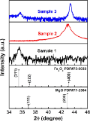
- NTT Hi-Tech Institute, Nguyen Tat Thanh University, 298-300A Nguyen Tat Thanh Street, Ward 13, District 4, Ho Chi Minh City 700000, Vietnam 10.3762/bjnano.15.101 Abstract High spin polarization and low resistivity of Fe3O4 at room temperature have been an appealing topic in spintronics with various
- promising applications. High-quality Fe3O4 thin films are a must to achieve the goals. In this report, Fe3O4 films on different substrates (SiO2/Si(100), MgO(100), and MgO/Ta/SiO2/Si(100)) were fabricated at room temperature with radio-frequency (RF) sputtering and annealed at 450 °C for 2 h. The
- K [1], as well as its high spin polarization with only one spin at the Fermi level, even at room temperature [2][3][4][5][6]. Fe3O4 thin films are an issue of interest and have extensive applications in Li-ion batteries, spin Seebeck devices, supercapacitors, spin Hall magnetoresistance, and the


Dual-functionalized architecture enables stable and tumor cell-specific SiO2NPs in complex biological fluids
Beilstein J. Nanotechnol. 2024, 15, 1238–1252, doi:10.3762/bjnano.15.100
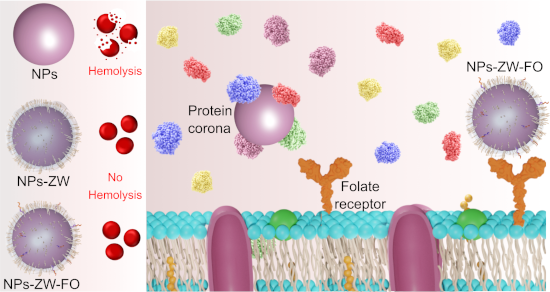
- were made in triplicates at room temperature. The 1H NMR spectra were obtained in Bruker spectrometers operating at frequencies of 500 MHz. The NP dispersions (25 mg) were centrifuged and concentrated to 600 μL of D2O with the standard TMSP. The samples were sonicated before measurements. Chemical
- Fisher Scientific) were modified by adding 20 mg of folate receptor alpha protein (FRα, pro-2162 Recombinant Human Folate Receptor 1, Synapse Biotechnology). Incubation was carried out at room temperature for 40 min, under manual agitation. Subsequently, a magnet was used to capture the beads with the
- adsorbed protein, and the supernatant was discarded. The bead+protein set was then incubated with 50 mM (hydroxymethyl)aminomethane buffer (Tris, pH 7.4) + 0.03% bovine serum albumin (BSA) + 0.1% Triton X for 60 min at room temperature and under manual agitation. Then, the supernatant was removed, and the


Enhanced catalytic reduction through in situ synthesized gold nanoparticles embedded in glucosamine/alginate nanocomposites
Beilstein J. Nanotechnol. 2024, 15, 1227–1237, doi:10.3762/bjnano.15.99
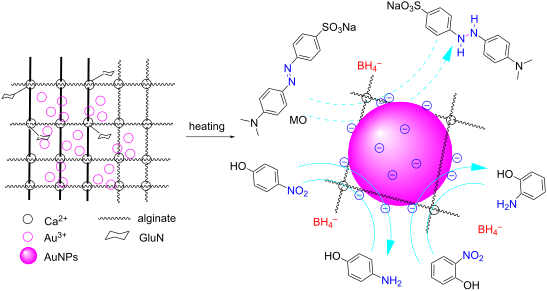
- tracked over time using a UV–vis spectrophotometer, covering the wavelength range of 200–600 nm at room temperature without delay. We examined the kinetics of catalytic degradation by monitoring changes in absorbance values at specific wavelengths. Given the small quantity of nanocatalyst and the

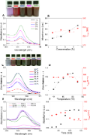


A low-kiloelectronvolt focused ion beam strategy for processing low-thermal-conductance materials with nanoampere currents
Beilstein J. Nanotechnol. 2024, 15, 1197–1207, doi:10.3762/bjnano.15.97

- spot has been moved one DAC step further. For a system with 1 nm placement accuracy, the sample, if not cooled to room temperature before those 160 ps have elapsed, will be heated continuously at this location. As long as minimal dwell times cannot be shortened below 1 ns, there will be heat
- model. Thermally low conductive materials can be processed at room temperature with nanoampere currents in the FIB when the ion energy is lowered. Cryo FIB preparation has become a key enabling technology in recent years and reports on successful cryo FIB preparation of biological specimens at higher
- collagen cube for the 5 keV incident gallium ion case study was chosen, which is based on the ions’ projected range in the collagen material and on a volume representative of the lamella that might ultimately be fabricated in a FIB. The geometry was constrained to room temperature on all sides except at




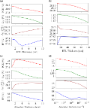
Quantum-to-classical modeling of monolayer Ge2Se2 and its application in photovoltaic devices
Beilstein J. Nanotechnol. 2024, 15, 1153–1169, doi:10.3762/bjnano.15.94
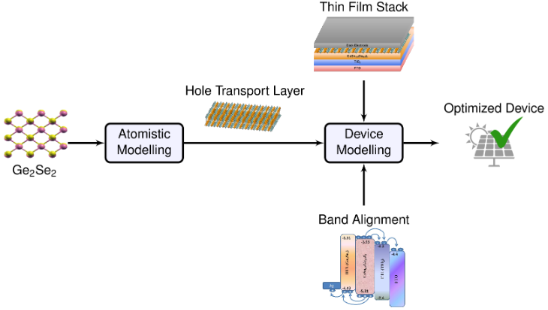
- coefficient and a high dielectric constant inspired the design of a monolayer Ge2Se2-based solar cell, exhibiting a high open circuit voltage of Voc = 1.11 V, a fill factor of 87.66%, and more than 28% power conversion efficiency at room temperature. Our findings advocate monolayer Ge2Se2 for various
- -imaginary frequencies in the phonon spectra confirm the stable geometry of the investigated structure. The electronic properties of the monolayer have been investigated in detail in terms of energy band diagram, effective masses of the charge carriers, mobility of electrons and holes at room temperature




Photocatalytic methane oxidation over a TiO2/SiNWs p–n junction catalyst at room temperature
Beilstein J. Nanotechnol. 2024, 15, 1132–1141, doi:10.3762/bjnano.15.92
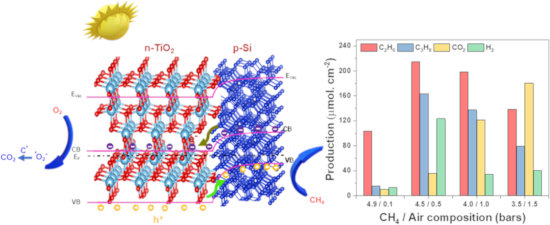
- structure of the catalyst provides a surface that can massively increase light absorption, achieving an efficient C2H6 yield of 210 µmol/cm2 in 6 h with high selectivity under light illumination at room temperature. This research could offer new insights into composite photocatalysts for methane coupling
- carried out at 300 °C using TiCl4 (98% purity, 0.2 s pulse time) and H2O (0.1 s pulse time) as precursors. The vacuum level of the chamber was kept at 8 × 10⁻³ bar, and the deposition rate was 0.051 nm/cycle. After cooling down to room temperature, the sample was taken out from chamber for photocatalytic
- gaseous reactants in batch reactor was established at 5 bar, and the photocatalytic system was kept in the dark (20 min) to reach equilibrium before exposure to simulated solar light. The temperature was kept at room temperature via a cooler. Characterization The crystalline structure and morphological


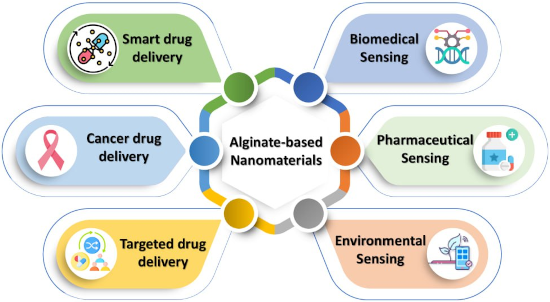
Unveiling the potential of alginate-based nanomaterials in sensing technology and smart delivery applications
Beilstein J. Nanotechnol. 2024, 15, 1077–1104, doi:10.3762/bjnano.15.88


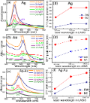
Effect of wavelength and liquid on formation of Ag, Au, Ag/Au nanoparticles via picosecond laser ablation and SERS-based detection of DMMP
Beilstein J. Nanotechnol. 2024, 15, 1054–1069, doi:10.3762/bjnano.15.86

- . Subsequently, metal and alloy NPs synthesized via laser ablation (encompassing 18 distinct samples) were applied to the FP through a straightforward drop-casting method and then allowed to dry at room temperature. Following this, the analyte of interest was also applied onto the substrate using drop casting


Bolometric IR photoresponse based on a 3D micro-nano integrated CNT architecture
Beilstein J. Nanotechnol. 2024, 15, 1030–1040, doi:10.3762/bjnano.15.84
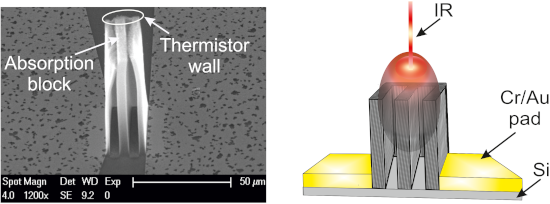
- numerous advantages at room temperature operation. New thermally isolated micro-nano architectures equipped with integrated temperature sensors should outperform their predecessors regarding various critical aspects, such as ultra-broadband detection from ultraviolet (UV) to terahertz radiation [1
- , respectively. The room-temperature resistances R01 (sample 1) and R02 (sample 2) at a bias voltage Vbias = 1.5 V were 53.1 and 14.8 kΩ, respectively. The linear temperature dependence is given by the following equation [18][19]: where R(T) is the resistance at temperature T, R0 is the resistance at room
- of microbolometer performance metrics. All values were obtained at room temperature (if not marked otherwise). Supporting Information Supporting Information File 42: Additional experimental data.


Atomistic insights into the morphological dynamics of gold and platinum nanoparticles: MD simulations in vacuum and aqueous media
Beilstein J. Nanotechnol. 2024, 15, 995–1009, doi:10.3762/bjnano.15.81
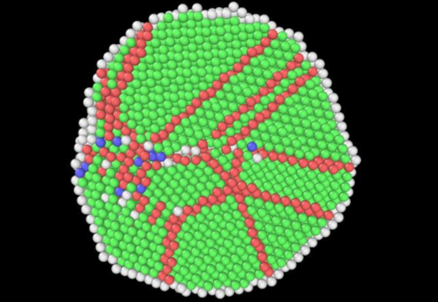
- ] nanostructures. We also simulated Au and Pt NPs in aqueous solutions at 300 K, that is, close to room temperature. The interactions among the water molecules are described by the SPC/E model [66]. The interactions among the water molecules and the Au (Pt) atoms are calculated by the force field of Merabia et al


Beyond biomimicry – next generation applications of bioinspired adhesives from microfluidics to composites
Beilstein J. Nanotechnol. 2024, 15, 965–976, doi:10.3762/bjnano.15.79
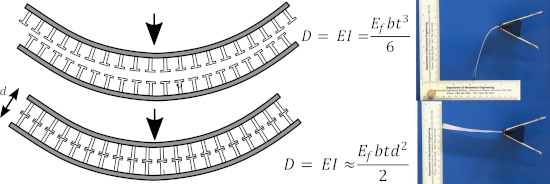
- non-planar surfaces, bonded to microelectromechanical systems (MEMS), and their use in droplet generation with oil and water. Laplace barriers within geckofluidic channels have directed room-temperature liquid metals (eutectic gallium–indium) with extremely high surface tension to properly fill


Therapeutic effect of F127-folate@PLGA/CHL/IR780 nanoparticles on folate receptor-expressing cancer cells
Beilstein J. Nanotechnol. 2024, 15, 954–964, doi:10.3762/bjnano.15.78
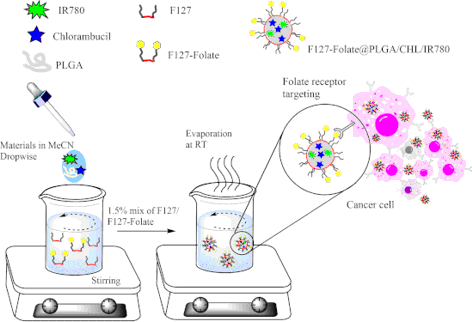
- -carbonyldiimidazole (CDI) (0.44 mmol) in 6 mL of dry dimethyl sulfoxide (DMSO) in a dark environment for 24 h. The mixture was agitated for another 24 h at room temperature after the addition of F127 (0.1 mmol). The reaction was then diluted with 50% distilled water and dialyzed (MWCO 3500 Dal) against deionized



Facile synthesis of Fe-based metal–organic frameworks from Fe2O3 nanoparticles and their application for CO2/N2 separation
Beilstein J. Nanotechnol. 2024, 15, 897–908, doi:10.3762/bjnano.15.74
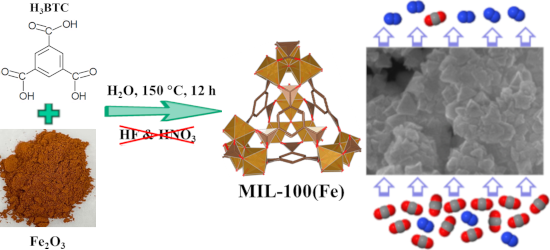
- ]. Typically, 0.9 g Fe2O3 and different amounts of H3BTC, alongside 45 mL of DI water, were introduced into a Teflon beaker and gently stirred for 15 min at room temperature. The mixture was then carefully sealed inside an autoclave made of stainless steel before being placed inside an electrically heated oven
- Information File 1. Characterizations The materials’ crystalline structure was identified via room-temperature powder X-ray diffraction (PXRD) patterns from a MiniFlex600 system (Rigaku, Japan). The scan covered a 2θ range of 3–40° at a speed of 6°·min−1. Information regarding the morphologies of Fe2O3 and M