


Search results
Search for "step" in Full Text gives 1538 result(s) in Beilstein Journal of Nanotechnology. Showing first 200.
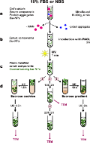
Attempts to preserve and visualize protein corona on the surface of biological nanoparticles in blood serum using photomodification
Beilstein J. Nanotechnol. 2024, 15, 1654–1666, doi:10.3762/bjnano.15.130

- -NPs. We also did not set such a goal, but observing the effect of sucrose, we decided to draw the attention of researchers to this fact. Indeed, such action of sucrose can distort the results of bio-NP studies, especially regarding surface structures. The next step of our study was to examine the



Fabrication of hafnium-based nanoparticles and nanostructures using picosecond laser ablation
Beilstein J. Nanotechnol. 2024, 15, 1639–1653, doi:10.3762/bjnano.15.129
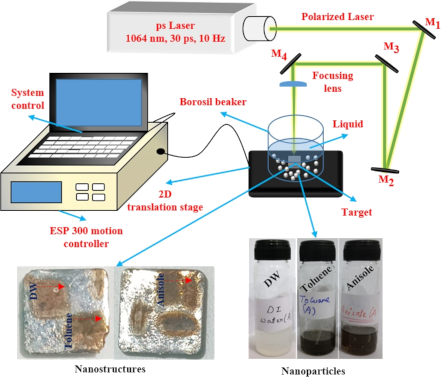
- determines the electrical and optical properties, which can vary depending on the synthesis technique [19]. Among the methods mentioned above, laser ablation in liquids (LAL) is a clean and single-step synthesis method used for obtaining nanomaterials from a bulk source [11][16][17][18][20]. It produces NPs
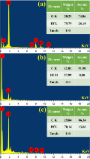
- potential material for sophisticated design patterning [66]. Conclusion The current study shows the successful single-step fabrication of HfO2 NPs and nanofibres in DW and HfC core–shell NPs with multilayered graphitic shells in toluene and anisole via LAL of Hf metal. The obtained NPs exhibit a broad size




Heterogeneous reactions in a HFCVD reactor: simulation using a 2D model
Beilstein J. Nanotechnol. 2024, 15, 1627–1638, doi:10.3762/bjnano.15.128
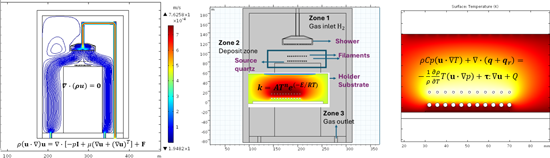
- ; chemical reactions; flow dynamics; HFCVD; hot filament chemical vapor deposition; SiOx films; Introduction The growth of materials such as non-stoichiometric silicon oxide (SiOx) is an important step in semiconductor devices development. Control of deposition parameters determines the success of the
- range of 800–1200 K. When the distances from the filament to the source are greater, no film deposition occurs. This effect is mainly due to the recombination of H° to H2 as the temperature decreases. The formation of these gaseous species is an important step since they contain the radical species that


Biomimetic nanocarriers: integrating natural functions for advanced therapeutic applications
Beilstein J. Nanotechnol. 2024, 15, 1619–1626, doi:10.3762/bjnano.15.127

- strategy involves surface coating with specific ligands which interact with elevated levels of target-specific receptors. Both delivery systems aim to achieve responsive drug release directly at the therapeutic target (Figure 2B) [19][30]. Therefore, a crucial step in constructing efficient biomimetic


Natural nanofibers embedded in the seed mucilage envelope: composite hydrogels with specific adhesive and frictional properties
Beilstein J. Nanotechnol. 2024, 15, 1603–1618, doi:10.3762/bjnano.15.126
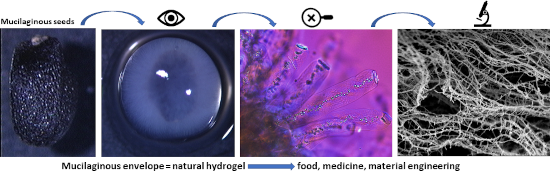
- system can have the chance to germinate and to make the first step in the colonisation of a new habitat. The presence of the mucilage envelope is not the only feature responsible for endozoochoric seeds dispersal. In case of frugivory (fruits dispersal by birds), the dispersed fruits possess some


Facile synthesis of size-tunable L-carnosine-capped silver nanoparticles and their role in metal ion sensing and catalytic degradation of p-nitrophenol
Beilstein J. Nanotechnol. 2024, 15, 1576–1592, doi:10.3762/bjnano.15.124
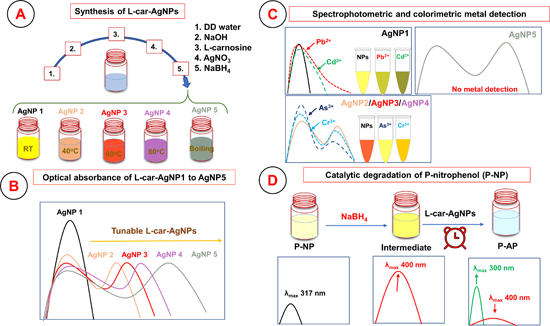
- degradation of P-NP by ʟ-car-AgNPs can be attributed to the unique optical and catalytic properties of AgNPs, which are enhanced by their high surface-to-volume ratio and plasmonic effects. The observed pseudo-first-order kinetics suggest that the rate-determining step involves the adsorption of P-NP onto the




Green synthesis of silver nanoparticles derived from algae and their larvicidal properties to control Aedes aegypti
Beilstein J. Nanotechnol. 2024, 15, 1566–1575, doi:10.3762/bjnano.15.123
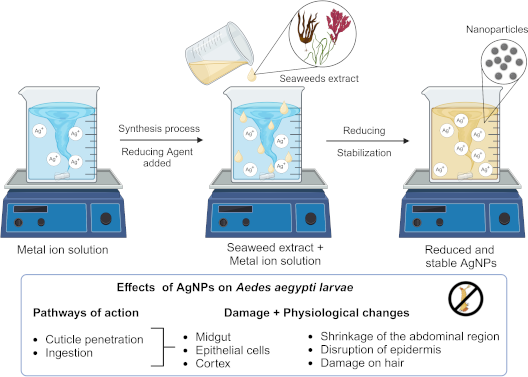
- , sulfated polysaccharides and other biomolecules. The latter include flavonoids, alkaloids, steroids, phenols, and saponins with hydroxy, carboxyl, and amino functional groups, which are effective agents in metal reduction and also provide a robust coating on the metallic nanoparticles in a single step [42


The round-robin approach applied to nanoinformatics: consensus prediction of nanomaterials zeta potential
Beilstein J. Nanotechnol. 2024, 15, 1536–1553, doi:10.3762/bjnano.15.121
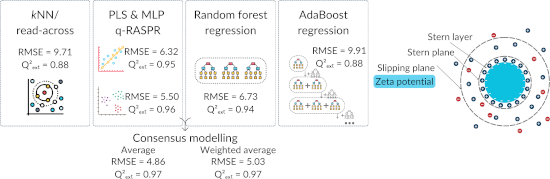
- Kingdom NovaMechanics Ltd., Nicosia 1070, Cyprus 10.3762/bjnano.15.121 Abstract A key step in building regulatory acceptance of alternative or non-animal test methods has long been the use of interlaboratory comparisons or round-robins (RRs), in which a common test material and standard operating
- QSAR approaches. Each of these individual models has been rigorously tested and validated, adhering to the OECD principles to ensure their reliability and predictive accuracy, as described herein. The key innovation lies in the next step, that is, in the combination of these individually potent models


Integrating high-performance computing, machine learning, data management workflows, and infrastructures for multiscale simulations and nanomaterials technologies
Beilstein J. Nanotechnol. 2024, 15, 1498–1521, doi:10.3762/bjnano.15.119

- those concepts in order to link our scientific questions to the final results we need. Although still in the early development stages, MAMBO proved to be expressive enough to let us represent the knowledge related to computational workflows, using concepts defined in the ontology. This is a first step
- towards a formal definition of each step of more complex research workflows and for enabling more powerful semantic technologies, where data and the metadata are all encoded using the semantic assets defined in the ontology. This approach leads to a more efficient data processing, as a result of the


Polymer lipid hybrid nanoparticles for phytochemical delivery: challenges, progress, and future prospects
Beilstein J. Nanotechnol. 2024, 15, 1473–1497, doi:10.3762/bjnano.15.118


Effect of radiation-induced vacancy saturation on the first-order phase transformation in nanoparticles: insights from a model
Beilstein J. Nanotechnol. 2024, 15, 1453–1472, doi:10.3762/bjnano.15.117

- , wherein a new surface-segregated phase grows in a layer-by-layer fashion, similar to epitaxial growth towards the inner region [47][48][49][50]. This type of growth is considered within the thermodynamic approach. The next step is to develop a corresponding thermodynamic model. When the new β phase


Ion-induced surface reactions and deposition from Pt(CO)2Cl2 and Pt(CO)2Br2
Beilstein J. Nanotechnol. 2024, 15, 1427–1439, doi:10.3762/bjnano.15.115

- transfer from the incident ion to adsorbed precursor molecules. This precursor decomposition step is accompanied by a decrease in the oxidation state of the Pt(II) atoms and, in IBID, represents the elementary reaction step that converts the molecular precursor into an involatile PtX2 species. Upon further
- spectra in Figure 2 and Figure 4 support the MS data that for each precursor/ion pair, complete CO desorption is the initial step in the reaction because the peaks in both the C 1s and O 1s regions are lost during the initial stages of ion irradiation and at comparable rates. Concurrent with the CO
- correlated with the rate of CO loss (Figure 3). Collectively, these observations point towards an initial step that can be described by Equation 1: The preferential loss of CO is attributed to the stability of CO as a volatile species and the relatively lower Pt(II)–CO bond dissociation energy in the



Nanotechnological approaches for efficient N2B delivery: from small-molecule drugs to biopharmaceuticals
Beilstein J. Nanotechnol. 2024, 15, 1400–1414, doi:10.3762/bjnano.15.113
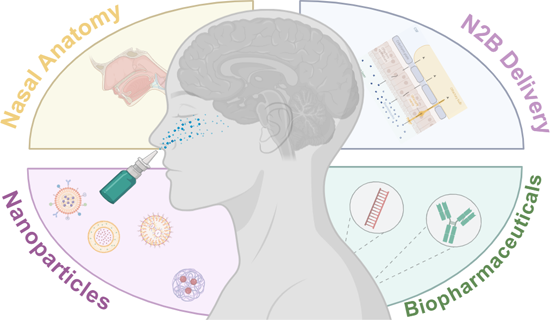
- another widely used complex vector, polyplexes. They took the approach one step further and combined these polyplexes formed by a cationic polymer and anionic mRNA with a photosensitizer for photochemical internalization and subsequent enhancement in delivery to the cytoplasm. They showed that laser


A biomimetic approach towards a universal slippery liquid infused surface coating
Beilstein J. Nanotechnol. 2024, 15, 1376–1389, doi:10.3762/bjnano.15.111
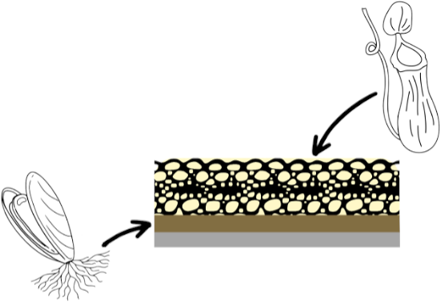
- ][13], anodization [3][14], silane chemistry [18], and polymer multilayers [5][15]. While these methods are effective, there is often a requirement for a specific chemical environment, like a plasma processing step or the growth of an oxide layer. In this investigation, we aim to simplify the
- fabrication of SLIPS by producing the required lubricant anchor layer through the polymerization of dopamine. This dopamine polymerization step is extremely simple and will form a “sticky” layer to almost any chemistry, thereby, providing a straightforward process to produce a SLIPS layer on almost any
- , producing the foundation of a SLIPS material (Figure 1). In this work we propose and characterize a two-step process, forming a SLIPS layer via a sticky PDA film, to modify the surface of three different materials. To test this combination of PDA and SLIPS we used three distinct materials, cylic olefin




Green synthesis of carbon dot structures from Rheum Ribes and Schottky diode fabrication
Beilstein J. Nanotechnol. 2024, 15, 1369–1375, doi:10.3762/bjnano.15.110
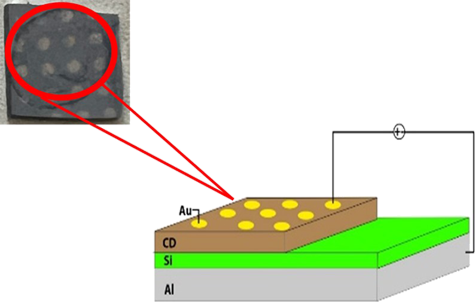
- , Turkey 10.3762/bjnano.15.110 Abstract In this study, we aimed to synthesize new carbon dot structures (CDs) in a single step by using the plant Rheum Ribes for the first time and to contribute to the studies in the field of diode fabrication by using the new CDs. The CDs were obtained by hydrothermal
- switching speed and low forward voltage [14]. In this study, CDs were synthesized in a single step by hydrothermal synthesis using Rheum Ribes, a natural material, for the first time, and diodes were fabricated using the new CDs. To our knowledge, studies on diodes with CDs obtained from natural materials
- supernatant was removed by decantation and a stock solution was prepared to be used in the studies. The prepared stock solution was stored at 4 °C to prevent contamination [15]. Schottky diode fabrication An n-type silicon substrate was used for Schottky diode fabrication. In the first step, the silicon




Investigation of Hf/Ti bilayers for the development of transition-edge sensor microcalorimeters
Beilstein J. Nanotechnol. 2024, 15, 1353–1361, doi:10.3762/bjnano.15.108

- would lead to an even larger increase of δE with volume. Conclusion Bridges made of bilayers of hafnium with a thin top layer of titanium were fabricated and measured. The formation of such bridges by a photolithographic lift-off process is the next step in the development of TES microcalorimeters after


Hymenoptera and biomimetic surfaces: insights and innovations
Beilstein J. Nanotechnol. 2024, 15, 1333–1352, doi:10.3762/bjnano.15.107
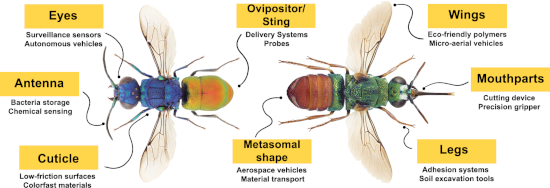
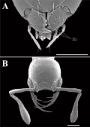
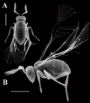
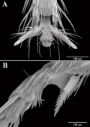
- development of self-cleaning surfaces and materials resistant to biofouling in marine environments. Legs Adhesive pads: The adhesive organ in Hymenoptera consists of a flexible cuticle pad (i.e., arolium) situated between the pretarsal claws, capable of unfolding and retracting with each step [125] (Figure 6A




Nanoarchitectonics with cetrimonium bromide on metal nanoparticles for linker-free detection of toxic metal ions and catalytic degradation of 4-nitrophenol
Beilstein J. Nanotechnol. 2024, 15, 1312–1332, doi:10.3762/bjnano.15.106
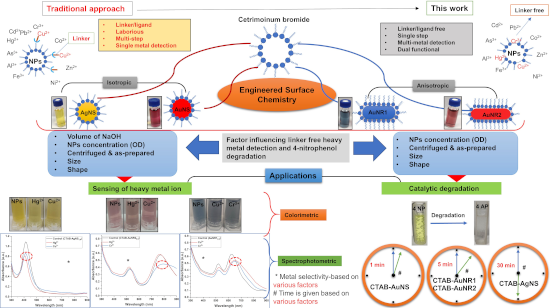
- , respectively, to remove impurities. The supernatants were discarded and the pellets were dispersed in DD water and stored at room temperature. Tunable aspect ratio of gold nanorods capped with CTAB Gold nanorods of different lengths were synthesized using a two-step protocol as described in previous reports
- with slight modifications [30]. Briefly, in the first step, gold seeds were prepared by mixing CTAB, HAuCl4·3H2O and NaBH4. The seed solution acts as an initiator for synthesizing gold nanorods. In the second step, the growth solution was prepared, consisting of CTAB, AgNO3, HAuCl4·3H2O, HCl, and
- ascorbic acid. A typical synthesis involved the synthesis of CTAB-capped Au seeds of less than 4 nm. Addition to the growth solution in step 2 resulted in the formation of gold nanorods. The seeds were prepared using 200 µL of HAuCl4·3H2O (25 mM) with 2 mL of 0.1 M CTAB at 80 °C, followed by 800 µL freshly




Interaction of graphene oxide with tannic acid: computational modeling and toxicity mitigation in C. elegans
Beilstein J. Nanotechnol. 2024, 15, 1297–1311, doi:10.3762/bjnano.15.105
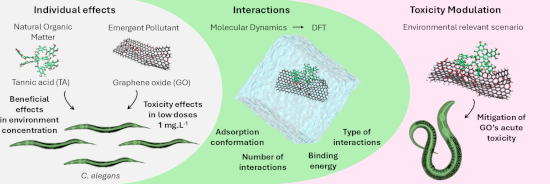
- and biological/environmental application. The properties of the materials in biological environments may differ significantly depending on the composition of the medium (e.g., aggregation state, surface charge, and dissolution) and determine their biological effects. Therefore, the initial step to
- so-called NPT conditions, for a period of 4.00 ns, with a time step of 0.25 fs, starting from the system in equilibrium at 300 K. The initial system consisted of a representative GO flake obtained from [73], with dimensions of 42 × 20 Å and an oxidation level of 12.5%, and the TA free-energy-minimum


Mn-doped ZnO nanopowders prepared by sol–gel and microwave-assisted sol–gel methods and their photocatalytic properties
Beilstein J. Nanotechnol. 2024, 15, 1283–1296, doi:10.3762/bjnano.15.104
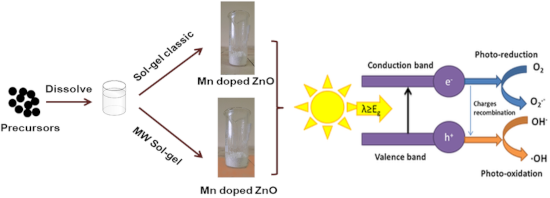
- step width of 0.02°. The phase identification was performed using the search/match algorithm connected to (ICDD PDF-2). Nitrogen adsorption–desorption isotherms (BET) at 77 K were recorded on a Micromeritics ASAP 2020 analyzer (Norcross, GA, USA). The samples were degassed at 200 °C for 4 h under


New design of operational MEMS bridges for measurements of properties of FEBID-based nanostructures
Beilstein J. Nanotechnol. 2024, 15, 1273–1282, doi:10.3762/bjnano.15.103
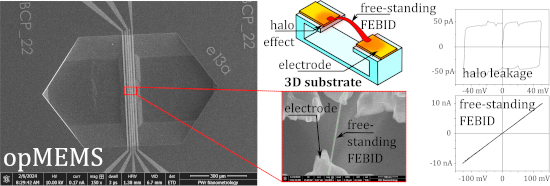
- different FIB parameters. An example of such a setup would be the cantilever described in [43]. On the base of the aligned opMEMS, a FEBID nanowire was deposited (Figure 7a) in a single-step process, where point-by-point deposition was performed along the pattern line using the following parameters: 5 keV
- . The series in panel (c) shows consecutive steps of the alignment process, where each step is a new milling (red lines) and irradiation process (red field shows irradiated area) with a total dose of 500 nC/nm2. The scale bar in (c) is 10 μm long. Resistance measurements of a free-standing nanowire


Dual-functionalized architecture enables stable and tumor cell-specific SiO2NPs in complex biological fluids
Beilstein J. Nanotechnol. 2024, 15, 1238–1252, doi:10.3762/bjnano.15.100
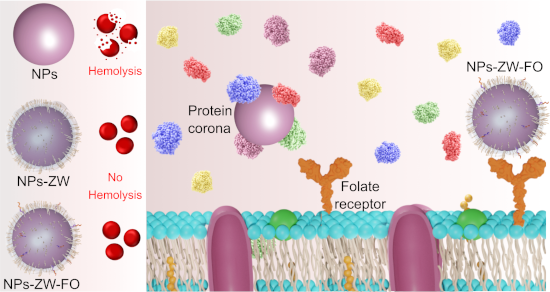
- of pivotal relevance for obtaining more reliable results and open possibilities for developing NPs that are increasingly efficient and suitable for medical applications. Ensuring that a platform efficiently functions for in vitro assays is a crucial step in predicting in vivo effects. Our system
- ), respectively. Scale bar: 500 nm. d) DLS and zeta potential results for SiO2NPs, SiO2NPs-ZW, SiO2NPs-ZW-NH2, and SiO2NPs-ZW-FO samples. e) Results obtained by the elemental analysis technique. Values in mg of nitrogen present in 1 g of sample for each step of the synthesis. f) High-resolution XPS spectrum (C 1s


Realizing active targeting in cancer nanomedicine with ultrasmall nanoparticles
Beilstein J. Nanotechnol. 2024, 15, 1208–1226, doi:10.3762/bjnano.15.98
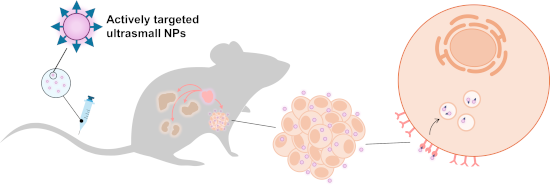
- inorganic core, exemplified by the S–Au bond formed between cysteine-containing molecules and gold NPs [90][91][92]. Actively targeted AuNCs can also be prepared using bioactive peptides or proteins via a one-step biomineralization process, in which case the peptide or protein serves the purpose of both
- biological processes are dynamically regulated [152][153]. Consequently, it becomes important to extend the characterization beyond binding affinity and include the examination of binding kinetics between targeted usNPs and their receptors [59]. For a simple one-step binding model, KD = koff/kon and tr = 1


A low-kiloelectronvolt focused ion beam strategy for processing low-thermal-conductance materials with nanoampere currents
Beilstein J. Nanotechnol. 2024, 15, 1197–1207, doi:10.3762/bjnano.15.97

- spot has been moved one DAC step further. For a system with 1 nm placement accuracy, the sample, if not cooled to room temperature before those 160 ps have elapsed, will be heated continuously at this location. As long as minimal dwell times cannot be shortened below 1 ns, there will be heat
- analysis [31][32], the differential time step has been calculated to Δt ≤ Δx2/(8α) = 23 ps. A sample volume of 600 nm × 600 nm × 400 nm (depth) has been simulated with a voxel size of Δx = 5 nm and the boundary voxels, with exception of the sample surface, have been fixed to room temperature. This approach



Synthesis, characterization and anticancer effect of doxorubicin-loaded dual stimuli-responsive smart nanopolymers
Beilstein J. Nanotechnol. 2024, 15, 1189–1196, doi:10.3762/bjnano.15.96
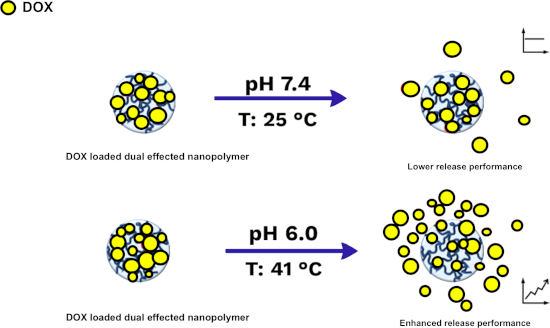
- step, the cytotoxicity of the DOX–nanopolymer complexes against the HeLa cancer cell line at different concentrations and incubation times was studied. The DOX release depended on temperature and pH value of the release medium, with the highest release at pH 6.0 and 41 °C. This effect was similar to





