


Search results
Search for "NaCl" in Full Text gives 224 result(s) in Beilstein Journal of Nanotechnology. Showing first 200.
Dielectrophoresis of gold nanoparticles conjugated to DNA origami structures
Beilstein J. Nanotechnol. 2016, 7, 948–956, doi:10.3762/bjnano.7.87
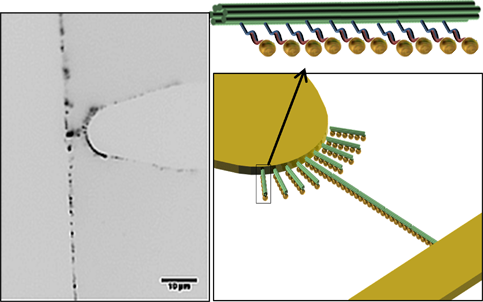
- follows: 0.4 mg of bis(p-sulfonatophenyl)phenylphosphine dihydrate dipotassium salt (BSPP) were added to 1 mL gold nanoparticle solution and mixed for 48 h. Solid NaCl was dissolved in this solution until a color change from pinkish to light purple occurred. Then, the solution was spun down at 7500g for
- a thiol functionality at the 3′ end (sequence: 5′TTTTT TTTTT TTTTT TTT–C3H5SH3′, HPLC purified, Biomers.net). For this, 3.2 pmol phosphinated gold nanoparticles were mixed in equivalent ratio with the oligonucleotides in Na+-TBE buffer solution (50 mM NaCl, 89 mM Tris, 89 mM boric acid, 1 mM EDTA pH
- temperature for at least 12 h in 1×TE buffer with 12.5 mM MgCl2 and 300 mM NaCl. Finally, excess of gold nanoparticles was removed by gel electrophoresis (0.6% agarose gel in 0.5×TAE buffer with 5 mM MgCl2, 2 h, 80 V) and Freeze `N` Squeeze purification of the separated band for the gold-nanoparticle modified


Reconstitution of the membrane protein OmpF into biomimetic block copolymer–phospholipid hybrid membranes
Beilstein J. Nanotechnol. 2016, 7, 881–892, doi:10.3762/bjnano.7.80
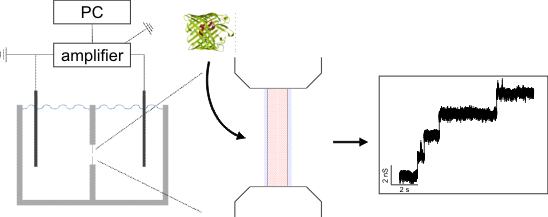
- (pH 7.5). After 30 min incubation at a temperature of 50 °C, the solution was centrifuged at 100000g for 1 h. The pellet was resuspended in SDS-salt buffer containing 2% SDS, 0.5 M NaCl, 50 mM Tris-HCl (pH 7.5), incubated at a temperature of 37 °C for 30 min and centrifuged again at 100000g for 30 min



Coupled molecular and cantilever dynamics model for frequency-modulated atomic force microscopy
Beilstein J. Nanotechnol. 2016, 7, 708–720, doi:10.3762/bjnano.7.63
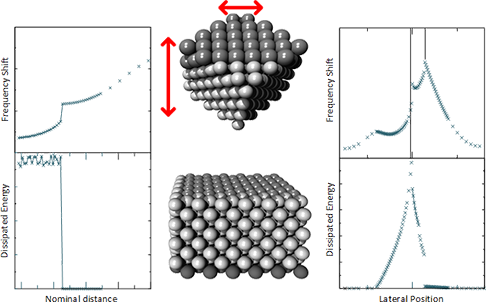
- substrate is reduced to a simple cuboid, and the tip to a cube. Compared to the crystallographic orientation of the substrate, the tip cube is rotated such that one of its diagonal axes is parallel to the z-axis. The crystals considered in this paper have face-centered cubic (fcc) or NaCl structure. The z
- than for the Lennard-Jones crystal. Therefore, a different procedure turned out to be more favorable. For the ionic crystals the substrate ions were placed on a regular NaCl lattice with a lattice constant characteristic for the finite crystal size. Then the positions of all surface atoms apart from


Hierarchical coassembly of DNA–triptycene hybrid molecular building blocks and zinc protoporphyrin IX
Beilstein J. Nanotechnol. 2016, 7, 697–707, doi:10.3762/bjnano.7.62
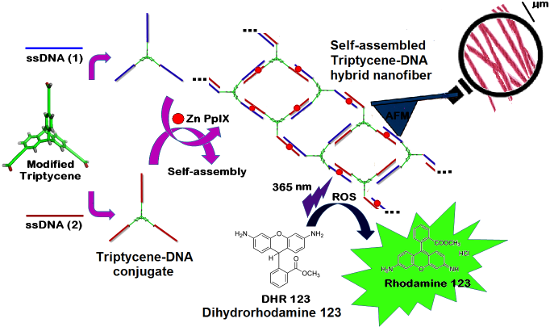
- , Cecil, UK). Equimolar ratios of S1 DNA-TPA with S2 DNA-TPA were annealed in 50 µL of total volume of 10 mM sodium phosphate buffer, 10 mM magnesium chloride and 100 mM NaCl (pH 7.2) by heating to 90 °C and allowing the solution to cool slowly to 4 °C at a rate of 0.1 °C per minute over 4 h. Zn PpIX was
- been carried out in 100 µL annealing buffer (10 mM sodium phosphate, 75 mM NaCl and 5 mM MgCl2) at pH 7.5. The samples were transferred into microcuvettes (Hellma cell) and kept at 20 °C for 2 min prior to measurement. At least five measurements were performed for each sample at 20 °C at a scattering


Investigating organic multilayers by spectroscopic ellipsometry: specific and non-specific interactions of polyhistidine with NTA self-assembled monolayers
Beilstein J. Nanotechnol. 2016, 7, 544–553, doi:10.3762/bjnano.7.48
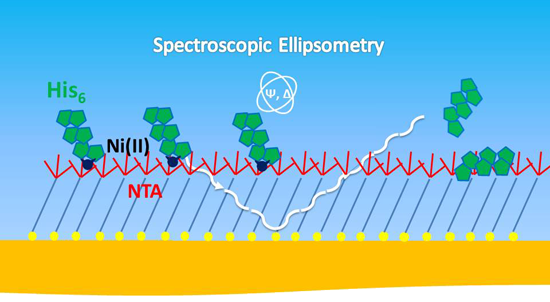
- . Ethylenediaminetetraacetic acid (EDTA), imidazole, tris(hydroxymethyl)aminomethane (Tris), NaCl and NiCl2 were purchased from Sigma-Aldrich. NTA SAM deposition and interaction with His6 Clean Arrandee samples or freshly stripped Ulman gold samples were incubated for 24 h in 15 μM NTA1 (NTA2) solution, using ethanol as
- solvent. For ex situ optical measurements the NTA/Au samples were rinsed with ethanol and dried with N2 flow. A subset of NTA/Au samples were transferred in a salt buffer solution (20 mM Tris and 150 mM NaCl, pH 7.4) for subsequent characterization and treatments. After a first optical characterization in
- nanografted areas have been then imaged in soft contact mode in ethanol or in saline buffer (Tris-HCl 20 mM, NaCl 150 mM, pH 7.4) with commercial cantilevers (CSC38 Mikromasch, k = 0.03 N/m) at the minimum force detectable (0.1 nN). Images and data were analyzed with XEI (Park Instruments) and Igor Pro



Hemolysin coregulated protein 1 as a molecular gluing unit for the assembly of nanoparticle hybrid structures
Beilstein J. Nanotechnol. 2016, 7, 351–363, doi:10.3762/bjnano.7.32
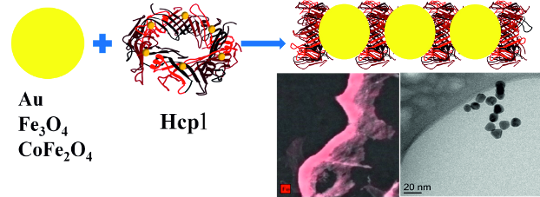
- only takes place for the Hcp1_cys3-functionalized NPs, where the citrate-stabilized Au NPs remain stable as evidenced by their unchanged surface plasmon resonance at 520 nm. When the NaCl concentration exceeded 12 mM, a prompt color change to blue followed by precipitation of a blue solid was observed
- Figure 6, the Raman spectra of the pure Hcp1_cys3 Au NP sample with 2 equiv Hcp1_cys3 in 6 mM NaCl from Figure 2A and the Au Hcp1_cys3 network from Figure 3 and Figure 4 are shown. These samples represent 3 cases: a) pure/bare Hcp1_cys3 protein, b) Hcp1_cys3 adsorbed on the Au NP surface and c) Hcp1_cys3
- centrifugation of the solution at 40000 rpm. The supernatant was discarded and precipitate was collected and redispersed in MeOH. The procedure was repeated three times. The solid was dried in a vacuum oven and could be easily dispersed in water. The storage buffer (50 mM Tris, 500 mM NaCl, 150 mM imidazol, 10




Influence of calcium on ceramide-1-phosphate monolayers
Beilstein J. Nanotechnol. 2016, 7, 236–245, doi:10.3762/bjnano.7.22
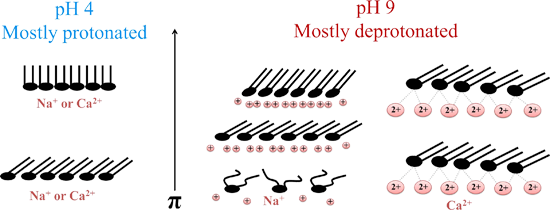
- with and without calcium in the subphase. For pH 9, a solution of 10 mM borax buffer has been used, and for pH 4, a 10 mM citric buffer. Either 150 mM NaCl was added to mimic the physiological environment and 1 mM EDTA to chelate traces of divalent cations, or the EDTA was substituted by 1 mM CaCl2. On
- ) was purchased from Matreya, LLC (PA, USA). EDTA (≥99.4%), NaCl (≥99.5%), NaOH (≥99.5%), CaCl2 (≥99%) and HCl were purchased from Sigma Aldrich GmbH (Taufkirchen, Germany). Chloroform (≥99.9%) and citric acid monohydrate (≥99.5%) were purchased from Carl Roth GmbH (Karlsruhe, Germany) and methanol
- (≥99.9%) from VWR Chemicals (Fontenay-sous-Bois, France). Sodium tetraborate decahydrate (≥99.5%) was purchased from Merck KGaA (Darmstadt, Germany). NaCl was heated to 600 °C to remove potential organic impurities. All other chemicals and salts were used without further purification. For monolayer


Mismatch detection in DNA monolayers by atomic force microscopy and electrochemical impedance spectroscopy
Beilstein J. Nanotechnol. 2016, 7, 220–227, doi:10.3762/bjnano.7.20
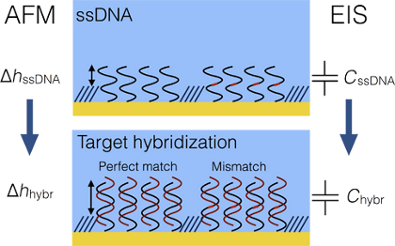
- , the AFM tip is scanned at high load (approx. 100 nN) over the TOEG6 SAM, operating in a buffer solution (10 mM Tris-HCl, 1 mM EDTA, (hereafter TE), 1 M NaCl, pH 7.1) containing 5 μM thiolated ssDNA oligonucleotides. The applied load is sufficient to displace the TOEG6 molecules from the gold surface
- cantilevers (CSC38 Mikromasch, spring constant: 0.06 N/m) at 1 Hz scan rate, applying a force of 0.1 nN. Hybridization was monitored after the addition of the required target solutions (1 μM target in TE buffer 1 M NaCl) into the AFM liquid cell for 1 h. All DNA sequences used in the present work are listed
- on gold [23][29]. Initially the electrodes were wetted for 10 min with a drop of a high-ionic-strength buffer, TE 1 M NaCl, containing 1 μM thiolated ssDNA. In this way a low-density ssDNA SAM (about 2 × 10¹² to 3 × 10¹² molecules/cm2) was obtained [29]. After DNA-functionalization the devices were


3D solid supported inter-polyelectrolyte complexes obtained by the alternate deposition of poly(diallyldimethylammonium chloride) and poly(sodium 4-styrenesulfonate)
Beilstein J. Nanotechnol. 2016, 7, 197–208, doi:10.3762/bjnano.7.18
- purification. The ionic strength of the solutions was controlled by adding NaCl (Sigma-Aldrich, purity > 99.9%). The water used for all the experiments was of Milli-Q quality (Millipore RG model). All the experiments were done at (298.1 ± 1.0) K. Layer-by-layer assembly In a similar manner as described in [8
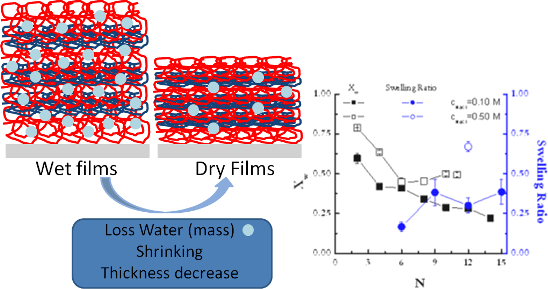
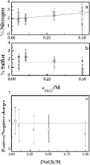
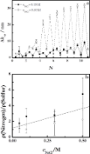
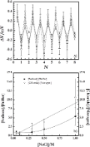
- ]. Figure 8b shows that the role of the extrinsic compensation in PDADMAC layers is significantly enhanced with the increase in the ionic strength. This is associated to the strong screening effect of NaCl on the charge of PDADMAC. This implies that the amount of counterions associated with the PDADMAC
- [sodium]/[sulfur] occurs. This is a further confirmation of the reduced effect of NaCl on the adsorption of PSS for low and moderate ionic strengths. The different trends found for the ratios of [sodium]/[sulfur] and [chloride]/[nitrogen] agree with the conclusion obtained from ellipsometry. Conclusion



Single-molecule mechanics of protein-labelled DNA handles
Beilstein J. Nanotechnol. 2016, 7, 138–148, doi:10.3762/bjnano.7.16
- examine various coupling ratios of PDHs to anti-DIG beads for the subsequent biotin-streptavidin binding in OT experiments. All experiments were also performed in TICO buffer with an increased Mg content of 12 mM (high Mg TICO). Control experiments were carried out in standard buffer (150 mM NaCl, 10 mM



Single pyrimidine discrimination during voltage-driven translocation of osmylated oligodeoxynucleotides via the α-hemolysin nanopore
Beilstein J. Nanotechnol. 2016, 7, 91–101, doi:10.3762/bjnano.7.11
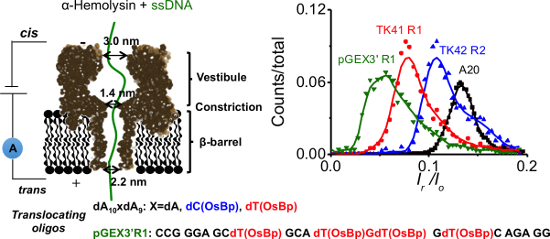
- were used for data acquisition and processing. The column was a 2 × 250 mm BioLC DNAPac® PA200 from Dionex used in conjunction with 25 mM Tris·HCl pH 7 buffer and a NaCl gradient; the column was maintained at 30 °C. This type of ion-exchange chromatography resolves oligos based on length and



Fabrication and characterization of novel multilayered structures by stereocomplexion of poly(D-lactic acid)/poly(L-lactic acid) and self-assembly of polyelectrolytes
Beilstein J. Nanotechnol. 2016, 7, 81–90, doi:10.3762/bjnano.7.10
- adsorption steps (15 min in duration) of anionic PSS (2 mg/mL in 0.5 M NaCl) and cationic PAH (2 mg/ml in Milli-Q water) followed. After each adsorption step, three washings in Milli-Q water (1500 rpm for 1 min) were carried out. Once the four bilayer structures were deposited, one layer of PLL (5 mg/mL in


Sonochemical co-deposition of antibacterial nanoparticles and dyes on textiles
Beilstein J. Nanotechnol. 2016, 7, 1–8, doi:10.3762/bjnano.7.1
- , however, find only one report in which sonochemistry was used for the co-deposition of AgNPs and AgCl on TiO2 NPs to form Ag@TiO2 and Ag/AgCl@TiO2 [18]. The synthetic process revealed that in fact it was a one-step process combining Ag+, TiO2 NPs, and NaCl in ethylene glycol solution. The sonochemical
- the dye structure. The crystalline structure of the metal oxides was examined by XRD (Bruker D8). Leaching experiments Possible leaching of the MO and dyes from the coated textile was tested in saline solution (0.9 % NaCl). A piece of fabric (70 mg) was placed in 10 mL saline and kept at 40 °C for 72
- cultures of the bacteria were transferred into a nutrient broth (NB) medium (“Difco” Detroit, MI) and grown at 37 °C with aeration. When the cell number reached 106 CFU, the cells were harvested by centrifugation and washed twice with a 0.85 % NaCl solution at pH 6.5 (saline). The fabric (2 × 2 cm2) was




Effects of spin–orbit coupling and many-body correlations in STM transport through copper phthalocyanine
Beilstein J. Nanotechnol. 2015, 6, 2452–2462, doi:10.3762/bjnano.6.254
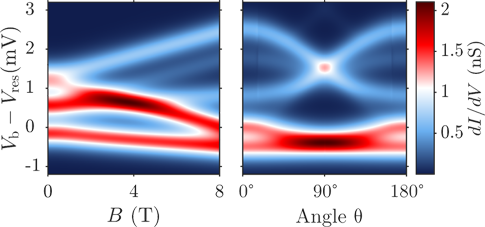
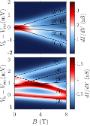
- = 2.2 in order to fit our spectrum to the experiment of Swart et al. [14], which was carried out with CuPc on a NaCl(3 ML)/Cu(100) substrate with a workfunction of = 4.65 eV. With this, we find a triplet–singlet separation of the anionic ground state of 18 meV, which is in good agreement with



Green and energy-efficient methods for the production of metallic nanoparticles
Beilstein J. Nanotechnol. 2015, 6, 2354–2376, doi:10.3762/bjnano.6.243
- stable in NaCl solution. However, they are aggregated in the presence of NaNO3 or NaH2PO4 [141]. Laudenslager et al. used CTS and carboxymethyl chitosan (CMC) as stabilizing agent for production of Pt, Au and Ag NPs. These two biopolymers gave similar size distributions, while CMC showed higher
- surface of NPs which is responsible for the electrostatic repulsion and consequently stability at wide range of pH (2–10) and electrolyte concentration (up to 10−2 M of NaCl) [63]. Thekkae Padil and Cernik used gum karaya (GK) to produce copper oxide (CuO) NPs from CuCl2 at 75 °C for 60 min. According to


Fabrication of hybrid graphene oxide/polyelectrolyte capsules by means of layer-by-layer assembly on erythrocyte cell templates
Beilstein J. Nanotechnol. 2015, 6, 2310–2318, doi:10.3762/bjnano.6.237
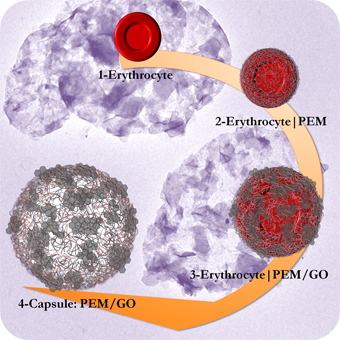
- homogenously charged surface prior to the GO deposition. The assembly of the polyelectrolytes in the first layers and between the GO was done in 0.5 M NaCl as in these salt conditions the polymers assemble in a denser and compact structure, due to the optimal coiled conformation of the PEs at this ionic
- the coated cell, thus reducing aggregation. The removal of the cell interior by NaOCl is based on the oxidation of the cell content, which is mainly proteins, which become defragmented and are easily eliminated during centrifugation and washing cycles with NaCl and water. Oxidation also affects the
- concentration of 2.5% in filtered PBS buffer. After fixation, they were centrifuged and washed in 0.9% NaCl several times at 10 °C and kept refrigerated. Graphene oxide Graphene oxide was prepared by strong acid oxidation of graphite using Hummer’s method [25] as modified in [26] where the dispersion was water


Synthesis, characterization and in vitro biocompatibility study of Au/TMC/Fe3O4 nanocomposites as a promising, nontoxic system for biomedical applications
Beilstein J. Nanotechnol. 2015, 6, 1677–1689, doi:10.3762/bjnano.6.170
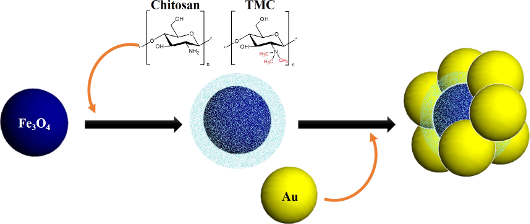
- purchased from Sigma (UK). T47D human ductal breast epithelial tumor cell line was obtained from American Type Culture Collection (ATCC) (USA). FeCl3·6H2O (99.0%), FeCl2·4H2O (99.0%), NaOH, and acetic acid were purchased from Acros Organics (USA). Analytical HCl, NaCl, D-glucose, glutaraldehyde, N
- and the solution was stirred for 24 h at 60 °C. The primary polymer was precipitated by means of an appropriate amount of acetone and then solved into NaCl (15%). The resulting suspension was dialyzed against deionized water for three days and finally freeze-dried, producing a pale yellow, TMC powder
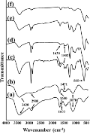
- [28][51][52]. Polymer-coated Fe3O4 nanoparticles First, 0.2 g of the previously sonicated iron oxide nanoparticles were dispersed in a 25.5 mL solution containing NaCl (0.5 M) and SDS (0.025 M). Given the molar ratio of polymer and Fe3O4 (1:1), an appropriate amount of chitosan or TMC (in 2% acetic




Atomic force microscopy as analytical tool to study physico-mechanical properties of intestinal cells
Beilstein J. Nanotechnol. 2015, 6, 1457–1466, doi:10.3762/bjnano.6.151
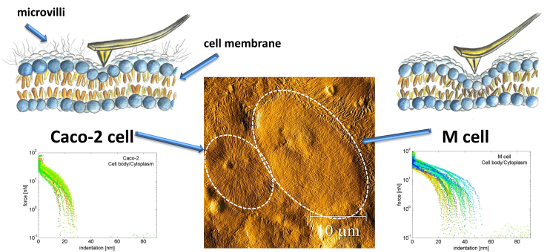
- as described earlier in literature [64]. In brief, cells were quickly rinsed in warm phosphate buffered saline (PBS; 0.01 M phosphate buffer, 0.15 M NaCl, pH 7.4) and fixed with 4% formaldehyde in PBS for 15 min at room temperature (RT). Next, cells were washed with PBS and permeabilized for 5 min at


Scalable, high performance, enzymatic cathodes based on nanoimprint lithography
Beilstein J. Nanotechnol. 2015, 6, 1377–1384, doi:10.3762/bjnano.6.142
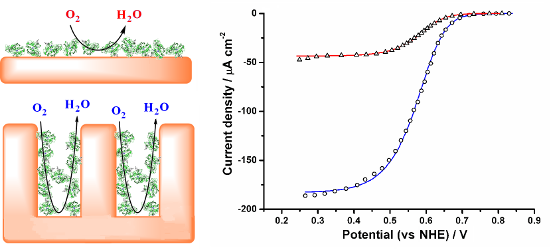
- gift from Amano Enzyme, Inc. (Nagoya, Japan). The specific activity of BOx, measured to be 140 U·mg−1, was determined using 5 mM 2,2'-azino-bis(3-ethylbenzthiazoline-6-sulfonic acid) (ABTS) as an electron donor dissolved in phosphate buffered saline (PBS; 50 mM phosphate buffer containing 0.15 M NaCl


Probing fibronectin–antibody interactions using AFM force spectroscopy and lateral force microscopy
Beilstein J. Nanotechnol. 2015, 6, 1164–1175, doi:10.3762/bjnano.6.118
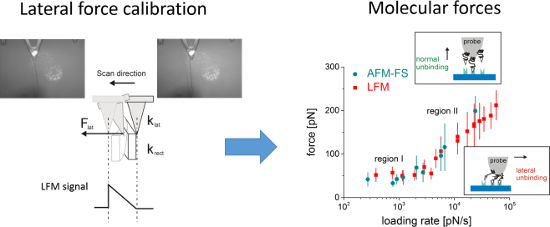
- fibronectin isolated from human plasma. Other reagents Other reagents used in the experiments were: (a) phosphate buffered saline (PBS, ICN Biomedicals, pH 7.4, containing 10 mM of PO42−, 137 mM of NaCl and 27 mM of KCl) was used to prepare all protein solutions; (b) 3-aminopropyltriethoxysilane (APTES, Sigma



Stick–slip behaviour on Au(111) with adsorption of copper and sulfate
Beilstein J. Nanotechnol. 2015, 6, 820–830, doi:10.3762/bjnano.6.85
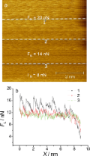
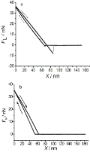
- . When the tip is scanning across a monatomic step, friction is largely increased due to the Schwoebel barrier, as has been shown for the NaCl(001)/gas interfaces [22]. We observed the same effect at the Au(111)/electrolyte interfaces [10][13]. Correspondingly, we have shown that friction is higher when
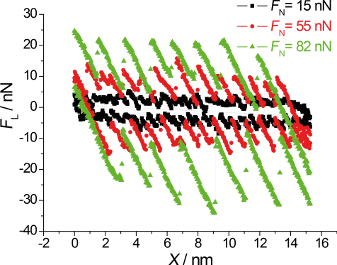
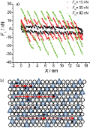
- was observed by Meyer and coworkers [33]: Upon an increase in normal load on a NaCl(001) surface a transition to multiple slip was found. According to [34], who predicted such transitions from theory for low damping conditions and also observed it on HOPG, this process is based on energy minimisation





In situ observation of biotite (001) surface dissolution at pH 1 and 9.5 by advanced optical microscopy
Beilstein J. Nanotechnol. 2015, 6, 665–673, doi:10.3762/bjnano.6.67
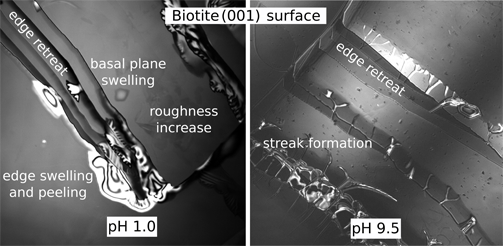
- over a wide range of experimental conditions [3][5][6][19][45][46]. Hu et al. [45] observed the formation of “fibrous illite structures” when biotite reacted in 1 mol·L−1 NaCl solution and high temperature (acidic hydrothermal conditions). Shao et al. [47] observed the formation of fibrous illite


Self-assembled anchor layers/polysaccharide coatings on titanium surfaces: a study of functionalization and stability
Beilstein J. Nanotechnol. 2015, 6, 617–631, doi:10.3762/bjnano.6.63
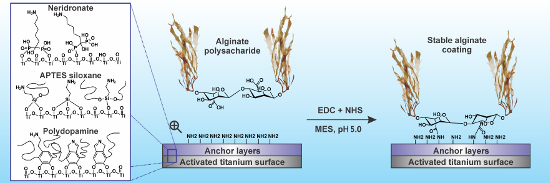
- protocol based on the work of Rowley et al. [60]. Alginate was dissolved in mixture of 0.1 M MES and 0.15 M NaCl, at pH 5, at a concentration of 1 wt %. Next, EDC was added and the solution was stirred for 15 min. Afterwards, NHS was added and the solution was stirred for an additional 15 min until the


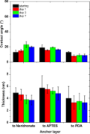
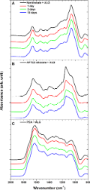
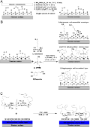
Novel ZnO:Ag nanocomposites induce significant oxidative stress in human fibroblast malignant melanoma (Ht144) cells
Beilstein J. Nanotechnol. 2015, 6, 570–582, doi:10.3762/bjnano.6.59
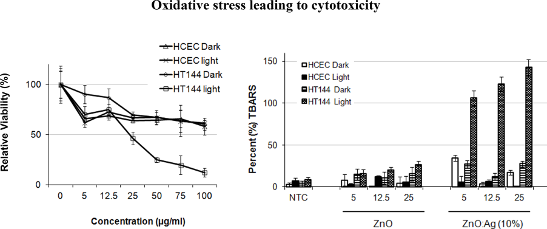
- washed and harvested in ice-cold phosphate buffer saline at 4 °C. Cells were then lysed in cell lysis buffer (2.5 M NaCl, 10 mM Trizma-base at pH 10.0, 100 mM Na2EDTA, 1% sodium sarcosinate, 1% Triton X-100, 10% DMSO) and centrifuged at 15000g for 10 min at 4 °C. The supernatant was collected and




Green preparation and spectroscopic characterization of plasmonic silver nanoparticles using fruits as reducing agents
Beilstein J. Nanotechnol. 2015, 6, 293–299, doi:10.3762/bjnano.6.27
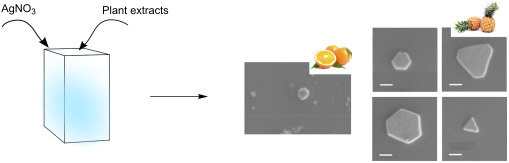
- nanoparticles are different depending on the fruit used for preparation. The green preparation process can result in individual nanoparticles with a very poor tendency to form aggregates with narrow gaps even when aggregation is forced by the addition of NaCl. This explains only modest enhancement factors for
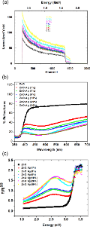
- silver nanoparticles [9], such as adenine, guanine, sodium chloride, failed. The extinction spectra in Figure 2a and the SEM image show that also NaCl at relatively high concentration does not force the formation of aggregates with subnanometer gaps as it had been obtained for other silver nanoparticles
- oranges and pineapples, scale bar is 100 nm. a) Extinction spectra of solutions of green silver nanoparticles made from orange extract before and after the addition of NaCl, final NaCl concentration was 0.2 M. The inset shows an aggregate formed by green nanoparticles. b) SERS spectrum of pMBA collected





