Search results
Search for "applications" in Full Text gives 1941 result(s) in Beilstein Journal of Nanotechnology. Showing first 200.
Quantification of lead through rod-shaped silver-doped zinc oxide nanoparticles using an electrochemical approach
Beilstein J. Nanotechnol. 2025, 16, 422–434, doi:10.3762/bjnano.16.33
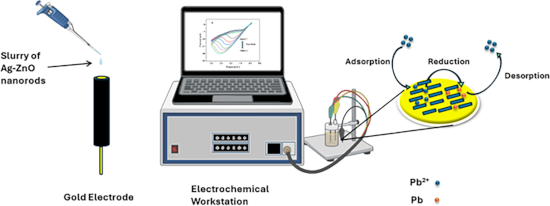
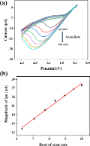
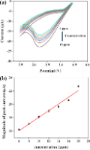
- lead sensor had a high sensitivity of 16 µA·ppm−1·cm−2, along with a detection limit of 3 ppm. Additionally, it demonstrated a response time of less than 2 s. This sensor is most suitable for applications that necessitate cost-effectiveness, rapid readings, and data collection in the field or at the





Size control of nanoparticles synthesized by pulsed laser ablation in liquids using donut-shaped beams
Beilstein J. Nanotechnol. 2025, 16, 407–417, doi:10.3762/bjnano.16.31
- nanoparticles (NPs) with defined particle sizes and narrow size distribution width is driven by the growing integration of nanomaterials into various industrial applications, such as medicine [1][2][3], catalysis [4][5], sensors [6][7], and additive manufacturing [8]. The performance of NPs typically depends on
- the size, requiring a monodisperse or at least monomodal size distribution. As an example, gold NPs with a narrow particle size distribution achieve a higher detection sensitivity in sensing applications [9]. Besides, NP size is critical for biomedical applications, where deviations from the optimum
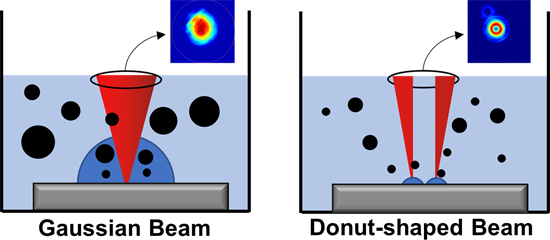
- beams of controlled polarization was performed to produce nanoparticles from metal (gold), oxide (yttrium oxide, Y2O3), and alloy (high-entropy alloy (HEA)) targets. The selected materials are typical representatives of their classes, whose NPs are widely used in applications such as biology and


ReactorAFM/STM – dynamic reactions on surfaces at elevated temperature and atmospheric pressure
Beilstein J. Nanotechnol. 2025, 16, 397–406, doi:10.3762/bjnano.16.30
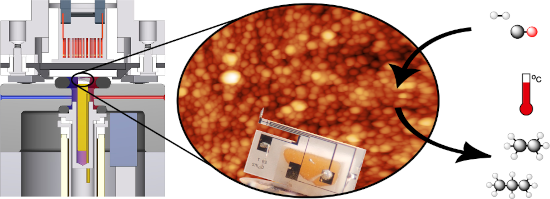
- conductive substrate limits STM techniques in relevant industrial applications involving such more complex catalysts. For this reason, an atomic force microscopy (AFM) version of the high-pressure STM employing a quartz tuning fork (QTF) was introduced to overcome this limitation [16]. Unlike STM, which uses


Engineered PEG–PCL nanoparticles enable sensitive and selective detection of sodium dodecyl sulfate: a qualitative and quantitative analysis
Beilstein J. Nanotechnol. 2025, 16, 385–396, doi:10.3762/bjnano.16.29
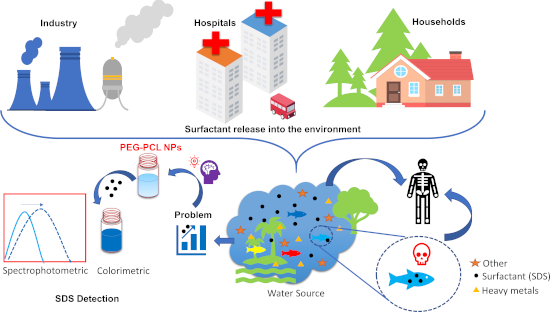
- Soni Prajapati Ranjana Singh Department of Biochemistry, King George’s Medical University, Lucknow, India 10.3762/bjnano.16.29 Abstract Sodium dodecyl sulfate (SDS) is a widely used anionic surfactant in laboratory, household, and industrial applications, which ultimately enters the environment
- sulfate group, with sodium as the counter-ion. The amphiphilic structure of SDS, integrating a hydrophobic alkyl chain and a hydrophilic headgroup, confers unique physicochemical properties that are leveraged in various applications. However, the widespread use of SDS in different applications led to the
- different applications [11]. The application of nanoparticles depends on the amount of capping agent adsorbed on the surface of the nanoparticles [12]. This suggests that quantifying the amount of surface capping, such as SDS, is necessary for designing nanoparticle-based applications. The food industry has


Development of a mucoadhesive drug delivery system and its interaction with gastric cells
Beilstein J. Nanotechnol. 2025, 16, 371–384, doi:10.3762/bjnano.16.28

- leakage of encapsulated drugs. These drawbacks make alginate challenging to be used in drug delivery applications [11][12]. Therefore, it is generally used together with other polymers, such as chitosan [13] or carboxymethyl cellulose [14], or it is modified with PEG-maleimide [15] to acquire mucoadhesion
- of the mucoid surface [17]. Eudragit RS100 polymer has been used for several applications aimed at different sites of the body such as skin [18], intestinal [16], intranasal [19], or ocular [20] drug delivery. This broad range of application sites is possible because pH-independent swelling of the
- , there are few studies focusing on this property when they are used as nanoparticle formulations [17]. Over the years, several valuable alginate-based applications have been reported as gastroretentive drug delivery systems, in which alginate beads were either coated with aminated chitosan [24], or


Pulsed laser in liquid grafting of gold nanoparticle–carbon support composites
Beilstein J. Nanotechnol. 2025, 16, 349–361, doi:10.3762/bjnano.16.26
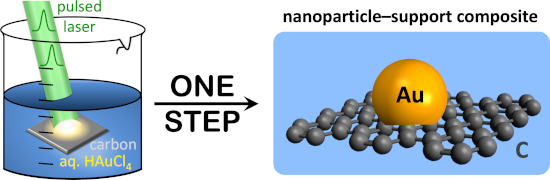
- nanosecond laser pulses for more efficient and less damaging surface decontamination compared to shorter pulses [42]. Besides, picosecond or femtosecond pulses are more expensive, creating obstacles for future scaled up composite manufacturing applications. The gold nanoparticles were uniformly distributed
- , integrated with laser-induced seeding on pulsed laser decontaminated/activated support surfaces and followed by laser-enabled nanoparticle growth, provides universality and simplicity. As a result, pulsed laser grafting has broad applications in sustainable manufacturing, decarbonization technologies
- , catalysis, sensing, and biomedical fields. Conclusion Pulsed laser grafting of gold nanoparticle–carbon fiber paper composites presents a significant advancement in electrode design for electrocatalytic applications. Our novel one-step aqueous pulsed laser grafting process enables the fabrication of


Tailoring of physical properties of RF-sputtered ZnTe films: role of substrate temperature
Beilstein J. Nanotechnol. 2025, 16, 333–348, doi:10.3762/bjnano.16.25
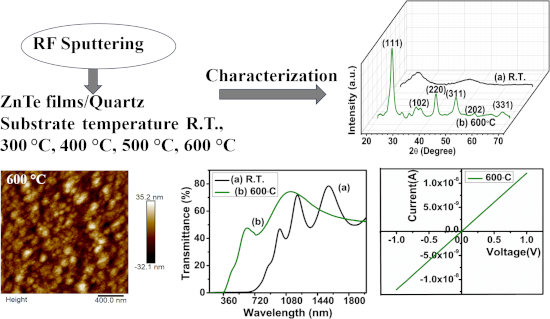
- crystallinity, high transmittance, and high conductivity of the ZnTe film produced at 600 °C make it a suitable candidate for use as a buffer layer in solar cell applications. Keywords: bandgap; physical properties; RF sputtering; substrate temperature; ZnTe; Introduction The industrialization and burning of
- ) compounds have numerous applications in optoelectronic devices such as light-emitting diodes [1], display devices [2], infrared detectors [3], and terahertz emitters [4]. Owing to their suitable physical properties (deposition at low temperatures and good thermal stability) and unique optical properties due
- very rare. Therefore, it is necessary to carry out a detailed study in this regard and to find out the optimum parameters for film deposition for applications in optoelectronic devices. Recently we reported the impact of substrate temperature on the structure, morphology, and reflectance behaviour of




Fabrication and evaluation of BerNPs regarding the growth and development of Streptococcus mutans
Beilstein J. Nanotechnol. 2025, 16, 308–315, doi:10.3762/bjnano.16.23
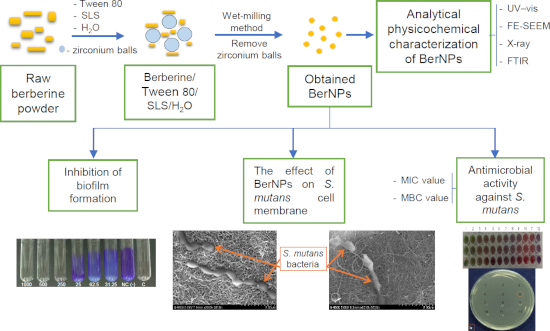
- prepared using a wet-milling method with zirconium balls to enhance bioavailability and expand potential applications. The particle size and physicochemical properties of the BerNPs were analyzed using field-emission scanning electron microscopy (FE-SEM), UV–vis spectroscopy, X-ray diffraction, and Fourier
- ranging from 12.5 to 25.0 µg/mL [31]. However, there is limited research on the activity of BerNPs against S. mutans, a primary pathogen responsible for dental caries. This study aims to provide additional information on the potential and applications of BerNPs in the development of oral care products




Enhancing mechanical properties of chitosan/PVA electrospun nanofibers: a comprehensive review
Beilstein J. Nanotechnol. 2025, 16, 286–307, doi:10.3762/bjnano.16.22

- industrial applications. It begins by outlining the fundamental properties of chitosan and PVA, highlighting their compatibility and mechanical characteristics. The electrospinning process is discussed, focusing on how various parameters and post-treatment methods influence fiber formation and performance
- evaluate mechanical properties and provides a comparative analysis of different enhancement approaches. Applications in biomedical and industrial contexts are explored, showcasing the versatility and innovation potential of these nanofibers. Finally, current challenges are addressed, and future research
- directions are proposed to overcome these obstacles and further enhance the mechanical properties of chitosan/PVA electrospun nanofibers, guiding their development for practical applications. Keywords: biomaterials; chitosan; electrospun nanofiber; mechanical properties; polyvinyl alcohol; Introduction In


Emerging strategies in the sustainable removal of antibiotics using semiconductor-based photocatalysts
Beilstein J. Nanotechnol. 2025, 16, 264–285, doi:10.3762/bjnano.16.21
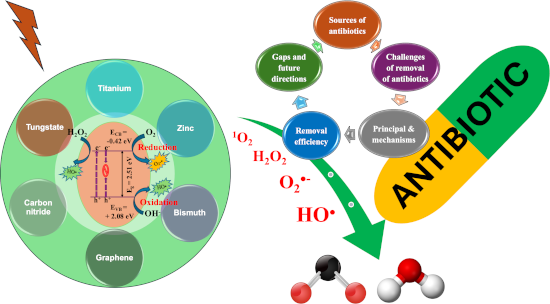
- contaminants, making it a versatile option for environmental remediation across various water and air treatment applications. These features collectively make photocatalysis an attractive approach for addressing pollution challenges in diverse settings. In recent years, several significant review papers have
- mechanisms of how these materials or processes degrade antibiotics. They do not address the entry of antibiotics into the environment, their adverse impact on human health and the environment, or the effects of each treatment process in relation to established industrial applications. As a result, there is a
- more complicated to fabricate and possibly beset by stability problems due to mediator degradation, indirect Z-schemes are nevertheless often used in applications that demand high charge separation performance. In contrast, direct Z-schemes are best suited for systems where robustness and simplicity



Synthesis and the impact of hydroxyapatite nanoparticles on the viability and activity of rhizobacteria
Beilstein J. Nanotechnol. 2025, 16, 216–228, doi:10.3762/bjnano.16.17
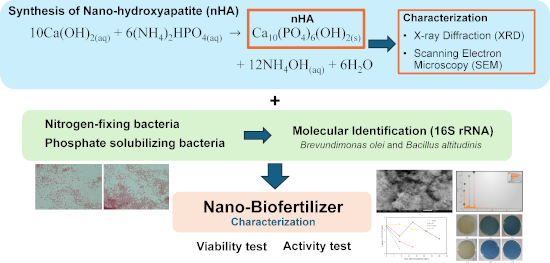
- applications. The nHA carrier is hydroxyapatite (Ca10(PO4)6(OH)2) in powder form, comprising the elements calcium, phosphorous, oxygen, and hydrogen. These elements provide nutrients that support the viability of rhizobacteria. Water within the carrier also plays a crucial role in maintaining the viability of


Recent advances in photothermal nanomaterials for ophthalmic applications
Beilstein J. Nanotechnol. 2025, 16, 195–215, doi:10.3762/bjnano.16.16
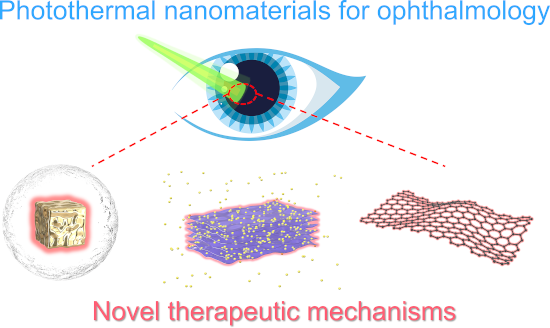
- treatments pose significant barriers [5]. The evolution of nanotechnology has catalyzed the development of novel therapeutic technologies, with a plethora of nanomaterials exhibiting significant potential for nanotherapeutic applications [6][7][8]. Among these, photothermal nanomaterials hold promise in
- , play a pivotal role in determining their therapeutic mechanisms, the range of suitable therapeutic applications, and overall therapeutic effectiveness [26][27]. The selection of appropriate incident light has a significant impact on the effect of photothermal therapy. Based on wavelength, incident
- collapse of these VNBs transform thermal energy into mechanical forces, such as jets and acoustic shock waves, enabling cellular or tissue treatment with minimal thermal damage. Currently, VNBs are being explored for applications in cancer cell eradication [51], harmful protein aggregate degradation [52


Probing the potential of rare earth elements in the development of new anticancer drugs: single molecule studies
Beilstein J. Nanotechnol. 2025, 16, 187–194, doi:10.3762/bjnano.16.15

- applications, rare earth elements are yet unexplored in the development of new drugs for cancer chemotherapies, and only a few works have pointed out the potential of such elements for this field [6][7][8]. An initial motivation to investigate the potential of rare earth elements for cancer treatments is the
- , depending on the concentration used, two of the rare earths (erbium and neodymium) tested also present the ability to compact/condense DNA, which opens the door for other types of applications such as gene therapies and the design of drug carriers themselves. To achieve such results, we performed single
- . Furthermore, it is worth to mention that a small ligand that presents such a strong ability to compact DNA can easily find applications in fields such as drug delivery and gene therapy. Atomic force microscopy In Figure 3 we show typical images of the complexes formed between DNA and the rare earths obtained


A review of metal-organic frameworks and polymers in mixed matrix membranes for CO2 capture
Beilstein J. Nanotechnol. 2025, 16, 155–186, doi:10.3762/bjnano.16.14
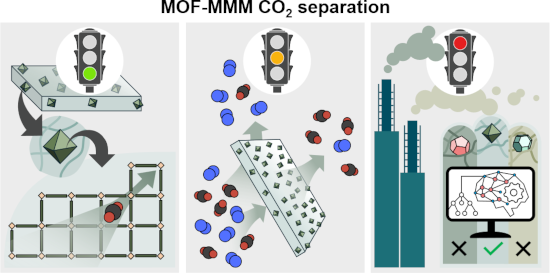
- the gas separation potential of MOF-based MMMs in CO2 capture applications are highlighted. Keywords: CO2 capture; gas separation; inorganic filler; metal-organic framework (MOF); mixed matrix membrane (MMM); Review 1 Introduction The continuous rise in global CO2 emissions has unfolded an era of
- much attention [3][4]. Considerable research has been dedicated to enhancing the efficiency of CO2 capture technologies for large-scale applications, particularly in natural gas purification and post-combustion processes [5]. Various technologies are currently under investigation for the capture of CO2
- -scale CO2 capture applications. The contents of this review are at the junction of different research areas for which interested readers can refer to dedicated existing literature. For example, Sumida et al. [26] provide a comprehensive review of CO2 capture using MOFs, while details on the fabrication




TiO2 immobilized on 2D mordenite: effect of hydrolysis conditions on structural, textural, and optical characteristics of the nanocomposites
Beilstein J. Nanotechnol. 2025, 16, 128–140, doi:10.3762/bjnano.16.12
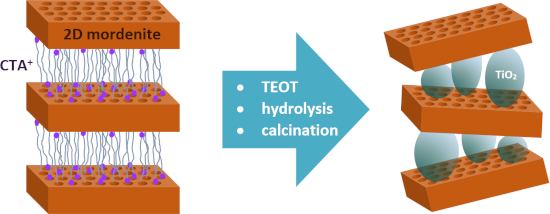
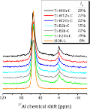
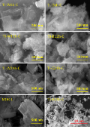
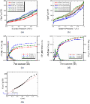
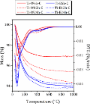
- hybrid zeolite–CTAB aggregates, inorganic pillars are pre-formed in the CTAB layers, which will keep the zeolite lamellae from collapsing when burning the organic phase. The flexibility in the choice of material to form pillars creates a wide range of potential new materials for targeted applications
- SiO2 opens up a wide range of opportunities for the development of new materials for specific applications. Experimental The synthesis of nanocomposites was carried out similarly to the method first proposed in [49] and used previously in [5][50] for the insertion of SiO2 nanopillars. The latter



Comparison of organic and inorganic hole transport layers in double perovskite material-based solar cell
Beilstein J. Nanotechnol. 2025, 16, 119–127, doi:10.3762/bjnano.16.11
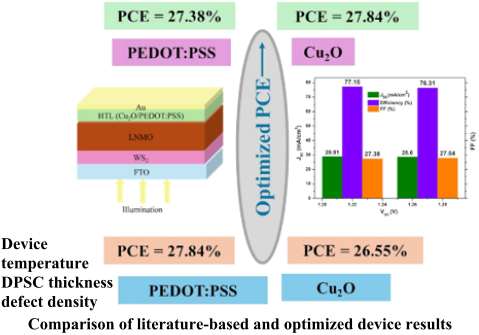
- essential issue for practical applications in the future. The structure of PSCs is ABX3, where A and B are the cationic sites and X is the anionic site. In double perovskite solar cells (DPSCs), the unit cell is twice that of the perovskite, that is, A2BB′O6. It has two cations at the sites B and B′ with
- % was reported for the device configuration FTO/WS2/LNMO/Cu2O/Au, representing La2NiMnO6 as an eco-friendly and non-toxic oxide material usable for further applications [17]. In literature, DPSCs with inorganic Cu2O have been studied, but in this manuscript we also consider organic materials. The
- ETL, and NiO was used as HTL, with La2NiMnO6 as absorber [25]. The DPSC showed promising characteristics. Applications of double perovskite compounds include fuel cells, UV sensors, electrochemical sensors, indoor photovoltaics, and light-emitting diodes [26]. Double perovskite LNMO nanoparticles and


Nanocarriers and macrophage interaction: from a potential hurdle to an alternative therapeutic strategy
Beilstein J. Nanotechnol. 2025, 16, 97–118, doi:10.3762/bjnano.16.10

- transport across membranes, and extend circulation times. These advantages could reduce the negative effects of off-target drug accumulation and improve the release to the disease sites compared to current delivery systems [6]. Despite the expected applications in the biomedical field, the journey of NPs
- macrophages for therapeutic applications, capitalizing on the unique characteristics of these immune cells. Macrophages are highly versatile agents for drug delivery because of their ability to evade immune surveillance, perform phagocytosis, and home to inflamed or diseased tissues [14]. Additionally, their
- activation, is a pivotal step in translating the therapeutic potential of RNA molecules into practical clinical applications, providing innovative solutions to the intricate challenges of nanomedicine. 6 Applications in liver and lung disorders NCs can be used to treat liver and lung diseases. Their ability


Modeling and simulation of carbon-nanocomposite-based gas sensors
Beilstein J. Nanotechnol. 2025, 16, 90–96, doi:10.3762/bjnano.16.9
- nanomaterials, such as carbon nanotubes (CNTs), graphene, and carbon black, embedded within a polymer matrix [1]. The distinctive properties of carbon nanocomposites have positioned them as promising candidates for various applications, particularly in the development of advanced sensors. The small amounts of
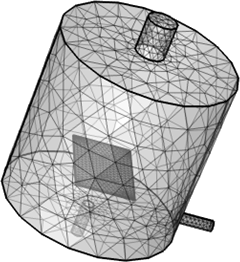
- advancing CO gas sensor technology, promising more effective solutions for environmental and industrial safety applications. Steps followed in implementing the sensor. The gas chamber with a sensor. Meshing of the gas chamber with a sensor. Surface concentration and surface coverage (θ) at 1 ppm of CO gas



Characterization of ZnO nanoparticles synthesized using probiotic Lactiplantibacillus plantarum GP258
Beilstein J. Nanotechnol. 2025, 16, 78–89, doi:10.3762/bjnano.16.8
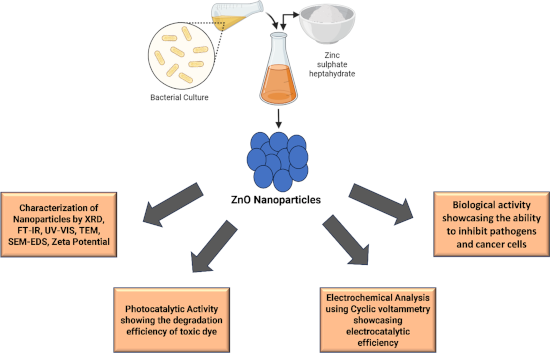
- applications. Keywords: anticancer; green synthesis; lactic acid bacteria; nanoparticles; zinc oxide; Introduction Nanotechnology has revolutionized various fields through its remarkable development and the unique properties exhibited by nanoparticles (NPs) at the mesoscopic level. Dimension, form, surface
- -to-volume ratio, and magnetic, electrical, optical, antimicrobial and hardness properties give NPs distinct mechanical, thermal, and catalytic properties. As a result, nanotechnology has widespread applications across diverse domains and opened up new possibilities for innovation [1][2]. Particles
- with a size below 100 nm are generally considered NPs. There are several drawbacks to the chemical and physical production of NPs. Although chemically synthesized NPs are widely used in medical applications, some chemical synthesis methods involve toxic reagents and produce harmful byproducts, raising



Instance maps as an organising concept for complex experimental workflows as demonstrated for (nano)material safety research
Beilstein J. Nanotechnol. 2025, 16, 57–77, doi:10.3762/bjnano.16.7

- properties can be tailored by changing their size, shape, surface chemistry, and functionality, have led to the designation of nanomaterials as a key enabling technology and to their subsequent inclusion in the broader categorisation of advanced materials [1][2]. Applications of nanomaterials derive in many
- cases from their high surface reactivity, which results from their small size and large surface area. They include applications in catalysis [3][4] (e.g., as catalytic converters in engines and for energy capture and storage) and as sensors [5][6] (e.g., for bioremediation and environmental monitoring
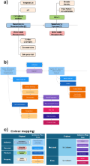
- and bottom-up and evolved based on real applications by the nanosafety research community. Instance maps for on-the-fly data FAIRification Much of the potential benefit provided by instance maps arises from removing the current separation of data production from data curation, harmonisation, reporting


Advanced atomic force microscopy techniques V
Beilstein J. Nanotechnol. 2025, 16, 54–56, doi:10.3762/bjnano.16.6

- high quality of the presentations motivated us to establish this thematic issue in the Beilstein Journal of Nanotechnology for compiling the latest results on developments and applications of atomic force microscopy techniques. Atomic force microscopy, a technique soon celebrating its 40th anniversary
Theoretical study of the electronic and optical properties of a composite formed by the zeolite NaA and a magnetite cluster
Beilstein J. Nanotechnol. 2025, 16, 44–53, doi:10.3762/bjnano.16.5
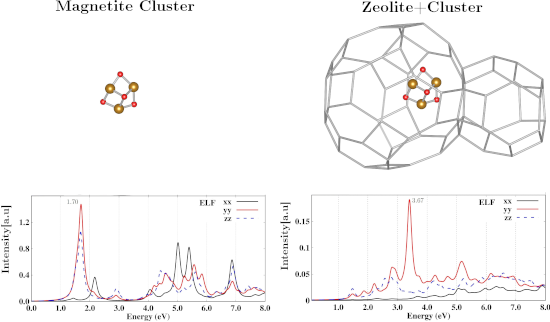
- characteristics of zeolites depend largely on the chemical composition of the framework, specifically the Si/Al ratio [1][2]. These characteristics make zeolites highly appealing for a wide range of applications, including the production of fine chemicals [3][4], gas separation [5][6][7], ion exchange [8][9][10
- ], heavy metal removal [11][12], sensor technologies [13][14][15][16], and biomedical applications [17]. Nanoscale materials represent a thriving field of research with a wide range of potential applications. Today, it is generally recognized that properties like hardness, reactivity, toxicity, and optical
- prolong their operational lifespan. As zeolites are synthesized in powder form, they typically have grain sizes ranging from hundreds of nanometers to tens of micrometers. For applications where recovery at the end of a process is desirable, this can be a limitation. A very interesting alternative is the




Bioinspired nanofilament coatings for scale reduction on steel
Beilstein J. Nanotechnol. 2025, 16, 25–34, doi:10.3762/bjnano.16.3

- , Danish Technical University, 2800 Kongens Lyngby, Denmark 10.3762/bjnano.16.3 Abstract Scaling of steel surfaces, prevalent in various industrial applications, results in significant operational inefficiencies and maintenance costs. Inspired by the natural hydrophobicity of springtail (Collembola) skin
- applications of mimicking the liquid-repelling properties of their skin to address a common industrial challenge: The scaling of steel surfaces. Scaling, a pervasive issue in various industries, results from unwanted water adhesion and mineral deposition, leading to corrosion, reduced efficiency, and increased
- stability and hydrophobicity of these bioinspired nanofilaments on steel, a key material for industrial antiscaling applications that has not been investigated in this context. We test whether SNF coatings can prevent scaling of steel surfaces. In the following session, we describe a reliable procedure to


Orientation-dependent photonic bandgaps in gold-dust weevil scales and their titania bioreplicates
Beilstein J. Nanotechnol. 2025, 16, 1–10, doi:10.3762/bjnano.16.1
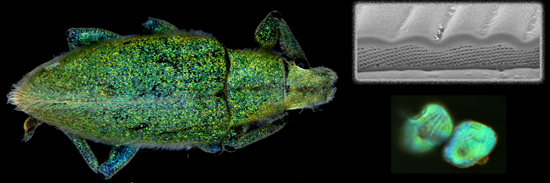
- light in key optical technologies such as lasers [6], light-emitting diodes [7], and light guides [8]. For applications in the visible spectral range, the periodicity needs to be in the range of a few hundreds of nanometers [9]. This periodicity is challenging to engineer using, for example, block
- photonic crystals are arguably one of the most sophisticated structures of photonics research [14][28][29], but the refractive index of chitin (n = 1.55, see also [4]) in intact insect scales is too low to allow for the formation of a complete bandgap, hindering photonic applications. The diamond networks


Mechanistic insights into endosomal escape by sodium oleate-modified liposomes
Beilstein J. Nanotechnol. 2024, 15, 1667–1685, doi:10.3762/bjnano.15.131
- mechanism, facilitating cytosolic delivery with reduced cytotoxicity. This approach offers a safer and more effective option for targeted drug delivery applications. Keywords: Aurein 1.2; endosomal escape; fusogenic effect; molecular dynamics simulation; sodium oleate; Introduction The quest for efficient
- candidate for drug delivery applications. The data support the use of SO as a safe modification in liposomal formulations, particularly in contexts where minimizing cytotoxicity is paramount. Cellular uptake The cellular uptake of DiD-labeled liposomes (Unmodified-Lipo, SO-Lipo, and AUR-Lipo) in 4T1 cells
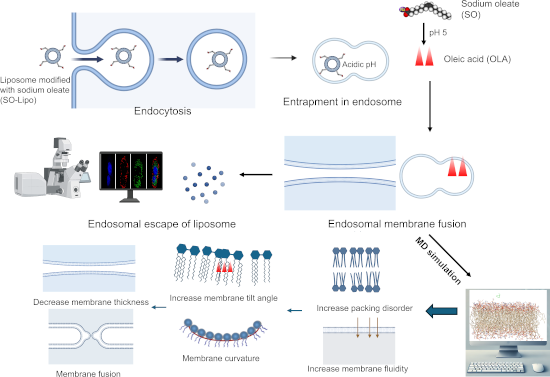
- . These findings confirm that SO is effective at promoting membrane fusion under acidic conditions to achieve targeted fusogenicity, making it a promising candidate for enhancing endosomal escape in drug delivery applications. MD simulation of OLA and AUR interaction with lipid bilayers The MD simulations