Search results
Search for "glucose" in Full Text gives 177 result(s) in Beilstein Journal of Nanotechnology.
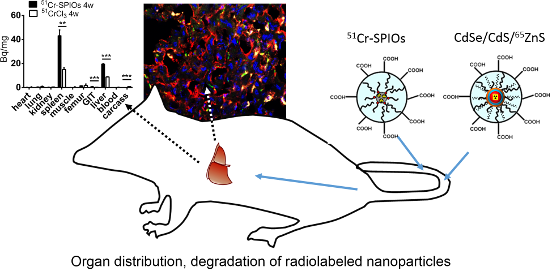
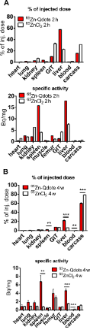
The distribution and degradation of radiolabeled superparamagnetic iron oxide nanoparticles and quantum dots in mice
Beilstein J. Nanotechnol. 2015, 6, 111–123, doi:10.3762/bjnano.6.11
- cells were cultured on microscope cover glasses (13 mm diameter, Glaswarenfabrik Karl Hecht KG, Sondheim, Germany) in DMEM medium (10% FCS, 4.5 g/L glucose, [+]glutamine, [−]pyruvate, 1% antimycotic–antibiotic from Invitrogen). The cells were incubated at 37 °C in a humidified atmosphere containing 5





Synthesis of boron nitride nanotubes and their applications
Beilstein J. Nanotechnol. 2015, 6, 84–102, doi:10.3762/bjnano.6.9
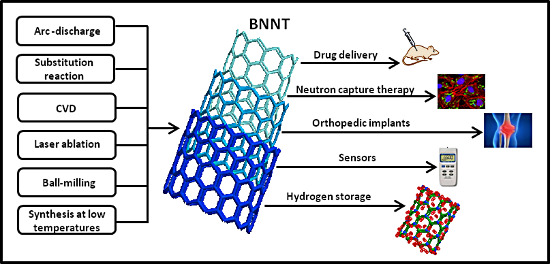
- biomedical applications [78]. The GA–BNNTs were found to be nontoxic to MRC-5 cells, but the previous studies claimed that glucosamine prevented the cellular uptake of glucose by pancreatic beta cells and caused cell death [73]. Poly-L-lysine (PLL) is known for its cytocompatibility due to the presence of




Intake of silica nanoparticles by giant lipid vesicles: influence of particle size and thermodynamic membrane state
Beilstein J. Nanotechnol. 2014, 5, 2468–2478, doi:10.3762/bjnano.5.256
- Biotium Inc. (Hayward, CA, USA), Na2HPO4, NaH2PO4, sucrose and D-(+)-glucose monohydrate from Merck (Darmstadt, Germany). For aqueous solutions ultrapure water (pure Aqua, Germany) with a specific resistance ≥18 MΩ was used. GUVs were prepared by electroformation as described for the first time by
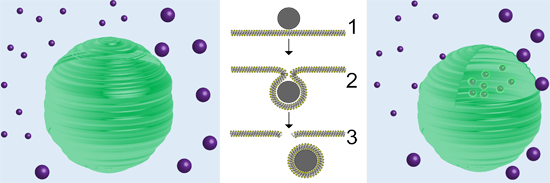
- data can be found in Table 2. The medium used for the experiments was phosphate buffered glucose solution. The buffer was prepared from Na2HPO4 and NaH2PO4 and adjusted to pH 7. The osmolarity was adjusted by addition of glucose to be equal to the osmolarity of the sucrose solution inside the GUVs
- experiment. This procedure is not necessary in the case of gel-phase vesicles. A suitable GUV, i.e., an isolated unilamellar vesicle without membrane inclusions, was chosen for further examination by fluorescence microscopy (Zeiss Axiovert 200M). The nanoparticles dispersed in glucose medium were applied to


Proinflammatory and cytotoxic response to nanoparticles in precision-cut lung slices
Beilstein J. Nanotechnol. 2014, 5, 2440–2449, doi:10.3762/bjnano.5.253
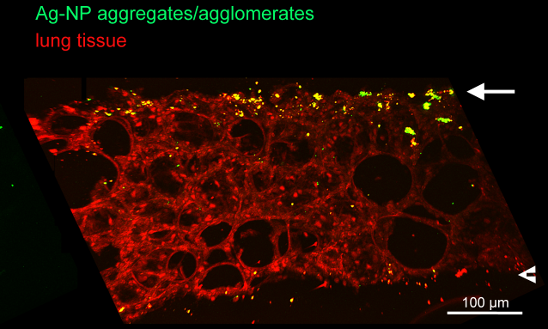
- [30][48]. Briefly, Ag-NPs were synthesized by reduction with glucose in the presence of PVP and dispersed in ultrapure degassed water. The silver concentration was determined by atomic absorption spectroscopy (AAS) with a detection limit of 1 μg·L−1. SEM was performed with a FEI Quanta 400 ESEM


Coating with luminal gut-constituents alters adherence of nanoparticles to intestinal epithelial cells
Beilstein J. Nanotechnol. 2014, 5, 2308–2315, doi:10.3762/bjnano.5.239
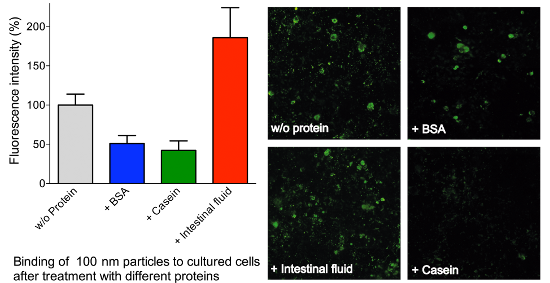
- Human Caco-2 BBe1 cells (ATCC, via LGC Standards, Wesel, Germany) of passage 68–73 were maintained in DMEM, high glucose with sodium pyruvate, supplemented with 4 mM L-glutamine, 10% fetal bovine serum (FBS), 10 µg/mL human transferrin and 1% penicillin–streptomycin solution. The cells were cultured at



Anticancer efficacy of a supramolecular complex of a 2-diethylaminoethyl–dextran–MMA graft copolymer and paclitaxel used as an artificial enzyme
Beilstein J. Nanotechnol. 2014, 5, 2293–2307, doi:10.3762/bjnano.5.238
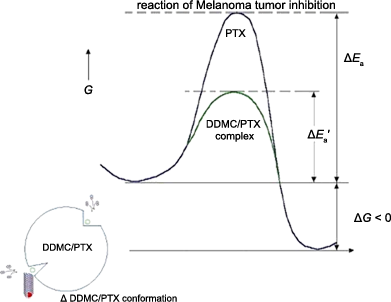
- . [53] also showed that triterpenoid compounds such as corosolic acid isolated from apples, which activates the glucose transporter and suppresses the rise of blood glucose levels, inhibit the signal transduction factors related to the differentiation to M2 macrophages, namely, nuclear factor-kappa B


Biopolymer colloids for controlling and templating inorganic synthesis
Beilstein J. Nanotechnol. 2014, 5, 2129–2138, doi:10.3762/bjnano.5.222
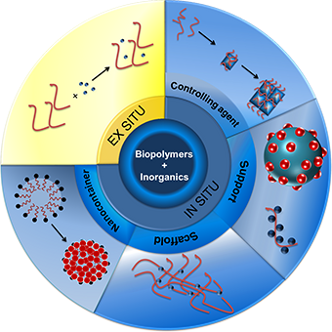
- sol, followed by a gelation process, porous hybrid structures can be obtained. Starting from a colloidal suspension of laponite particles, Shi et al. [4] reported the preparation of a nanocomposite matrix of chitosan and clay that was applied as a glucose biosensor. Very recently, da Costa Neto et al


Properties of plasmonic arrays produced by pulsed-laser nanostructuring of thin Au films
Beilstein J. Nanotechnol. 2014, 5, 2102–2112, doi:10.3762/bjnano.5.219
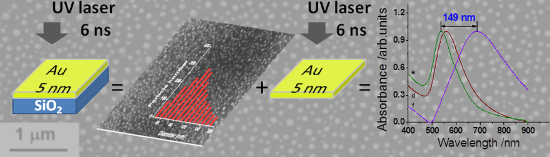
- is widely used and investigated because of its stable physical and electrochemical properties and finds application in optoelectronic and photovoltaic devices, as well as in the sensitive detection of species such as glucose, hydrogen peroxide and DNA fragments [56][57]. Samples of the Au–ITO
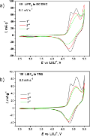
- solutions of 10 mM K3[Fe(CN)6] + 1 M KCl and 0.1 M NaOH without and with 2 mM of glucose added. The electrolytes were purged with argon for about 1 h prior the measurements, and during the electrochemical tests the Ar-cushion above the electrolyte has been applied. For the samples on ITO substrates, the Au
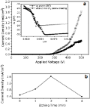
- electrode (Au-NP20) the sensing capability was observed via electrochemical response towards glucose oxidation and the CV curves were recorded for electrodes immersed in 0.1 M NaOH with and without 2 mM of glucose as shown in Figure 7b. In the range from −0.6 V to +0.7 V the signals corresponding to the


The gut wall provides an effective barrier against nanoparticle uptake
Beilstein J. Nanotechnol. 2014, 5, 2092–2101, doi:10.3762/bjnano.5.218
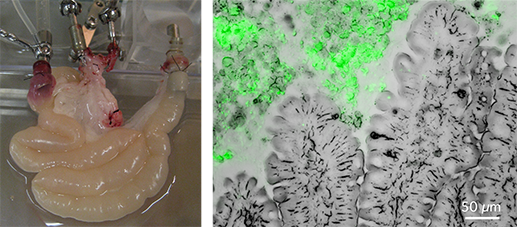
- recorded. The vascular perfusate was analyzed at regular intervals for O2 and CO2 partial pressures, pH, electrolytes, glucose, and lactate [26]. Nanoparticle challenge experiments A continuous luminal perfusion of the explant with a flow rate of 3 mL/h for 30 min was used to equilibrate the whole system


Effect of silver nanoparticles on human mesenchymal stem cell differentiation
Beilstein J. Nanotechnol. 2014, 5, 2058–2069, doi:10.3762/bjnano.5.214
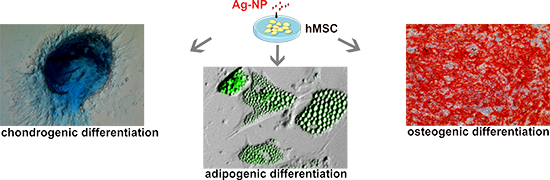
- predict the possible health risks. Experimental Synthesis of silver nanoparticles Polyvinylpyrrolidone (PVP)-coated silver nanoparticles were synthesized by reduction with glucose in the presence of PVP as described previously [19][21]. The final silver concentration in all dispersions was determined by
- dihydrate (Fluka, p.a.), silver nitrate (Fluka, p.a.), and D-(+)-glucose (Baker) were used. Ultrapure water was prepared with an ELGA Purelab ultra instrument. Ag-NP were stored under argon to prevent partial oxidative dissolution (which drastically influences nanoparticle toxicity) prior to cell culture


PVP-coated, negatively charged silver nanoparticles: A multi-center study of their physicochemical characteristics, cell culture and in vivo experiments
Beilstein J. Nanotechnol. 2014, 5, 1944–1965, doi:10.3762/bjnano.5.205

- quantities over a large number of experiments. Because of this, we decided to synthesize our particles by the reduction of silver nitrate with glucose in the presence of PVP according to Wang et al. [28]. This leads to high yields of spherical silver nanoparticles with diameters of around 70–120 nm and a few
- in the absence of oxygen as shown by a very elegant experiment by Xiu et al. [34]. We extended our studies by the addition of a number of essential components of biological media, such as inorganic salts that can lead to the precipitation of sparingly soluble silver salts (AgCl and Ag3PO4), glucose
- assume that this is due to a strong binding of the thiol group to the silver metal surface, which prevents the dissolution by passivation. Glucose, which is often used in syntheses to reduce silver ions to silver metal, has a decelerating effect but leads to a similar fraction of silver being finally


Growth and structural discrimination of cortical neurons on randomly oriented and vertically aligned dense carbon nanotube networks
Beilstein J. Nanotechnol. 2014, 5, 1575–1579, doi:10.3762/bjnano.5.169
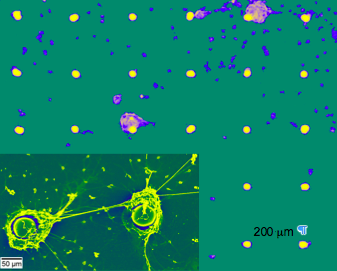
- (CNTs) are attractive for various sensing and electronic applications. These include, but are not limited to, gas sensors [1], mechanical sensors [2], biosensors (e.g., for glucose or DNA) [3][4], and vertical interconnect access (vias) applications based on CNT bundles [5]. CNTs have also sparked


Protein-coated pH-responsive gold nanoparticles: Microwave-assisted synthesis and surface charge-dependent anticancer activity
Beilstein J. Nanotechnol. 2014, 5, 1452–1462, doi:10.3762/bjnano.5.158
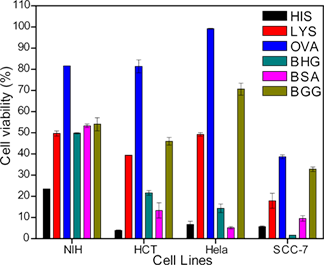
- observed after the reaction for all of the proteins except trypsin (TRY) and glucose oxidase (GOX). The AuNPs formed in the presence of the different proteins were characterized by UV–vis spectroscopy (Figure 1). The addition of Ag ions played an important role in the formation of the AuNPs, which is
- histone (HIS), chicken egg white lysozyme (LYS), ovalbumin (OVA), bovine serum albumin (BSA), bovine hemoglobin (BHG), bovine gamma globulin (BGG), glucose oxidase (Aspergillus niger) (GOX), and trypsin (porcine pancreas, TRY), used for the experiments were obtained from Sigma (USA) as a lyophilized


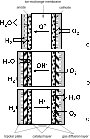
Liquid fuel cells
Beilstein J. Nanotechnol. 2014, 5, 1399–1418, doi:10.3762/bjnano.5.153
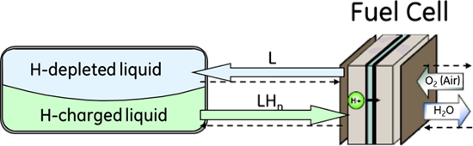
- energy density (Table 1) and solubility in water. Aqueous solutions of sugars (glucose, sucrose, and lactose) were used in implantable bio micro fuel cells [32] but their energy density is too small to be used in large scale applications. Aqueous solutions of some inorganic compounds containing
- . PGM catalysts exhibit low catalytic activity in electrooxidadion of carbohydrates. The oxidation of glucose in 1 M KOH in alkaline liquid fuel cells with a PtRu electrocatalyst generates gluconic acid (two-electron process) and 1. 4 mW/cm2 peak power [118]. The use of a Pt/C anode with a cobalt
- phthalocyanine cathode in an alkaline cell with a Tokuyama membrane provided a maximum power density of 2.3 mW/cm2 in 0.5 M glucose/0.5 M KOH solution [119]. Increasing the KOH concentration to 7 M, in combination with a PdNi anode and a non-platinum HYPERMECTM cathode (Acta), resulted in a substantial increase

Influence of the PDMS substrate stiffness on the adhesion of Acanthamoeba castellanii
Beilstein J. Nanotechnol. 2014, 5, 1393–1398, doi:10.3762/bjnano.5.152
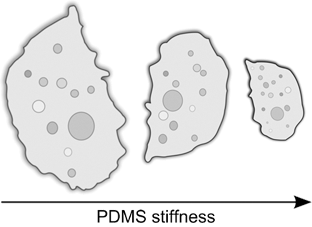
- Young’s moduli of the different PDMS substrates resulted in 4 ± 1 kPa (silicone base/curing agent = 80:1), 29 ± 3 kPa (57:1), and 128 ± 32 kPa (40:1). Acanthamoeba culture Trophozoites of A. castellanii (ATTC 30234) were cultured at room temperature in Peptone Yeast Glucose (PYG) 712 medium (20.0 g
- (SO4)2·6H2O (AppliChem, Darmstadt, Germany), 10.0 mL 0.25 M Na2HPO4·7H2O (Roth, Karlsruhe, Germany), 10.0 mL 0.25 M KH2PO4 (Roth, Karlsruhe, Germany), 50.0 mL 2 M glucose (Sigma–Aldrich Chemie GmbH, Steinheim, Germany)). In this axenic culture, the PYG 712 medium was regularly exchanged in the cell



Mimicking exposures to acute and lifetime concentrations of inhaled silver nanoparticles by two different in vitro approaches
Beilstein J. Nanotechnol. 2014, 5, 1357–1370, doi:10.3762/bjnano.5.149
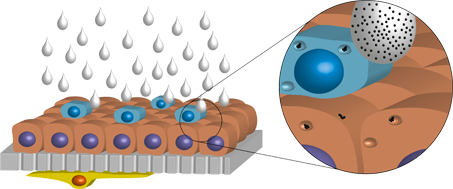
- biological media, it was able to show that the dissolution in chloride-containing media is reduced, probably due to the formation of AgCl. In contrast, glucose has no significant effect. Cysteine as a sulphur-containing molecule can decelerate the dissolution process, possibly by blocking of the NP surface
- apical (submersed) cell culture media. Silver nanoparticles PVP-coated Ag NPs were synthesized by reduction with glucose in the presence of PVP according to Wang et al. [69] and have been used already before [45][46]. Briefly, 2 g of glucose and 1 g of PVP were dissolved in 40 g of water and heated to 90
- , NO3−, excess glucose and its oxidation products, excess PVP, and excess Ag+ were fully removed. The silver nanoparticles were then redispersed in water. The final silver concentration was determined by atomic absorption spectroscopy (AAS). Polyvinylpyrrolidone (PVP K30, Povidon 30; Fluka, molecular



Functionalized nanostructures for enhanced photocatalytic performance under solar light
Beilstein J. Nanotechnol. 2014, 5, 994–1004, doi:10.3762/bjnano.5.113
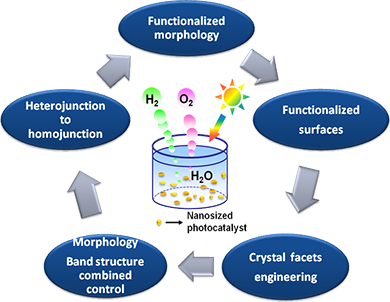
- accumulate on high-indexed facets, while photogenerated holes tended to migrate to {100} facets, leading to an efficient spatial charge separation and thereby enhanced photocatalytic hydrogen production from reforming of glucose over the Cu2O polyhedron [45]. The origin of the charge separation on different


Methods for rapid frequency-domain characterization of leakage currents in silicon nanowire-based field-effect transistors
Beilstein J. Nanotechnol. 2014, 5, 964–972, doi:10.3762/bjnano.5.110
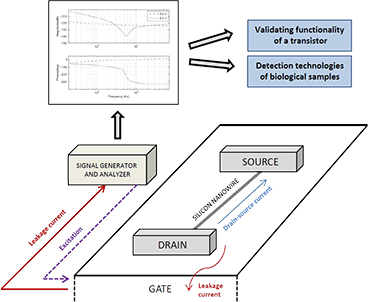
- ], protein [4], glucose [5], virus [6], and vapor [7]. Despite significant developments, underlying detection mechanism and dynamics of the SiNW FETs are not well-defined, and hence, further studies and methods are required [8]. Due to the large surface-to-volume ratio, one-dimensional nanostructures are one


Manipulation of isolated brain nerve terminals by an external magnetic field using D-mannose-coated γ-Fe2O3 nano-sized particles and assessment of their effects on glutamate transport
Beilstein J. Nanotechnol. 2014, 5, 778–788, doi:10.3762/bjnano.5.90
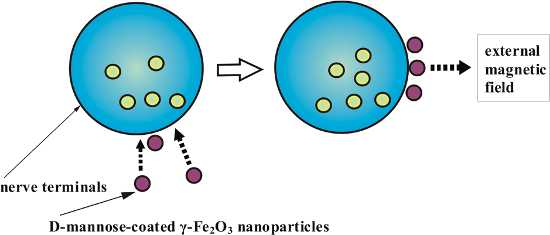
- in the axial position. This is a configuration specific to D-mannose, in contrast to glucose and other common sugars, which have this hydroxy group only in the equatorial position. Glutamate uptake by nerve terminals in the presence of D-mannose-coated γ-Fe2O3 nanoparticles Recently, it was shown
- 4 °C. The synaptosomal suspensions were used in experiments during 2–4 h after isolation. The standard salt solution was oxygenated and contained (in mM): NaCl 126; KCl 5; MgCl2 2.0; NaH2PO4 1.0; HEPES 20, pH 7.4; and D-glucose 10. Ca2+-supplemented medium contained 2 mM CaCl2. The Ca2+-free medium



A catechol biosensor based on electrospun carbon nanofibers
Beilstein J. Nanotechnol. 2014, 5, 346–354, doi:10.3762/bjnano.5.39
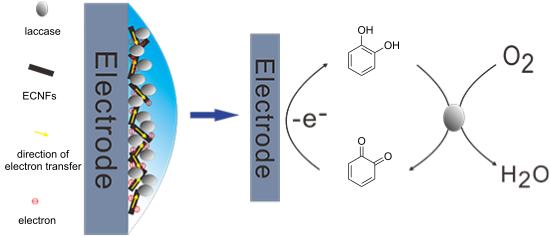
- /CNFs showed excellent electrocatalytic activities towards dopamine (DA), uric acid (UA) and ascorbic acid (AA) [26]. NiCF-paste (NiCFP) electrodes displayed excellent electrocatalytic capacity for the oxidation of glucose [27]. These works indicate that electrospun CNFs (ECNFs) harbor excellent


Extracellular biosynthesis of gadolinium oxide (Gd2O3) nanoparticles, their biodistribution and bioconjugation with the chemically modified anticancer drug taxol
Beilstein J. Nanotechnol. 2014, 5, 249–257, doi:10.3762/bjnano.5.27

- bioconjugation of chemically modified taxol with biocompatible Gd2O3 nanoparticles. Experimental Materials Gadolinium chloride (GdCl3) and sodium carbonate were obtained from Sigma Aldrich. Malt extract, yeast extract, glucose and peptone were obtained from HiMedia and used as received. Methods The thermophilic


Cytotoxic and proinflammatory effects of PVP-coated silver nanoparticles after intratracheal instillation in rats
Beilstein J. Nanotechnol. 2013, 4, 933–940, doi:10.3762/bjnano.4.105
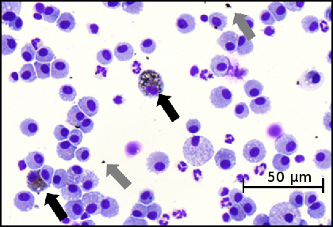
- Bavaria, Approval No.55.2-1-54-2531-26-10) and by the Institutional Animal Care and Use Committee of the Helmholtz Center Munich. PVP-coated Ag nanoparticles (PVP-AgNP) PVP-AgNP were prepared by reduction with glucose in the presence of PVP as described before [37][45]. The silver nanoparticles were




Synthesis and electrochemical performance of Li2Co1−xMxPO4F (M = Fe, Mn) cathode materials
Beilstein J. Nanotechnol. 2013, 4, 860–867, doi:10.3762/bjnano.4.97
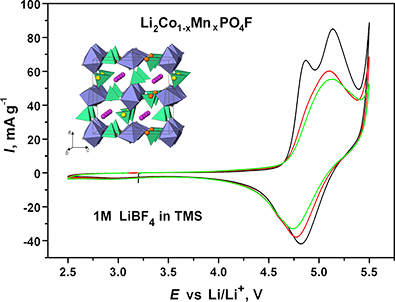
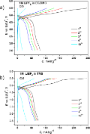
- glucose to the initial mixtures of reagents resulted in multiphase samples that contained large amounts of metallic Co (>10%), which can be explained by the strongly reductive conditions that appeared at elevated temperatures (>700 °С) because of the presence of C-containing additives. Therefore, for the



Mechanical and thermal properties of bacterial-cellulose-fibre-reinforced Mater-Bi® bionanocomposite
Beilstein J. Nanotechnol. 2013, 4, 325–329, doi:10.3762/bjnano.4.37
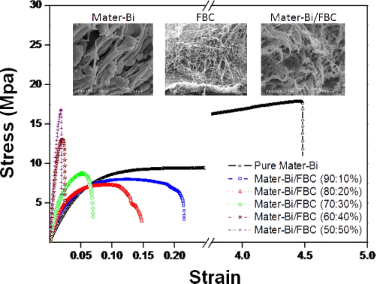
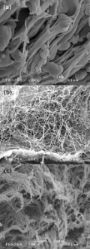
- starch of Mater-Bi® have been investigated. FBC produced by cultivating Acetobacter xylinum for 21 days in glucose-based medium were purified by sodium hydroxide 2.5 wt % and sodium hypochlorite 2.5 wt % overnight, consecutively. To obtain water-free BC nanofibres, the pellicles were freeze dried at a
- . The chemicals used for the culture medium were glucose, ammonium sulfate, potassium hydrogen orthophosphate, magnesium sulfate and yeast extract. In the purification process, sodium hydroxide, sodium hypochlorite and the chemicals mentioned above were used as received from VWR. Additional vitamins
- to the method described previously [11]. For every litre of distilled water, 50 g glucose, 5 g ammonium sulfate, 4 g potassium hydrogen orthophosphate, 5 g yeast extract, and 0.1 g magnesium sulfate were added. This culture medium was autoclaved at 121 °C for 2 h, and once cooled to ambient


Functionalization of vertically aligned carbon nanotubes
Beilstein J. Nanotechnol. 2013, 4, 129–152, doi:10.3762/bjnano.4.14
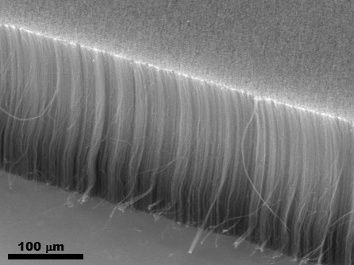
- present polymer-based functionalization and the grafting of biomolecules (DNA molecules, glucose molecules, proteins, etc.) on VA-CNTs for biological applications. Finally, we present some less-common functionalization methods. 3.1 Functional groups Fluorination of VA-CNTs: During the past decade