Search results
Search for "mechanisms" in Full Text gives 880 result(s) in Beilstein Journal of Nanotechnology. Showing first 200.
Nanotechnological approaches for efficient N2B delivery: from small-molecule drugs to biopharmaceuticals
Beilstein J. Nanotechnol. 2024, 15, 1400–1414, doi:10.3762/bjnano.15.113
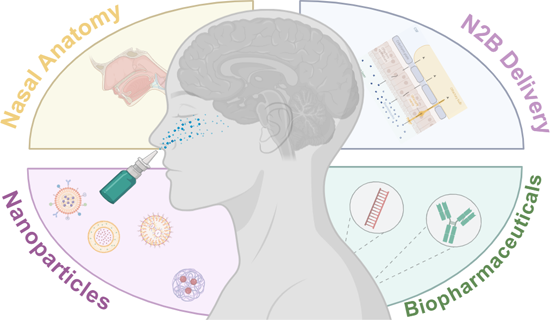
- , goblet cells, and basal cells [55]. Transport mechanisms for N2B delivery The transport mechanisms for the N2B delivery are yet to be fully understood. It is suggested that olfactory and trigeminal nerves are responsible for direct transport to the brain through the nasal route (Figure 3). For the
- ]. N2B drug transport includes intracellular, paracellular, and extracellular mechanisms [42]. While the intracellular pathway is based on the drug’s internalization by the neurons followed by axonal transport, the extracellular pathway is based on the drugs’ transport through the paracellular space [61
- through sheep nasal mucosa compared to their non-coated PLGA counterparts [80]. In another study by Spindler et al., the researchers prepared PLGA NPs in batches of different sizes, as well as chitosan-coated PLGA NPs, to study the uptake mechanisms of these particles into the olfactory mucosa through ex


Various CVD-grown ZnO nanostructures for nanodevices and interdisciplinary applications
Beilstein J. Nanotechnol. 2024, 15, 1390–1399, doi:10.3762/bjnano.15.112
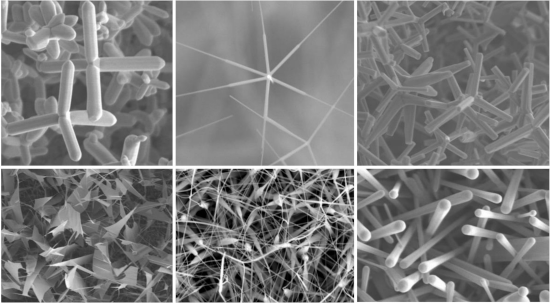
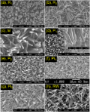
- sensitive in gas-sensing applications [58][59], and can be used to tune second harmonic polaritons coupling with nanocavity modes and generating polariton cavity modes [60]. The aforementioned results indicate the variety of ZnO nanostructures as well as complex physical mechanisms occurring during their



Hymenoptera and biomimetic surfaces: insights and innovations
Beilstein J. Nanotechnol. 2024, 15, 1333–1352, doi:10.3762/bjnano.15.107
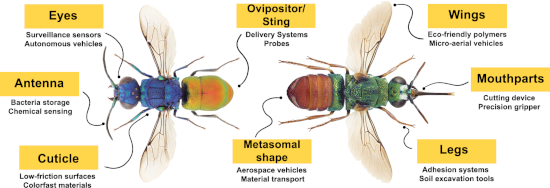
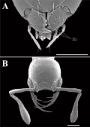
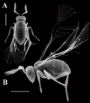
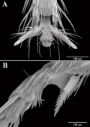
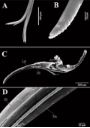
- surfaces of insects are marvels of natural engineering, displaying a remarkable array of adaptations that enable them to thrive in diverse environments [1][2][3]. Insects have developed a variety of mechanisms to cope with the challenges posed by their habitats, from specialized structures for attachment
- and movement to unique features that enhance survival and reproductive success [4]. These adaptations may provide valuable insights for biomimetic and bioinspired technological advancements [1]. Hence, understanding these mechanisms not only sheds light on the evolutionary ingenuity of insects but
- surfaces can prevent the wear of moving parts in devices such as hard drives and printers, ensuring longer operational life and reliability. The mechanisms behind the cuticle’s friction-reducing properties also include the ability to repel dust and contaminants, which further extends the applications of




Interaction of graphene oxide with tannic acid: computational modeling and toxicity mitigation in C. elegans
Beilstein J. Nanotechnol. 2024, 15, 1297–1311, doi:10.3762/bjnano.15.105
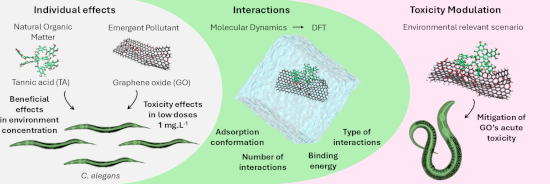
- Abstract Graphene oxide (GO) undergoes multiple transformations when introduced to biological and environmental media. GO surface favors the adsorption of biomolecules through different types of interaction mechanisms, modulating the biological effects of the material. In this study, we investigated the
- , phototransformation, and degradation [8]. Furthermore, because of the presence of sites for different types of interaction mechanisms (i.e., hydrogen bonding, van der Waals interaction, and π–π stacking), its structure favors the adsorption of different molecules (i.e., biomolecules and organic pollutants) and metal
- C. elegans at low concentrations (e.g., above 0.1 mg·L−1) [11][14]; the main mechanisms of toxicity reported in literature are damage to intestinal cavity and secondary organs, such as reproductive organs and neurons [14][34][35]. The sensibility of the nematode to GO made it a good model to


The role of a tantalum interlayer in enhancing the properties of Fe3O4 thin films
Beilstein J. Nanotechnol. 2024, 15, 1253–1259, doi:10.3762/bjnano.15.101

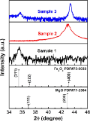
- samples are summarized in Table 3. Morphology, microstructure, and anisotropy mechanisms significantly impact the magnetic properties of ferrite materials [38]. It is known that antiphase boundaries (APBs) and grain size in Fe3O4 thin films, which are strongly influenced by substrate or buffer layer, can


A low-kiloelectronvolt focused ion beam strategy for processing low-thermal-conductance materials with nanoampere currents
Beilstein J. Nanotechnol. 2024, 15, 1197–1207, doi:10.3762/bjnano.15.97

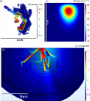
- should be carried out to better understand the effect of complex heat transfer mechanisms. In addition, other FIB processing parameters, such as scan strategies, should be incorporated and the effect evaluated in future work to further reduce the local heating, as demonstrated by Schmied et al. in an



Introducing third-generation periodic table descriptors for nano-qRASTR modeling of zebrafish toxicity of metal oxide nanoparticles
Beilstein J. Nanotechnol. 2024, 15, 1142–1152, doi:10.3762/bjnano.15.93
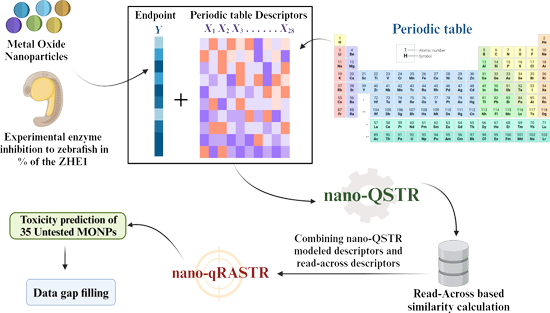
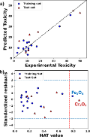
- between feature values and impact. Conversely, CVsim(LK) predominantly affects the model predictions negatively, as evidenced by its SHAP values being mainly on the left side. Mechanisms of ZHE1 enzyme inhibition The incorporation of third-generation descriptors significantly improves the predictive power
- likely to penetrate cell membranes, thereby decreasing their potential to cause cellular damage and toxicity. However, MONPs with increased molecular bulk can enhance toxicity via several mechanisms. They can physically damage cell membranes, potentially causing cell death. Their size may lead to
- , through aggregation, cause localized toxicity to zebrafish. Additionally, their size affects biodistribution and clearance, with larger MONPs tending to accumulate within the zebrafish organism, further exacerbating toxicity (Figure 3). In zebrafish, these mechanisms can manifest in several ways


Direct electron beam writing of silver using a β-diketonate precursor: first insights
Beilstein J. Nanotechnol. 2024, 15, 1117–1124, doi:10.3762/bjnano.15.90

- the primary electrons may enhance diffusion of silver and related reordering processes in the carbonaceous matrix [14]. Under our conditions, this energy input is about 0.3 eV for a silver atom and 2.6 eV for a carbon atom, which would be available for rearrangement mechanisms. The clarification of


Recent updates in applications of nanomedicine for the treatment of hepatic fibrosis
Beilstein J. Nanotechnol. 2024, 15, 1105–1116, doi:10.3762/bjnano.15.89
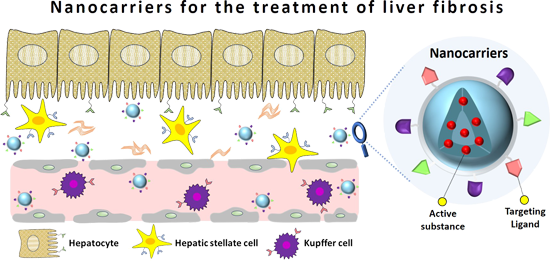
- their derivatives, and inorganic NPs. We also discuss the underlying mechanisms of some nanocarriers to yield selective liver accumulation and enhance therapeutic action. In the final section, we mention the future perspective of the development of nanomedicine-based drug delivery for liver fibrosis
- progression. Among the various molecular mechanisms causing liver fibrosis, activation of HSCs is considered a central link. This is because of the dominant contribution of activated HSCs in ECM production, making HSC activation a preferred target for antifibrotic therapy [67]. In any of the aforementioned
- overexpressed in activated HSCs and strongly related to the transformation of HSCs into matrix-producing myofibroblasts during liver fibrinogenesis [68][69]. The HSC-mediated antifibrotic drugs work through several mechanisms, including inhibition of fibrogenesis (ECM synthesis), inhibition of HSC proliferation


Interface properties of nanostructured carbon-coated biological implants: an overview
Beilstein J. Nanotechnol. 2024, 15, 1041–1053, doi:10.3762/bjnano.15.85
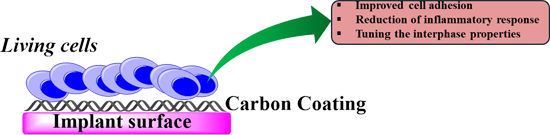
- pathways and the existence of a tunnel barrier between graphene flakes [43]. Accordingly, the transparency of the interface between different flakes determines whether the inter-flake transport is diffusive or hopping-type regardless of the intrinsic mechanisms responsible for intra-flake transport in
- response. The mechanisms involved in inflammation related to NDs are not yet clear, but authors suggest that the process is started by serum protein deposition triggering the inflammatory cascade. Moreover, polymeric films containing NDs were optimum substrates for osteoblast proliferation as reported by



Entry of nanoparticles into cells and tissues: status and challenges
Beilstein J. Nanotechnol. 2024, 15, 1017–1029, doi:10.3762/bjnano.15.83
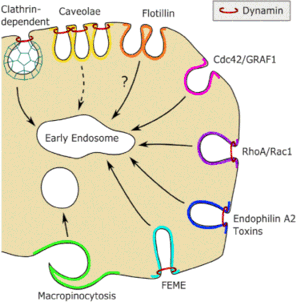
- studies, and transport in vivo also holds true for these particles. We will start by describing the status and challenges when it comes to cellular uptake mechanisms, and in the last part discuss interactions of NPs with tissues and biodistribution of these particles. Endocytic Pathways Involved in
- Nanoparticle Uptake The complexity of endocytosis The field of endocytosis has undergone a remarkable development during the last decades. Today it is clear that there is a variety of uptake mechanisms in cells, and adding to the complexity, they are partially cell-type specific [7][8][9][10]. In Figure 1, we
- step in FEME is blocked by a number of inhibitors that target other mechanisms [11]. Importantly, dynamin is required for the formation of vesicles by numerous mechanisms [7][8], but was recently reported to stabilize some caveolae [12]. Furthermore, when interfering with one uptake mechanism, the cell


Recent progress on field-effect transistor-based biosensors: device perspective
Beilstein J. Nanotechnol. 2024, 15, 977–994, doi:10.3762/bjnano.15.80
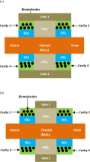
- bending between the carriers. However, when the gate bias that is supplied is greater than the threshold voltage of the device, the type of the channel is inverted which permits the current to flow and turns on the transistor [52]. The FET-based biosensors consist of two dissimilar transduction mechanisms
- to differences in current injection mechanisms [125], exemplified by PKD TFET-based biosensors [114], and especially the NC DG TFET-based biosensors, which offer the best sensitivity [119] due to the incorporation of negative capacitance (NC) and the tunneling mechanism, offering ideal subthreshold




Beyond biomimicry – next generation applications of bioinspired adhesives from microfluidics to composites
Beilstein J. Nanotechnol. 2024, 15, 965–976, doi:10.3762/bjnano.15.79
- designed biomimetic adhesives were discarded in favor of the more well-known and well-characterized mushroom-shaped fiber structures, and many groups developed similar shapes around the same time [2]. I will not cover the exact mechanisms by which these mushroom shapes have proven effective, as several
- mushroom-shaped adhesives included the introduction of multiheight caps [25] or asymmetric caps [26], which produce different directional adhesion without significantly altering the manufacturing process of the caps themselves (Figure 1), and multimaterial adhesives for different adhesion mechanisms in a
- easily adhered to in its soft state (Figure 2). Thus, it served as a dual-mechanism dry adhesive, although it could not operate with both mechanisms simultaneously. SMP materials are finding increasing use in newer versions of dry adhesives [30][31][32], and their full capabilities for switchable


Electrospun nanofibers: building blocks for the repair of bone tissue
Beilstein J. Nanotechnol. 2024, 15, 941–953, doi:10.3762/bjnano.15.77
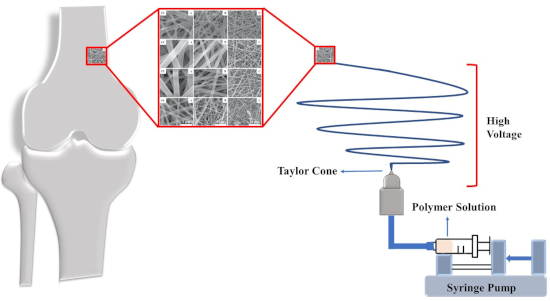
- , osteoclasts, and bone lining cells [24]. Actually, there are two basic mechanisms, namely, direct and indirect bone healing. Direct healing without callus formation is rarely seen in the natural healing process. Therefore, indirect healing is to be detailed here [25]. In general, three successive stages, that


Effects of cutting tool geometry on material removal of a gradient nanograined CoCrNi medium entropy alloy
Beilstein J. Nanotechnol. 2024, 15, 925–940, doi:10.3762/bjnano.15.76
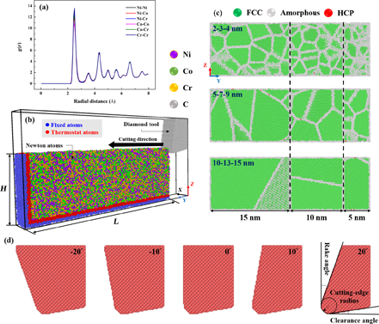
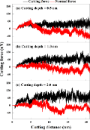
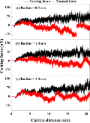
- transform into a mixed structure of face-centered cubic and hexagonally close-packed phases. The sliding and twisting of grain boundaries and the merging of grains are essential mechanisms for polycrystalline deformation. Regarding the cutting parameters, the average resultant force, the material
- /molecularly parallel simulator (LAMMPS) software [16][17], and the GNG model substrates were built from the ATOMSK software [18]. Deformation response, molecular structure, and atomic strain behavior were observed using the Open Visualization Tool (OVITO) software [19][20]. The mechanisms of phase transitions






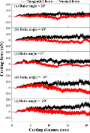


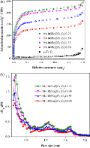
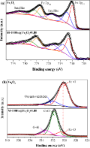
Facile synthesis of Fe-based metal–organic frameworks from Fe2O3 nanoparticles and their application for CO2/N2 separation
Beilstein J. Nanotechnol. 2024, 15, 897–908, doi:10.3762/bjnano.15.74
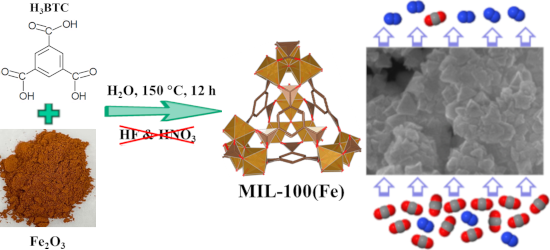
- , the TGA profiles of M-100Fe@Fe2O3#0.90, M-100Fe@Fe2O3#1.35, and M-100Fe@Fe2O3#1.80 samples revealed similar mechanisms in weight loss over a temperature range of 30 to 650 °C, coinciding with three stages of weight loss observed in the reference sample MIL-100(Fe). Initially, the trapped molecules



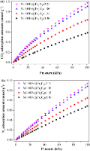


The effect of age on the attachment ability of stick insects (Phasmatodea)
Beilstein J. Nanotechnol. 2024, 15, 867–883, doi:10.3762/bjnano.15.72

- different attachment mechanisms evolved in insects, namely, hairy pads consisting of flexible setae, which adapt to the surface topography, and smooth pads possessing a soft and deformable cuticle to comply with the substrate profile [9]. Both pad types, hairy and smooth, aim to maximize contact area with
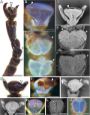
- investigation using fluorescence microscopy. Resilin-containing structures within the claws could potentially work as damping mechanisms to reduce wear and risk of damage [69]. Claws are presumed to be more resistant to wear than the soft and pliable adhesive pads [68][71]. Most claw breakages were observed at


Investigation on drag reduction on rotating blade surfaces with microtextures
Beilstein J. Nanotechnol. 2024, 15, 833–853, doi:10.3762/bjnano.15.70
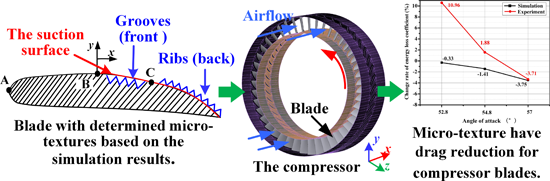
- directly applicable in practice. Therefore, researchers have explored the drag reduction mechanisms through replication or imitation of the microtexture found on biological surfaces; it was found that the contribution of microtextures to drag reduction primarily occurs within the boundary layer [6][7


Intermixing of MoS2 and WS2 photocatalysts toward methylene blue photodegradation
Beilstein J. Nanotechnol. 2024, 15, 817–829, doi:10.3762/bjnano.15.68
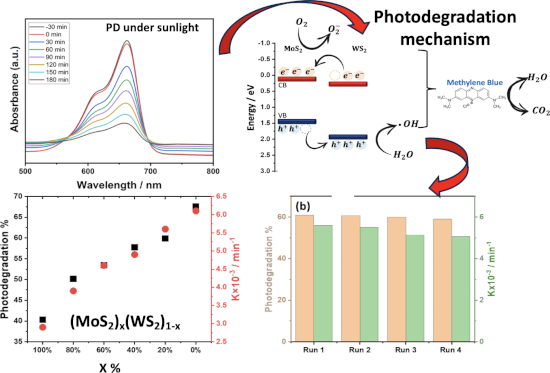
- 10 is obtained using the calculated conduction and valence bands positions. The more effective and faster electron transfer kinetics of MoS2/WS2 should account for the enhanced photocatalytic activity under irradiation. The PD process can take place as per the following two mechanisms: Or as follows
- excitations from a) sunlight and b) solar simulator. Proposed PD mechanisms of MB by MoS2/WS2 catalysts. PD stability comparison between WS2, MoS2 and WS2/MoS2 composite samples. Schematic diagram of the photocatalyst preparation. Electronic band structure for both MoS2 and WS2. Reported MoS2 and WS2-based


Green synthesis of biomass-derived carbon quantum dots for photocatalytic degradation of methylene blue
Beilstein J. Nanotechnol. 2024, 15, 755–766, doi:10.3762/bjnano.15.63
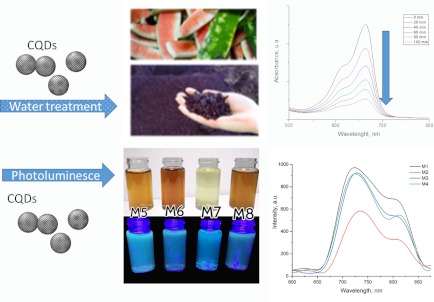
- underlying origin and mechanisms governing the multi-fluorescence behavior of carbon dots has garnered significant interest in recent times. Diverse research groups have delved into the fluorescence characteristics of CQDs, presenting varied mechanistic explanations. These encompass phenomena such as


Effect of repeating hydrothermal growth processes and rapid thermal annealing on CuO thin film properties
Beilstein J. Nanotechnol. 2024, 15, 743–754, doi:10.3762/bjnano.15.62
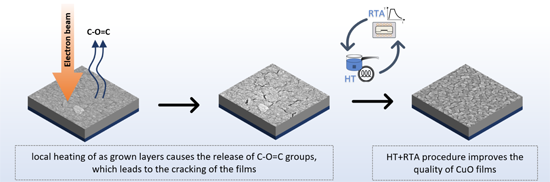
- system [52]. Both of these mechanisms contribute to an increase in grain size with each successive repetition of the HT+RTA cycle. Another consequence of thermal processing is a change in the surface structure. SEM images reveal that the number of sequencing cycles affects the continuity of the films




Simultaneous electrochemical determination of uric acid and hypoxanthine at a TiO2/graphene quantum dot-modified electrode
Beilstein J. Nanotechnol. 2024, 15, 719–732, doi:10.3762/bjnano.15.60
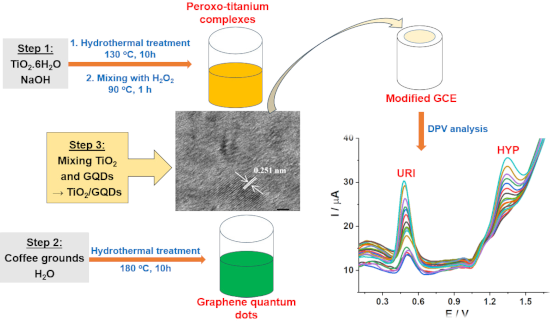
- 2 for HYP, which indicates that the oxidation of URI and HYP involves the transfer of two electrons and two protons. Based on the above observations, plausible mechanisms for the electrooxidation of URI and HYP are proposed (Scheme 1), which are in good agreement with previous reports, where the
- interferents. (a) Inorganic compounds and (b) organic compounds. Proposed oxidation mechanisms of URI and HYP at the (1:4)TiO2/GQDs-GCE. Comparison of URI and HYP determination at the TiO2/GQDs-GCE with the literature. Determination of URI and HYP in real samples (n = 5) with the (1:4)TiO2/GQDs-GCE


Elastic modulus of β-Ga2O3 nanowires measured by resonance and three-point bending techniques
Beilstein J. Nanotechnol. 2024, 15, 704–712, doi:10.3762/bjnano.15.58
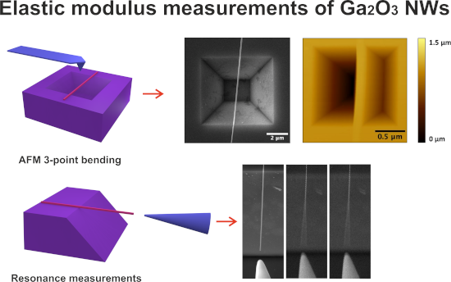
- these different methods arise from multiple factors. For instance, different NW growth mechanisms and sensitive synthesis conditions, their structural and geometrical variations, beam theory model validity, and the resolution of microscopy techniques leading to inaccurate measurements of the NW
- mechanisms alongside the vapour–liquid–solid (VLS) method. Following an examination via SEM, it became evident that the NWs exhibit variations in their dimensions, highlighting a nonuniform geometry (Figure 2). The observed NWs and NB-like structures exhibited various cross-sections, including square-like
- ]. Different growth mechanisms could potentially lead to variations in the NW structural properties, as was also indicated by the TEM study. The mechanical characteristics of Ga2O3 NWs were first examined using in-situ SEM resonance tests. Figure 3a–c presents a series of SEM images depicting an excitation of


Functional fibrillar interfaces: Biological hair as inspiration across scales
Beilstein J. Nanotechnol. 2024, 15, 664–677, doi:10.3762/bjnano.15.55
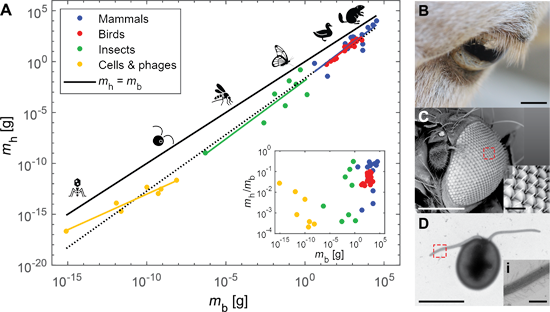
- instabilities [75][76]. Conversely, many birds use their feathers to produce sound through a variety of mechanisms, including aeroelastic flutter and mechanical rubbing [77][78]. Around one third of birds, notably crepuscular and nocturnal species, such as nighthawks, have facial bristles that resemble
- may be triggered by either mechanical or thermal energy [158]. Hygrosensation Studies have also shown that hairs exhibit heightened sensitivity to changes in humidity levels, enabling arthropods to discern variations in air humidity with remarkable precision. There are three potential mechanisms for


Laser synthesis of nanoparticles in organic solvents – products, reactions, and perspectives
Beilstein J. Nanotechnol. 2024, 15, 638–663, doi:10.3762/bjnano.15.54
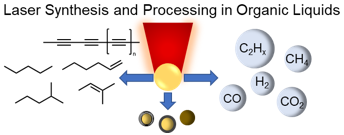
- , the corresponding reactions in organic liquids remain elusive, particularly because of the much greater complexity of carbon chemistry. To this end, this article first reviews the knowledge base of chemical reactions during LSPC and then deduces identifiable reaction pathways and mechanisms. This
- mechanisms of organic liquid decomposition and carbon shell formation are highlighted and discussed regarding current challenges and future perspectives of LSPC using organic liquids instead of water. Keywords: alloy; photochemistry; pyrolysis; radicals; surface chemistry; Introduction Since the first
- obtained during the processes by solvent decomposition (right side) in organic liquids. For the particle formation mechanisms of these process variants, we refer to a recent LSPC review article [53]. While the nanoparticles obtained in aqueous liquids are at least partially oxidized [53][54], the