


Search results
Search for "microscopy" in Full Text gives 1869 result(s) in Beilstein Journal of Nanotechnology. Showing first 200.
Electrochemical nanostructured CuBTC/FeBTC MOF composite sensor for enrofloxacin detection
Beilstein J. Nanotechnol. 2024, 15, 1522–1535, doi:10.3762/bjnano.15.120
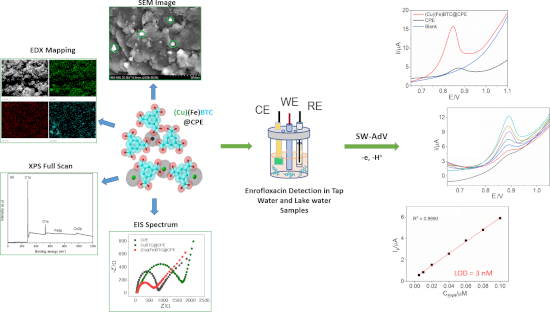
- electrode, an Ag/AgCl/saturated KCl reference electrode, and a carbon paste electrode (CPE) or MOF-modified electrodes as working electrodes. Physical and chemical properties of MOFs were characterized by using field-emission scanning electron microscopy (FESEM, Hitachi S-4800, Japan), energy-dispersive X





Effect of radiation-induced vacancy saturation on the first-order phase transformation in nanoparticles: insights from a model
Beilstein J. Nanotechnol. 2024, 15, 1453–1472, doi:10.3762/bjnano.15.117

- based on the fact that the movement of dislocations is impeded by particle surfaces (grain boundaries) quite rapidly. For example, a transmission electron microscopy study (irradiation with Kr ions at 1 MeV at room temperature and an average defect generation rate of about 2 × 10⁻³ dpa·s−1) showed that
- film through in situ ion irradiation, observed using atomic-resolution transmission electron microscopy [16]. The gold sample was irradiated with 2.8 MeV Au4+ ions at 200 °C with a fluence of approximately 1014 ions·cm−2 (equivalent to a dose of 10 dpa). A combination of surface- and radiation-induced
- et al. used transmission electron microscopy to investigate nanoscale Pd under 240 keV Kr ion irradiation with a flux of 1013 ions·cm−2·s−1. Pd had grain sizes, d, ranging from 10 to 100 nm. The authors found that the defect density increases with increasing grain size d, and the slope between defect


Various CVD-grown ZnO nanostructures for nanodevices and interdisciplinary applications
Beilstein J. Nanotechnol. 2024, 15, 1390–1399, doi:10.3762/bjnano.15.112
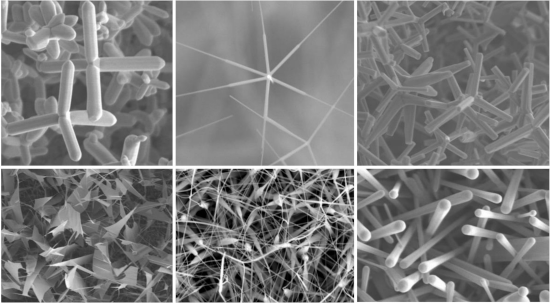
- results prove that ZnO exhibits many novel nanostructures that can foster the development of next-generation optoelectronic nanodevices and new applications in biological and biomedical fields. Keywords: chemical vapour deposition; electron microscopy; Raman and photoluminescent spectra; ZnO
- down to collect white products formed on Si substrates. They were characterized by scanning electron microscopy (SEM, JEOL-6330F) and energy-dispersive X-ray (EDX) spectroscopy. Renishaw’s RS and PL spectrometers operating with laser wavelengths of 488 and 325 nm were also employed to study phonon



A biomimetic approach towards a universal slippery liquid infused surface coating
Beilstein J. Nanotechnol. 2024, 15, 1376–1389, doi:10.3762/bjnano.15.111
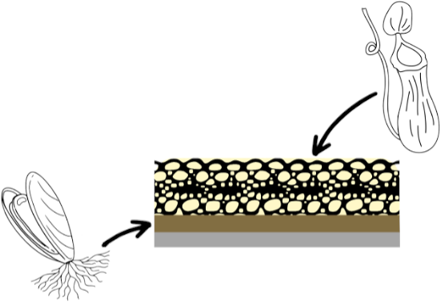
- force microscopy (AFM), sum frequency generation spectroscopy (SFG), and X-ray photoelectron spectroscopy (XPS). Measuring static water contact angles is a straightforward method to determine the relative wettability of a material and allows for a quick check if our surface modifications were successful
- measurements were conducted with the sessile drop method. Droplets of 5 µL were pipetted onto the surface, and an image was captured. Eight images from two duplicates of each sample type were acquired on a smartphone device and processed in ImageJ (NIH). Atomic force microscopy AFM was conducted on a Veeco di
- Microscopy Sciences). Samples were sputter-coated with gold/palladium (Cressington 108A) and imaged on a scanning electron microscope (SEM) (FEI Quanta 600F). ImageJ was used to measure fiber diameter and clot density. Clot density was determined by drawing a line through the image and counting the number of




Green synthesis of carbon dot structures from Rheum Ribes and Schottky diode fabrication
Beilstein J. Nanotechnol. 2024, 15, 1369–1375, doi:10.3762/bjnano.15.110
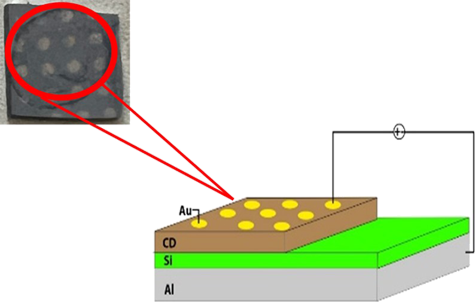
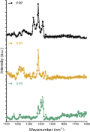
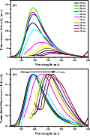
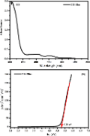
- Cary Eclipse fluorescence spectrophotometer were used for transmission electron microscopy (TEM), zeta potential measurements, X-ray diffractometry (XRD), Fourier-transform infrared spectroscopy (FTIR), X-ray photoelectron spectroscopy (XPS), micro-Raman spectroscopy, PVD thermal evaporation, scanning
- electron microscopy (SEM), I–V/C–V measurements, UV–vis spectroscopy, and steady-state fluorescence spectroscopy, respectively. CDs synthesis 2.5 g of the powdered Rheum ribes plant was placed in an autoclave bottle, and 50 mL of pure water was added to the bottle. This aqueous solution was placed in an




Out-of-plane polarization induces a picosecond photoresponse in rhombohedral stacked bilayer WSe2
Beilstein J. Nanotechnol. 2024, 15, 1362–1368, doi:10.3762/bjnano.15.109
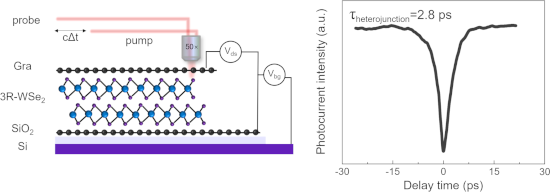
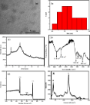
- . To enrich the basic characterizations of WSe2, we conducted Raman spectroscopy and scanning electron microscopy (SEM) measurements (Supporting Information File 1, Note 5). The broken symmetry leads to an asymmetric distribution of photogenerated carriers, resulting in a non-zero photocurrent even
- /WSe2/graphene devices, we fabricated a WSe2 two-terminal device, the electronic characteristics of which are shown in Supporting Information File 1, Note 4. To utilize the BPVE in 3R WSe2, we investigated the vertical heterojunction using scanning photocurrent microscopy (SPCM). The scanning
- microscopy (SPCM) with a 780 nm fiber laser (NPI Rainbow 780 OEM) mechanical chopped at 1050 Hz. The laser was focused near the diffraction limit on the samples by an objective (Olympus LMPLFLN 50×). The photocurrent was collected by a lock-in amplifier (Stanford SR830) with a background noise of


Hymenoptera and biomimetic surfaces: insights and innovations
Beilstein J. Nanotechnol. 2024, 15, 1333–1352, doi:10.3762/bjnano.15.107





Nanoarchitectonics with cetrimonium bromide on metal nanoparticles for linker-free detection of toxic metal ions and catalytic degradation of 4-nitrophenol
Beilstein J. Nanotechnol. 2024, 15, 1312–1332, doi:10.3762/bjnano.15.106
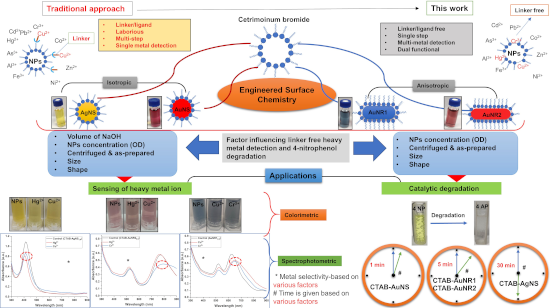
- microscopy (TEM) enables precise nanoparticle size and shape measurements. TEM images show that AuNR1 and AuNR2 have a rod-like shape with different sizes, whereas AuNS and AgNS are spherical (Figure 3a–d). The mean sizes of CTAB-AgNS and CTAB-AuNS are 27.4 ± 4.6 and 21.1 ± 3.6 nm, respectively (Figure 3e




Interaction of graphene oxide with tannic acid: computational modeling and toxicity mitigation in C. elegans
Beilstein J. Nanotechnol. 2024, 15, 1297–1311, doi:10.3762/bjnano.15.105

- complete characterization of the GO sample is available in [36]. Atomic force microscopy (AFM), Raman spectroscopy, and X-ray photoelectron spectroscopy (XPS) were used to assess size, morphology, number of layers, and surface chemistry of GO. The GO sample used in this study consists of single layers with
- Agency (EPA), herein named EPA medium, in absence and presence of TA. Atomic force microscopy AFM has been extensively used to characterize the distribution and morphology of biomolecules on the surface of nanomaterials, especially 2D materials [37]. Figure 1a and Figure 1b show AFM images of GO sheets


Mn-doped ZnO nanopowders prepared by sol–gel and microwave-assisted sol–gel methods and their photocatalytic properties
Beilstein J. Nanotechnol. 2024, 15, 1283–1296, doi:10.3762/bjnano.15.104
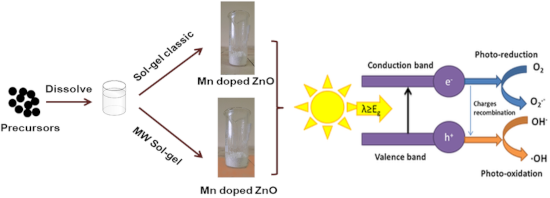
- samples were thermally treated at 350 °C and 500 °C for 1 h each. Scanning electron microscopy The morphology and chemical composition (inset) of the thermally treated samples is illustrated in Figure 4. Homogeneously distributed, quasi-spherical nanoparticles (mean size diameter of 70 nm) are observed in
- morphologies and the compositions of the calcined samples were evaluated by scanning electron microscopy (SEM-EDS), using a FEI Quanta 3D FEG instrument equipped with the Octane Elect EDS system. The powder samples were placed on double-sided carbon tape and recorded without coating at accelerating voltages of


Functional morphology of cleaning devices in the damselfly Ischnura elegans (Odonata, Coenagrionidae)
Beilstein J. Nanotechnol. 2024, 15, 1260–1272, doi:10.3762/bjnano.15.102

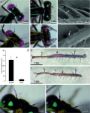
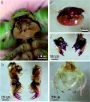
- , situated on the foreleg tibiae, were observed using scanning electron microscopy, and the presence and distribution of resilin, an elastomeric protein that enhances cuticle flexibility, were analyzed using confocal laser scanning microscopy. Eye and antennal grooming behavior were analyzed to evaluate the
- used to clean the head and, especially, the eyes and the antennae. The microstructures were observed using scanning electron microscopy (SEM), and the presence and distribution of resilin, an elastomeric protein that enhances cuticle deformability and flexibility (review in [36]), were analyzed using
- confocal laser scanning microscopy (CLSM). The eye and antennal grooming behavior of the damselfly Ischnura elegans (Vander Linden, 1820) adults (Odonata, Coenagrionidae) was observed and analyzed to evaluate the particle removal efficiency in intact and ablated insects. Material and Methods Insects


The role of a tantalum interlayer in enhancing the properties of Fe3O4 thin films
Beilstein J. Nanotechnol. 2024, 15, 1253–1259, doi:10.3762/bjnano.15.101

- morphological, structural, and magnetic properties of the deposited samples were characterized with atomic force microscopy, X-ray diffractometry, and vibrating sample magnetometry. The polycrystalline Fe3O4 film grown on MgO/Ta/SiO2/Si(100) presented very interesting morphology and structure characteristics
- films on three different types of substrates, namely an amorphous SiO2/Si(100) substrate, a single crystal MgO(100) substrate, and a buffer layer consisting of MgO/Ta/SiO2/Si(100). The properties of Fe3O4 thin films were analyzed using atomic force microscopy (AFM), X-ray diffractometry (XRD), and
- annealed at a temperature of 723 K for a duration of 2 h under a base pressure of 2.3 × 10⁻⁸ Torr. The Fe3O4 films were analyzed regarding their surface morphology, magnetic properties, and structural properties using atomic force microscopy (EasyScan2, Nanosurf), vibration sample magnetometry (Quantum


Dual-functionalized architecture enables stable and tumor cell-specific SiO2NPs in complex biological fluids
Beilstein J. Nanotechnol. 2024, 15, 1238–1252, doi:10.3762/bjnano.15.100
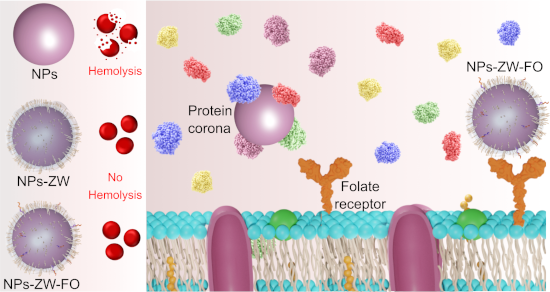
- ), SiO2NPs-ZW-NH2 (with ZW + APTES), and SiO2NPs-ZW-FO (with ZW + APTES + folate). Characterization of SiO2NPs Scanning electron microscopy (SEM) micrographs were obtained in a high-resolution FEI Inspect F50 microscope. A NP suspension (7 μL) was deposited directly onto a copper substrate, dried, and


Enhanced catalytic reduction through in situ synthesized gold nanoparticles embedded in glucosamine/alginate nanocomposites
Beilstein J. Nanotechnol. 2024, 15, 1227–1237, doi:10.3762/bjnano.15.99
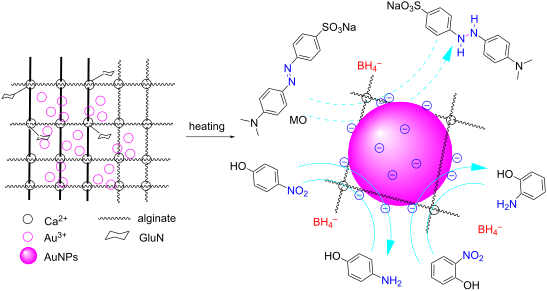
- a Bruker Tensor 27 FTIR spectrophotometer, which scanned wavelengths from 500 to 4000 cm−1. KBr pellets were used for the measurements. For morphological investigations of the nanocomposites, scanning electron microscopy (SEM) was performed using a SEM-S4800 instrument; transmission electron
- microscopy (TEM) and selected area electron diffraction (SAED) were carried out using a JEOL JEM-2100 instrument. Crystal structure characterizations of AuNPs were carried out via XRD diffraction. Zeta potential and dynamic light scattering (DLS) measurements were carried out on gel solutions (1.0 mg·mL−1



Realizing active targeting in cancer nanomedicine with ultrasmall nanoparticles
Beilstein J. Nanotechnol. 2024, 15, 1208–1226, doi:10.3762/bjnano.15.98
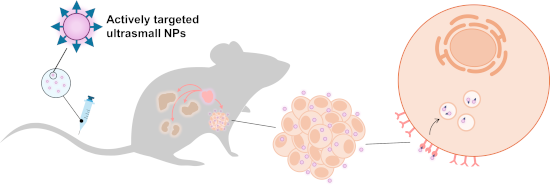
- multifunctional C’ dots. (B) Competitive cell-binding assay of targeted usNPs (EC112002) revealed a 40-fold improvement in affinity for folate receptor binding compared to free folic acid. (C) Z-stacks of confocal microscopy images of a tumor spheroid treated with targeted usNPs (first and second rows) and
- histopathology featuring Cy5-fluorescence microscopy, HER2 immunohistochemical staining, and autoradiography images. This figure was adapted from [145] (© 2018 Feng Chen et al., published by Springer Nature, distributed under the terms of the Creative Commons Attribution 4.0 International License, https


A low-kiloelectronvolt focused ion beam strategy for processing low-thermal-conductance materials with nanoampere currents
Beilstein J. Nanotechnol. 2024, 15, 1197–1207, doi:10.3762/bjnano.15.97

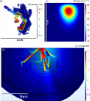
- , collagen’s fibrillar structure, visible by microscopy, is denatured by heat to give gelatin that lacks any fixed structure [22][23], making heat damage easily recognizable. Despite the focus on Ga ions impacting in skin (simulations) and collagen (experimental), the broader results presented here are true
- for any type of instrument and ion species, which includes gallium FIBs, plasma FIBs, helium ion microscopy FIBs, as well as low-temperature ion source and magneto-optical trap ion source FIBs. Results and Discussion SRIM simulations SRIM simulations were carried out to evaluate the interactions of 5



Synthesis, characterization and anticancer effect of doxorubicin-loaded dual stimuli-responsive smart nanopolymers
Beilstein J. Nanotechnol. 2024, 15, 1189–1196, doi:10.3762/bjnano.15.96
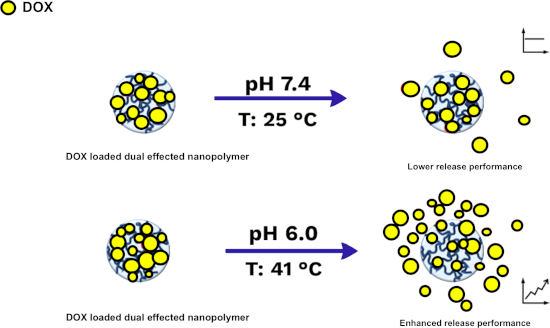
- . Characterizations of the synthesized nanostructures were carried out including zeta potential measurements, Fourier-transform infrared spectroscopy, and scanning electron microscopy. The loading capacity of the nanopolymers for DOX was investigated, and encapsulation and release studies were carried out. In a final
- . Scanning electron microscopy (SEM, Leo 440) was utilized for morphological characterizations of the SNPs; lyophilized SNPs were coated with gold, and the samples were placed in the SEM. The zeta potential the of DOX-SNPs was measured by using a Nano Zetasizer (NanoS, Malvern Instruments, London, UK


Local work function on graphene nanoribbons
Beilstein J. Nanotechnol. 2024, 15, 1125–1131, doi:10.3762/bjnano.15.91
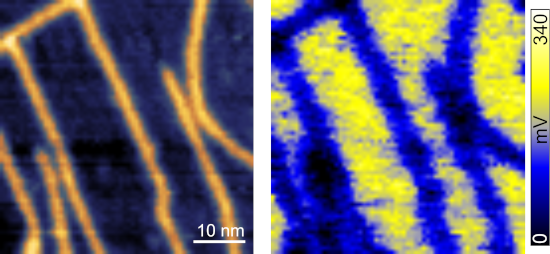
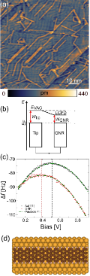
- exotic nature of the charge carriers and to local confinement as well as atomic-scale structural details. The local work function provides evidence for such structural, electronic, and chemical variations at surfaces. Kelvin prove force microscopy can be used to measure the local contact potential
- nanoribbons; Kelvin probe force microscopy; local contact potential difference; Introduction Graphene’s electronic properties are determined by its two-dimensionality as well as by its semimetallic gapless conical band structure [1]. Its electronic behavior depends strongly on the location of the Fermi level
- surfaces, all related to charge differences; for a review, see [14]. Kelvin probe force microscopy (KPFM), a method derived from scanning force microscopy (SFM), allows one to study the local work function difference of a sample with great accuracy and with atomic resolution [15][16][17][18][19][20]. In

![[Graphic 1]](/bjnano/content/inline/2190-4286-15-91-i4.svg?max-width=637&scale=1.18182)
Direct electron beam writing of silver using a β-diketonate precursor: first insights
Beilstein J. Nanotechnol. 2024, 15, 1117–1124, doi:10.3762/bjnano.15.90

- performed in the Corelab Correlative Microscopy and Spectroscopy at Helmholtz-Zentrum Berlin. Funding This work was funded by the German Research Association under grant agreement no. HO 5461/3-1 and by the Swiss National Fund by the COST-SNF project IZCOZ0_205450. The authors want to furthermore


Unveiling the potential of alginate-based nanomaterials in sensing technology and smart delivery applications
Beilstein J. Nanotechnol. 2024, 15, 1077–1104, doi:10.3762/bjnano.15.88

- scanning electron microscopy (SEM) and transmission electron microscopy (TEM). The shape and size of the nanoparticles can be determined by these two methods [59]. TEM is extensively utilized and can differentiate between nanocapsules and nanospheres, as well as measure the thickness of the nanocapsule
- wall [60]. Another important morphological feature of polymers is the surface of the polymers, and atomic force microscopy (AFM) can be utilized to detect surface features of polymeric nanoparticles. It is very useful tool that offers high-resolution images in three dimensions at the nanometer scale


Signal generation in dynamic interferometric displacement detection
Beilstein J. Nanotechnol. 2024, 15, 1070–1076, doi:10.3762/bjnano.15.87
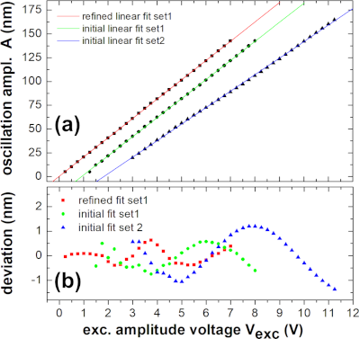
- . Keywords: amplitude calibration; displacement detection; force microscopy; interferometer signal; NC-AFM; Introduction Optical interferometry is a reliable technique utilizing light waves to measure distance and displacement with high precision [1][2]. With the light wavelength as the length standard, a
- highly stable interferometer can detect displacements with an accuracy far beyond nanometer resolution [3], where the final physical limit is set by the photon emission statistics of the light source [4]. In non-contact atomic force microscopy (NC-AFM), interferometry is used to measure the periodic


Effect of wavelength and liquid on formation of Ag, Au, Ag/Au nanoparticles via picosecond laser ablation and SERS-based detection of DMMP
Beilstein J. Nanotechnol. 2024, 15, 1054–1069, doi:10.3762/bjnano.15.86

- was meticulously evaluated by analyzing the ablation rates, surface plasmon resonance peak positions, and particle size distributions of the obtained colloids. The nanoparticles (NPs) were characterized using the techniques of UV–visible absorption, transmission electron microscopy, and energy
- imaging due to the nonconductive nature of the FP substrate. FESEM energy-dispersive X-ray spectroscopy (EDX) mapping investigations were conducted on Ag/Au alloy NPs deposited on a Si substrate by drop casting 10 µL to avoid confusion in the data caused by the Au coating. Transmission electron microscopy
- studies of as-synthesized nanoparticles Transmission electron microscopy analysis was implemented to study the size and shape of laser-fabricated NPs. Figure 2 shows the TEM images of Ag NPs synthesized in DW at different laser wavelengths: (a) 355, (b) 532, and (c) 1064 nm. It should be noted that the


Bolometric IR photoresponse based on a 3D micro-nano integrated CNT architecture
Beilstein J. Nanotechnol. 2024, 15, 1030–1040, doi:10.3762/bjnano.15.84
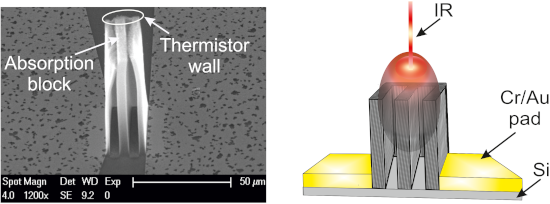
- stability, retaining reliability at temperatures reaching up to 200 °C. This exceptional thermal resilience makes it ideally suited for demanding high-temperature applications, showing its potential across various industries. Transmission electron microscopy (TEM) and Raman characterizations of the VACNTs
- . (a) Scanning electron microscopy image and (b) 3D close-up of the pixel-based CNT microbolometer. (a) TEM image showing DWCNTs and (b) Raman spectrum of the VACNTs. Schematic of the device under test (DUT) and measurement setups to characterize the CNT-based microbolometer. (a) Sample 1 with metal


Entry of nanoparticles into cells and tissues: status and challenges
Beilstein J. Nanotechnol. 2024, 15, 1017–1029, doi:10.3762/bjnano.15.83
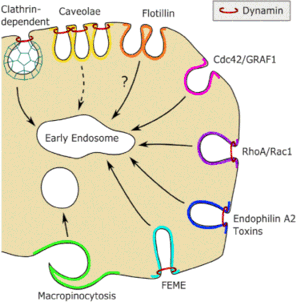
- in an invagination of the cell. This can be performed by different methods. If electron microscopy (EM) is used, it is important that serial sectioning is performed. Otherwise, one may see a particle which is apparently internalized, since it is far from the cell surface, but it might still be in an
- [29]. Other microscopy techniques that are useful for such studies are correlative light and electron microscopy (CLEM) [30], confocal microscopy with Z-stacks [4], and structured illumination microscopy (SIM) which can also demonstrate in which organelles the NPs are localized. The SIM image shown in


Atomistic insights into the morphological dynamics of gold and platinum nanoparticles: MD simulations in vacuum and aqueous media
Beilstein J. Nanotechnol. 2024, 15, 995–1009, doi:10.3762/bjnano.15.81
- cooling, is still hindered by several factors. For instance, observing NPs under real working conditions remains a challenge for experimentalists, as the capability to conduct in situ experiments has not yet been fully realized [21]. Experimental methods, such as confocal microscopy [22], laser light
- scattering [23], and optical microscopy [24], have provided accurate estimates of nucleation rates and critical nucleation sizes, but little data have been produced for the sub-micrometer size regime regarding crystal facet formation and the mechanism of crystal growth. Moreover, a fundamental prerequisite





