


Search results
Search for "phase" in Full Text gives 1624 result(s) in Beilstein Journal of Nanotechnology. Showing first 200.
Modeling and simulation of carbon-nanocomposite-based gas sensors
Beilstein J. Nanotechnol. 2025, 16, 90–96, doi:10.3762/bjnano.16.9
- model was initially formulated to characterize gas adsorption on solid-phase adsorbents such as carbon-based adsorbents [13]. The fundamental assumptions of the Langmuir isotherm include: (1) adsorption occurs as a monolayer; (2) adsorption sites are uniformly distributed; (3) the adsorption energy
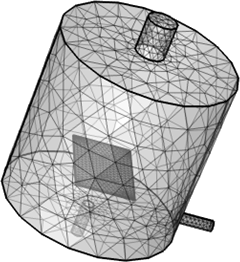
- settings for time-dependent and stationary analyses. In the solving phase, simulations are executed to generate results, followed by post-processing to analyse and present the outcomes in 1D and 3D plots. The sensor layer where the adsorption of the gas occurs and thus participate in detecting the CO gas



Characterization of ZnO nanoparticles synthesized using probiotic Lactiplantibacillus plantarum GP258
Beilstein J. Nanotechnol. 2025, 16, 78–89, doi:10.3762/bjnano.16.8
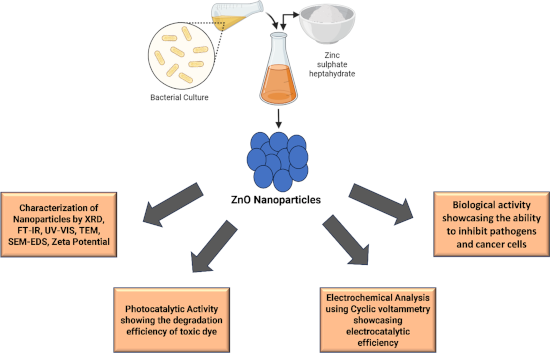
- peak current, though a steady addition led to decreased currents, possibly due to surface accumulation. The Nyquist plots display a larger impedance for ZnO electrodes. To fit the data into an analogous circuit, an uninterrupted phase element (Q1) was introduced with the adjustable parameters angular



Instance maps as an organising concept for complex experimental workflows as demonstrated for (nano)material safety research
Beilstein J. Nanotechnol. 2025, 16, 57–77, doi:10.3762/bjnano.16.7

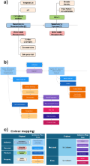
- draft of the experimental workflow at the study design phase and then associating this workflow with the materials, environmental conditions, method descriptions, protocols, biological and computational models used, and the data produced during the study. Indeed, this use of instance maps to inform the
- , creation dates, licences, contributors, and references for the complete map as well as for individual nodes, as well as links (URLs or relative paths) to data files. This approach was chosen in the test phase to allow users greater flexibility with respect to the format in which their data is stored
- polyvinylpyrrolidone (PVP) surface by reduction of silver nitrate in ethylene glycol with 10k PVP. The PVP-AgNPs are characterised regarding some of their physical attributes such as the particles’ shape, size, and crystalline phase. The particles are then sulfidised using different specified concentrations of the PVP


Precursor sticking coefficient determination from indented deposits fabricated by electron beam induced deposition
Beilstein J. Nanotechnol. 2025, 16, 35–43, doi:10.3762/bjnano.16.4

- attributed to a larger precursor supply from the gas phase. Although the use of the Pt-precursor did not result in a volcano-shape deposit, an estimation of the sticking coefficient for it is nevertheless possible with precursor parameter values previously assessed. Unlike the Cr(C6H6)2 precursor, which has


Bioinspired nanofilament coatings for scale reduction on steel
Beilstein J. Nanotechnol. 2025, 16, 25–34, doi:10.3762/bjnano.16.3

- maximum pressure of 200 bar. The liquid phase is pressurized via an inert gas (e.g., Ar or N2). (B) Top view of the static plate where three samples are mounted; around half of the surface area for each sample is exposed at constant sheer stress. (C) Steady state simulation of the velocity profile


A nanocarrier containing carboxylic and histamine groups with dual action: acetylcholine hydrolysis and antidote atropine delivery
Beilstein J. Nanotechnol. 2025, 16, 11–24, doi:10.3762/bjnano.16.2

- molecules. Within a microemulsion system, they self-assemble at the interface between water and oil. The hydrophilic groups face the aqueous phase, while the resorcinarene scaffold with tails on the lower rim points towards the dispersed (oil) phase. Under slightly basic conditions (pH 8.5), resorcinarenes


Fabrication of hafnium-based nanoparticles and nanostructures using picosecond laser ablation
Beilstein J. Nanotechnol. 2024, 15, 1639–1653, doi:10.3762/bjnano.15.129
- University, Varanasi 221005, Uttar Pradesh, India Advanced Centre of Research in High Energy Materials (ACRHEM), DRDO Industry Academia – Centre of Excellence (DIA-COE), University of Hyderabad, Hyderabad 500046, Telangana, India Centre for Materials for Electronics Technology (C-MET), IDA Phase III




Heterogeneous reactions in a HFCVD reactor: simulation using a 2D model
Beilstein J. Nanotechnol. 2024, 15, 1627–1638, doi:10.3762/bjnano.15.128
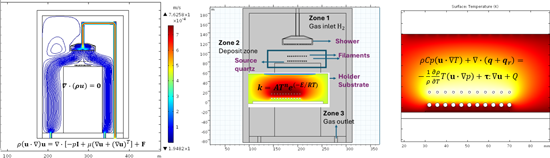
- ]. Also, modeling of CVD microreactors at atmospheric pressure using tetraethyl orthosilicate as a source to obtain SiO2 has been achieved through computational fluid dynamics (CFD) simulations [22]. The gas-phase and surface reactions were analyzed using direct Monte Carlo simulations of a hot wire
- parameters of the heterogeneous reaction between H° in the gas phase and quartz to describe its behavior as a function of temperature at constant pressure. The thermodynamic data obtained and those taken from the bibliography will be used in the Arrhenius equation to calculate the thermodynamic and transport
- properties of the system in the gas phase in a dimensionless and temporal model. The thermodynamic and transport properties of the mixture will permit a study in the steady state considering the dimensions of the HFCVD reactor and the deposition parameters through numerically solving the equations of


Liver-targeting iron oxide nanoparticles and their complexes with plant extracts for biocompatibility
Beilstein J. Nanotechnol. 2024, 15, 1593–1602, doi:10.3762/bjnano.15.125
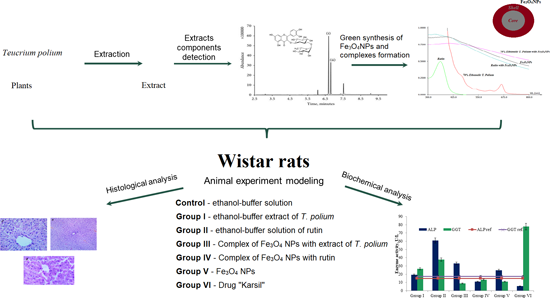
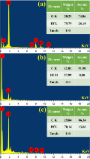
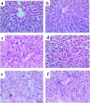
- increase in total protein content. Increases compared to almost normal albumin levels are characteristic in pathological conditions when the total protein fraction increases due to acute phase proteins. Increases in total protein content may also be due to the release of ALT, AST, ALP, and GGT enzymes into


The round-robin approach applied to nanoinformatics: consensus prediction of nanomaterials zeta potential
Beilstein J. Nanotechnol. 2024, 15, 1536–1553, doi:10.3762/bjnano.15.121
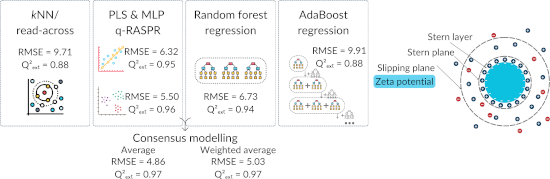
- , predictions of those two NMs are not considered reliable. AdaBoost regression model Data preprocessing The initial phase of feature selection involved categorizing descriptors into those with continuous numerical values (e.g., hydrodynamic diameter) and those with qualitative or “descriptive” details (e.g
- continuous set and the binary set, were merged into a unified dataset that enabled us to explore relationships between different types of descriptors and their collective influence on the NMs ZP. During the initial modelling phase, the AdaBoost algorithm, integrated within the scikit-learn library, was


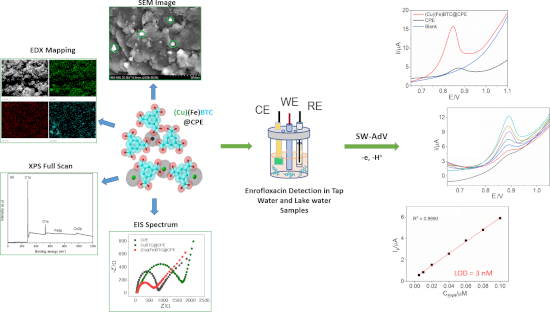
Electrochemical nanostructured CuBTC/FeBTC MOF composite sensor for enrofloxacin detection
Beilstein J. Nanotechnol. 2024, 15, 1522–1535, doi:10.3762/bjnano.15.120
- ), 20.36° (600), 21.40° (620), 23.55° (444), 24.27° (551), 26.11° (731), 29.47° (751), 35.30° (773), and 39.21° (882), characteristic for the CuBTC phase (CCDC card No. 112954) [28][33][34]. The XRD pattern of (Cu)(Fe)BTC exhibits a characteristic peak at 2θ of 10.85° assigned to the (842) crystal planes
- of the Fe-BTC phase, and all characteristic peaks of CuBTC appear. It can be observed that the characteristic peaks of pure FeBTC have a much lower intensity than those of pure CuBTC; therefore, the intensity of the characteristic peaks of the CuBTC phase predominates in the (Cu)(Fe)BTC pattern. The





Integrating high-performance computing, machine learning, data management workflows, and infrastructures for multiscale simulations and nanomaterials technologies
Beilstein J. Nanotechnol. 2024, 15, 1498–1521, doi:10.3762/bjnano.15.119
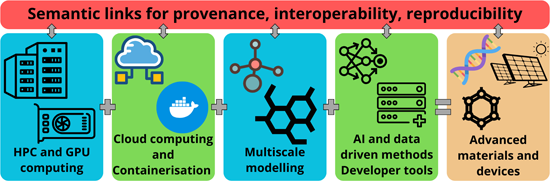
- scales. Physics-based models provide insights into the fundamental mechanisms governing materials phenomena, such as structural changes, phase transitions, and mechanical responses. Empirical models, in contrast, are derived from experimental observations and statistical analyses. These models rely on


Polymer lipid hybrid nanoparticles for phytochemical delivery: challenges, progress, and future prospects
Beilstein J. Nanotechnol. 2024, 15, 1473–1497, doi:10.3762/bjnano.15.118
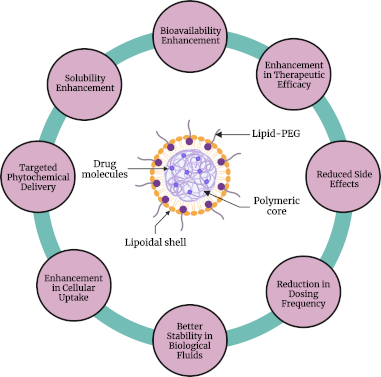
- absorption in the GIT, which significantly limits its bioavailability [87][88]. Moreover, QCT undergoes extensive phase-II metabolism in the liver and intestines, resulting in rapid clearance from the body and further reducing its systemic availability [89][90]. To surmount these issues, Das and co-workers
- ][159]. Yu et al. fabricated BRN-PLHNPs for improved GI stability, intestinal permeation, and oral bioavailability [160]. The developed BRN-PLHNPs were stable in GI fluids and revealed a biphasic release pattern, characterized by an initial burst release of BRN during the early phase, followed by a
- sustained release of BRN in the later phase, extending up to 24 h. The developed BRN-PLHNPs revealed significantly higher intestinal permeation and 3.4-fold increased bioavailability compared to the conventional BRN suspension. The improved intestinal permeation and oral bioavailability are attributed to (i


Effect of radiation-induced vacancy saturation on the first-order phase transformation in nanoparticles: insights from a model
Beilstein J. Nanotechnol. 2024, 15, 1453–1472, doi:10.3762/bjnano.15.117

- /bjnano.15.117 Abstract By employing a model of nanomaterials with polymorphic phase transitions and using a thermodynamic approach to describe the effects of vacancy saturation, irradiation dose, powder dispersion, and surface energies, we demonstrate the possibility of radiation-induced phase
- transitions and the zones of radiation stability for nanoparticles. We utilize nanoparticles exhibiting transitions from the body-centered cubic α phase to the face-centered cubic β phase, and the reverse transition from β phase to α phase, as a model system for first-order phase transformations. We
- incorporate nucleation through the appearance and growth of the nucleus of a new phase, resulting in the formation of a two-phase α+β system, and we highlight the importance of accounting for nucleation. Our model study reveals that very small α-phase particles are unstable (while very small β-phase particles


Ion-induced surface reactions and deposition from Pt(CO)2Cl2 and Pt(CO)2Br2
Beilstein J. Nanotechnol. 2024, 15, 1427–1439, doi:10.3762/bjnano.15.115

- ][53][54]. An ideal precursor candidate would have sufficient volatility and stability for the transport of intact gas phase precursor molecules during the process. The ligands should readily and cleanly be liberated from the precursor upon irradiation to provide a metallic deposit in the path of the
- m/z 20 correspond to, respectively, Ar+ and Ar2+ ions formed by electron impact ionization of neutral Ar in the QMS). The top panel displays the gas phase species observed during the film’s exposure to 4.0 µC/cm2 Ar+, corresponding to an acquisition time of 30 s. (Right) Kinetic profile for 13CO



Lithium niobate on insulator: an emerging nanophotonic crystal for optimized light control
Beilstein J. Nanotechnol. 2024, 15, 1415–1426, doi:10.3762/bjnano.15.114
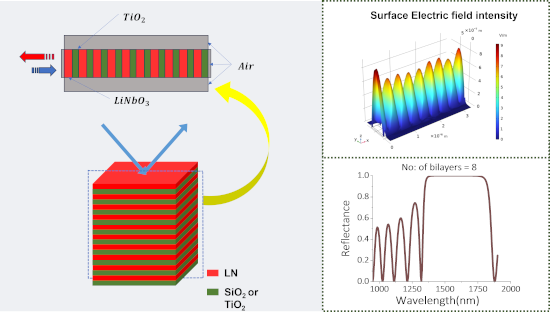
- approach takes the form Equation 8 [51]: where U(x) and S(x) are the quantities corresponding to the resultant electric field and phase, respectively. The power flow density across the structure also known as the Poynting vector S(x) is proportional to the square of new field intensity and the spatial
- derivative of phase (Equation 9): The solver solves for electric field E using Equation 6 and Equation 7 under the following boundary conditions iteratively within the error limits: Using the finite element method (FEM), the relevant partial differential equations will be solved on each discretized spatial
- necessary to fulfill phase-matching conditions [60]. This interplay between different frequency modes and regions is essential for optimizing the overall nonlinear response of the photonic crystal. The relatively large refractive index difference between SiO2 and LiNbO3 can lead to the widening of bandwidth


Nanotechnological approaches for efficient N2B delivery: from small-molecule drugs to biopharmaceuticals
Beilstein J. Nanotechnol. 2024, 15, 1400–1414, doi:10.3762/bjnano.15.113
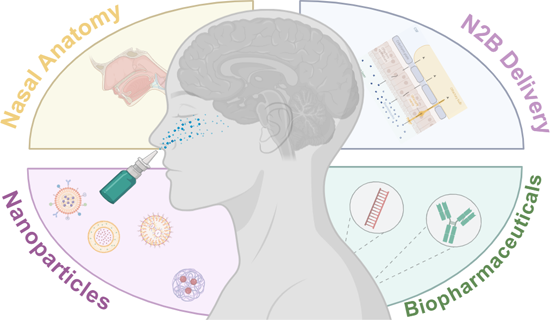
- concentration in the brain by a factor of 6.15 compared to the oral clozapine tablet [109]. Nanoemulsions Emulsions are colloidal systems consisting of two immiscible liquid phases where one phase is dispersed in the other. Nanoemulsions can be prepared via low-energy or high-energy methods, including
- microfluidics and high-shear-force homogenization [110]. As DDS, nanoemulsions can be reservoirs for encapsulating hydrophobic substances [111]. Moreover, emulsions of emulsions or double emulsions can be prepared by dispersing the droplets of primary emulsion into another liquid phase. Double emulsions can be


Various CVD-grown ZnO nanostructures for nanodevices and interdisciplinary applications
Beilstein J. Nanotechnol. 2024, 15, 1390–1399, doi:10.3762/bjnano.15.112
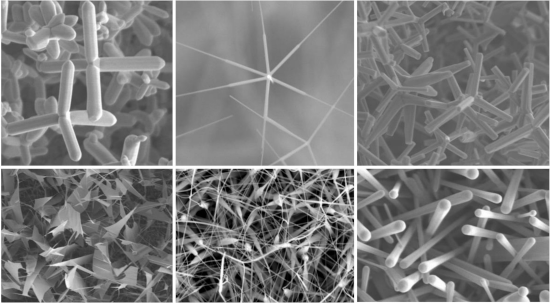
- DMSs, these nanostructures will be beneficial to the development of new ZnO-based materials for photocatalytic [25], biomedical [26], gas sensing [27][28], and flexible electronic/optoelectronic applications [29][30]. They are usually fabricated by chemical vapour deposition (CVD) or solid-vapour phase
- differences in RS intensity of some peaks, which could be due to different crystal orientations and thicknesses. Such results show that our fabricated ZnO nanostructures have a high quality and are single phase in the hexagonal structure. We also measured PL spectra of typical samples under an excitation
- analysis for characteristic vibration modes proved that the collected ZnO nanostructures are single phase in the P63mc hexagonal structure. The study of characteristic PL spectra revealed that the fabricated samples could be classified into two groups with different crystal qualities. The first one with a



Out-of-plane polarization induces a picosecond photoresponse in rhombohedral stacked bilayer WSe2
Beilstein J. Nanotechnol. 2024, 15, 1362–1368, doi:10.3762/bjnano.15.109
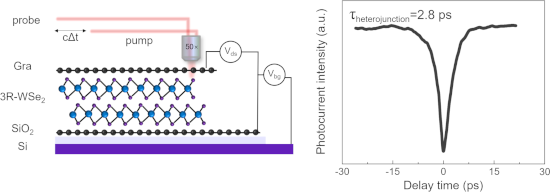
- confirmed its 3R phase (Figure 1c). To highlight the difference in SHG intensity between bilayer WSe2 of various phases and monolayer WSe2, we controlled the stacking angle to prepare 3R and 2H regions on the same monolayer WSe2 (Supporting Information File 1, Figure S2a). The corresponding SHG scanning map
- carriers, reflected in the increased magnitude of the photocurrent (Figure 3d). Conclusion We confirmed that the photodetector based on 3R phase WSe2 exhibits an ultrafast photocurrent response on the picosecond scale. The 3R bilayer WSe2 was artificially fabricated by precisely controlling the stacking
- monolayers of WSe2 were aligned at a 0° angle to form the 3R phase. The graphene/3R WSe2/graphene heterojunctions were aligned and assembled onto a SiO2/Si substrate by the all-dry transfer method. Au/Cr (50/10 nm) electrodes were patterned using standard electron-beam lithography (EBL, Raith 150 Two) and


Investigation of Hf/Ti bilayers for the development of transition-edge sensor microcalorimeters
Beilstein J. Nanotechnol. 2024, 15, 1353–1361, doi:10.3762/bjnano.15.108

- regions the critical temperature is different. Furthermore, such a protracted transition can be explained by the effect of phase separation in a film of large size, that is, it becomes superconducting in parts. The film sample C1, unlike samples A1–A4 and B1, shows thermal hysteresis, which is expressed


Nanoarchitectonics with cetrimonium bromide on metal nanoparticles for linker-free detection of toxic metal ions and catalytic degradation of 4-nitrophenol
Beilstein J. Nanotechnol. 2024, 15, 1312–1332, doi:10.3762/bjnano.15.106
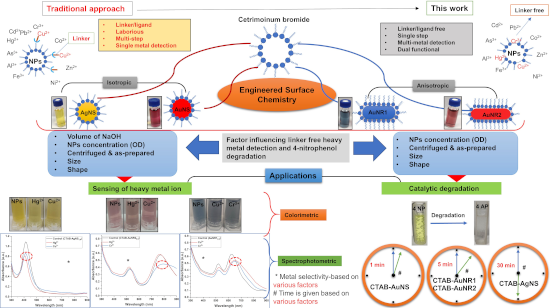
- . The mobile phase included a mixture of acetonitrile and water (40:60 v/v) at a 0.2 mL/min flow rate. The method was developed using CTAB powder as standard at different concentrations of 0.625, 1.2, 2.5, 5, 10, and 20 µg/mL in water. The blank sample (which consisted only of solvent) was also analyzed




Mn-doped ZnO nanopowders prepared by sol–gel and microwave-assisted sol–gel methods and their photocatalytic properties
Beilstein J. Nanotechnol. 2024, 15, 1283–1296, doi:10.3762/bjnano.15.104
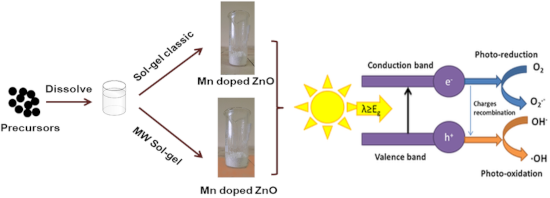
- in a mass loss of approximately 14.59% for the sol–gel (SG) sample and 17.07% for the microwave (MW) sample, accompanied by a minor endothermic peak around 140 °C. In the second phase, occurring between 180 and 350 °C for both samples, chemically bonded organic compounds are eliminated from the
- powders, leading to a mass loss of roughly 35% for SG and 40% for MW. This process is exothermic and observed around 309 °C. During the third phase, between 350 and 500 °C, structural hydroxy groups are removed, and any remaining organic material is burned off, resulting in a mass loss of approximately 11
- using X-ray diffraction (XRD). The resulting XRD patterns, shown in Figure 6a, indicate that the samples are polycrystalline and single-phase. This single phase corresponds well to the data from ICDD file no. 36-1451 of zincite ZnO. ZnO has a wurtzite-type structure and crystallizes in the hexagonal P63


Dual-functionalized architecture enables stable and tumor cell-specific SiO2NPs in complex biological fluids
Beilstein J. Nanotechnol. 2024, 15, 1238–1252, doi:10.3762/bjnano.15.100
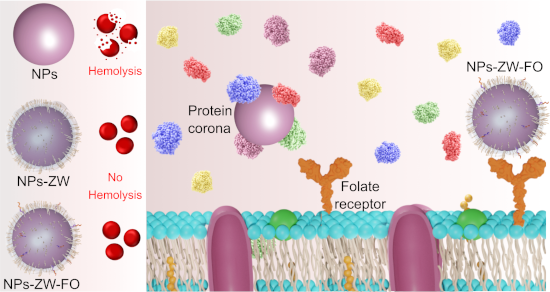
- were observed in the identification of the complement system and acute phase proteins when comparing non-functionalized SiO2NPs with functionalized ones. In particular, adding ZW promoted decreased absorption of such proteins (Figure 2j). Complement factors and acute phase proteins (e.g., C3 and alpha
- , Table S2 and Supporting Information File 3). Contrary to DMEM incubation, human plasma albumin and acute phase proteins were barely identified in the hard corona of functionalized and non-functionalized SiO2NPs. However, a large amount of apolipoproteins was identified in all cases, especially in the
- plasma. ALB: serum albumin, TL: tissue leakage, C: complement, COA: coagulation, APO: apolipoprotein, AP: acute phase, IGG: immunoglobulin, A1P1: alpha-1-antiproteinase, FGB: fibrinogen beta chain, C1q: complement component 1q. a) Illustration of intact red blood cells after the hemolysis process


Synthesis, characterization and anticancer effect of doxorubicin-loaded dual stimuli-responsive smart nanopolymers
Beilstein J. Nanotechnol. 2024, 15, 1189–1196, doi:10.3762/bjnano.15.96
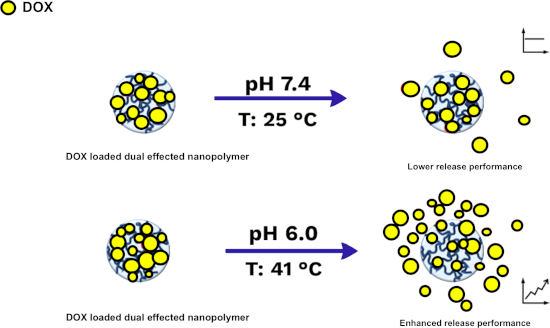
- [9]. Certain designs in nanostructures are extremely useful to combat diseases [12][13]. Polymeric platforms have attracted great interest in recent years [14][15][16][17][18][19][20]. “Stimulus-sensitive” polymers (smart polymers) exhibit conformational changes or phase transition behavior in
- humidified air atmosphere with 5% CO2. Preparation of DOX-SNPs To synthesize DOX-containing nanoparticle structures, the miniemulsion polymerization method was used according to a protocol adapted from [24]. First, the water phase was formed. The water phase was obtained by adding and dissolving 0.375 g
- polyvinyl alcohol (PVA), 57.7 mg sodium dodecyl sulfate (SDS), and 46.9 mg NaHCO3 in 20 mL of water (solution A in Figure 1). For solution B, 0.2 g PVA and 0.2 g SDS were dissolved in 400 mL of water. The organic phase (solution C) was obtained by mixing and dissolving (30 min in a beaker) 0.8 mL 2


AI-assisted models to predict chemotherapy drugs modified with C60 fullerene derivatives
Beilstein J. Nanotechnol. 2024, 15, 1170–1188, doi:10.3762/bjnano.15.95
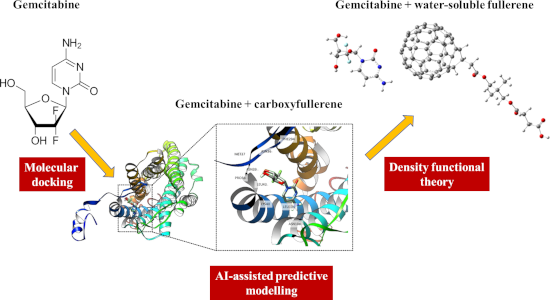
- phase of a two-phase octanol–water mixture [39]. Similarly, LogS, related to the water solubility of a substance, was considered. Besides, PSA, as molecular surface associated with charge accumulation due to heteroatoms and polar groups, as well as polarizability (α) associated with the tendency of a





