Search results
Search for "surface chemistry" in Full Text gives 221 result(s) in Beilstein Journal of Nanotechnology. Showing first 200.
Influence of surface chemical properties on the toxicity of engineered zinc oxide nanoparticles to embryonic zebrafish
Beilstein J. Nanotechnol. 2015, 6, 1568–1579, doi:10.3762/bjnano.6.160
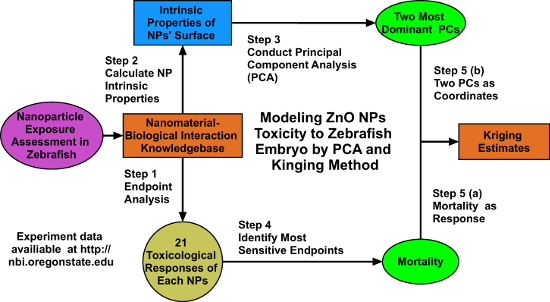
- , chemical modifications are often performed on the NPs surface; however, the roles of these alterations play in determining the toxicity of ZnO NPs are still not well understood. As such, we investigated the toxicity of 17 diverse ZnO NPs varying in both size and surface chemistry to developing zebrafish
- modification, regardless of the type, resulted in mortality at 24 hours post-fertilization (hpf) while uncoated particles did not induce significant mortality until 120 hpf. Using eight intrinsic chemical properties that relate to the outermost surface chemistry of the engineered ZnO nanoparticles, the highly
- dimensional toxicity data were converted to a 2-dimensional data set through principal component analysis (PCA). Euclidean distance was used to partition different NPs into several groups based on converted data (score) which were directly related to changes in the outermost surface chemistry. Kriging




Thermal treatment of magnetite nanoparticles
Beilstein J. Nanotechnol. 2015, 6, 1385–1396, doi:10.3762/bjnano.6.143
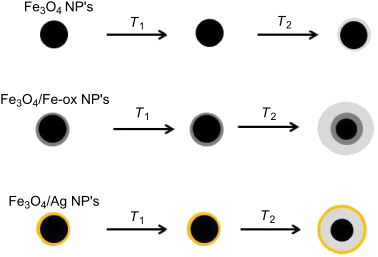
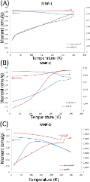
- easily inside the particle along the edges of structural discontinuation. Also, the surface chemistry is different from the previous case and it can behave differently at elevated temperature where partial evaporation could occur. The comparison of MNP-3 with MNP-2 particles shows that the mass loss is




Heterometal nanoparticles from Ru-based molecular clusters covalently anchored onto functionalized carbon nanotubes and nanofibers
Beilstein J. Nanotechnol. 2015, 6, 1287–1297, doi:10.3762/bjnano.6.133
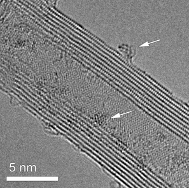
- found that their average particle size follows the sequence of GNF < MWNT ≈ SWNT < AC, but the activity and selectivity are sensitive to other factors such as porosity and surface chemistry of the carbon support [21][22]. Finally, alternative preparation methods have also been reported, including




From lithium to sodium: cell chemistry of room temperature sodium–air and sodium–sulfur batteries
Beilstein J. Nanotechnol. 2015, 6, 1016–1055, doi:10.3762/bjnano.6.105
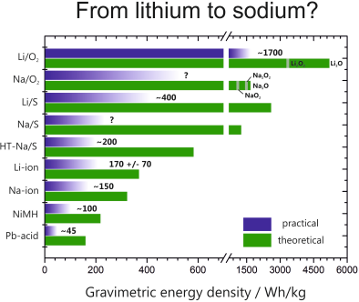
- a suitable conductive support structure. For the Li/S8 and Li/O2 batteries, this means that significant complexity is added, as a series of transport steps and nucleation/decomposition processes take place that will depend on the morphology, microstructure and surface chemistry of the conductive


Electrocatalysis on the nm scale
Beilstein J. Nanotechnol. 2015, 6, 1008–1009, doi:10.3762/bjnano.6.103

- R. Jurgen Behm Institute of Surface Chemistry and Catalysis, Ulm University, Albert-Einstein-Allee 47, D-89081 Ulm, Germany 10.3762/bjnano.6.103 Keywords: electrocatalysis; The past two decades have seen a renewed and rapidly growing interest in the fields of electrochemistry and
Protein corona – from molecular adsorption to physiological complexity
Beilstein J. Nanotechnol. 2015, 6, 857–873, doi:10.3762/bjnano.6.88
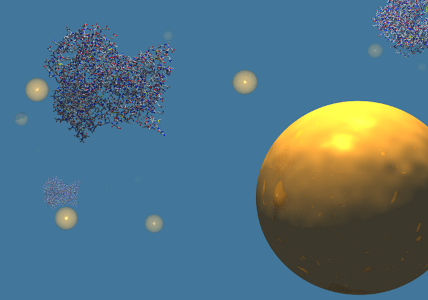
- presence and nature of this corona. The relation between the original surface functionality of the NP and the nature of the corona is far from trivial and still remains very elusive [1][2][3][4][5][6][7]. It has been shown that not only the NP surface chemistry but also features such as NP size [8] and
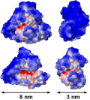
- decreases its tendency to desorb. In this context, further experiments are desirable, dissecting the influences of avidity, affinity, van-der-Waals-type and Coulomb-type interactions. Role of surface chemistry A plethora of different surface functionalities exists and structure–function relationships have



Low-cost formation of bulk and localized polymer-derived carbon nanodomains from polydimethylsiloxane
Beilstein J. Nanotechnol. 2015, 6, 744–748, doi:10.3762/bjnano.6.76
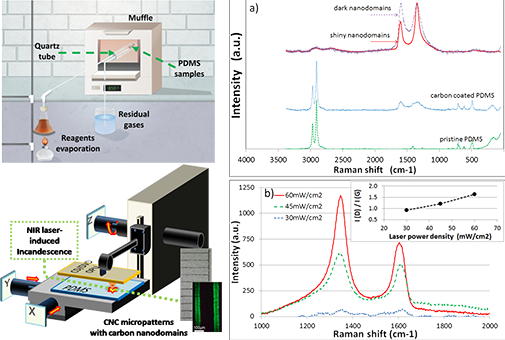
- after their formation. Unfortunately, the dependence of the fluorescence wavelengths and surface chemistry of the nanodomains with laser conditions as well as the thermal conditions influence on nanodomains formation have not been studied and will require future work to address these important


In situ observation of biotite (001) surface dissolution at pH 1 and 9.5 by advanced optical microscopy
Beilstein J. Nanotechnol. 2015, 6, 665–673, doi:10.3762/bjnano.6.67
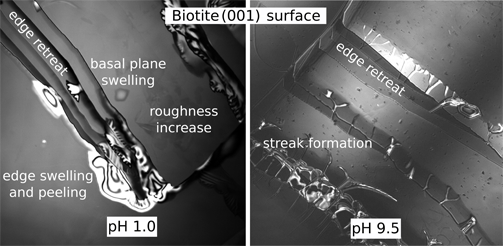
- charge, point of zero salt effect) for an unambiguous description of biotite surface chemistry [48], in general, the alkali treatment of silicate mineral affects the variable surface charge in a way that reactivity towards charged and polar compounds should increase (increase in surface acidity) [49


Self-assembled anchor layers/polysaccharide coatings on titanium surfaces: a study of functionalization and stability
Beilstein J. Nanotechnol. 2015, 6, 617–631, doi:10.3762/bjnano.6.63
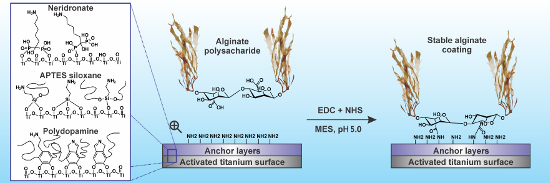
- inorganic surface chemistry [8]. Procedures based on electrostatically driven adsorption [9][10][11], covalent coupling [12], electrochemical surface modifications [13], self-organized organic layers [14][15], etc. have been extensively studied for the immobilization of biologically active molecules [16] on


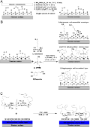
Entropy effects in the collective dynamic behavior of alkyl monolayers tethered to Si(111)
Beilstein J. Nanotechnol. 2015, 6, 583–594, doi:10.3762/bjnano.6.60
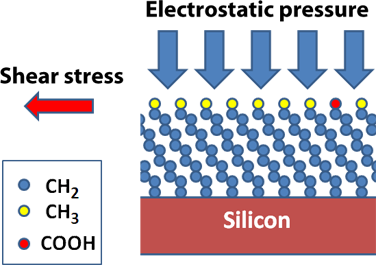
- surface chemistry, surface energy, biocompatibility, friction, corrosion, liquid chromatography, interfacial interactions and electronic transport [1][2][3][4][5][6]. More recent studies have been focused on the functionalization of nanostructures. However, in spite of a large number of experimental and

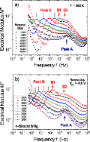

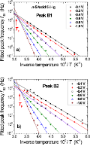


Pulmonary surfactant augments cytotoxicity of silica nanoparticles: Studies on an in vitro air–blood barrier model
Beilstein J. Nanotechnol. 2015, 6, 517–528, doi:10.3762/bjnano.6.54
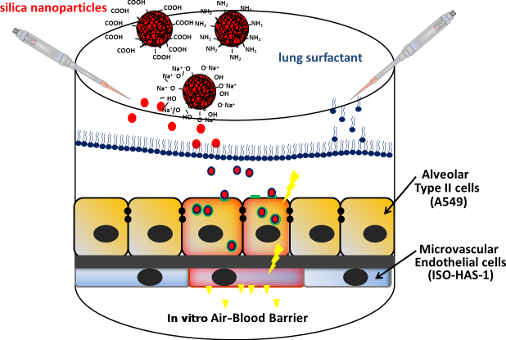
- agglomeration behavior, their only differentiating property is their surface chemistry. This makes the selected samples appropriate candidates for a comparison of the influence of the surface properties on particle toxicity. In presence of Alveofact® (Lyomark Pharma), large agglomerates of a few hundred


Synergic combination of the sol–gel method with dip coating for plasmonic devices
Beilstein J. Nanotechnol. 2015, 6, 500–507, doi:10.3762/bjnano.6.52
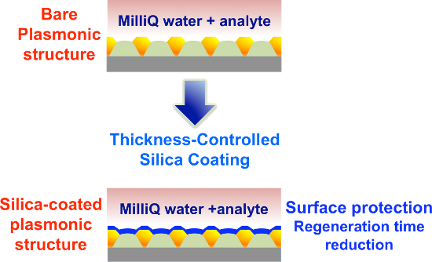
- serves to stabilize the sensing platform (as in the case of metal nanoparticles) and provides a specific affinity, resulting in improved selectivity [7][8][11][12]. Furthermore, the surface chemistry of thiol-based self-assembled monolayers has shown some limitations mainly related to their temporal


Oxygen-plasma-modified biomimetic nanofibrous scaffolds for enhanced compatibility of cardiovascular implants
Beilstein J. Nanotechnol. 2015, 6, 254–262, doi:10.3762/bjnano.6.24
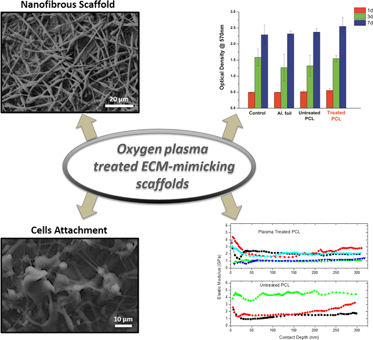
- complications of thrombosis and implant failure. Thus, we herein fabricated poly-ε-caprolactone (PCL) electrospun nanofibrous scaffolds, to serve as coatings for cardiovascular implants and guide tissue regeneration. Oxygen plasma treatment was applied in order to modify the surface chemistry of the scaffold
- applied power of the plasma was selected with respect to its effect on the structural and chemical composition of the scaffold. The untreated and plasma-treated nanofibrous scaffolds were evaluated in terms of surface topography, hydrophilicity, and surface chemistry in order to find the conditions that
- the chain backbone of the polymer and the oxygen in the plasma, modify the surface chemistry, which results in higher numbers of oxygen-containing functional groups. Indeed, changes were observed by the XPS analysis in the intensity of the peaks of the untreated and plasma-treated electrospun PCL


Tailoring the ligand shell for the control of cellular uptake and optical properties of nanocrystals
Beilstein J. Nanotechnol. 2015, 6, 232–242, doi:10.3762/bjnano.6.22
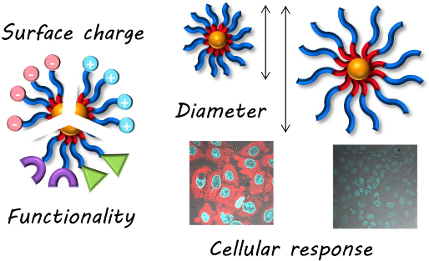
- encapsulation of inorganic nanoparticles has been shown to depend on several parameters, like the ratio between ligands and particles or the surface chemistry of the particles. In this review the discussion is limited to the encapsulation of highly fluorescent QDs in PI-b-PEG for the use in biological systems
- to enhance the cellular uptake, due to the attractive interaction with the negatively charged cell membrane [35][36]. Therefore, control over the surface chemistry is crucial to study the nanocontainers behavior in vitro and in vivo. Figure 7 shows possible functionalization of PI-b-PEG prior to the
- . Especially the easily adjustable properties like size, surface chemistry and the shielding of the nanoparticles within the resulting nanocontainer are of a high importance, since these parameters determine the interaction with biomaterial. Furthermore, it has been demonstrated that this diblock copolymer






X-ray photoelectron spectroscopy of graphitic carbon nanomaterials doped with heteroatoms
Beilstein J. Nanotechnol. 2015, 6, 177–192, doi:10.3762/bjnano.6.17
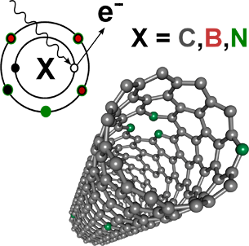
- , especially single-walled. We will likewise only briefly describe measurement-specific issues and extrinsic effects. Most importantly, we will only consider heteroatom doping in the lattice itself. This explicitly leaves outside our scope the many forms of functionalization and surface chemistry that have


The distribution and degradation of radiolabeled superparamagnetic iron oxide nanoparticles and quantum dots in mice
Beilstein J. Nanotechnol. 2015, 6, 111–123, doi:10.3762/bjnano.6.11
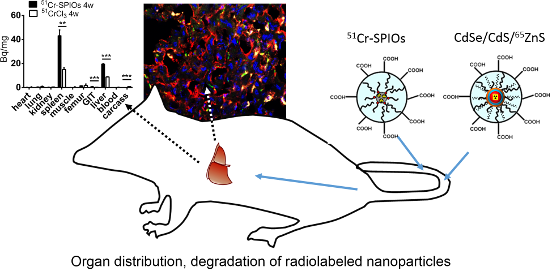
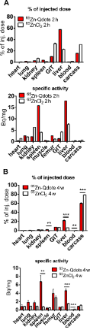
- them water soluble. This resulted in similar nanoparticles (comparable size, surface chemistry and charge), despite the completely different core material. This was proven when the biodistribution was compared using fluorescent Qdots and intravital microscopy in mice or MRI measurements in mice and TEM
- colocalize with LSECs as well as with KCs. To date, polymer-coated Qdots were not found in hepatocytes. Since the surface chemistry of the Qdots and SPIOs is identical when coated with the amphiphilic polymer, the cell distribution should be similar. Intracellular processing of Qdots Further insight into the





The fate of a designed protein corona on nanoparticles in vitro and in vivo
Beilstein J. Nanotechnol. 2015, 6, 36–46, doi:10.3762/bjnano.6.5
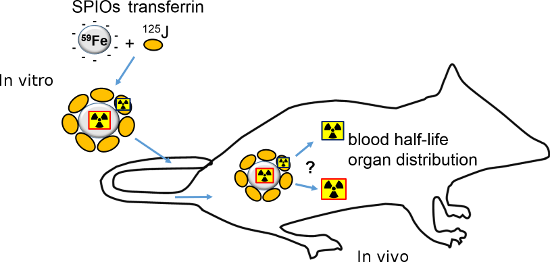
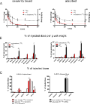
- . In order to make full use of their potential it is essential to understand what controls at the molecular level recognition by cells, cell entering and intracellular processing. Physicochemical properties of NPs such as material composition, size, shape, charge, and surface chemistry, have been


Poly(styrene)/oligo(fluorene)-intercalated fluoromica hybrids: synthesis, characterization and self-assembly
Beilstein J. Nanotechnol. 2014, 5, 2450–2458, doi:10.3762/bjnano.5.254
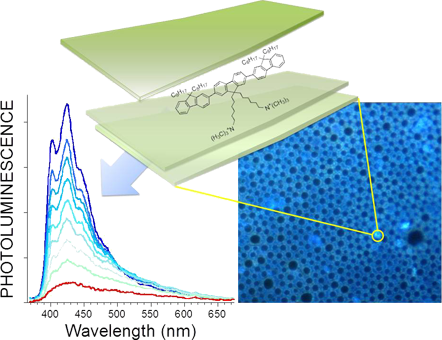
- ) expandable interlayer space. The combination of these features permits the easy tuning of the interaction between the emitting centers by surface chemistry (i.e., ion-exchange and grafting reactions), and a sandwich-type intercalation. In particular, the intercalation of functional molecular species within




Functionalized polystyrene nanoparticles as a platform for studying bio–nano interactions
Beilstein J. Nanotechnol. 2014, 5, 2403–2412, doi:10.3762/bjnano.5.250
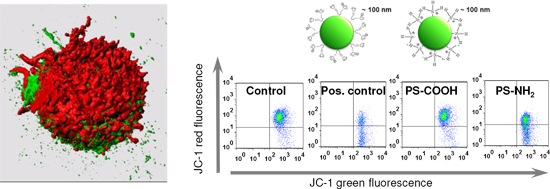
- investigated. Due to their large surface to volume ratio, nanoparticles usually exhibit properties that differ from those of bulk materials. Particularly, the surface chemistry of the nanoparticles is crucial for their durability and solubility in biological media as well as for their biocompatibility and
- living cells. The biological effects of nanoparticles depend not only on the particle material and their size, but to a great extent also on the surface chemistry of the particles. Surface functionalization of nanoparticles is crucial for their pharmacokinetics, biocompatibility, and tissue and cell
- nanosized polystyrene particles may behave totally different from the bulk material. The surface chemistry plays a crucial role determining the impact of nanoparticles on diverse biological systems. The amino-functionalized particles can be seen as a model for cationic nanoparticles, and the carboxyl


Nanoparticle interactions with live cells: Quantitative fluorescence microscopy of nanoparticle size effects
Beilstein J. Nanotechnol. 2014, 5, 2388–2397, doi:10.3762/bjnano.5.248
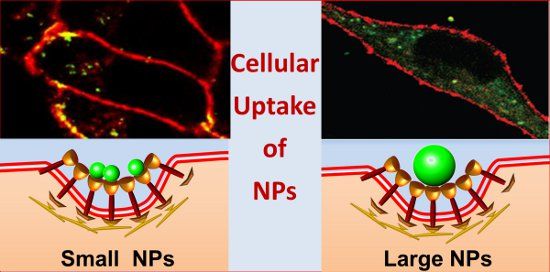
- , the zeta potentials of all NPs in PBS were also measured. As expected from the surface chemistry of the NPs, the NH2-modified (NPS) and the CTMA-adsorbed NPs carried a positive surface charge; all other preparations had a negative surface charge. Cellular uptake of small (diameter 3–10 nm) NPs Figure


Inorganic Janus particles for biomedical applications
Beilstein J. Nanotechnol. 2014, 5, 2346–2362, doi:10.3762/bjnano.5.244
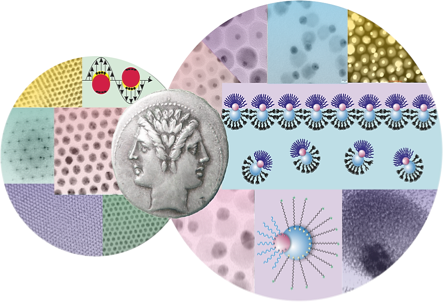
- sizes, and morphology. Aside from the properties of the single components added one by one to form the properties of the heterostructure, several new properties emerge from the morphology and surface chemistry of the heterodimers [35]: (i) multifunctionality based on the different surface chemistry of
- particles are diluted in biological media [102]. On the contrary, the encapsulation of isotropic nanoparticles in a silica shell was established, which is advantageous because of the extraordinary stability of silica and its well-known surface chemistry that allows further functionalization. Furthermore
- stability in aqueous media is of particular importance for biomedical applications, the extraordinary stability of silica encapsulated nanoparticles and the well-known surface chemistry of silica were transferred to Janus particles, whereby the Janus character was retained due to the distinct chemical






Electrical contacts to individual SWCNTs: A review
Beilstein J. Nanotechnol. 2014, 5, 2202–2215, doi:10.3762/bjnano.5.229
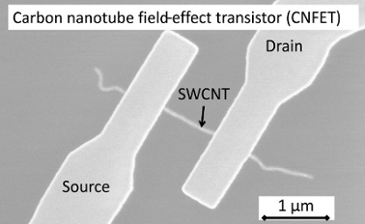
- ion exchange surface chemistry approach. Tens of thousands of CNFETs were fabricated on the chip level with 78% yield. Chikkadi et al. [89] introduced a photolithography-based scalable fabrication process which provides a good platform for investigating the uniformity of CNFET performance on a large


Advances in NO2 sensing with individual single-walled carbon nanotube transistors
Beilstein J. Nanotechnol. 2014, 5, 2179–2191, doi:10.3762/bjnano.5.227
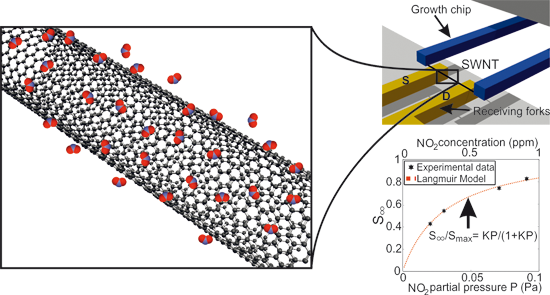
- ] discuss the effect of water adsorption on substrate-bound carbon nanotube devices, lying on SiO2 substrates (Figure 5a and Figure 5b). Due to the hydrophilic surface chemistry of SiO2, a thin water layer is present close to the nanotube. These water molecules then act as charge traps that screen the gate


Cathode lens spectromicroscopy: methodology and applications
Beilstein J. Nanotechnol. 2014, 5, 1873–1886, doi:10.3762/bjnano.5.198

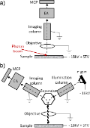
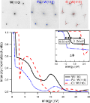
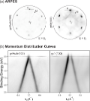
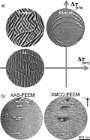
- available in most laboratories presents a limitation, as the information on surface chemistry is available in core-level electronic transitions, which are only accessible by using higher photon energies from few tens of electronvolts to above 1 keV. By providing tunable high-brightness X-ray beams



Carbon-based smart nanomaterials in biomedicine and neuroengineering
Beilstein J. Nanotechnol. 2014, 5, 1849–1863, doi:10.3762/bjnano.5.196
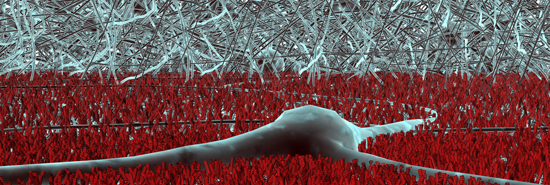
- include drug delivery [65][66], implants coating [67] and bioimaging [68]. Similarly to the use of CNTs, the first consideration in biological applications is the biocompatibility of NDs. Diamond, in its bulk form, is chemically inert. However, because surface chemistry is predominant at the nanoscale
- were incubated with oxidised NDs, suggesting it was a specific consequence of the surface chemistry of NDs. Nonetheless, Xing and co-workers noted that NDs and oxidised NDs induce overall less DNA damage than that caused by MWCNTs. The investigation of the cellular uptake mechanisms of NDs is also a