


Search results
Search for "water" in Full Text gives 1635 result(s) in Beilstein Journal of Nanotechnology. Showing first 200.
Mechanistic insights into endosomal escape by sodium oleate-modified liposomes
Beilstein J. Nanotechnol. 2024, 15, 1667–1685, doi:10.3762/bjnano.15.131
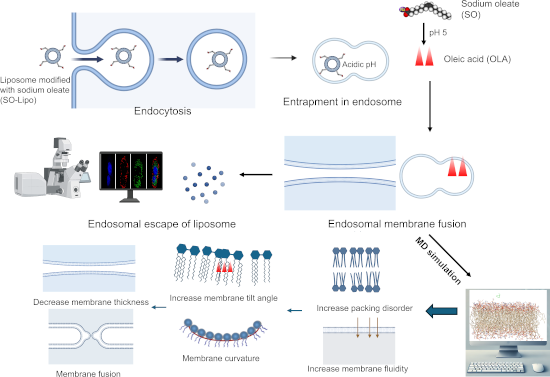
- membrane structure and dynamics. In contrast, the density profile for AUR (Figure 6c) shows a peak near the water–membrane interface, indicating a more superficial insertion compared to OLA. AUR’s density decreases significantly toward the bilayer center, highlighting its preference for interacting with




Fabrication of hafnium-based nanoparticles and nanostructures using picosecond laser ablation
Beilstein J. Nanotechnol. 2024, 15, 1639–1653, doi:10.3762/bjnano.15.129
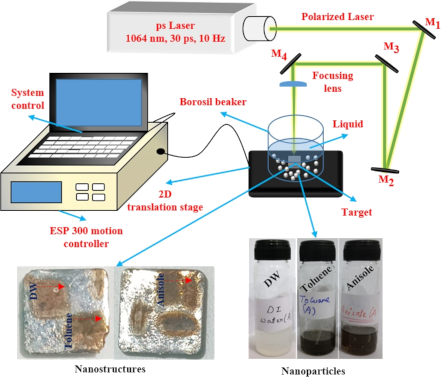
- different liquid media, namely, deionised water (DW), toluene, and anisole, to fabricate HfO2 and HfC NPs along with Hf NSs. Spherical HfO2 NPs and nanofibres were formed when Hf was ablated in DW. Hf ablated in toluene and anisole demonstrated the formation of core–shell NPs of HfC with a graphitic shell
- carbides [11][31]. In one of our earlier works [10], we performed femtosecond ablation and reported the formation of colloidal hafnium oxide NPs and nanoribbons in deionised water. The average sizes of NPs and nanoribbons were 13.5–18.0 and 10–20 nm, respectively. Further, we also reported that monoclinic
- duration (picosecond pulses used here) and the surrounding liquid medium on the laser-ablated Hf-based NPs and NSs. Three different solvents, deionised water (DW; inorganic and oxygen-containing), toluene (organic and oxygen-free), and anisole (organic and oxygen-containing), have been chosen as ablation




Natural nanofibers embedded in the seed mucilage envelope: composite hydrogels with specific adhesive and frictional properties
Beilstein J. Nanotechnol. 2024, 15, 1603–1618, doi:10.3762/bjnano.15.126
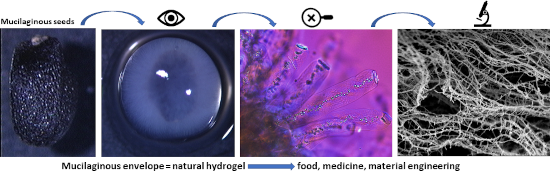
- , three-dimensional network of polysaccharides (cellulose, pectins, and hemicelluloses) and is able to absorb large amounts of water. Depending on the water content, mucilage can behave as an efficient lubricant or as strong glue. The current work attempts to summarise the achievements in the research on
- hydrophilic, three-dimensional (3D), polymeric networks able to absorb huge amounts of water [1][2][3]. This term refers perfectly to the mucilage envelope produced by many fruits and seeds (diaspores) of diverse plant taxa [4][5][6][7][8][9]. Mucilage is considered as a natural hydrogel and shares specific
- . Macroscopically observable mucilage is often a transparent, gel-like capsule formed around the diaspore after hydration with water (Figure 1). At the microscale mucilage exhibits, before hydration, successive layers formed by adcrustation in the mucilaginous cells of the seed/fruit coat (the outermost covering of


Liver-targeting iron oxide nanoparticles and their complexes with plant extracts for biocompatibility
Beilstein J. Nanotechnol. 2024, 15, 1593–1602, doi:10.3762/bjnano.15.125
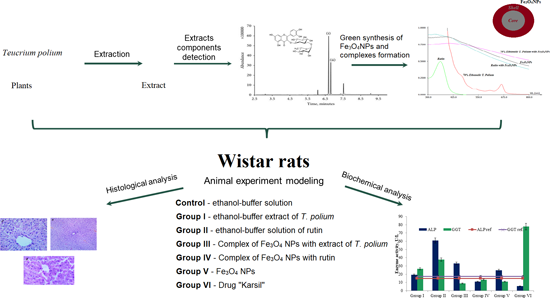
- . Then, the mixture was thoroughly mixed and heated at 80 °C for 1 h until the color of the mixture turned from brown to black. The resulting black precipitate of Fe3O4 NPs was washed three times with deionized water and then dispersed for 40 min in an ultrasonic disintegrator (Ultrasonic Homogenizer
- MassLynx data processing software. Separation was done on a C-18 column (Knauer, Germany, 250 × 4 mm, particle size 4.5 nm) at an elution rate of 1 mL/min with the following gradient elution system: HPLC-grade water with 0.1% orthophosphoric acid (solution A, Carlo Erba, France), acetonitrile (solution B
- model Experiments were conducted on mature male white Wistar rats weighing 190–210 g. The animals were kept on a regular diet and water regimen at a temperature of 25 ± 2 °C, 55% ± 5% humidity, and a 12 h day/night cycle. The animals were randomly divided into seven experimental groups of five to six


Facile synthesis of size-tunable L-carnosine-capped silver nanoparticles and their role in metal ion sensing and catalytic degradation of p-nitrophenol
Beilstein J. Nanotechnol. 2024, 15, 1576–1592, doi:10.3762/bjnano.15.124
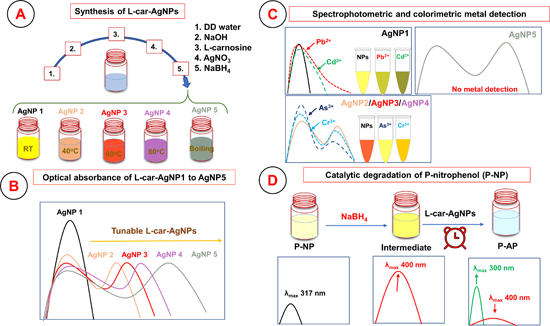
- purification. Before the experiment, glassware was cleaned with aqua regia and rinsed twice with double distilled (DD) water. Methods Tunable plasmonic silver nanoparticle synthesis using ʟ-carnosine Silver nanoparticles with tunable plasmon wavelength were synthesized using a wet-chemical reduction approach
- -car-AgNP1 was synthesized at room temperature (RT = 25 °C), with the addition of 1 mL ʟ-carnosine (0.01 M) to 5 mL DD water followed by sequential additions of 100 μL NaOH (1 M), 1 mL AgNO3 (0.01 M), and 1 mL NaBH4 (0.001 M). The other samples, ʟ-car-AgNP2, ʟ-car-AgNP3, ʟ-car-AgNP4, and ʟ-car-AgNP5
- , were synthesized at temperatures of 40, 60, and 80 °C and at boiling temperature, respectively. The synthesis procedure for ʟ-car-AgNP2 to ʟ-car-AgNP5 was similar, with the reaction mixture comprising 1 mL ʟ-carnosine (0.01 M) added to 5 mL DD water, followed by sequential additions of 50 μL NaOH (1 M




Green synthesis of silver nanoparticles derived from algae and their larvicidal properties to control Aedes aegypti
Beilstein J. Nanotechnol. 2024, 15, 1566–1575, doi:10.3762/bjnano.15.123
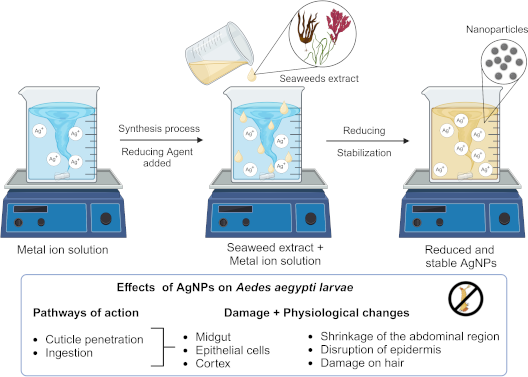
- characteristics such as greater absorption capacity, greater bioavailability, controlled release of active ingredients, improved solubility of hydrophobic substances in water, and good kinetic stability [12][13][14]. Metallic nanoparticles have been investigated as a promising approach for vector control. The
- /100 mL of purified water) by heating the mixture for 5 min and decanting for 1 h. After this process, the mixture was filtered and stored for 5 days at 15 °C. Finally, the filtered solution was treated with an aqueous solution of AgNO3 (1 mM) and incubated at room temperature. The chemical compounds
- ethanol, concentrated in a rotary vacuum evaporator, and finally stored at refrigerator temperature. A hydroalcoholic extract was produced by adding 1 mL of S. natans extract to 99 mL of purified water and 0.5 mL of Triton®. This extract was treated with AgNO3 (100 mM; 99:1) and conditioned at room


Ultrablack color in velvet ant cuticle
Beilstein J. Nanotechnol. 2024, 15, 1554–1565, doi:10.3762/bjnano.15.122

- purity, water-free, Carl Roth GmbH & Co. KG, Karlsruhe, Germany) and covered with a glass slip. Following the method described in [10], we documented the samples using a Zeiss LSM 700 confocal laser scanning microscope (Carl Zeiss Microscopy GmbH, Jena, Germany). Four stable solid-state lasers emitting



The round-robin approach applied to nanoinformatics: consensus prediction of nanomaterials zeta potential
Beilstein J. Nanotechnol. 2024, 15, 1536–1553, doi:10.3762/bjnano.15.121
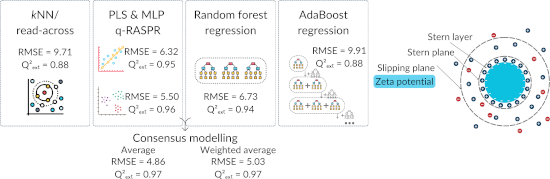
- the ZP in media besides water. Wyrzykowska et al. [32] proposed a nano-QSPR model for the prediction of the ZP of 15 NPs in a low-concentration KCl solution considering the NPs’ ZP in water and the periodic number of the NPs metal. Read-across approaches presented to date include a k-nearest
- [36], the following four were included in this study because of the completeness of the data (absence of data gaps): the NMs’ core chemistry, coating, morphology, and hydrodynamic diameter measured using dynamic light scattering (DLS). The ZP of the NMs was measured in water (pH 6.5–8.5). To enrich
- studies [37]. These descriptors were chemical formula-related descriptors, specifically the numbers of metal and oxygen atoms present in the core’s chemical formula and the molecular weight of the core compound. Finally, the Hamaker constants [38] of the NMs were calculated in vacuum and in water using


Electrochemical nanostructured CuBTC/FeBTC MOF composite sensor for enrofloxacin detection
Beilstein J. Nanotechnol. 2024, 15, 1522–1535, doi:10.3762/bjnano.15.120
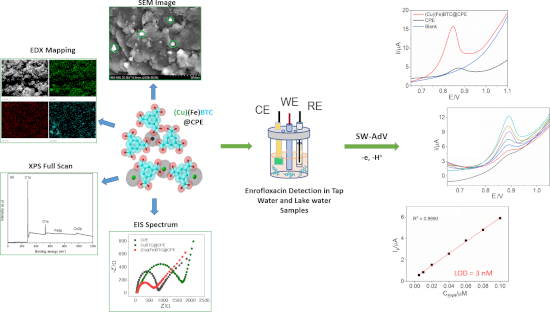
- analysing tap and lake water samples, with recovery rates ranging from 90.2% to 121.3%. Keywords: CuBTC; electrochemical sensor; enrofloxacin; FeBTC; metal-organic framework; Introduction Enrofloxacin (ENR) is a quinolinemonocarboxylic acid and a third-generation fluoroquinolone. This antibiotic is
- the MOFs. A sensor for simultaneously detecting hydroquinone and catechol in water using a Cu-MOF–graphene composite was developed by Li and colleagues. Measurement ranges beginning at 1.0 × 10⁻⁶ and 1.0 × 10⁻³ M were achieved, with LODs of 5.9 × 10⁻⁷ M and 3.3 × 10⁻⁷ M for hydroquinone and catechol
- The performance of the developed sensor was assessed by quantifying ENR levels in tap water and lake water. Different amounts of ENR were added to samples, ranging from 0.2 to 3.0 µM. ENR concentrations were determined using the standard addition method (Table 1). Notably, no ENR was initially





Polymer lipid hybrid nanoparticles for phytochemical delivery: challenges, progress, and future prospects
Beilstein J. Nanotechnol. 2024, 15, 1473–1497, doi:10.3762/bjnano.15.118
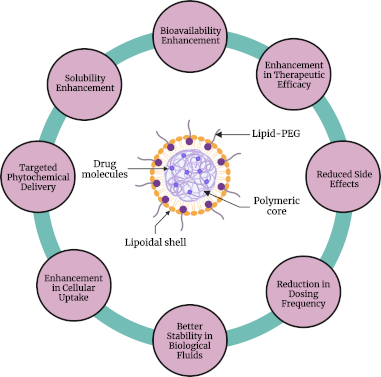
- wide range of therapeutic properties, including antioxidant, anti-inflammatory, anticancer, and antimicrobial activities. However, their clinical application is often hindered by poor water solubility, low bioavailability, rapid metabolism, and instability under physiological conditions. Polymer lipid
- compounds, and antimicrobials, offering a natural and multifaceted arsenal for combating a wide array of diseases [6][7][8]. Despite their promising bioactivities, the clinical application of phytochemicals is often limited by several inherent drawbacks such as poor water solubility, low bioavailability
- water solubility. Many phytochemicals are hydrophobic and show poor water solubility, which significantly restricts their absorption in the gastrointestinal tract (GIT) when administered orally. This low solubility leads to low bioavailability, resulting in sub-therapeutic levels of the phytochemical at


Nanotechnological approaches for efficient N2B delivery: from small-molecule drugs to biopharmaceuticals
Beilstein J. Nanotechnol. 2024, 15, 1400–1414, doi:10.3762/bjnano.15.113
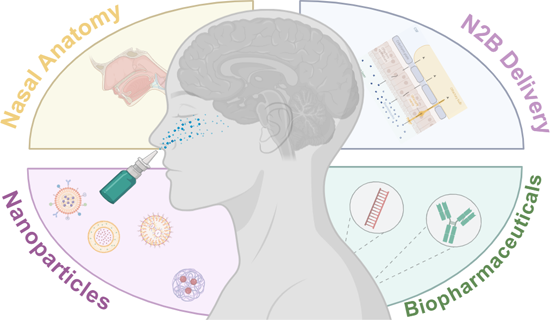
- stabilized with tocopherol polyethylene glycol succinate (TPGS) were proposed against Alzheimer’s disease. TPGS, a water-soluble precursor of vitamin E, was used in the formulation to reduce the amyloid-beta-induced oxidative stress [114]. In vivo tests on Wistar rats highlighted that the mucoadhesive


Various CVD-grown ZnO nanostructures for nanodevices and interdisciplinary applications
Beilstein J. Nanotechnol. 2024, 15, 1390–1399, doi:10.3762/bjnano.15.112
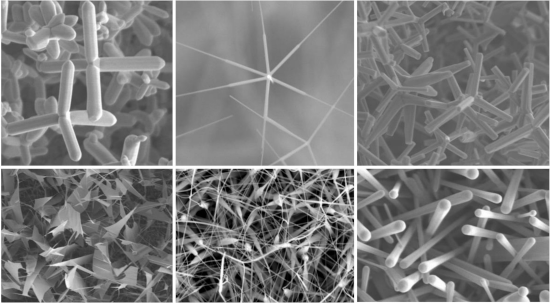
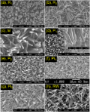
- ], photocatalytic degradation [41], and water splitting for hydrogen technologies [38]. Figure 3a–d show SEM images of ZnO tetrapods. These various morphologies were grown at approx. 625–650 °C. The first one, named T1 in Figure 3a, has needle-like arms of ≈1 μm of length. The dimeter of the arms is less than 50 nm



A biomimetic approach towards a universal slippery liquid infused surface coating
Beilstein J. Nanotechnol. 2024, 15, 1376–1389, doi:10.3762/bjnano.15.111
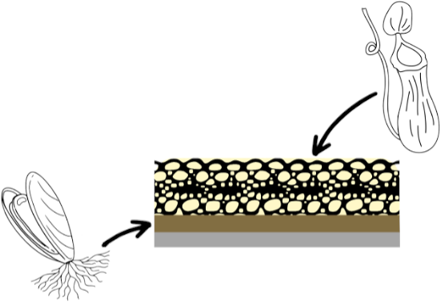
- to use. These biomimetic surface functionalization steps were confirmed by several complimentary surface analysis techniques. The wettability of each surface was probed with water contact angle measurements, while the chemical composition of the layer was determined by X-ray photoelectron
- copolymer (COC), silicon, and 316 stainless steel (SS) as our substrates. These substrates were first coated with PDA; then, a fluorinated thiol was attached to serve as the anchor for the infused fluid. The resulting surface modifications were then characterized by water contact angle measurements, atomic
- force microscopy (AFM), sum frequency generation spectroscopy (SFG), and X-ray photoelectron spectroscopy (XPS). Measuring static water contact angles is a straightforward method to determine the relative wettability of a material and allows for a quick check if our surface modifications were successful


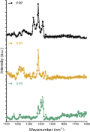


Green synthesis of carbon dot structures from Rheum Ribes and Schottky diode fabrication
Beilstein J. Nanotechnol. 2024, 15, 1369–1375, doi:10.3762/bjnano.15.110
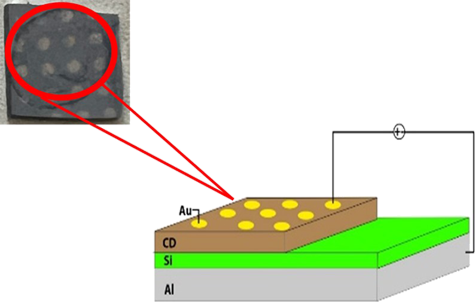
- nanostructures are carbon dot structures (CDs). These structures have recently become a common field of study because of their properties including chemical stability, water solubility, and easy synthesis and functionalization. Carbon dots, were first discovered by Xu and his working group [1] while purifying
- electron microscopy (SEM), I–V/C–V measurements, UV–vis spectroscopy, and steady-state fluorescence spectroscopy, respectively. CDs synthesis 2.5 g of the powdered Rheum ribes plant was placed in an autoclave bottle, and 50 mL of pure water was added to the bottle. This aqueous solution was placed in an
- substrate was cut to approximately 1 cm2 in size and cleaned by washing it in acetone, methanol, and pure water for 10 min each. An ohmic contact was made with aluminum on the cleaned sample at 1 × 10⁻⁷ Torr vacuum in a PVD thermal evaporation device. Approximately 30 μL of the CDs stock solution was taken



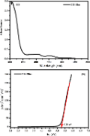

Hymenoptera and biomimetic surfaces: insights and innovations
Beilstein J. Nanotechnol. 2024, 15, 1333–1352, doi:10.3762/bjnano.15.107
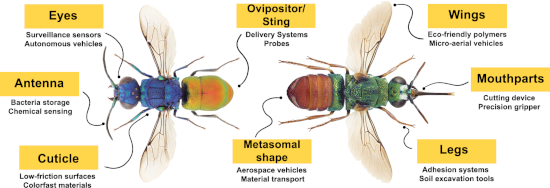
- sculptured and thick cuticle of some hymenopterans is also associated with increased resistance to fractures and high pressures [16] and may also potentially reduce water loss [17][18]. Alternative hypotheses yet to be tested for the function of such complex cuticle sculpturing is the air drag reduction




Nanoarchitectonics with cetrimonium bromide on metal nanoparticles for linker-free detection of toxic metal ions and catalytic degradation of 4-nitrophenol
Beilstein J. Nanotechnol. 2024, 15, 1312–1332, doi:10.3762/bjnano.15.106
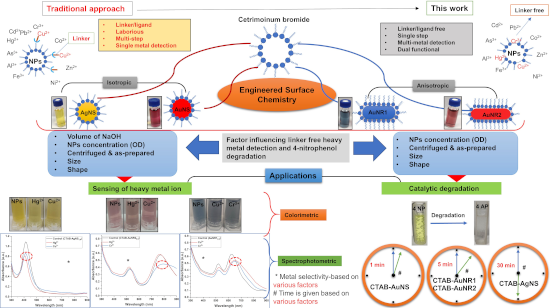
- the increased release of pollutants into the environment, causing health concerns to humans. Untreated industrial effluents are released, and most heavy metal ions accumulate in water higher than the permissible limits, pollute drinking water, and are non-biodegradable. Heavy metal ions are
- purchased from CDH Fine Chemicals, India. The chemicals obtained were used without further purification. All glassware was cleaned with aqua regia and rinsed with double distilled (DD) water before use. Cetrimonium bromide as capping agent CTAB-AgNS (silver nanospheres) and CTAB-AuNS (gold nanospheres) were
- synthesized via wet chemical synthesis using slightly modified protocols [28][29]. In a typical synthesis carried out at 80 °C, 0.5 mL of AgNO3 (100 mM) was reduced using 1 mL of 100 mM NaBH4 in the presence of 5 mL DD water premixed with 1 mL of 100 mM cetrimonium bromide (CTAB) under stirring at 800 rpm




Interaction of graphene oxide with tannic acid: computational modeling and toxicity mitigation in C. elegans
Beilstein J. Nanotechnol. 2024, 15, 1297–1311, doi:10.3762/bjnano.15.105
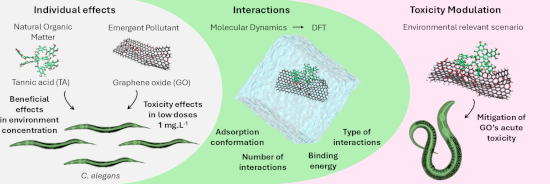
- , carboxyl, ether, and carbonyl groups. The sheets present different levels of oxidation as well as specific structures such as edges, wrinkles, and holes. Because of its surface chemistry, GO has better water solubility than graphene; furthermore, it is straightforward to be functionalized and synthesized
- elegans. Ouyang et al. [12] showed that small molecules (e.g., polycyclic aromatic hydrocarbons) and heavy metals, present in the natural water as nanocolloids, potentiate GO’s phytotoxicity. Moreover, biomolecules such as polysaccharides, proteins, lipids, and humic acids may interact with the material’s
- carbon (C sp3) (28%). The properties of this material are in accordance with other GO samples used for nanotoxicology and environmental applications. In this work, we characterized the material after interaction with the moderately hard reconstituted water defined by the U.S. Environmental Protection


Mn-doped ZnO nanopowders prepared by sol–gel and microwave-assisted sol–gel methods and their photocatalytic properties
Beilstein J. Nanotechnol. 2024, 15, 1283–1296, doi:10.3762/bjnano.15.104
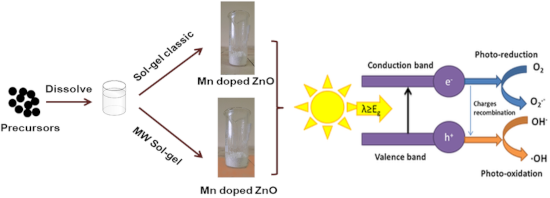
- generated CO2 were measured for both catalysts. These inexpensive semiconductor materials, which proved to be light-responsive, can be further used for developing water depollution technologies based on solar light energy. Keywords: microwave-assisted synthesis; oxalic acid mineralization; semiconductor
- photocatalysts; water depollution; Introduction Over the past decades, significant research has been focused on designing and preparing nanostructures of various shapes and sizes, which exhibit unique properties and potential applications [1]. Considerable advancements have been made in synthesizing
- ample opportunities for future investigations despite the large number of such data already reported on ZnO materials. Mn-doped ZnO materials synthesized by SG and its derivative methods can be successfully used for photodriven oxidation processes and water depollution since they are inexpensive, not


Dual-functionalized architecture enables stable and tumor cell-specific SiO2NPs in complex biological fluids
Beilstein J. Nanotechnol. 2024, 15, 1238–1252, doi:10.3762/bjnano.15.100
- -aminopropyl)triethoxysilane (99%) were purchased from Fisher Scientific. Ethanol (absolute) was purchased from Merck. All reagents and chemicals were used as received without further purification. Water used in the described procedures was obtained from a water purification system (Purelab from ELGA
- four washes with deionized water. Finally, they were re-dispersed in 120.0 mL of water. After, a silica shell was synthesized around the preformed fluorescent core by the addition of ethanol (60.0 mL), ammonia solution (1.4 mL), and TEOS (1.7 mL). The addition of TEOS was done at a rate of 1.0 mL per
- minute, using a syringe pump (New Era Pump Systems, NE8000, Farmingdale, NY). Posteriorly, the solution remained under stirring for 24 h. The resulting suspension was purified and re-dispersed in water for storage and subsequent functionalization. Functionalization of SiO2NPs Before the functionalization


Enhanced catalytic reduction through in situ synthesized gold nanoparticles embedded in glucosamine/alginate nanocomposites
Beilstein J. Nanotechnol. 2024, 15, 1227–1237, doi:10.3762/bjnano.15.99
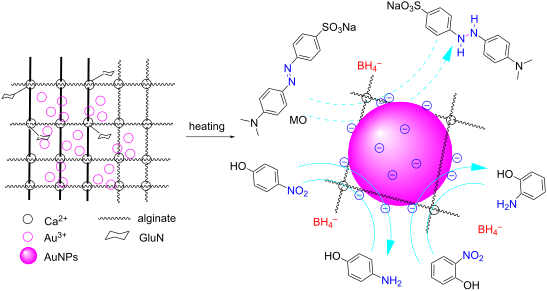
- electrostatic bonds with multivalent metal cations (such as Ca2+, Ba2+, and Cu2+) to create an extensive gel network in water [15][16]. The cross-linking of saccharide chains within alginate generates macromolecules ranging in size from micrometers to millimeters, resulting in gelispheres insoluble in water
- (e.g., glucose, fructose, and glucosamine (GluN)) for the in situ synthesis of metallic nanoparticles onto alginate-based nanogels remains unexplored. Toxic organic dyes, including nitrophenols and methyl orange (MO), pose a significant environmental threat because of their persistence in water. This
- Materials The study utilized reagents and chemicals without additional purification. Glucosamine, gold(III) chloride, calcium acetate hydrate, sodium alginate, sodium tetrahydroborate, 2-nitrophenol, 4-nitrophenol, and methyl orange were procured from Acros Scientific (Belgium). Distilled water was used



Synthesis, characterization and anticancer effect of doxorubicin-loaded dual stimuli-responsive smart nanopolymers
Beilstein J. Nanotechnol. 2024, 15, 1189–1196, doi:10.3762/bjnano.15.96
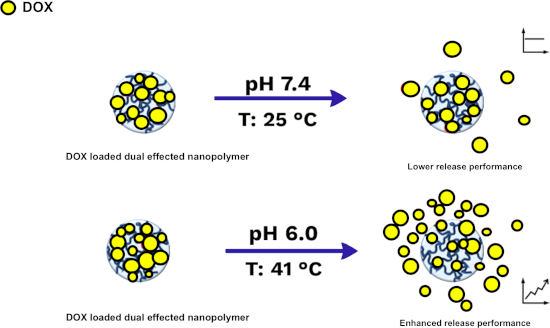
- incubation times was studied. Experimental Materials Doxorubicin and all other chemicals were purchased from Sigma-Aldrich (St. Louis, MO, USA). The water utilized in the experiments was purified by a Barnstead (Dubuque, IA, USA) ROpure LP® reverse osmosis unit. Cell culture Experiments were conducted using
- humidified air atmosphere with 5% CO2. Preparation of DOX-SNPs To synthesize DOX-containing nanoparticle structures, the miniemulsion polymerization method was used according to a protocol adapted from [24]. First, the water phase was formed. The water phase was obtained by adding and dissolving 0.375 g
- polyvinyl alcohol (PVA), 57.7 mg sodium dodecyl sulfate (SDS), and 46.9 mg NaHCO3 in 20 mL of water (solution A in Figure 1). For solution B, 0.2 g PVA and 0.2 g SDS were dissolved in 400 mL of water. The organic phase (solution C) was obtained by mixing and dissolving (30 min in a beaker) 0.8 mL 2


AI-assisted models to predict chemotherapy drugs modified with C60 fullerene derivatives
Beilstein J. Nanotechnol. 2024, 15, 1170–1188, doi:10.3762/bjnano.15.95
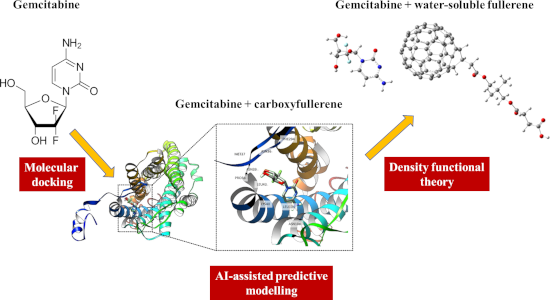
- regression and IBM Watson artificial intelligence (AI), achieved mean absolute percentage errors below 12%, driven by AI-identified key variables. The predictive models included mainly quantitative descriptors collected from datasets as well as computed ones. In addition, a water-soluble fullerene was used
- is also possible to modify pristine fullerenes by adding polar functional groups (e.g., –COOH, –OH, or –NH2), to improve water solubility, antioxidant properties, and even biological activity [25]. For instance, polyhydroxy fullerenes (PHFs) exhibit properties suitable for biomedical applications
- , such as water solubility, biodegradability, biocompatibility, and hypoallergic response. It has been shown that PHFs can inhibit cancer tumor growth and positively regulate the immune system [26]. The same is valid for carboxylated fullerenes [27]; for instance, C60[C(COOH)2]3 is well known for its


Introducing third-generation periodic table descriptors for nano-qRASTR modeling of zebrafish toxicity of metal oxide nanoparticles
Beilstein J. Nanotechnol. 2024, 15, 1142–1152, doi:10.3762/bjnano.15.93
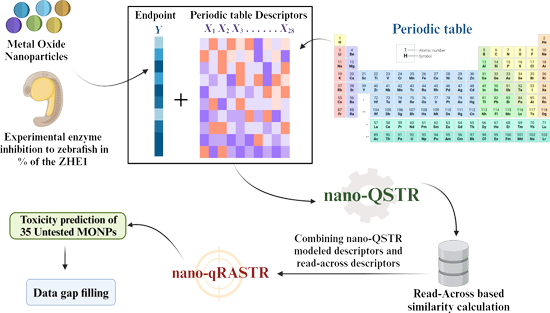
- amendments. However, it is concerning that the environment is affected because of the enormous production and inadvertent use of nanomaterials. Nanoparticles have been identified in wastewater streams, drinking water sources, and tap water in amounts ranging from nanograms to micrograms per liter [10]. Also
- of safer nanomedicines. MONPs are also being utilized in environmental remediation efforts to remove pollutants from water and soil. The insights gained from this study can help in selecting nanoparticles that are effective in remediation without posing significant risks to aquatic life and


Photocatalytic methane oxidation over a TiO2/SiNWs p–n junction catalyst at room temperature
Beilstein J. Nanotechnol. 2024, 15, 1132–1141, doi:10.3762/bjnano.15.92
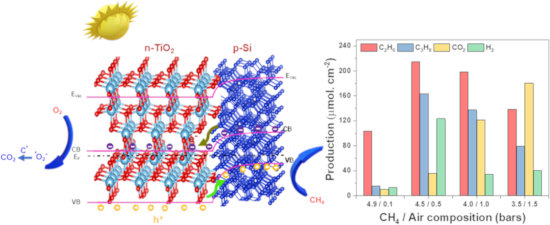
- formed at the interface have emerged, which effectively force charge carriers to move in opposite directions and hinder recombination [31][32][33]. Very recently, Cu2O/BiVO4, Ag2O/Bi12O17Cl2 and CuFe2O4/Bi4Ti3O12 composite powders have shown improved efficiencies in water treatment based on p–n
- surface interaction with gases during photocatalytic oxidative coupling can be analyzed using water contact angle analysis (as shown in Supporting Information File 1, Figure S2). The wettability of pure p-Si and the p-Si NW array are illustrated in Figure S3 (Supporting Information File 1). Pure p-Si had
- a water contact angle of 50.24°. Because of the nanowire array morphology, the p-Si NWs were more hydrophilic nature with a water contact angle of 3.36°, which manifests superior photocatalytic oxidative coupling. Raman spectra were conducted to confirm the surface composition of the synthesized


Direct electron beam writing of silver using a β-diketonate precursor: first insights
Beilstein J. Nanotechnol. 2024, 15, 1117–1124, doi:10.3762/bjnano.15.90

- sequence of sonification in acetone, ethanol, and rinsed water, and dry-blowing with nitrogen. In our deposition experiments, faint deposits were visible starting at a GIS temperature of 50 °C for spots of 5 min dwell time, turning into clearly visible deposits starting from about 60 °C. From 80 °C onwards
- density of silver particles with a transition to continuous silver towards the bottom. Similar non-uniform deposit structures were observed earlier. For pillar deposition of gold using Me2Au(acac) in a water atmosphere at about 1 Pa pressure, a solid metallic core surrounded by a carbon-rich shell was
- obtained [34]. For planar deposits, similar microstructures were obtained during platinum deposition using Pt(η5-CpMe)Me3 [35] and ruthenium deposition using (EtCp)2Ru [36], both in combination with post-deposition purification employing electron beam irradiation in a water atmosphere. For the case of





