


Search results
Search for "applications" in Full Text gives 1941 result(s) in Beilstein Journal of Nanotechnology. Showing first 200.
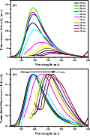
Fabrication of hafnium-based nanoparticles and nanostructures using picosecond laser ablation
Beilstein J. Nanotechnol. 2024, 15, 1639–1653, doi:10.3762/bjnano.15.129
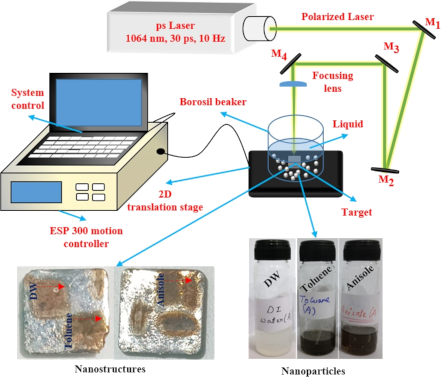
- insight into their morphological and optical characteristics paving way for their applications in future. Keywords: hafnium; laser ablation in liquids; nanofibres; nanoparticles; nanostructures; Introduction Hafnium (Hf) is a tetravalent transition metal with compounds showing excellent thermal and




Heterogeneous reactions in a HFCVD reactor: simulation using a 2D model
Beilstein J. Nanotechnol. 2024, 15, 1627–1638, doi:10.3762/bjnano.15.128
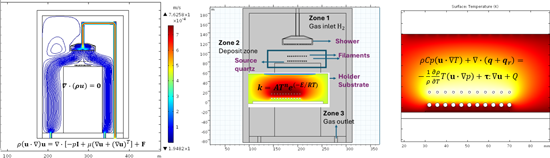
- because the input gases and materials are accessible; also, it is scalable to larger areas [6]. The SiOx films obtained by HFCVD possess excellent optical and electrical properties, which makes such films suitable for applications in the manufacture of metal–insulator–semiconductor and metal–insulator
- –metal devices exhibiting blue and white electroluminescence [7][8]. It was found that these films exhibit photoconductive and photoelectric effects suitable for electroluminescence and photovoltaics applications [9][10], as well as for other applications such as solar cells and anodes for Li batteries


Biomimetic nanocarriers: integrating natural functions for advanced therapeutic applications
Beilstein J. Nanotechnol. 2024, 15, 1619–1626, doi:10.3762/bjnano.15.127

- targeting specificity. Biomimetic nanocarriers demonstrate significant advancements in drug delivery systems against cancer therapy, Alzheimer's disease, autoimmune diseases, and viral infections such as COVID-19. Here, we address the therapeutic applications of biomimetic nanocarriers and their promising
- new opportunity for personalized therapies [12][18][19]. Here, we explored the implications of biomimetic nanostructured carriers and their applications in human health. Biomimetic Nanocarriers The principle of biomimetic nanocarriers involves coating nanoscale carriers with materials capable of
- voltage and exposure time, can be optimized to improve efficiency. Though costly, this method is suitable for industrial applications [34][45]. Another strategy exploits electrostatic charges of nanocarriers and membrane vesicles. Opposite charges (negative for vesicles and positive for carriers) foster


Natural nanofibers embedded in the seed mucilage envelope: composite hydrogels with specific adhesive and frictional properties
Beilstein J. Nanotechnol. 2024, 15, 1603–1618, doi:10.3762/bjnano.15.126
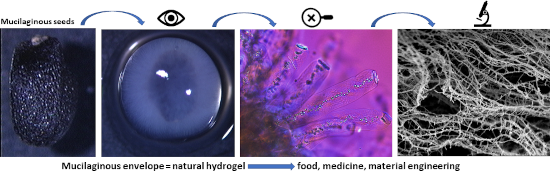
- tasteless [11][21]. Its chemical composition and special physical properties allow many applications of mucilage, for example, as thickening and structuring (gel-forming) agent, emulsifier or stabiliser for food products, scaffold for tissue regeneration, additive in formation of medicinal tablets, and for
- ], on monomer and cross-linking concentrations, and on the type of substrate surface [88]. Hydrogels with their low friction are crucial in biomedical applications or for drug delivery [38][83][86][88]. The diaspore mucilage is regarded as a natural hydrogel [38] because of its capacity to absorb water
- , which appear after hydration, are not only important for their biological functions, but also crucial regarding technological applications [17][20]. Adhesion is essential in industrial sectors including medicine, bioengineering, cosmetics, food, and pharmacy [17][20][114][132][133][134]. Natural


Liver-targeting iron oxide nanoparticles and their complexes with plant extracts for biocompatibility
Beilstein J. Nanotechnol. 2024, 15, 1593–1602, doi:10.3762/bjnano.15.125
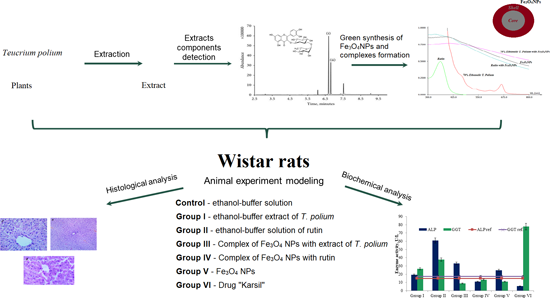
- (Fe3O4 NPs) are widely used in many biomedical applications (e.g., bioimaging, drug delivery, biosensors, diagnostics, and theranostics). However, the use of NPs does not preclude the possibility of selective toxicity and undesirable effects, including accumulation in tissues and direct interaction with
- , biochemistry, biophysics, and other disciplines within biology and medicine [1][2][3][4][5]. The development of nanotechnology has provided resources for various applications in the medical field, leading to significant advances in diagnosis, biological detection, therapy, and drug delivery [6][7][8][9]. An
- , stability, and other important qualities [14][15]. Iron oxide NPs, because of their minimal toxicity, are considered the most preferred agents for studying various biomedical applications [16]. There are many studies proving the biocompatibility of iron oxide NPs, and because of their unique properties


Facile synthesis of size-tunable L-carnosine-capped silver nanoparticles and their role in metal ion sensing and catalytic degradation of p-nitrophenol
Beilstein J. Nanotechnol. 2024, 15, 1576–1592, doi:10.3762/bjnano.15.124
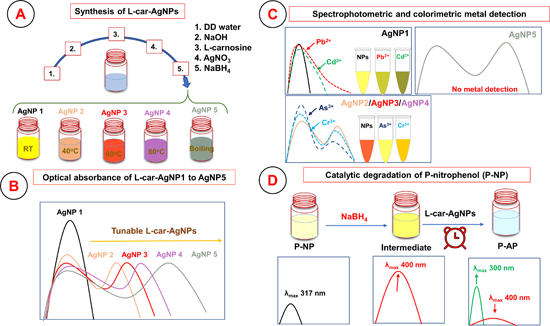
- -car-AgNPs for both heavy metal ion detection and catalytic degradation of P-NP, indicating their suitability for environmental monitoring and remediation applications. Further optimization and research are needed to expand their environmental applications and to understand their interaction mechanisms
- structure and imparts functional attributes such as metal ion chelation and catalytic enhancement. These features make ʟ-carnosine-capped AgNPs an ideal candidate for environmental applications. It was also reported that pristine AgNPs significantly interact with ʟ-carnosine [7]. Traditional methods for
- nanotechnology have ushered in the development of nanoparticle-based systems that offer promising alternatives because of their simplicity, cost-effectiveness, and potential for real-time applications. Plasmonic nanoparticles, such as silver, have been widely explored for their unique plasmonic and catalytic




Green synthesis of silver nanoparticles derived from algae and their larvicidal properties to control Aedes aegypti
Beilstein J. Nanotechnol. 2024, 15, 1566–1575, doi:10.3762/bjnano.15.123
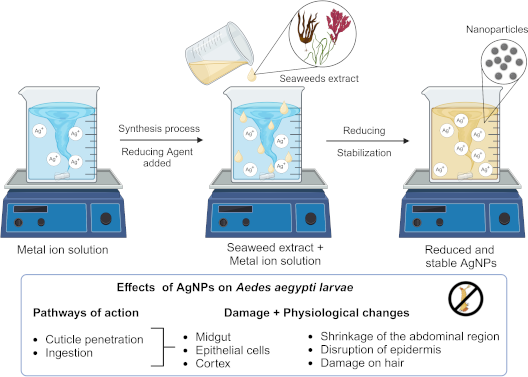
- electrical, optical, and magnetic properties for a wide range of applications [22][23]. They can be synthesized by different procedures based on “top-down” or “bottom-up” approaches [24] (Figure 1). Top-down synthesized silver nanoparticles can be obtained by lithography, attrition, milling, and other
- ][43][44][45][46]. These bioactive compounds associated with metallic nanoparticles increase the specific delivery of drugs to the target and, thus, reduce the required amount of active compounds [47]. In addition, the control of particle size and morphology is essential for applications in


Ultrablack color in velvet ant cuticle
Beilstein J. Nanotechnol. 2024, 15, 1554–1565, doi:10.3762/bjnano.15.122

- contributes to a deeper understanding of ultrablack biological materials and their potential applications in biomimetics. Keywords: animal coloration; biophotonics; Hymenoptera; insects; Mutillidae; superblack; surface; Introduction The phenomenon of highly absorptive colors, also known as ultrablack, has
- risen considerable interest in recent years because of its potential applications in various fields, including optics, camouflage, and solar energy harvesting [1][2]. These colors are characterized by their ability to reflect an exceptionally low amount of visible light. Inspired by several biological
- accordion-like structure that increase resistance to fractures and high pressures [34]. Ultrablack coloration has garnered significant interest in recent years because of its potential applications across various fields, including optics, camouflage, and solar energy capture. Characterized by their



The round-robin approach applied to nanoinformatics: consensus prediction of nanomaterials zeta potential
Beilstein J. Nanotechnol. 2024, 15, 1536–1553, doi:10.3762/bjnano.15.121
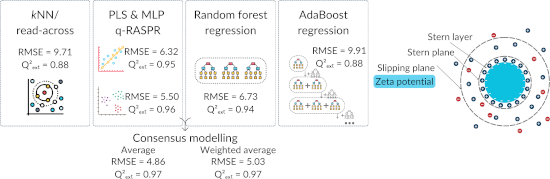
- Chemistry, Laboratory of Environmental Chemoinformatics, Wita Stwosza 63, 80-308 Gdańsk, Poland Division of Physical Sciences and Applications, Hellenic Military Academy, Vari 16672, Greece School of Geography, Earth and Environmental Sciences, University of Birmingham, Edgbaston, B15 2TT Birmingham, United
- ; read-across; QSPR; round-robin test; zeta potential; Introduction Nanotechnology, defined as the ability to manipulate matter at the nanoscale, has opened an array of possibilities for multiple applications that take advantage of the unique properties of nanomaterials (NMs). From targeted drug
- delivery to environmental sensing, the versatility of NMs makes them ideal candidates for a broad range of innovative applications [1]. However, the complexity and unique properties of these materials also present significant challenges, especially when it comes to the assessment of their potential adverse


Electrochemical nanostructured CuBTC/FeBTC MOF composite sensor for enrofloxacin detection
Beilstein J. Nanotechnol. 2024, 15, 1522–1535, doi:10.3762/bjnano.15.120
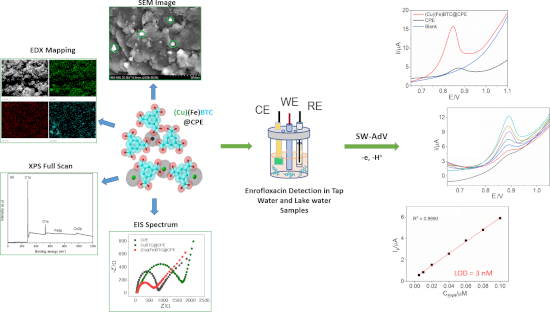
- material for electrochemical sensor applications because of their high loading quantity and surface area, defined structures, and chemical stability [19][20]. Since the first report by Yaghi and his group in 1994 [21], MOFs have attracted great attention. The first publication related to a fluorescent
- detected in the original samples. However, in the spiked samples, the sensor yielded favourable results with recoveries ranging from 90.2% to 121.3%, indicating the reliability of the sensor and its effectiveness in real-world applications. Conclusion CuBTC and FeBTC metal-organic frameworks (MOFs) were





Integrating high-performance computing, machine learning, data management workflows, and infrastructures for multiscale simulations and nanomaterials technologies
Beilstein J. Nanotechnol. 2024, 15, 1498–1521, doi:10.3762/bjnano.15.119

- candidates for specific applications [10]. In addition to materials design, digital technologies can enhance the characterization and understanding of materials. Advanced imaging techniques, coupled with computational analysis, enable researchers to examine the microstructure and behavior of materials at
- simulations [21][22]. Modern GPUs, originally designed for gaming and multimedia applications, possess immense parallel processing capabilities that can be harnessed for scientific computations. Researchers have successfully leveraged GPUs to accelerate computationally intensive simulations, such as molecular
- predictive power of data-driven approaches. The synergy between models enables more accurate predictions, enhances the exploration of materials design space, and accelerates the discovery of novel materials with desired properties. A SWOT analysis of DT applications in the materials development domain is


Polymer lipid hybrid nanoparticles for phytochemical delivery: challenges, progress, and future prospects
Beilstein J. Nanotechnol. 2024, 15, 1473–1497, doi:10.3762/bjnano.15.118
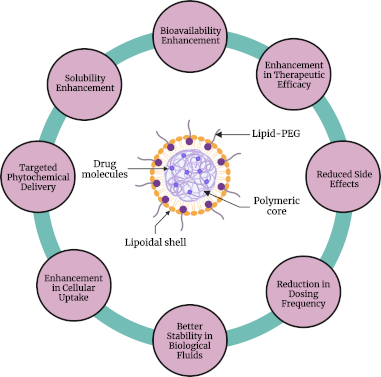
- hybrid nanoparticles (PLHNPs) have emerged as a novel delivery system that combines the advantages of both polymeric and lipid-based nanoparticles to overcome these challenges. This review explores the potential of PLHNPs to enhance the delivery and efficacy of phytochemicals for biomedical applications
- challenges ahead and prospects of PLHNPs regarding their widespread use in clinical settings. Overall, PLHNPs hold strong potential for the effective delivery of phytochemicals for biomedical applications. As per the findings from pre-clinical studies, this may offer a promising strategy for managing various
- , rapid metabolism, and instability under physiological conditions [9][10][11]. These challenges necessitate the development of advanced delivery systems to harness the full potential of phytochemicals in therapeutic applications. Polymer lipid hybrid nanoparticles (PLHNPs) represent an innovative class


Effect of radiation-induced vacancy saturation on the first-order phase transformation in nanoparticles: insights from a model
Beilstein J. Nanotechnol. 2024, 15, 1453–1472, doi:10.3762/bjnano.15.117

- in an inert environment, can be considered highly dispersed composite materials (HDCMs). HDCMs exhibit potential for the use under conditions of high temperatures and radiation exposure, making them promising materials for new-generation modular nuclear reactors, advanced charge storage applications


Strain-induced bandgap engineering in 2D ψ-graphene materials: a first-principles study
Beilstein J. Nanotechnol. 2024, 15, 1440–1452, doi:10.3762/bjnano.15.116
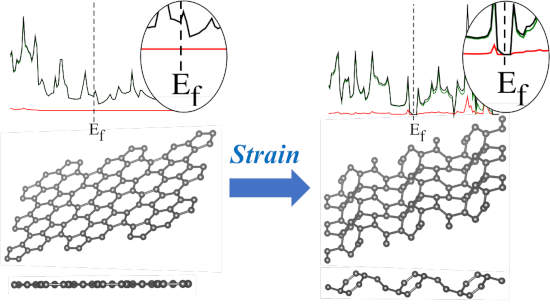
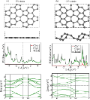
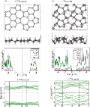
- applications. However, the metallic nature of these materials restricts their applications in specific domains. Strain engineering is a versatile technique to tailor the distribution of energy levels, including bandgap opening between the energy bands. ψ-Graphene is a newly predicted 2D nanosheet of carbon
- unchanged under the influence of mechanical strain, preserving its initial characteristic of having a direct bandgap. This behavior offers opportunities for these materials in various vital applications in photodetectors, solar cells, LEDs, pressure and strain sensors, energy storage, and quantum computing
- two-dimensional (2D) material, consisting of a single layer of sp2-hybridized carbon atoms arranged together in a hexagonal lattice [1]. Because of its extraordinary electrical and thermal conductivity, large surface area, and easy chemical functionalization, it provides a variety of applications in


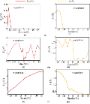
Ion-induced surface reactions and deposition from Pt(CO)2Cl2 and Pt(CO)2Br2
Beilstein J. Nanotechnol. 2024, 15, 1427–1439, doi:10.3762/bjnano.15.115

- , deposition strategies in various applications, such as circuit editing and lithographic mask repair in the semiconductor industry [7][8][9][10][11][12] as well as the growth of functional materials for magnetism [13][14][15][16], superconductivity [17], and sensing [18][19]. Compared to FEBID, FIBID operates



Lithium niobate on insulator: an emerging nanophotonic crystal for optimized light control
Beilstein J. Nanotechnol. 2024, 15, 1415–1426, doi:10.3762/bjnano.15.114
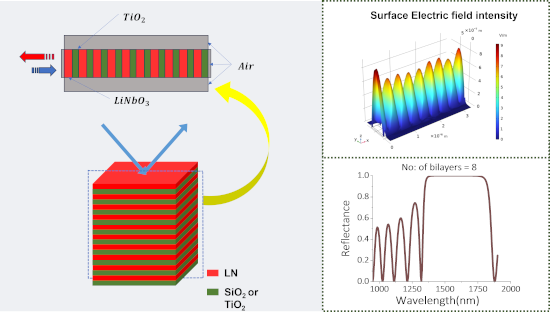
- (QIP) systems. Despite the challenges such as fabrication complexity [6] and loss mitigation scalability to complex circuits [7], the potential benefits of DBRs for QIP applications continue to drive research and development in this field [8]. As fabrication techniques and material systems develop
- applications. Moreover, its platform with established fabrication techniques guarantees consistent device performance. Finally, the potential for integration with other photonic components on a single chip, coupled with its CMOS compatibility, paves the way for highly sophisticated photonic integrated circuits
- , owing to its elevated refractive index and thermal stability, they are suitable for applications at high temperatures. Additionally, TiO2 exhibits a wide bandgap, making it conducive for incorporation into photonic crystals designed to operate within the ultraviolet and visible spectra. Moreover, its


Nanotechnological approaches for efficient N2B delivery: from small-molecule drugs to biopharmaceuticals
Beilstein J. Nanotechnol. 2024, 15, 1400–1414, doi:10.3762/bjnano.15.113
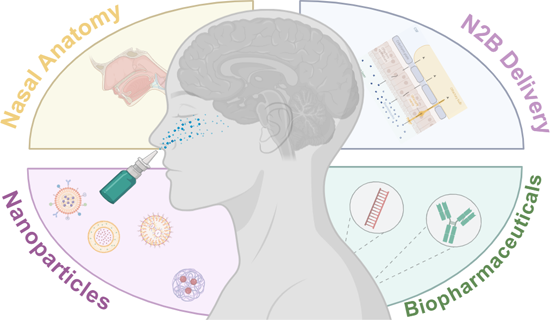
- different drug delivery systems suitable for the applications. In addition, we emphasize the importance of the effective delivery of monoclonal antibodies and RNA and stress the recent literature tackling this challenge. While giving examples of nanotechnological approaches for the effective delivery of
- administration route and the barriers are clear, understanding the nasal anatomy and barriers as well as addressing different efficient formulations with DDSs for N2B delivery applications remain open issues. In recent years, biopharmaceuticals been shown to have great potential as therapeutics [32]. However
- action [41]. Intranasal delivery can be used to target a limitedly available site, the brain [42]. These N2B delivery applications are based on the olfactory region of the nasal cavity. Such N2B delivery applications exploit the direct anatomical connection between the brain and the olfactory region [43


Various CVD-grown ZnO nanostructures for nanodevices and interdisciplinary applications
Beilstein J. Nanotechnol. 2024, 15, 1390–1399, doi:10.3762/bjnano.15.112
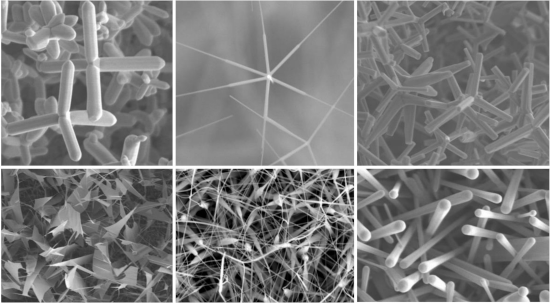
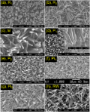
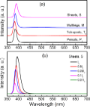
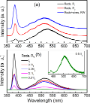
- results prove that ZnO exhibits many novel nanostructures that can foster the development of next-generation optoelectronic nanodevices and new applications in biological and biomedical fields. Keywords: chemical vapour deposition; electron microscopy; Raman and photoluminescent spectra; ZnO
- DMSs, these nanostructures will be beneficial to the development of new ZnO-based materials for photocatalytic [25], biomedical [26], gas sensing [27][28], and flexible electronic/optoelectronic applications [29][30]. They are usually fabricated by chemical vapour deposition (CVD) or solid-vapour phase
- ⟩ direction [39]. Top and bottom sides/surfaces of these structures are terminated with Zn and O atoms forming positively charged Zn-terminated (0001) and negatively charged O-terminated planes, respectively. Such 1D-type structures have many potential applications in optoelectronic devices [5][39][40



A biomimetic approach towards a universal slippery liquid infused surface coating
Beilstein J. Nanotechnol. 2024, 15, 1376–1389, doi:10.3762/bjnano.15.111
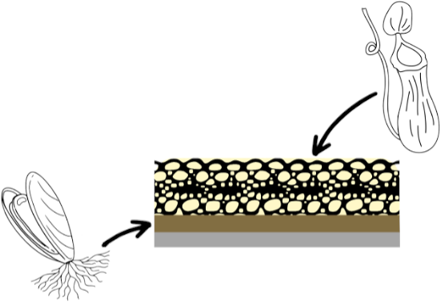
- BSA [36]. Similar surface-induced thrombus properties were observed in other SLIPS applications, where, in comparison to untreated surfaces, SLIPS-treated surfaces under dynamic blood flow yielded significantly lower thrombi weights [4]. Finally, platelet adhesion was quantified from SEM micrographs




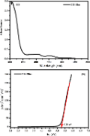
Green synthesis of carbon dot structures from Rheum Ribes and Schottky diode fabrication
Beilstein J. Nanotechnol. 2024, 15, 1369–1375, doi:10.3762/bjnano.15.110
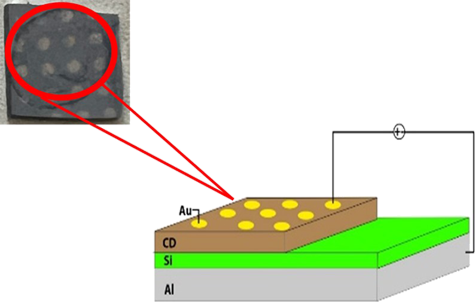
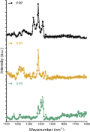
- range of uses in the fields of electrocatalysis, bioimaging, chemical sensors, biosensors, nanomedicine, biomolecule/drug release, light-emitting diodes, and photocatalysts. They also have promising applications in areas such as lasers and optoelectronic device applications [2][3][4][5]. CDs can be




Out-of-plane polarization induces a picosecond photoresponse in rhombohedral stacked bilayer WSe2
Beilstein J. Nanotechnol. 2024, 15, 1362–1368, doi:10.3762/bjnano.15.109
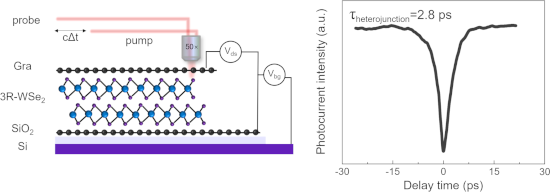
- intrinsic photoresponse time of approximately 3 ps. The ultrafast response time remains consistent across varying detection powers, demonstrating environmental stability and highlighting the potential in optoelectronic applications. Our study presents an effective strategy for enhancing the response time of
- depolarization fields, providing a promising platform for highly integrated devices [1][2][3]. The emergence of ferroelectricity at the atomic scale in vdW ferroelectrics has garnered significant interest because of its potential applications in various fields [4][5][6][7][8][9][10][11][12][13][14]. Through
- photogenerated carriers and have the potential to advance related device applications. Results and Discussion Out-of-plane polarization of 3R WSe2 Precisely controlling the stacking angle of two monolayers in TMDs can modify the symmetry and induce unique physical properties. Depending on the stacking order


Investigation of Hf/Ti bilayers for the development of transition-edge sensor microcalorimeters
Beilstein J. Nanotechnol. 2024, 15, 1353–1361, doi:10.3762/bjnano.15.108

- is possible to fabricate microcalorimeters with δE less than 1 eV using these films. Keywords: hafnium; microcalorimeter; neutrino; superconducting transition width; superconductivity; TES; Introduction Over the last two decades, cryogenic microcalorimeters have found applications in various fields
- , for example, for the detection of dark matter, as single-photon detectors (X-ray, visible, and infrared ranges) [1], and the detection of individual excimers [2]. One of the new applications is the detection of the recoil energy of 4He atoms evaporated from a superfluid condensate (helium II). This
- based on a transition-edge sensor (TES) are the most common concept [5]. The developed detectors have an energy resolution of the order of a few electronvolts, which is insufficient for many important applications. At present, the work on increasing the sensitivity of TES-based microcalorimeters is


Hymenoptera and biomimetic surfaces: insights and innovations
Beilstein J. Nanotechnol. 2024, 15, 1333–1352, doi:10.3762/bjnano.15.107
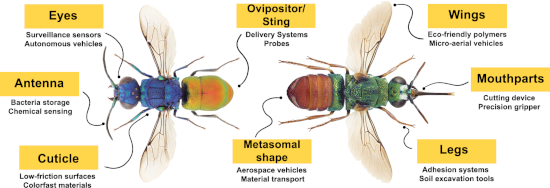
- surfaces. We highlight recent advancements and outline potential strategic pathways, evaluating their current functions and applications while suggesting promising avenues for further investigations. By studying these fascinating and biologically diverse insects, researchers could develop innovative
- also offers innovative solutions and technological applications. The order Hymenoptera, which includes sawflies, wasps, ants, and bees, is one of the most diverse groups in the class Insecta, with over 153,000 described species [5] and an estimated 1 million species yet to be discovered [6
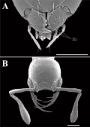
- , scientists and engineers can develop innovative materials and devices that mirror the efficiency and functionality of Hymenopteran anatomy. Here we describe the structural adaptations on the surfaces of the body of Hymenoptera (Figure 2) with potential biomimetic applications. By analyzing their unique






Nanoarchitectonics with cetrimonium bromide on metal nanoparticles for linker-free detection of toxic metal ions and catalytic degradation of 4-nitrophenol
Beilstein J. Nanotechnol. 2024, 15, 1312–1332, doi:10.3762/bjnano.15.106
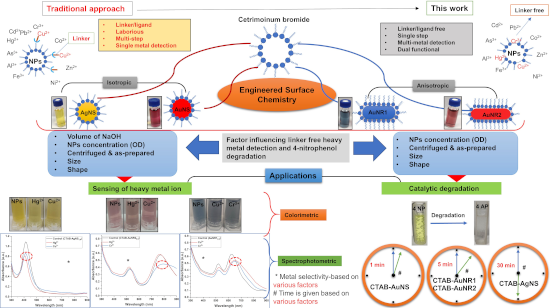
- +, Cr3+, and Hg2+ at 0.5 OD, while efficiently degrading 4-NP within 5 min at 1 OD. This study emphasizes the importance of tailoring parameters of CTAB-capped nanoparticles for specific sensing and catalytic applications, offering potential solutions for environmental remediation and human health
- protection. Keywords: catalysis; CTAB; heavy metal; nanoparticles; 4-nitrophenol; sensing; Introduction Metal nanoparticles are widely used for a great number of applications owing to their excellent optochemical properties and high surface-to-volume ratio in comparison to bulk materials. Noble metal (gold
- high strength to nanoparticles, the use of such nanoparticles is limited in sensing, catalysis, and biomedical applications because of post-synthesis functionalization, morphology, and toxicity [6][7][8]. CTAB is a resilient molecule on the nanoparticle surface because of its micellar structure and




Interaction of graphene oxide with tannic acid: computational modeling and toxicity mitigation in C. elegans
Beilstein J. Nanotechnol. 2024, 15, 1297–1311, doi:10.3762/bjnano.15.105
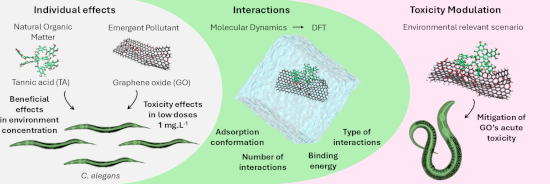
- ; toxicity mitigation; Introduction Graphene oxide (GO) has many potential applications in electronics, advanced materials, bio-medicine, energy, agriculture, and environmental technology [1][2][3]. It consists of a graphene sheet with surface oxygen functional groups such as epoxide, ketone, hydroxy
- processes is missing. Tannic acid (TA) is an environmentally abundant and commercially available polyphenol with relevant industrial and technological applications [17][18][19][20]. TA’s structure comprises five digallic acid units ester-linked to a glucose core. These pyrogallol hydroxy groups participate
- characteristics made TA attractive to nanomaterial synthesis and functionalization for applications in nanomedicine, sensors, electronics, and composites [25][26][27]. In these different fields, TA has been applied in green alternative methods of GO synthesis and physicochemical modifications (e.g., reduction and





