Search results
Search for "degradation" in Full Text gives 563 result(s) in Beilstein Journal of Nanotechnology. Showing first 200.
Gelatin nanoparticles with tunable mechanical properties: effect of crosslinking time and loading
Beilstein J. Nanotechnol. 2022, 13, 778–787, doi:10.3762/bjnano.13.68
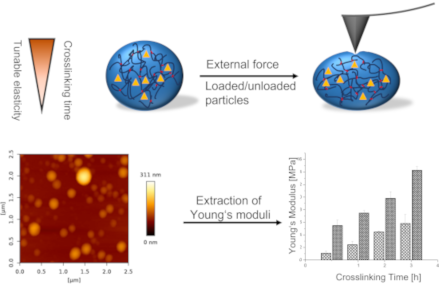
- optimal treatment. Therefore, the characteristics of nanoparticles regarding mechanical properties, size, surface charge, surface composition, and degradation and drug release mechanisms must be considered during formulation development [1]. Except for the mechanical properties, the research activities do
- degradation of the particles using trypsin for 6 h. The results revealed a crosslinking-dependent loading, with increased FITC-dextran loading for a longer crosslinking. The initial incorporation of FITC-dextran had a significant influence on Young’s moduli. The correlation between Young’s moduli and the
- loading of FITC-dextran was determined by dissolving the gelatin network using enzymatic degradation. The fluorescence intensity of the resulting solution was measured [18]. Therefore, 5 mg of freeze-dried GNPs were dispersed in 5 mL PBS containing 2.5 mg trypsin at room temperature. After 6 h of


Hierarchical Bi2WO6/TiO2-nanotube composites derived from natural cellulose for visible-light photocatalytic treatment of pollutants
Beilstein J. Nanotechnol. 2022, 13, 745–762, doi:10.3762/bjnano.13.66
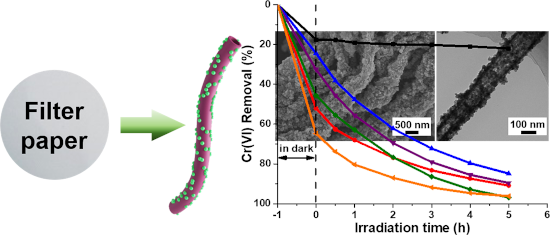
- nanotubes were formed by TiO2 nanotubes that uniformly anchored with Bi2WO6 nanoparticles of various densities on the surface. The composites exhibited improved photocatalytic activities toward the reduction of Cr(VI) and degradation of rhodamine B under visible light (λ > 420 nm), which were attributed to
- photocatalytic reduction of Cr(VI), while hydroxyl radicals and reactive holes contributed to the photocatalytic degradation of rhodamine B. Keywords: biomimetic synthesis; cellulose; nanoarchitectonics; nanocomposite; nanotubes; photocatalysis; pollutants; Introduction The direct emission of untreated
- some Bi2WO6/TiO2 composites, which were employed in various photocatalytic applications, such as degradation of organic pollutants [25], oxidation of methane [24], and production of hydrogen by water splitting [26]. According to these reports, Bi2WO6/TiO2 composites have better photocatalytic


Sodium doping in brookite TiO2 enhances its photocatalytic activity
Beilstein J. Nanotechnol. 2022, 13, 599–609, doi:10.3762/bjnano.13.52
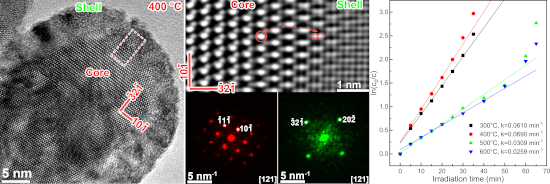
- exceeded four times that of P25 under visible light irradiation [8]. The degradation of methyl orange by brookite nanoflowers was much more efficient than that by anatase nanorods [9]. Moreover, the heterojunction of brookite TiO2 can enhance the photocatalytic activity (e.g., the rutile/brookite TiO2
- heterojunction exhibited a synergetic effect, improving the photocatalytic activity for both hydrogen generation and organic dye degradation [10][11]). Similarly, the anatase/brookite heterojunction (38.2% brookite) also exhibited the highest degradation efficiency of cylindrospermopsin under UV–vis light [12
- performance of brookite mainly depends on the details of the preparation method and heat treatment used. For example, brookite TiO2 prepared from a Ti–EDTA complex exhibits a considerably higher activity for the degradation of NO than that synthesized from the titanate–glycolate complex [19]. The


Stimuli-responsive polypeptide nanogels for trypsin inhibition
Beilstein J. Nanotechnol. 2022, 13, 538–548, doi:10.3762/bjnano.13.45
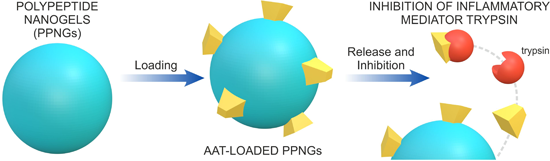
- short in vivo half-lives, chemical instability, and high susceptibility to degradation [6]. Delivery systems represented by various polymer particles provide necessary and effective protection of bioactive cargo against degradation and elimination as well as for prolonged circulation time. Nanogels


Ciprofloxacin-loaded dissolving polymeric microneedles as a potential therapeutic for the treatment of S. aureus skin infections
Beilstein J. Nanotechnol. 2022, 13, 517–527, doi:10.3762/bjnano.13.43
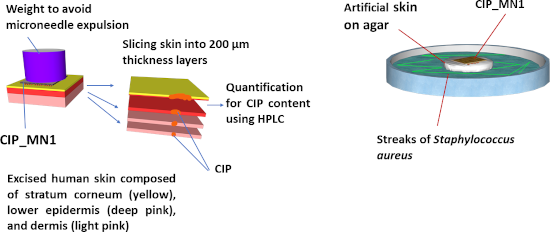
- low bioavailability of orally administered drugs due to poor absorption and enzymatic degradation in the gastrointestinal tract [3][4]. Among the different types of microneedles, dissolving microneedles have attracted research due to their advantages, which include low cost and simple preparation
- . aureus skin infections was investigated. Recent studies showed that dissolving polymeric microneedles are a promising approach in topical and transdermal drug delivery because of the rapid dissolution and/or degradation of the polymer, which, in turn, releases the incorporated drug [18]. These dissolving


Ethosomal (−)-epigallocatechin-3-gallate as a novel approach to enhance antioxidant, anti-collagenase and anti-elastase effects
Beilstein J. Nanotechnol. 2022, 13, 491–502, doi:10.3762/bjnano.13.41
- peroxides and free oxygen radicals increase. Damage to phospholipids, which contain large amounts of unsaturated fatty acids and are sensitive to degradation by hydroxyl radicals, deteriorates the structure of the cell membrane [3]. Antioxidants are compounds that capture and stabilize free radicals and
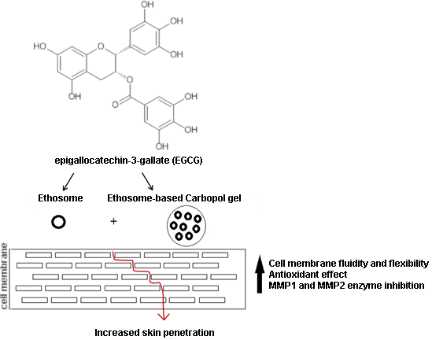
- neurodegenerative disorders [7][8][9]. However, there are some difficulties in the formulation of EGCG such as the first pass metabolism effect, enzymatic degradation, and low bioavailability [8][10]. Skin delivery, besides being painless and noninvasive, has many advantages such as controlled drug delivery
- were determined and degradation kinetics profiles were obtained (Figure 3 and Figure 4, respectively). As seen in Figure 4, EGCG degradation was found to show first-order kinetics for ETHs. The degradation of EGCG in suspended ETHs was slower and lower at 4 °C compared to its degradation at 25 °C. No



Zinc oxide nanostructures for fluorescence and Raman signal enhancement: a review
Beilstein J. Nanotechnol. 2022, 13, 472–490, doi:10.3762/bjnano.13.40
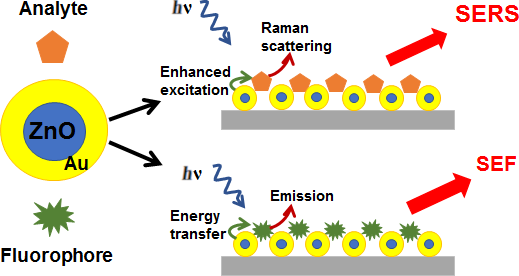
- when used as a SERS substrate. The self-cleaning ability of ZnO alone or ZnO–noble metal-based nanostructured substrates has been shown under UV or visible irradiation via the photocatalytic degradation of the organic molecules attached to the substrate [8][34][53]. For instance, [75] presented Au
- -coated roughened ZnO nanostructures, which enabled photocatalytic degradation of adsorbed analytes and the reuse of the substrate. Also, [73] demonstrated the self-cleaning ability of ZnO–Au nanostructures under UV irradiation. The rhodamine 6G adsorbed on Ag–ZnO–Au film showed a fast photocatalytic
- degradation due to higher surface area and the presence of a metal–semiconductor junction by this 3D hybrid structure [68]. Additionally, it was observed that metal-based substrates did not exhibit any catalytic degradation, while those that incorporated ZnO led to a significant decrease in the SERS intensity




A non-enzymatic electrochemical hydrogen peroxide sensor based on copper oxide nanostructures
Beilstein J. Nanotechnol. 2022, 13, 424–436, doi:10.3762/bjnano.13.35
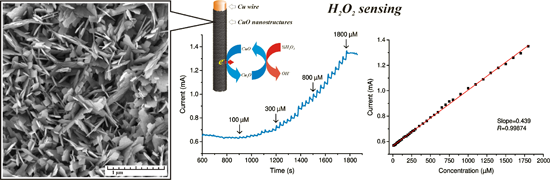
- environmental conditions (20 °C, 40% relative humidity) for one week, the signal level remained at 95% of the initial value. For samples stored under environmental conditions for a month, the signal level remained at 90% of the initial value. The influence of the environment and degree of sample degradation can





Micro- and nanotechnology in biomedical engineering for cartilage tissue regeneration in osteoarthritis
Beilstein J. Nanotechnol. 2022, 13, 363–389, doi:10.3762/bjnano.13.31
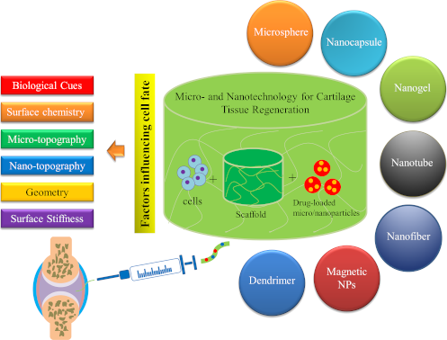
- slow and plays a critical role in cartilage functionality and homeostasis. Therefore, any degradation would result in the damage and failure of cartilage to withstand mechanical loads. Hyaluronic acid (HA) is an unbranched polysaccharide with a high molecular weight, which plays a major role in
- molecules and to provide protection for these molecules from physiological degradation. NPs are expected to control the release profile of the incorporated agent, decrease the severity of the side effects of these drugs, and maximize the effect of the bioactive agent through its safe delivery to target
- for cartilage tissue regeneration because it can respond to external magnetic fields and specifically relocate to the defective cartilage to resurface the injured site [62]. Initial OA is a slow, complex process characterized by the inflammation and subsequent production of cartilage degradation


Coordination-assembled myricetin nanoarchitectonics for sustainably scavenging free radicals
Beilstein J. Nanotechnol. 2022, 13, 284–291, doi:10.3762/bjnano.13.23
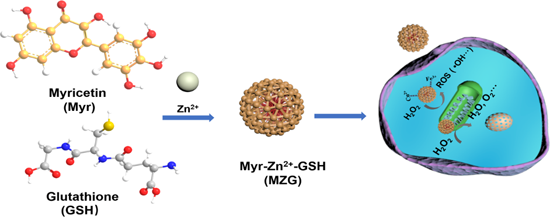
- phosphopeptides, exhibited huge therapeutic potential in antioxidant treatments [11][12][13]. Nevertheless, a plenty of disadvantages restrict biomedical applications, namely low biocompatibility of the metal-based nanomaterials, low bioavailability of hydrophobic small-molecule compounds, and easy degradation of
- , and allergens [17]. In spite of the tremendous potential, Myr possesses the same shortcomings as many hydrophobic small molecules, namely low bioavailability, poor water solubility and rapid degradation at pH > 6.8, which limits its clinical therapeutic potential [22]. GSH consists of glycine


Relationship between corrosion and nanoscale friction on a metallic glass
Beilstein J. Nanotechnol. 2022, 13, 236–244, doi:10.3762/bjnano.13.18
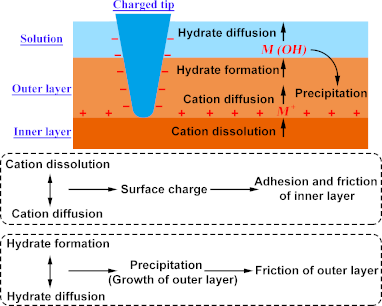
- nanoscale is crucially important. Microscale bearings made of Ni-based MGs lasted four times longer than those machined from sintered alloy [12]. Corrosive degradation, as one of the major failure mechanisms of metals and alloys, is an important issue in engineering applications of MGs. Protective oxide
- large amount of corrosion products released into the solution, suggesting a serious corrosion. This degradation impedes AFM friction experiments that are based on optical detection through the solution. After immersion for the same time in phosphate buffer and NaCl solution, the friction coefficients of


A comprehensive review on electrospun nanohybrid membranes for wastewater treatment
Beilstein J. Nanotechnol. 2022, 13, 137–159, doi:10.3762/bjnano.13.10
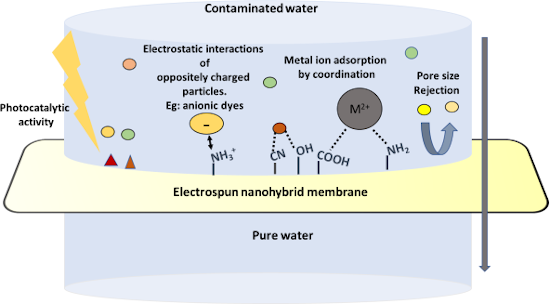
- degradation. The membrane displayed an efficient photocatalytic capacity for MB, CR, and RhB [80]. Although TiO2 is abundant and inexpensive, it only converts to UV part of sunlight, which is only 5% of the solar energy. This makes the use of TiO2 impractical. To counter this drawback Liu and co-workers
- . The organic dyes were degraded by catalytic activity, while oil and chemicals were removed by filtration. The filtration of kerosene, hexane, petroleum ether, chloroform, and toluene each mixed with water was carried out and the removal efficiency reached a value of 99.9%, while the dye degradation





A photonic crystal material for the online detection of nonpolar hydrocarbon vapors
Beilstein J. Nanotechnol. 2022, 13, 127–136, doi:10.3762/bjnano.13.9
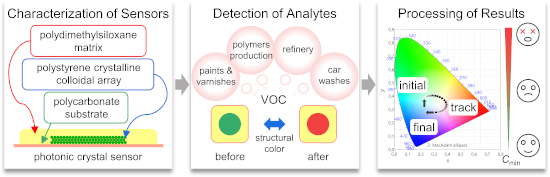
- aliphatic solvents, the initial color of the sensor changes, associated with the degradation of the CCA. It should be noted that benzene, toluene and p-xylene, unlike, for example, n-pentane or n-heptane, can lead to the irreversible destruction of the stimuli-responsive matrix due to dissolution or
- was reached already after 2 min, and the experiment was repeated. From the results presented in Figure 7a, we can conclude that there is a wide spread in both the initial position of the PBG and the final one, but this is explained by the heterogeneity of the sensor degradation over the surface area
- and the small aperture of the mini-spectrophotometer (4.5 mm), which is smaller than the treated sensor area. Before each experiment, the diffuse reflectance spectra were recorded using a device with a larger aperture (10 mm) than the sample size (Figure 7b,c). Even though a partial degradation of the


Tin dioxide nanomaterial-based photocatalysts for nitrogen oxide oxidation: a review
Beilstein J. Nanotechnol. 2022, 13, 96–113, doi:10.3762/bjnano.13.7
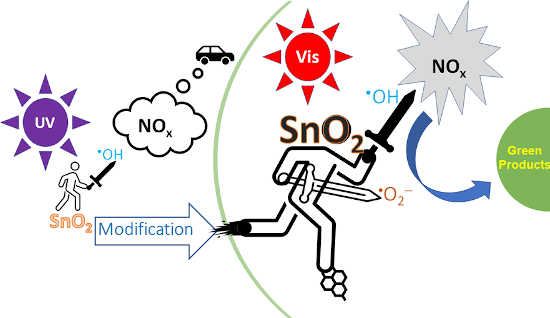
- SnO2 microspheres exhibited a photocatalytic activity towards NO decomposition comparable to that of commercial P25 TiO2. Specifically, SnO2 microspheres can degrade 57.2% NO (1 ppm of initial concentration) under solar light. However, the photocatalytic mechanism of NO degradation has not been
- SnO2 NPs, and this is the first report on using a SnO2 photocatalyst with NP morphology for the NO degradation. The photocatalytic mechanism of SnO2 NPs is based on electrons and holes to generate reactive radicals. Figure 7 shows that the photocatalytic NO removal efficacy of SnO2 NPs achieved 63.37
- co-photocatalysts, including inorganic and organic semiconductors, is a practical approach to enhance the charge transfer efficacy for the photocatalytic process. The photocatalytic degradation of NOx over SnO2 as a host photocatalyst is reported to be considerably enhanced after the combination with


Biocompatibility and cytotoxicity in vitro of surface-functionalized drug-loaded spinel ferrite nanoparticles
Beilstein J. Nanotechnol. 2021, 12, 1339–1364, doi:10.3762/bjnano.12.99
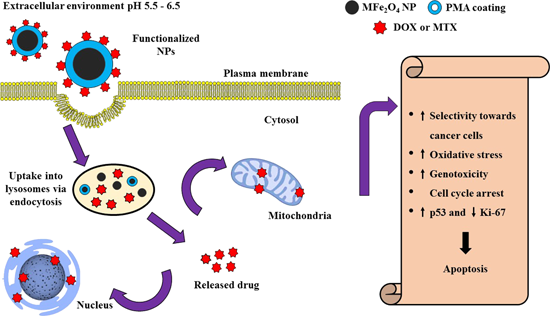
- bioavailability of the encapsulated drug which allows controlled release. Additionally, the attached drug is protected from degradation, which allows an increased circulation time [6]. The targeting of specific tumor tissue is therefore achieved by an increased biodistribution process known as enhanced
- example, metallic NPs transported to lysosomes produce more ROS due to enhanced acidic degradation as compared to those remaining in the cytosol [45]. Besides, the intrinsic antioxidant potential of various cells also contributes to biocompatibility and extent of ROS generation via metallic NPs [46][47





Assessment of the optical and electrical properties of light-emitting diodes containing carbon-based nanostructures and plasmonic nanoparticles: a review
Beilstein J. Nanotechnol. 2021, 12, 1078–1092, doi:10.3762/bjnano.12.80
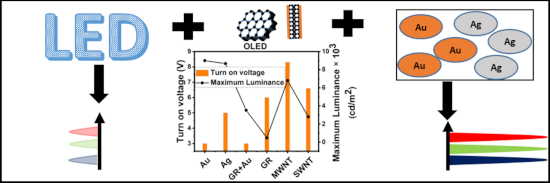
- cost, early degradation, and a low overall performance including poor external quantum efficiencies (EQE) as compared to inorganic LED. A combination of LED and OLED or hybrid LED (HyLED) overcame some of these drawbacks. Nevertheless, HyLED presently may not be the most popular LED for the display
- intensive light sources. They are also highly dependent on ambient temperatures. The lifetime of LED, in particular OLED, is on an average reduced by 30–50% for each 10 °C rise in temperature. Further, self-heating in LED causes degradation of the active region, which further affects the efficiency and the
- , higher resolution and cost-effectiveness. However, device degradation is common in both OLED and QLED due to charge accumulation in the layers. In the case of red QLED, HTL is rather stable and the device degradation rate is therefore low. On the other hand, in the blue QLED, their poor lifetime is


Use of nanosystems to improve the anticancer effects of curcumin
Beilstein J. Nanotechnol. 2021, 12, 1047–1062, doi:10.3762/bjnano.12.78
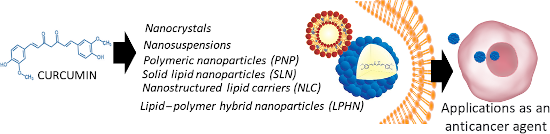
- nanotransporters, due to their liquid-phase lipids [61]. The intestinal permeation of a CUR-loaded NLC has been studied in vitro in Caco-2 cells [69]. The formulation protected the compounds from degradation under basic pH, significantly improved the solubility of CUR, and increased its apparent permeation
- , and high membrane permeability [80][81][82]. In particular, their stability tends to increase due to minimal exposure to ambient conditions (thereby delaying oxidation or degradation reactions), while their release may be regulated according to the use of different encapsulating materials [83


An overview of microneedle applications, materials, and fabrication methods
Beilstein J. Nanotechnol. 2021, 12, 1034–1046, doi:10.3762/bjnano.12.77
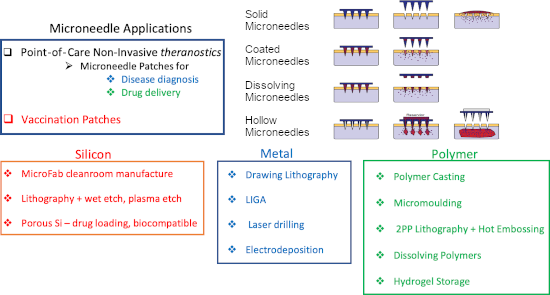
- -administration of tests and treatments, particularly in transitional and developing countries. Although oral delivery of drugs may overcome some of these problems, many drugs cannot be absorbed orally because of degradation in the liver and gastrointestinal tract [11], so that intravenous, intramuscular, or


Uniform arrays of gold nanoelectrodes with tuneable recess depth
Beilstein J. Nanotechnol. 2021, 12, 957–964, doi:10.3762/bjnano.12.72
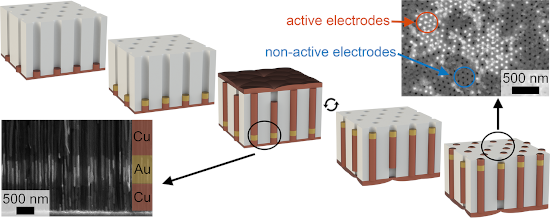
- a long-term Au electrodeposition from acidic electrolyte with pH < 5 leads to the degradation of the AAO template, characterized by a low chemical stability in the as-prepared amorphous state [28][29]. Thus, the proposed design and strategy for the fabrication of the Au NEAs include the formation of


The role of deep eutectic solvents and carrageenan in synthesizing biocompatible anisotropic metal nanoparticles
Beilstein J. Nanotechnol. 2021, 12, 924–938, doi:10.3762/bjnano.12.69
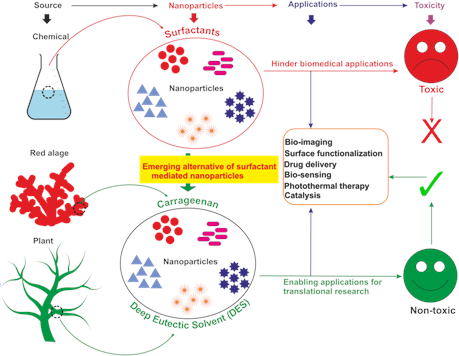
- nanomaterials, but there were issues regarding reproducibility and yield. Enzymatic degradation was one of the factors responsible for limiting the efficacy. Hence, it is necessary to develop a safer and nontoxic route towards synthesizing biocompatible nanomaterials while retaining morphology, high yield, and
- for certain drugs and bioactive molecules and make the polymer prone to a higher enzymatic degradation rate [19]. This is why there is a need for novel synthetic routes for synthesizing safe plasmonic metal nanoparticles maintaining high yield and monodispersity with tunable size and morphology
- positively charged head group of the surfactants in the solution phase. The importance of using DESs and carrageenan is the fact that the biocompatible molecules already used in designing safe nanomaterials add no further improvement than just biocompatibility. Some are also prone to enzymatic degradation


The role of convolutional neural networks in scanning probe microscopy: a review
Beilstein J. Nanotechnol. 2021, 12, 878–901, doi:10.3762/bjnano.12.66
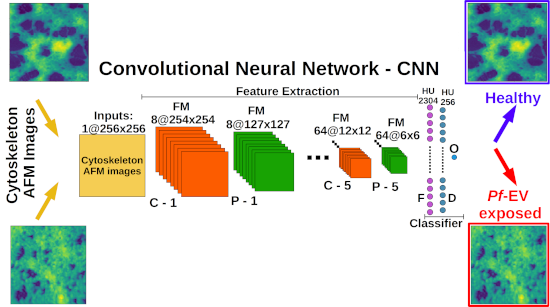
- , such as low signal-to-noise (S/N) ratio or high emitter (photon) density, leading to blurry images. The network can be trained either on experimental or on simulated images. Simulations are based on the well-understood physics of the image degradation process to generate training images. The simulated







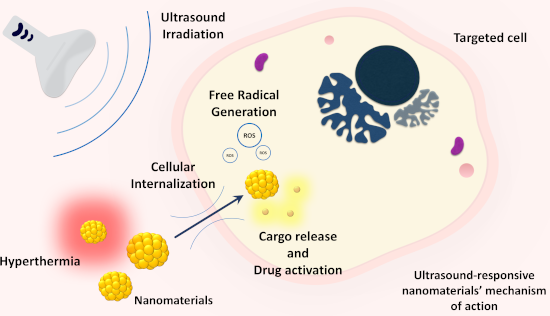
Comprehensive review on ultrasound-responsive theranostic nanomaterials: mechanisms, structures and medical applications
Beilstein J. Nanotechnol. 2021, 12, 808–862, doi:10.3762/bjnano.12.64


Recent progress in actuation technologies of micro/nanorobots
Beilstein J. Nanotechnol. 2021, 12, 756–765, doi:10.3762/bjnano.12.59
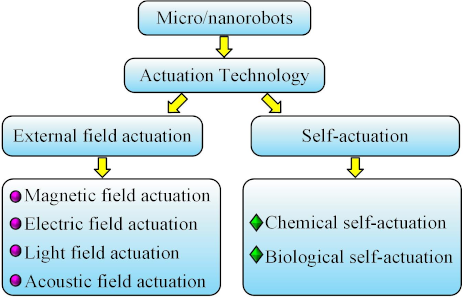
- applications and can be used to treat triglyceride-related diseases. In the future, the degradation of other substances could be explored, that is, the removal of thrombi or oil spills. Biological self-actuation Inspired by nature, scientists choose appropriate biological materials as actuators of micro


Fate and transformation of silver nanoparticles in different biological conditions
Beilstein J. Nanotechnol. 2021, 12, 665–679, doi:10.3762/bjnano.12.53
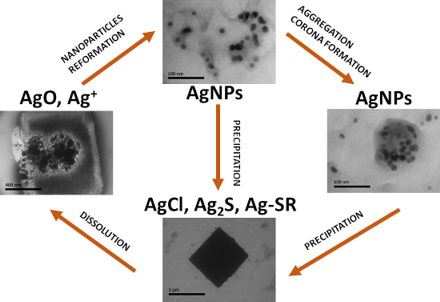
- transformation, dissolution, and degradation behaviour of different types of AgNPs were evaluated in systems modelled to represent biological environments relevant for oral administration, as well as in cell culture media and tissue compartments obtained from animal models. A multimethod approach was employed by
- systems is highly intricate as the formation of a wide range of Ag complexes is possible including those with biothiols and chloride [25]. The fate of released Ag+ in the presence of GSH In almost all tested media, the degradation of AgNPs leading to the release of free Ag+ ions was assumed. Indeed, any
- interaction between the nanoscale surface with complexing agents, such as biothiols, the dispersion of AgNPs into acidic or chloride-rich media, oxidative actions on the nanoscale surface mediated by ROS or catalysed by biomolecules may lead to Ag+ release [25]. Moreover, AgNP degradation and dissolution may




Stability and activity of platinum nanoparticles in the oxygen electroreduction reaction: is size or uniformity of primary importance?
Beilstein J. Nanotechnol. 2021, 12, 593–606, doi:10.3762/bjnano.12.49
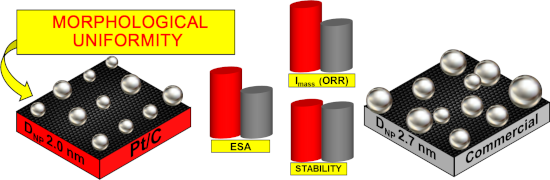
- behavior in the ORR, since it is at the cathode that strong polarization and pronounced degradation of the catalyst take place. Such а degradation occurs as a result of both the operation at high anodic potentials and the effect of aggressive oxygen-containing intermediates, which are formed during the
- progress. The degradation of electrocatalysts is a highly complex process and it can proceed in accordance with different mechanisms [9]. It has been established that the regression of Pt/C functional characteristics can be associated with different reasons, including the dissolution of small platinum NPs
- of 0.90 V (RHE). The method of multiple voltammetric cycling in the potential range of 0.6–1.0 V (RHE) with a sweep rate of 100 mV·s−1 was chosen as a method for assessing the degree of degradation of the electrocatalysts. The cycling was carried out in a 0.1 M HClO4 solution saturated with argon at