Search results
Search for "density" in Full Text gives 1728 result(s) in Beilstein Journal of Nanotechnology. Showing first 200.
Investigation of Hf/Ti bilayers for the development of transition-edge sensor microcalorimeters
Beilstein J. Nanotechnol. 2024, 15, 1353–1361, doi:10.3762/bjnano.15.108

- generally also means a shorter thermal response time, allowing the detector to respond more quickly to small temperature changes. Second, the active area is reduced, which allows for a more efficient detection of a useful signal because of the higher energy density and, therefore, a higher signal-to-noise
- estimate the TES ampere–watt sensitivity, spectral density of various noise components, and energy resolution. The ampere–watt sensitivity of TES is represented as Here, LI is the DC gain, τ is the time constant in the absence of electrothermal feedback, τI is the time constant in the limit when the
- [20]: where NEP is the noise equivalent power. The NEP is equal to the ratio of the total noise power spectral density IN to the ampere–watt sensitivity SI(ω). The total noise is composed of four components, namely, phonon noise , Nyquist TES noise , Nyquist external circuit noise , and the readout


Nanoarchitectonics with cetrimonium bromide on metal nanoparticles for linker-free detection of toxic metal ions and catalytic degradation of 4-nitrophenol
Beilstein J. Nanotechnol. 2024, 15, 1312–1332, doi:10.3762/bjnano.15.106
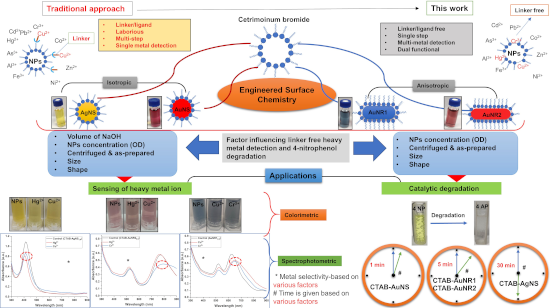
- , we have studied their stability in commonly used 1 M solutions of sodium chloride and sodium hydroxide. The stability of as-prepared and centrifuged nanoparticles of CTAB-AgNS, CTAB-AuNS, CTAB-AuNR1, and CTAB-AuNR2 were evaluated. The optical density (OD) of all CTAB-capped nanoparticles was kept in
- the vicinity of 0.5 ± 0.1 and 1.0 ± 0.1. Aliquots of 1 M NaOH (volumes ranging between 5–50 μL) was added to the nanoparticle solutions. Also, CTAB-AgNS, CTAB-AuNS, CTAB-AuNR1, and CTAB-AuNR2 were added to 1 M NaCl solution while keeping the optical density of the nanoparticles constant at 0.5 and 1
- . Linker-free sensing of heavy metal ions National Institute of Standard and Technology grade metal standards (1000 ppm) of As3+, Al3+, Cd2+, Zn2+, Hg2+, Ni2+, Cu2+, Cr3+, Pb2+, Fe3+, and Co2+ were diluted to a concentration of 10 ppm. A uniform concentration of nanoparticles in terms of optical density




Interaction of graphene oxide with tannic acid: computational modeling and toxicity mitigation in C. elegans
Beilstein J. Nanotechnol. 2024, 15, 1297–1311, doi:10.3762/bjnano.15.105

- toxicity and highlight the potential of tannic acid for the synthesis and surface functionalization of graphene-based nanomaterials, offering insights into safer nanotechnology development. Keywords: biodistribution; density functional theory; ecotoxicity; molecular dynamics; surface interactions
- the TA conformations on the GO surface and to calculate the adsorption energy of TA with density functional theory (DFT). Most interactions between TA and GO occurred through the oxygenated defects in the middle of the sheet and TA oxygen functional groups, as shown in Figure 3. However, it is also
- provide information regarding how the loss or gain of electrons affects the spatial electronic density of the atoms [49][50], revealing the most reactive sites of the system. We applied Fukui functions to assess the most reactive sites of GO in its initial configuration and after evolution of the sheet


The role of a tantalum interlayer in enhancing the properties of Fe3O4 thin films
Beilstein J. Nanotechnol. 2024, 15, 1253–1259, doi:10.3762/bjnano.15.101

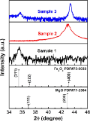
- interlayer has an effect on the crystallization of the Fe3O4 film. XRD patterns provide further information about the structural properties of a material, such as lattice constant (a), dislocation density (δ), and microstrain (ε). Bragg’s law was used to calculate the d-spacing of the Fe3O4(311) and Fe3O4
- probability of occupying random dangling bonds from the amorphous substrate surface because it has the highest areal density [13][33]. In contrast, the small lattice mismatch between Fe3O4 thin film and MgO(100) substrate (≈0.3% [29]) results in the growth orientation controlled by the substrate and leads to
- larger lattice mismatch between the Fe3O4 thin film and the MgO layer compared to the Fe3O4 thin film and MgO substrate. In addition, the dislocation density was calculated by the following relation [31]: where D is the crystallite size, which can be found by using the Scherrer equation. The dislocation


Dual-functionalized architecture enables stable and tumor cell-specific SiO2NPs in complex biological fluids
Beilstein J. Nanotechnol. 2024, 15, 1238–1252, doi:10.3762/bjnano.15.100
- medium and kept in an atmosphere of 5% CO2, and 95% air at 37 °C in a humidified incubator. Subsequently, cells were seeded onto 96 well microplates at a density of 1 × 10⁴ cells/well at a final volume of 200 μL and incubated for 24 h to obtain a subconfluent monolayer. Cells were exposed to SiO2NPs at
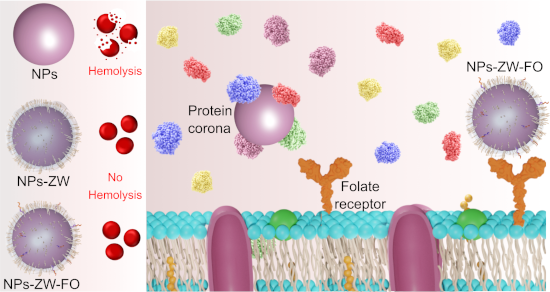
- -functionalized SiO2NPs at concentrations of 3.0 and 5.0 mg·mL–1 is the high particle concentration. The increase in NP concentration can reduce the density of proteins on the surface, exposing negative charges on the particles, which then interact with the red blood cells, leading to their rupture. Regarding
- highlight that the stabilizer group (ZW) contributed to the cell internalization process even without the addition of the folate group. This result aligns with existing literature, which suggests that the density and type of zwitterionic groups, as well as the charge of the NP, can influence the protein


Realizing active targeting in cancer nanomedicine with ultrasmall nanoparticles
Beilstein J. Nanotechnol. 2024, 15, 1208–1226, doi:10.3762/bjnano.15.98
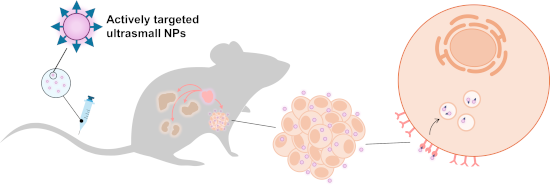
- potential for tumor accumulation though passive targeting [76]. Fortunately, strategies to slow down renal clearance and extend the blood half-life of usNPs for more efficient tumor uptake are feasible, including fine-tuning hydrodynamic diameter (HD) through surface chemistry [77], controlling core density
- human melanoma (M21) tumor-bearing mice [119]. The authors tested different cRGDY ligand numbers (6, 14 or 18) to understand how variations in ligand density impacted essential biological activities such as clearance, pharmacokinetics, and targeted tumor accumulation in M21 xenografts. It was observed
- ligands/receptors Chen et al. developed multifunctional C’ dot particles integrating encapsulated Cy5 dyes, stealth PEG layer, 89Zr radiolabels, and 25-kDa anti-HER2 scFv fragments (Figure 7A) [145]. The surface density of each functional group was precisely controlled to yield a final construct of 7.3 nm


A low-kiloelectronvolt focused ion beam strategy for processing low-thermal-conductance materials with nanoampere currents
Beilstein J. Nanotechnol. 2024, 15, 1197–1207, doi:10.3762/bjnano.15.97

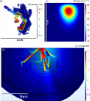
- collagen: specific heat cp = 3540 J·kg−1·K−1, density ρ = 1079 kg·m−3, thermal conductivity k = 0.29 W·m−1·K−1, and thermal diffusivity α = 1.36 × 10⁻⁷ m2·s−1. The SRIM determined heat flux is later used as input parameter for the COMSOL simulations and the numerical modelling of the heat equation. COMSOL
- elements in the vicinity of the ion’s path based on the density, thermal conductivity, and specific heat of collagen. 3D numerical solving of the heat equation by the forward-time central-space method The time-dependent differential heat equation (Equation 2) was furthermore solved via a numerical
- results have been stored with millikelvin precision in timesteps of 0.1 ns and have been post processed with ImageJ [33]. The temperature rise was calculated according to the volume, density, and specific heat of collagen. FIB cross-sectioning: 5 keV gallium ions in collagen Multiple cross-sections (15 µm



AI-assisted models to predict chemotherapy drugs modified with C60 fullerene derivatives
Beilstein J. Nanotechnol. 2024, 15, 1170–1188, doi:10.3762/bjnano.15.95
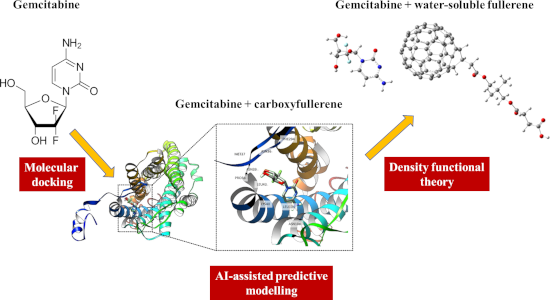
- chemistry at the density functional-based tight binding DFTB3 level. The results indicate that drug–fullerene complexes interact more with CXCR7 than isolated drugs. Specific binding sites were identified, with varying locations for each drug complex. Predictive models, developed using multiple linear
- to compare results obtained by DFTB3 with a conventional density functional theory approach. These findings promise to enhance breast cancer chemotherapy by leveraging fullerene-based drug nanocarriers. Keywords: breast cancer; CXCR7; drug nanocarriers; QSAR; Introduction Breast cancer is the most
- simplified molecular input line entry specification (SMILES) retrieved from Drugbank. Molecular mechanics and density functional-based tight binding (DFTB) with dispersion and solvation corrections were used to obtain the optimized structures of the molecules under study and to compute EHOMO, ELUMO, and ω as


Quantum-to-classical modeling of monolayer Ge2Se2 and its application in photovoltaic devices
Beilstein J. Nanotechnol. 2024, 15, 1153–1169, doi:10.3762/bjnano.15.94
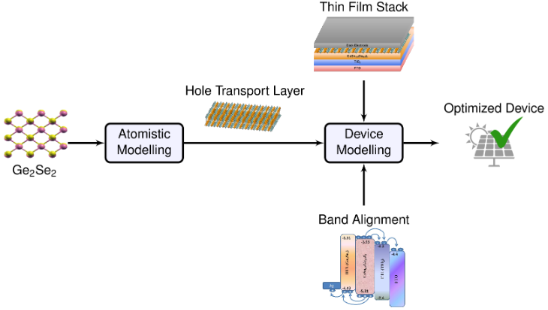
- optoelectronic devices, including next-generation solar cells. The hybrid quantum-to-macroscopic methodology presented here applies to broader classes of 2D and 3D materials and structures, showing a path to the computational design of future photovoltaic materials. Keywords: 2D materials; density functional
- line with the same, we have studied the thermoelectric behavior of monolayer Ge2Se2 in our previous work [41]. This article aims to investigate the optoelectronic properties of the group IV–VI dichalcogenide monolayer Ge2Se2 using density functional theory (DFT) and to demonstrate its potential
- Ge2Se2 using its electronic band structure and density of states, as shown in Figure 3. To maintain a high degree of accuracy, we calculated the band structure using the HSE06 functional, and the band dispersion along the high symmetry paths Γ-X-S-Y-Γ in the first Brillouin zone, as shown in Figure 3




Introducing third-generation periodic table descriptors for nano-qRASTR modeling of zebrafish toxicity of metal oxide nanoparticles
Beilstein J. Nanotechnol. 2024, 15, 1142–1152, doi:10.3762/bjnano.15.93
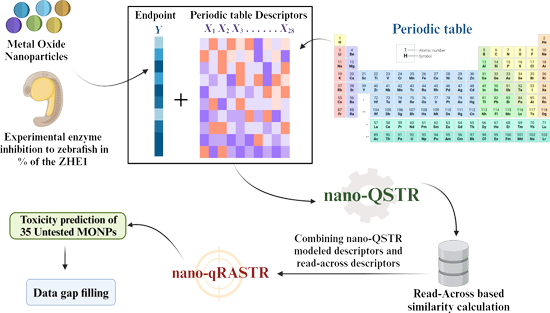
- five more periodic table descriptors, termed third-generation periodic table descriptors. These are atomic radius, crystal ionic radii, density of the metal, electron affinity, and ionization energy. The atomic radius is a fundamental property that influences many physical and chemical characteristics
- behavior in different oxidation states. This is particularly relevant in nanoparticle chemistry, where redox reactions are common. The density of a metal is a macroscopic property that influences the mass and volume of nanoparticles. Electron affinity measures the energy change when an electron is added to


Local work function on graphene nanoribbons
Beilstein J. Nanotechnol. 2024, 15, 1125–1131, doi:10.3762/bjnano.15.91
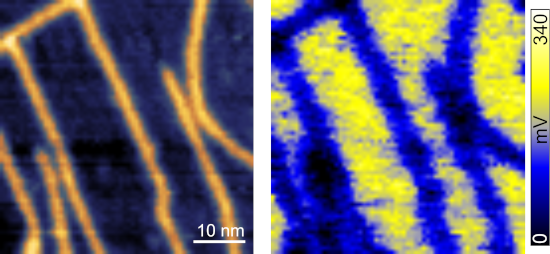
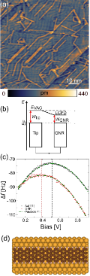
- density functional theory calculations, which verify that the maps reflect the doping of the nanoribbons. Our results help to understand the relation between atomic structure and electronic properties both in high-resolution images and in the distance dependence of the LCPD. Keywords: graphene
- bandgap [12], which is also related to the work function. GNRs can be synthesized with atomic precision in an ultrahigh-vacuum environment using on-surface synthesis [13]. This synthesis is well known on coinage metals, namely, Cu, Ag, and Au, which possess a high electron density. To study these unique
- b. The LCPD maps are derived from where zsurf is given by the z coordinate of the uppermost carbon atom of the GNR. s is varied from 0.17 to 1.2 nm. Additional details about the density functional theory (DFT) calculations performed in this work are given in Supporting Information File 1. Results

![[Graphic 1]](/bjnano/content/inline/2190-4286-15-91-i4.svg?max-width=637&scale=1.18182)
Direct electron beam writing of silver using a β-diketonate precursor: first insights
Beilstein J. Nanotechnol. 2024, 15, 1117–1124, doi:10.3762/bjnano.15.90

- a flat silicon substrate matching our deposition conditions. The density of SE and BSE decreases exponentially with increasing distance to the central beam and extends to roughly 2 µm, which corresponds to the halo region 1 (H1 and H1’) observed in Figure 1a. The fact that halo region 2 extends
- density of silver particles with a transition to continuous silver towards the bottom. Similar non-uniform deposit structures were observed earlier. For pillar deposition of gold using Me2Au(acac) in a water atmosphere at about 1 Pa pressure, a solid metallic core surrounded by a carbon-rich shell was


Recent updates in applications of nanomedicine for the treatment of hepatic fibrosis
Beilstein J. Nanotechnol. 2024, 15, 1105–1116, doi:10.3762/bjnano.15.89
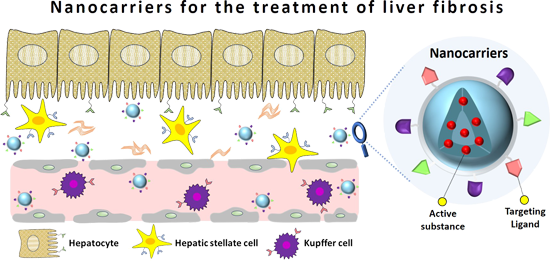
- serum albumin corona to escape Kupffer cells’ clearance, facilitating direct uptake in hepatocytes [40]. Hydrophobic nanocarriers are rapidly cleared from the systemic circulation by Kupffer cells [33]. In the pathophysiological condition of hepatocellular carcinoma, microvascular density and


Effect of wavelength and liquid on formation of Ag, Au, Ag/Au nanoparticles via picosecond laser ablation and SERS-based detection of DMMP
Beilstein J. Nanotechnol. 2024, 15, 1054–1069, doi:10.3762/bjnano.15.86

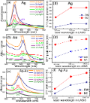
- wavelength at which the target material has a high absorption rate. This ensures that a greater energy density is transferred to the target, thereby increasing the volume of material ablated. On the other hand, to minimize energy losses during the process, choosing the surrounding media is also an essential


Interface properties of nanostructured carbon-coated biological implants: an overview
Beilstein J. Nanotechnol. 2024, 15, 1041–1053, doi:10.3762/bjnano.15.85
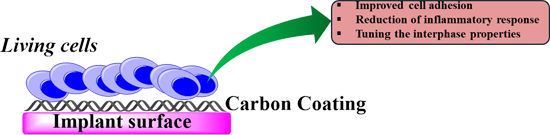
- ultrahigh-density poly(ethylene) reduced the friction coefficient more than any other tested nanostructured carbon coating. Nevertheless, surface wear remains an issue that needs to be solved in several key implants such as cardiovascular devices and joint replacements. NDs can play a crucial role because



Bolometric IR photoresponse based on a 3D micro-nano integrated CNT architecture
Beilstein J. Nanotechnol. 2024, 15, 1030–1040, doi:10.3762/bjnano.15.84
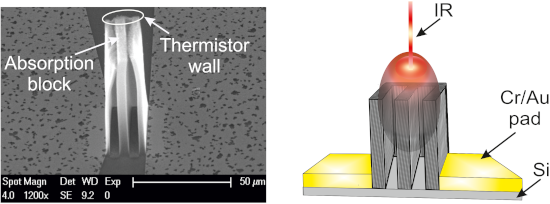
- -density, mainly double-walled CNTs with simple lateral external contacts to the surroundings. Standard optical lithography techniques were used to locally tailor the width of the vertical block structure. The complete sensor system, based on a broadband blackbody absorber region and a high-resistance
- customized specific requirements for various applications. While the thermal conductivity along the CNT orientation is large, it decreases dramatically in the perpendicular direction [5]. This thermal behavior varies significantly depending on structure, density, and fabrication of the CNTs. Single-walled
- devices measured at additional frequencies are described in Supporting Information File 1, Figures S3–S5. The laser power density P/A = 4 × 10⁶ W/m2 was almost uniform on the device area of A = 20 × 20 μm2. The total incident power Pin = 1.6 mW was calculated by multiplying the power density P/A with the


Entry of nanoparticles into cells and tissues: status and challenges
Beilstein J. Nanotechnol. 2024, 15, 1017–1029, doi:10.3762/bjnano.15.83
- cells. One should be aware that increasing cell density can increase the rate of endocytosis [25][26] and also change the lipid composition of the cells [27][28]. Both the amounts and composition of glycosphingolipids and phospholipids differ in cells grown at high and low density, increasing the
- chances that also other processes than endocytosis, such as recycling, degradation, and signaling are also regulated by cell density. In studies of uptake and transport of NPs, it is essential to determine whether the particle is in a sealed vesicle or whether it is still at the cell surface but present
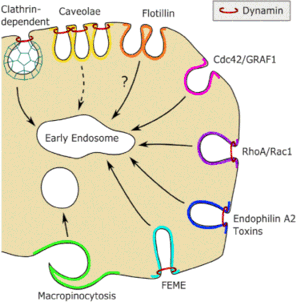
- , macropinocytosis originating from circular ruffles has been reported to be dynamin dependent [63][64]. Thus, there are reasons to expect that when targeting a particle to the cell surface, the resulting uptake will be dependent on the density of the ligand on the particle and the particle diameter; these factors


Can neutral clusters: a two-step G0W0 and DFT benchmark
Beilstein J. Nanotechnol. 2024, 15, 1010–1016, doi:10.3762/bjnano.15.82
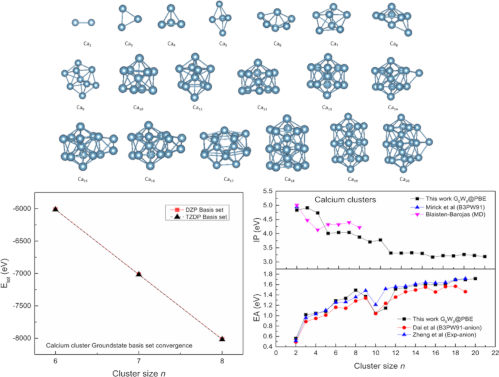
- /bjnano.15.82 Abstract Electronic and structural properties of calcium clusters with a varying size range of 2–20 atoms are studied using a two-step scheme within the GW and density functional theory (DFT) with generalized gradient approximation (GGA). The GGA overestimates the binding energies, optimized
- ; density functional theory; G0W0 approximation; ionization potentials; magic clusters; Introduction Calcium metal has a closed shell structure and belongs to the group IIA alkaline-earth metals [1]. It has been widely used in carbon-chemical engineering (coating fullerene in hydrogen storage), optics, and
- functionals, as it can be more efficient in terms of computational resources and time. The threshold for the force was set at 0.1 eV/Angstrom for better convergence, whereas the charge density difference tolerance, which is essential for convergence, was set at a value of 10−9. The ABACUS code employs the


Atomistic insights into the morphological dynamics of gold and platinum nanoparticles: MD simulations in vacuum and aqueous media
Beilstein J. Nanotechnol. 2024, 15, 995–1009, doi:10.3762/bjnano.15.81
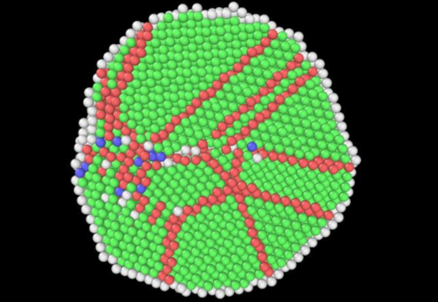
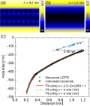
- /evoyiatzis/Jupyter-Notebooks. Results and Discussion The radial number density distributions in selected Au and Pt NPs for two temperatures are shown in Figure 2. The NP diameters are 2 nm (Figure 2a,c) and 8 nm (Figure 2b,d). The considered temperatures for the Au NPs (Figure 2a,b) are 100 K (blue line) and
- 1200 K (orange line), while, for the Pt NPs (Figure 2c,d), they are 100 K (blue line) and 1800 K (orange line). Regardless of chemical composition and NP diameter, the number density distributions at high temperatures are similar, and their shape is typical of liquid and amorphous materials. They have
- two pairs of peaks and valleys, which correspond to the first and second coordination shells. For the Au NPs, the peaks are located at 0.275 nm and multiples of this distance, while, for the Pt NPs, they lie at roughly 0.250 nm and its multiples. For long distances, the number density distribution


Recent progress on field-effect transistor-based biosensors: device perspective
Beilstein J. Nanotechnol. 2024, 15, 977–994, doi:10.3762/bjnano.15.80
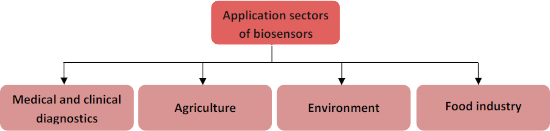
- . The first transduction mechanism is known as charge modulation, in which charged biomolecule species bind to the surface of the gate insulator and modify the charge density of the channel surface, and thus the surface conductivity by Coulomb interaction. This acts as a gating mechanism, and
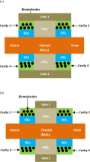
- coupling [55]. The variation of capacitance depends on the intrinsic charge density and the dielectric constant of the target biomolecule [48]. The cavity specification and thereby the sensor device design is also related to the diameter of targeting species, which varied from micro- to nanoscale (Figure 4
- -enzymatic targeting detection of uric acid in serum and urine. In this sense, the authors developed an enzymatic potentiometric technique that can be employed for the accurate determination of uric acid density in human urine and serum. In this context, the detection of uric acid is achieved by the




Beyond biomimicry – next generation applications of bioinspired adhesives from microfluidics to composites
Beilstein J. Nanotechnol. 2024, 15, 965–976, doi:10.3762/bjnano.15.79
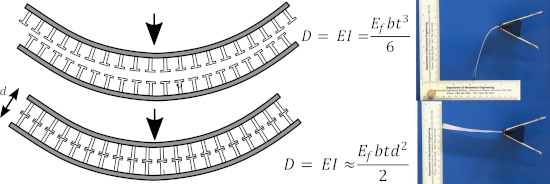
- Surfaces”; Proceedings of 2019 2nd IEEE International Conference on Soft Robotics (RoboSoft), published by IEEE. All rights reserved. Copyright © 2019 by IEEE. Reprinted with permission from IEEE. This content is not subject to CC BY 4.0. (A) 3D-printed grid of high-density polyethylene (HDPE) on top of a


Therapeutic effect of F127-folate@PLGA/CHL/IR780 nanoparticles on folate receptor-expressing cancer cells
Beilstein J. Nanotechnol. 2024, 15, 954–964, doi:10.3762/bjnano.15.78
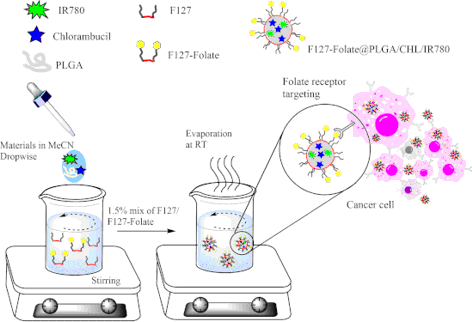
- and F127@PLGA/Cou-6 were used to evaluate the targeting ability of the nanoparticles. Before the experiment, the cells were seeded in 24-well plates at a density of 50,000 cells per well and incubated overnight. The next day, a few wells were pretreated with folic acid (2 μM) and F127 (2 mg/mL



Electrospun nanofibers: building blocks for the repair of bone tissue
Beilstein J. Nanotechnol. 2024, 15, 941–953, doi:10.3762/bjnano.15.77
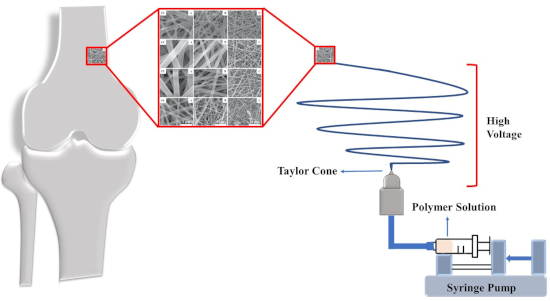
- irregular porous network structure is observed [17]. The porous structure of cancellous bone offers a high surface area and, therefore, provides ease of movement due to its low density. It is also more elastic than compact bone. Besides, with the help of the trabecular architecture of thin rods and plates
- solution from the needle tip to be higher than the rate required for Taylor cone formation [49][50]. Thus, it may cause multiple jets or destabilization of the Taylor cone, resulting in an increase in bead defect density [49][51][52]. The fiber diameter decreases with increasing voltage [53]. The bead
- defect density increases above a critical voltage [49]. The aspect ratio of the obtained beads increases up to a certain voltage value and then decreases [50][54]. Flow rate Insufficient flow rate does not allow for jet formation. In contrast, excessive flow rates will cause an increase in the polymer


Effects of cutting tool geometry on material removal of a gradient nanograined CoCrNi medium entropy alloy
Beilstein J. Nanotechnol. 2024, 15, 925–940, doi:10.3762/bjnano.15.76
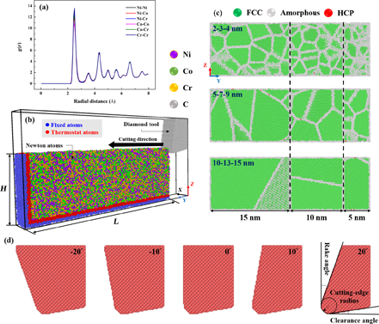
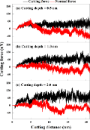
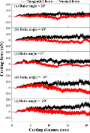
- damage is limited to a shallow layer at the surface. Since thermal energy is generated in the high grain boundary density, the temperature of the contact zone between the substrate and the cutting tool increases as the GNG size decreases. The cutting chips removed from the GNG CoCrNi MEA substrates will
- mainly propagates through grain boundaries. For samples with a small GNG, the smaller the grain size, the greater the grain boundary density and the wider the shear strain diffusion range into the material’s interior [26]. As the average grain size of the GNG sample increases, the range of shear strain
- influence decreases, and the internal strain gradually converges within the grain boundaries and in front of the tool. This is because the density of the grain boundaries decreases and is affected by deformation along the grain boundaries. There is also a corresponding reduction in the number of highly









Facile synthesis of Fe-based metal–organic frameworks from Fe2O3 nanoparticles and their application for CO2/N2 separation
Beilstein J. Nanotechnol. 2024, 15, 897–908, doi:10.3762/bjnano.15.74
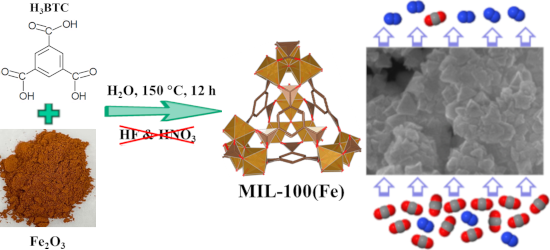
- removed from the termini of iron octahedra in the secondary building units (SBUs) through an activated-thermal process in a vacuum-controlled environment [9][10]. Notably, density and oxidation states of the formed unsaturated Fe sites (Fe(II) and Fe(III)) are temperature-dependent, influencing the