


Search results
Search for "interactions" in Full Text gives 1250 result(s) in Beilstein Journal of Nanotechnology. Showing first 200.
Hymenoptera and biomimetic surfaces: insights and innovations
Beilstein J. Nanotechnol. 2024, 15, 1333–1352, doi:10.3762/bjnano.15.107
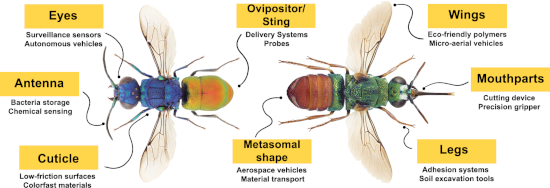
- structures. Simulating the cleaning strokes of the tarsal notch and tibial spur on contaminated antennae in Camponotus rufifemur ants demonstrated that both components effectively removed particles [141]. The cleaning occurs through both macroscopic contact and microscopic interactions between the cleaning







Nanoarchitectonics with cetrimonium bromide on metal nanoparticles for linker-free detection of toxic metal ions and catalytic degradation of 4-nitrophenol
Beilstein J. Nanotechnol. 2024, 15, 1312–1332, doi:10.3762/bjnano.15.106
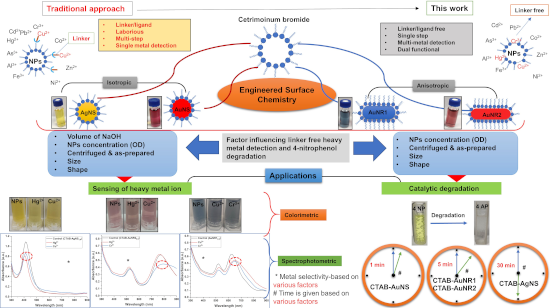
- does not allow for interactions with ligands via ion–ion interactions. Therefore, multiple surface modifications or linkers must be used for selective interaction between ligand and CTAB-capped gold and silver nanoparticles [7][9]. Contaminants in form of heavy metals and pollutant such as 4
- ). Centrifuged CTAB-AuNR10.5 without NaOH showed no metal detection (Supporting Information File 1, Figure S11). Apart from the amount of added NaOH, the nanoparticle concentration in terms of OD also plays a significant role in the nanoparticle–metal interactions. Increasing the nanoparticle concentration
- NaOH (5–20 µL) (Supporting Information File 1, Figure S12). Color or plasmon band changes can be attributed to nanoparticle–metal interactions [51]. Other researchers also explored the role of NaOH; they found that NaOH is a potent molecule that helps to remove CTAB from nanoparticles by reducing the




Interaction of graphene oxide with tannic acid: computational modeling and toxicity mitigation in C. elegans
Beilstein J. Nanotechnol. 2024, 15, 1297–1311, doi:10.3762/bjnano.15.105
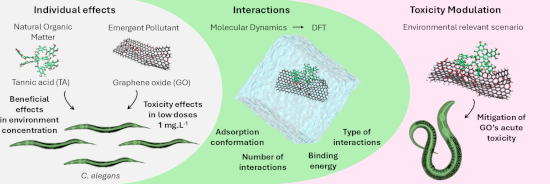
- -dependent mitigating effect on the toxicity of GO, which can be attributed not only to the surface interactions between the molecule and the material but also to the inherent biological properties of TA in C. elegans. Our findings contribute to a deeper understanding of GO’s environmental behavior and
- toxicity and highlight the potential of tannic acid for the synthesis and surface functionalization of graphene-based nanomaterials, offering insights into safer nanotechnology development. Keywords: biodistribution; density functional theory; ecotoxicity; molecular dynamics; surface interactions
- ions [8][9][10]. The physicochemical changes and interactions undergone by GO in the environment greatly influence the biological effects of this material. Recently, Bortolozzo et al. [11] showed that GO degradation by sodium hypochlorite resulted in the mitigation of GO toxicity to Caenorhabditis


New design of operational MEMS bridges for measurements of properties of FEBID-based nanostructures
Beilstein J. Nanotechnol. 2024, 15, 1273–1282, doi:10.3762/bjnano.15.103
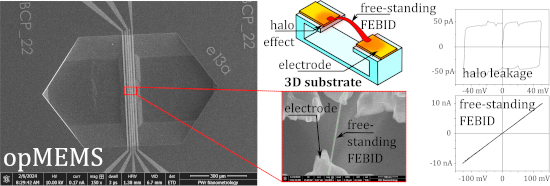
- structural effects present in the opMEMS bridges. Of particular importance was the presence of eigenstrains [39], which would affect the shape of the RoI after FIB milling. Eigenstrains can occur due to mismatches between the crystalline lattices of the deposited materials or due to interactions between
- shown that the leakage was not affected by gallium FIB milling or conductive FEBID deposition in the vicinity of the RoI. This is particularly important in the field of high-resistivity materials (e.g., FEBID) where the elimination of parasitic interactions is critical to the measurement. More


Dual-functionalized architecture enables stable and tumor cell-specific SiO2NPs in complex biological fluids
Beilstein J. Nanotechnol. 2024, 15, 1238–1252, doi:10.3762/bjnano.15.100
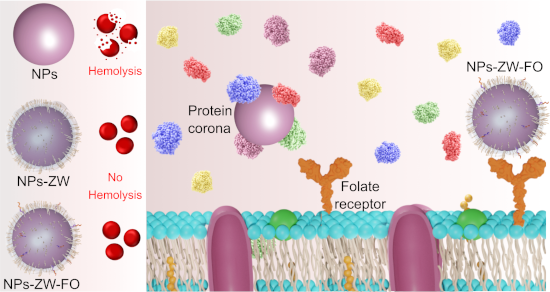
- -functionalized SiO2NPs involves their capability to generate reactive species of oxygen, along with electrostatic interactions of deprotonated silanol groups with membrane proteins and tetra alkyl ammonium groups, which are also present in red blood cell membranes [47][48][49][50]. The addition of the ZW
- compound possibly prevents these interactions, ensuring the colloidal stability of NPs without increasing hemolysis. It is noteworthy that for a material to be considered hemolytic, it must cause a percentage of hemolysis greater than 5% [36]. When the incubation was performed in DMEM (10% FBS), no
- hemolytic activity was observed, even for the non-functionalized NPs (Figure 3b). According to the literature [51][52], the protein corona suppresses hemolytic activity, as proteins induce modifications on the surfaces of NPs, altering the interactions between NPs and blood cells. When the functionalized


Realizing active targeting in cancer nanomedicine with ultrasmall nanoparticles
Beilstein J. Nanotechnol. 2024, 15, 1208–1226, doi:10.3762/bjnano.15.98
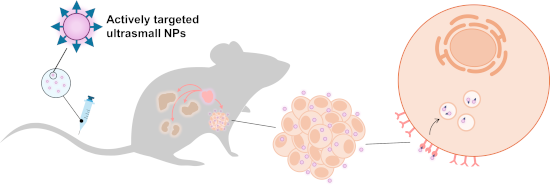
- interface between small molecules and conventional NPs, and so they provide a unique opportunity to leverage distinctive properties inherent to both domains [25][29][30]. On one hand, usNPs and their conjugates can behave as biomolecules in terms of biomolecular interactions and physiological behavior [31
- imaging [20][40], and positron emission tomography [45][46]. In therapeutic applications, usNPs have been used for drug delivery as well as served as phototherapeutic agents and radiosensitizers [47][48][49][50][51]. A distinguishing feature of usNPs is their transient, short-lived interactions with
- proteins (Figure 2A) [52][53][54][55][56][57][58]. This occurs because of the small size and high surface curvature of usNPs, which restrict the binding interface for proteins. As a result, protein spreading and denaturation on the usNP surface are minimized, and fewer non-covalent interactions form


A low-kiloelectronvolt focused ion beam strategy for processing low-thermal-conductance materials with nanoampere currents
Beilstein J. Nanotechnol. 2024, 15, 1197–1207, doi:10.3762/bjnano.15.97

- community. This is partly due to the increased use of FIB-SEMs in biology as well as the development of complex materials, such as polymers, which need to be analyzed. The work presented here looks at the physics behind the ion beam–sample interactions and the effect of the incident ion energy (set by the
- light interactions with biological tissue [18] as well as focused electron beam-induced deposition (FEBID) [19]. The general approach to assess the beam-induced heat damage and undesired artifacts, regardless if working with ions [17], photons [18], or electrons [19], compares experiments to models
- based on heat transfer and to Monte Carlo or finite element simulations [17][18][19]. Open source programs that assess heat deposition and diffusion are readily available to assess damage in light–tissue interactions [18]. For electron beams, multidimensional models predicting electron beam-induced




AI-assisted models to predict chemotherapy drugs modified with C60 fullerene derivatives
Beilstein J. Nanotechnol. 2024, 15, 1170–1188, doi:10.3762/bjnano.15.95
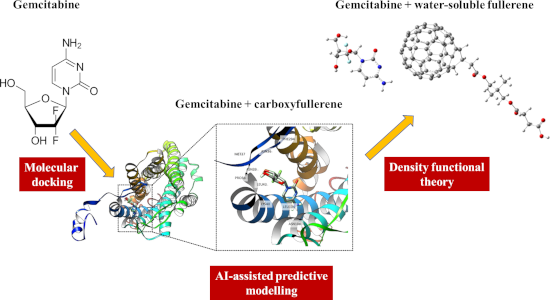
- descriptors for predictive models. Besides, Pearson’s hard–soft acid–base (HSAB) theory suggests other descriptors to describe and predict the interactions between chemical species, such as those between a drug molecule as a ligand and a protein [32]. These quantitative values are based on the vertical
- theoretical study on the interactions and stability of paracetamol complexes with C60–COOH [35]. Consequently, this work proposes the interaction of C60–COOH fullerene with anticancer drugs. As a complement, a water-soluble fullerene predicted as stable at the normal human body temperature was proposed to
- study the interactions with doxorubicin and gemcitabine [36]. The water-soluble fullerene is introduced to avoid known mutagenic reactions related to breast cancer [36]. It was also studied as a potential carrier for bedaquiline, an agent against tuberculosis [37]. The current study only considered


Quantum-to-classical modeling of monolayer Ge2Se2 and its application in photovoltaic devices
Beilstein J. Nanotechnol. 2024, 15, 1153–1169, doi:10.3762/bjnano.15.94
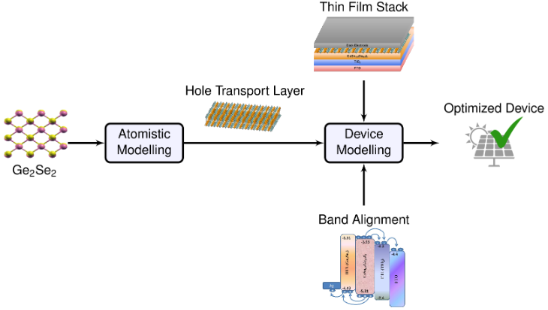
- , respectively. All optimized structural parameters excellently match with previously reported values [41][42]. In addition to the lattice parameters for the monolayer Ge2Se2, we have optimized the vacuum slab in a normal direction to avoid interlayer interactions. The optimized vacuum level was found to be 23 Å
- (LDA) [67] or generalized gradient approximation (GGA) [68] for modeling the exchange–correlation. Hence, for greater accuracy, we have used the Perdew–Burke–Ernzerhof (PBE) [69] and Heyd–Scuseria–Ernzerhof (HSE06) [70] functionals to model the exchange–correlation interactions with a screening
- interlayer interactions. The stability of the Ge2Se2 monolayer was estimated by phonon dispersion. The phonon dispersion has been calculated using density functional perturbation theory (DFPT), as implemented in the QE package. To compute the phonon spectra, we have estimated the second-order interatomic




Introducing third-generation periodic table descriptors for nano-qRASTR modeling of zebrafish toxicity of metal oxide nanoparticles
Beilstein J. Nanotechnol. 2024, 15, 1142–1152, doi:10.3762/bjnano.15.93
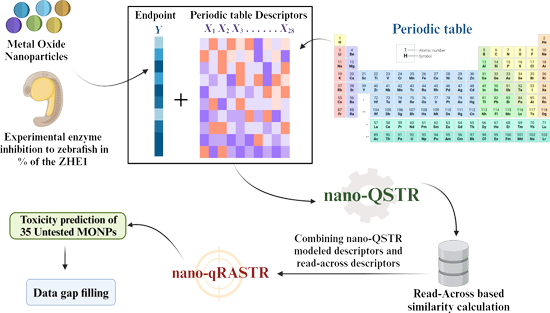
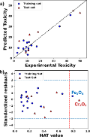
- the outer electrons in larger atoms, which might reduce the efficiency of electronic interactions essential for binding or catalytic activity. Our nano-QSTR model suggests that the enzymatic activity of ZHE1 in zebrafish is influenced negatively by the total electronegativity of metals and the atomic
- . Conversely, MONPs with larger atomic radii and crystal ionic radii tend to exhibit a lower surface area-to-volume ratio, which can reduce their cellular interactions and uptake. This reduction in uptake can lead to less cellular dysfunction and toxicity. Larger atomic radii may result in MONPs that are less


Local work function on graphene nanoribbons
Beilstein J. Nanotechnol. 2024, 15, 1125–1131, doi:10.3762/bjnano.15.91
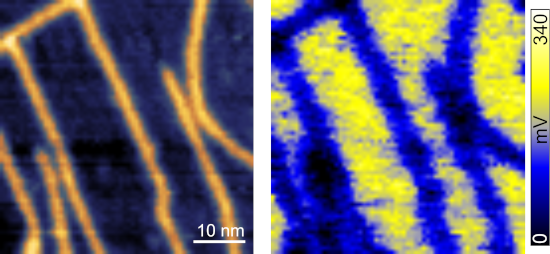
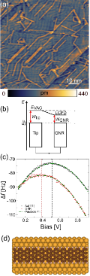
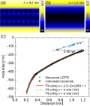
- were covered by Au from the sample surface because of tip–sample interactions as we have observed a tip–sample contact prior to taking the data used here. All calculations were done using the Vienna Ab initio Simulation Package [28][29] (vasp-5.4.4) with the PBE functional [30] and a projector

![[Graphic 1]](/bjnano/content/inline/2190-4286-15-91-i4.svg?max-width=637&scale=1.18182)
Recent updates in applications of nanomedicine for the treatment of hepatic fibrosis
Beilstein J. Nanotechnol. 2024, 15, 1105–1116, doi:10.3762/bjnano.15.89
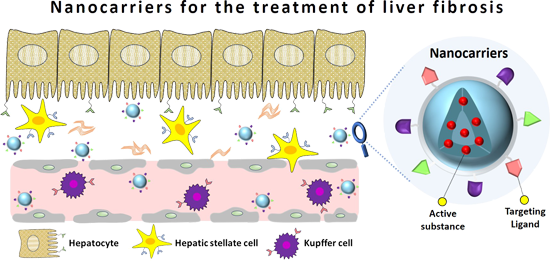
- interactions The accumulation of any type of NPs in the liver is generally accomplished because of the central role of the liver itself as a main metabolic and excretory organ in the body. The presence of fenestrations in the layers of liver sinusoidal endothelial cells (LSECs) and the absence of the


Unveiling the potential of alginate-based nanomaterials in sensing technology and smart delivery applications
Beilstein J. Nanotechnol. 2024, 15, 1077–1104, doi:10.3762/bjnano.15.88
- solvent using the Doppler approach, which measures particle velocity as a function of voltage. The determination of the zeta potential is crucial in understanding the mechanism of drug–nanoparticle interactions [66]. In addition to the methods described above, Fourier-transform infrared spectroscopy is
- modified alginate materials for mucoadhesive drug delivery. Scientists combined the alginate hydroxy groups with maleimid-terminated PEG. This novel mucoadhesive biopolymer exhibited polymer–mucus glycoprotein interactions. The results showed that the new alginate-based mucoadhesive matrix can enhance the


Effect of wavelength and liquid on formation of Ag, Au, Ag/Au nanoparticles via picosecond laser ablation and SERS-based detection of DMMP
Beilstein J. Nanotechnol. 2024, 15, 1054–1069, doi:10.3762/bjnano.15.86

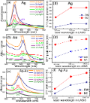
- material with the incoming beam, including absorption, reflection, and scattering [47][48]. These interactions significantly vary across the wavelengths from 1064 down to 355 nm, with a unique response of different materials at each wavelength [49]. A key to enhancing the yield is choosing the laser


Interface properties of nanostructured carbon-coated biological implants: an overview
Beilstein J. Nanotechnol. 2024, 15, 1041–1053, doi:10.3762/bjnano.15.85
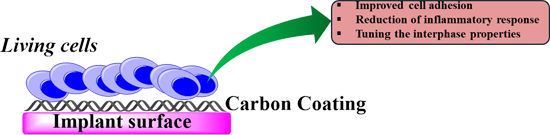
- nanostructured carbon coatings (nanodiamonds, carbon nanotubes, and graphene-related materials) for the improvement of the overall properties of medical implants. We are focusing on biological interactions, improved corrosion resistance, and overall mechanical properties, trying to provide a complete overview
- environment is a dynamic and complex area, where several biological, physical, and chemical interactions can take place simultaneously, including immunological response [27], mechanical mismatch with the tissue [28], degradation [29], responses to stimuli [30], and proliferation of bacteria [31]. In the next
- they still remain far below those of graphene. Last, GO and rGO show good interactions with polymeric matrices thanks to specific surface functionalizations [51]. Carbon nanotubes CNTs are an allotropic state of carbon discovered in the middle of the 20th century [52][53][54][55], which became famous



Entry of nanoparticles into cells and tissues: status and challenges
Beilstein J. Nanotechnol. 2024, 15, 1017–1029, doi:10.3762/bjnano.15.83
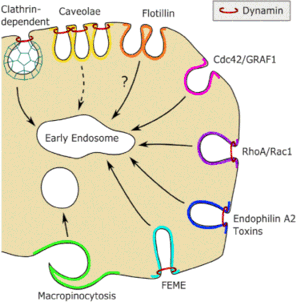
- studies, and transport in vivo also holds true for these particles. We will start by describing the status and challenges when it comes to cellular uptake mechanisms, and in the last part discuss interactions of NPs with tissues and biodistribution of these particles. Endocytic Pathways Involved in
- proteins, including dominant-negative mutants, may, due to their high concentration, facilitate low-affinity interactions with partner proteins that they normally would not bind to. Furthermore, we have the challenge that a given molecule can be involved in more than one pathway. For instance, cdc42 is
- (Kupffer cells, i.e., the liver macrophages, liver sinusoidal endothelial cells (LSEC), and hepatocytes) in NP uptake [81]. A very recent study points to the importance of interactions between PEG-NPs with (apo)lipoproteins and scavenger receptors, and postulates that the high presence of these receptors


Can neutral clusters: a two-step G0W0 and DFT benchmark
Beilstein J. Nanotechnol. 2024, 15, 1010–1016, doi:10.3762/bjnano.15.82
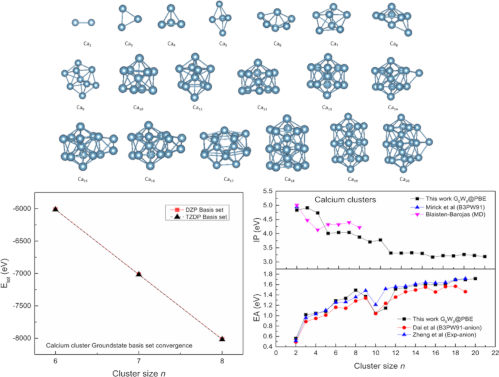
- calcium clusters. This may suggest that the electron interactions in such clusters are more localized compared to the delocalized electron sea assumed in the Jellium model. Another remarkable aspect of the cluster studies is to understand whether there is an underlying correlation between the ionization


Atomistic insights into the morphological dynamics of gold and platinum nanoparticles: MD simulations in vacuum and aqueous media
Beilstein J. Nanotechnol. 2024, 15, 995–1009, doi:10.3762/bjnano.15.81
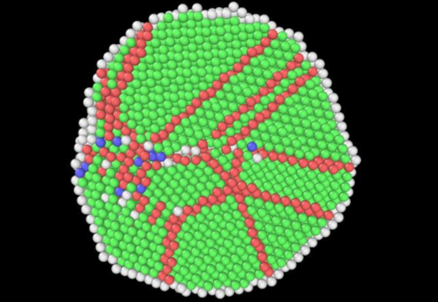
- their energy interactions. The morphological changes in the NPs are measured using both atomic parameters, such as the coordination number and the Berry parameter, and cluster parameters, such as the X-ray powder diffraction pattern and the asphericity parameter. Furthermore, we extract qualitative
- information regarding the toxicity and reactivity of these NPs by monitoring the behaviour of nano-descriptors commonly employed in quantitative structure–activity relationship (QSAR) models and by measuring the water–NP energetic interactions. The extracted information from our simulations complements
- ] nanostructures. We also simulated Au and Pt NPs in aqueous solutions at 300 K, that is, close to room temperature. The interactions among the water molecules are described by the SPC/E model [66]. The interactions among the water molecules and the Au (Pt) atoms are calculated by the force field of Merabia et al


Beyond biomimicry – next generation applications of bioinspired adhesives from microfluidics to composites
Beilstein J. Nanotechnol. 2024, 15, 965–976, doi:10.3762/bjnano.15.79
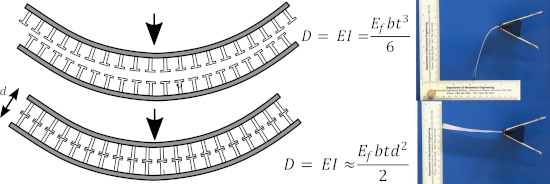
- compliant and, thus, compatible with collaborative robotics, wearable components, and relatively safe human–robot interactions, which potentially provides a unique capability compared to traditional rigid robotics. However, there is a trade-off in soft robotics between the compliance of the material and the


Identification of structural features of surface modifiers in engineered nanostructured metal oxides regarding cell uptake through ML-based classification
Beilstein J. Nanotechnol. 2024, 15, 909–924, doi:10.3762/bjnano.15.75
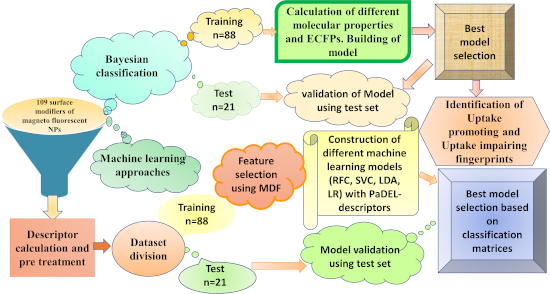
- bond donors present in a molecule [50]. Hydrogen bonds play an important role in interactions between molecules in various biological processes. However, for cellular uptake in the PaCa2 cell line, the contribution of hydrogen bonds has a negative impact as shown in Figure 7. A higher value of


Facile synthesis of Fe-based metal–organic frameworks from Fe2O3 nanoparticles and their application for CO2/N2 separation
Beilstein J. Nanotechnol. 2024, 15, 897–908, doi:10.3762/bjnano.15.74
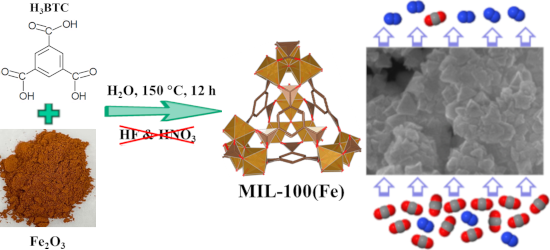
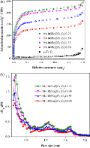
- surface area (Table 1). It is well known that the MIL-100(Fe) framework contains an abundance of active sites, including unsaturated metal sites, and –OH and free –COOH groups, which perhaps form adsorptive interactions with CO2 molecules [32]. Consequently, the samples showed outstanding CO2 uptake in
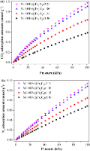
- ), the CO2 uptake was proportional to the pressure and inversely proportional to temperature, suggesting that adsorptive interactions based on physical bonds took place between CO2 molecules and M-100Fe@Fe2O3#1.80 [31][37]. To support this assertion, the Clausius–Clayperon equation was employed to





Synthesis of silver–palladium Janus nanoparticles using co-sputtering of independent sources: experimental and theorical study
Beilstein J. Nanotechnol. 2024, 15, 808–816, doi:10.3762/bjnano.15.67
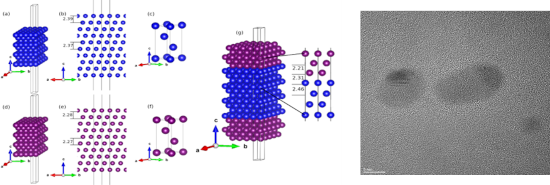
- that present two faces or regions with different chemical or physical properties in a single particle. Their compositional asymmetry can lead to interesting interactions with their environment or other materials, which give them properties and potential applications that homogeneous nanoparticles do
- not have. For instance, the distinct sides of Janus nanoparticles can be functionalized with different surface chemistries, allowing for controlled interactions with different molecules, surfaces, or biological entities; this feature may be particularly useful in applications as diverse as drug
- K, using the DL_POLY 4 code [14]. The time step was set to 0.001 ps, for a total simulation time of 0.5 ns. The atomic interactions were modelled using the Sutton–Chen potential, with the parameters obtained by Çağin et al. [15], and the mixing rules of Rafii-Tabar and Sutton were used to define the




Electron-induced ligand loss from iron tetracarbonyl methyl acrylate
Beilstein J. Nanotechnol. 2024, 15, 797–807, doi:10.3762/bjnano.15.66
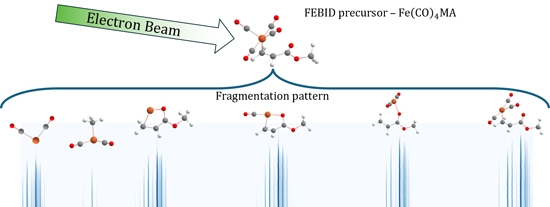
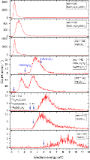
- dipole moment of 1.72 Debye. We thus presume that, also in the present case, the high DEA cross section close to 0 eV is mediated by long-range electron–precursor interactions to a large extent. For higher electron energies, the resonance structures in Fe(CO)5 and Fe(CO)4MA are very similar. There is the



Exploring surface charge dynamics: implications for AFM height measurements in 2D materials
Beilstein J. Nanotechnol. 2024, 15, 767–780, doi:10.3762/bjnano.15.64
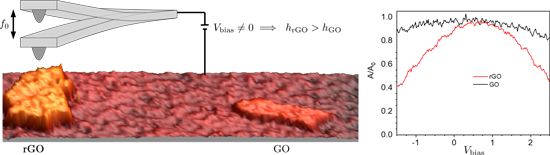
- the dissipation. In this mode, the amplitude reduction may be due to (i) the tip–sample interaction (conservative or non-conservative), which shifts the resonance frequency and, therefore, makes the excitation go out of resonance, (ii) non-conservative interactions, which dissipate parts of the
- sample [38][39][40][41], or to typically electrostatic conservative forces [42]. In the latter case, using KPFM to minimize these forces mitigates the problem. Finally, if the driving excitation frequency is tracked to follow the resonance frequency shift induced by the tip–sample interactions, the
- system is always excited at resonance. Then, the amplitude is reduced because of non-conservative forces only, and topography images can be understood as constant-dissipation images [43]. Larger dissipative interactions necessitate the tip to retract further from the surface to maintain a constant


Simultaneous electrochemical determination of uric acid and hypoxanthine at a TiO2/graphene quantum dot-modified electrode
Beilstein J. Nanotechnol. 2024, 15, 719–732, doi:10.3762/bjnano.15.60
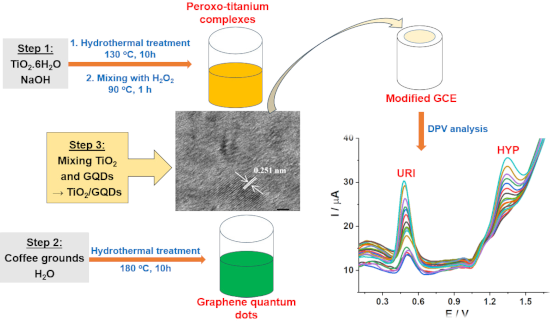
- with pKa = 8.7 [31]. The improved reversibility and sensitivity of the modified electrode may be due to the electrostatic interaction between positively charged URI and HYP and negatively charged GQD at remaining COO− groups, the complexation of titanium to nitrogen or oxygen, or π–π interactions





