


Search results
Search for "material" in Full Text gives 1952 result(s) in Beilstein Journal of Nanotechnology. Showing first 200.
Clays enhanced with niobium: potential in wastewater treatment and reuse as pigment with antibacterial activity
Beilstein J. Nanotechnol. 2025, 16, 141–154, doi:10.3762/bjnano.16.13
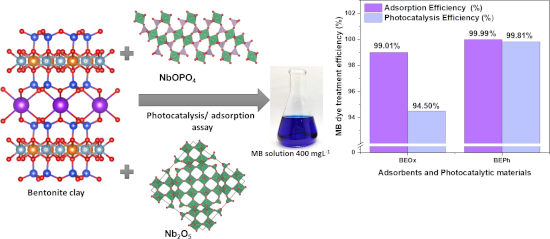
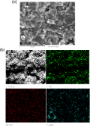
- natural clay has predominantly the bentonite phase (at least 50%), known as montmorillonite. Isomorphic substitution of cations between the interlayer space of montmorillonites by exchanging Na+, Ca2+, Mg2+, and Cu2+ cations add other functionalities to the resulting material [7]. Heterogeneous
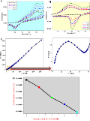
- photocatalyst to treat MB dye solutions and reuse this material as a hybrid pigment. Considering the semiconductor properties of niobium and the high capacity of the clay to remove pollutants from wastewater, we proposed in this research to use the niobium-modified clay as an adsorbent and photocatalyst to
- treat MB dye solutions. To reuse this colored material, recovered from the adsorption and photocatalysis tests, we propose using these as-prepared, blue-colored samples as a hybrid pigment. Subsequently, the as-prepared, blue-colored samples were evaluated for their color properties by CIEL*a*b* color



TiO2 immobilized on 2D mordenite: effect of hydrolysis conditions on structural, textural, and optical characteristics of the nanocomposites
Beilstein J. Nanotechnol. 2025, 16, 128–140, doi:10.3762/bjnano.16.12
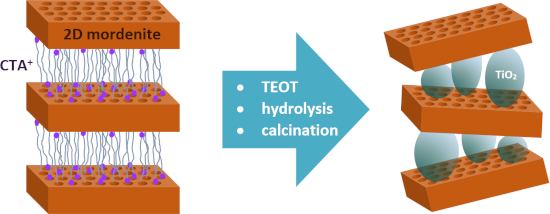
- distance and, hence, the mesopore size, but also the aluminum distribution and acidic properties of the obtained material, which are key parameters for catalysts [5][7][8][9][10]. One widely used component for the synthesis of 2D zeolites is CTAB [5][9][11][12][13]. To prepare mesoporous materials from
- hybrid zeolite–CTAB aggregates, inorganic pillars are pre-formed in the CTAB layers, which will keep the zeolite lamellae from collapsing when burning the organic phase. The flexibility in the choice of material to form pillars creates a wide range of potential new materials for targeted applications
- that direct synthesis of TiO2 in mesoporous silica or zeolites provides strong immobilization of TiO2 nanoparticles through Ti–O–Si bonding [21][22][23]. Previously, we reported the results of the trial synthesis of a new TiO2/2D mordenite nanocomposite [28]. The material was obtained from a composite



Comparison of organic and inorganic hole transport layers in double perovskite material-based solar cell
Beilstein J. Nanotechnol. 2025, 16, 119–127, doi:10.3762/bjnano.16.11
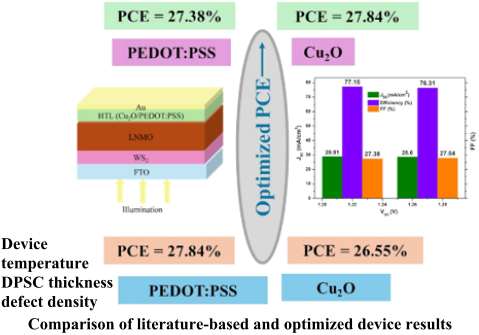
- -based PSCs as a promising photovoltaic material. The double perovskite layer is a remarkable choice as active layer because of intrinsic carrier stability, low exciton binding energy, and low toxicity. Herein, the optimization of a planar DPSC with a multifunctional double perovskite absorber layer
- % was reported for the device configuration FTO/WS2/LNMO/Cu2O/Au, representing La2NiMnO6 as an eco-friendly and non-toxic oxide material usable for further applications [17]. In literature, DPSCs with inorganic Cu2O have been studied, but in this manuscript we also consider organic materials. The
- work mainly explains the impact of HTLs on the double perovskite material because, until now, the efficiency is low in this type of solar cell. The results highlight the potential of these HTLs for enhanced device performance in DPSCs. Also, the optimized parameters from these studies indicate pathways


Nanocarriers and macrophage interaction: from a potential hurdle to an alternative therapeutic strategy
Beilstein J. Nanotechnol. 2025, 16, 97–118, doi:10.3762/bjnano.16.10

- such as iron and gold [4][5]. Each material is chosen for its unique properties, such as size, hydrophilicity, and charge, that make it suitable for acting as a drug carrier. NCs can be functionalized on their surface to improve the stability and solubility of high-payload encapsulated cargos, promote


Modeling and simulation of carbon-nanocomposite-based gas sensors
Beilstein J. Nanotechnol. 2025, 16, 90–96, doi:10.3762/bjnano.16.9
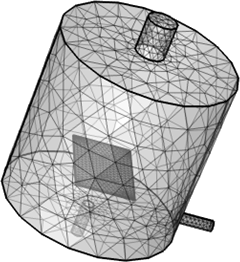
- sensor using COMSOL Multiphysics whose active sensing material used is a carbon nanocomposite (i.e., 0.1 wt % of single-walled carbon nanotubes along with PEDOT:PSS (poly(3,4-ethylenedioxythiophene):poly(styrenesulfonate)) in an equal volume ratio of 1:1. Given the high cost associated with the
- concentrations ranging from 1 to 7 ppm. The surface coverage over the range of 14% to 32.94% for the given range of concentrations is achieved giving the information of the amount of gas molecules adsorbed onto the surface of the sensing material at a given time. The surface coverage of the sensor is enhanced by
- is made up of a carbon nanocomposite material, and the material properties considered in this project are as shown in Table 1. Gas chamber modeling The sensor is placed within an enclosed chamber which consist of two outlets and a single inlet at the top of the chamber. This chamber is specifically




Characterization of ZnO nanoparticles synthesized using probiotic Lactiplantibacillus plantarum GP258
Beilstein J. Nanotechnol. 2025, 16, 78–89, doi:10.3762/bjnano.16.8
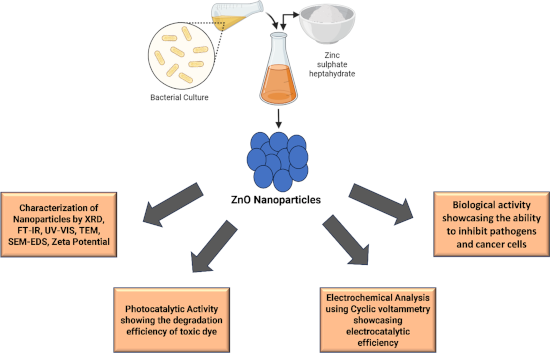
- and practical implementations. Further investigation is needed to study the exact mechanism responsible for showing antibacterial and antiproliferative effects, paving the way for potential clinical and industrial applications of these biosynthesized ZnO NPs. Material and Methods Materials



Instance maps as an organising concept for complex experimental workflows as demonstrated for (nano)material safety research
Beilstein J. Nanotechnol. 2025, 16, 57–77, doi:10.3762/bjnano.16.7

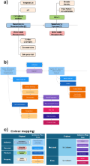
- describe a material and its surrounding medium in mesocosm experiments while keeping the sequence of transformations intact (e.g., a material deposited in soil resulting in the material’s uptake by surrounding plants, which are then eaten by insects). Material transformations are tracked through connected
- characteristics, thus representing both intrinsic and extrinsic properties of the studied material [20]. Mesocosm studies are generally complexly layered with multiple assays and characterisation methods occurring sequentially or concurrently, often within a larger encompassing study in order to gain a more
- , instance, material, medium, property, and supplementary; a property can describe either a medium (e.g., environmental, biological, or experimental) or material, a supplementary provides a way to include visual information about a property (e.g., image or diagram), and the instance itself is the point in


Theoretical study of the electronic and optical properties of a composite formed by the zeolite NaA and a magnetite cluster
Beilstein J. Nanotechnol. 2025, 16, 44–53, doi:10.3762/bjnano.16.5
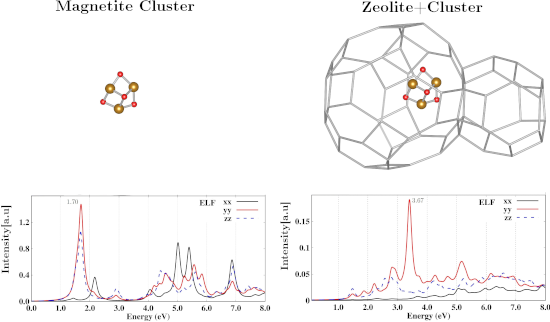
- because of the migration and coalescence of nanoparticles on the carrier material [21][22]. Such changes can significantly modify the physicochemical properties of the original nanomaterial. Also, the most interesting physicochemical properties are exhibited by clusters with subnanometer dimensions. For
- properties and performance. Furthermore, apart from not preventing potential exposure to unwanted molecules, the structural characteristics and, hence, the physicochemical properties of the cluster could be altered as a result of its interaction with the support material. Indeed, one viable solution to
- Safe” [50] by the United States Food and Drug Administration [51]. Also, iron-based magnetic compounds have the advantage of being a widely available and relatively cheap material, as well as being biocompatible and environmentally friendly [52][53]. While the potential of magnetic clusters to impart




Precursor sticking coefficient determination from indented deposits fabricated by electron beam induced deposition
Beilstein J. Nanotechnol. 2025, 16, 35–43, doi:10.3762/bjnano.16.4

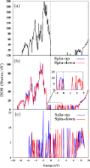
- ; Introduction Nanoscale fabrication of free-form structures via methods like focused electron or ion beam induced deposition (FEBID/FIBID) requires precise beam control and sufficient knowledge of key properties of the precursor material used [1]. In addition, a reliable prediction of the expected deposit shape


Bioinspired nanofilament coatings for scale reduction on steel
Beilstein J. Nanotechnol. 2025, 16, 25–34, doi:10.3762/bjnano.16.3

- stability and hydrophobicity of these bioinspired nanofilaments on steel, a key material for industrial antiscaling applications that has not been investigated in this context. We test whether SNF coatings can prevent scaling of steel surfaces. In the following session, we describe a reliable procedure to
- polymerization of a polysiloxane on the material surface [18]. The polysiloxane methyl groups lower the surface energy and render the surface hydrophobic. Clearly, the surface chemistry of steel surfaces is very different from the previously used materials such as glass [11][12][13][18], polymers [10][11][12
- in the bulk solution or heterogeneously on material surface [25]. Once nucleation occurs, calcium carbonate crystals start to grow. The growth process involves the continuous deposition of Ca2+ and CO32− ions onto the surface-bound nuclei. Over time, these crystals increase in size and adhere more


Orientation-dependent photonic bandgaps in gold-dust weevil scales and their titania bioreplicates
Beilstein J. Nanotechnol. 2025, 16, 1–10, doi:10.3762/bjnano.16.1
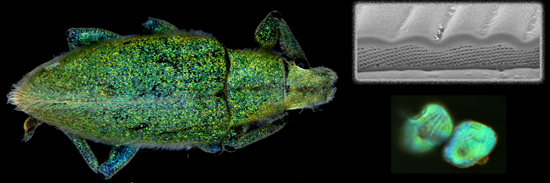
- replicas that exhibited a 70 to 120 nm redshift of the bandgap, depending on the lattice orientation. The wavelength shift in {100} orientation is supported by full-wave optical modeling of a dual diamond network with an exchanged fill fraction (0.56) of the material with the refractive index in the range
- achieved when light interacts with a material having a periodically changing refractive index. Interference produces structural colors that may be quite saturated and angle-dependent (iridescent). Structurally colored materials feature refractive index variations in one, two, or three dimensions [1][2]. In
- particular, three-dimensional (3D) photonic crystals are characterized by a photonic bandgap that prohibits light of certain wavelengths from propagating through (specific) orientations of the material [3]. A complete photonic bandgap, where propagation of light waves in a certain wavelength band is


Mechanistic insights into endosomal escape by sodium oleate-modified liposomes
Beilstein J. Nanotechnol. 2024, 15, 1667–1685, doi:10.3762/bjnano.15.131
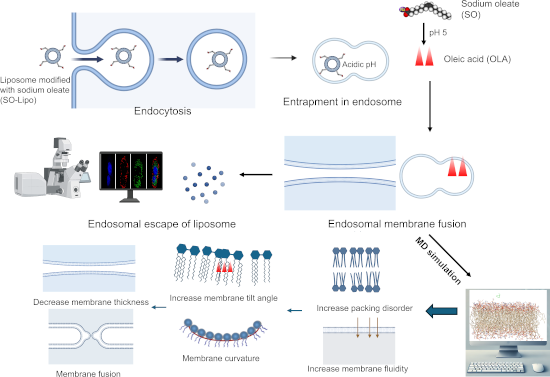
- drug delivery has spurred extensive research into liposomal systems. These vesicles, with their inherent ability to encapsulate and protect a diverse range of therapeutic agents, including small molecule drugs, proteins, and genetic material such as DNA and RNA, hold significant promise for




Attempts to preserve and visualize protein corona on the surface of biological nanoparticles in blood serum using photomodification
Beilstein J. Nanotechnol. 2024, 15, 1654–1666, doi:10.3762/bjnano.15.130

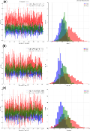
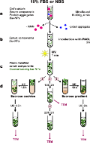
- in the ultrastructure of bio-NPs comparing with native sera were detected (Figure 3 and Figure 4). Incubation of FBS and NBS with PACL and subsequent UV irradiation resulted in the appearance of an electron-dense material adsorbed directly onto the bio-NPs’ surface (Figure 4a–o). The material
- appeared homogeneous, and its high electron density made it difficult to study its fine structure. The material continued, without a visible boundary, into an appendage with polymorphic structure. The appendage showed rounded protrusions, tails, and clouds formed by structureless material of variable
- electron density without clear boundaries. Sometimes, fine-grained components of serum with medium electron density were recognized in the appendage. Thus, photomodification of FBS and NBS resulted in the appearance of an additional envelope surrounding the bio-NPs, in which an electron-dense material



Fabrication of hafnium-based nanoparticles and nanostructures using picosecond laser ablation
Beilstein J. Nanotechnol. 2024, 15, 1639–1653, doi:10.3762/bjnano.15.129
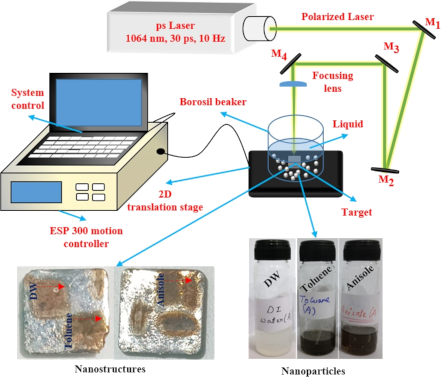
- [8] compared to bulk Hf. HfO2 is a wide-bandgap (5.68 eV) material with a high dielectric constant (≈25) [9][10]. HfC has a very high melting point (≈3900 °C) and ranks among the hardest materials, with a Vickers hardness value exceeding 20 GPa [4][11]. The properties vary substantially depending on
- of high purity with minimal or no unwanted by-products [11][17][21], thus making it a valuable candidate for green synthesis [21][22]. In the LAL method, a high-energy ultrashort pulsed laser (nanosecond, picosecond, or femtosecond) is focused on the surface of the target material immersed in a
- liquid medium. The target material absorbs the pulse energy via the electrons. It transfers it to the lattice, which expulses the surface material as a plasma plume confined because of the pressure created by the surrounding liquid [16][20][23][24]. A cavitation bubble is formed as the energy is




Heterogeneous reactions in a HFCVD reactor: simulation using a 2D model
Beilstein J. Nanotechnol. 2024, 15, 1627–1638, doi:10.3762/bjnano.15.128
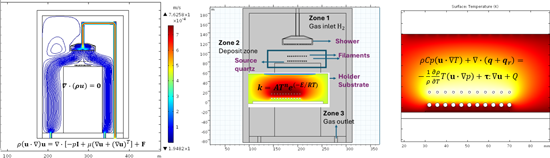
- reactor in zero dimensions (0D); the model used was solved using CHEMKIN III and AURORA software. In the model, a set of reactions was established that approximately describe the mechanisms of the material growth, and the model results were compared with those obtained by experimental measurements [21


Biomimetic nanocarriers: integrating natural functions for advanced therapeutic applications
Beilstein J. Nanotechnol. 2024, 15, 1619–1626, doi:10.3762/bjnano.15.127

- involves increased material waste and costs [34][35][53]. Regardless of the membrane-masking technique, various cell types can enhance the efficiency of delivery systems, including immune cells (phagocytes, lymphocytes, and NK cells) [54], erythrocytes [55], platelets [56], cancer cells [57] and hybrid


Natural nanofibers embedded in the seed mucilage envelope: composite hydrogels with specific adhesive and frictional properties
Beilstein J. Nanotechnol. 2024, 15, 1603–1618, doi:10.3762/bjnano.15.126
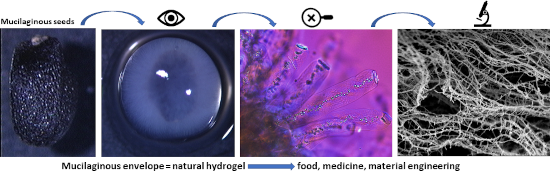
- and the natural composition makes the mucilage envelope a perfect material for diverse studies and a model for the production of synthetic gels or gel-like substances with properties resembling those of hydrogels [11][22]. Cellulose nanofibrils (CNFs) have been of interest for diverse industry
- allows one to maintain the original 3D ultrastructure of the samples without collapsing after dehydration [40][41]. When hydrated hydrogel-like CNFs are gently dried using CPD, the result is an aerogel-like material [41][42] with extremely interesting frictional properties [43]. The cell wall is a
- structure. This technique is very effective for sample imagining in TEM and SEM [7][41][67][68]. CPD minimises the negative pressure differences during drying. The comparison of CPD and air-drying techniques of plant material, for example, parenchymatic cells [69] and the mucilage envelope [7][13], clearly


Ultrablack color in velvet ant cuticle
Beilstein J. Nanotechnol. 2024, 15, 1554–1565, doi:10.3762/bjnano.15.122

- , dehydration proceeded through sequential baths of 70%, 90%, and three changes of 100% alcohol. The material (meso and metasoma) was embedded in epoxy resin, and the molds were polymerized at 60 °C. After block trimming, ultrathin sections (60 to 80 nm) were obtained using a Leica EM UC7 ultramicrotome (EM UC7
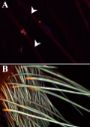
- , Leica Biosystems, Solms, Germany) and contrasted with osmium tetroxide. Confocal laser scanning microscopy (CLSM) The capacity of insect cuticle to emit autofluorescence at various wavelengths is extensively documented, influenced by material composition, degree of sclerotization, and the presence of
- longitudinal absorptive bands. These are often rods of chitin embedded in a protein matrix [23]. The authors also suggested that there is a proteinaceous filling material, which tends to leach out during preparation of the specimens for SEM, leaving behind empty lacunae. Modelled reflectance of V. orientalis



The round-robin approach applied to nanoinformatics: consensus prediction of nanomaterials zeta potential
Beilstein J. Nanotechnol. 2024, 15, 1536–1553, doi:10.3762/bjnano.15.121
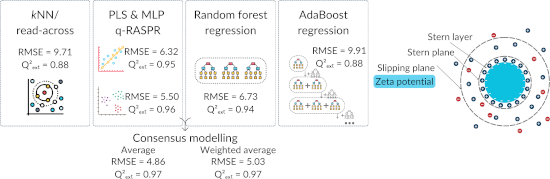
- Kingdom NovaMechanics Ltd., Nicosia 1070, Cyprus 10.3762/bjnano.15.121 Abstract A key step in building regulatory acceptance of alternative or non-animal test methods has long been the use of interlaboratory comparisons or round-robins (RRs), in which a common test material and standard operating
- the NanoSolveIT Hamaker tool (https://hamaker.cloud.nanosolveit.eu/). The Hamaker constant is a material-specific value that quantifies the strength of van der Waals interactions between NPs, depending on the materials and the surrounding medium. A higher (positive) Hamaker constant indicates stronger


Electrochemical nanostructured CuBTC/FeBTC MOF composite sensor for enrofloxacin detection
Beilstein J. Nanotechnol. 2024, 15, 1522–1535, doi:10.3762/bjnano.15.120
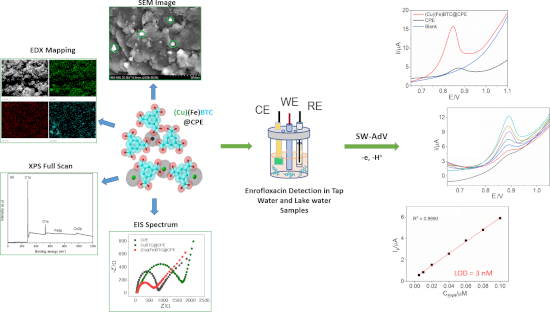
- material for electrochemical sensor applications because of their high loading quantity and surface area, defined structures, and chemical stability [19][20]. Since the first report by Yaghi and his group in 1994 [21], MOFs have attracted great attention. The first publication related to a fluorescent
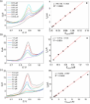
- in the electrode material. Electrochemical property The Nyquist diagrams in Figure 5 were obtained using electrochemical impedance spectroscopy (EIS) in a 0.1 M KCl solution containing 5 mM [Fe(CN)6]3−/4−. Based on the EIS analysis, the charge transfer resistances (Rct) of CPE, CuBTC@CPE, and (Cu)(Fe
- successfully synthesized using a solvothermal method. The mixture of these MOFs demonstrated a high surface area, substantial total pore volume, and small capillary diameters. This hybrid material was then utilized as an electrode material for an electrochemical sensor designed to detect enrofloxacin through





Integrating high-performance computing, machine learning, data management workflows, and infrastructures for multiscale simulations and nanomaterials technologies
Beilstein J. Nanotechnol. 2024, 15, 1498–1521, doi:10.3762/bjnano.15.119
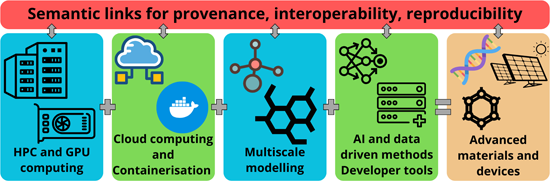
- novel materials with tailored functionalities and enabling the identification of patterns and trends. Moreover, high-throughput computational screening allows for the rapid evaluation of extensive material libraries, providing researchers with a systematic and efficient approach to identify promising
- reality (VR) and augmented reality (AR) have shown promise in materials visualization and design. VR and AR platforms offer immersive and interactive experiences, enabling researchers to visualize complex material structures, analyze properties, and manipulate models in real time. These technologies
- critical aspect of digital strategies for materials/nanomaterials development [16]. A digital twin represents a virtual replica of a physical material, capturing its properties, behavior, and performance in a digital form. Creating a digital twin involves integrating various types of data, such as


Effect of radiation-induced vacancy saturation on the first-order phase transformation in nanoparticles: insights from a model
Beilstein J. Nanotechnol. 2024, 15, 1453–1472, doi:10.3762/bjnano.15.117

- literature review reveals that the stability of materials under irradiation is influenced by numerous factors. Some of these characteristic factors include the elemental composition and chemical structure, the microstructure of the material (including grain boundaries, defects, dislocations, and interfaces
- ), the dose and energy of the radiation source, different types of radiation, environmental conditions, the purity and homogeneity of the material, and the crystal structure and phase stability. Let us briefly consider these publications and highlight characteristic factors to facilitate understanding
- have identified only a few papers proposing a thermodynamic assessment [17][18][19][20]. Our aim in this work is to fill this gap. Shen’s proposed qualitative framework suggests that the grain size of a material influences its resistance to amorphization and the removal of radiation defects by altering


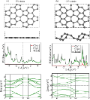
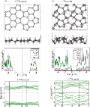
Strain-induced bandgap engineering in 2D ψ-graphene materials: a first-principles study
Beilstein J. Nanotechnol. 2024, 15, 1440–1452, doi:10.3762/bjnano.15.116
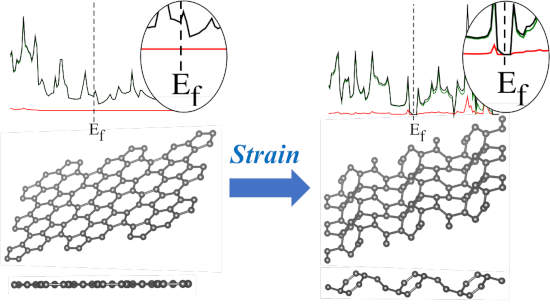
- two-dimensional (2D) material, consisting of a single layer of sp2-hybridized carbon atoms arranged together in a hexagonal lattice [1]. Because of its extraordinary electrical and thermal conductivity, large surface area, and easy chemical functionalization, it provides a variety of applications in
- pliable displays and as strengthening material in composites [2][3][4]. It has also gained considerable attention among researchers for its application in hydrogen storage, owing to its good adsorption capacity and controllable storage and re-release of hydrogen at efficient temperatures [4][5]. The
- an anode material in Li-ion batteries [16]. Theoretical investigations also suggest that when ψ-graphene is decorated with transition metals like zirconium, yttrium, and titanium, it can serve as an excellent adsorbent for hydrogen storage [42][44][45]. DFT calculations have shown that the adsorption


Ion-induced surface reactions and deposition from Pt(CO)2Cl2 and Pt(CO)2Br2
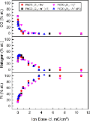
Beilstein J. Nanotechnol. 2024, 15, 1427–1439, doi:10.3762/bjnano.15.115

- the metal of interest. Furthermore, as the volatile species escape the system, they can collide with adsorbed material leading to a cascade of momentum transfer events [43]. In contrast to FIBID, FEBID occurs via different electron stimulated mechanisms, namely, dissociative electron attachment (DEA
- sputtering of deposited material [21][22][25]. Recently, it was reported that the ion identity plays a major role in FIBID of Pt from MeCpPtMe3 [41]. In this study, Pt(IV) reduction from Ne+ and Ar+ bombardment resulted in the loss of four CH3 groups, whereas He+ and H2+ bombardment resulted in the loss of



Lithium niobate on insulator: an emerging nanophotonic crystal for optimized light control
Beilstein J. Nanotechnol. 2024, 15, 1415–1426, doi:10.3762/bjnano.15.114
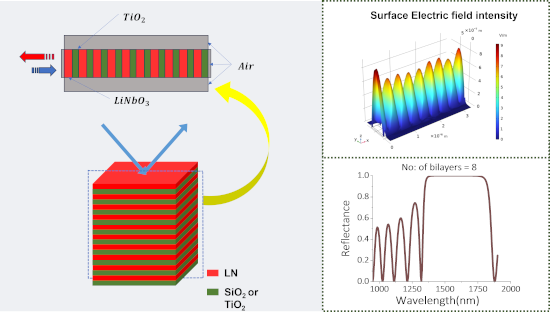
- , India Microsystem Design-Integration Lab, Physics Department, Bidhan Chandra College, Asansol 713303, West Bengal, India 10.3762/bjnano.15.114 Abstract Lithium niobate (LN) stands out as a versatile nonlinear optoelectronic material which can be directly applied in tunable modulators, filters
- electromagnetic simulation. The forbidden-frequency region indifferent from the bulk material has been observed around 1.55 µm. A high refractive index and non-linear optical and electro-optical properties enable LN to be used for more efficient manipulation of light. The highly reflective quarternary stack can
- (QIP) systems. Despite the challenges such as fabrication complexity [6] and loss mitigation scalability to complex circuits [7], the potential benefits of DBRs for QIP applications continue to drive research and development in this field [8]. As fabrication techniques and material systems develop





