Search results
Search for "membrane" in Full Text gives 563 result(s) in Beilstein Journal of Nanotechnology. Showing first 200.
Ethosomal (−)-epigallocatechin-3-gallate as a novel approach to enhance antioxidant, anti-collagenase and anti-elastase effects
Beilstein J. Nanotechnol. 2022, 13, 491–502, doi:10.3762/bjnano.13.41
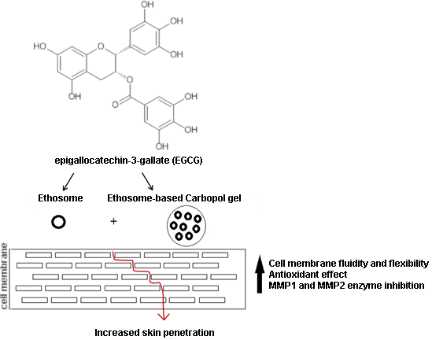
- peroxides and free oxygen radicals increase. Damage to phospholipids, which contain large amounts of unsaturated fatty acids and are sensitive to degradation by hydroxyl radicals, deteriorates the structure of the cell membrane [3]. Antioxidants are compounds that capture and stabilize free radicals and
- hydroethanolic solution (30% v/v) and ethosomal formulations were not toxic to the cells and can be safely used. It has been stated in many studies that ETHs and other phospholipid-based carrier systems were not cytotoxic due to their similarity to the cell membrane structure. For our active substance EGCG, the
- compared to the orally administered groups. In vivo study data also highlighted the improved antioxidant effect of green tea extract with transdermal application. The results support our findings that the ethosomal formulations are successful in penetrating the lipid-rich biological membrane [39



The role of sulfonate groups and hydrogen bonding in the proton conductivity of two coordination networks
Beilstein J. Nanotechnol. 2022, 13, 437–443, doi:10.3762/bjnano.13.36
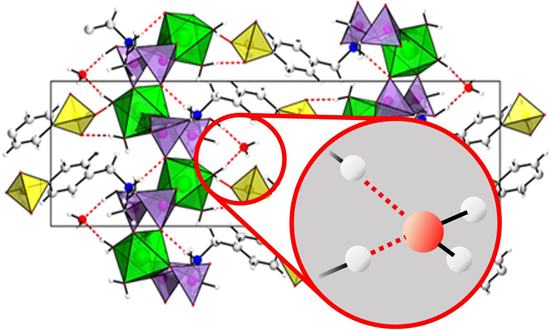
- these, proton-conducting solid materials show significant potential in the development of novel membranes for proton exchange membrane (PEM) fuel cells, PEM electrolyzers, and for humidity sensors [5][6][7]. The goal is to overcome the restrictions of state-of-the-art proton-conducting membrane


Effect of sample treatment on the elastic modulus of locust cuticle obtained by nanoindentation
Beilstein J. Nanotechnol. 2022, 13, 404–410, doi:10.3762/bjnano.13.33
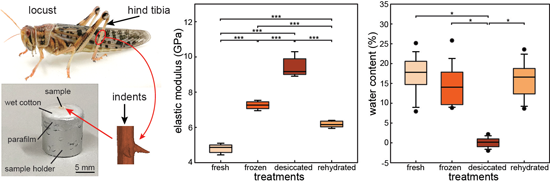
- : biomimetics; cuticle; locust; material properties; mechanical testing; nanoindentation; water content; Introduction Cuticle is a lightweight material that forms the whole exoskeleton of insects, from the flexible intersegmental membrane to the stiff jaws and claws. Cuticle of each insect body part has


Electrostatic pull-in application in flexible devices: A review
Beilstein J. Nanotechnol. 2022, 13, 390–403, doi:10.3762/bjnano.13.32
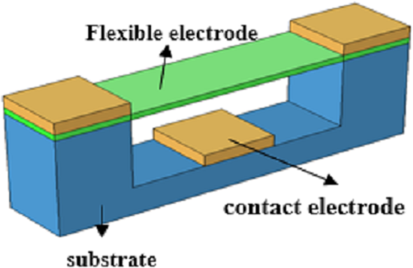
- was more than 50 times. The combination of flexible valves and PDMS microchannels optimizes the optical transparency and durability of microvalves. A pneumatically coupled graphene membrane pump was designed by Davidovikj et al. [78], which is selectively permeable to gases in a controllable way, as
- shown in Figure 9. The dumbbell-shape chamber consists of a narrow trench connecting two circular cavities, both of which are covered by few-layer graphene. Local electrodes at the bottom of each cavity allow to drive each graphene membrane individually, changing the pressure of the chamber through a


Interfacial nanoarchitectonics for ZIF-8 membranes with enhanced gas separation
Beilstein J. Nanotechnol. 2022, 13, 313–324, doi:10.3762/bjnano.13.26
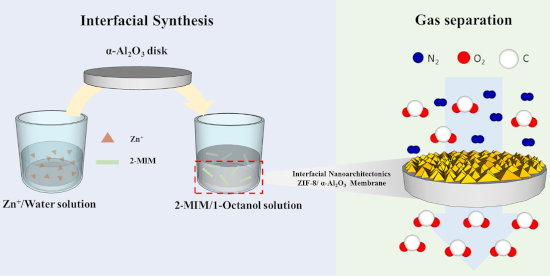
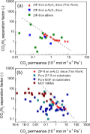
- methods of MOF membrane preparation require multiple steps and high-pressure conditions. In this study, a reliable one-step interfacial synthesis method under atmospheric pressure has been developed to prepare zeolitic imidazolate framework-8 (ZIF-8) membranes supported on porous α-Al2O3 disks. To obtain
- natural gas) with high efficiency is needed. Membrane-based separation offers a great potential for online CO2 sequestration in view of its high energy efficiency, small carbon footprint, and competitive cost compared to traditional separation processes, such as distillation and adsorption [5]. The
- current membrane separation market in chemical engineering is dominated by polymeric membranes because of their low cost, ease of production, and mechanical flexibility [6][7][8][9]. However, applications of polymeric membranes in the separation processes are limited by their short lifetime and inferior


Engineered titania nanomaterials in advanced clinical applications
Beilstein J. Nanotechnol. 2022, 13, 201–218, doi:10.3762/bjnano.13.15
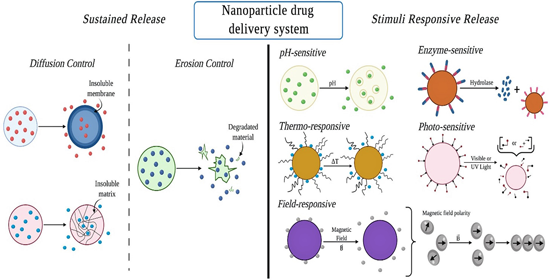
- photocatalytic reaction, as a result of which anatase has been found to have the highest antimicrobial activity among all crystal structures of TiO2 [79]. The mechanisms of titania-induced biocidal activity are mostly by an oxidative attack on the outer/inner cell membrane of the microorganism, as well as
- insertion into the inner membrane, for precise mitochondria-targeted cancer treatment as presented in Figure 8B. The efficiency of G-TiO2−x-TPP was scrutinized in mice having HeLa tumors, and the results showed excellent mitochondria-targeting potential and strong phototherapeutic efficacy under a single


A comprehensive review on electrospun nanohybrid membranes for wastewater treatment
Beilstein J. Nanotechnol. 2022, 13, 137–159, doi:10.3762/bjnano.13.10
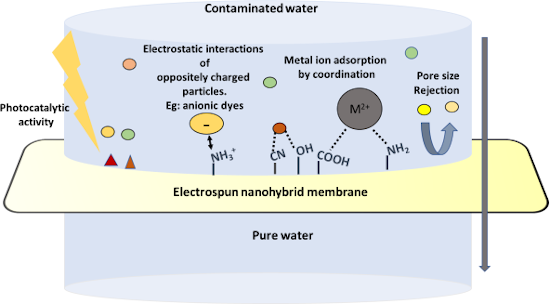
- functional specific nanosized additives to be used in various water remediation membrane techniques. The adsorption, filtration, photocatalytic, and bactericidal capabilities of the hybrid membranes in removing common major water pollutants such as metal ions, dyes, oils, and biological pollutants have been
- discussed. Finally, an outlook on the future research pathways to fill the gaps existing in water remediation have been suggested. Keywords: electrospinning; environmental remediation; membrane technologies; nanohybrids; water purification; Review 1 Introduction Nanotechnology is a technique that exploits
- fiber functionalization through blending the functionalizing material with the polymer prior to electrospinning, post-spinning surface functionalization, or the use of a coaxial electrospinning setup make electrospinning a superior technique for membrane fabrication [2]. The smaller size endows the




Bacterial safety study of the production process of hemoglobin-based oxygen carriers
Beilstein J. Nanotechnol. 2022, 13, 114–126, doi:10.3762/bjnano.13.8
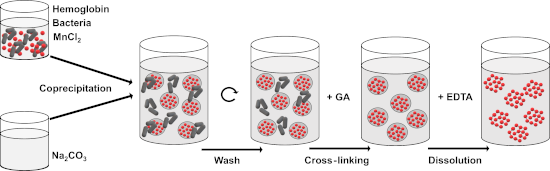
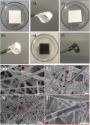
- process for human blood products is so safe that random testing of the products is sufficient. By adopting this principle, each batch is be tested, but not every single product. Endotoxins or the lipopolysaccharide (LPS) of the outer membrane of Gram-negative bacteria is another important point regarding
- . Especially the chelation of Mg2+ results in a destabilization of the negative charges of the outer membrane of Gram-negative bacteria [45]. The cells thus become permeable. This effect can be exploited to make the cells more receptive to antibiotics, biocides, or other substances [28][52]. Depending on the
- concentration of EDTA and the bacterial strain, there is a release of membrane components, proteins, and finally cell lysis [53][54][55]. The treatment of Gram-negative cells with EDTA can lead to a release of up to 50% of the LPS from the cell wall of a bacterium [56][57]. These effects have been demonstrated


Theranostic potential of self-luminescent branched polyethyleneimine-coated superparamagnetic iron oxide nanoparticles
Beilstein J. Nanotechnol. 2022, 13, 82–95, doi:10.3762/bjnano.13.6
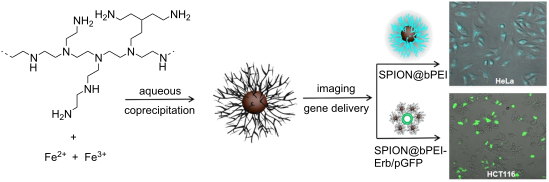
- agreement with the spectroscopic data (Figure 2b). Cells treated with free bPEI show a very weak optical signal in the cytoplasm, as expected (Figure 4c1–c3). In addition, significant morphological changes were observed in these cells due to the cytotoxic effect of bPEI on the cytoplasmic membrane and the
- pathways do not necessarily involve traffic to lysosomes, it can yield a better transfection efficiency [65]. Indeed, it was shown that both unmodified branched and linear PEI polyplexes could damage plasma membranes, resulting in a rapid redistribution of phosphatidylserine from the inner plasma membrane




Nanoscale friction and wear of a polymer coated with graphene
Beilstein J. Nanotechnol. 2022, 13, 63–73, doi:10.3762/bjnano.13.4
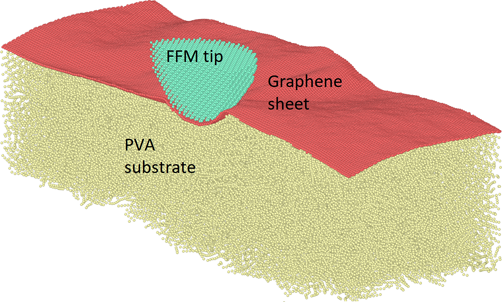
- external pressure. In the case of the crumpled graphene layer, we see a larger indentation depth compared to the flat graphene layer (Figure 7). The tip has more freedom to sink inside the material when the graphene sheet is crumpled (membrane buckling and elasticity) than in the case of flat graphene
- (stiff membrane). Figure 8 shows the cross section of the density under the tip at the end of the indentation process. We can see regular lines of high density right below the graphene layer, which indicate a local reorganisation of the polymer chains. The graphene layer, especially the flat sheet, is


Measurement of polarization effects in dual-phase ceria-based oxygen permeation membranes using Kelvin probe force microscopy
Beilstein J. Nanotechnol. 2021, 12, 1380–1391, doi:10.3762/bjnano.12.102
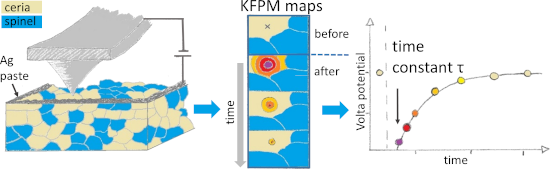
- permeation membrane, as oxygen sensor material, or for the use in solid oxide fuel cell components [1][5][6]. Apart from this, ceria is also widely employed as a catalyst in the middle- to low-temperature regime (20–400 °C) [7][8][9], making ceria-based dual-phase materials with a second electron-conductive
- spinel or perovskite phase applicable in membrane reactors for partial oxidation reactions. Dual-phase membranes with FeCo2O4, or its iron-rich pendant Fe2CoO4, and Gd-doped ceria as an ion conductor have already been successfully applied as oxygen permeation membranes with high permeability in the
- depends on the ceria/spinel ratio, has recently been discussed [16]. Current research efforts are aiming to improve the composition and microstructure of a dual-phase membrane with similar composition for application in a membrane reactor at considerably lower temperatures (below 600 °C) to perform


Alteration of nanomechanical properties of pancreatic cancer cells through anticancer drug treatment revealed by atomic force microscopy
Beilstein J. Nanotechnol. 2021, 12, 1372–1379, doi:10.3762/bjnano.12.101
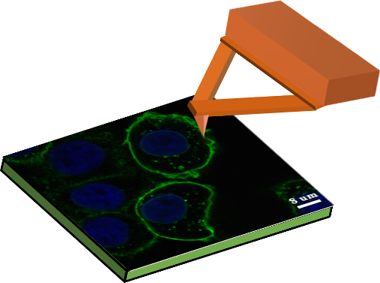
- possibility for the early diagnosis of cancer [7]. In recent decades, anticancer drugs have been developed in great number, enabling the control and treatment of many cancers to improve life quality and life span of people. Many approved anticancer drugs have significant effects on cell membrane proteins and
- ultrastructure of living cells [15][16], cell membranes, membrane proteins [17][18] and DNA [19], and through recording single molecular force spectra [20][21]. However, the morphology and the nanoscale mechanical properties of malignant pancreatic cancer cells (PCCs) under anticancer drug treatment have not
- caused by the more complex distribution of biomolecules, such as proteins and sugars, existing on the normal cell membrane surface than that on the cancer cell surface [28][29][30]. The statistics of the Young's modulus values of the four kinds of cells are illustrated in Figure 4a. The Young’s modulus


Biocompatibility and cytotoxicity in vitro of surface-functionalized drug-loaded spinel ferrite nanoparticles
Beilstein J. Nanotechnol. 2021, 12, 1339–1364, doi:10.3762/bjnano.12.99
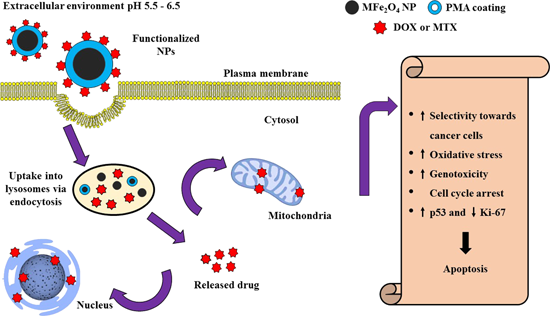
- ). Several studies have indicated that spinel ferrite MFe2O4 (M = Fe, Co, Ni, Zn) NPs cause cytotoxicity via oxidative stress which results in damage to the cell membrane, proteins, and DNA [41][42][43]. However, how NPs are processed inside the cell is also a contributing factor in ROS production [44]. For
- interaction between NPs a plasma membrane associated proteins [55]. In addition, the charge of polymeric coatings also governs NP uptake by cells. Positively charged polymers have been reported to enhance genotoxicity due to better internalization of NPs via the plasma membrane (electrostatic interaction) and
- samples were filtered using a 0.2 µm syringe filter and concentrated using centrifugal filters (Amicon Ultra-4). The concentrated samples were purified by using 1% agarose gel at 100 V for 90 min. Discrete NP bands on the gel were cut and extracted using a 50 kDa dialysis membrane (Spectrum Laboratories





Polarity in cuticular ridge development and insect attachment on leaf surfaces of Schismatoglottis calyptrata (Araceae)
Beilstein J. Nanotechnol. 2021, 12, 1326–1338, doi:10.3762/bjnano.12.98
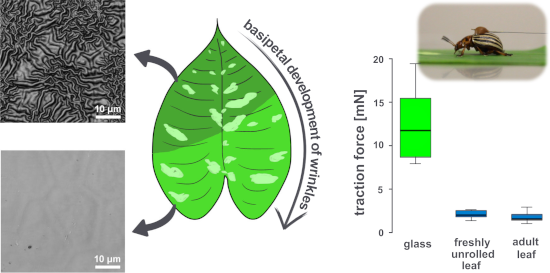
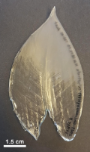
- cuticle is a thin non-cellular membrane that covers most of the above-ground organs of land plants. It is a composite matrix consisting of cutin and cutan as its main components, contains intracuticular waxes, and typically is covered by an outer layer of epicuticular waxes. The cuticle and the underlying




Electrical, electrochemical and structural studies of a chlorine-derived ionic liquid-based polymer gel electrolyte
Beilstein J. Nanotechnol. 2021, 12, 1252–1261, doi:10.3762/bjnano.12.92
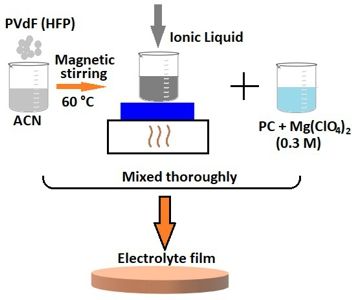
- . Figure 1a shows the surface morphology of a pure PVdF-HFP film, indicating an uneven and rough surface of the crystalline polymer. Upon the addition of the ionic liquid [BDiMIM][Cl] on PVdF-HFP, the sizes of the grains start decreasing and the membrane becomes flexible and appears as a swollen structure



A review on slip boundary conditions at the nanoscale: recent development and applications
Beilstein J. Nanotechnol. 2021, 12, 1237–1251, doi:10.3762/bjnano.12.91
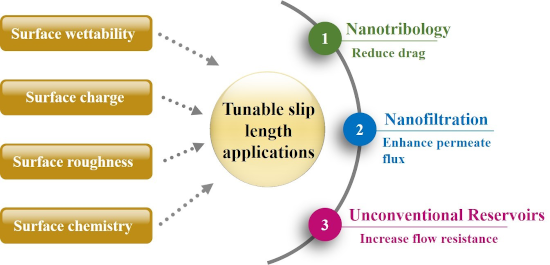
- superhydrophobic microstructures, and it is found to increase with the increase of the square root of the Reynolds number in the limit of high Re [121]. 3.2 Nanofiltration As shown in Figure 10, electro-osmosis can play an important role in the area of nanofiltration, where membrane fouling is the main drawback
- through the membrane [123]. Since improving the slip length can enhance the electro-osmotic velocity, the slip length should be taken into consideration when investigating the characteristics of electro-osmosis through membranes. Silkina et al. proposed a model which incorporates hydrodynamic slip and the
- Beskok compared a slip-modified theoretical model with the molecular dynamics simulation results. They found that the slip enhancement in the electro-osmotic flow is independent of the channel height, which can provide a theoretical basis for membrane fabrication of electrically assisted nanofiltration


Impact of electron–phonon coupling on electron transport through T-shaped arrangements of quantum dots in the Kondo regime
Beilstein J. Nanotechnol. 2021, 12, 1209–1225, doi:10.3762/bjnano.12.89
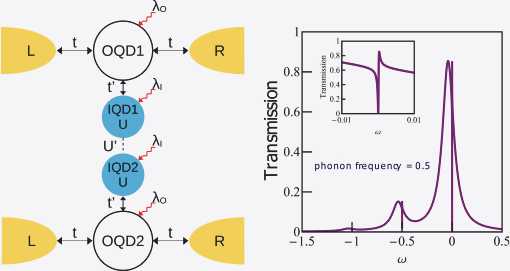
- embedded in a freestanding GaAs/AlGaAs membrane [44][45][46][47][48]. It has been shown that morphology manipulation of semiconductor QDs such as size, shape, strain distribution, or inhomogenities can influence the coupling strength of electron–phonon (e–ph) interactions [49]. The phononic effects appears
- dots. It was found that transport through electron–phonon cavities with QDs embedded in a freestanding membrane is strongly affected by vibrational degrees of freedom. As model systems we have chosen single (TQD) or double (DTQD) T-shaped arrangements of quantum dots. The first system in the absence of


The effect of cobalt on morphology, structure, and ORR activity of electrospun carbon fibre mats in aqueous alkaline environments
Beilstein J. Nanotechnol. 2021, 12, 1173–1186, doi:10.3762/bjnano.12.87
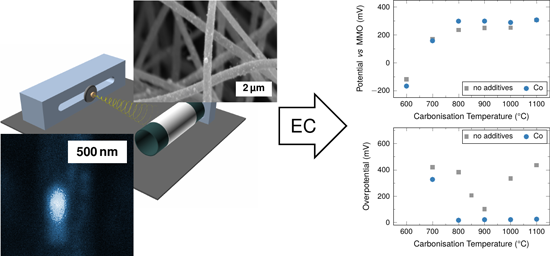
- cobalt-containing samples and 21 kV for the samples without cobalt additive. The samples were stabilised in air and subsequently carbonised in argon atmosphere for 3 h at temperatures between 600 and 1100 °C. Electrodes were prepared from the carbonised mats by applying a PTFE membrane by means of hot


Self-assembly of amino acids toward functional biomaterials
Beilstein J. Nanotechnol. 2021, 12, 1140–1150, doi:10.3762/bjnano.12.85
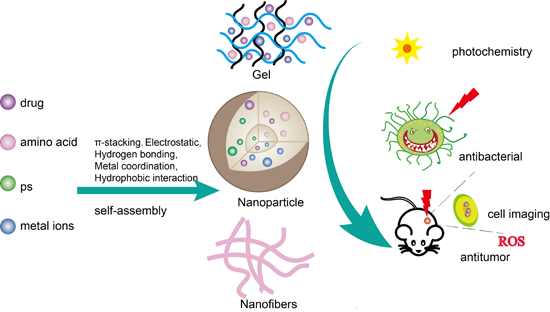
- membrane and had good biocompatibility. After 20 h of incubation, approximately 95% of Staphylococcus aureus bacterial proliferation was effectively inhibited [46]. A novel supramolecular self-assembled hydrogel was prepared by mixing Fmoc-ʟ-phenylalanine (Fmoc-ʟ-Phe) with oligo(thiophene ethynylene)-ᴅ

pH-driven enhancement of anti-tubercular drug loading on iron oxide nanoparticles for drug delivery in macrophages
Beilstein J. Nanotechnol. 2021, 12, 1127–1139, doi:10.3762/bjnano.12.84
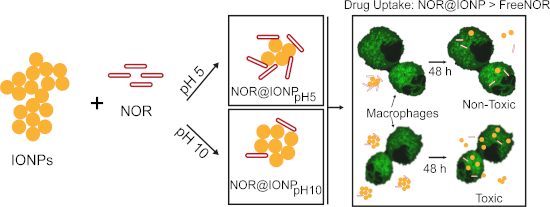
- have also proven to be beneficial in overcoming multidrug resistance by enabling an increased drug uptake [8]. Similarly, physical combination of stabilized IONPs and anti-tuberculosis drugs improve intracellular drug accumulation through efflux pump inhibition [9] or by enhanced membrane



Use of nanosystems to improve the anticancer effects of curcumin
Beilstein J. Nanotechnol. 2021, 12, 1047–1062, doi:10.3762/bjnano.12.78
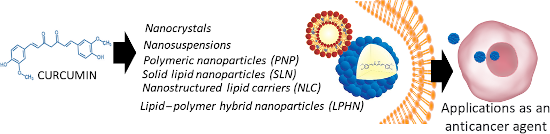
- advantages include high biocompatibility, safety, and flexibility (the latter can be modulated by the concentration of cholesterol in the lipid membrane) [40][73][74]. PEGylated long-circulating liposomes with co-encapsulated CUR–doxorubicin inhibited C26 (murine colon carcinoma) cell proliferation, in
- , and high membrane permeability [80][81][82]. In particular, their stability tends to increase due to minimal exposure to ambient conditions (thereby delaying oxidation or degradation reactions), while their release may be regulated according to the use of different encapsulating materials [83
- -promoting effect of the phototherapy–CUR combination is the result of increased nuclear fragmentation, nuclear condensation and reactive oxygen species (ROS) generation, loss of mitochondrial membrane potential, increased cytosolic levels of cytochrome C, and regulation of apoptosis-related proteins


Progress and innovation of nanostructured sulfur cathodes and metal-free anodes for room-temperature Na–S batteries
Beilstein J. Nanotechnol. 2021, 12, 995–1020, doi:10.3762/bjnano.12.75
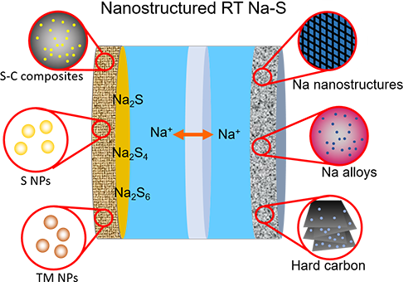
- –Nafion membrane. Using this barrier, the capacity retention could be improved to 250 mAh·g−1 after 100 cycles. In spite of the improvement, the capacity value is still low because of the low Na+ diffusivity through the membrane and the insulating nature of Al2O3. Another approach to stable catholytes is




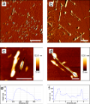
Self-assembly of Eucalyptus gunnii wax tubules and pure ß-diketone on HOPG and glass
Beilstein J. Nanotechnol. 2021, 12, 939–949, doi:10.3762/bjnano.12.70
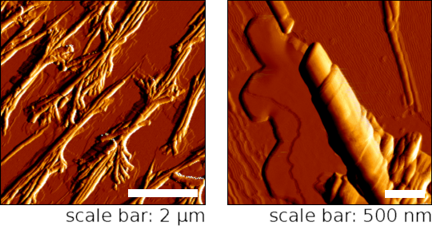
- interface, covers all aerial non-lignified parts of higher plants [1]. It is an extracellular membrane of epidermal cells, consisting of a matrix of the polymer cutin and a mixture of hydrophobic compounds, the cuticular waxes [2][3]. This interface is a multifunctional surface optimized by evolution to




The role of deep eutectic solvents and carrageenan in synthesizing biocompatible anisotropic metal nanoparticles
Beilstein J. Nanotechnol. 2021, 12, 924–938, doi:10.3762/bjnano.12.69
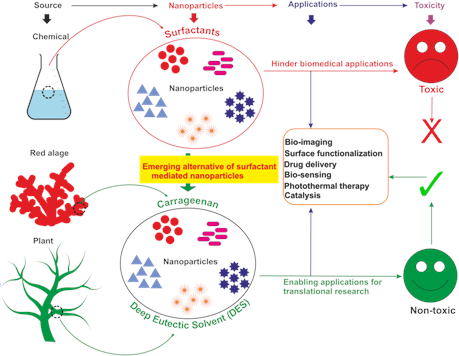
- maintaining high yield and monodispersity. Initially, gold nanorods were synthesized using electrochemical methods using polycarbonate membrane templates or porous alumina for shape control in the presence of surfactants (mostly CTAB) [34][35]. Because of their optical properties, gold nanorods became
- adsorbed on the metal surface in a tightly packed bilayer structure. Among quaternary ammonium surfactants, CTAB has been extensively reported as cytotoxic even at low concentrations [44][45][46]. The positively charged CTAB interacts with the plasma membrane, which is negatively charged due to the
- asymmetric distribution of charged lipids between the two leaflets of the plasma membrane. This lead to a negative charged of the inner leaflet generating a surface potential and the binding affinity towards positively charged moieties. However, an interesting study revealed a structure-dependent


Modification of a SERS-active Ag surface to promote adsorption of charged analytes: effect of Cu2+ ions
Beilstein J. Nanotechnol. 2021, 12, 902–912, doi:10.3762/bjnano.12.67
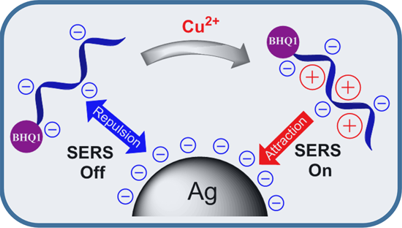
- membrane (cutoff = 12 kDa), branched polyethylenimine (PEI, MW = 25000), polyhexamethylene guanidine hydrochloride (PHMG), analytical grade DMSO, NaI, LiCl, AgNO3, sodium mercaptoethyl sulfonate, mercaptopropionic acid, 2-mercaptoethanol, 2-(dimethylamino)ethanethiol hydrochloride, acetylthiocholine