Search results
Search for "model" in Full Text gives 1656 result(s) in Beilstein Journal of Nanotechnology. Showing first 200.
Bolometric IR photoresponse based on a 3D micro-nano integrated CNT architecture
Beilstein J. Nanotechnol. 2024, 15, 1030–1040, doi:10.3762/bjnano.15.84
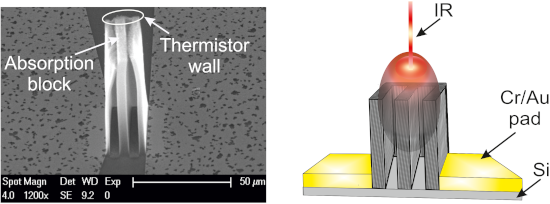
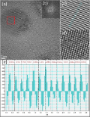
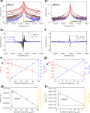
- ), model HMS 564, an oscilloscope (Tektronix TDS), and a lock-in amplifier (Stanford Research Systems SR510), as shown in Figure 4c,d. The oscilloscope data was read by a computer. The responsivity of the CNT-based microbolometer was characterized using a continuous-wave laser source emitting radiation at


Entry of nanoparticles into cells and tissues: status and challenges
Beilstein J. Nanotechnol. 2024, 15, 1017–1029, doi:10.3762/bjnano.15.83
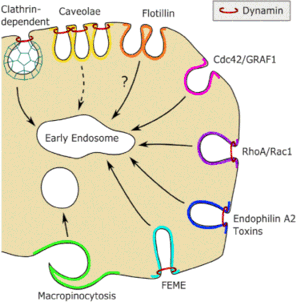
- support such an active transport mechanism was based on comparing data from normal mice with those obtained using the “Zombie” mouse model, in which the whole animal was fixed by transcardiac perfusion with a solution containing formaldehyde and glutaraldehyde. We have discussed earlier several issues we
- another breast cancer xenograft model and found a strong reduction in immunosuppressive function of macrophages [94]. An influence of NPs on macrophage recruitment, differentiation, and polarization has also been reported by others [95][96]. Thus, a combined effect on the tumor cells and the tumor


Can neutral clusters: a two-step G0W0 and DFT benchmark
Beilstein J. Nanotechnol. 2024, 15, 1010–1016, doi:10.3762/bjnano.15.82
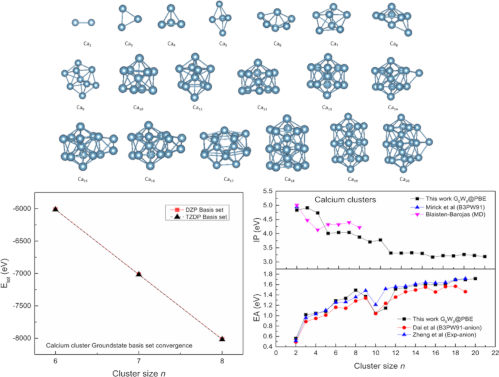
- calcium clusters. This may suggest that the electron interactions in such clusters are more localized compared to the delocalized electron sea assumed in the Jellium model. Another remarkable aspect of the cluster studies is to understand whether there is an underlying correlation between the ionization


Atomistic insights into the morphological dynamics of gold and platinum nanoparticles: MD simulations in vacuum and aqueous media
Beilstein J. Nanotechnol. 2024, 15, 995–1009, doi:10.3762/bjnano.15.81
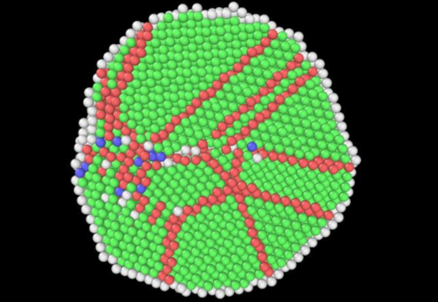
- ] nanostructures. We also simulated Au and Pt NPs in aqueous solutions at 300 K, that is, close to room temperature. The interactions among the water molecules are described by the SPC/E model [66]. The interactions among the water molecules and the Au (Pt) atoms are calculated by the force field of Merabia et al
- potential energy per atom at hand, we can utilize our in-house QSAR model [75] to assess qualitatively the effect of temperature and NP size on toxicity. Although the model has been trained on data for Ag, TiO2, and CuO NPs, its applicability to Au and Pt NPs is justified since Ag, Au, and Pt are pure


Recent progress on field-effect transistor-based biosensors: device perspective
Beilstein J. Nanotechnol. 2024, 15, 977–994, doi:10.3762/bjnano.15.80
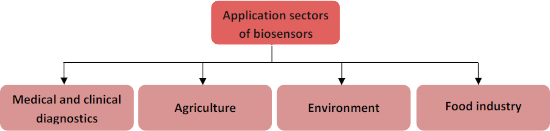
- the classical capacitor-model approach. Moreover, if the antibody particles are grafted at the level of the MoS2 body channel, the binding events mainly modulate the on-state transconductance of the device, credited to the antigen-induced disordered potential in the MoS2 body channel. This physics
- study of the biosensor device simplifies the biosensor architecture for accurate femtomolar detection and quantification of various biomolecule species. 2.2.9 Vertical-strained impact-ionization MOSFET-based biosensors. Saad et al. [107] reported an equivalent electrical circuit model dedicated to




Beyond biomimicry – next generation applications of bioinspired adhesives from microfluidics to composites
Beilstein J. Nanotechnol. 2024, 15, 965–976, doi:10.3762/bjnano.15.79
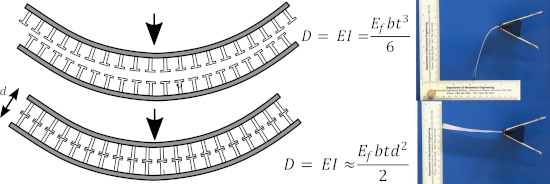
- independent fibers, it can have an effective Ec that is close to zero when in the unadhered state and will, therefore, minimally affect bending stiffness in comparison to two independent thin films of Ef. For the simplified model shown in Figure 8, if Ec ≪ Ef and t ≪ d, then the overall bending stiffness


Effects of cutting tool geometry on material removal of a gradient nanograined CoCrNi medium entropy alloy
Beilstein J. Nanotechnol. 2024, 15, 925–940, doi:10.3762/bjnano.15.76
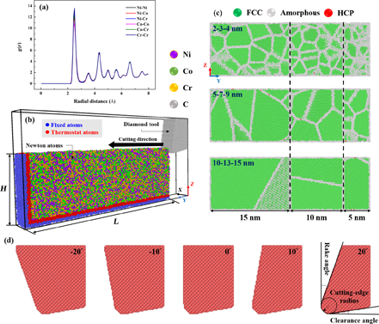
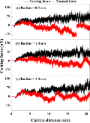
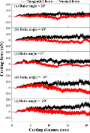
- investigates the effects of GNG structures, relative tool sharpness (RTS), and rake angle on the cutting behavior of a CoCrNi MEA using molecular dynamics simulations. Methods The cutting simulation model was established to explore the characteristics of plastic deformation and material removal of a GNG CoCrNi
- CoCrNi MEA substrates. The Lennard-Jones (LJ) potential was used to model the interaction among tool and sample atoms, and among the atoms in the tool [12][13][14][15]. The parameters of the LJ potential are displayed in Table 2. The MD cutting simulations were carried out using the large-scale atomic
- /molecularly parallel simulator (LAMMPS) software [16][17], and the GNG model substrates were built from the ATOMSK software [18]. Deformation response, molecular structure, and atomic strain behavior were observed using the Open Visualization Tool (OVITO) software [19][20]. The mechanisms of phase transitions








Identification of structural features of surface modifiers in engineered nanostructured metal oxides regarding cell uptake through ML-based classification
Beilstein J. Nanotechnol. 2024, 15, 909–924, doi:10.3762/bjnano.15.75
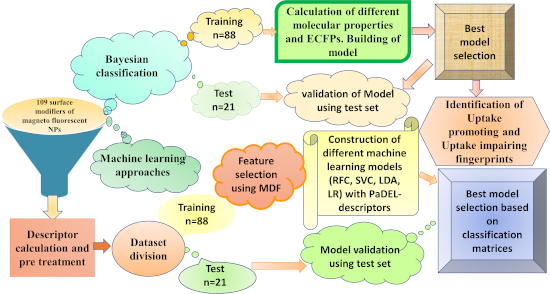
- the umbilical cord to study vascular biology and endothelial function. U937 is a human cell line used as a model for monocyte/macrophage differentiation. The cellular uptake was represented by log10[NP]/cell, in which the concentration was represented in picomoles per cell. In order to classify the
- modifiers in the training set (70%) and 21 modifiers in the test set (30%) for the different classification-based QSAR analyses. Bayesian classification study Bayesian classification was carried out via the “Create Bayesian model” protocol in Discovery Studio 3.0 [35]. To develop a model, various
- FCFPs are highly customizable and have been widely adopted for various scientific applications [38][39]. The molecules from the training set were used for constructing the model, and the molecules from the test set were used for the validation. The resulting model’s statistical properties were assessed


Facile synthesis of Fe-based metal–organic frameworks from Fe2O3 nanoparticles and their application for CO2/N2 separation
Beilstein J. Nanotechnol. 2024, 15, 897–908, doi:10.3762/bjnano.15.74
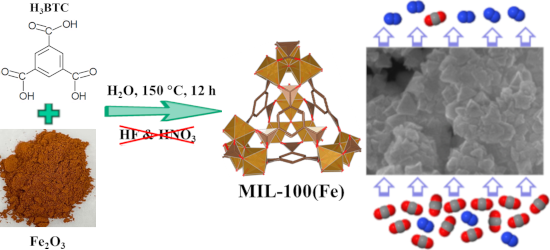
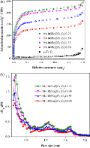
- , using the Brunauer–Emmett–Teller (BET) model, and the total pore volume and pore size distribution, using the Horvath–Kawazoe (HK) model. The samples were activated under vacuum at 150 °C for 12 h before being introduced into the porosity analyzer. CO2 and N2 adsorption test The characteristic
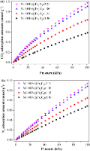
- % CO2 is used to anticipate the CO2/N2 selectivity of the as-prepared materials. Initially, the experimental adsorption data for the single components CO2 and N2 were measured in a range of 0–100 kPa at 25 °C, which were then described using the Langmuir–Freundlich model [31][32]. The fitted parameters
- are given in Supporting Information File 1, Table S1 with high correlation coefficient values (R2 ≥ 0.9998) for all samples. Subsequently, the CO2/N2 selectivity over all samples was anticipated using IAST alongside the fitted parameters of the model. All Langmuir–Freundlich and IAST-CO2/N2





The effect of age on the attachment ability of stick insects (Phasmatodea)
Beilstein J. Nanotechnol. 2024, 15, 867–883, doi:10.3762/bjnano.15.72

- Marie Grote Stanislav N. Gorb Thies H. Buscher Functional Morphology and Biomechanics, Kiel University, Am Botanischen Garten 1-9, D-24118 Kiel, Germany 10.3762/bjnano.15.72 Abstract Many insect species have found their way into ageing research as small and easy-to-keep model organisms. A major


A review on the structural characterization of nanomaterials for nano-QSAR models
Beilstein J. Nanotechnol. 2024, 15, 854–866, doi:10.3762/bjnano.15.71
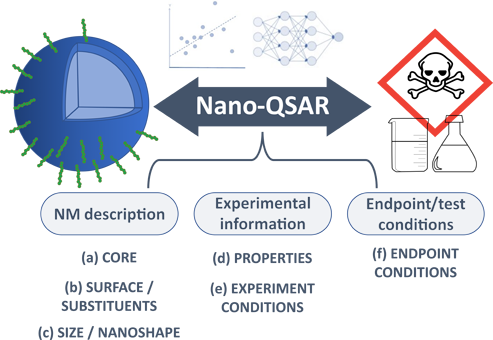
- structure of a series of molecules to a biological/physicochemical property or activity, mostly through the use of statistical tools. Once a model has been constructed, it can be used to predict the property or biological effect of new structures quickly and at a very low cost in comparison to experimental
- structure of NMs [5][6][7]. The first described nano-QSAR model is from 2009 [8], but the number of relevant nano-QSAR models is growing significantly because new nanoscale descriptors are found [6], and more information on NMs is progressively generated, opening new ways of improving nano-QSARs. This is an
- preparation and handling) will lead to different structural configurations and to different properties. Thus, the reported experimental conditions are significant, and they often need to be included in a predictive model. Finally, the quality of data is a key component in the development of QSAR models


Investigation on drag reduction on rotating blade surfaces with microtextures
Beilstein J. Nanotechnol. 2024, 15, 833–853, doi:10.3762/bjnano.15.70
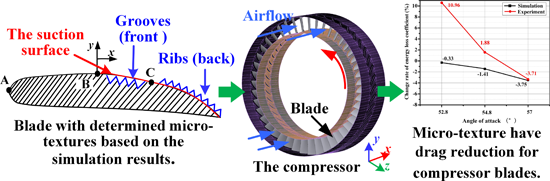
- microtextures to reduce the flow loss on the blade surfaces were carried out. First, based on the axisymmetric characteristics of the impeller, a new simulation method was proposed to determine the aerodynamic parameters of the blade model through the comparison of flow field characteristics and simulation
- blade surface To determine the geometry and position of the microtextures on the blade surface, a new simulation method is proposed based on the axisymmetric characteristics of rotating machinery. The complete flow domain model of the compressor was simplified into a single flow channel model, so that
- the flow field on the smooth blade surface could be obtained quickly and accurately. A flow diagram consisting of four steps is shown in Figure 3. Step 1 The compressor model has rotational symmetry, and each blade is uniformly installed on the compressor. Therefore, the compressor model was evenly


Intermixing of MoS2 and WS2 photocatalysts toward methylene blue photodegradation
Beilstein J. Nanotechnol. 2024, 15, 817–829, doi:10.3762/bjnano.15.68
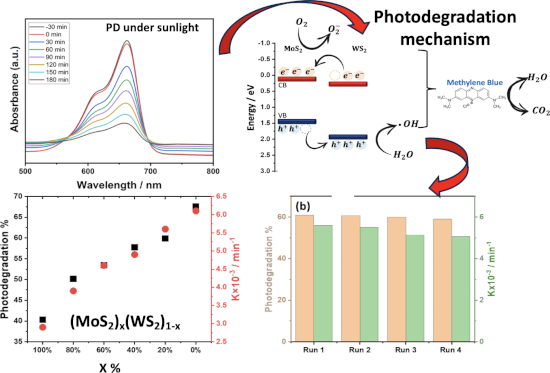
- Langmuir–Hinshelwood kinetics model, expressed by the following equation: The PD reaction rate constant, k, is the slope of Figure 7a. By plotting −ln(Ct/Co) as a function of t, it was observed that the oxidation of MB using the photocatalyst was well-fitted with the pseudo first-order reaction kinetics
- model [38]. Our results show a PD rate constant of 6.1 × 10⁻³ min−1 and 3.3 × 10⁻³ min−1 achieved by WS2 and MoS2, respectively. To evaluate the cyclability of our photocatalysts, we have conducted four consecutive PD runs. After each cycle (3 h), the MB dye solution was replaced with a fresh one to
- –Hinshelwood kinetics model as previously explained. Our results show a PD rate constant of 5.97 × 10⁻³ min−1 and 5.22 × 10⁻³ min−1 achieved under sunlight and solar simulator, respectively, as shown in Supporting Information File 1, Figure S6 and Figure S7). Generally, the photodegradation of organic


Synthesis of silver–palladium Janus nanoparticles using co-sputtering of independent sources: experimental and theorical study
Beilstein J. Nanotechnol. 2024, 15, 808–816, doi:10.3762/bjnano.15.67
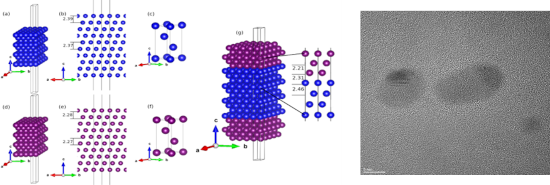
- 34,467 atoms arranged in a face-centered cubic (fcc) lattice. The atoms of one region of the particle were identified as Ag, while the other region was made of Pd. The model particles underwent a thermalization process with a molecular dynamics (MD) run in the canonical ensemble, at a temperature of 300
- validates the condensed gas technique for obtaining BNPs. As an aid for the interpretation of the experimental TEM micrographs, a set of simulated micrographs of model Janus particles were generated. Figure 2 and Figure 3 show that the BNPs consist of two distinct regions, differing from each other in
- intensity and atomic lattice. The crystal structures of Ag and Pd are quite similar; both elements are fcc with almost the same atomic mass, but their atomic radii differ by about 12%. We built a model of Janus particles formed by an fcc spherical volume where a Pd region partially covers an Ag region and




Electrospun polysuccinimide scaffolds containing different salts as potential wound dressing material
Beilstein J. Nanotechnol. 2024, 15, 781–796, doi:10.3762/bjnano.15.65
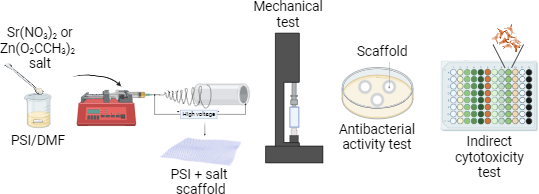
- Table 1. Electrospinning The PSI/DMF/salt solutions were placed in a syringe pump (NE-500 model, New Era Pump Systems, Inc., USA), and the flow rate was adjusted between 0.4 and 0.5 mL/h. In every case, the scaffolds were made from 1 mL of the solutions. The fibers were collected on an aluminum foil
- , which was placed on a slow rotary drum (10 rpm). The distance between the needle of the syringe and the collector was 15 cm in all cases. The applied voltages (direct current power supply, ES 30 Model, Gamma High Voltage Inc., USA) and flow rates are in Table 1. Fourier-transform infrared spectroscopy
- the samples were measured in a microplate reader (model 3550, Bio-Rad Laboratories, Japan) at 450 nm. A reference wavelength of 655 nm was also used. The statistical analysis of the relative cell viability values was done using one-way ANOVA in the GraphPad Prism 8.0.1 software (GraphPad Inc., USA



Exploring surface charge dynamics: implications for AFM height measurements in 2D materials
Beilstein J. Nanotechnol. 2024, 15, 767–780, doi:10.3762/bjnano.15.64
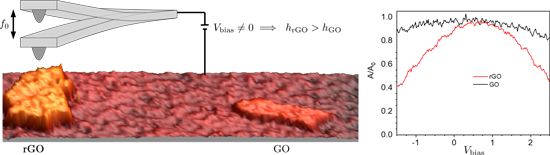
- , consequently, affect the measured height. To investigate this phenomenon, we conduct measurements on monolayer flakes of co-deposited graphene oxide and reduced graphene oxide. Subsequently, we introduce a general model that elucidates our observations. This approach offers valuable insights into the dynamics
- identify, in addition to the previously described interactions, an additional contribution to the tip–sample interaction due to the movement of charges on the surface induced by the oscillating tip. To understand and quantify this mechanism, we have proposed a very general model that solves Maxwell’s
- surface between two media. In a previous work, we studied the tip-less case, which we will use as the starting point for our model. Here, we just summarize the main aspects and refer to [78] for further details. Then, we include the tip influence by adding the appropriate boundary condition, which is time


Green synthesis of biomass-derived carbon quantum dots for photocatalytic degradation of methylene blue
Beilstein J. Nanotechnol. 2024, 15, 755–766, doi:10.3762/bjnano.15.63
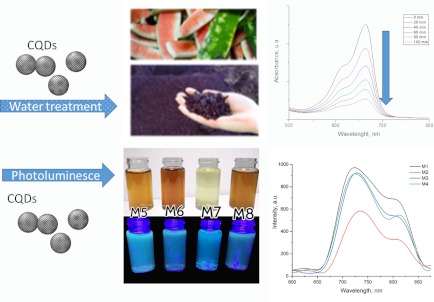
- saturation. Multiple measurements (at least three) were performed for each sample to ensure reliable and accurate measurements. A quartz cell with a 1 cm path length was used for the DLS measurements using a Malvern Zeta-sizer equipment model 7.2. Raman spectroscopy for all samples was performed in a Horiba
- value of the reaction mixture was kept constant during the test (pH 7). To initiate the catalytic process, each CQD sample was individually applied to the degradation of the MB dye. The UV–vis absorption spectrum of the dye was monitored using a spectrophotometer (Thermo Scientific Evolution model 220
- catalytic activity with each of the obtained samples, the curves were first fitted using the calculation of the reaction rate with the pseudo-first-order method. The calculation of the reaction rate constant can be performed using the first-order kinetic model. The first-order rate equation is given by


Level set simulation of focused ion beam sputtering of a multilayer substrate
Beilstein J. Nanotechnol. 2024, 15, 733–742, doi:10.3762/bjnano.15.61
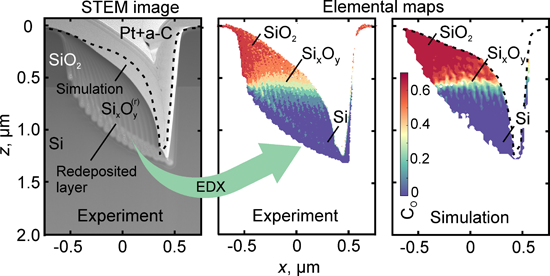
- krypton–carbon interaction potential [41] and the default surface binding model. For silicon atoms, both in chemically pure silicon and in silicon dioxide, the surface binding energy was set equal to 4.72 eV, while an oxygen surface binding energy of 2.58 eV was chosen according to [40]. The number of

![[Graphic 55]](/bjnano/content/inline/2190-4286-15-61-i68.svg?max-width=637&scale=1.18182)


Reduced subthreshold swing in a vertical tunnel FET using a low-work-function live metal strip and a low-k material at the drain
Beilstein J. Nanotechnol. 2024, 15, 713–718, doi:10.3762/bjnano.15.59
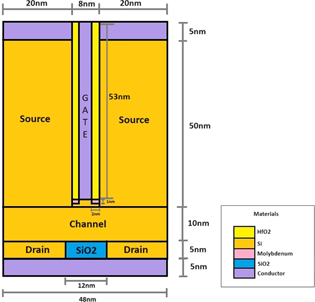
- previously published model, the proposed design uses a low-k material in the drain region to reduce Cgd. A metal strip with low work function placed at the source–channel interface causes an abrupt change in electron concentration, increasing the tunneling rate [14][15][16][17][18]. Molybdenum, used here as
- compared to the VTFET in [12] to demonstrate the effects of the low-work-function live strip and the low-k material. The device parameters used are listed in Table 1. Reference [12] used bandgap narrowing, Shockley–Read–Hall recombination, Lombardi's mobility model, and band-to-band (non-local) modeling
- Spacer) The proposed model VTFET with DLWLS + spacer is compared with the previously published work [12]. The Id vs Vgs curve of the model proposed here is better in terms of leakage current as illustrated in Figure 6. The off-current of the proposed model is 1.40 × 10⁻¹⁷ A/μm, while that of the model in


Elastic modulus of β-Ga2O3 nanowires measured by resonance and three-point bending techniques
Beilstein J. Nanotechnol. 2024, 15, 704–712, doi:10.3762/bjnano.15.58
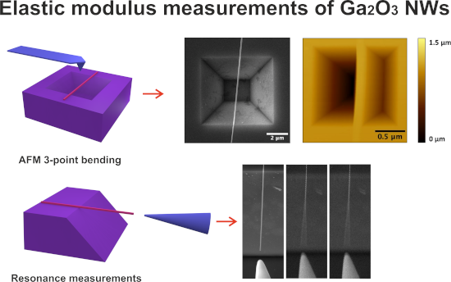
- these different methods arise from multiple factors. For instance, different NW growth mechanisms and sensitive synthesis conditions, their structural and geometrical variations, beam theory model validity, and the resolution of microscopy techniques leading to inaccurate measurements of the NW


Enhancing higher-order modal response in multifrequency atomic force microscopy with a coupled cantilever system
Beilstein J. Nanotechnol. 2024, 15, 694–703, doi:10.3762/bjnano.15.57

- traditional rectangular cantilever is weaker in air, which affects the sensitivity of multifrequency AFM detection. To address this issue, we previously proposed a bridge/cantilever coupled system model to enhance the higher-order modal response of the cantilever. This model is simpler and less costly than
- performance of the coupled system with that of traditional cantilevers and quantify the enhancement in higher-order modal response. Also, the optimal conditions for the enhancement of macroscale cantilever modal response are explored. Additionally, we also supplement the characteristics of this model
- micromachining the cantilever, which is costly and complex. To develop a simpler method to enhance the higher-order modal response of cantilever, we previously proposed a model based on a bridge/cantilever coupled system [19]. The model divides the rectangular cantilever into two parts, namely, the left clamped


Laser synthesis of nanoparticles in organic solvents – products, reactions, and perspectives
Beilstein J. Nanotechnol. 2024, 15, 638–663, doi:10.3762/bjnano.15.54
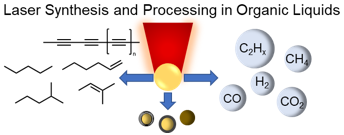
- as water and even aqueous solutes. Thus, this model formed the basis that enabled the derivation of yield functions for a variety of direct electron-mediated DNA damage pathways and indirect damage by •OH radicals resulting from laser and electron interactions with water [85]. In general, LSPC in
- colloidal Pt solution [138]. The chemical processes leading to the formation of polyynes are still not fully understood, but a few models have been proposed over the years. Tsuji et al. proposed a model for ns-LAL. They suggested a stepwise growth of hydrogen-capped polyynes by the addition of carbon
- result in higher carbon shell thicknesses for larger nanoparticles due to the decrease in surface-to-volume ratios of the nanoparticles [104][149]. Reichenberger et al. proposed a model formula (Equation 1) for the ablation in acetone to calculate the volume-specific nanoparticle surface area SNP and the





Stiffness calibration of qPlus sensors at low temperature through thermal noise measurements
Beilstein J. Nanotechnol. 2024, 15, 580–602, doi:10.3762/bjnano.15.50
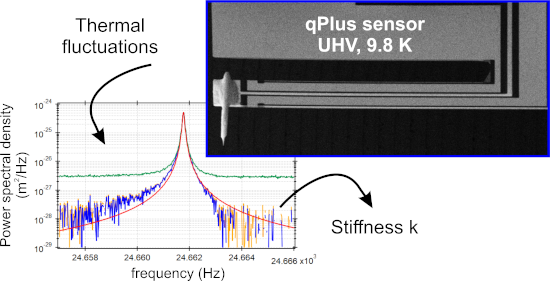
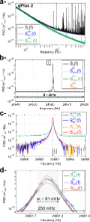
- files support our framework. They contain important results from the literature and are organized to help the reader to follow our developments. Supporting Information File 1 reminds the most salient results of the Euler–Bernoulli model and how it sustains the point-mass SHO equivalence. Supporting
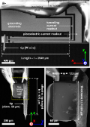
- qPlus sensor. The discussion is restricted to probes with a rectangular cross section (length l, thickness t, width w are such that l ≫ t and l ≫ w) treated in the Euler–Bernoulli model of the embedded beam, extensively detailed, for example, in [35] (cf. also Supporting Information File 1). The
- surrounding the probe [38], if described in the model, plays no role. Following Burnham’s classification [40], we essentially focus on two categories of non-destructive calibration methods, referred to as “geometric” and “thermal” methods. Geometric methods Geometric methods permit to calculate the stiffness

Radiofrequency enhances drug release from responsive nanoflowers for hepatocellular carcinoma therapy
Beilstein J. Nanotechnol. 2024, 15, 569–579, doi:10.3762/bjnano.15.49
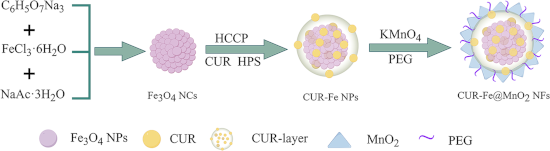
- release from CUR-Fe@MnO2 NFs in the simulated TME. Drug release kinetics model fitting was also performed. The Higuchi, Ritger–Peppas, zero-order, and first-order methods were used to fit the experimental data, and R2 and release constants were calculated, as shown in Table 1. Among them, the Higuchi
- model has the highest degree of fitting with the release of NFs in different simulated environments within 72 h, which indicates conformity with the Fick diffusion mechanism. Meanwhile, we found that RF heating does not affect the release kinetics model. Ritger–Peppas is a semiempirical model, and n is
- an indicator of the drug release mechanism, where n ≤ 0.45 represents the Fick diffusion. The n values calculated in this study are all less than 0.45, indicating that the CUR release from NFs is in accordance with the Fick diffusion. Similarly, the Higuchi model has the highest degree of fitting


Directed growth of quinacridone chains on the vicinal Ag(35 1 1) surface
Beilstein J. Nanotechnol. 2024, 15, 556–568, doi:10.3762/bjnano.15.48
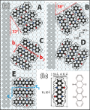
- found a hole mobility of 0.1 cm2·V−1·s−1 and a photocurrent of about 1 mA·cm−2. These observations were both attributed to a close packing of the molecules due to strong intermolecular H-bonds. The empirical formula of QA is C20H12N2O2, and a structural formula and a hard-sphere model of QA are
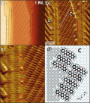
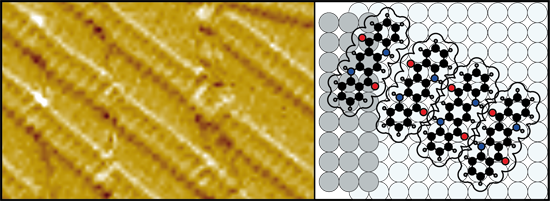
- chains across the steps, we propose the following model: We note that, because of the specific orientation and size of the molecules, the distance between the ends of the chains and the step edge can vary by one Ag(100) lattice constant (aAg(100) = 2.89 Å [31]). This is illustrated by the two models in
- orientation will be labeled E from now on. It does not occur on the nominally flat Ag(100) surface. This indicates that, on large terraces, the orientation E is less favorable than A–D, but it is stabilized by the step edges of the vicinal surface. A model of a chain with orientation E is illustrated in