


Search results
Search for "potential" in Full Text gives 1959 result(s) in Beilstein Journal of Nanotechnology. Showing first 200.
Performance optimization of a microwave-coupled plasma-based ultralow-energy ECR ion source for silicon nanostructuring
Beilstein J. Nanotechnol. 2025, 16, 484–494, doi:10.3762/bjnano.16.37

- pre- and post-bombardment changes in optical properties, resulting from nanopatterned surfaces, are investigated using UV–vis reflectivity measurements and correlated with the dimensions of the nanopatterns. This manuscript highlights the potential applications arising from these findings, emphasizing
- nanopatterned surfaces depending on the dimensions of the nanopatterns (i.e., wavelength and rms roughness). The potential applications of such nanopatterned silicon surfaces are highlighted. This article underscores the versatility of an optimized broad-beam ultralow-energy ion source, specifically in the
- contact with the plasma within the isolated plasma cup, serves to shift the plasma potential. By applying a voltage (e.g., +500 V) to the anode, the plasma potential is elevated to +500 V (plus the intrinsic plasma potential). When the sample is maintained at ground potential, the positive ions within the


Impact of adsorbate–substrate interaction on nanostructured thin films growth during low-pressure condensation
Beilstein J. Nanotechnol. 2025, 16, 473–483, doi:10.3762/bjnano.16.36

- desorption term Rd = −kdx1(1 − x2)exp(U(x1)/kBT) is defined by the desorption rate kd = ωexp(−Ed/kBT), where Ed is the desorption energy, and the interaction potential U(x1), including adsorbate–adsorbate and elastic adsorbate–substrate interactions. Transference reactions between layers describe a decrease
- )ln(1 − x1). The interaction potential U(x1) includes the term describing interaction between substrate and adsorbed particles Uel = with the strength > 0 (attractive interaction) and interactions between adsorbed particles described by the interaction potential It is defined through the binary
- attractive potential −u(r) of symmetrical form, , m = 1,…,∞. Following [30][31][32], we choose the Gaussian profile as a simple approximation for the interaction potential: where is the interaction strength and r0 is the interaction radius. Assuming that the adsorbate concentration does not vary


Effect of additives on the synthesis efficiency of nanoparticles by laser-induced reduction
Beilstein J. Nanotechnol. 2025, 16, 464–472, doi:10.3762/bjnano.16.35
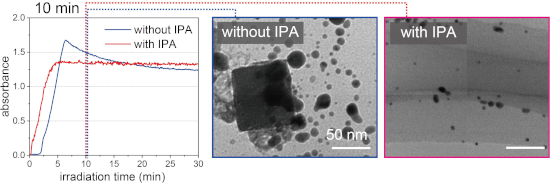
- , which have been difficult to synthesize using the LRL. In addition, the efficiency of nanoparticle synthesis has been dramatically improved, and the variety of materials that can be produced has increased. This expands the potential of nanoparticles synthesized by LRL to be used in industrial
- the formation of alloy nanoparticles in an equilibrium state. On the other hand, since LRL can form non-equilibrium alloy nanoparticles, it has the potential to provide alloy nanoparticles with properties that have not been yet possible to be obtained. The synthesis efficiency of the current system
- electrons reduce metal ions and contribute to the formation of nanoparticles [25][26]. On the other hand, the standard electrode potential of the hydroxyl radical (•OH) is +2.7 V, and it is a strong oxidizing species [33], so it is thought that it oxidizes the reduced metal atoms and clusters, inhibiting


Synthetic-polymer-assisted antisense oligonucleotide delivery: targeted approaches for precision disease treatment
Beilstein J. Nanotechnol. 2025, 16, 435–463, doi:10.3762/bjnano.16.34

- potential in precision disease treatment. Synthetic polymers have shown significant promise in enhancing the delivery, stability, and therapeutic efficacy of ASOs by addressing key challenges such as cellular uptake, endosomal escape, and reducing cytotoxicity. The review highlights key studies from the
- . Emerging strategies, including stimuli-responsive polymers and advanced nanoparticle systems, offer potential solutions to these challenges. The review underscores the transformative potential of polymer-enhanced ASO delivery in personalised medicine, emphasising the importance of continued innovation to
- latter ssASO drug contains 2′-O-2-methoxyethyl modifications, which allow for the inclusion of exon 7 in the gene SMN2. This promotes the production of SMN protein, ameliorating the symptoms of spinal muscular atrophy [40]. ASO-based therapeutics have demonstrated great potential in the expansion of


Quantification of lead through rod-shaped silver-doped zinc oxide nanoparticles using an electrochemical approach
Beilstein J. Nanotechnol. 2025, 16, 422–434, doi:10.3762/bjnano.16.33
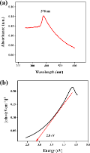
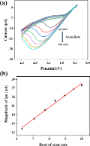
- ZnO frequently causes a reduction in the bandgap, leading to a shift toward longer wavelengths in the absorption spectra. The smaller bandgaps of the samples in optoelectronic devices provide a significant advantage [21]. Zeta potential of Ag@ZnO nanorods Surface properties of the synthesized Ag@ZnO
- NRs were studied using dynamic light scattering analysis, and their zeta potential was determined. Figure 5 represents the zeta potential of Ag@ZnO NRs. The samples were collected in the liquid state and the Ag@ZnO NRs zeta potential of ≈30 mV accounts for the stability of the nanoparticles in water
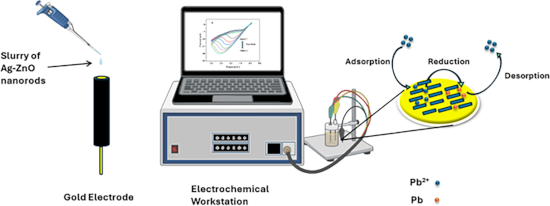
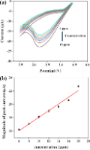
- vibrations, rotational energy, electronic energy levels, and scattering characteristics of Ag–ZnO nanorods. The Malvern Nano-ZS90 was utilized to determine the zeta potential of synthesized nanorods. Fabrication of the lead sensor / (Ag@ZnO nanorods/gold electrode) The obtained Ag@ZnO NRs served as an





Biomimetics and bioinspired surfaces: from nature to theory and applications
Beilstein J. Nanotechnol. 2025, 16, 418–421, doi:10.3762/bjnano.16.32

- understanding the biological systems and their potential as inspiration for innovation in producing biomimetic and bioinspired surfaces. Key topics included bioinspired micro- and nanostructured surfaces, and their tribological properties like friction, wear resistance, and adhesion. Discussions also addressed
- ) approach. For instance, Bartoli et al. [8] reviewed the potential applications of nanostructured carbon coatings – such as nanodiamonds, carbon nanotubes, and graphene-based materials – to improve interaction on the interface between medical implants and living cells. Several biological materials exhibit

Size control of nanoparticles synthesized by pulsed laser ablation in liquids using donut-shaped beams
Beilstein J. Nanotechnol. 2025, 16, 407–417, doi:10.3762/bjnano.16.31
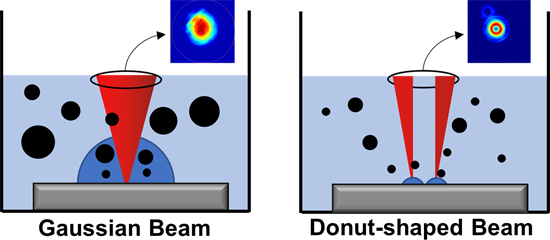
- GROC·UJI, Institute of New Imaging Technologies, Universitat Jaume I, Av. de Vicent Sos Baynat, s/n, 12071 Castellón, Spain 10.3762/bjnano.16.31 Abstract The potential to modify the size distribution of nanoparticles synthesized by pulsed laser ablation in liquids is demonstrated using a donut-shaped


ReactorAFM/STM – dynamic reactions on surfaces at elevated temperature and atmospheric pressure
Beilstein J. Nanotechnol. 2025, 16, 397–406, doi:10.3762/bjnano.16.30
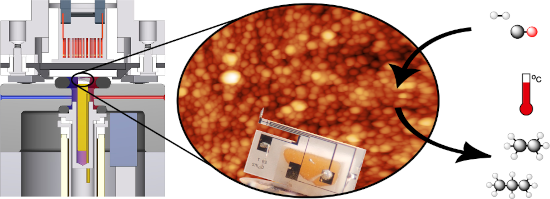
- tip is washed with isopropanol, then by Milli-Q water and dried with pure nitrogen gas. In the third step, the etched tip is cut to length and glued on by hand with silver epoxy to the free end of the tuning fork prong. Tip lengths are cut to approximately 200 μm to prevent unwanted potential lateral


Engineered PEG–PCL nanoparticles enable sensitive and selective detection of sodium dodecyl sulfate: a qualitative and quantitative analysis
Beilstein J. Nanotechnol. 2025, 16, 385–396, doi:10.3762/bjnano.16.29
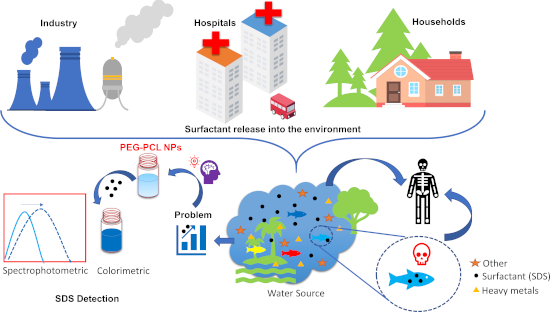
- inherent toxicity, and their post-synthesis functionalization is laborious for selective detection [25][26]. Furthermore, alternatives such as polymer nanoparticles emerged as potential candidates for detecting contaminants such as SDS. Fu et al. developed a method for detecting SDS using polyethyleneimine
- suggests a small degree of polydispersity, indicating that while the nanoparticles are relatively uniform, there is a slight variation in their sizes. The zeta potential of the PEG–PCL nanoparticles was measured to be −10.8 ± 4.50 mV (Figure 2b), suggesting that the nanoparticles possess a moderate
- negative surface charge. The zeta potential is a critical parameter for evaluating the stability of colloidal dispersions; typically, values greater than ±30 mV are associated with high stability due to strong electrostatic repulsion between particles [31]. Despite the zeta potential being less than ±30 mV


Development of a mucoadhesive drug delivery system and its interaction with gastric cells
Beilstein J. Nanotechnol. 2025, 16, 371–384, doi:10.3762/bjnano.16.28

- developed in this study is intended to be loaded with active therapeutic agents and has the potential to be used as an alternative drug delivery strategy for the treatment of gastric related diseases. Keywords: alginate; Eudragit RS100; mucoadhesive nanoparticles; mucus; smart drug delivery; Introduction
- Eudragit polymer. Particle size and zeta potential distribution The particle size distribution is an important parameter in drug delivery applications because it determines the transport across membranes. The Z-average diameters of Alg NPs and EudAlg NPs were 206.14 ± 32.31 and 219.22 ± 41.61 nm
- particles is also very important. The zeta potential of Alg nanoparticles is negative (−25.85 ± 7.7 mV), as expected, because of the presence of –COOH and –OH groups in the polymer. This may hinder its interaction with negatively charged surfaces like mucus because of charge repulsion [42]; in contrast


Vortex lattices of layered HTSCs at different vortex–vortex interaction potentials
Beilstein J. Nanotechnol. 2025, 16, 362–370, doi:10.3762/bjnano.16.27
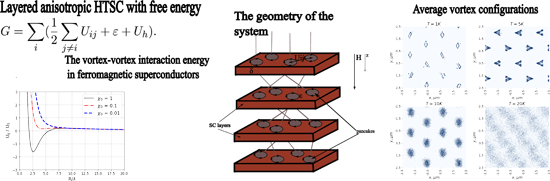
- using the Monte Carlo method within the framework of a two-dimensional model of a layered high-temperature superconductor. Interaction potentials close to the potential applicable in superconductors with the Ginzburg–Landau parameter κ = 1/2 (intertype superconductors) and in ferromagnetic
- superconductors have been analyzed. Clustering of the vortex system is demonstrated. The melting of a vortex lattice with increasing temperature has been studied. Keywords: high-temperature superconductor; HTSC; intertype superconductors; Monte Carlo method; vortex lattice; vortex–vortex interaction potential
- -range repulsion is still preserved, and the repulsion is also preserved at large distances (5–10λ) between vortex centers. As a result, the potential takes a shape characterized by one minimum and one fairly flat maximum [12][13][14]. The vortex lattice in an inclined magnetic field has also been


Pulsed laser in liquid grafting of gold nanoparticle–carbon support composites
Beilstein J. Nanotechnol. 2025, 16, 349–361, doi:10.3762/bjnano.16.26
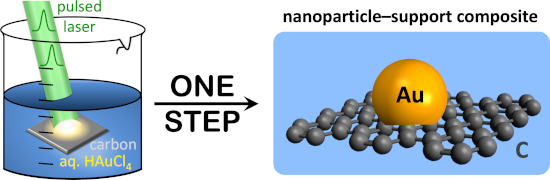
- resistances (R) and capacitances at all interfaces and the electrolyte. In our EIS measurements, the most relevant circuit element is the charge transfer resistance (Rct) between the gold nanoparticles and the graphitic carbon support, measured at open circuit potential so that electrochemical reactions do
- pulsed laser-grafted over conventionally prepared cathodes. Chronoamperometry data, collected at a constant applied potential of −1.3 V vs RHE, showed enhanced stability and mass activity of the pulsed laser-grafted gold nanoparticle–carbon fiber paper composite, compared to an analogous conventionally
- circuit potential, where no faradaic current flows [2], did not show product generation. This demonstrates that the gold nanoparticle–carbon fiber paper composite cathode electrocatalyzed hydrogen evolution in aqueous bicarbonate reduction (Figure 6C,D). Hydrogen can arise from the reduction of water


Graphene oxide–chloroquine conjugate induces DNA damage in A549 lung cancer cells through autophagy modulation
Beilstein J. Nanotechnol. 2025, 16, 316–332, doi:10.3762/bjnano.16.24
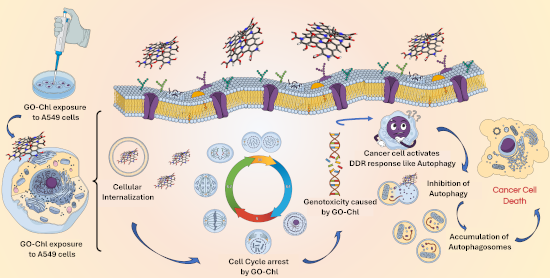
- of DDR either through autophagy modulation or poly (ADP-ribose) polymerase (PARP) inhibition could provide a better therapeutic response [6][7]. Recently, nanomedicine has shown immense potential/efficacy in the treatment of chemoresistant tumors by providing improved molecular targeting, better



Fabrication and evaluation of BerNPs regarding the growth and development of Streptococcus mutans
Beilstein J. Nanotechnol. 2025, 16, 308–315, doi:10.3762/bjnano.16.23
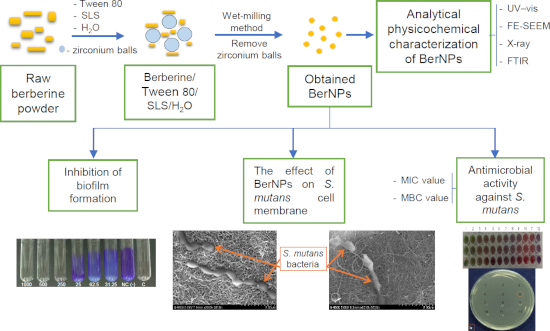
- prepared using a wet-milling method with zirconium balls to enhance bioavailability and expand potential applications. The particle size and physicochemical properties of the BerNPs were analyzed using field-emission scanning electron microscopy (FE-SEM), UV–vis spectroscopy, X-ray diffraction, and Fourier
- particle sizes results in a larger total surface area, thus significantly increasing biological activity and stability [20][28]. Compared to other studies, the size of the berberine nanoparticles obtained in this study was smaller, highlighting the significant application potential of the material. UV–vis
- ranging from 12.5 to 25.0 µg/mL [31]. However, there is limited research on the activity of BerNPs against S. mutans, a primary pathogen responsible for dental caries. This study aims to provide additional information on the potential and applications of BerNPs in the development of oral care products




Enhancing mechanical properties of chitosan/PVA electrospun nanofibers: a comprehensive review
Beilstein J. Nanotechnol. 2025, 16, 286–307, doi:10.3762/bjnano.16.22

- evaluate mechanical properties and provides a comparative analysis of different enhancement approaches. Applications in biomedical and industrial contexts are explored, showcasing the versatility and innovation potential of these nanofibers. Finally, current challenges are addressed, and future research
- , phase separation, self-assembly, and electrospinning. Electrospinning is considered the most versatile and widely used technique for nanofiber fabrication, offering greater control over fiber structures, higher productivity, simplicity, lower cost, and potential for industrial use [69][70


Emerging strategies in the sustainable removal of antibiotics using semiconductor-based photocatalysts
Beilstein J. Nanotechnol. 2025, 16, 264–285, doi:10.3762/bjnano.16.21
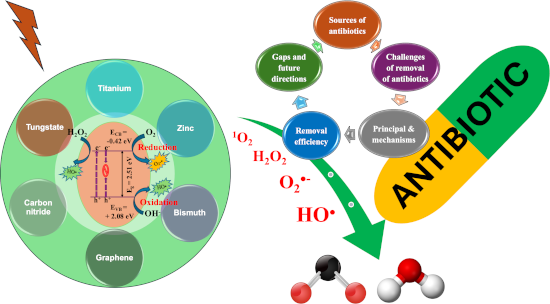
- semiconductor-based photocatalysts for the degradation of antibiotics (Figure 1). The appeal of photocatalysis lies in its potential to achieve extensive mineralization, converting organic pollutants into harmless mineral compounds. Furthermore, its nonselective nature enables it to address a broad spectrum of
- significant challenge. Persistence nature Certain antibiotics exhibit persistence and resist environmental degradation, resulting in prolonged contamination [49]. Additionally, they are classified as emerging contaminants because of ongoing research on their potential hazards and environmental impacts [50
- photocatalyst, initiating further reactions on the material surface. Photogenerated holes have the potential to directly target antibiotics (h+ + antibiotics → H2O + CO2 + degradation products). This process can possibly result in substantial destruction of the harmful antibiotics. Figure 3 illustrates the



Preferential enrichment and extraction of laser-synthesized nanoparticles in organic phases
Beilstein J. Nanotechnol. 2025, 16, 254–263, doi:10.3762/bjnano.16.20
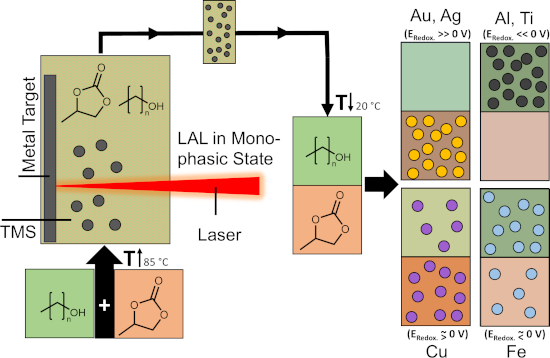
- system. The abundance of nanoparticles in PC or alcohol was found to correlate with the electrochemical reduction potential of the respective metal, where the noble metals were enriched within the more polar solvents. The polarity of the solvents (as function of the carbon chain length of the alcohol
- ) was found to direct both the nanoparticles’ phase selectivity and recovery after cycling. The observed correlations provide potential guidelines for nanoparticle extraction and size separation, relevant for phase transfer and cycling during homogeneous catalysis. Keywords: catalysis; laser ablation
- , changing the polarity of the non-polar solvent phase for the laser ablation of copper. Iron and copper stand in the middle of the investigated standard electrochemical reduction potential metal series and show quite interesting phase selectivity behavior. Moreover, cupreous nanoparticles are relevant for




Radiosensitizing properties of dual-functionalized carbon nanostructures loaded with temozolomide
Beilstein J. Nanotechnol. 2025, 16, 229–251, doi:10.3762/bjnano.16.18
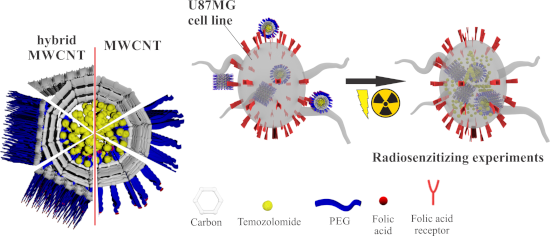
- aim to prepare nanocarriers with the potential to prolong the drug circulation time, cross the blood–brain–tumor barrier (BBTB), and provide targeted and controlled drug release in the brain tumor cells. Cytotoxicity and effects on cell membrane integrity of the blank and TMZ-loaded dual
- suitable for crossing the BBTB and targeting brain cancer cells. A biphasic drug release profile was observed for all functionalized TMZ-loaded formulations in simulated in vivo conditions, with a sustained release pointing to the potential for controlled release of TMZ in brain tumor cells. The
- apoptosis via activation of reactive oxygen species (ROS)-, caspase-, and mitochondrion-dependent pathways, such as p53-mPTP [13][17][18], and reduce the expression of voltage-dependent ion channel genes and extracellular receptors in glioma cells, damaging the cell membrane and changing its potential [19




Synthesis and the impact of hydroxyapatite nanoparticles on the viability and activity of rhizobacteria
Beilstein J. Nanotechnol. 2025, 16, 216–228, doi:10.3762/bjnano.16.17
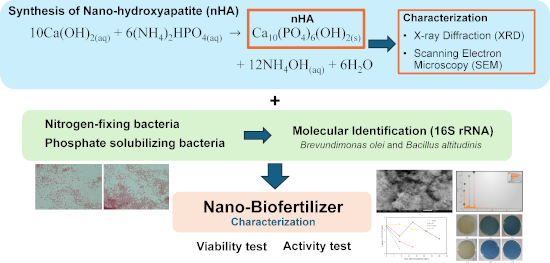
- rhizobacterium was identified with complete match to Brevundimonas olei strain Prd2. Similarly, Tb rhizobacterium showed 100% similarity to Bacillus altitudinis strain NPB34b. Based on this reseach, nanohydroxyapatite could be the potential carrier to protect rhizobacteria from external stressors and to maintain
- their viability over the long term. These findings indicate the potential of a nanohydroxyapatite–rhizobacteria system as a promising environmentally friendly fertilizer. Keywords: biofertilizer; carrier material; nanohydroxyapatite; rhizobacteria; Introduction In recent years, Indonesia has observed
- possess the potential to profoundly benefit plant growth, yield, and overall productivity. Moreover, they play a crucial role in bolstering plant resistance to pathogens, thereby enhancing plant resilience [2][3]. Preserving the viability of rhizobacteria during plant application presents a significant


Recent advances in photothermal nanomaterials for ophthalmic applications
Beilstein J. Nanotechnol. 2025, 16, 195–215, doi:10.3762/bjnano.16.16
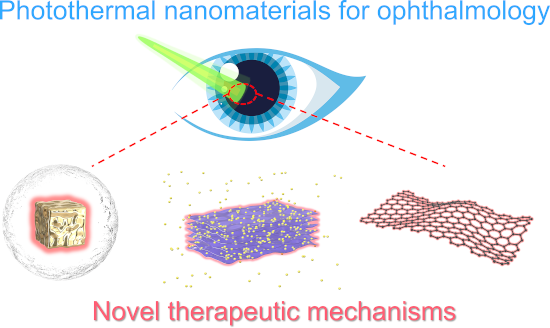
- nanomaterials, particularly well-suited for the transparent tissues of the eye, have emerged as a potential game changer. These materials enable precise and controllable photothermal therapy by effectively manipulating the distribution of the thermal field. Moreover, they extend beyond the conventional
- boundaries of thermal therapy, achieving unparalleled therapeutic effects through their diverse composite structures and demonstrating enormous potential in promoting retinal drug delivery and photoacoustic imaging. This paper provides a comprehensive summary of the structure–activity relationship between
- treatments pose significant barriers [5]. The evolution of nanotechnology has catalyzed the development of novel therapeutic technologies, with a plethora of nanomaterials exhibiting significant potential for nanotherapeutic applications [6][7][8]. Among these, photothermal nanomaterials hold promise in


Probing the potential of rare earth elements in the development of new anticancer drugs: single molecule studies
Beilstein J. Nanotechnol. 2025, 16, 187–194, doi:10.3762/bjnano.16.15

- , Minas Gerais, Brazil Departamento de Ciências Naturais, Universidade Federal do Acre, Rio Branco, Acre, Brazil 10.3762/bjnano.16.15 Abstract We use optical tweezers and atomic force microscopy to investigate the potential of rare earth elements to be used as anticancer agents in the development of new
- applications, rare earth elements are yet unexplored in the development of new drugs for cancer chemotherapies, and only a few works have pointed out the potential of such elements for this field [6][7][8]. An initial motivation to investigate the potential of rare earth elements for cancer treatments is the
- fact that some metals have been successfully used, or are being investigated, as components of chemotherapeutic drugs [9][10], especially platinum [11][12][13][14][15][16] or, alternatively, ruthenium [17], titanium [18], gold, and copper. Here we report the high potential of three rare earth elements


A review of metal-organic frameworks and polymers in mixed matrix membranes for CO2 capture
Beilstein J. Nanotechnol. 2025, 16, 155–186, doi:10.3762/bjnano.16.14
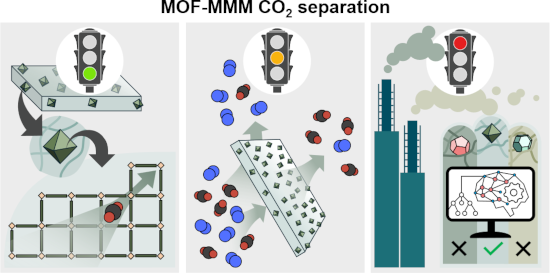
- , Aarhus University, Aabogade 40, 8200 Aarhus N, Denmark 10.3762/bjnano.16.14 Abstract Polymeric membranes offer an appealing solution for sustainable CO2 capture, with potential for large-scale deployment. However, balancing high permeability and selectivity is an inherent challenge for pristine
- the gas separation potential of MOF-based MMMs in CO2 capture applications are highlighted. Keywords: CO2 capture; gas separation; inorganic filler; metal-organic framework (MOF); mixed matrix membrane (MMM); Review 1 Introduction The continuous rise in global CO2 emissions has unfolded an era of
- compatibility between the inorganic filler and the organic membrane. Typically, the organic polymer membrane exhibits low affinity towards the inorganic filler. Accordingly, this severely limits the potential range of the different workable composites [84]. Therefore, large efforts have been made to identify




Clays enhanced with niobium: potential in wastewater treatment and reuse as pigment with antibacterial activity
Beilstein J. Nanotechnol. 2025, 16, 141–154, doi:10.3762/bjnano.16.13
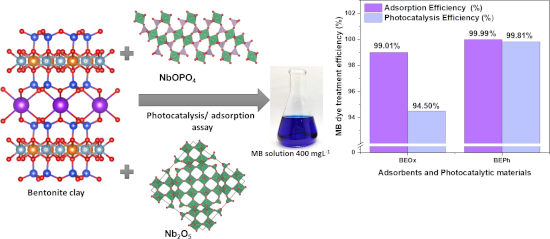
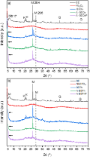
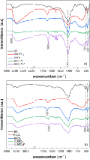
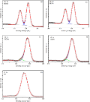
- for their potential as antibacterial hybrid pigments. The bentonite clay modified with niobium was prepared by a solution containing swelling clay mixed with niobium oxide (NbOx) and niobium phosphate (NbPh) in a water solution; after that, the suspension was calcinated. X-ray diffractometry, X-ray
- Guarapuava region in conjunction with niobium, an abundant metal in Brazil, is easily synthesized, cost-effective, and has potential to be used as a pigment in commercial paints. Moreover, it exhibits antibacterial properties against pathogens responsible for various diseases, including ocular and ear


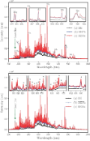
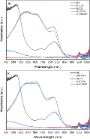

TiO2 immobilized on 2D mordenite: effect of hydrolysis conditions on structural, textural, and optical characteristics of the nanocomposites
Beilstein J. Nanotechnol. 2025, 16, 128–140, doi:10.3762/bjnano.16.12
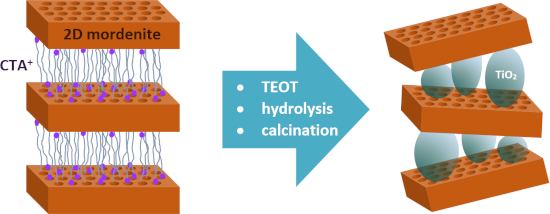
- hybrid zeolite–CTAB aggregates, inorganic pillars are pre-formed in the CTAB layers, which will keep the zeolite lamellae from collapsing when burning the organic phase. The flexibility in the choice of material to form pillars creates a wide range of potential new materials for targeted applications



Comparison of organic and inorganic hole transport layers in double perovskite material-based solar cell
Beilstein J. Nanotechnol. 2025, 16, 119–127, doi:10.3762/bjnano.16.11
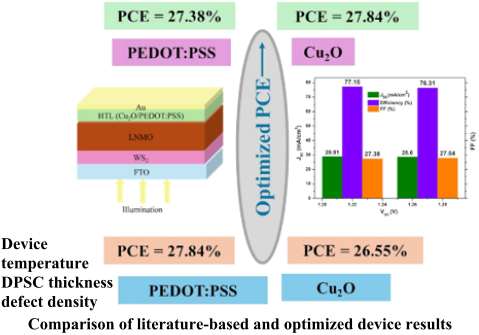
- 27.84% and 27.38% for Cu2O and PEDOT:PSS, respectively, with corresponding open-circuit voltages of 1.27 and 1.22 V, short-circuit current densities of 28.60 and 28.91 mA/cm2, and fill factors of 76.31% and 77.15%, respectively. These results highlight the potential of these HTLs for enhanced device
- work mainly explains the impact of HTLs on the double perovskite material because, until now, the efficiency is low in this type of solar cell. The results highlight the potential of these HTLs for enhanced device performance in DPSCs. Also, the optimized parameters from these studies indicate pathways
- equation is as follows [20]: where e is the electronic charge, ϕ is the electric potential, ε0 is the vacuum permittivity, εr is the relative permittivity, p(x) and n(x) are, respectively, hole and electron position dependence, ND is the shallow donor density, NA is the acceptor donor density, and ρp and





