Search results
Search for "quantification" in Full Text gives 262 result(s) in Beilstein Journal of Nanotechnology. Showing first 200.
Nano-engineered skin mesenchymal stem cells: potential vehicles for tumour-targeted quantum-dot delivery
Beilstein J. Nanotechnol. 2017, 8, 1218–1230, doi:10.3762/bjnano.8.123
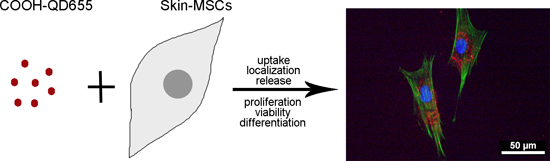
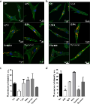
- proliferation of MSCs. The differentiation of MSCs into adipocytes, chondrocytes and osteocytes was not affected by the presence of QDs (Figure 5). Quantification assays for Alcian Blue staining and Alizarin Red S staining confirmed that QDs did not influence chondrogenesis and osteogenesis of skin MSCs (Figure
- % PFA for 30 min at room temperature. After fixation, cells were washed with PBS and stained with a 1% Alcian Blue staining solution in 0.1 M HCl overnight at room temperature. Stained cells were washed three times with 0.1 M HCl and imaged in water. Quantification of the Alcian Blue stain was achieved
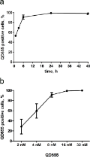
- Phalloidin Alexa Fluor488 (Thermo Fisher Scientific, USA) as previously described and analysed using confocal microscopy. Quantification of the QD fluorescent signal was achieved using Nis-Elements C 4.13 software. Single cell borders were defined according to the Phalloidin Alexa488 staining. The mean





Growth, structure and stability of sputter-deposited MoS2 thin films
Beilstein J. Nanotechnol. 2017, 8, 1115–1126, doi:10.3762/bjnano.8.113
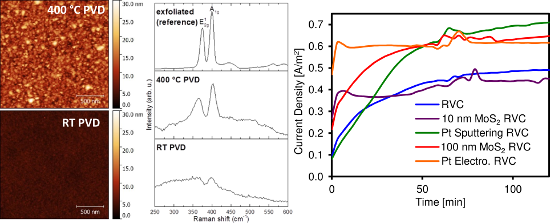
- TEM at 150 kV. EDX spectroscopy was performed in a Zeiss Supra 55VP SEM at 20 kV using an Oxford Instruments X-max detector and the INCA software for elemental composition quantification. Electrical measurements To investigate the conductivity of the MoS2 films two types of field effect transistor


ZnO nanoparticles sensitized by CuInZnxS2+x quantum dots as highly efficient solar light driven photocatalysts
Beilstein J. Nanotechnol. 2017, 8, 1080–1093, doi:10.3762/bjnano.8.110
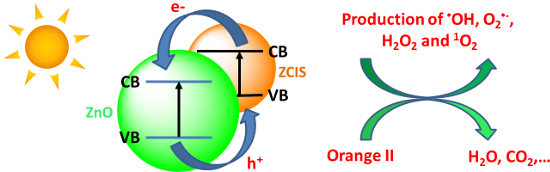
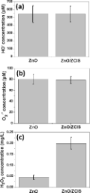
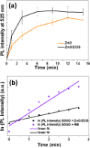
- was added and the mixture was incubated for 50 min at room temperature in the dark. The photoluminescence spectra were recorded in order to estimate the formation of 2-OH-DST (λex = 300 nm). The quantification of •OH production was conducted according to the method we recently described [42




CVD transfer-free graphene for sensing applications
Beilstein J. Nanotechnol. 2017, 8, 1015–1022, doi:10.3762/bjnano.8.102
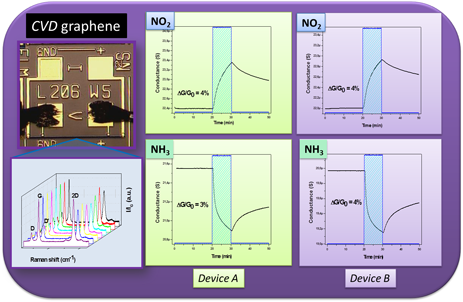
- analyte adsorption rather than the kinetics of the surface reactions. From this analysis a predisposition of transfer-free CVD graphene towards NO2 detection has clearly emerged. The remarkable control on the sensing film geometry, which is specific to the presented technique, enables a quantification of


Needs and challenges for assessing the environmental impacts of engineered nanomaterials (ENMs)
Beilstein J. Nanotechnol. 2017, 8, 989–1014, doi:10.3762/bjnano.8.101
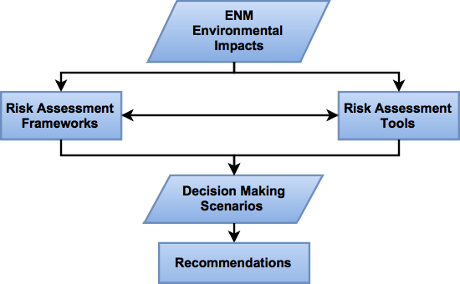
- – Review of Health and Environmental Safety: Human health and Ecological Risk Assessment (ENRHES RA) [46], Risk Quantification based on Probabilistic Mass Flow Modeling Analysis (PMFA Risk Assessment) [47], Forecasting of the Impacts of Nanomaterials in the Environment (FINE) based on Bayesian Networks (BN
- of Health and Environmental Safety: Human Health and Ecological Risk Assessment (ENRHES RA), (g) Risk Quantification based on Probabilistic Mass Flow Analysis (PMFA risk quantification), (h) Forecasting of the Impacts of Nanomaterials in the Environment (FINE) based on Bayesian Networks (BN), and (i

Phospholipid arrays on porous polymer coatings generated by micro-contact spotting
Beilstein J. Nanotechnol. 2017, 8, 715–722, doi:10.3762/bjnano.8.75
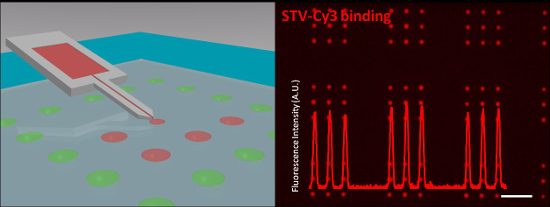
- microscopy and quantification of signal Fluorescence microscopy was carried out on an Eclipse 80i upright microscope (Nikon Instruments Inc.). Fluorescence images were taken with 10× or 20× objectives. Images were recorded with a CoolSNAP HQ2 camera (Photometrics). Patterns were aligned for imaging by using


The longstanding challenge of the nanocrystallization of 1,3,5-trinitroperhydro-1,3,5-triazine (RDX)
Beilstein J. Nanotechnol. 2017, 8, 452–466, doi:10.3762/bjnano.8.49
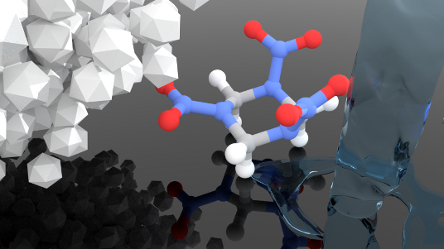
- quantification by Rietveld or full pattern matching methods would have been useful to follow the conversion with time. Dry production methods Physical vapor deposition (PVD) In 2002, Frolov and Pivkina first reported on a vacuum condensation process for high energetic materials [38][39][40]. The vacuum


Study of the surface properties of ZnO nanocolumns used for thin-film solar cells
Beilstein J. Nanotechnol. 2017, 8, 446–451, doi:10.3762/bjnano.8.48
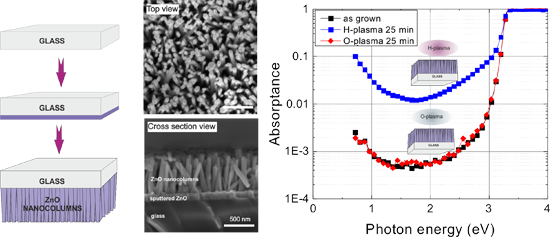
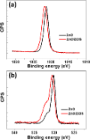
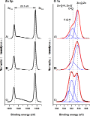
- profiles. The analyzer transmission function, Scofield sensitivity factors, and effective attenuation length for photoelectrons were applied for quantification. All spectra were referenced to the adventitious C 1s peak at a binding energy (BE) of 285.0 eV. The BE scale was controlled on standards of poly



Uptake of the proteins HTRA1 and HTRA2 by cells mediated by calcium phosphate nanoparticles
Beilstein J. Nanotechnol. 2017, 8, 381–393, doi:10.3762/bjnano.8.40
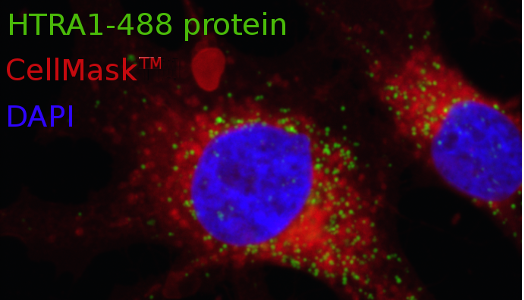
- dispersion in biological media containing proteins (like RPMI/10% FCS) is much better due to the formation of a protein corona [48][49]. The concentration of the labelled proteins was determined by UV–vis spectroscopy (Table 2). Table 3 gives the quantification data of the functionalized nanoparticles, where


Surface-enhanced Raman scattering of self-assembled thiol monolayers and supported lipid membranes on thin anodic porous alumina
Beilstein J. Nanotechnol. 2017, 8, 74–81, doi:10.3762/bjnano.8.8
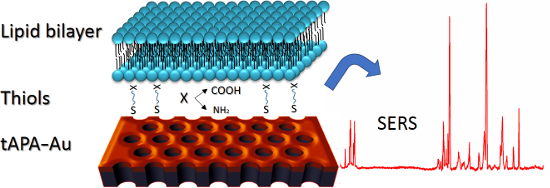
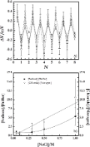
- quantification of the adsorbed mass onto the surface of a vibrating Au-coated quartz electrode through the measurement of the mass-induced frequency shift. Additionally, the measurement of the dissipation gives indication about the viscoelastic properties of the adsorbed layer. The quartz–Au substrate was thus


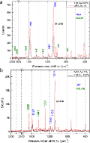

The cleaner, the greener? Product sustainability assessment of the biomimetic façade paint Lotusan® in comparison to the conventional façade paint Jumbosil®
Beilstein J. Nanotechnol. 2016, 7, 2100–2115, doi:10.3762/bjnano.7.200
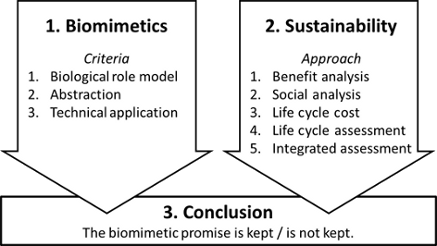
- utility. In order to be able to finally assess which product, over the entire observation period and with regard to all relevant aspects of utility, performs as the better product, a systematic and integrated evaluation is required. A robust quantification of the functional utility of the two compared
- or, in other terms, an arbitrary shortening of the service life time. On the other hand the efforts of a façade cleaning after 7.5 years have been analysed. This allows a quantification of the aspects of utility, depending on customer behaviour, even though this means quantifying “value choices“. It


A novel electrochemical nanobiosensor for the ultrasensitive and specific detection of femtomolar-level gastric cancer biomarker miRNA-106a
Beilstein J. Nanotechnol. 2016, 7, 2023–2036, doi:10.3762/bjnano.7.193
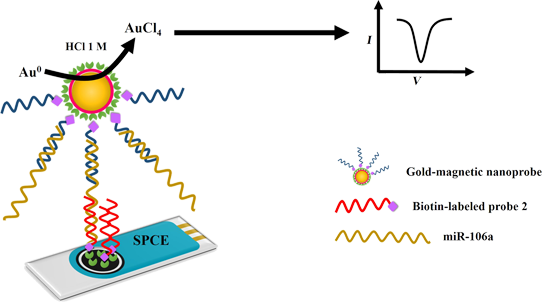
- were 3.2% and 2.2%, respectively, and the inter-assay reproducibility was 5.5% and 4.8%, respectively. These results demonstrate that the fabricated miRNA-nanobiosensor promises an efficient quantification process with trace detection limit and acceptable reproducibility, which is really valuable in
- /SPCEs with the freshly-prepared ones over a 10-week period. As the results show (Figure S4), the response of miRNA-nanobiosensor remained quite stable up to eight weeks and after that, there was a loss in signal strength of about 30% [43][47]. miR-106a quantification in spiked and real samples The
- expression of cancer-associated miRNA-106a in serum can be screened as a valuable non-invasive biomarker of GC. However, quantification methodologies are only useful if they are able to detect miRNA in serum, despite of background noises generated from serum factors. Table 1 shows the analyses of spiked


Chitosan-based nanoparticles for improved anticancer efficacy and bioavailability of mifepristone
Beilstein J. Nanotechnol. 2016, 7, 1861–1870, doi:10.3762/bjnano.7.178
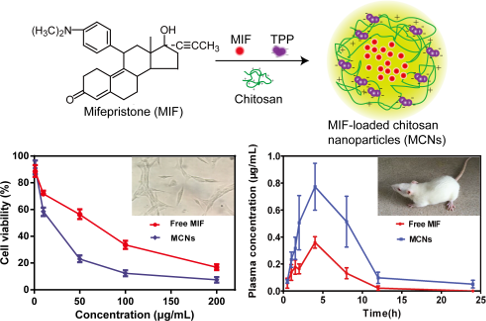
- 100 μL of methanol–water solution (50:50 v/v) followed by vortex-mixing for 3 min and then centrifuged at 15,000 rpm for 10 min. Afterwards, a 4 μL aliquot of the supernatant was injected into the chromatographic systems for analysis. Quantification The MIF concentration in plasma was determined using


Surface-enhanced infrared absorption studies towards a new optical biosensor
Beilstein J. Nanotechnol. 2016, 7, 1736–1742, doi:10.3762/bjnano.7.166
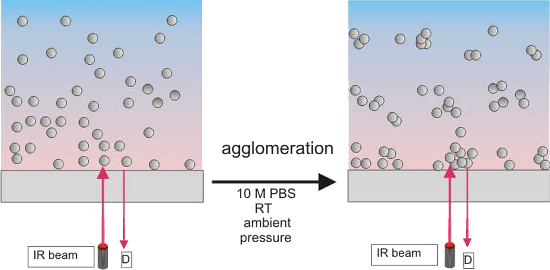
- -enhanced infrared absorption (SEIRA); Introduction Optical biosensors play an important role in the detection and quantification of analytes. Among others, some applications include point-of-care testing (POCT), the monitoring of blood, urine, sudor and respiratory air, and the search for metabolites and
- different measurement techniques in order to gain more information. One idea is to operate a Mach–Zehnder interferometer (MZI) in the mid-infrared, thus combining the interferometric information (quantification) with the characteristic fingerprint (identification) of the attached analyte [6]. An example of
- to the mid-infrared regime, the sensitivity to changes in film thickness is reduced compared to the visible wavelength regime, as the mid-IR wavelength regime is larger by a factor of 12–35 as compared to the visible region. Therefore, IR is less suited for detection and quantification of small


Antitumor magnetic hyperthermia induced by RGD-functionalized Fe3O4 nanoparticles, in an experimental model of colorectal liver metastases
Beilstein J. Nanotechnol. 2016, 7, 1532–1542, doi:10.3762/bjnano.7.147
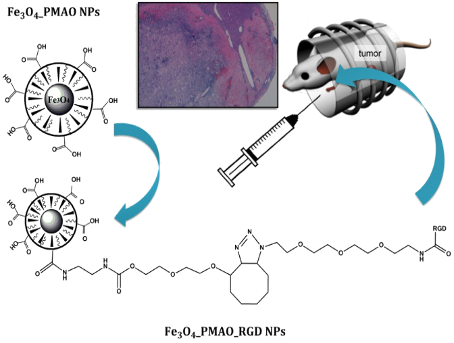
- animals was only raised by 2.4 °C could be due to the dispersion of heat by the blood flow through those parts of the animal not within the focus of the EA. After hyperthermia, the rats were sacrificed and tumor and liver tissue samples were obtained for quantification of iron content and for pathologic


The effect of dry shear aligning of nanotube thin films on the photovoltaic performance of carbon nanotube–silicon solar cells
Beilstein J. Nanotechnol. 2016, 7, 1486–1491, doi:10.3762/bjnano.7.141
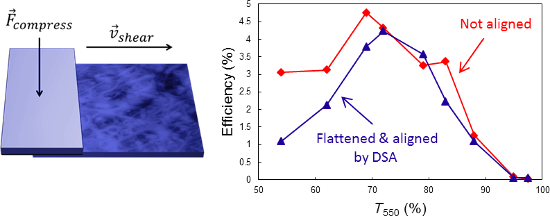
- are many (n,m) species in the distribution, with the M11 region also displaying several components. The data is presented in Figure 2a on the familiar absorbance scale but a simple conversion yields the T550 value commonly used in the quantification of transparent films’ performance. The isotropic


An ellipsometric approach towards the description of inhomogeneous polymer-based Langmuir layers
Beilstein J. Nanotechnol. 2016, 7, 1156–1165, doi:10.3762/bjnano.7.107
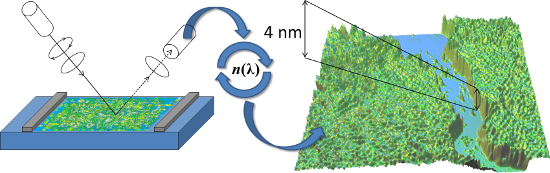
- several hundred micrometers. The conversion into thickness maps allows the additional quantification of observed morphologies of certain regions within one map. This helps to investigate and describe inhomogeneous Langmuir layers. Such applications are definitely not limited to polymer-based Langmuir


Voltammetric determination of polyphenolic content in pomegranate juice using a poly(gallic acid)/multiwalled carbon nanotube modified electrode
Beilstein J. Nanotechnol. 2016, 7, 1104–1112, doi:10.3762/bjnano.7.103
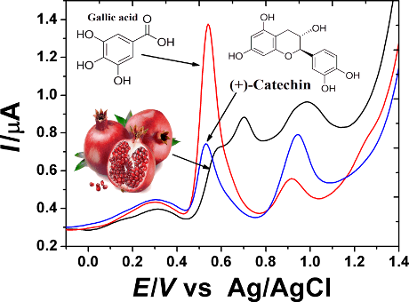
- phosphotungstic blue is relative to the number of aromatic phenolic groups and is used for their quantification, using gallic acid as a standard. An aliquot of 20 μL of the raw juice, 1.58 mL of water and 100 μL of Folin–Ciocalteu reagent was mixed. After waiting 8 min, 300 μL of a solution of sodium carbonate


Advanced atomic force microscopy techniques III
Beilstein J. Nanotechnol. 2016, 7, 1052–1054, doi:10.3762/bjnano.7.98

- and compared with theoretical predictions [12][13], and local charges within single molecules can be measured [14][15], however, the quantification is still under intense discussion. Chemical reactions are triggered and imaged by the AFM tip [16][17] and of course the technique is not limited to
Improved biocompatibility and efficient labeling of neural stem cells with poly(L-lysine)-coated maghemite nanoparticles
Beilstein J. Nanotechnol. 2016, 7, 926–936, doi:10.3762/bjnano.7.84
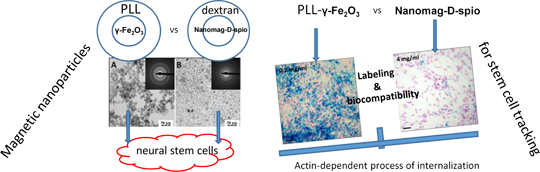
- was used. The quantification of cell labeling by cytometry was considered superior to Prussian blue image quantification due to the possible adherence of stain both to the cells and to the coated dish surface. By using flow cytometry and measuring the increase of the side scattered light (SSC) of the




Novel roles for well-known players: from tobacco mosaic virus pests to enzymatically active assemblies
Beilstein J. Nanotechnol. 2016, 7, 613–629, doi:10.3762/bjnano.7.54
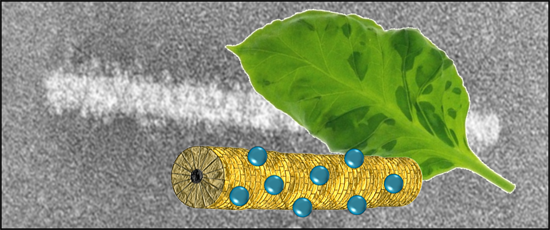
- enabled a colorimetric detection of catalytic activity and the quantification of glucose [152][166][167]. Specifically, GOx catalyzes glucose oxidation to D-glucono-1,5-lactone, thereby producing hydrogen peroxide [168]. This is a substrate for HRP, which reduces it to water, and, as a side reaction, can


Nanoscale effects in the characterization of viscoelastic materials with atomic force microscopy: coupling of a quasi-three-dimensional standard linear solid model with in-plane surface interactions
Beilstein J. Nanotechnol. 2016, 7, 554–571, doi:10.3762/bjnano.7.49
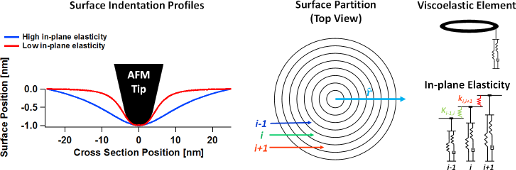
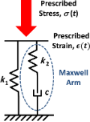
- . Regarding the quantification of elastic sample behaviors within periodic dynamic measurements, it is important to point out the two frequency limits for which the response of the 1D SLS model is purely elastic (see Figure 2). At zero frequency (or infinite deformation time scale) the complex modulus is


Hydration of magnesia cubes: a helium ion microscopy study
Beilstein J. Nanotechnol. 2016, 7, 302–309, doi:10.3762/bjnano.7.28
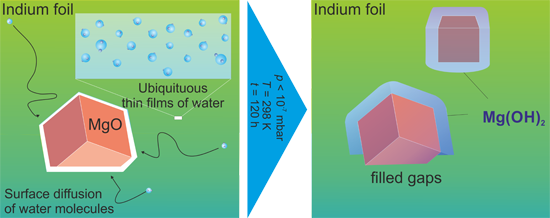
- (d–f) 4 days in the HIM chamber (chamber pressure p < 3·10−7 mbar). Significant volume increase, rounding of the edges, and partial fusion of the particles was observed (see arrows in micrographs). (HIM SE images digitally magnified from Figure 1.) Quantification of morphological changes: Curves


Mismatch detection in DNA monolayers by atomic force microscopy and electrochemical impedance spectroscopy
Beilstein J. Nanotechnol. 2016, 7, 220–227, doi:10.3762/bjnano.7.20
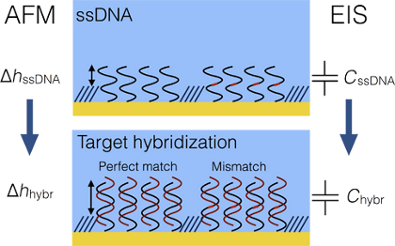
- to the electrode surface. Conclusion: We demonstrate here two platforms based on different sensing strategies as sensitive and selective tools to discriminate mismatches. Our assays are ready for parallelization and can be used in the detection and quantification of single nucleotide mismatches in


3D solid supported inter-polyelectrolyte complexes obtained by the alternate deposition of poly(diallyldimethylammonium chloride) and poly(sodium 4-styrenesulfonate)
Beilstein J. Nanotechnol. 2016, 7, 197–208, doi:10.3762/bjnano.7.18
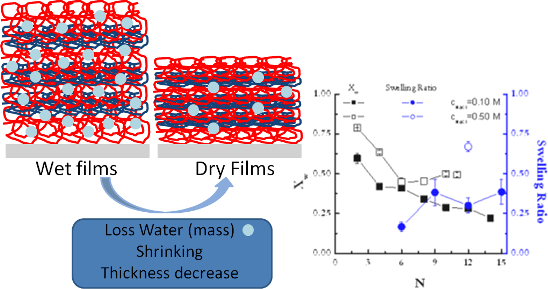
- temperature [13]. In the last years, a lot of theoretical and experimental research effort has been spent to understand the different growth mechanisms that appear during the alternate deposition of the layers, the quantification of the adsorbed amount of material in each adsorption cycle, as well as the