


Search results
Search for "surface" in Full Text gives 2438 result(s) in Beilstein Journal of Nanotechnology. Showing first 200.
Development of a mucoadhesive drug delivery system and its interaction with gastric cells
Beilstein J. Nanotechnol. 2025, 16, 371–384, doi:10.3762/bjnano.16.28

- of the mucoid surface [17]. Eudragit RS100 polymer has been used for several applications aimed at different sites of the body such as skin [18], intestinal [16], intranasal [19], or ocular [20] drug delivery. This broad range of application sites is possible because pH-independent swelling of the
- surface area for adhesion. Also, mucus penetration would be hindered because of the mesh-like structure of mucin. For therapeutics that have gastric mucosa as target, this might limit the efficiency and decrease the drug absorption at the site. A smaller particle size, however, is advantageous because of
- the larger surface-area-to-volume ratio, which may result in more contact points with the tissue and increased mucoadhesion [27]. In addition, a nanoscale size leads to improved penetration through the pores of the mucin network, which have a size of approximately 500 nm [9][28], enhanced retention


Pulsed laser in liquid grafting of gold nanoparticle–carbon support composites
Beilstein J. Nanotechnol. 2025, 16, 349–361, doi:10.3762/bjnano.16.26
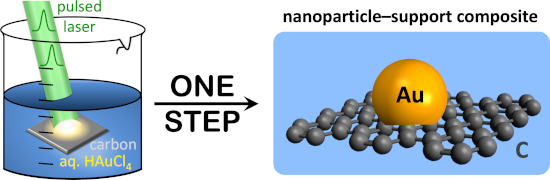
- nanoparticles with their surface attachment and solves longstanding nanoparticle adhesion and electrical contact issues. Irradiation of hydrophilic carbon fiber paper submerged in aqueous HAuCl4 solution by nanosecond laser pulses produced composites with uniform distribution of gold nanoparticles on carbon
- fibers, taking advantage of the high internal surface area of carbon fiber paper. The pulsed laser-grafted composites exhibited zero measurable charge transfer resistance between gold nanoparticles and the carbon support, leading to superior cathode performance over conventionally prepared electrodes for
- that integrates the generation of nonequilibrium gold nanoparticles with their surface attachment on carbon fiber paper. This pulsed laser grafting approach solves longstanding adhesion and electrical contact issues. Instead of attaching ligand-capped nanoparticles to supports, nanoparticles are seeded


Tailoring of physical properties of RF-sputtered ZnTe films: role of substrate temperature
Beilstein J. Nanotechnol. 2025, 16, 333–348, doi:10.3762/bjnano.16.25
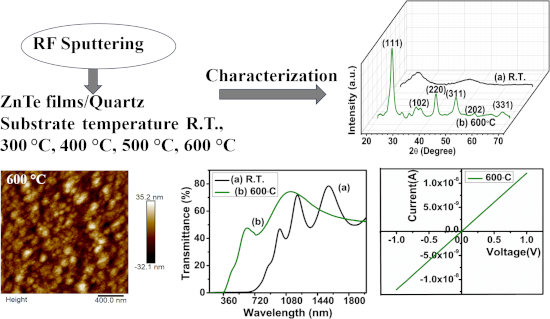
- the optical bandgap of the films can be tuned from 1.47 ± 0.02 eV to 3.11 ± 0.14 eV. The surface morphology of the films studied using atomic force microscopy reveals that there is uniform grain growth on the surface. Various morphological parameters such as roughness, particle size, particle density
- resistivity of the films depends on the structure, grain boundary defects, and surface morphology of the films. These properties can be altered by varying the deposition method as well as the deposition parameters. In literature, there are several reports of zinc telluride films deposited using various
- ellipsometry (SE). The experimental parameters ψ and Δ were recorded at an incident angle of 70° with respect to film surface using a SENTECH ellipsometer in the wavelength range of 200–1000 nm. The thickness of the films was found to be 940 ± 0.53 nm, 623 ± 0.16 nm, 563 ± 0.02 nm, 337 ± 0.02 nm, and 200




Graphene oxide–chloroquine conjugate induces DNA damage in A549 lung cancer cells through autophagy modulation
Beilstein J. Nanotechnol. 2025, 16, 316–332, doi:10.3762/bjnano.16.24
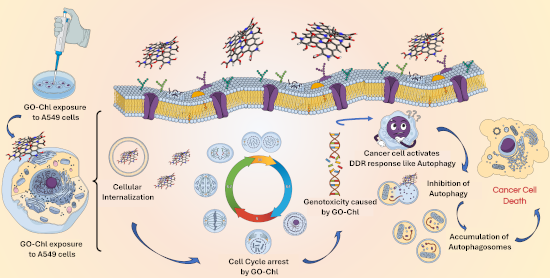
- equivalent of KMnO4 (added in two steps of 3 equiv each) were used relative to the graphite powder used. Chloroquine binds to the surface of graphene oxide nanosheets through noncovalent π–π interactions between the quinoline ring of Chl and the sp2 hybrid π-bonded carbon framework of graphene oxide. The
- -bonded networks and chromophore aggregation due to the presence of C=C, C=O, and C–O bonds [41]. The presence of a shoulder band around 295 nm corresponds to the well-defined n–π* electronic transitions due to the presence of C=O functional groups on the surface of GO. The appearance of the Chl
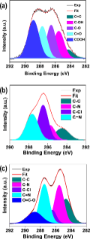
- ), 21.54% (C=O), 20.83% (C–O), and 20.09% (C–OH) in comparison to 7.27% (C=C) confirms the high content of oxygen-containing functional group on the surface of GO nanosheets. In contrast, the deconvoluted C (1s) core level of GO–Chl reveals the presence of GO and Chl associated C=C, C–N, C=N, C–Cl and COOH



Fabrication and evaluation of BerNPs regarding the growth and development of Streptococcus mutans
Beilstein J. Nanotechnol. 2025, 16, 308–315, doi:10.3762/bjnano.16.23
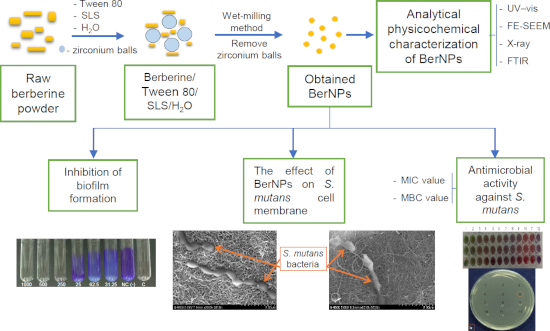
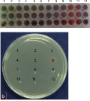
- -transform infrared spectroscopy. The broth dilution method was used to determine the antimicrobial activity of the BerNPs against Streptococcus mutans (S. mutans). The impact of the BerNPs on the cell surface of S. mutans was evaluated through FE-SEM analysis, focusing on its ability to inhibit biofilm
- progression of tooth decay is directly related to the ability of bacteria to penetrate the tooth surface and form plaque. A combination of bacteria in dental plaque causes tooth decay. Among the more than 700 species of bacteria in dental plaque, most belong to the genus Streptococcus. Research on dental
- . mutans can ferment carbohydrates, primarily sucrose and glucose or by-products in saliva, to produce weak organic acids. These acids lead to tooth surface demineralization and the subsequent enamel loss, resulting in tooth decay [6][7]. Furthermore, the biofilm formation by S. mutans contributes to




Enhancing mechanical properties of chitosan/PVA electrospun nanofibers: a comprehensive review
Beilstein J. Nanotechnol. 2025, 16, 286–307, doi:10.3762/bjnano.16.22

- . Key strategies for improvement are analyzed, including material modifications through blending and structural modifications like fiber orientation and multilayer constructions, and surface modifications such as coating and functionalization. The review also covers advanced characterization methods to
- sensitive compounds [3]. Electrospun nanofibers exhibit a large surface area, high porosity, and small pore size, making them useful for a wide range of applications, as shown in Figure 1. Chitosan/polyvinyl alcohol (PVA) electrospun nanofibers have many applications, including water treatment, biomedical
- , including irregular fluid jet movement, variations in surface tension, and sensitivity to external parameters such as temperature, humidity, and airflow. These factors can disrupt the uniformity of the fiber formation. When the fiber jets are drawn in the direction of the electric field force, the polymer


Emerging strategies in the sustainable removal of antibiotics using semiconductor-based photocatalysts
Beilstein J. Nanotechnol. 2025, 16, 264–285, doi:10.3762/bjnano.16.21
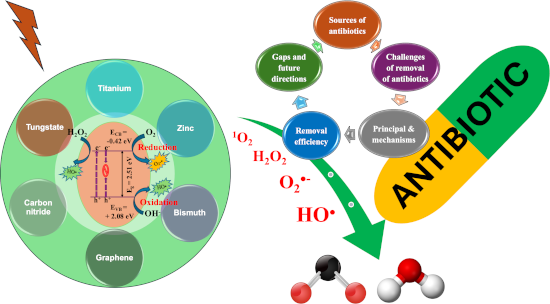
- enhanced antibiotic degradation from contaminated water. The discussion also includes concluding remarks and future directions of emerging techniques for sustainable wastewater treatment. Review Sources of antibiotics The primary sources of antibiotics in surface water include animal husbandry and
- advanced methods, including sol–gel, hydrothermal, solvothermal, precipitation and template-assisted techniques [53]. The synthesis method chosen often depends on factors such as the desired crystal structure, particle size, surface area, and photocatalytic activity required for the specific application
- bandgap, electrons (e−) in the valence band (VB) transition to the conduction band (CB), resulting in the formation of holes (h+) in the VB (photocatalyst + hν → photocatalyst + h+ + e−) [54][55]. Afterwards, the electrons and holes are effectively separated and move toward the surface of the



Preferential enrichment and extraction of laser-synthesized nanoparticles in organic phases
Beilstein J. Nanotechnol. 2025, 16, 254–263, doi:10.3762/bjnano.16.20
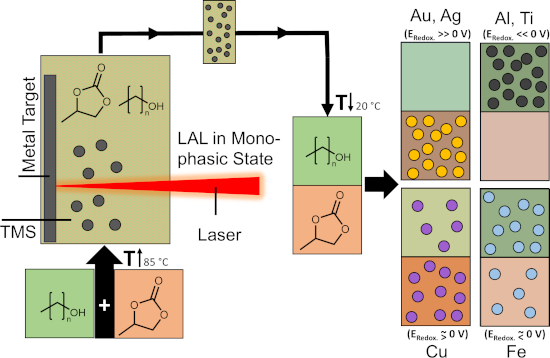
- properties and surface chemistry of the gained colloids. The use of organic solvents as liquid may result in reactive LAL processes [1][10] that cause elements from the solvent molecules (and solutes) to be part of the final nanoparticle’s composition. The solvent decomposition induced by laser-based
- ], and/or carbon shells on the nanoparticle surface [7]. These carbon shells are either amorphous or graphitic [7][8][30], while doping of the shells [31] is also possible. Besides carbon formation, the choice of organic solvent influences the properties of the generated nanoparticles and process
- their surface chemistry will affect the particles’ wettability or hydrophobicity, the phase transfer between two liquid phases with different polarities has not been investigated previously. We approached this issue by using thermomorphic multiphase systems (TMSs), switchable mixtures that can change




Correction: AFM-IR investigation of thin PECVD SiOx films on a polypropylene substrate in the surface-sensitive mode
Beilstein J. Nanotechnol. 2025, 16, 252–253, doi:10.3762/bjnano.16.19

- /bjnano.16.19 Keywords: AFM-IR; polypropylene; surface-sensitive mode; silicon oxide; thin films; XPS; The authors regret that the acknowledgement in the publication is unfortunately not complete. The following sentence in the Funding section is missing: This work was supported by the German Research
Radiosensitizing properties of dual-functionalized carbon nanostructures loaded with temozolomide
Beilstein J. Nanotechnol. 2025, 16, 229–251, doi:10.3762/bjnano.16.18
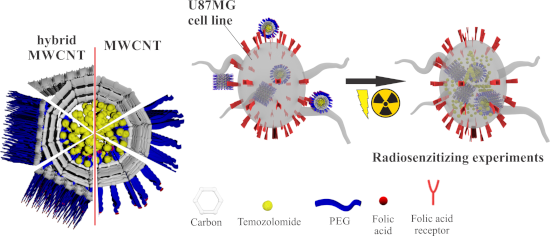
- changes in the structure of the CNs and TMZ after irradiation were observed. With single and dual functionalization, formulations with relatively high TMZ loading efficiency and drug content were prepared. They exhibited homogeneous particle size distributions and mean particle sizes and surface charges
- formulations of the hybrid CN MWCNTs-G compared to the corresponding MWCNTs were characterized by a similar or slightly higher TMZ content, larger particle size, similar surface charge, and slightly faster TMZ release, which can be attributed to the planar structure of graphene that promotes TMZ binding to the
- surface on a larger scale. For the irradiated CNs, lower values for particle size, more positive values for surface charge, and accelerated TMZ release were observed, which could be explained by changes in the physicochemical characteristics of the prepared formulations upon irradiation. Significant





Synthesis and the impact of hydroxyapatite nanoparticles on the viability and activity of rhizobacteria
Beilstein J. Nanotechnol. 2025, 16, 216–228, doi:10.3762/bjnano.16.17
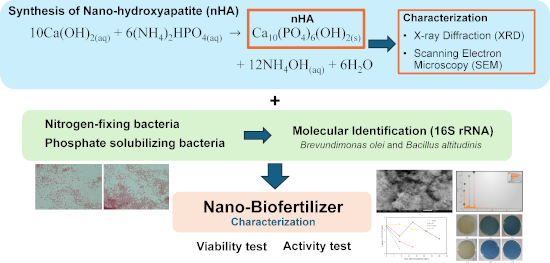
- viable alternative to reduce the dependence on chemical fertilizers [5]. In recent years, there has been a notable increase in interest regarding the utilization of nanomaterials as carrier materials. Nanometer-sized carriers offer a substantial surface area and demonstrate exceptional compatibility


Recent advances in photothermal nanomaterials for ophthalmic applications
Beilstein J. Nanotechnol. 2025, 16, 195–215, doi:10.3762/bjnano.16.16
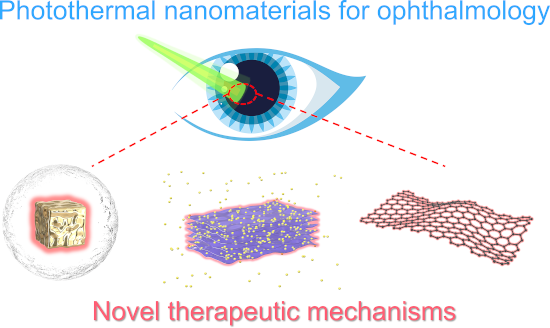
- rich functional groups and surface dangling bonds, enables the effective loading of drugs, targeting molecules, and antibodies [15]. When combined with thermal/pH-sensitive materials, shape memory materials, and hydrogels, they form an efficient platform for photothermal therapy [16]. The efficient
- categorized into three distinct types based on their different photothermal conversion mechanisms, which arise from their unique electronic structures [23][24]. The types include metals exhibiting localized surface plasmon resonance (LSPR), carbon and polymer materials undergoing molecular thermal vibration
- the full spectrum [40]. This phenomenon occurs as the electromagnetic field of incident light induces forced oscillations in the free electrons on the metal surface [41][42]. When the frequency of the incident light aligns with the intrinsic oscillation frequency of these surface electrons [43], it


A review of metal-organic frameworks and polymers in mixed matrix membranes for CO2 capture
Beilstein J. Nanotechnol. 2025, 16, 155–186, doi:10.3762/bjnano.16.14
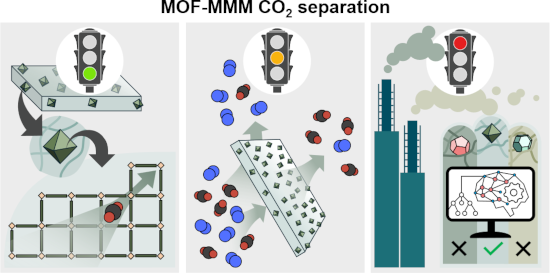
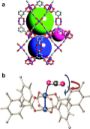
- ]. This strategy capitalizes on the combination of high surface areas and the tunable nature of pore openings and channels of MOFs, achieving selective CO2 adsorption by size exclusion [55], illustrated in Figure 2a. The kinetic diameter of competing adsorbates is the most commonly quoted metric for size
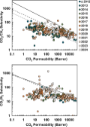
- , reported in Figure 3. Many of these studies focus on CO2 capture. The key benefit of using MOFs in MMMs rather than simple inorganic particles is their unusually high surface areas with adjustable pore sizes and unique functionalization opportunities [86]. As described in section 2, this allows for
- ) are special types of asymmetric membranes that have become attractive because of their intrinsic high surface-area-to-volume ratio, making them particularly well suited for industrial gas separation [87][103]. HFMMMs are cylindrical or capillary-shaped membranes with internal and exterior diameters




Clays enhanced with niobium: potential in wastewater treatment and reuse as pigment with antibacterial activity
Beilstein J. Nanotechnol. 2025, 16, 141–154, doi:10.3762/bjnano.16.13
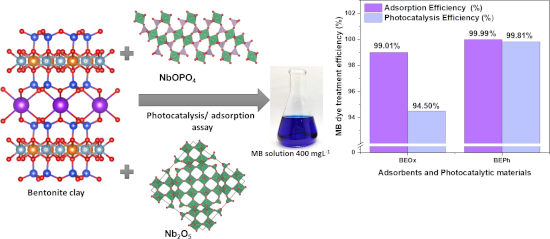
- Centro-Oeste, Guarapuava 85040-167, PR, Brazil Department of Chemistry, Universidade Tecnológica Federal do Paraná, Pato Branco 85503-390, Brazil Chimie des Interactions PlaBEa-Surface (ChIPS), Research Institute for Materials Science and Engineering, University of Mons, 7000 Mons, Belgium 10.3762
- properties as an adsorbent, characterized by their low cost, abundant availability, nontoxic nature, and large surface area [2][7]. Additionally, its negatively charged surface renders it favorable for the adsorption of cations [7]. Bentonite clay is abundantly found in Guarapuava, Paraná, Brazil. This
- (CB), creating a hole in the valence band (hBV+) [8]. These holes induce the oxidative decomposition of organic molecules adsorbed on the catalytic surface. They also react with water molecules, producing the hydroxyl radical (OH•). This radical rapidly attacks the dye molecules in the solution



TiO2 immobilized on 2D mordenite: effect of hydrolysis conditions on structural, textural, and optical characteristics of the nanocomposites
Beilstein J. Nanotechnol. 2025, 16, 128–140, doi:10.3762/bjnano.16.12
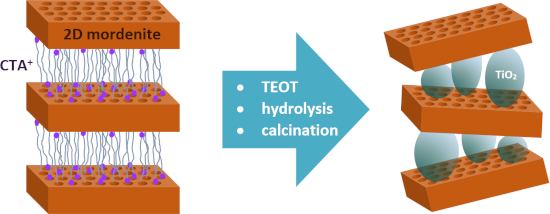
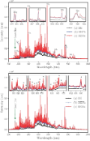
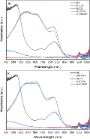
- mesoporosity after calcination due to anatase nanoparticles of about 4 nm preventing the collapse of the interlamellar space. Immobilization of TiO2 on the zeolite surface is evidenced by the formation of Si–O–Ti bonds. The bandgap width of the synthetized nanocomposites was found to be sensitive to the
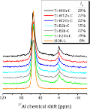
- -loaded samples are summarized in Table 1. Upon formation of TiO2 nanoparticles, a partial dealumination of mordenite occurs. However, the Al distribution over the sample depth is not homogenous. XPS shows that Al is accumulated on the sample surface. The hydrolysis medium does not significantly affect
- the total Si/Al ratio, but hydrolysis reactions longer than 6 h result in a higher aluminum concentration on the surface. It should be also noted that all TiO2-loaded samples are characterized by low sodium content. We remind the readers that Na+ is a charge compensating cation; for an ideal sodium



Comparison of organic and inorganic hole transport layers in double perovskite material-based solar cell
Beilstein J. Nanotechnol. 2025, 16, 119–127, doi:10.3762/bjnano.16.11
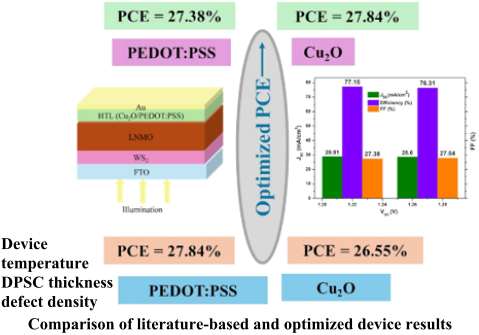
- transported to ETL and HTL, respectively, without recombining [7]. Ozturk et al. [8] addressed the role of a passivation agent at grain boundaries and the surface of perovskite films, namely, quinary kesterite nanocrystals Cu2NiSn(S,Se)4 (CNTSSe) obtained through a facile hot-casting method. Through


Nanocarriers and macrophage interaction: from a potential hurdle to an alternative therapeutic strategy
Beilstein J. Nanotechnol. 2025, 16, 97–118, doi:10.3762/bjnano.16.10

- such as iron and gold [4][5]. Each material is chosen for its unique properties, such as size, hydrophilicity, and charge, that make it suitable for acting as a drug carrier. NCs can be functionalized on their surface to improve the stability and solubility of high-payload encapsulated cargos, promote
- to protect their cargo, promote extravasation, and reach the target tissue effectively. Fluid forces can strip NCs of their surface coatings, reducing their ability to adhere to vessel walls, an essential step for extravasation into the parenchyma of target tissues. Particles larger than 200 nm and
- opsonization in the bloodstream, mediated by opsonins that recognize plasma proteins (serum albumin, apolipoproteins, complement components, and immunoglobulins) adsorbed onto the surface of circulating NPs. This forms the so-called “protein corona” (PC), a layer of more than 300 proteins that effectively


Modeling and simulation of carbon-nanocomposite-based gas sensors
Beilstein J. Nanotechnol. 2025, 16, 90–96, doi:10.3762/bjnano.16.9
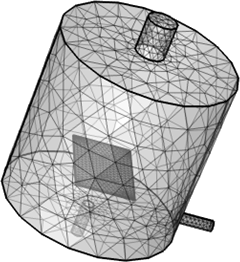
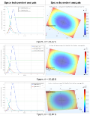
- development of these sensors, it becomes imperative to establish a mathematical model for economically predicting their behavior. The simulation using COMSOL Multiphysics is performed to obtain the surface coverage of the sensor by introducing carbon monoxide gas through a Gaussian pulse feed inlet at
- concentrations ranging from 1 to 7 ppm. The surface coverage over the range of 14% to 32.94% for the given range of concentrations is achieved giving the information of the amount of gas molecules adsorbed onto the surface of the sensing material at a given time. The surface coverage of the sensor is enhanced by
- using the nanocomposite materials which in turn enhances the sensitivity of the gas sensors. Keywords: CO gas; COMSOL Multiphysics; gas sensor; surface coverage; SWCNT/PEDOT:PSS; Introduction The field of nanotechnology has brought significant advancements in various scientific and engineering



Characterization of ZnO nanoparticles synthesized using probiotic Lactiplantibacillus plantarum GP258
Beilstein J. Nanotechnol. 2025, 16, 78–89, doi:10.3762/bjnano.16.8
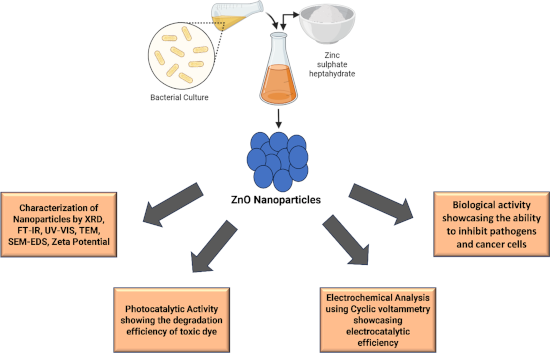
- applications. Keywords: anticancer; green synthesis; lactic acid bacteria; nanoparticles; zinc oxide; Introduction Nanotechnology has revolutionized various fields through its remarkable development and the unique properties exhibited by nanoparticles (NPs) at the mesoscopic level. Dimension, form, surface
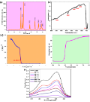
- ZnO NPs confirms the XRD results, that is, the hexagonal wurtzite structure (Figure 3). SEM and EDX analysis SEM was used to analyze the surface morphology of a modified nanocomposite film, and the image displays a consistent coverage of a web-like structure. Close-up views revealed a crumpled and
- wrinkled pattern, and it was found that the NPs average size was 72 nm. The presence of ZnO NPs on the surface was confirmed through EDX, which showed characteristic elemental peaks validating the composition (Figure 4a–d). Zeta potential The ZnO NPs synthesized using GP258 showed good stability as



Instance maps as an organising concept for complex experimental workflows as demonstrated for (nano)material safety research
Beilstein J. Nanotechnol. 2025, 16, 57–77, doi:10.3762/bjnano.16.7

- properties can be tailored by changing their size, shape, surface chemistry, and functionality, have led to the designation of nanomaterials as a key enabling technology and to their subsequent inclusion in the broader categorisation of advanced materials [1][2]. Applications of nanomaterials derive in many
- cases from their high surface reactivity, which results from their small size and large surface area. They include applications in catalysis [3][4] (e.g., as catalytic converters in engines and for energy capture and storage) and as sensors [5][6] (e.g., for bioremediation and environmental monitoring
- ). In medicine [7][8] and agriculture [9][10], loading of nanomaterials with active ingredients and targeting the materials to key sites for action are enabled through surface functionalisation and the small size of nanomaterials, which allows them to access all areas. An important consequence of the



Advanced atomic force microscopy techniques V
Beilstein J. Nanotechnol. 2025, 16, 54–56, doi:10.3762/bjnano.16.6
- 10.3762/bjnano.16.6 Keywords: AFM; atomic force microscopy; conductivity; drift correction; force spectroscopy; NC-AFM; non-contact atomic force microscopy; resistivity; tip–surface interaction; With the restrictions on travelling and social distancing lifted, we were delighted to continue two series of
- not involving any tip–surface interaction. The measurement of electrostatic properties at the nanoscale emerged as a most relevant subfield of atomic force microscopy, especially driven by electrostatic force microscopy (EFM), Kelvin probe force microscopy (KPFM), and closely related techniques
- . Grévin et al. further push the boundaries of the detection by implementing an open-loop variant of KPFM which accesses the spectrum of a time-periodic surface potential [5]. By exploiting a double heterodyne frequency mixing effect, they can selectively transfer each harmonic component to the second
Theoretical study of the electronic and optical properties of a composite formed by the zeolite NaA and a magnetite cluster
Beilstein J. Nanotechnol. 2025, 16, 44–53, doi:10.3762/bjnano.16.5
- ]. Because of the remarkable ion-exchange capacity of zeolites, their large surface area, and the well-organized porous systems with molecular sieve functionality, zeolites have long been fruitfully used in important industrial applications, mainly related to catalysis and wastewater treatment. The rapid
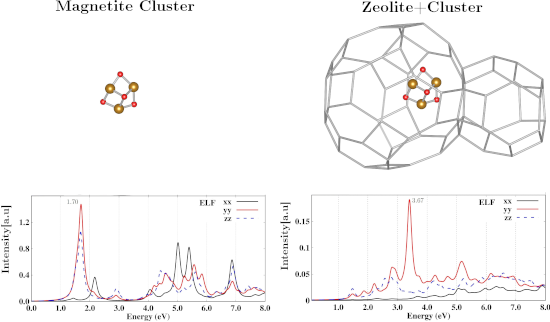
- the magnetite cluster interacts with an oxygen atom from the pore surface, resulting in a Fe–O bond length of 2.00 Å. Figure 1b corresponds to the same composite but is described in a cubic cell, which shows clearly the location of the magnetite cluster in the α-cage. The representation of a composite




Precursor sticking coefficient determination from indented deposits fabricated by electron beam induced deposition
Beilstein J. Nanotechnol. 2025, 16, 35–43, doi:10.3762/bjnano.16.4

- (continuum model) of the precursor surface on the growing nanostructure in conjunction with a Monte Carlo simulation for electron transport in the growing deposit. An important requirement in this regard is to have access to a methodology that can be used to systematically determine the values for the set of
- represents the probability of a volatile precursor molecule to adhere or stick to the surface it impacts. The coefficient takes values from 0 to 1, where at 0 none of the incoming molecules stick to the surface and at unity all of them do. It accounts for events of prompt scattering of impinging molecules on
- the free surface sites. Such an event can be pictured as an interaction where no van der Waals “bond” is established and where the molecule leaves the surface at a time scale much shorter than the residence time τ [4]. In the continuum model, s is one of the model parameters entering the diffusion


Bioinspired nanofilament coatings for scale reduction on steel
Beilstein J. Nanotechnol. 2025, 16, 25–34, doi:10.3762/bjnano.16.3

- . This reduction is attributed to altered flow dynamics near the super-hydrophobic surface, inhibiting nucleation and growth of scale. Our findings highlight the potential of bioinspired SNF coatings to enhance the performance and longevity of steel surfaces in industrial environments. Keywords
- : bioinspired materials; calcium carbonate; offshore assets; stainless-steel coating; super-hydrophobicity; Introduction Small animals, such as insects, springtails (Collembola), and other hexapods, have distinctly large surface-to-volume ratios. This characteristic imposes significant challenges in terms of
- fabricate silicone nanofilaments (SNFs) on steel surfaces. Here, the surface is coated by immersion of the surface in a solution of trichloromethylsilane (TCMS) in toluene in the presence of trace amounts of water (Figure 1E). This way, the surface is covered with a micrometer-thin layer of hard, stable


A nanocarrier containing carboxylic and histamine groups with dual action: acetylcholine hydrolysis and antidote atropine delivery
Beilstein J. Nanotechnol. 2025, 16, 11–24, doi:10.3762/bjnano.16.2

- . Fl is also more likely to be found inside p(Hist-CA) than on the surface. The addition of glucose (5 mM) also shows no significant changes, indicating the stability of Fl@p(Hist-CA) under typical glucose and pH conditions. The addition of ACh to Fl@p(Hist-CA) significantly increases Fl emission





