Search results
Search for "amino acids" in Full Text gives 109 result(s) in Beilstein Journal of Nanotechnology.
Nanocarrier strategies to overcome P-glycoprotein-mediated drug resistance in cancer therapy
Beilstein J. Nanotechnol. 2026, 17, 882–921, doi:10.3762/bjnano.17.64
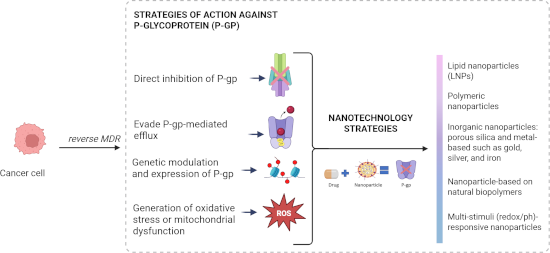
- to the transmembrane movement of a broad range of substrates, including lipids, amino acids, ions, toxins, and pharmacological agents [18][19]. Within this family, three members have been characterized specifically in the context of chemoresistance, namely, ABCB1 (P-glycoprotein/MDR1), ABCG2 (breast


Upcycling agroindustrial waste into graphene oxide supports for gold nanoparticles: toward sustainable nanomaterials
Beilstein J. Nanotechnol. 2026, 17, 489–504, doi:10.3762/bjnano.17.32
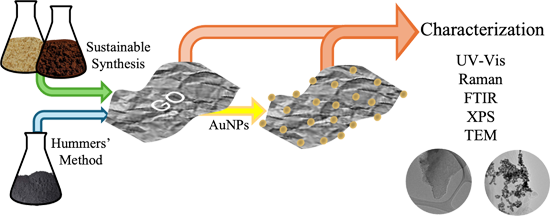
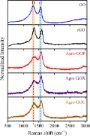
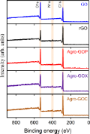
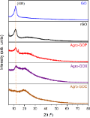
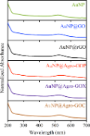
- in Agro-GOP (4.2%), Agro-GOX (2.7%), and Agro-GOC (2.3%) are attributed to nitrogen-containing compounds, such as amino acids, naturally present in the biomass, which lead to the incorporation of nitrogen functionalities into the Agro-GO samples. In contrast, nitrogen observed in rGO is likely due to



Chiral plasmonic nanostructures fabricated with circularly polarized light
Beilstein J. Nanotechnol. 2025, 16, 2245–2264, doi:10.3762/bjnano.16.154
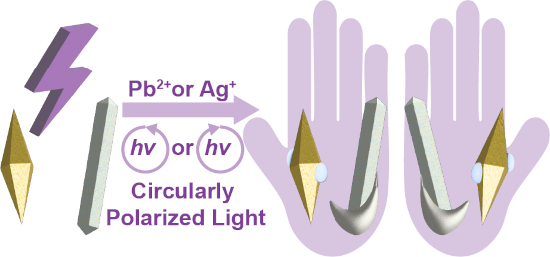
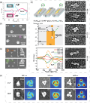
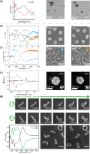
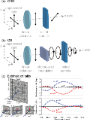
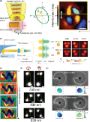
- applications of cPNSs fabricated using CPL. Keywords: circular dichroism; circularly polarized light; plasmonic nanocrystals; Introduction An object is considered chiral when it cannot be superimposed on its mirror image. Homochirality is a feature of life on Earth. For example, amino acids in living
- of achiral PNSs to a more efficient seeded-growth approach in a colloidal phase. The Nam group achieved a significant breakthrough in 2018 with the large-scale synthesis of highly homogenous chiral gold nanostructures using amino acids and peptides [19]. The Tatasuma group developed the first CPL





Optical bio/chemical sensors for vitamin B12 analysis in food and pharmaceuticals: state of the art, challenges, and future outlooks
Beilstein J. Nanotechnol. 2025, 16, 2207–2244, doi:10.3762/bjnano.16.153
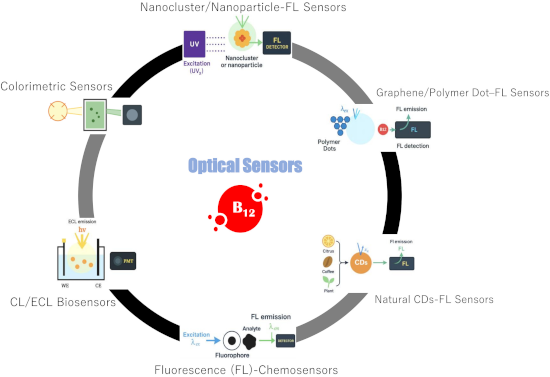
- cofactor for MCM, facilitating the transformation of methylmalonyl-CoA into succinyl-CoA, with methylmalonyl-CoA being a byproduct of propionate metabolism. In the majority of mammals, propionate is generated through the catabolism of specific amino acids (e.g., Ile, Met, Thr, Thy, and Val), cholesterol


Stereodiscrimination of guests in chiral organosilica aerogels studied by ESR spectroscopy
Beilstein J. Nanotechnol. 2025, 16, 2034–2054, doi:10.3762/bjnano.16.140
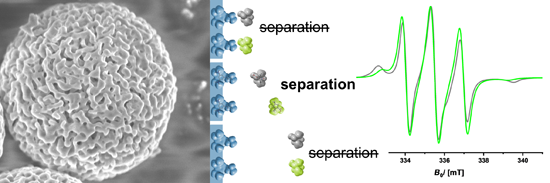
- Information File 1, Figure S3. Chiral materials A selection of different materials containing amino acids as chiral selectors was prepared (Figure 1). The advantages of using amino acids as the chiral constituent are that they are highly available from the natural pool and their coupling chemistry is highly




The cement of the tube-dwelling polychaete Sabellaria alveolata: a complex composite adhesive material
Beilstein J. Nanotechnol. 2025, 16, 1998–2014, doi:10.3762/bjnano.16.138
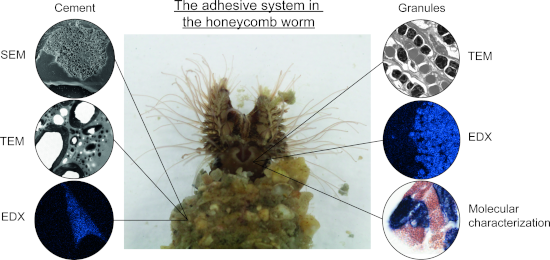
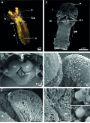
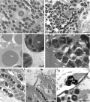
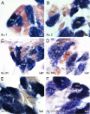
- . Phosphoserine has been identified as one of the main modified amino acids in tubeworm cement and, using in situ hybridization, we propose that FAM20C kinases would be the enzymes responsible for the phosphorylation of serine residues in adhesive proteins. Comparison between the ultrastructure of the granules
- organism, it may play a role in the condensation of the adhesive proteins in the secretory granules through complex coacervation [8]. As mentioned above, it also participates in the hardening of the spheroids through ionic bonding with calcium ions [19]. Despite the important roles of phosphorylated amino
- acids in adhesion, the enzymes involved in phosphorylation are not fully understood. In a previous study, researchers attempted to identify and locate a serine kinase responsible for phosphorylating the serine residues of the Pc-3 adhesive proteins in P. californica, but the sequence could not be found



Exploring the potential of polymers: advancements in oral nanocarrier technology
Beilstein J. Nanotechnol. 2025, 16, 1751–1793, doi:10.3762/bjnano.16.122
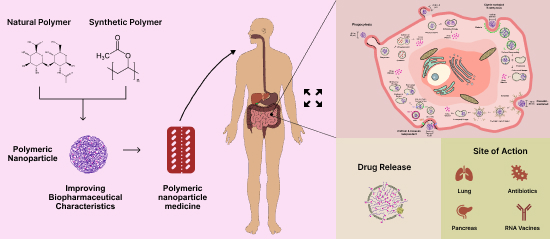
- as rifampin. In the study by Motiei et al. [92], chitosan was functionalized with hydrophobic amino acids to form an amphiphilic inner core. This core was stabilized with a polyanionic cross-linker and coated with a pH-resistant shell, resulting in a multilayered structure. This system exemplifies
- from 19 to 22 kDa. β-zein constitutes 10% of the total zein and is rich in methionine, while the γ- and δ-zein fractions together represent the remaining 10%. Structurally, zein predominantly consists of hydrophobic and non-polar amino acids, including glutamine, leucine, proline, and alanine [149][150


Venom-loaded cationic-functionalized poly(lactic acid) nanoparticles for serum production against Tityus serrulatus scorpion
Beilstein J. Nanotechnol. 2025, 16, 1633–1643, doi:10.3762/bjnano.16.115
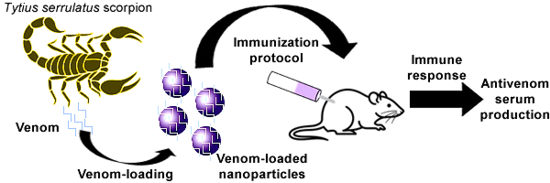
- for advancing the studies in this field [8]. Tityus serrulatus venom is comprised of several compounds such as mucus, salts, proteins with high molecular mass, nucleotides, lipids, amino acids, hyaluronidase, hypotension factors, metalloproteases, and neurotoxins [7][9]. However, neurotoxins are


Ferroptosis induction by engineered liposomes for enhanced tumor therapy
Beilstein J. Nanotechnol. 2025, 16, 1325–1349, doi:10.3762/bjnano.16.97
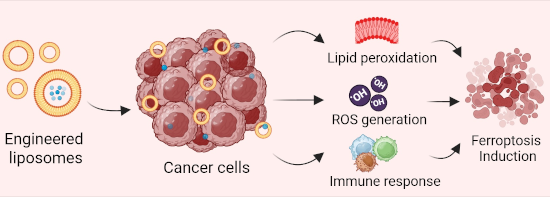
- impressive progress in ferroptosis research, studying its fundamental mechanisms is still ongoing [33]. Here, we investigate the pathways associated with iron, lipids, and amino acids involved in the ferroptosis process, demonstrated schematically in Figure 1. 2.1.1 Lipid-mediated pathway. Aside from their
- ][64]. The role of GSH as a coenzyme for GPX4 in reducing lipid peroxides is known, with its formation relying on the three amino acids cysteine, glutamic acid, and glycine. The importance of cysteine arises from the fact that studies have shown that cystine (Cys2), the oxidized form of cysteine (Cys
- require, including the system ASC (alanine, serine, cysteine-preferring) and LAT-2 (large amino acid transporter 2) [69]. In neuronal cells, cysteine uptake is supported by EAAC-1, part of the xag− system (a sodium-dependent transporter family) with a strong affinity for acidic amino acids like glutamate


Nanomaterials in targeting amyloid-β oligomers: current advances and future directions for Alzheimer's disease diagnosis and therapy
Beilstein J. Nanotechnol. 2025, 16, 561–580, doi:10.3762/bjnano.16.44
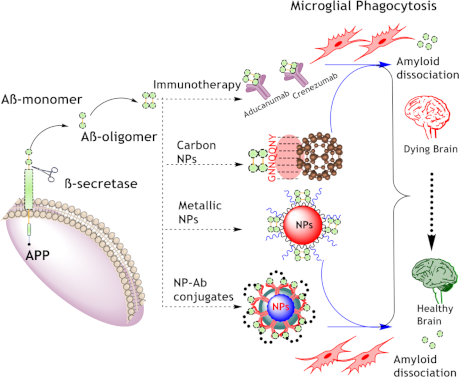
- . These studies reveal that SWCNTs interact with the hydrophobic residues of Aβ peptides, particularly through π-stacking interactions with aromatic amino acids such as phenylalanine. This interaction destabilizes the prefibrillar β-sheet structures, preventing the formation of toxic oligomers and


Synthetic-polymer-assisted antisense oligonucleotide delivery: targeted approaches for precision disease treatment
Beilstein J. Nanotechnol. 2025, 16, 435–463, doi:10.3762/bjnano.16.34

- either by direct conjugation to carriers or through their incorporation into nanoparticle-based complexes. Various synthetic polymers used for targeted ASO delivery include poly(amino acids), polyamines, polyacrylates and polyolefins, and neutral polymers. Poly(amino acids) Poly(ʟ-lysine). Poly(ʟ-lysine
- endocytosis. Additionally, PLR has been studied for its ability to enhance cell penetration and promote endosomal escape, which are crucial steps for the intracellular delivery of therapeutic agents [92][93]. However, like other cationic poly(amino acids), its use is sometimes limited by potential
- . Additionally, the attachment of hydrophobic moieties, amino acids, and small peptides to linear and branched PEI has been explored as an alternative to improve the biostability and bioavailability of cationic polyplexes while offering a targeted delivery with reduced cytotoxicity that is frequently associated


A nanocarrier containing carboxylic and histamine groups with dual action: acetylcholine hydrolysis and antidote atropine delivery
Beilstein J. Nanotechnol. 2025, 16, 11–24, doi:10.3762/bjnano.16.2

- ) from the collection of the Institute of Cytology RAS (St. Petersburg, Russia). Standard culture medium Igla, produced by the Moscow Institute of Poliomyelitis and Viral Encephalitis, was employed for cell culture, supplemented with 1% nonessential amino acids (NEAA) and 10% fetal bovine serum. The


Mechanistic insights into endosomal escape by sodium oleate-modified liposomes
Beilstein J. Nanotechnol. 2024, 15, 1667–1685, doi:10.3762/bjnano.15.131
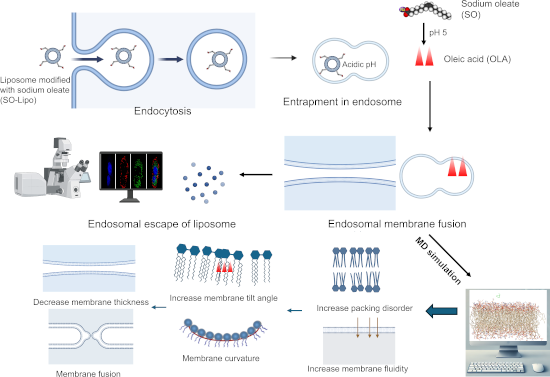
- evidenced by a shift in zeta potential to a slightly positive value of 1.07 ± 1.80 mV. This shift may be attributed to the protonation of amino acids such as glutamic and aspartic acid in the peptide sequence, which, under acidic conditions, likely contributes to an increase in positive charge [13




Dual-functionalized architecture enables stable and tumor cell-specific SiO2NPs in complex biological fluids
Beilstein J. Nanotechnol. 2024, 15, 1238–1252, doi:10.3762/bjnano.15.100
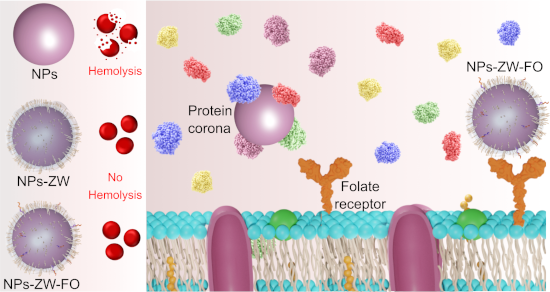
- of NPs accumulates in tumors and <0.0014% are internalized by the cells [8][9][10][11]. Once in contact with blood, NPs interact with a series of physiological components (e.g., amino acids, salts, and proteins), which can induce poor colloidal stability or changes in the original chemical and
- evaluate the colloidal stability of NPs in complex media. The media used for these measurements were i) Dulbecco’s modified eagle medium (DMEM, Sigma-Aldrich), supplemented with 10.0% fetal bovine serum (FBS, Sigma-Aldrich), with 1.0% of non-essential amino acids (Sigma-Aldrich), and with 1.0% of


Realizing active targeting in cancer nanomedicine with ultrasmall nanoparticles
Beilstein J. Nanotechnol. 2024, 15, 1208–1226, doi:10.3762/bjnano.15.98
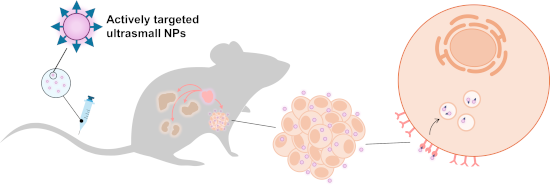
- aptamer ligand/nucleolin receptor Chen et al. prepared AuNCs (≈3 nm) stabilized with histidine amino acids [142]. These particles were then functionalized through chemical conjugation with two targeting ligands, cyclic RGD (cRGD) and AS1411, along with the incorporation of doxorubicin (DOX) or the near


AI-assisted models to predict chemotherapy drugs modified with C60 fullerene derivatives
Beilstein J. Nanotechnol. 2024, 15, 1170–1188, doi:10.3762/bjnano.15.95
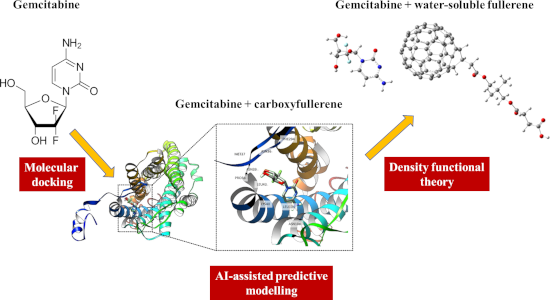
- , carbonyl, and carboxy terminal groups are active sites to interact with DNA or amino acids. The molecular orbital scheme of this molecule is shown in Supporting Information File 1, Figure S2, together with its molecular electrostatic potential (ESP). In the case of doxorubicin, from frontier molecular


Electrospun nanofibers: building blocks for the repair of bone tissue
Beilstein J. Nanotechnol. 2024, 15, 941–953, doi:10.3762/bjnano.15.77
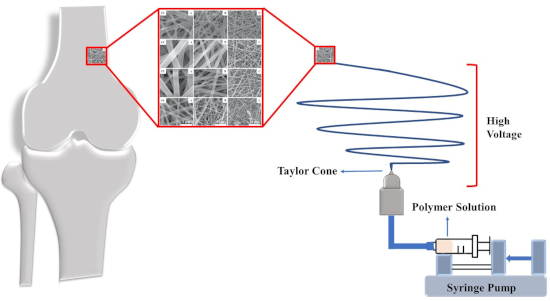
- stress in mammals [20]. Tropocollagen, the most basic unit of collagen, is formed by the combination of three polypeptide chains, and each chain contains about 1000 amino acids. Type-I collagen forms well-organized fibers and fibrils. Collagen molecules in a triple helix structure self-assemble to form


Electrospun polysuccinimide scaffolds containing different salts as potential wound dressing material
Beilstein J. Nanotechnol. 2024, 15, 781–796, doi:10.3762/bjnano.15.65
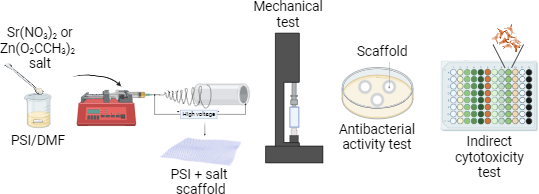
- % CO2 in a humidified atmosphere, and subcultivated at a subconfluent state by using trypsin/EDTA (0.05%). The medium used for the MG-63 cell line was composed of MEM supplemented with 10% of fetal bovine serum, 1% of non-essential amino acids, 2 mM of ʟ-glutamine, 100 IU/mL of penicillin, and 100 µg/mL
- of streptomycin. The medium for the 155BR cells contained 15% of fetal bovine serum, 1% of non-essential amino acids, 2 mM of ʟ-glutamine, 100 IU/mL of penicillin, and 100 µg/mL of streptomycin in DMEM. Cytotoxicity tests Indirect cytotoxicity tests were based on a previous publications of our



Multiscale modelling of biomolecular corona formation on metallic surfaces
Beilstein J. Nanotechnol. 2024, 15, 215–229, doi:10.3762/bjnano.15.21
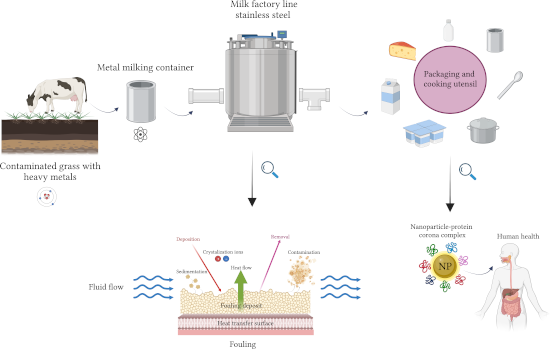
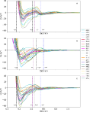
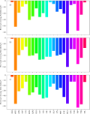
- representing the biological aspect of the interface, including amino acids (AAs), milk proteins, and carbohydrates. Additionally, we examine the preferred orientations of these molecules upon adsorption and investigate the kinetics of competitive adsorption among the proteins and lactose, aiming to understand




Study of the reusability and stability of nylon nanofibres as an antibody immobilisation surface
Beilstein J. Nanotechnol. 2024, 15, 83–94, doi:10.3762/bjnano.15.8
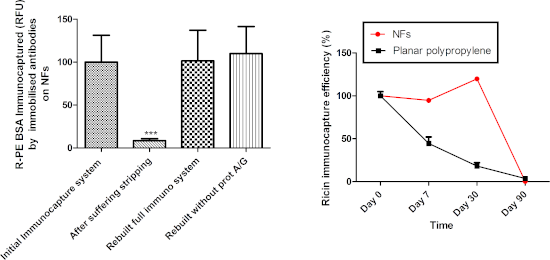
- of hydrophobic interactions [21][22]. Acidic pH values below 5 cause protein A/G to separate from antibody, probably by imposing positive charges on amino acids with pKa values above 5, such as histidine, as described in Zarrineh et al. for the interaction between protein A and the Fc of antibody [25


New trends in nanobiotechnology
Beilstein J. Nanotechnol. 2023, 14, 377–379, doi:10.3762/bjnano.14.32

- biocompatibility of the nanomaterials is also discussed. The thematic issue also recorded a work on the topic of “Self-assembly of amino acids toward functional biomaterials” [5], where the role of biomaterials in nanobiotechnology is discussed. In this review, the latest advances in amino acid self-assembly and
Biocatalytic synthesis and ordered self-assembly of silica nanoparticles via a silica-binding peptide
Beilstein J. Nanotechnol. 2023, 14, 280–290, doi:10.3762/bjnano.14.25
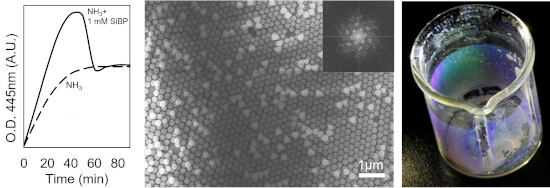
- (arginine) amino acids. The hypotheses of this study were as follows: (1) The basic serine and arginine residues in the SiBP can facilitate hydrolysis of the precursor molecules and, thus, catalyze the synthesis of SiO2 particles. (2) The affinity of the SiBP to SiO2 can narrow down the size distribution of




Structural, optical, and bioimaging characterization of carbon quantum dots solvothermally synthesized from o-phenylenediamine
Beilstein J. Nanotechnol. 2023, 14, 165–174, doi:10.3762/bjnano.14.17
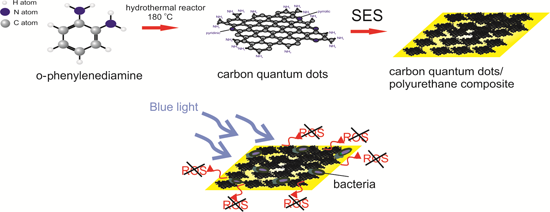
- -glucose Dulbecco's Modified Eagle's Medium (DMEM) supplemented with 10% fetal bovine serum, non-essential amino acids, and penicillin/streptomycin solution (10,000 units penicillin and 10 mg/mL streptomycin) (all from Thermo Fisher Scientific). Cells were maintained in a humidified incubator at 37 °C with


Design of surface nanostructures for chirality sensing based on quartz crystal microbalance
Beilstein J. Nanotechnol. 2022, 13, 1201–1219, doi:10.3762/bjnano.13.100
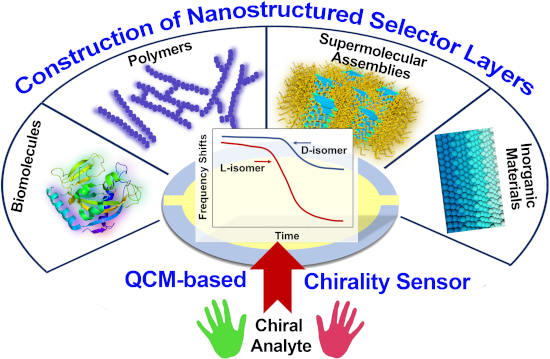
- forms (enantiomers) that are mirror images of each other. It is a mysterious phenomenon that almost all chiral molecules in living organisms are found in one form, such as right-handed sugars, left-handed amino acids, and right-handed DNA coils. Scientists coined the term “homochirality” to describe
- evaluated. The recognition mechanisms may also be studied by combining QCM with other techniques. Sensing layers by chiral biomolecules As chiral recognitions are fundamental phenomena in biology, biomolecules of amino acids, proteins, and nucleic acids are ideal chiral selectors. They have been extensively
- employed in various chiral sensing applications for the study of biological recognition processes [27]. The biomolecule-based selectors discriminate enantiomers of target analytes via their complementarity. This means that the target should energetically and structurally fit with the receptor. Amino acids


Green synthesis of zinc oxide nanoparticles toward highly efficient photocatalysis and antibacterial application
Beilstein J. Nanotechnol. 2022, 13, 1108–1119, doi:10.3762/bjnano.13.94
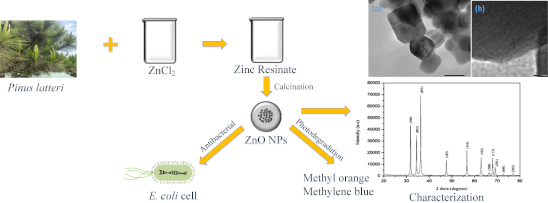
- , proteins, DNA, and amino acids [39][40][41]. The O2 causes biomembrane oxidation reactions, damaging tissues [42]. Furthermore, it is reasonable to explain that the additional toxicity that causes bacterial death is due to the fact that zinc solubilization releases Zn2+ ions which can infiltrate into