Search results
Search for "cancer therapy" in Full Text gives 86 result(s) in Beilstein Journal of Nanotechnology.
Nanocarrier strategies to overcome P-glycoprotein-mediated drug resistance in cancer therapy
Beilstein J. Nanotechnol. 2026, 17, 882–921, doi:10.3762/bjnano.17.64
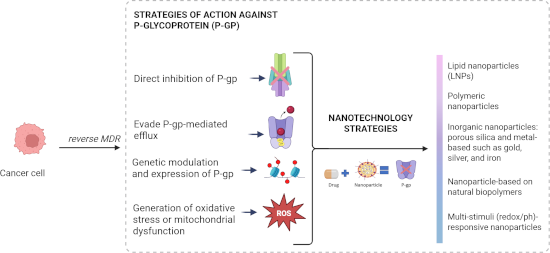
- , drug detoxification, drug sequestration by lysosomes, overexpression of efflux transporters, and enhanced DNA repair, have become obstacles to cancer therapy [14][15][16]. Among these, elevated drug efflux via cell membrane transporters, particularly P-glycoprotein, has been extensively documented as
- strategies [25]. 2 Review methodology This study is structured as a narrative review focusing on recent nanotechnological strategies developed to overcome MDR in cancer therapy. Particular emphasis was placed on systems targeting the P-glycoprotein efflux transporter. The objective was to compile and
- values, enhanced apoptosis), and (iii) peer-reviewed articles published in English. Exclusion criteria were (i) studies not related to cancer therapy, (ii) articles lacking mechanistic insight or relevant experimental evidence to P-glycoprotein/MDR, and (iii) studies focused exclusively on conventional


Towards targeted drugs and next generation of nanomedicines
Beilstein J. Nanotechnol. 2026, 17, 598–601, doi:10.3762/bjnano.17.41

- potentially create synergistic effects for the treatment of complex pathologies [1][2][3]. Since the approval of the first liposomal drug for cancer therapy, Doxil [4], multiple nanomedicines have reached the market, including lipid nanoparticles for RNA delivery used worldwide for the vaccines against SARS
Advances in nanotechnology applied to natural products
Beilstein J. Nanotechnol. 2026, 17, 555–558, doi:10.3762/bjnano.17.36
- applications, including cancer therapy, where they may be designed as conventional liposomes or as immunoliposomes functionalized with antibodies or ligands to promote targeted delivery to tumor cells or components of the immune microenvironment [18]. Combining liposomes with natural products and co-loaded
Biomimetic nanoparticles in cancer photodynamic therapy: a review of targeted delivery systems and therapeutic outcomes
Beilstein J. Nanotechnol. 2026, 17, 396–422, doi:10.3762/bjnano.17.27
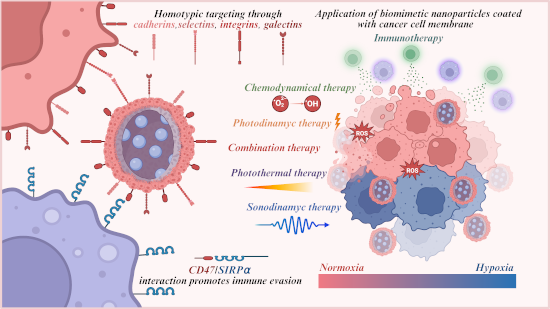
- applications in disease diagnosis and sensing technologies. Despite the promising potential of nanomedicine, significant progress has been limited. This can be attributed to the low targeted accumulation of the nanocarriers at the desired site of action. For instance, in cancer therapy, the accumulation of
- with imaging agents or therapeutic enzymes to facilitate tumor visualization and penetration, further expanding their utility in cancer therapy. Targeting strategies can be further refined by integrating ligands such as arginylglycylaspartic acid (RGD) peptides, antibodies, or aptamers onto the BNP


From shield to spear: Charge-reversible nanocarriers in overcoming cancer therapy barriers
Beilstein J. Nanotechnol. 2026, 17, 159–175, doi:10.3762/bjnano.17.10
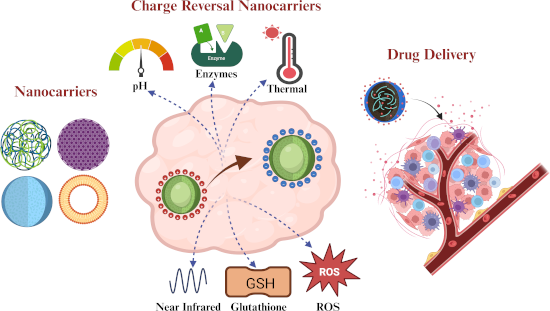
- advancements in nanocarrier-based cancer therapy, recent research has increasingly emphasised refining their physicochemical traits, especially surface charge, to boost therapeutic outcomes. A notable development in this context is the emergence of charge-reversible nanoscale drug delivery systems (CR-NDDSs
- cancer therapy and other clinical applications. 2.6 X-ray-responsive nanocarriers These systems offer innovative mechanisms for targeted drug delivery systems and enhanced therapeutic efficiency. These nanoparticles are designed to release therapeutic agents upon exposure to X-rays, which can generate
- stimuli responsiveness, and charge-reversal mechanisms offers a powerful route to overcome multidrug resistance and enhance cancer treatment precision. 3 Role of charge-reversible nanocarriers in cancer therapy Polymer-based CRNs have shown significant promise in improving cancer treatment by precisely


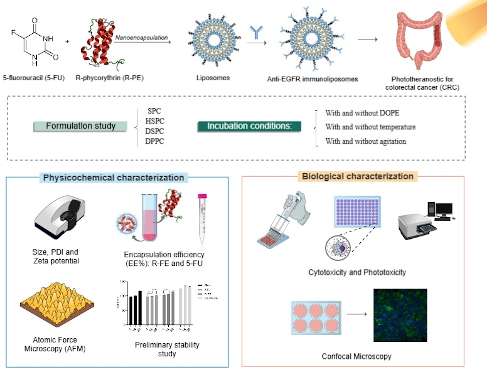
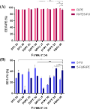
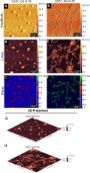
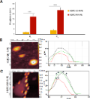
Development and in vitro evaluation of liposomes and immunoliposomes containing 5-fluorouracil and R-phycoerythrin as a potential phototheranostic system for colorectal cancer
Beilstein J. Nanotechnol. 2026, 17, 97–121, doi:10.3762/bjnano.17.7



Improving magnetic properties of Mn- and Zn-doped core–shell iron oxide nanoparticles by tuning their size
Beilstein J. Nanotechnol. 2025, 16, 2285–2295, doi:10.3762/bjnano.16.157
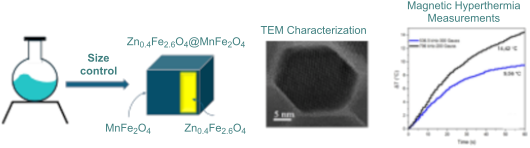
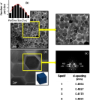
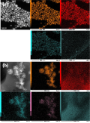
- microscopy (HRTEM) provides a comprehensive understanding of the material’s composition and properties. This work paves the way for the development of next-generation biocompatible magnetic nanoparticles for cancer therapy and other biomedical applications. Materials and Methods Materials Iron



Rapid synthesis of highly monodisperse AgSbS2 nanocrystals: unveiling multifaceted activities in cancer therapy, antibacterial strategies, and antioxidant defense
Beilstein J. Nanotechnol. 2025, 16, 2105–2115, doi:10.3762/bjnano.16.145
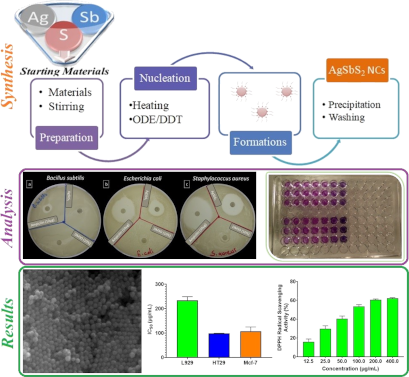
- effects by efficiently eliminating DPPH activity. This research highlights the potential of AgSbS2 NCs as versatile agents with applications in biomedical and environmental domains, including cancer therapy, antimicrobial strategies, and free radical neutralization. Keywords: AgSbS2 nanocrystals


Toward clinical translation of carbon nanomaterials in anticancer drug delivery: the need for standardisation
Beilstein J. Nanotechnol. 2025, 16, 2092–2104, doi:10.3762/bjnano.16.144
- updated every decade [23][24]. The hallmarks framework has enabled researchers to develop more nuanced, spatially informed approaches to cancer therapy, reinforcing its role in driving multidisciplinary strategies for predicting treatment response [25]. Targeted drug delivery is an emerging
- nanoscale materials, highlighting key agencies, legislative instruments, and guidance initiatives. Supporting Information Supporting Information File 18: Overview of conventional drug delivery methods in cancer therapy, including administration routes, key characteristics, and example drugs. Funding The



Exploring the potential of polymers: advancements in oral nanocarrier technology
Beilstein J. Nanotechnol. 2025, 16, 1751–1793, doi:10.3762/bjnano.16.122
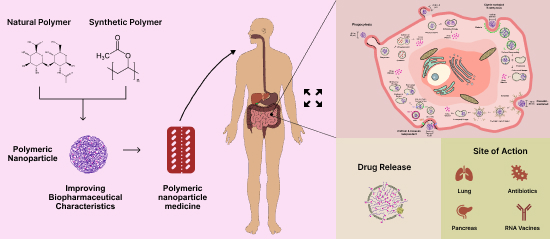
- widely utilized in cancer therapy due to their specific ability to regulate the expression of any associated gene [141] the findings of Han et al. [117] represent an effective approach for synergistic therapy via oral RNA delivery. Moreover, these findings open new possibilities for the application of


Advances of aptamers in esophageal cancer diagnosis, treatment and drug delivery
Beilstein J. Nanotechnol. 2025, 16, 1734–1750, doi:10.3762/bjnano.16.121
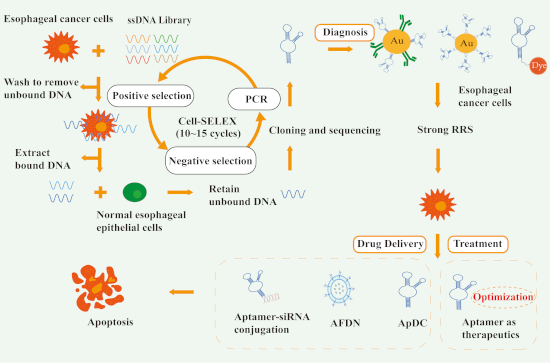
- . Pegaptanib and Avacincaptad pegol can be administered topically by intravitreal injection, easily achieving ideal bioavailability. However, the clinical utility of aptamer-based therapeutics remains limited. Developing new aptamers for esophageal cancer therapy presents multiple challenges, such as lack of
- first peptide aptamer was proposed in 1996 to recognize and inhibit cyclin dependent kinase 2 (Cdk2) [68]. Later, peptide aptamers were used directly as drugs to regulate proteins and genes [69][70][71], showing potential in the field of targeted cancer therapy. Transcription factor SOX2, as a lineage


Prospects of nanotechnology and natural products for cancer and immunotherapy
Beilstein J. Nanotechnol. 2025, 16, 1644–1667, doi:10.3762/bjnano.16.116
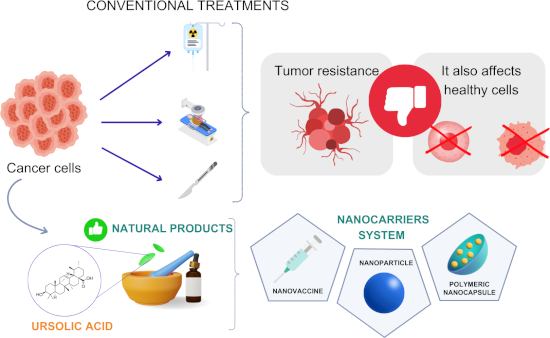
- pharmacokinetic properties, increasing bioavailability, protecting them from degradation, and allowing for site-specific delivery [24]. Consequently, this combination addresses both the limitations of natural products and the complex challenges of cancer therapy [25]. Unlike conventional literature reviews, this
- effects, which could contribute to cancer prevention and treatment [135]. In cancer therapy, PCs show potential for inhibiting cancer cell proliferation, inducing apoptosis, modulating oxidative stress, suppressing angiogenesis, and interfering with signaling pathways involved in tumor progression [136
- possesses a combination of properties that include antioxidant and antitumor effect, giving it potential to prevent and/or treat cancer by stimulating apoptosis [144]. Meanwhile, glucan presents potential in cancer therapy due to its immunomodulatory influence, which can increase the recruitment of


Nanomaterials for biomedical applications
Beilstein J. Nanotechnol. 2025, 16, 1499–1503, doi:10.3762/bjnano.16.105
- membranes [8]. They can carry both water-soluble and fat-soluble drugs, shielding them from breaking down and extending their circulation time. Certain liposome-based drugs have already been approved for therapeutic use, especially in cancer therapy, where they may protect nearby healthy cells from toxicity
Ferroptosis induction by engineered liposomes for enhanced tumor therapy
Beilstein J. Nanotechnol. 2025, 16, 1325–1349, doi:10.3762/bjnano.16.97
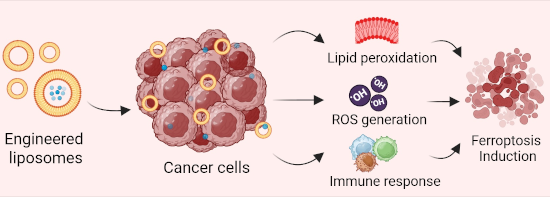
- tumor therapy. It also highlights the fascinating outcome of liposome-mediated ferroptosis in overcoming the obstacles to cancer therapy, along with the limitations and possible future directions. Keywords: cancer; ferroptosis; liposome; nanomedicine; stimuli-responsive; Review 1 Introduction Cancer
- accumulation of lipid ROS. Ferroptosis clearly differs from necrosis, apoptosis, and autophagy in terms of cellular morphology and function [7]. Recently, studies have indicated that ferroptosis can be utilized for cancer therapy since it effectively eliminates cancer cells and reverses drug resistance [8][9
- advantages and impact on cancer therapy and diagnosis [17]. Therapies based on nanotechnology, such as the progressive delivery of nanoscale drugs, can provide precisely targeted treatment of malignant tissue with fewer side effects than traditional approaches [5][18]. Key benefits of nanodrug delivery


Better together: biomimetic nanomedicines for high performance tumor therapy
Beilstein J. Nanotechnol. 2025, 16, 1246–1276, doi:10.3762/bjnano.16.92






Hydrogels and nanogels: effectiveness in dermal applications
Beilstein J. Nanotechnol. 2025, 16, 1216–1233, doi:10.3762/bjnano.16.90
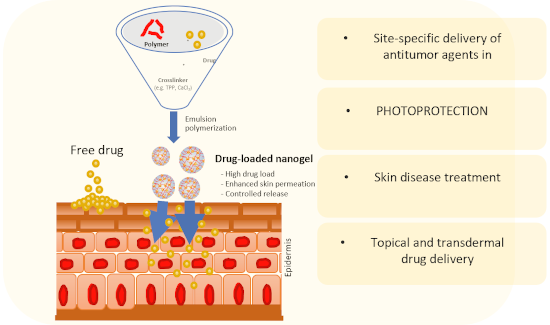
- optimized nanogel-MTX combines the characteristics of biocompatibility, sustained systemic release, safety, and efficacy in the treatment of rheumatoid arthritis in a single system [193]. Nanogels and hydrogels applied to skin cancer therapy Therapy against skin cancer has been a major focus for the
- [220][221]. Ethosomal nanogels containing sulforaphane, a potent natural antioxidant [222], showed a significant anti-cancer effect (p < 0.05) in murine tumor cell type B16-F10, proven to be an attractive strategy for skin cancer therapy [192]. A hydrogel system based on oligopeptides and embedded
- nanocarriers, facilitating industrial manufacturing. Hydrogels, used in dermatological treatment such as wound healing films, advance the commercialization of hydrogel-based medicines. Nanogels, aiding targeted delivery, enhance the efficacy of skin cancer therapy. Their biocompatibility and ability to mimic


Synthesis and magnetic transitions of rare-earth-free Fe–Mn–Ni–Si-based compositionally complex alloys at bulk and nanoscale
Beilstein J. Nanotechnol. 2025, 16, 823–836, doi:10.3762/bjnano.16.62
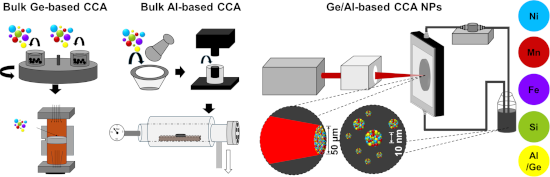
- applications such as magnetic hyperthermia, where NPs are used in cancer therapy to induce localized heating when exposed to an alternating magnetic field [34]. However, producing CCAs at the nanoscale presents significant challenges. Traditional wet chemistry approaches often fail because of elemental


Polyurethane/silk fibroin-based electrospun membranes for wound healing and skin substitute applications
Beilstein J. Nanotechnol. 2025, 16, 591–612, doi:10.3762/bjnano.16.46
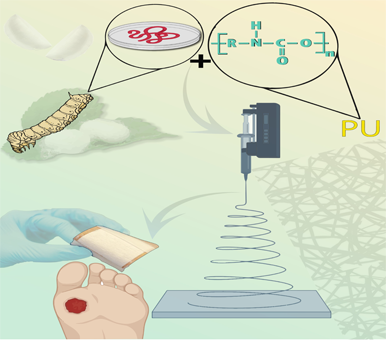
- growth [175]. Zhou et al. focused on the fabrication of a novel composite membrane suitable for photothermal cancer therapy based on black phosphorus (BP) nanosheets because of their high biocompatibility and photothermal efficacy. SF was used as an exfoliating agent in stable liquid exfoliation with



Synthetic-polymer-assisted antisense oligonucleotide delivery: targeted approaches for precision disease treatment
Beilstein J. Nanotechnol. 2025, 16, 435–463, doi:10.3762/bjnano.16.34

- systems for cancer therapy, Kim et al. employed PLL in the synthesis of dually stabilised triblock copolymer micelles for the systemic delivery of phosphorothioate ASOs (metastasis associated lung adenocarcinoma transcript 1 lncRNA-targeted ASO (MALAT1-ASO) and GL3 luciferase-targeted ASO (GL3-ASO


Nanocarriers and macrophage interaction: from a potential hurdle to an alternative therapeutic strategy
Beilstein J. Nanotechnol. 2025, 16, 97–118, doi:10.3762/bjnano.16.10
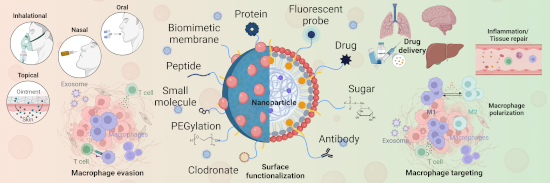
- the context. In cancer therapy, reprogramming M2 macrophages into M1 enhances antitumor immunity, while in chronic inflammatory diseases, shifting from M1 to M2 facilitates inflammation resolution and tissue repair. This modulation can be achieved using small molecules, cytokines, or nanotechnology to
- target key signaling pathways [62]. M1 polarization in cancer therapy: Inducing or sustaining M1 polarization has proven effective in enhancing antitumor immunity. For example, chimeric antigen receptor macrophages (CAR-Ms), engineered by Klichinsky et al., sustained a robust M1 phenotype for over 40
- polarization by targeting TERF2IP, activating STAT3, and inhibiting NF-κB [70][71]. Innovative delivery systems for miRNAs have further advanced their therapeutic application. Liu et al. developed a hybrid nanovector with dual redox/pH-responsive properties for targeted miRNA delivery in cancer therapy. This


Biomimetic nanocarriers: integrating natural functions for advanced therapeutic applications
Beilstein J. Nanotechnol. 2024, 15, 1619–1626, doi:10.3762/bjnano.15.127

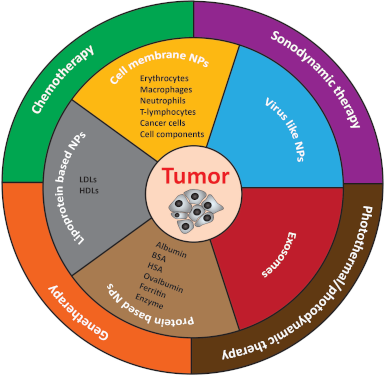
- targeting specificity. Biomimetic nanocarriers demonstrate significant advancements in drug delivery systems against cancer therapy, Alzheimer's disease, autoimmune diseases, and viral infections such as COVID-19. Here, we address the therapeutic applications of biomimetic nanocarriers and their promising
- drug delivery in cancer therapy has been extensively studied in the pursuit of biocompatible components with high specificity. In this context, the integration of synthetic compounds such as nanoparticles with natural components, including membranes from various cell types (e.g., erythrocytes


Polymer lipid hybrid nanoparticles for phytochemical delivery: challenges, progress, and future prospects
Beilstein J. Nanotechnol. 2024, 15, 1473–1497, doi:10.3762/bjnano.15.118
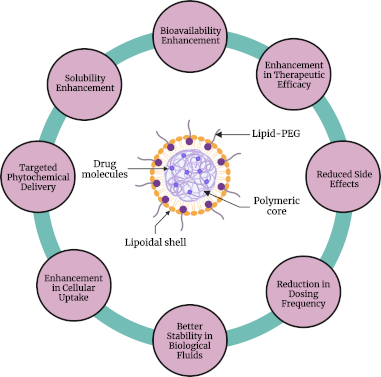
- therapeutic efficacy [44]. The development of PLHNPs for phytochemical delivery holds significant promise across various biomedical applications. PLHNPs can be utilized in cancer therapy, cardiovascular disease management, neurodegenerative disorder treatment, and other areas of medicine where phytochemicals
- in cancer therapy. This targeted delivery can increase the therapeutic efficacy of drugs while reducing side effects by minimizing off-target effects [61][62]. For instance, Garg et al. fabricated fucose ligand-decorated PLHNPs for the co-delivery of methotrexate and aceclofenac to achieve targeted
- and lipid-based carriers, providing stability, biocompatibility, and efficient drug encapsulation. Applications of stimuli-responsive PLHNPs are vast and impactful. In cancer therapy, they are used to deliver chemotherapeutic agents specifically to tumor sites, where the acidic microenvironment or


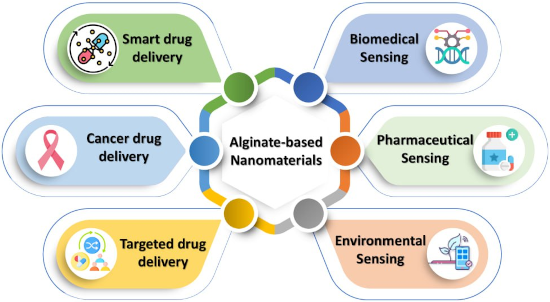
Unveiling the potential of alginate-based nanomaterials in sensing technology and smart delivery applications
Beilstein J. Nanotechnol. 2024, 15, 1077–1104, doi:10.3762/bjnano.15.88


Therapeutic effect of F127-folate@PLGA/CHL/IR780 nanoparticles on folate receptor-expressing cancer cells
Beilstein J. Nanotechnol. 2024, 15, 954–964, doi:10.3762/bjnano.15.78
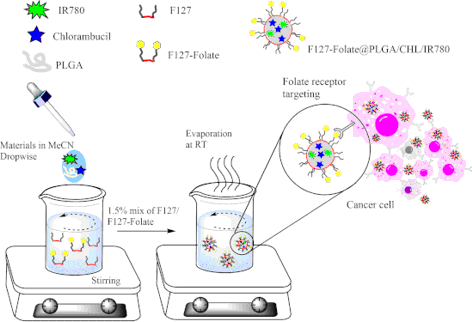
- ). Additionally, the F127-folate@PLGA/CHL/IR780 nanoparticles exhibited a lower IC50 value against cancer cells than non-targeted F127@PLGA/CHL/IR780 nanoparticles. These findings suggest that the developed F127-folate@PLGA/CHL/IR780 nanoparticles hold promise as a theragnostic system for targeted cancer therapy
- on the half-life of nanoparticles that are currently in circulation. The optimal nanoparticle size for cancer therapy was observed to vary between 50 and 200 nm [39][40]. In our study, the nanoparticles were tailored for in vivo drug administration; thus, our nanoparticle size was suitable for use in



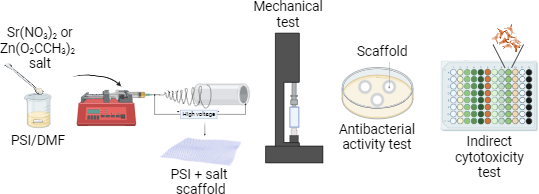
Electrospun polysuccinimide scaffolds containing different salts as potential wound dressing material
Beilstein J. Nanotechnol. 2024, 15, 781–796, doi:10.3762/bjnano.15.65
- )/hydroxyapatite in orthopedics [1][2]. Biocompatible polymers are widely used in biomedical fields, such as stents, drug delivery systems in cancer therapy, bone repair, dentistry, joint prostheses, and tissue engineering [2][3][4][5][6]. Polymers have several advantageous properties for these applications as