Search results
Search for "characterization techniques" in Full Text gives 122 result(s) in Beilstein Journal of Nanotechnology.
Impacts of annealing on structural and photophysical properties of zinc phthalocyanine adsorbed on graphene
Beilstein J. Nanotechnol. 2026, 17, 576–585, doi:10.3762/bjnano.17.39
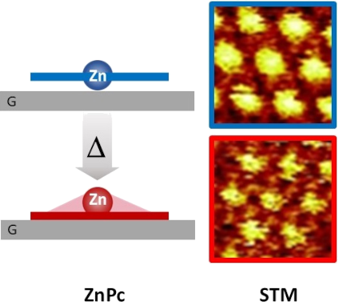
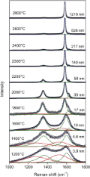
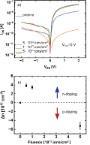
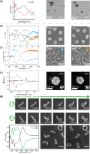
- combination of spectral and structural characterization techniques (absorption, Raman micro-spectroscopy, STM, absorption anisotropy) which reveal marked changes upon annealing. We tentatively interpret those changes as a transition of the adsorbed ZnPc molecules, individualized inside TSB35-C12 pores, from a


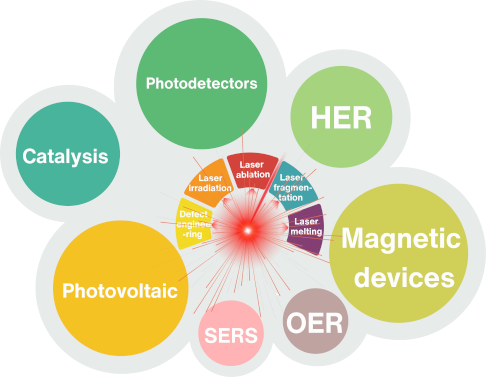
Laser–material interactions in liquids for the synthesis of nanomaterials: current status and perspectives
Beilstein J. Nanotechnol. 2026, 17, 571–575, doi:10.3762/bjnano.17.38

- [25][26][27][28], nanoparticle fragmentation intertwined with the generation and collapse of nanobubbles in LFL [29], as well as defect generation during laser-induced melting and resolidification in liquids [30][31]. Experimental investigation of these processes, however, requires characterization
- techniques capable of probing the initial stages of nanoparticle synthesis with high temporal and/or spatial resolution [32][33]. In particular, accessing the picosecond time window needed to capture the initial interaction of the ablation plume with the liquid environment, which defines the subsequent
Upcycling agroindustrial waste into graphene oxide supports for gold nanoparticles: toward sustainable nanomaterials
Beilstein J. Nanotechnol. 2026, 17, 489–504, doi:10.3762/bjnano.17.32
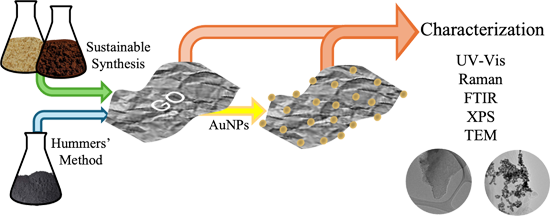
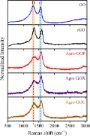
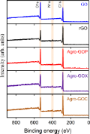
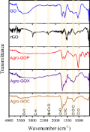
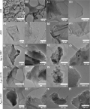
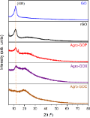
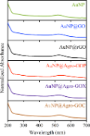
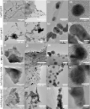
- , ozone-free emission in the 310–450 nm range, λmax = 360 nm) for 60 min under continuous stirring. A purple dispersion was obtained, confirming the formation of AuNPs. Characterization techniques The optical properties of the samples were analyzed by ultraviolet–visible (UV–vis) spectroscopy with a Cary



Defects and defect-mediated engineering of two-dimensional materials: challenges and open questions
Beilstein J. Nanotechnol. 2026, 17, 454–488, doi:10.3762/bjnano.17.31





Chiral plasmonic nanostructures fabricated with circularly polarized light
Beilstein J. Nanotechnol. 2025, 16, 2245–2264, doi:10.3762/bjnano.16.154
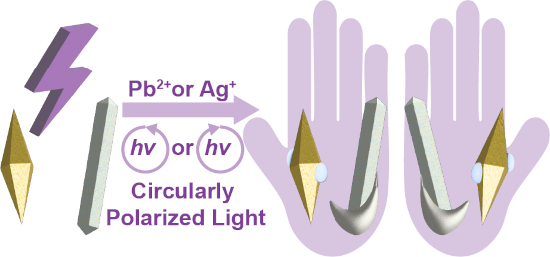
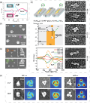
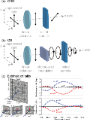
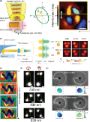
- -beam lithography in the proximity of PNSs. 3. Theoretical and experimental characterization of chiral plasmonic nanostructures Characterizing cPNSs is crucial for informing the synthesis and uses of cPNSs. This section on different characterization techniques will not be restricted to cPNSs created





On the road to sustainability – application of metallic nanoparticles obtained by green synthesis in dentistry: a scoping review
Beilstein J. Nanotechnol. 2025, 16, 1851–1862, doi:10.3762/bjnano.16.128
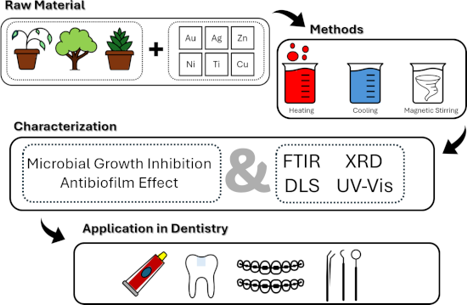
- of plant sources, extraction methods, synthesis parameters, and nanoparticle characterization techniques. Applications in the dental science field Preventive and restorative dentistry represents the field that most extensively utilizes green synthesis of nanoparticles (Table 1), particularly in the
- on titles and abstracts by two independent reviewers. Data extraction Data were extracted regarding authorship, publication year, country, type of metal used, part of the plant, synthesis method, nanoparticle characterization techniques, biological evaluations, and application within dentistry


Multifunctional anionic nanoemulsion with linseed oil and lecithin: a preliminary approach for dry eye disease
Beilstein J. Nanotechnol. 2025, 16, 1711–1733, doi:10.3762/bjnano.16.120
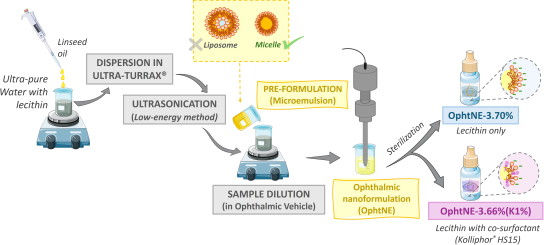
- concentration of 3.66% (w/w), containing 2.6% (w/v) LO (equivalent to 26 mg·mL−1 or 26,000 µg·mL−1) and added with 1% (w/v) Kolliphor® HS15 (indicated by the “K”). The detailed mass composition of OphtNE-3.66%(K1%) is provided in Table S2 (Supporting Information File 1). Characterization techniques for linseed



Dendrimer-modified carbon nanotubes for the removal and recovery of heavy metal ions from water
Beilstein J. Nanotechnol. 2025, 16, 1522–1532, doi:10.3762/bjnano.16.107

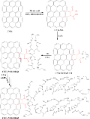
- spectroscopy was specifically used to confirm the Diels–Alder reaction on the surface of CNTs, and other characterization techniques (SEM, EDX, XRD, TGA, and FTIR) were applied to confirm the successive growth of the dendrimers. Highly dendrimerized CNTs were found to be more effective in removing heavy metal


Laser processing in liquids: insights into nanocolloid generation and thin film integration for energy, photonic, and sensing applications
Beilstein J. Nanotechnol. 2025, 16, 1428–1498, doi:10.3762/bjnano.16.104






Ferroptosis induction by engineered liposomes for enhanced tumor therapy
Beilstein J. Nanotechnol. 2025, 16, 1325–1349, doi:10.3762/bjnano.16.97
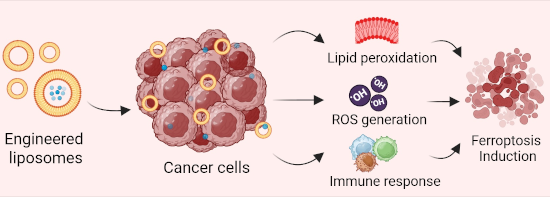
- . Other characterization techniques include nuclear magnetic resonance (NMR) spectroscopy to study membrane fluidity and phase transitions, fluorescence spectroscopy for investigating drug–liposome interactions, and capillary electrophoresis to analyze liposome–drug interactions and drug release [110][121


Synthesis of biowaste-derived carbon-dot-mediated silver nanoparticles and the evaluation of electrochemical properties for supercapacitor electrodes
Beilstein J. Nanotechnol. 2025, 16, 933–943, doi:10.3762/bjnano.16.71
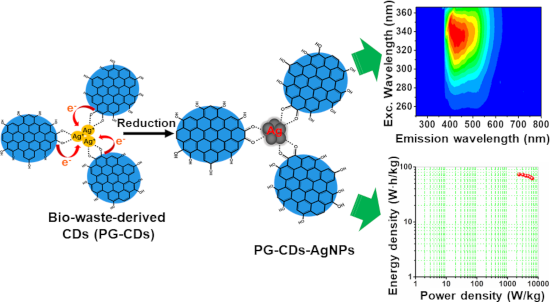
- using UV–vis spectroscopy. Supporting Information File 1, section S1 contains the details of the material characterization techniques. Results and Discussion Plant extract-mediated production of nanoparticles from noble metal precursors are well reported. In the present work, waste P. pinnata leaf
- activity, which can then optimize the capacitive response. Supporting Information File 1, section S1 contains the details of the electrochemical characterization techniques. Figure 5a depicts the CV plot of PG-CDs-AgNPs electrode at various scan rates (5–200 mV/s). It is evident through the PG-CDs-AgNPs CV


Structural and magnetic properties of microwave-synthesized reduced graphene oxide/VO2/Fe2O3 nanocomposite
Beilstein J. Nanotechnol. 2025, 16, 921–932, doi:10.3762/bjnano.16.70
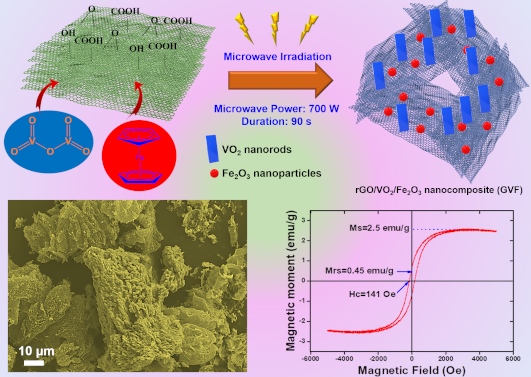
- , the approach was also able to convert V2O5 to form VO2 and synthesize Fe2O3 from ferrocene. The structure and properties of the NC were examined through various characterization techniques. Lastly, the magnetic properties of Fe-containing ternary NCs were also evaluated for their possible biomedical
- . nitric acid (HNO3), and ethanol were obtained from Duksan Pure Chemicals Co. Ltd. Graphite powder was supplied by Sigma-Aldrich. Instrumentation and characterization techniques The “PANalytical, X’Pert-PRO MPD” instrument (Cu Kα line; λ = 1.5406 Å) was utilized to carry out the XRD analyses of rGO and



Synthesis of a multicomponent cellulose-based adsorbent for tetracycline removal from aquaculture water
Beilstein J. Nanotechnol. 2025, 16, 728–739, doi:10.3762/bjnano.16.56
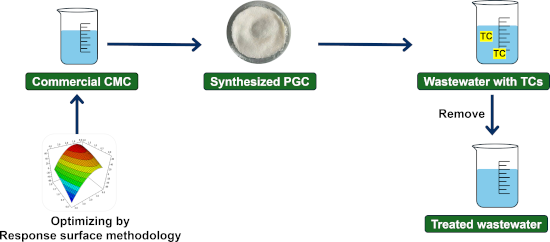
- concentration of 60 mg·L–1 at pH 6–7, reaching equilibrium after 12 h. The surface characteristics and structural properties of PGC were determined using various material characterization techniques, including FTIR, SEM, EDX, and BET. Verification experiments under optimal conditions confirmed that the


Nanostructured materials characterized by scanning photoelectron spectromicroscopy
Beilstein J. Nanotechnol. 2025, 16, 700–710, doi:10.3762/bjnano.16.54
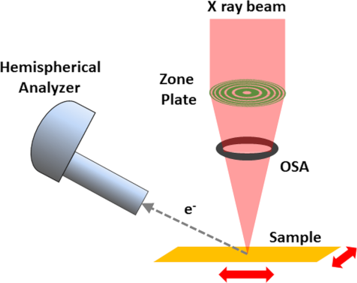
- surface characterization of individual nanowires is urgently needed. This task is difficult for many conventional surface characterization techniques due to the nanowire geometry, and it becomes even more challenging in the case of nanowire heterostructure devices, where operando characterization of a


Nanoscale capacitance spectroscopy based on multifrequency electrostatic force microscopy
Beilstein J. Nanotechnol. 2025, 16, 637–651, doi:10.3762/bjnano.16.49

- understanding of material properties, particularly at the nanoscale, where phenomena such as quantum confinement, interface effects, and defect dynamics play a critical role. Innovations in characterization techniques have enabled researchers to explore these properties with unprecedented precision, paving the




Retrieval of B1 phase from high-pressure B2 phase for CdO nanoparticles by electronic excitations in CdxZn1−xO composite thin films
Beilstein J. Nanotechnol. 2025, 16, 551–560, doi:10.3762/bjnano.16.43

- diverse characterization techniques, demonstrating the potential reversibility of the B1 to B2 phase transformation induced by ion irradiation. Keywords: irradiation; phase transformation; thermal spike; track diameter; X-ray absorption near edge spectroscopy; X-ray photoelectron spectroscopy


Graphene oxide–chloroquine conjugate induces DNA damage in A549 lung cancer cells through autophagy modulation
Beilstein J. Nanotechnol. 2025, 16, 316–332, doi:10.3762/bjnano.16.24
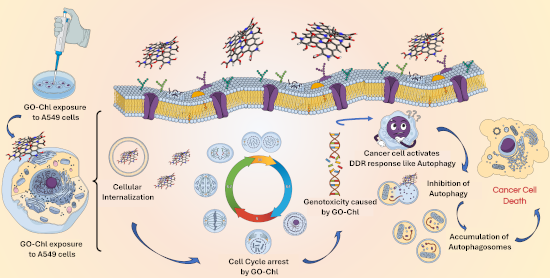
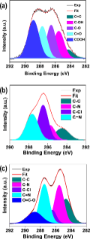
- quantitative estimation of the unbound drug. Physical characterization techniques The functional group and structural analysis of GO and GO–Chl nanoconjugate were studied using a Fourier-transform infrared spectrometer (Cary 630 FTIR, Agilent, CA, USA) in ATR mode and a Raman spectrophotometer (Ranishaw win
- formation of GO–Chl nanoconjugates was confirmed by investigating the optical, functional, structural, and morphological properties employing standard analytical characterization techniques. The optical properties of GO and GO–Chl were assessed using UV–vis spectroscopy (Supporting Information File 1



Recent advances in photothermal nanomaterials for ophthalmic applications
Beilstein J. Nanotechnol. 2025, 16, 195–215, doi:10.3762/bjnano.16.16
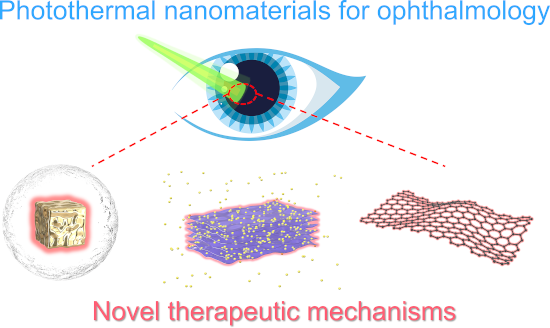
- machine learning to accelerate material development, exploring more types of photothermal nanomaterials, exploring more diverse composite photothermal material formulations, utilizing advanced characterization techniques, and collaborating with multidisciplinary researchers, more advanced and effective


A review of metal-organic frameworks and polymers in mixed matrix membranes for CO2 capture
Beilstein J. Nanotechnol. 2025, 16, 155–186, doi:10.3762/bjnano.16.14
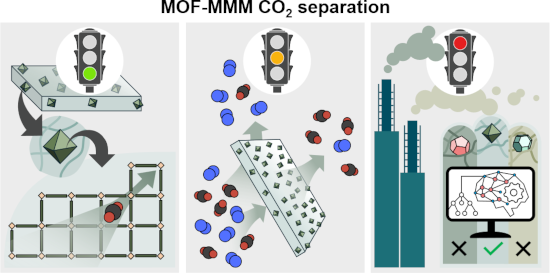
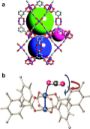
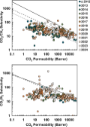
- MMMs Material characterization techniques are pivotal for the assessment of novel MOF-based MMMs structures. Electron microscopy enables direct imaging of a sample with up to sub-nanometer resolution [139]. Scanning electron microscopy (SEM) is a popular and straightforward method to obtain images of




TiO2 immobilized on 2D mordenite: effect of hydrolysis conditions on structural, textural, and optical characteristics of the nanocomposites
Beilstein J. Nanotechnol. 2025, 16, 128–140, doi:10.3762/bjnano.16.12
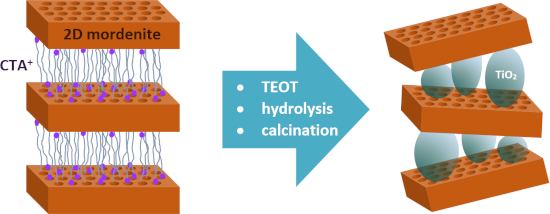
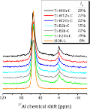
- complementary characterization techniques, including XRD, SEM-EDX, TGA, N2 sorption, NMR, XPS and UV–vis spectrometry. It was observed that treatment in 70% ethanol solution preserves the ordered layered structure of 2D mordenite because TEOT hydrolysis is slowed down. This, in turn, leads to higher

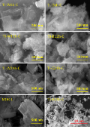

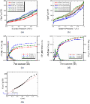
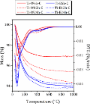

Characterization of ZnO nanoparticles synthesized using probiotic Lactiplantibacillus plantarum GP258
Beilstein J. Nanotechnol. 2025, 16, 78–89, doi:10.3762/bjnano.16.8
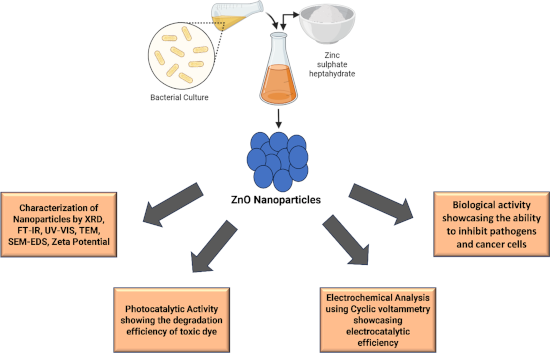
- nanoparticles (ZnO NPs), utilizing lactic acid bacteria isolated from curd as the key biological agent. Bacteria function as agents for both reduction and capping processes, which aids the synthesis of ZnO NPs. Various characterization techniques including XRD, FTIR, UV–vis, TEM, SEM-EDX, and zeta potential



Fabrication of hafnium-based nanoparticles and nanostructures using picosecond laser ablation
Beilstein J. Nanotechnol. 2024, 15, 1639–1653, doi:10.3762/bjnano.15.129
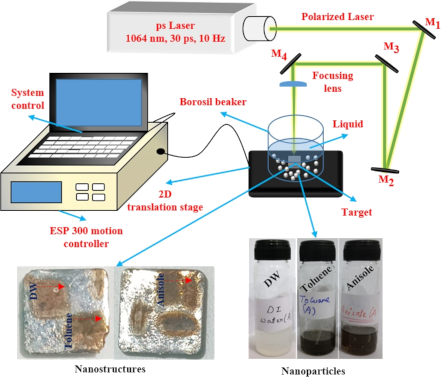
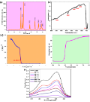
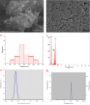
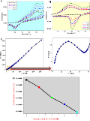
- turned from transparent to turbid white, while toluene and anisole turned from transparent to black (Figure 2). The obtained NPs and NSs were labelled as described in Table 1, according to the liquid in which they were ablated, and subsequently characterised through different methods. Characterization
- techniques The synthesised NPs were drop-cast on carbon-coated copper grids to record transmission electron microscopy (TEM) images and selected area electron diffraction (SAED) patterns using a FEI Tecnai G2 S-Twin operating at 200 kV. Further, these NPs were drop-cast on cleaned Si substrates, and their




Heterogeneous reactions in a HFCVD reactor: simulation using a 2D model
Beilstein J. Nanotechnol. 2024, 15, 1627–1638, doi:10.3762/bjnano.15.128
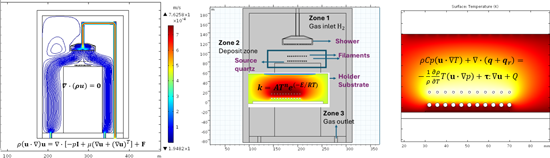
- precursors employed. Results and Discussion Experimental results The SiOx films obtained using the HFCVD reactor have already been characterized using different optical, electrical, and structural characterization techniques [29][30][31]. Also, the process of the growth of the films was optimized through a


Unveiling the potential of alginate-based nanomaterials in sensing technology and smart delivery applications
Beilstein J. Nanotechnol. 2024, 15, 1077–1104, doi:10.3762/bjnano.15.88
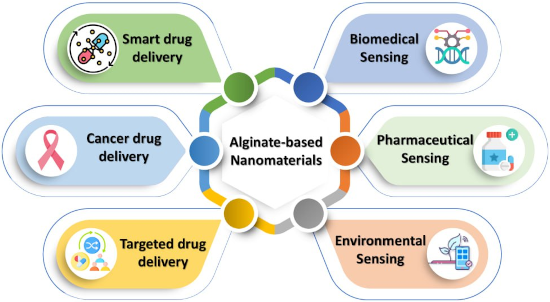
- -based composite nanoparticles, which provides a comprehensive overview of nanoparticles and their uses, especially in sensing applications (Figure 2). Moreover, characterization techniques of biopolymeric nanoparticles and their importance for drug delivery and sensing methods will be reviewed. In
- alginate–polymer nanoparticles involves the use of oil-in-water emulsions in polymer and calcium alginate solutions to prepare polymer NPs and calcium alginate NPs separately [57]. Characterization techniques of alginate-based nanoparticles Characterization techniques play a crucial role in analyzing


Effect of wavelength and liquid on formation of Ag, Au, Ag/Au nanoparticles via picosecond laser ablation and SERS-based detection of DMMP
Beilstein J. Nanotechnol. 2024, 15, 1054–1069, doi:10.3762/bjnano.15.86

- . This process took approximately 20 minutes. Characterization techniques The absorption studies were conducted by placing 3 mL of the colloidal solution in a 1 cm quartz cuvette and using a UV–visible absorption spectrometer (PerkinElmer, LAMBDA 750) within the 300–800 nm wavelength range. The