


Search results
Search for "delivery system" in Full Text gives 92 result(s) in Beilstein Journal of Nanotechnology.
Biomimetic nanoparticles in cancer photodynamic therapy: a review of targeted delivery systems and therapeutic outcomes
Beilstein J. Nanotechnol. 2026, 17, 396–422, doi:10.3762/bjnano.17.27
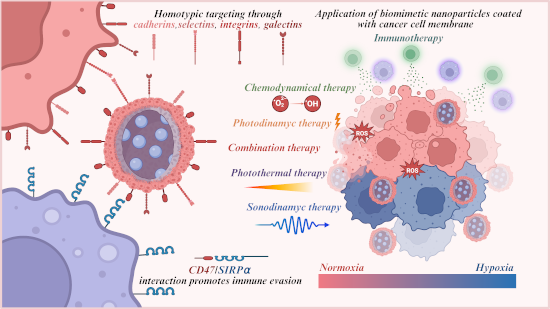
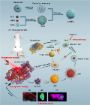
- , thereby reducing side effects and increasing the therapeutic index. In this context, the use of nanocarriers for PS delivery gains particular importance, offering new opportunities to enhance both the selectivity and safety of PDT [33]. Currently, nanoparticles serve as versatile delivery system for a


Development and in vitro evaluation of liposomes and immunoliposomes containing 5-fluorouracil and R-phycoerythrin as a potential phototheranostic system for colorectal cancer
Beilstein J. Nanotechnol. 2026, 17, 97–121, doi:10.3762/bjnano.17.7
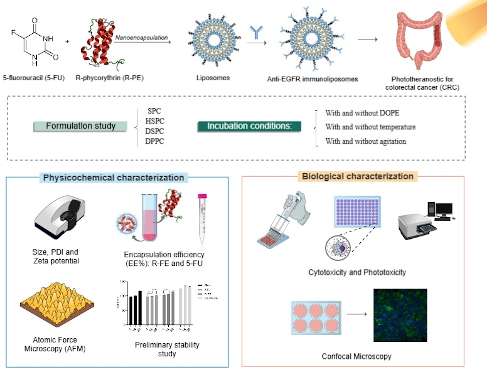
- lipophilic substances. Furthermore, liposomes can also act as a protein delivery system, reducing enzymatic degradation of proteins and enhancing their stability and their permeability through cell membranes [7]. Immunoliposomes provide many advantages by surface functionalization with targeting biomolecules
- incorporation. Likewise, Udofot et al. (2015) [64] reported subtle FTIR spectral changes in pH-sensitive liposomes loaded with 5-FU, attributing these modifications to drug–lipid interactions that enhance the stability of the delivery system. Taken together, these results are consistent with previous literature

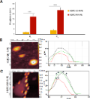


Quality by design optimization of microemulsions for topical delivery of Passiflora setacea seed oil
Beilstein J. Nanotechnol. 2025, 16, 2116–2131, doi:10.3762/bjnano.16.146
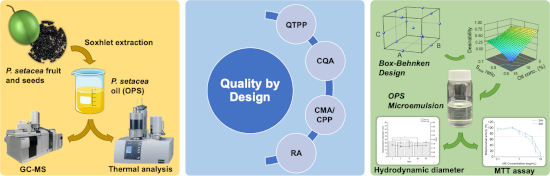
- variability and supporting the systematic optimization of the formulation [10][12]. Therefore, the present study aimed to develop and optimize a low-surfactant microemulsion containing PEG-30 castor oil and Span® 80, based on the approach described by Dourado et al. (2022) [13], as a topical delivery system


Toward clinical translation of carbon nanomaterials in anticancer drug delivery: the need for standardisation
Beilstein J. Nanotechnol. 2025, 16, 2092–2104, doi:10.3762/bjnano.16.144

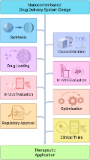
- treated. Perspective The development of a novel CNM-based drug delivery system for targeted anticancer therapeutic delivery is a complex and multistep process that involves several key milestones (Figure 3), each of which requires distinct expertise in materials science, chemistry, biology, and regulatory
- affairs. Achieving these key milestones is critical to developing a safe and effective drug delivery system that can improve the treatment of cancer. The process begins with the synthesis of CNMs tailored to specific size and surface chemistry requirements, using methods such as chemical vapour deposition
- safety. Insights from these studies guide further optimisation of the delivery system, which may involve adjusting particle size, surface chemistry, or drug-loading strategies. Once optimised and evaluated, the system enters regulatory review, requiring preclinical safety and efficacy data to meet



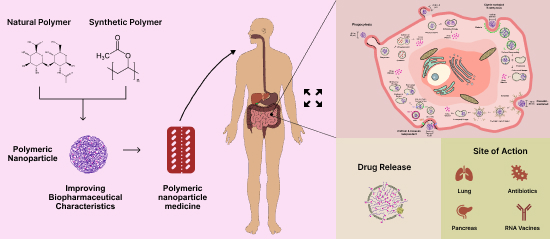
Exploring the potential of polymers: advancements in oral nanocarrier technology
Beilstein J. Nanotechnol. 2025, 16, 1751–1793, doi:10.3762/bjnano.16.122


Advances of aptamers in esophageal cancer diagnosis, treatment and drug delivery
Beilstein J. Nanotechnol. 2025, 16, 1734–1750, doi:10.3762/bjnano.16.121
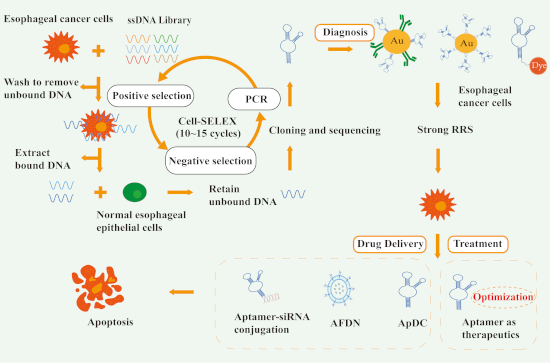
- drug delivery system may be an important means to treat EC and other diseases in the future. To enhance delivery efficiency and therapeutic outcomes, researchers have developed various aptamer–drug conjugation strategies, primarily including: (1) covalent conjugation of aptamers with siRNA for precise
- deliver PTX and siRNA to ESCC cells overexpressing EFNA1. Due to the excellent permeability and retention of natural yolk lipid nanocarriers (EYLNs) [127], as well as the combined effects of chemotherapy and gene therapy, the EA1-EYLNs-PTX/siEFNA1 delivery system exhibited significant antitumor effects
- et al. [107] designed a PEI–aptamer–EPI nanoplatform that relies on high ATP concentrations to release epirubicin (EPI). The polyethyleneimine (PEI) coating makes the whole delivery system positively charged, enables better adsorption to cell membranes, and promotes internalization. In vitro release


Multifunctional anionic nanoemulsion with linseed oil and lecithin: a preliminary approach for dry eye disease
Beilstein J. Nanotechnol. 2025, 16, 1711–1733, doi:10.3762/bjnano.16.120
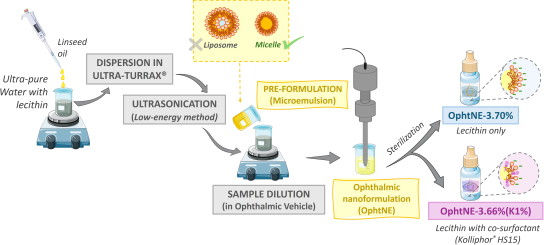
- investigated as potential drug delivery technologies [14][15]. However, our formulation is not a drug delivery system (DDS) since it lacks pharmacological agents. Instead, it is a functional nanoemulsion designed to mimic the tear film’s properties and provide antioxidant and osmoprotective benefits, aiming to



Prospects of nanotechnology and natural products for cancer and immunotherapy
Beilstein J. Nanotechnol. 2025, 16, 1644–1667, doi:10.3762/bjnano.16.116
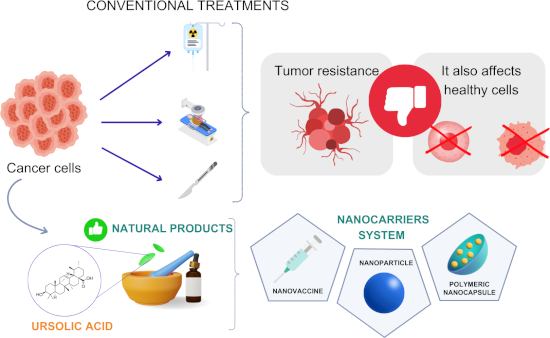
- after 24 h [68]. Similarly, patent CN426774477 (2023) developed an immune checkpoint inhibitor nano-delivery system using natural polyphenols. The formulation contained sulfhydrylated hyaluronic acid (HA-SH), which acts as an adjuvant carrier, and epigallocatechin gallate (EGCG) as an API to form HA


Venom-loaded cationic-functionalized poly(lactic acid) nanoparticles for serum production against Tityus serrulatus scorpion
Beilstein J. Nanotechnol. 2025, 16, 1633–1643, doi:10.3762/bjnano.16.115
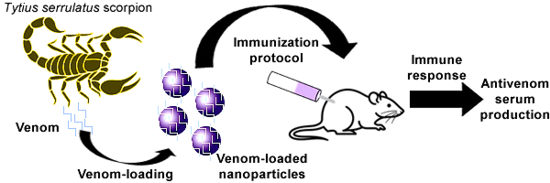
- delivery through nanoparticles is an effective way to control drug release as well as to design an efficient protein delivery system [16]. Among different materials used for nanocarriers, several polymers have been investigated for producing cationic nanocarriers due to their ability to cross biological
- nanoparticulate formulations based on biodegradable polymers such as PLA have been investigated [13][27][28][29][30][31][32]. A more detailed approach for use of a delivery system as a new nontoxic and non-inflammatory immunoadjuvant is of great importance to public health. The present study was designed with the


Nanomaterials for biomedical applications
Beilstein J. Nanotechnol. 2025, 16, 1499–1503, doi:10.3762/bjnano.16.105
- . Drugs or genetic material can be carried by these cylindrical nanoparticles and directed towards specific cells through external stimuli such as a magnetic field or light [12]. A new nanoscale drug delivery system has been developed by using carbon nanotubes and a carbon nanotube–graphene hybrid to more
- for quick and accurate identification of biomarkers from blood or similar samples [21]. A novel biosensor type, called a biosensing drug delivery system, combines sensors with drug release mechanisms. This could make it easier to treat chronic diseases such as diabetes, heart disease, and cancer. When
Enhancing the therapeutical potential of metalloantibiotics using nano-based delivery systems
Beilstein J. Nanotechnol. 2025, 16, 1350–1366, doi:10.3762/bjnano.16.98
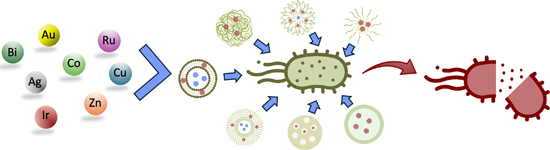
- systems [40][41]. Other bacteria, such as Staphylococcus aureus express alpha-toxin, which perforates the membrane of liposomes and can be utilized to trigger the release of antibiotics from the drug delivery system at the target site [42]. Also, enhanced permeability and retention (EPR) is observed at
- ]. To address these issues, researchers have developed nanostructured lipid carriers, which incorporate liquid lipids into a solid lipid matrix, resulting in improved drug loading capacity and stability [75]. In summary, SLNs have garnered significant attention as a promising drug delivery system
- complexes. In another example, a nano-based delivery system was developed comprising the zinc–rifampicin complex (Zn-RIF) 16 (Figure 4) encapsulated within transferrin-functionalized silver quantum dots (Zn-RIF-Tf-QDs) [122]. This formulation markedly enhanced antimycobacterial activity, with at least a


Better together: biomimetic nanomedicines for high performance tumor therapy
Beilstein J. Nanotechnol. 2025, 16, 1246–1276, doi:10.3762/bjnano.16.92
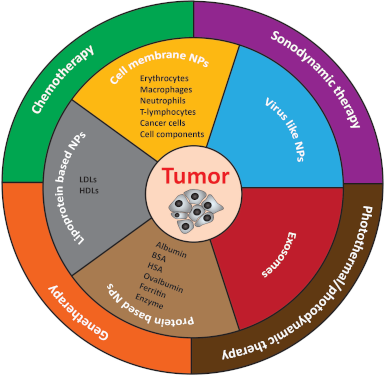
- successfully eradicate tumors [8]. To overcome these discrepancies, an efficient, biocompatible, nontoxic, non-immunogenic and precisely targeted drug delivery system is desirable [9]. Conventional non-targeted delivery systems result in off-targeting as they also affect healthy cells and organs. Therefore






Hydrogels and nanogels: effectiveness in dermal applications
Beilstein J. Nanotechnol. 2025, 16, 1216–1233, doi:10.3762/bjnano.16.90
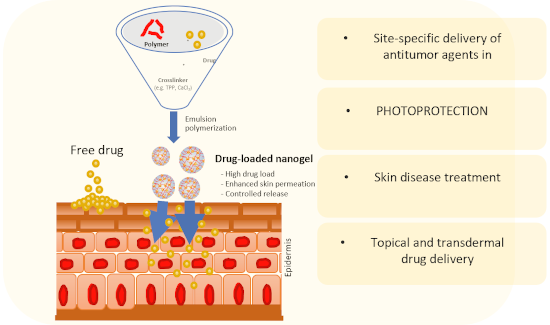
- of Ca(OH)2 (pH 10.2), CaCl2 (pH 7.2), or CaCO3 (pH 8.1) for three days at room temperature, followed by washing with water and drying at 60 °C [140]. In recent years, ultrasmall nanogels have emerged as an innovative drug delivery system, mainly due to their ability to deeply penetrate biological


Chitosan nanocomposite containing rotenoids: an alternative bioinsecticidal approach for the management of Aedes aegypti
Beilstein J. Nanotechnol. 2025, 16, 1197–1208, doi:10.3762/bjnano.16.88
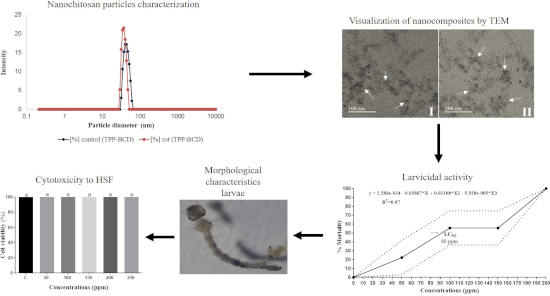
- delivery system for rotenoids isolated from Clitoria fairchildiana seeds, leveraging their larvicidal activity against third-instar larvae of Ae. aegypti. The nanocomposite was synthesized using a controlled ionic gelation method incorporating the TPP-β-CD inclusion complex, which resulted in nanoparticles
- . This process causes exoskeletal alterations and ultimately leads to larval death [14]. Building on this work and aiming to develop a biotechnological product that could represent a novel tool for managing Ae. aegypti, a chitosan (CS)-based nanocomposite was developed as a delivery system for the
- delivery system is biocompatible with HSF cells. Therefore, both free rotenoids and the CS/TPP-BCD rot formulation are safe for use at the tested concentration. Previous studies reported that synthetic insecticides, such as type II pyrethroids (deltamethrin, cyphenothrin, λ-cyhalothrin, cyfluthrin



Synthetic-polymer-assisted antisense oligonucleotide delivery: targeted approaches for precision disease treatment
Beilstein J. Nanotechnol. 2025, 16, 435–463, doi:10.3762/bjnano.16.34

- nanocomposite effectively inhibited both mRNA expression and protein translation synchronously; it also exhibited a significant tumour inhibitory rate of 77.99% in vivo, underscoring the potential of this delivery system for antitumor therapy. Poly(ʟ-ornithine). Although similar in structure, there has been a
- cell viability, demonstrating its potential for therapeutic applications in dermatology. More recently, Taniguchi et al. explored the use of PLO as a key component in a novel drug delivery system designed for the treatment of advanced breast and pancreatic cancers [90]. The researchers developed a
- reduction in tumour size and metastasis in both orthotopic and xenograft models. Importantly, the PEG-PLO-based delivery system showed a lower nitrogen-to-phosphate ratio requirement compared to similar systems using PEG-PLL, thereby reducing the amount of polymer needed for effective siRNA delivery. The


Development of a mucoadhesive drug delivery system and its interaction with gastric cells
Beilstein J. Nanotechnol. 2025, 16, 371–384, doi:10.3762/bjnano.16.28

- mucoadhesive drug delivery system that was developed to fulfill these requirements. Alginate nanoparticles were synthesized by water-in-oil emulsification followed by external gelation and then coated with the mucoadhesive polymer Eudragit RS100. The formulated nanoparticles had a mean size of 219 nm and
- positive charge. A peptide, as a model drug, was loaded onto the nanoparticles with an encapsulation efficiency of 58%. The release of the model drug from the delivery system was pH-independent and lasted for 7 days. The periodic acid–Schiff stain assay indicated 69% mucin interaction for the nanoparticles
- , which were also capable of diffusion through artificial mucus. The nanoparticles were not toxic to gastric epithelial cells and can be internalized by the cells within 4 h. The adsorption of nanoparticles onto mucus-secreting gastric cells was found to be correlated with cell number. The delivery system


Recent advances in photothermal nanomaterials for ophthalmic applications
Beilstein J. Nanotechnol. 2025, 16, 195–215, doi:10.3762/bjnano.16.16
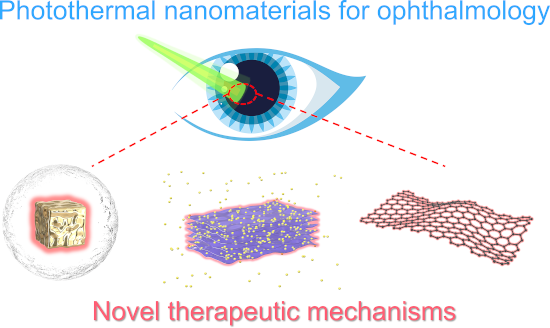
- inspiration from lollipops, Wang et al. developed a multilayered sodium alginate–chitosan hydrogel sphere drug delivery system, which uses ZnO-modified biocarbon (ZnO-BC) to enhance the photothermal conversion performance [70]. The hydrogel ball is embedded under the conjunctiva through surgery. ZnO-BC can


Nanocarriers and macrophage interaction: from a potential hurdle to an alternative therapeutic strategy
Beilstein J. Nanotechnol. 2025, 16, 97–118, doi:10.3762/bjnano.16.10
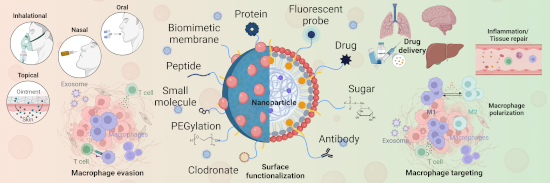
- ultrastructural changes in macrophages, providing nanoscale insights into inflammation. The efficiency of gold NP (AuNP)-loaded macrophages as a targeted delivery system was tested in an ovalbumin-induced asthma mouse model. Findings showed significant macrophage–NP interactions, highlighting the potential of


Polymer lipid hybrid nanoparticles for phytochemical delivery: challenges, progress, and future prospects
Beilstein J. Nanotechnol. 2024, 15, 1473–1497, doi:10.3762/bjnano.15.118
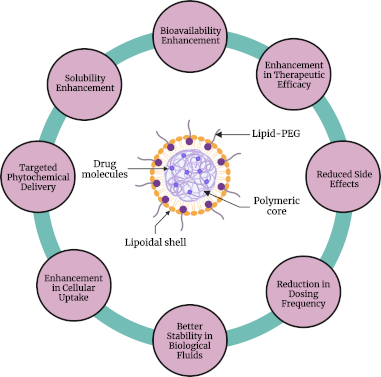
- hybrid nanoparticles (PLHNPs) have emerged as a novel delivery system that combines the advantages of both polymeric and lipid-based nanoparticles to overcome these challenges. This review explores the potential of PLHNPs to enhance the delivery and efficacy of phytochemicals for biomedical applications
- matrix, which can vary in its configuration depending on the specific requirements of the delivery system [12][13]. The lipid components, often phospholipids, cholesterol, and surfactants are integral for solubilizing lipophilic drugs. The polymer component, which can include materials such as


Hymenoptera and biomimetic surfaces: insights and innovations
Beilstein J. Nanotechnol. 2024, 15, 1333–1352, doi:10.3762/bjnano.15.107
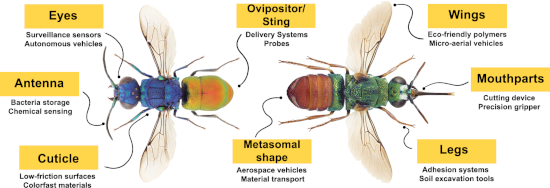
- delivery system (Figure 7C,D). The venom delivery systems of Hymenoptera are precise and efficient, inspiring the design of microinjection systems and targeted drug delivery methods that minimize collateral damage to surrounding tissues [170]. Drawing inspiration from the precision and efficiency of




Recent updates in applications of nanomedicine for the treatment of hepatic fibrosis
Beilstein J. Nanotechnol. 2024, 15, 1105–1116, doi:10.3762/bjnano.15.89
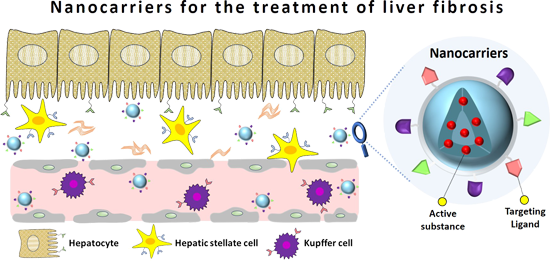
- and passive targeting effect of the pro-liposomal drug delivery system. The in vivo pharmacological activity of the pro-liposomes displayed a 7.2-fold increased oral bioavailability of myricetin, leading to remarkably decreased levels of ALT, AST, and the lipid peroxidation marker (MDA), while
- ALT). To further improve the therapeutic outcome of the liver-targeted nanocarriers, recently, Zhang and co-workers developed a dual-nanoparticle co-delivery system for targeting LSECs and HSCs [86]. Two types of DSPE-PEG NPs were prepared, and each of them was decorated with either hyaluronic acid or
- on its surface. Figure 3 was reprinted from [57], Journal of Drug Delivery Science and Technology, vol. 66, by Y. Thant et al., “TPGS conjugated pro-liposomal nanodrug delivery system potentiate the antioxidant and hepatoprotective activity of Myricetin“, article no. 102808, Copyright (2021), with


Unveiling the potential of alginate-based nanomaterials in sensing technology and smart delivery applications
Beilstein J. Nanotechnol. 2024, 15, 1077–1104, doi:10.3762/bjnano.15.88
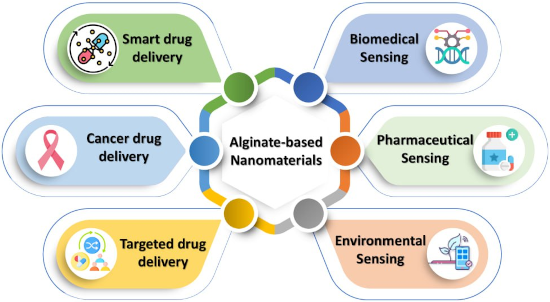
- nanoparticles, the delivery system can specifically target the diseased tissue, ensuring that the highest concentration of the drug reaches the desired location while minimizing systemic exposure. This targeted delivery leads to enhanced therapeutic outcomes and reduced side effects [49]. Another advantage of
- NPs, yielding sustained release of the medicine and promising results as a transmucosal DDSs for hydrophobic medicines. Another enhanced cancer drug delivery system was developed by Iranian scientists. They conceived a nanoparticles-in-nanofibers DDS, which they called nano-in-nano delivery technique


Fabrication of nanocrystal forms of ᴅ-cycloserine and their application for transdermal and enteric drug delivery systems
Beilstein J. Nanotechnol. 2024, 15, 465–474, doi:10.3762/bjnano.15.42
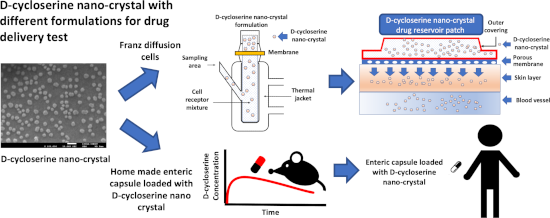
- showed good performance in the Franz diffusion test and rodent pharmacokinetic studies due to the nanoparticle size and faster dissolution as compared with the commercial DCS powder. These DCS nanocrystal formulations could offer a new approach for the development of an advanced drug delivery system for
- the treatment of CNS disorders. Keywords: ᴅ-cycloserine; drug delivery system; enteric capsules; N-methyl-ᴅ-aspartate; nanocrystals; NMDA receptor agonist; transdermal reservoir; Introduction Tuberculosis (TB) is a prevalent respiratory disease caused by Mycobacterium tuberculosis. According to the
- transdermal delivery of a DCS aqueous solution with hydrophobic formulations The transdermal formulation of DCS should demonstrate long-term penetration capability and stability in the Franz diffusion cell system. In the reservoir transdermal delivery system, compounds were mixed in a compartment and well


Vinorelbine-loaded multifunctional magnetic nanoparticles as anticancer drug delivery systems: synthesis, characterization, and in vitro release study
Beilstein J. Nanotechnol. 2024, 15, 256–269, doi:10.3762/bjnano.15.24
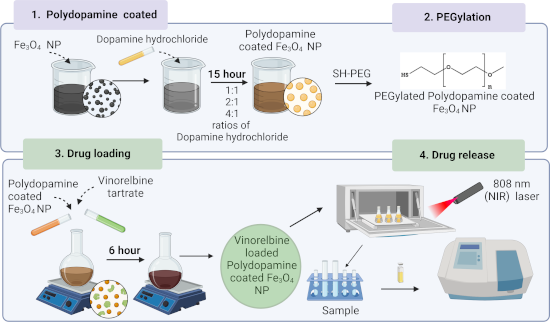
- efficacy. The application of vinorelbine tartrate is limited because of its dose-related toxicity to the nervous, pulmonary, and gastrointestinal systems and reduced absorption when taken orally [33]. Encapsulation studies specifically aim to create a controlled drug delivery system to reduce existing side
- appropriate sizes exhibited controlled drug release capabilities. Thus, a controlled drug delivery system was established using VNB/PDA/Fe3O4 NPs, which exhibited high release at the tumor microenvironment pH 5.5 for potential application in cancer treatment. The impact of polymer thickness on drug release
- differences in drug release kinetics; our nanostructures exhibit a higher drug release percentage at pH 5.5 (84.57%) compared to pH 7.4 (57.71%). This underscores the pH-responsive behaviour of our drug delivery system, which could potentially enhance drug delivery to tumour sites while minimizing off-target


Nanocarrier systems loaded with IR780, iron oxide nanoparticles and chlorambucil for cancer theragnostics
Beilstein J. Nanotechnol. 2024, 15, 180–189, doi:10.3762/bjnano.15.17
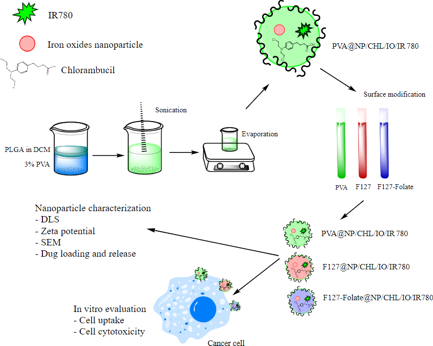
- delivery system. The delivery system is comprised of three components: the carrier, the imaging agent, and the therapeutic drug, all of which need clinical approval before being used in humans. Poly(lactic-co-glycolic acid) (PLGA) is an approved biodegradable and biocompatible material for clinical use [1





