


Search results
Search for "drug carriers" in Full Text gives 58 result(s) in Beilstein Journal of Nanotechnology.
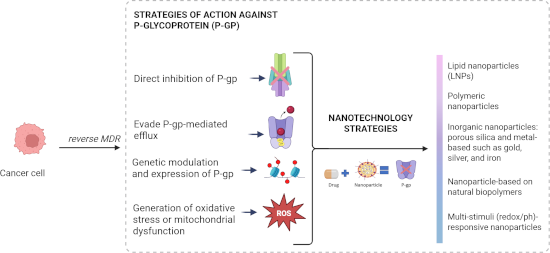
Nanocarrier strategies to overcome P-glycoprotein-mediated drug resistance in cancer therapy
Beilstein J. Nanotechnol. 2026, 17, 882–921, doi:10.3762/bjnano.17.64


Towards targeted drugs and next generation of nanomedicines
Beilstein J. Nanotechnol. 2026, 17, 598–601, doi:10.3762/bjnano.17.41

- that the first drug carriers that reached the clinics, such as liposomes and protein-based drug carriers (e.g., Doxil and Abraxane, respectively) have been investigated for drug delivery long before the term "nanomedicine" was coined, at the end of the last century, and became popular. The same is true
- for colloids, which were investigated also long before they were called "nanoparticles". On the other hand, such argument leaves out the fact that lipid-based drug carriers and colloids used today in nanomedicine are quite distinct from the ones from the past. For instance, the lipid nanoparticles
- targeted site. The so-called enhanced permeation and retention (EPR) effect has long been exploited for passive targeting of drug carriers to tumors via leaky tumor blood vessels (Doxil is indeed an example of passively targeted nanomedicine, among several others [15][16][17]). The success of this strategy
Nanocarrier-integrated multilayer films produced by 3D printing for improved skin adhesion and curcumin photostability
Beilstein J. Nanotechnol. 2026, 17, 440–453, doi:10.3762/bjnano.17.30
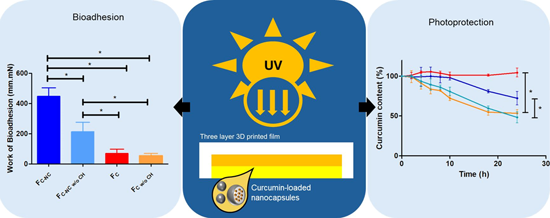
- enable the development of formulations with reduced particle sizes (typically between 100 and 500 nm) and tailored physicochemical properties [19][20]. In the pharmaceutical context, nanoparticles, including polymeric nanoparticles, have been extensively investigated as drug carriers. The use of


Prospects of nanotechnology and natural products for cancer and immunotherapy
Beilstein J. Nanotechnol. 2025, 16, 1644–1667, doi:10.3762/bjnano.16.116
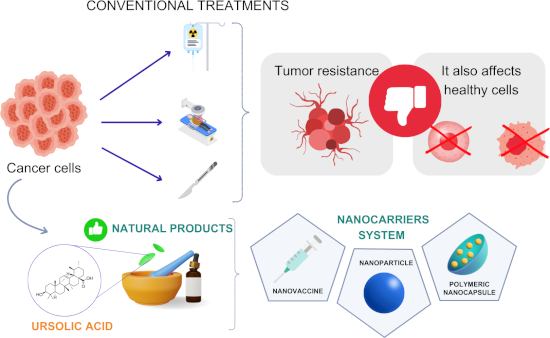
- , cellular absorption, and slow release of drugs [38]. Polymeric nanoparticles are colloidal polymer systems used as drug carriers for targeted therapies and diagnostics [39]. Gold nanoparticles have properties such as chemical reactivity, anti-inflammatory effects, and protein-binding abilities, while
- quantum dot nanoparticles are fluorescent semiconductor compounds that can act as drug carriers [40][41]. Nanotechnology, natural products, cancer, and immunotherapy Natural products are chemicals produced by living organisms such as microbes, marine organisms, animals, fungi, and plants. They are widely
- and drug carriers, and methanol, ethanol, and acetone as solvents. Both nanoparticle systems exhibited high biocompatibility and low cytotoxicity to normal cells. Additionally, the results demonstrated the technology had a tumor inhibition greater than 70% in mice with a synergistic antitumor effect


Enhancing the therapeutical potential of metalloantibiotics using nano-based delivery systems
Beilstein J. Nanotechnol. 2025, 16, 1350–1366, doi:10.3762/bjnano.16.98
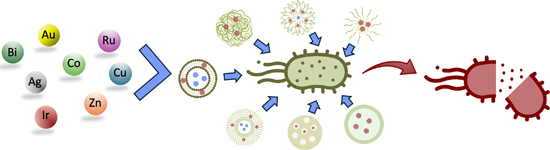
- drug carriers with ligands that bind to specific receptors overexpressed on the surface of the target site [45]. There are notable differences between the surfaces of eukaryotic cells and pathogenic bacteria, which provides obvious advantages in active-targeting strategies. In Gram-positive bacteria


Ferroptosis induction by engineered liposomes for enhanced tumor therapy
Beilstein J. Nanotechnol. 2025, 16, 1325–1349, doi:10.3762/bjnano.16.97
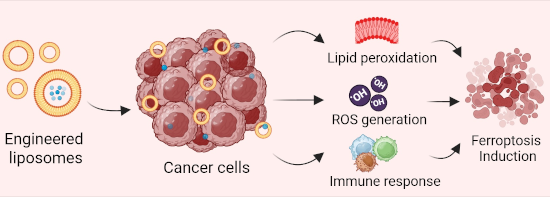
- promoting ferroptosis [104][105][106]. 3 Liposomes Liposomes are spherical vesicles composed of one or more phospholipid bilayers and have been investigated as drug carriers due to their unique properties and versatility [107]. Glycerophospholipids, sphingomyelin, and cholesterol are the main components of


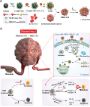
Better together: biomimetic nanomedicines for high performance tumor therapy
Beilstein J. Nanotechnol. 2025, 16, 1246–1276, doi:10.3762/bjnano.16.92
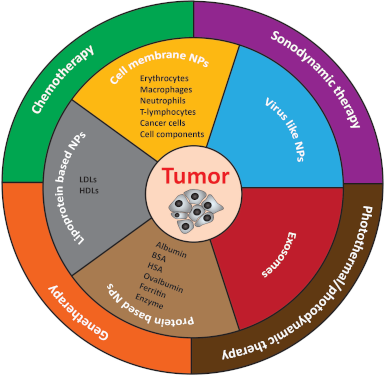
- release behavior, targeting ability, and surface modifications [12][13][14][15]. A variety of nanoparticles have been researched including liposomes, polymer NPs, solid lipid NPs, and hybrid NPs [16]. Nanoscale drug carriers with the advantage of high penetration, long circulation, and significant
- targetability have been employed for the treatment of various fatal diseases such as cancer, Alzheimer’s, stroke, and diabetes [17][18][19]. However, the development of optimum NP drug carriers is still critical as they all come with several limitations. For example, liposomes can carry hydrophilic drugs that
- system and are not phagocytosed, thus increasing circulation and retention time [25]. 1.1.1 Erythrocytes. Erythrocytes (red blood cells, RBCs) are the most abundant form of cells in the blood and an excellent candidate for long-time circulation of drug carriers. Among all eukaryotic cells, they are






Hydrogels and nanogels: effectiveness in dermal applications
Beilstein J. Nanotechnol. 2025, 16, 1216–1233, doi:10.3762/bjnano.16.90
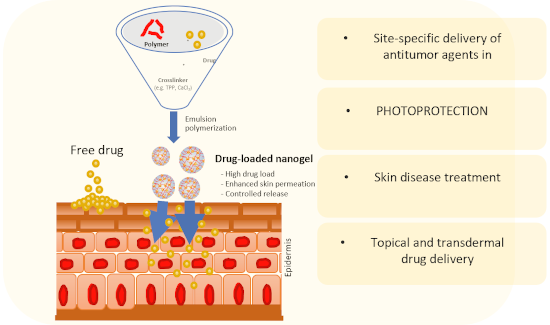
- stability, absorption, and biodistribution impairments. Among the DDSs, we can highlight hydrogels and nanogels, which are easy to obtain, show good biocompatibility, and have several applications in the design of drug carriers for dermal and ocular administration. In this review, we introduce a brief
- properties, which are like living tissues [30][31]. Beyond their application in tissue engineering, nanogels are promising materials as DDSs [32]. Nanogels have been successfully designed as drug carriers for oral [33][34], nasal [35], ocular [36], dermal [37], and intravenous [38] administrations. As the
- as drug carriers to deliver hydrophobic [153] and hydrophilic [154] molecules as well as biomolecules, including proteins [155] and nucleic acids [156]. These nanocarriers can be obtained from biodegradable and biocompatible materials [157], showing singular properties, such as stimuli-responsiveness


Nanomaterials in targeting amyloid-β oligomers: current advances and future directions for Alzheimer's disease diagnosis and therapy
Beilstein J. Nanotechnol. 2025, 16, 561–580, doi:10.3762/bjnano.16.44
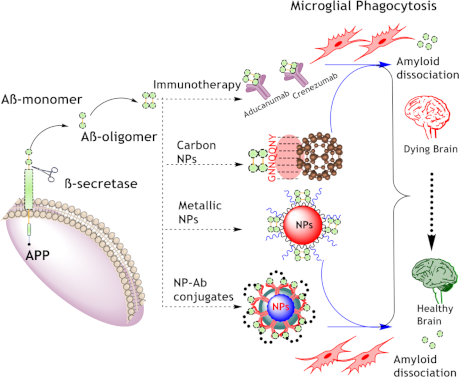
- ) enhance imaging sensitivity because of their distinct electrical or photoluminescent properties. For treatment, NPs can serve as drug carriers, improving delivery across the BBB and reducing side effects. Their large surface area allows for controlled drug release and targeted therapy, enhancing treatment


Radiosensitizing properties of dual-functionalized carbon nanostructures loaded with temozolomide
Beilstein J. Nanotechnol. 2025, 16, 229–251, doi:10.3762/bjnano.16.18
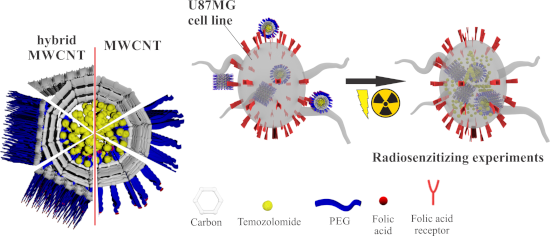
- ]. These findings are supported by several publications in which CNs were evaluated as potential drug carriers or inherent drugs for brain targeting and (synergistic) treatment of Alzheimer disease [20], Parkinson disease [21], and brain tumors [22][23][24][25], and as agents for the detection of brain




Probing the potential of rare earth elements in the development of new anticancer drugs: single molecule studies
Beilstein J. Nanotechnol. 2025, 16, 187–194, doi:10.3762/bjnano.16.15
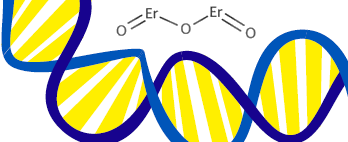
- side effects related to these therapies. Actually, both aspects depend on the development of new drugs and/or drug carriers that can improve the selectivity of these anticancer agents to reach their specific targets inside tumor cells [3][4][5]. Although commonly used in a number of technological
- , depending on the concentration used, two of the rare earths (erbium and neodymium) tested also present the ability to compact/condense DNA, which opens the door for other types of applications such as gene therapies and the design of drug carriers themselves. To achieve such results, we performed single


Nanocarriers and macrophage interaction: from a potential hurdle to an alternative therapeutic strategy
Beilstein J. Nanotechnol. 2025, 16, 97–118, doi:10.3762/bjnano.16.10
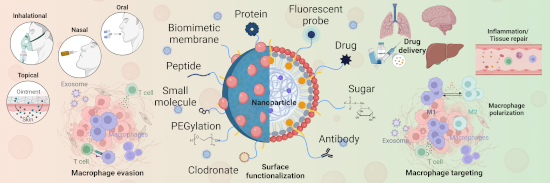
- examines strategies that position macrophages as direct biological targets of NPs, aiming to modulate their activity as a therapeutic intervention for various pathological conditions, rather than merely using them as biomimetic drug carriers. 5.1 Targeted drug delivery to macrophages As described


Nanotechnological approaches for efficient N2B delivery: from small-molecule drugs to biopharmaceuticals
Beilstein J. Nanotechnol. 2024, 15, 1400–1414, doi:10.3762/bjnano.15.113
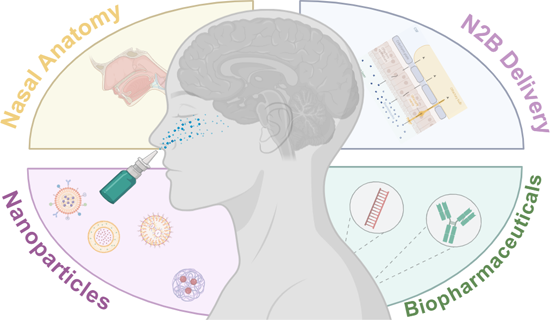
- provide significant tailorable release properties to the encapsulated drugs. N2B delivery applications present increased efficacy and safety of the drugs in contrast to application of free drugs [63]. The physicochemical characteristics of the DDSs are important in determining the success of drug carriers
- the low drug loading capacity and drug expulsion during storage because of an increased crystallization tendency [102]. Researchers developed a second generation of lipid-based drug carriers called nanostructured lipid carriers (NLCs). Unlike the SLNs, the core structure of the NLCs is composed of


Unveiling the potential of alginate-based nanomaterials in sensing technology and smart delivery applications
Beilstein J. Nanotechnol. 2024, 15, 1077–1104, doi:10.3762/bjnano.15.88
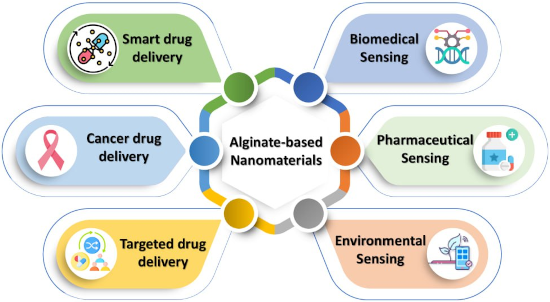
- as drug carriers. Since then, tremendous progress has been achieved in the design, manufacture, and characterization of nanoparticle-based DDSs. The use of alginate in drug delivery goes back to the 1980s, when researchers first investigated its ability to encapsulate pharmaceuticals. Over time


Nanotechnological approaches in the treatment of schistosomiasis: an overview
Beilstein J. Nanotechnol. 2024, 15, 13–25, doi:10.3762/bjnano.15.2
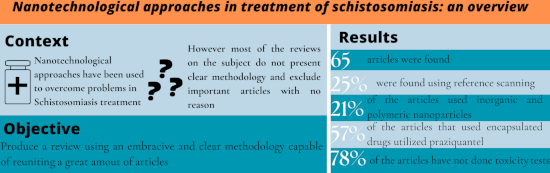
- schistosomiasis due to their characteristics as drug carriers [10], metal nanoparticles usually present intrinsic action even when not loaded with drugs. Works with other parasites suggest that metallic nanoparticles may affect enzyme activity necessary to the physiology and production of the tegument [26


Elasticity, an often-overseen parameter in the development of nanoscale drug delivery systems
Beilstein J. Nanotechnol. 2023, 14, 1149–1156, doi:10.3762/bjnano.14.95
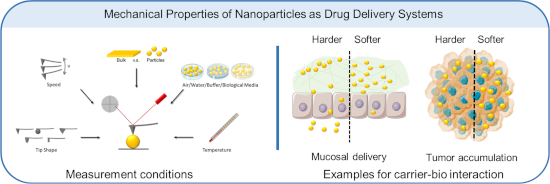
- properties of drug carriers. Keywords: atomic force microscopy; drug delivery; elasticity; mechanical properties; nanomedicine; nanoparticles; stiffness measurement; tissue/body distribution; Introduction Drug delivery systems are developed with the aim to transport a given drug to the site of action
- surface modification, leading to a prolonged pulmonary retention of dexamethasone-loaded nanoparticulate drug carriers for the treatment of acute pulmonary inflammation [39]. This is in accordance with a study from Zheng et al. where crosslinked insulin-loaded hydrogel zwitterionic nanoparticles with


Recognition mechanisms of hemoglobin particles by monocytes – CD163 may just be one
Beilstein J. Nanotechnol. 2023, 14, 1028–1040, doi:10.3762/bjnano.14.85
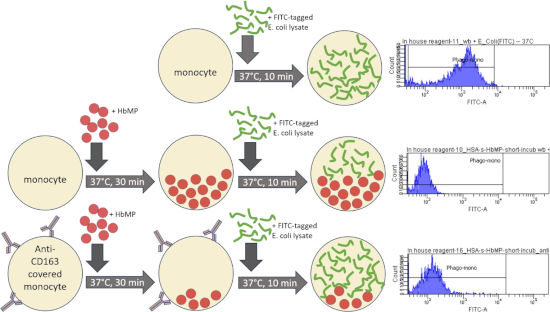
- when using HbMPs as oxygen carriers [34]. In addition to transporting oxygen, HbMPs can also be used as drug carriers. However, in a pharmacokinetic study with HbMPs, accumulation of the particles in the sinusoids of the liver, where the Kupffer cells are located, was observed [35]. The mechanisms of




Polymer nanoparticles from low-energy nanoemulsions for biomedical applications
Beilstein J. Nanotechnol. 2023, 14, 339–350, doi:10.3762/bjnano.14.29
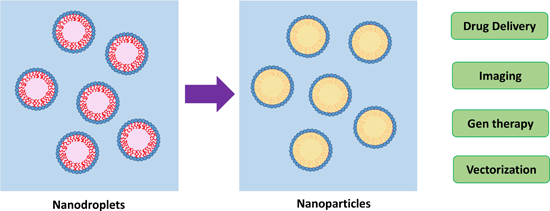
- research on the fabrication of polymer nanoparticles from low-energy nanoemulsions, focusing on phase inversion composition. We particularly emphasize their biomedical applications as drug carriers. 2 Nanoemulsions Nanoemulsions are constituted by nanoscale droplets (20–200 nm) dispersed in a continuous




Gelatin nanoparticles with tunable mechanical properties: effect of crosslinking time and loading
Beilstein J. Nanotechnol. 2022, 13, 778–787, doi:10.3762/bjnano.13.68
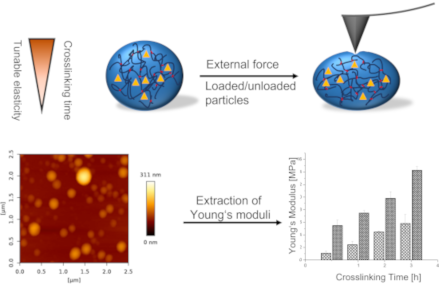
- . Keywords: atomic force microscopy; drug delivery; elasticity; gelatin nanoparticles; Young’s modulus; Introduction Developing nanoparticulate drug carriers for various diseases and application routes requires establishing controllable systems, matching the needs of the respective application to achieve
- studies dealing with mechanical properties of nanoparticulate drug carriers determines the elasticity of bulk film material instead of that of the particles themselves [3]. Lack of appropriate equipment and training for measurements under physiological conditions might be the reasons. Alsharif et al


Detection and imaging of Hg(II) in vivo using glutathione-functionalized gold nanoparticles
Beilstein J. Nanotechnol. 2022, 13, 549–559, doi:10.3762/bjnano.13.46
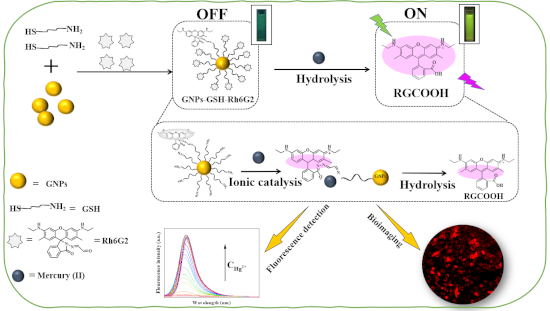
- the fluorescent “ON” form. Keywords: cell imaging; fluorescence probes; glutathione; gold nanoparticles; mercury ions; rhodamine 6G derivatives; Introduction Metal nanoparticles have been widely used in the development and construction of sensor systems and drug carriers due to their excellent


Engineered titania nanomaterials in advanced clinical applications
Beilstein J. Nanotechnol. 2022, 13, 201–218, doi:10.3762/bjnano.13.15
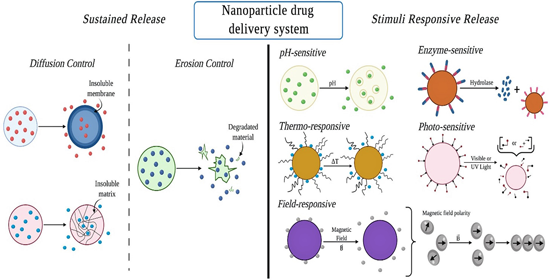
- dendrimer nps as well as inorganic nanoscale drug carriers are currently used for drug delivery [101]. Almost all of them show higher bioavailability as their uptake mechanism is by absorptive endocytosis, and the slow release of drugs in the blood circulatory system efficiently maintains the level of


Bacterial safety study of the production process of hemoglobin-based oxygen carriers
Beilstein J. Nanotechnol. 2022, 13, 114–126, doi:10.3762/bjnano.13.8
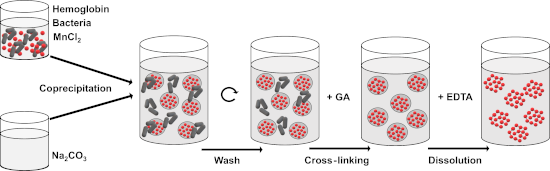
- possible applications for these microparticles. For example, enzyme particles have been produced to be used as microreactors or biosensors [4]. This method can also represent a promising approach to the production of drug carriers by the precipitation of favorable biopolymers and corresponding surface


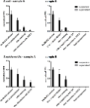
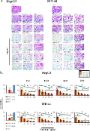
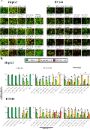
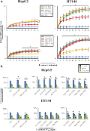
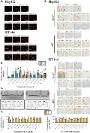
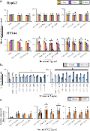
Biocompatibility and cytotoxicity in vitro of surface-functionalized drug-loaded spinel ferrite nanoparticles
Beilstein J. Nanotechnol. 2021, 12, 1339–1364, doi:10.3762/bjnano.12.99
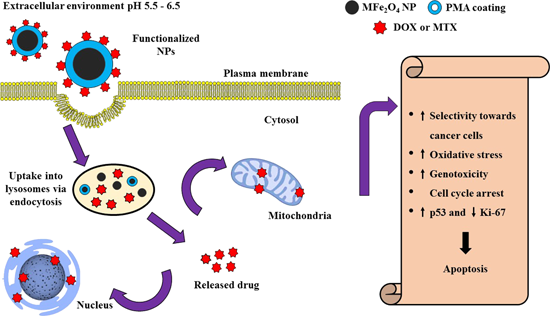
- excellent magnetic, colloidal, cytotoxic, and biocompatible aspects. However, detailed mechanistic, in vivo cytotoxicity, and magnetic-field-assisted studies are required to fully exploit these nanocarriers in therapeutic applications. Keywords: anticancer drugs; doxorubicin; drug carriers; in vitro





pH-driven enhancement of anti-tubercular drug loading on iron oxide nanoparticles for drug delivery in macrophages
Beilstein J. Nanotechnol. 2021, 12, 1127–1139, doi:10.3762/bjnano.12.84
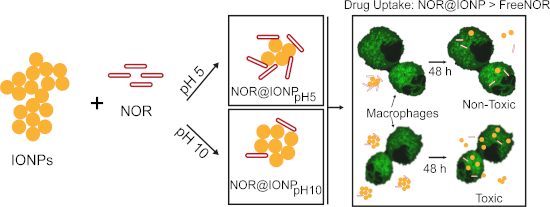
- deployment in drug delivery is contingent upon controlled drug loading and a desired release profile, with simultaneous biocompatibility and cellular targeting. Iron oxide nanoparticles (IONPs), being biocompatible, are used as drug carriers. However, to prevent aggregation of bare IONPs, they are coated



Use of nanosystems to improve the anticancer effects of curcumin
Beilstein J. Nanotechnol. 2021, 12, 1047–1062, doi:10.3762/bjnano.12.78
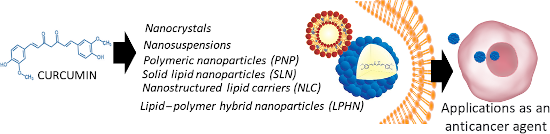
- increased pharmacokinetics and anticancer activity when the molecule was co-loaded with resveratrol and gelucire and tested in vitro against human colon cancer HCT-116 cells [68]. Nanostructured lipid carriers (NLC). Nanostructured lipid carriers are the second generation of drug carriers. They are made up





