


Search results
Search for "homotypic binding" in Full Text gives 3 result(s) in Beilstein Journal of Nanotechnology.
Biomimetic nanoparticles in cancer photodynamic therapy: a review of targeted delivery systems and therapeutic outcomes
Beilstein J. Nanotechnol. 2026, 17, 396–422, doi:10.3762/bjnano.17.27
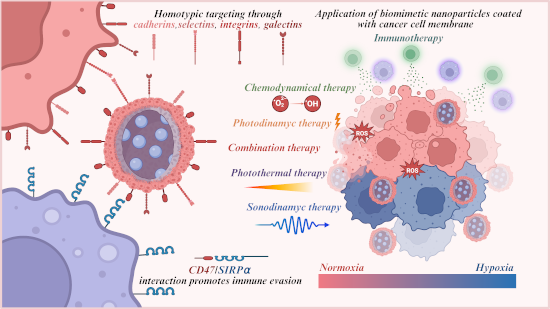
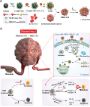
- internalization through receptor-mediated endocytosis and homotypic binding, as well as improve colloidal stability. Strategies such as incorporating pH-sensitive components or lysosomal escape mechanisms further enable controlled drug release within target cells. Despite these advances, optimizing BNP design to
- by proteins present on their plasma membranes, which not only serve structural roles but also mediate cell–cell adhesion, either homotypic or heterotypic, depending on molecular affinity. The primary mechanisms underlying homotypic binding involve various classes of adhesion proteins, such as
- ]. A membrane coverage of 50% and more enables cellular uptake of individual nanoparticles, while lower coverage requires aggregation for internalization [60]. Using cancer cell membranes (CCMs) with high coverage on BNPs ensures selective targeting through integrin-mediated homotypic binding


Better together: biomimetic nanomedicines for high performance tumor therapy
Beilstein J. Nanotechnol. 2025, 16, 1246–1276, doi:10.3762/bjnano.16.92
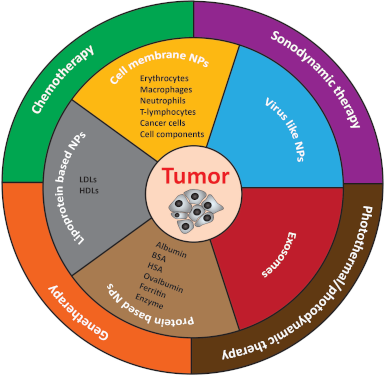
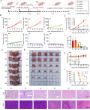
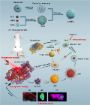
- inherent traits endow biomimetic nanoparticles with a suite of intelligent features, including biocompatibility, low immunogenicity, reduced toxicity, immune evasion, prolonged circulation, homotypic binding, enhanced tumor targeting, and the capability of precise delivery. By integrating biologically
- utility, biomimetic nanoparticles hold great promise for advancing the field of cancer treatment. Keywords: biomimetic nanoparticles; homotypic binding; nanomaterials; targeted drug delivery; tumor therapy; Introduction Cancer is a complex disease, which involves numerous cells and their crosstalk with
- penetration of drugs and drug carriers. In addition, cancer cell membranes express specific receptors and antigens that help them recognize and target through a homotypic binding mechanism [44][45]. Therefore, cancer cell membranes are also extensively explored to localize nanomedicines to cancer cells






Bioselectivity of silk protein-based materials and their bio-inspired applications
Beilstein J. Nanotechnol. 2022, 13, 902–921, doi:10.3762/bjnano.13.81
- one cell is responsible for mediating homotypic binding contacts with their homologues on an adjacent cell in an antiparallel manner. This region also defines binding specificity [15]. Some cadherin receptors are also able to bind to different cadherins. Classic cadherin function is involved in key


Other Beilstein-Institut Open Science Activities



