


Search results
Search for "molecularly imprinted polymers (MIPs)" in Full Text gives 4 result(s) in Beilstein Journal of Nanotechnology.
Optical bio/chemical sensors for vitamin B12 analysis in food and pharmaceuticals: state of the art, challenges, and future outlooks
Beilstein J. Nanotechnol. 2025, 16, 2207–2244, doi:10.3762/bjnano.16.153
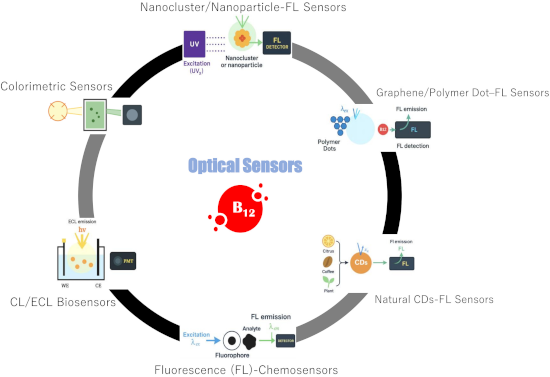
- ; molecularly imprinted polymers (MIPs); nanobiosensor; Introduction Micronutrients including vitamins and minerals play key roles in modulating body growth, preventing a wide range of diseases and disorders, and maintaining general health and wellness [1][2]. Apart from vitamin D, which the body can


Synthesis of a multicomponent cellulose-based adsorbent for tetracycline removal from aquaculture water
Beilstein J. Nanotechnol. 2025, 16, 728–739, doi:10.3762/bjnano.16.56
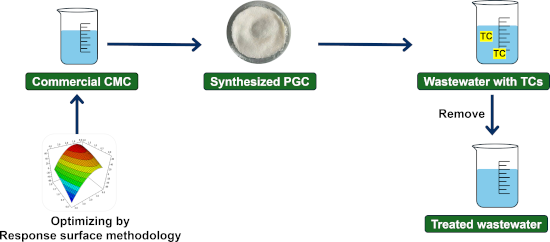
- , electrostatic forces, and van der Waals forces, adsorbed antibiotics may desorb and reenter aquatic environments [12]. Moreover, activated carbon exhibits low selectivity and adsorption capacity. Among novel adsorbents, metal-organic frameworks [13] and molecularly imprinted polymers (MIPs) [14] are


Unveiling the potential of alginate-based nanomaterials in sensing technology and smart delivery applications
Beilstein J. Nanotechnol. 2024, 15, 1077–1104, doi:10.3762/bjnano.15.88
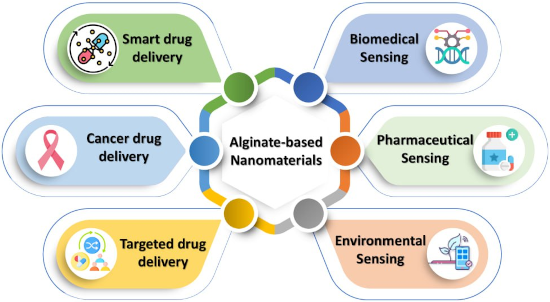
- include conductive polymers, enzymes, carbon nanotubes, and molecularly imprinted polymers (MIPs). MIPs function similarly to enzymes, producing polymeric cross-linked active sites for certain analytes. MIPs were initially used in optical sensing, but they have lately been examined in electrochemical


Design of surface nanostructures for chirality sensing based on quartz crystal microbalance
Beilstein J. Nanotechnol. 2022, 13, 1201–1219, doi:10.3762/bjnano.13.100
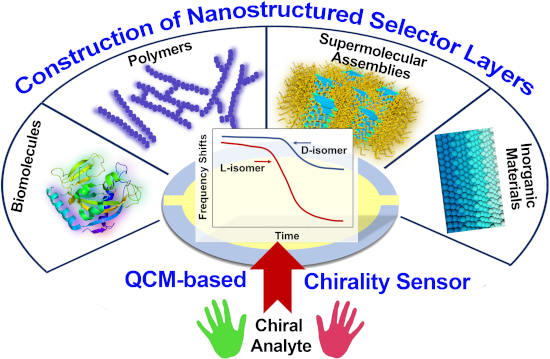
- molecules are first mixed with monomers. Polymerization is then induced to form molecularly imprinted polymers (MIPs). Finally, the immobilized chiral templates are eluted, leaving imprinted cavities for chiral recognition [41]. According to the shape, size, and functional groups of the cavities, MIPs can


Other Beilstein-Institut Open Science Activities



