


Search results
Search for "multidrug resistance (MDR)" in Full Text gives 7 result(s) in Beilstein Journal of Nanotechnology.
Nanocarrier strategies to overcome P-glycoprotein-mediated drug resistance in cancer therapy
Beilstein J. Nanotechnol. 2026, 17, 882–921, doi:10.3762/bjnano.17.64
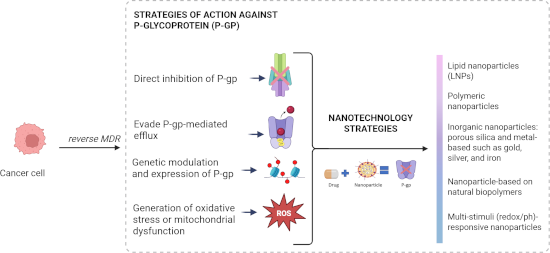
- City of Buenos Aires, Argentina 10.3762/bjnano.17.64 Abstract Multidrug resistance (MDR) remains a major barrier to successful cancer chemotherapy, frequently resulting in therapeutic failure, tumor relapses, and poor clinical outcomes. Among the diverse mechanisms underlying MDR, the overexpression
- . Keywords: cancer chemotherapy; efflux transporters; multidrug resistance (MDR); nanoparticles; siRNA nanocarriers; tumor-targeted therapy; Review 1 Introduction 1.1 Cancer and current challenges in chemotherapy Cancer remains one of the leading causes of mortality worldwide, with millions of new cases
- compromised by multidrug resistance (MDR), a phenomenon in which cancer cells evade the cytotoxic effects of drugs through various mechanisms. Overexpression of efflux transporters, particularly P-glycoprotein (P-gp), is a well-documented contributor to this phenotype, although it is not the sole mechanism


Advances of aptamers in esophageal cancer diagnosis, treatment and drug delivery
Beilstein J. Nanotechnol. 2025, 16, 1734–1750, doi:10.3762/bjnano.16.121
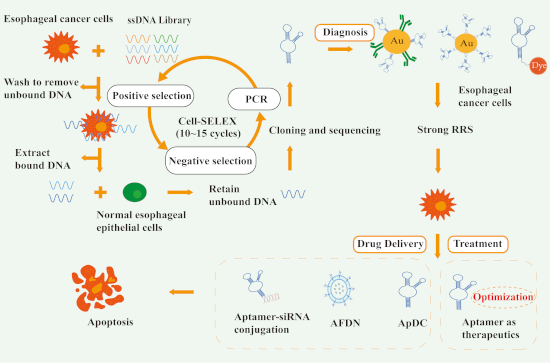
- cancer cells, thereby significantly enhancing tumor-specific drug accumulation. Concurrently, siRNA-mediated silencing of MDR1 effectively suppresses P-gp-mediated drug efflux, overcoming multidrug resistance (MDR) in tumor cells. By integrating active targeting, gene silencing, and chemosensitization


Better together: biomimetic nanomedicines for high performance tumor therapy
Beilstein J. Nanotechnol. 2025, 16, 1246–1276, doi:10.3762/bjnano.16.92
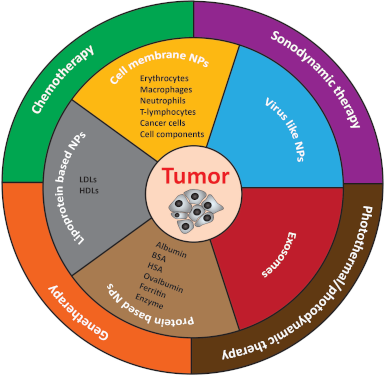
- addition, the escalation of new glitches such as drug sensitivity in tumor cells has been reduced due to the emergence of multidrug resistance (MDR) by various factors, including ATP-dependent drug efflux, selective stress of drugs, altered DNA repair mechanisms, cellular heterogeneity, recurrence, and






Biocompatibility and cytotoxicity in vitro of surface-functionalized drug-loaded spinel ferrite nanoparticles
Beilstein J. Nanotechnol. 2021, 12, 1339–1364, doi:10.3762/bjnano.12.99
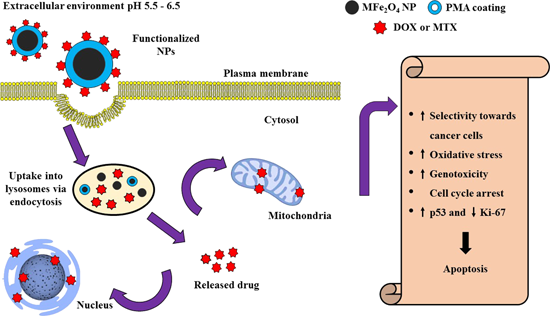
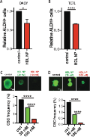
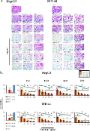
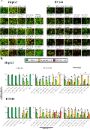
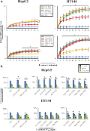
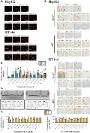
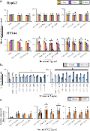
- spheroid diameter and up to 74 ± 8.9% of cell death after two weeks. In addition, they also inhibited multidrug resistance (MDR) pump activity in both cell lines suggesting effectivity in MDR cancers. Among the tested MFe2O4 NPs, CFO nanocarriers were the most favorable for targeted cancer therapy due to





Tight junction between endothelial cells: the interaction between nanoparticles and blood vessels
Beilstein J. Nanotechnol. 2016, 7, 675–684, doi:10.3762/bjnano.7.60
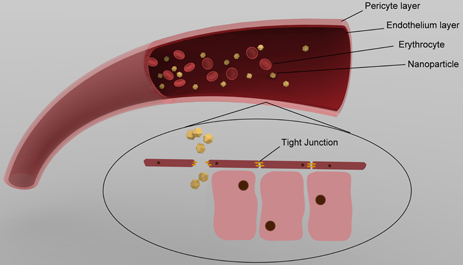
- defeat some of the drawbacks in traditional cancer chemotherapy (such as multidrug resistance (MDR) in tumors [6]). They can be modified to enhance the specificity of tumor therapy. Admittedly, no scientist could ignore its prominent latent prospect, but meanwhile numerous researches show their concerns

PLGA nanoparticles as a platform for vitamin D-based cancer therapy
Beilstein J. Nanotechnol. 2015, 6, 1306–1318, doi:10.3762/bjnano.6.135
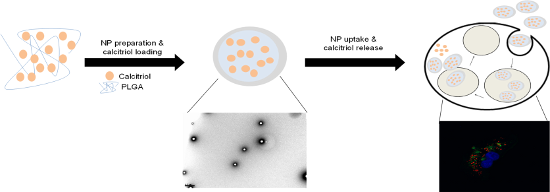
- polymeric NPs will increase bioavailability by preventing drug degradation before administration, increasing the half-life of vitamin D3 in the bloodstream, avoiding the first-pass effect and circumventing the multidrug resistance (MDR) problem [18]. Also it is well documented that PLGA NPs are efficiently


Near-infrared dye loaded polymeric nanoparticles for cancer imaging and therapy and cellular response after laser-induced heating
Beilstein J. Nanotechnol. 2014, 5, 313–322, doi:10.3762/bjnano.5.35
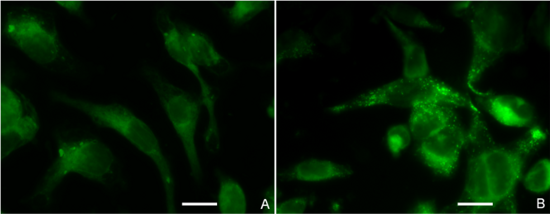
- and protect their cargo from degradation, including drugs and other types of biomolecules [1][2]. NPs have also proven to be useful in overcoming multidrug resistance (MDR) by preventing the direct interaction of drug exporter pumps with their substrates once encapsulated in NPs [3]. An additional


Other Beilstein-Institut Open Science Activities



