Search results
Search for "pharmacokinetics" in Full Text gives 43 result(s) in Beilstein Journal of Nanotechnology.
Nanocarrier strategies to overcome P-glycoprotein-mediated drug resistance in cancer therapy
Beilstein J. Nanotechnol. 2026, 17, 882–921, doi:10.3762/bjnano.17.64
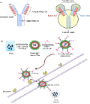
- (EPR) effect, these biocompatible systems may improve drug pharmacokinetics and pharmacodynamics. Encapsulation within nanoparticles minimizes off-target toxicity, prolongs systemic circulation, and increases the therapeutic index [28]. A wide variety of nanocarriers have been explored for this purpose
- careful control. P-gp plays essential physiological roles in normal tissues, such as blood–brain barrier, liver, and kidneys, where it contributes to detoxification and xenobiotic efflux. Consequently, non-selective silencing could lead to adverse effects such as altered pharmacokinetics or increased


Nanoparticle delivery systems for HIV pre-exposure prophylaxis (PrEP): advances and challenges
Beilstein J. Nanotechnol. 2026, 17, 839–853, doi:10.3762/bjnano.17.60
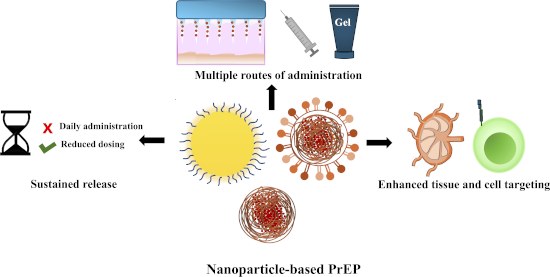
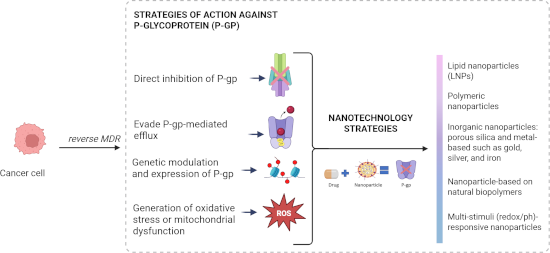
- nanoparticles in delivering ARVs with improved pharmacokinetics and HIV prevention efficacy. For instance, Destache et al. designed TDF-loaded PLGA nanoparticles in a thermosensitive gel (TDF-NPs-TMS gel) to improve vaginal gel-based HIV PrEP systems [42]. When the TDF-NPs-TMS gel with 0.1% or 0.5% TDF was
- ARVs that offers a minimally invasive alternative to traditional injections. This study demonstrated that in Sprauge–Dawley rats, microneedle application of BIC achieves a pharmacokinetics profile comparable to IM injection. Moreover, the maximum concentration (Cmax) or area under curve (AUC) showed no
- blocks. The degradation kinetics of polymer nanoparticles depends on various conditions, including the pH or the concentration of degrading enzymes. As these factors can differ between patients, they can create some variability in the pharmacokinetics between individuals [47][54]. Despite remaining


From shield to spear: Charge-reversible nanocarriers in overcoming cancer therapy barriers
Beilstein J. Nanotechnol. 2026, 17, 159–175, doi:10.3762/bjnano.17.10
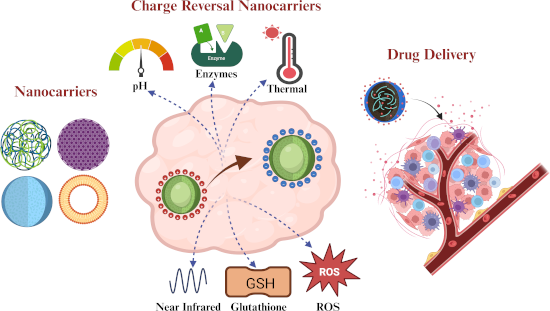
- pharmacokinetics, biodistribution, and therapeutic efficacy [100]. These factors collectively influence the biological behaviour and therapeutic efficacy of CRNs, complicating their predictability and consistency in patients. In addition, the intricate composition of these systems often extends regulatory approval


Toward clinical translation of carbon nanomaterials in anticancer drug delivery: the need for standardisation
Beilstein J. Nanotechnol. 2025, 16, 2092–2104, doi:10.3762/bjnano.16.144

- can improve their pharmacokinetics and pharmacodynamics, enhance their therapeutic efficacy, and reduce their toxicity [35][36]. This allows for a metric of comparison between the efficacy of drug-only delivery and nanocarrier-mediated delivery. When selecting a model cargo to support the design of a
- . This is followed by in vivo testing, which offers a more complete understanding of pharmacokinetics, biodistribution, therapeutic efficacy, and systemic toxicity. Animal studies help identify accumulation patterns, potential off-target effects, and immune responses that are not evident in simpler



PEGylated lipids in lipid nanoparticle delivery dynamics and therapeutic innovation
Beilstein J. Nanotechnol. 2025, 16, 1914–1930, doi:10.3762/bjnano.16.133
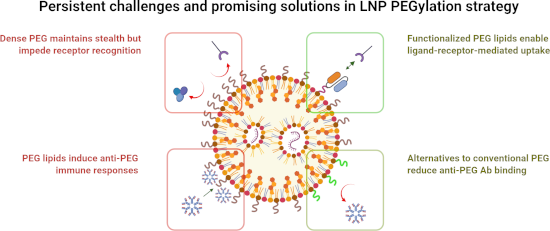
- below 4.1 nm. Importantly, neutron reflectometry studies showed that the thickness of the hydration layer increases with the RPEG/D ratio, a geometric parameter now recognized as critical for predicting the in vivo fate of nanoparticles [15]. Pharmacokinetics data in the study further demonstrated that


Exploring the potential of polymers: advancements in oral nanocarrier technology
Beilstein J. Nanotechnol. 2025, 16, 1751–1793, doi:10.3762/bjnano.16.122
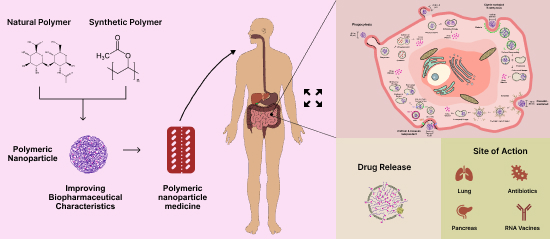
- enzymatic degradation. Consequently, copolymers with hydrophobic and hydrophilic segments are widely used in NPs to ensure more predictable release rates [28][62][63]. The hydrophobicity and hydrophilicity of polymers are directly related to their in vivo stability, influencing the pharmacokinetics and


Prospects of nanotechnology and natural products for cancer and immunotherapy
Beilstein J. Nanotechnol. 2025, 16, 1644–1667, doi:10.3762/bjnano.16.116
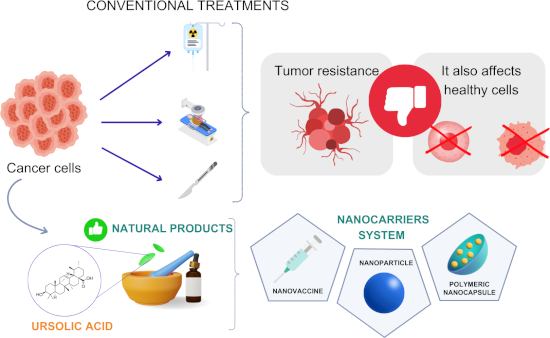
- immunotherapy is nanotechnology, as it presents physicochemical benefits for drugs. Among the advantages, nanotechnology can eliminate the limitations of using bioactive compounds in cancer treatment formulations, leading to increased bioavailability and pharmacokinetics [55]. The mechanisms behind the
- improvement in bioavailability and pharmacokinetics are based on increased solubility, observed, for example, by Chittasupho et al., improved permeation through biological barriers, as seen in the work of Huang et al., and protection against premetabolism and early elimination, as analyzed by Miguel et al
- inflammatory and oxidative effects, posing a risk to the lungs, liver, and kidneys [27]. Regarding the use of natural products, nanoparticles can increase the bioavailability, pharmacokinetics, and selectivity of compounds toward cancer cells, thereby improving their solubility and delivery [103]. Moreover


Enhancing the therapeutical potential of metalloantibiotics using nano-based delivery systems
Beilstein J. Nanotechnol. 2025, 16, 1350–1366, doi:10.3762/bjnano.16.98
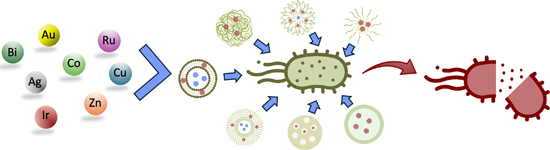
- infection sites, contributing to the emergence of multidrug-resistant (MDR) bacteria [29]. In contrast, new nanosystems aim to control the rate, time, and location of antibiotic release, modulating the pharmacokinetics effect at the desired site of action [30][31]. Nanotechnology offers innovative solutions
- hinder the delivery of sufficient drug concentrations to the infection site [33]. Systemic barriers refer to challenges associated with the pharmacokinetics of antibiotics, such as rapid clearance, nonspecific distribution, and interactions with healthy tissues [35]. These factors are responsible for
- selectivity, poor biodistribution and pharmacokinetics, poor water solubility, dose-limiting toxicity, and fast degradation in vivo. We will discuss next the major discoveries in the field of the application of nano-based systems for the targeted delivery of metal complex-based antibiotic compounds, focusing


Ferroptosis induction by engineered liposomes for enhanced tumor therapy
Beilstein J. Nanotechnol. 2025, 16, 1325–1349, doi:10.3762/bjnano.16.97
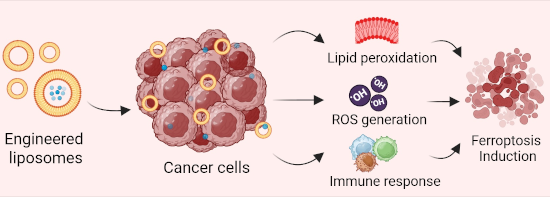
- , reduced drug toxicity, improved pharmacokinetics, the ability to release drugs in a controlled manner, and the ability to target tumors. However, certain limitations also exist, including off-target accumulation and fast clearance [21]. This review explores the design of liposome structures aimed at
- delivery. Effective lipid binding of medications and genes is necessary to overcome this obstacle [126]. Moreover, the increasing number of physicochemical variables in liposomal formulations makes it difficult to evaluate their pharmacokinetics, pharmacodynamics, and toxicology after administration, which


Synthetic-polymer-assisted antisense oligonucleotide delivery: targeted approaches for precision disease treatment
Beilstein J. Nanotechnol. 2025, 16, 435–463, doi:10.3762/bjnano.16.34

- specific protein [15]. Since their discovery in 1978 by Zamecnik and Stephenson [16], design and synthesis of novel ASOs have been developed extensively with the aim to improve their biostability, pharmacokinetics, and intracellular accumulation. To date these synthetic oligonucleotides can be classified


Graphene oxide–chloroquine conjugate induces DNA damage in A549 lung cancer cells through autophagy modulation
Beilstein J. Nanotechnol. 2025, 16, 316–332, doi:10.3762/bjnano.16.24
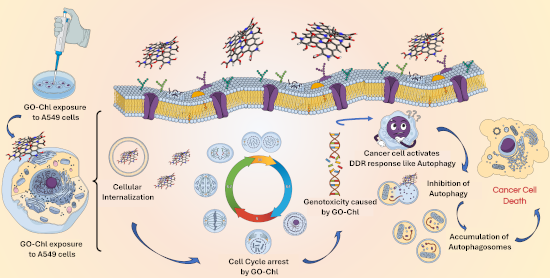
- pharmacokinetics, and reduced side effects. Nanomaterials can directly target DNA or inhibit the DDR and sensitize cancer cells to chemotherapeutics in multidrug resistant tumors [8][9][10]. Satapathay reported DNA damage and apoptotic cell death in HCT116 cells, human colorectal epithelial carcinoma cells, after

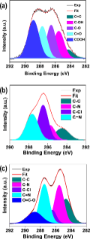


Radiosensitizing properties of dual-functionalized carbon nanostructures loaded with temozolomide
Beilstein J. Nanotechnol. 2025, 16, 229–251, doi:10.3762/bjnano.16.18
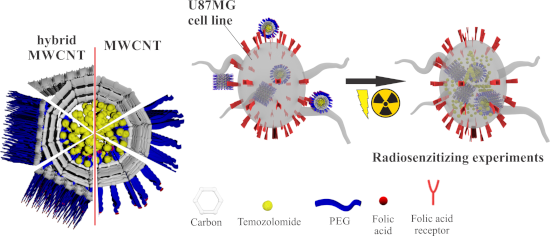
- formulation, biopharmaceutics/release kinetics, and pharmacokinetics of TMZ. Also, surface functionalization attempts with multiple targeting ligands were made to deliver TMZ to the site of interest, exploiting the site-specific expression or overexpression of specific molecules on BBTB and GBM cells to




Recent advances in photothermal nanomaterials for ophthalmic applications
Beilstein J. Nanotechnol. 2025, 16, 195–215, doi:10.3762/bjnano.16.16
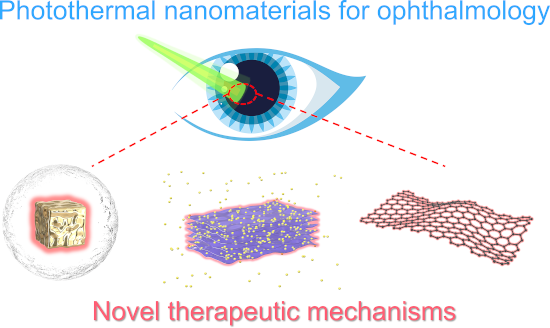
- ][211]. Rigorous safety research, utilizing animal models, is essential to assess toxicology, pharmacokinetics, pharmacodynamics, and biological impacts [212]. It is crucial to consider the anatomical and physiological similarities between animal models and human eyes to accurately predict safety and


Liver-targeting iron oxide nanoparticles and their complexes with plant extracts for biocompatibility
Beilstein J. Nanotechnol. 2024, 15, 1593–1602, doi:10.3762/bjnano.15.125
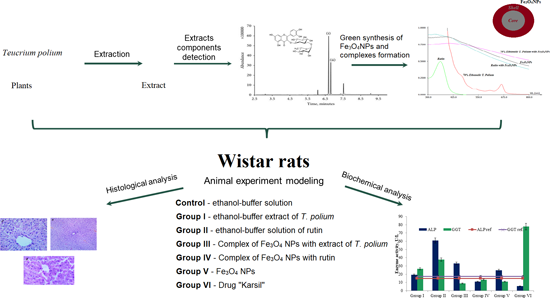
- adverse reactions. The toxicity of MNPs depends on various factors such as size, shape, structure, surface modification, concentration, dosage, biodistribution, bioavailability, solubility, immunogenicity, and pharmacokinetics [23][24]. Their use in some clinical applications is limited by low solubility


Nanotechnological approaches for efficient N2B delivery: from small-molecule drugs to biopharmaceuticals
Beilstein J. Nanotechnol. 2024, 15, 1400–1414, doi:10.3762/bjnano.15.113
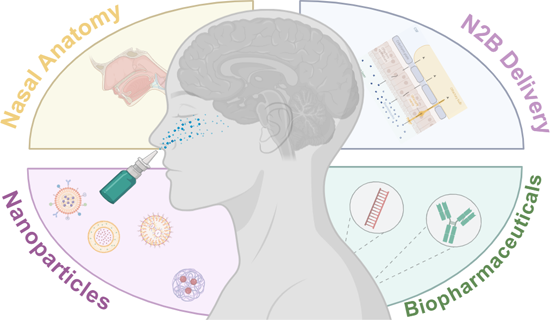
- found to be very different from humans. Large animals (e.g., rabbits and dogs) are more suitable for assessing in vivo pharmacokinetics and pharmacodynamics more accurately and as closely as possible to the human situation [24]. In another study by Salade et al., the researchers designed chitosan-coated


Realizing active targeting in cancer nanomedicine with ultrasmall nanoparticles
Beilstein J. Nanotechnol. 2024, 15, 1208–1226, doi:10.3762/bjnano.15.98
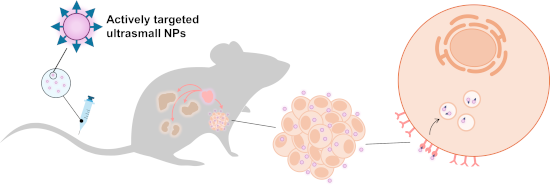
- human melanoma (M21) tumor-bearing mice [119]. The authors tested different cRGDY ligand numbers (6, 14 or 18) to understand how variations in ligand density impacted essential biological activities such as clearance, pharmacokinetics, and targeted tumor accumulation in M21 xenografts. It was observed


Recent updates in applications of nanomedicine for the treatment of hepatic fibrosis
Beilstein J. Nanotechnol. 2024, 15, 1105–1116, doi:10.3762/bjnano.15.89
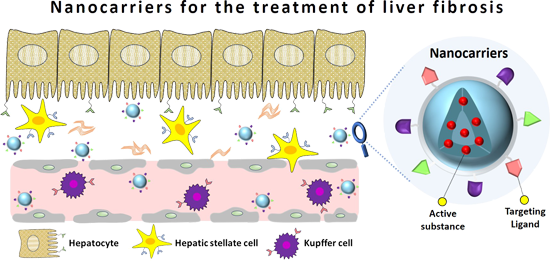
- through modified nanocarriers could enhance their bioavailability by altering the pharmacokinetics as well as by protecting the unstable cargo against environmental factors [44]. Various potent antifibrosis substances from synthetic and herbal compounds suffer from limited solubility and lack of stability
- model, the efficient intrahepatic delivery of R406-PLGA NPs ameliorated liver inflammation, fibrosis, and hepatic steatosis, probably because of improved pharmacokinetics and bioavailability of R406. Despite its favorable toxicity profile, only 19 drug formulations based on PLGA have been approved by
- encapsulation of curcumin in the phosphatidylserine nanocarrier improved its in vivo retention time, while free curcumin was quickly cleared from the body. As a consequence of the altered pharmacokinetics of the curcumin nanocarrier, the accumulation of curcumin in the liver was also enhanced, confirming its


Entry of nanoparticles into cells and tissues: status and challenges
Beilstein J. Nanotechnol. 2024, 15, 1017–1029, doi:10.3762/bjnano.15.83
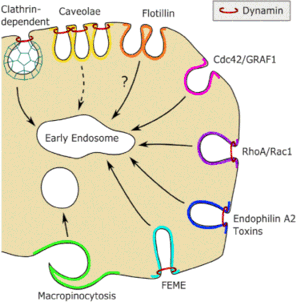
- cancer treatment, the goal being to increase the fraction of injected drug delivered to the tumor and thereby improve the therapeutic effect and decrease side effects. Thus, we discuss how NPs are delivered to tumors and some challenges related to investigations of biodistribution, pharmacokinetics, and
- regard as weaknesses in this study, and concluded that more studies are needed to demonstrate if or to which extent active transport over the endothelial cell layer is a major contributor to the transport of NPs from blood into tumors [78]. Biodistribution, pharmacokinetics and excretion studies In order
- used to study biodistribution, pharmacokinetics, and excretion of such particles. Thus, although we here focus on NPs, most of what we discuss could be directly transferred to similar discussions about EVs. We refer to Table 2 and our previous detailed discussions of the modalities used for whole-body


Cholesterol nanoarchaeosomes for alendronate targeted delivery as an anti-endothelial dysfunction agent
Beilstein J. Nanotechnol. 2024, 15, 517–534, doi:10.3762/bjnano.15.46
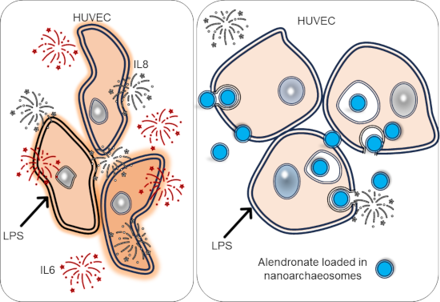
- properties is a pharmacological challenge that could be addressed by formulating ALN in nanomedicines. Properly designed, intravenously administered nanomedicines allow one to control pharmacokinetics, biodistribution, and pharmacodynamics of loaded active ingredients [19]. Inflamed endothelia present





Fabrication of nanocrystal forms of ᴅ-cycloserine and their application for transdermal and enteric drug delivery systems
Beilstein J. Nanotechnol. 2024, 15, 465–474, doi:10.3762/bjnano.15.42
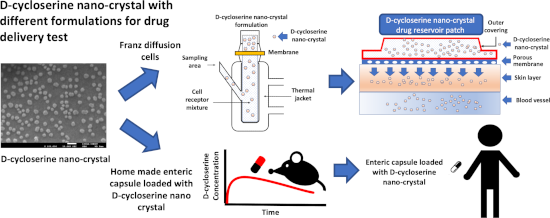
- and then to the in vitro Franz diffusion test with reservoir patch formulation as well as in vivo pharmacokinetics study with enteric capsules. We tested these formulations regarding their nanocrystal physical properties, size effect, and dissolution rate, respectively. We found that DCS nanocrystals


Classification and application of metal-based nanoantioxidants in medicine and healthcare
Beilstein J. Nanotechnol. 2024, 15, 396–415, doi:10.3762/bjnano.15.36
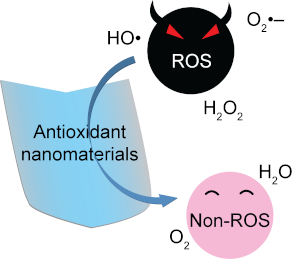
- resistance to severe environments than the antioxidants originating from plants and animals. More interestingly, through nanoencapsulation and nanodelivery, antioxidant nanomaterials improve the pharmacokinetics of natural antioxidants by preventing their degradation under stress conditions [9][10


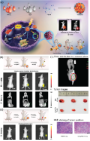
Nanomedicines against Chagas disease: a critical review
Beilstein J. Nanotechnol. 2024, 15, 333–349, doi:10.3762/bjnano.15.30
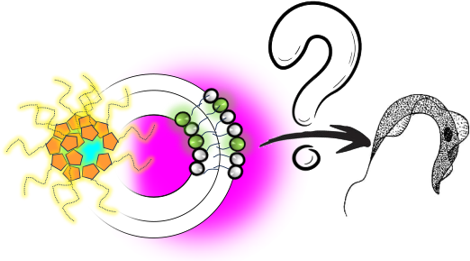
- nanomedicines not only improve the pharmacokinetics and safety profile of classical medicines but also display higher effectiveness [97]. This portfolio of liposomal nanomedicines is now broadening to include other than oncological drugs, such as those to prevent deadly infections or treat chronic diseases [81
- large industrial volumes is the most challenging step in nanomedicine product development [112]. Slight structural changes induced during the industrial-scale production may modify pharmacokinetics, biodistribution, and pharmacodynamics of nanomedicines and alter their therapeutic properties and toxic
- vicinity of target cells, signify they are bioavailable unless the drug is released or the nanomedicine is endocytosed. These factors make it difficult to determine the pharmacokinetics and biodistribution of nanomedicines. (iii) In the blood circulation, nanomedicines tend to aggregate, adsorb plasma

Nanocarrier systems loaded with IR780, iron oxide nanoparticles and chlorambucil for cancer theragnostics
Beilstein J. Nanotechnol. 2024, 15, 180–189, doi:10.3762/bjnano.15.17
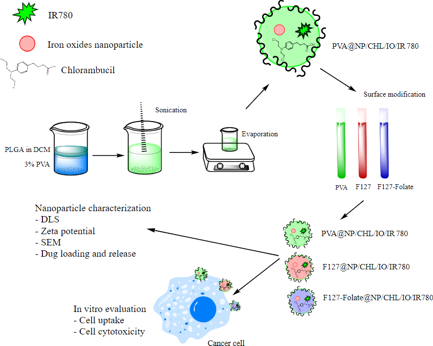
- NPs also helps to maintain its stability. Poly(ethylene glycol) (PEG) on the surface of NPs would serve as a brush to inhibit serum protein adsorption [4]. The PEO block of F127 shares the same core structure as PEG; hence, the emergence of a form of PEG would likewise improve the pharmacokinetics of


Nanotechnological approaches in the treatment of schistosomiasis: an overview
Beilstein J. Nanotechnol. 2024, 15, 13–25, doi:10.3762/bjnano.15.2
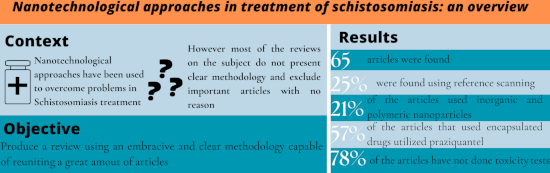
- pharmacokinetics parameters. The nanoformulations were evaluated through efficacy criteria (e.g., parasite burden, egg counts, and granuloma diameter) or using traditional pharmacokinetics parameters (e.g., absorption rate or bioavailability). For example, Labib El Gendy et al. [49] showed that PZQ encapsulated in
- liposomes (500 mg/kg) could be more efficient than free PZQ treatment. Similar results have been shown in other works that also used liposome with PZQ in different concentrations [50][51][52][53]. In addition, Xie et al. [54] studied the pharmacokinetics of solid lipid nanoparticles composed of castor oil
- , enhancement of the dissolution rate of these drugs will present improved bioavailability [95]. Other works do not show effectiveness tests because they are focused on evaluating pharmacokinetics. Cong et al. [96] showed that PZQ nanoemulsion has sustained drug release for a long time, both in vitro and in


Antibody-conjugated nanoparticles for target-specific drug delivery of chemotherapeutics
Beilstein J. Nanotechnol. 2023, 14, 912–926, doi:10.3762/bjnano.14.75
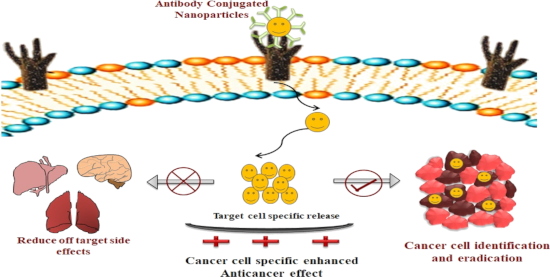
- , detection, and eradication of cancer cells and biomarkers, with great potential in theranostic applications. Despite these advantages, the design and fabrication of targeted NPs for cancer therapy is still very challenging regarding biocompatibility, pharmacokinetics, in vivo targeting efficacy, and cost