


Search results
Search for "polyethylene glycol" in Full Text gives 95 result(s) in Beilstein Journal of Nanotechnology.
Nanocarrier strategies to overcome P-glycoprotein-mediated drug resistance in cancer therapy
Beilstein J. Nanotechnol. 2026, 17, 882–921, doi:10.3762/bjnano.17.64
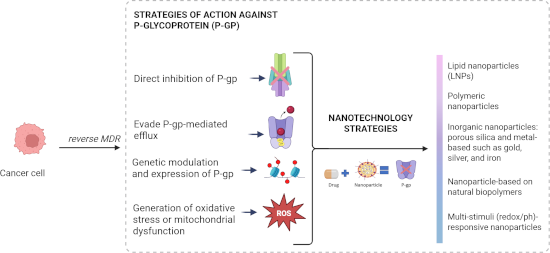
- inhibition of P-gp ATPase activity using small-molecule modulators such as quercetin, ᴅ-α-tocopheryl polyethylene glycol succinate, and tariquidar, (ii) circumvention of membrane efflux through receptor-mediated endocytosis, intracellular trafficking control, or tumor-responsive drug release, and (iii
- classification by mechanism of action 3.1.1 Direct inhibition of P-gp. (i) The ATPase function of P-gp can be directly inhibited through compounds such as quercetin, ᴅ-α-tocopheryl polyethylene glycol succinate (TPGS), celecoxib, imatinib, or tariquidar, encapsulated in nanoparticle systems. These agents may
- with polymers like polyethylene glycol (PEG) and particular ligands, improving their circulation, minimizing resistant framework acknowledgement, and promoting targeted delivery to particular tissues [68]. These nanoparticles can be created utilizing either top-down strategies (from preformed polymers


Biomimetic nanoparticles in cancer photodynamic therapy: a review of targeted delivery systems and therapeutic outcomes
Beilstein J. Nanotechnol. 2026, 17, 396–422, doi:10.3762/bjnano.17.27
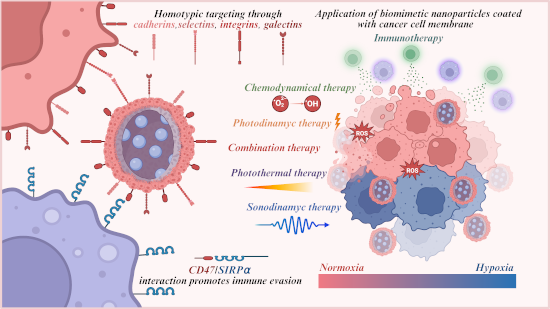
- this biomimetic shell increased more than two times the circulation time of the carriers in the bloodstream compared to uncoated PEGylated (polyethylene glycol-coated) nanoparticles, representing the gold standard approach to nanoparticle circulation time. Since then, a wide variety of cell phenotypes


Advancing nanolithography: a comprehensive review of materials for local anodic oxidation with AFM
Beilstein J. Nanotechnol. 2026, 17, 275–291, doi:10.3762/bjnano.17.19
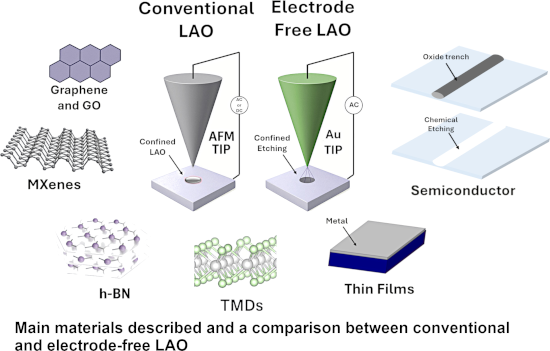
- poly-ʟ-lysine (PLL) thin films, a well-established material in biotechnology [117]. Following LAO patterning, protein-resistant polymers like polyethylene glycol can be selectively grafted onto the patterned areas, forming a copolymer with PLL that faithfully replicates the design. This approach has


Development and in vitro evaluation of liposomes and immunoliposomes containing 5-fluorouracil and R-phycoerythrin as a potential phototheranostic system for colorectal cancer
Beilstein J. Nanotechnol. 2026, 17, 97–121, doi:10.3762/bjnano.17.7
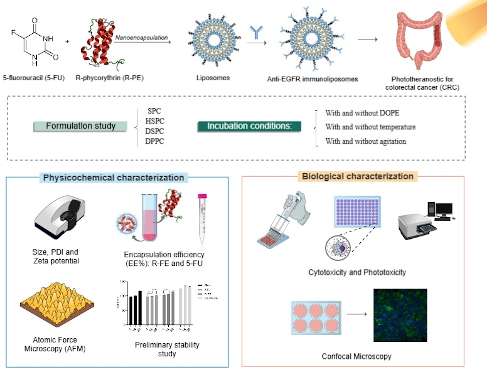
- ), dipalmitoylphosphatidylcholine (DPPC), hydrogenated soybean phosphatidylcholine (HSPC) with cholesterol (Chol) and 1,2-distearol-sn-glycero-3-phosphoethanolamine-N-[amino(polyethylene glycol)-2000] (DSPE-PEG 2000) were prepared and characterized. Among the liposomes, those containing HSPC lipid at 50 mg showed a low
- -Dipalmitoylphosphatidylcholine (DPPC), 1,2-disteasteroyl-sn-glycero-3-phosphocholine (DSPC), soja 1,2-disteasteroyl-sn-glycero-3-phosphocholine (SPC), hydrogenated soy phosphatidylcholine (HSPC), 1,2-distearol-sn-glycero-3-phosphoethanolamine-N-[amino(polyethylene glycol)-2000], (DSPE–PEG 2000), and DOPE were obtained from



Ultrathin water layers on mannosylated gold nanoparticles
Beilstein J. Nanotechnol. 2025, 16, 2183–2198, doi:10.3762/bjnano.16.151
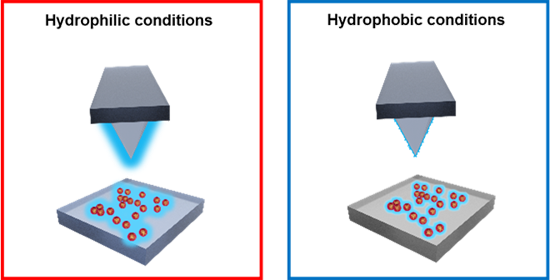
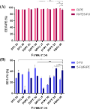
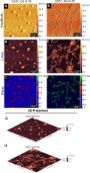
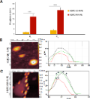
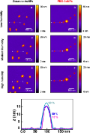
- thiourea PEG thiol chain; the particles also feature COOH-terminated PEG chains (Figure 1). We used a typical standard PEG coating on AuNPs, again with COOH termini (PEG AuNPs) for comparison. Here, and in the following, we use the established term “polyethylene glycol” (PEG) to designate our relatively



PEGylated lipids in lipid nanoparticle delivery dynamics and therapeutic innovation
Beilstein J. Nanotechnol. 2025, 16, 1914–1930, doi:10.3762/bjnano.16.133
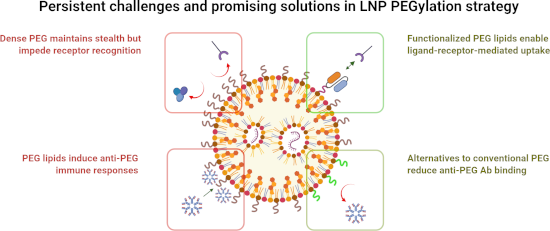
- nanoparticle formulation is polyethylene glycol-modified (i.e., PEGylated) lipids (PEG lipids), which can significantly influence the stability, cell interactions, and overall effectiveness of LNP delivery vehicles. This review collates insights into the role of PEG lipids in LNPs by illustrating how the PEG
- encapsulate and protect a variety of drug substances, thereby enhancing their stability and therapeutic efficacy within biological systems [1]. LNPs are currently composed of ionizable lipids, helper lipids, sterols, and polyethylene glycol-modified (i.e., PEGylated) lipids (PEG lipids); each of these


Piezoelectricity of layered double hydroxides: perspectives regarding piezocatalysis and nanogenerators
Beilstein J. Nanotechnol. 2025, 16, 1812–1817, doi:10.3762/bjnano.16.124

- emerging area of catalysis utilizes the ability of piezoelectric materials to convert mechanical energy into electrical energy for subsequent electrochemical reactions [13]. Liu et al. suggested that ultrathin Ni/Fe-LDH modified with polyethylene glycol (PEG) for better water solubility and

Exploring the potential of polymers: advancements in oral nanocarrier technology
Beilstein J. Nanotechnol. 2025, 16, 1751–1793, doi:10.3762/bjnano.16.122
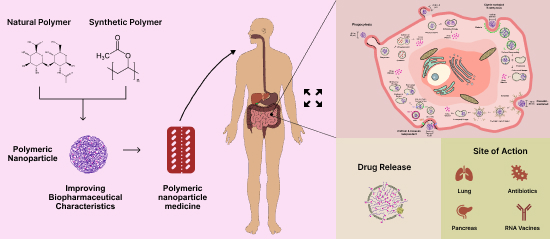
- polymers are classified based on their chemical composition and include polyesters, polyamides, polyethylene glycol derivatives, and responsive polymers, among others. The most frequently used polymers as oral nanocarriers include poly(lactic-co-glycolic) acid (PLGA), polycaprolactone (PCL), and
- copolymers and polyethylene glycol, as these materials tend to self-assemble into micelles or stable nanostructures when exposed to concentration gradients in aqueous solutions. Preformed polymer-based methods stand out for their simplicity, reproducibility, and regulatory compliance, reinforcing their
- hydrophilic polymers (e.g., polyethylene glycol (PEG) or polysaccharides) or mucoadhesive agents such as chitosan, which can enhance colloidal stability, promote mucus permeation, and protect the nanocarrier from enzymatic degradation in the GIT. Such coatings have been explored to improve the pharmacokinetic


Advances of aptamers in esophageal cancer diagnosis, treatment and drug delivery
Beilstein J. Nanotechnol. 2025, 16, 1734–1750, doi:10.3762/bjnano.16.121
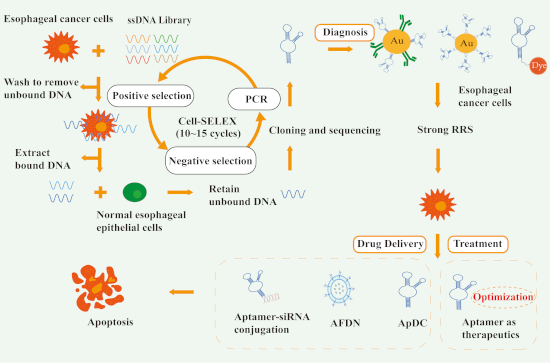
- tumor targeting; and (4) PEGylation of aptamers, where polyethylene glycol (PEG) is covalently linked to aptamers, typically via amino, thiol, or carboxyl groups introduced at the 5′ or 3′ end (Figure 5). This PEGylation increases the molecular weight of the drug complex, potentially exceeding the renal


Prospects of nanotechnology and natural products for cancer and immunotherapy
Beilstein J. Nanotechnol. 2025, 16, 1644–1667, doi:10.3762/bjnano.16.116
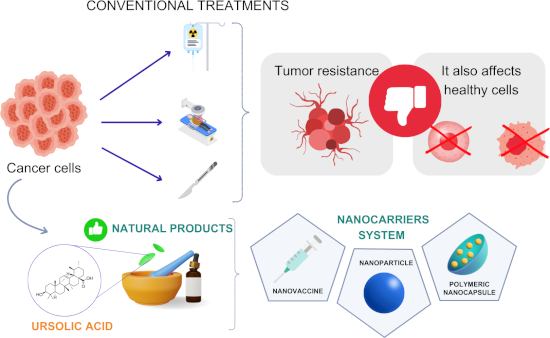
- through their targeted mechanism [62]. Patent CN115252560 (2022) describes self-assembled nanoparticles composed of berberine, lonidamine, and gambogic acid in a 3:1:4 ratio, all acting as APIs, encapsulated with vitamin E polyethylene glycol succinate (VE-TPGS), an excipient, for stability. Berberis
- polyethylene glycol, optionally combined with chitosan or polyvinyl alcohol, and an anticancer agent such as cisplatin, doxorubicin, or temozolomide. The characterization of this technology involved


Enhancing the therapeutical potential of metalloantibiotics using nano-based delivery systems
Beilstein J. Nanotechnol. 2025, 16, 1350–1366, doi:10.3762/bjnano.16.98
- during synthesis, making them adaptable for different drug delivery needs [59][60][61]. Surface modifications, such as the incorporation of polyethylene glycol (PEG) or specific targeting ligands, are commonly used to enhance liposome circulation time and promote targeted drug delivery. These
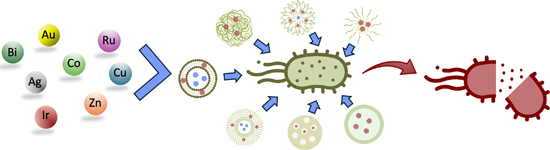
- metalloantibiotics. For this purpose, the cobalt(III) complex 22 (Figure 5) was encapsulated into a biocompatible nanocarrier system based on poly(lactic-co-glycolic acid)-block-polyethylene glycol (PLGA-PEG) [144]. The resulting nanoconjugate exhibited efficient loading of the cobalt compound and demonstrated a pH


Ferroptosis induction by engineered liposomes for enhanced tumor therapy
Beilstein J. Nanotechnol. 2025, 16, 1325–1349, doi:10.3762/bjnano.16.97
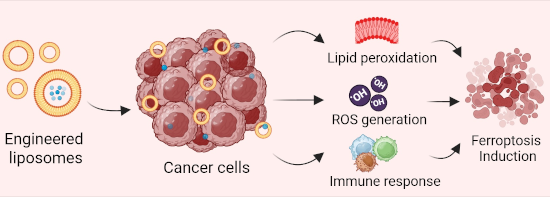
- polyethylene glycol (PEG). PEGylation can significantly improve liposome stability, prolong circulation time and reduce clearance through the reticuloendothelial system [118][127]. PEGylated liposomes, also known as stealth liposomes, have been shown to have a higher drug loading capacity and better


Better together: biomimetic nanomedicines for high performance tumor therapy
Beilstein J. Nanotechnol. 2025, 16, 1246–1276, doi:10.3762/bjnano.16.92
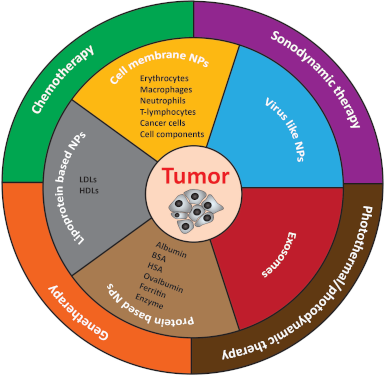
- applications. It forms crosslinked gels and responds to changes in pH and temperature [93]. To escape the RES, ovalbumin nanoparticles are conjugated with polyethylene glycol. Controlling the PEG/OVA ratio allows for fine-tuning of critical physical properties, such as particle size, elasticity, and mesh size






Serum heat inactivation diminishes ApoE-mediated uptake of D-Lin-MC3-DMA lipid nanoparticles
Beilstein J. Nanotechnol. 2025, 16, 740–748, doi:10.3762/bjnano.16.57
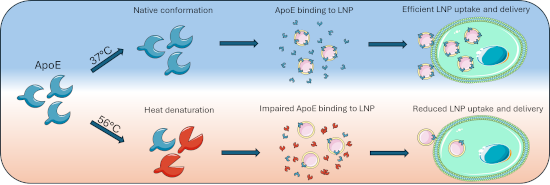
- at Sigma-Aldrich. D-Lin-MC3-DMA and C12-200 were obtained from GKV Bio. 1,2-Dimyristoyl-rac-glycero-3-methoxypolyethylene glycol-2000 (DMG-PEG(2000)), 1,2-dioleoyl-sn-glycero-3-phosphocholine (DOPC) and 1,2-distearoyl-sn-glycero-3-phosphoethanolamine-N-[biotinyl(polyethylene glycol)-2000] (DSPE-PEG


Nanomaterials in targeting amyloid-β oligomers: current advances and future directions for Alzheimer's disease diagnosis and therapy
Beilstein J. Nanotechnol. 2025, 16, 561–580, doi:10.3762/bjnano.16.44
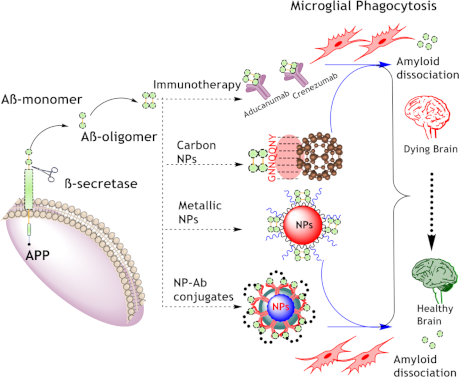
- specifically designed for the diagnosis and inhibition of AβOs. One example of this innovative approach is demonstrated by Viola et al., who designed mono-dispersed nitro-dopamine (nDOPA)- and polyethylene glycol (PEG)-stabilized magnetic nanostructures (MNSs) in a size range of 12–16 nm. The surface of these


Synthetic-polymer-assisted antisense oligonucleotide delivery: targeted approaches for precision disease treatment
Beilstein J. Nanotechnol. 2025, 16, 435–463, doi:10.3762/bjnano.16.34

- of PLG (DP = 20) in the development of a novel gene delivery system. In this study, surface-modified complexes were designed using PLG as a backbone to which polyethylene glycol (PEG, Mw = 5, 10, and 20 kDa) or epidermal growth factor (EGF) were conjugated [101]. This approach aimed to enhance the


Engineered PEG–PCL nanoparticles enable sensitive and selective detection of sodium dodecyl sulfate: a qualitative and quantitative analysis
Beilstein J. Nanotechnol. 2025, 16, 385–396, doi:10.3762/bjnano.16.29
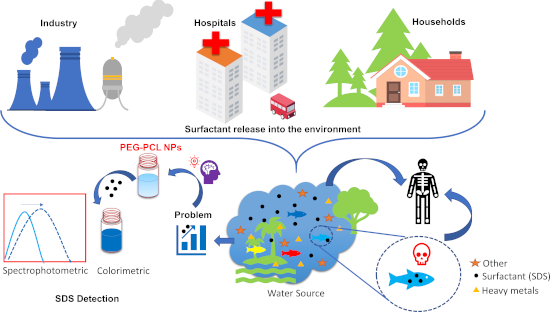
- , labor-intensive, and require specialized technical expertise. This study developed a novel colorimetric method for the selective and sensitive detection of SDS, utilizing polyethylene glycol-polycaprolactone nanoparticles (PEG–PCL NPs) synthesized via a ring-opening polymerization approach. The
- using PEG–PCL NPs. Thus, this study is the first of its kind to develop a colorimetric/spectrometric detection system for anionic surfactants. Materials and Methods Materials Methoxy polyethylene glycol (mPEG5000, Cat. No. 81323), ε-caprolactone (Cat. No. 704067), stannous octoate (Cat. No. S3252
- 0.1% (w/v). In order to make sensitive detection of SDS, various metals such as Al3+, Cd2+, Zn2+, Hg2+, Ni2+, Cu2+, Cr3+, Pb2+, Fe3+, Co2+, and As3+, each at a final concentration of 1 ppm were included in the study. The reaction mixture consisted of 400 μL of polyethylene glycol-polycaprolactone (PEG


Development of a mucoadhesive drug delivery system and its interaction with gastric cells
Beilstein J. Nanotechnol. 2025, 16, 371–384, doi:10.3762/bjnano.16.28

- assessed with a similar approach in a newly designed synthetic mucus hydrogel barrier system. The authors used differently sized polystyrene nanoparticles with polyethylene glycol (PEG) modifications. PEGylated nanoparticles exhibited better penetration than non-PEGylated formulations, regardless of the


Radiosensitizing properties of dual-functionalized carbon nanostructures loaded with temozolomide
Beilstein J. Nanotechnol. 2025, 16, 229–251, doi:10.3762/bjnano.16.18
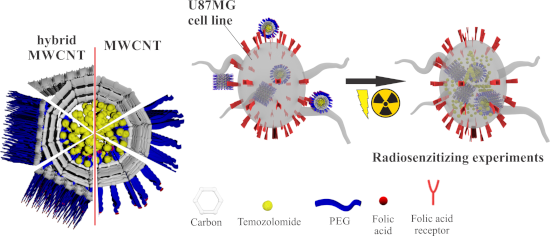
- , temozolomide (TMZ), a drug used for the treatment of anaplastic astrocytoma and glioblastoma multiforme (GBM), was incorporated into multiwalled carbon nanotubes (MWCNTs) and a MWCNTs–graphene (MWCNTs-G) hybrid compound, covalently functionalized with polyethylene glycol (PEG) 6000 and folic acid (FA), with an
- group was the first one that incorporated TMZ in multiwalled CNTs (MWCNTs), and their hybrid with graphene (MWCNT-G), non-covalently functionalized with polyethylene glycol (PEG), and pointed to their suitability for targeted and controlled brain delivery, based on their physicochemical and




Biomimetic nanocarriers: integrating natural functions for advanced therapeutic applications
Beilstein J. Nanotechnol. 2024, 15, 1619–1626, doi:10.3762/bjnano.15.127

- membrane constructs [58]. Regarding materials for coating nanoparticles, a variety of hydrophilic polymers are available [30]. The most prevalent technique involves the use of polyethylene glycol (PEG). It provides biological protection against proteolysis and improved biocompatibility, metabolism, and


Polymer lipid hybrid nanoparticles for phytochemical delivery: challenges, progress, and future prospects
Beilstein J. Nanotechnol. 2024, 15, 1473–1497, doi:10.3762/bjnano.15.118
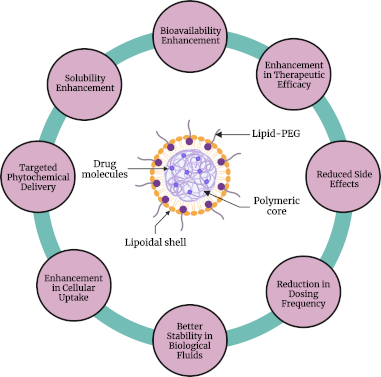
- polyethylene glycol (PEG), poly(lactic-co-glycolic acid) (PLGA), polycaprolactone (PCL), and chitosan (CHS), provides structural integrity, controlled release properties, and protection against premature degradation [14][15]. This hybrid structure improves the encapsulation efficiency of phytochemicals/drugs


Nanotechnological approaches for efficient N2B delivery: from small-molecule drugs to biopharmaceuticals
Beilstein J. Nanotechnol. 2024, 15, 1400–1414, doi:10.3762/bjnano.15.113
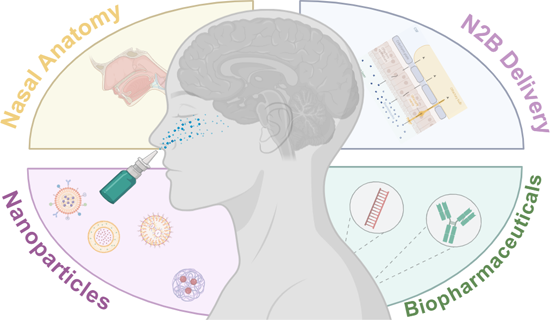
- stabilized with tocopherol polyethylene glycol succinate (TPGS) were proposed against Alzheimer’s disease. TPGS, a water-soluble precursor of vitamin E, was used in the formulation to reduce the amyloid-beta-induced oxidative stress [114]. In vivo tests on Wistar rats highlighted that the mucoadhesive


Dual-functionalized architecture enables stable and tumor cell-specific SiO2NPs in complex biological fluids
Beilstein J. Nanotechnol. 2024, 15, 1238–1252, doi:10.3762/bjnano.15.100
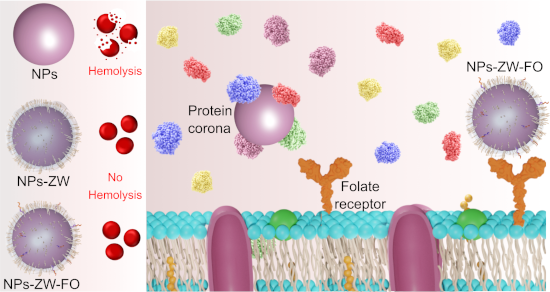
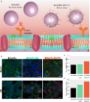
- strategies to produce colloidally stable NP dispersions with retained targeting capacity have been widely investigated [17][18][19][20][21]. While a panel of molecules (e.g., polyethylene glycol, zwitterionics, glycans, aptamers) can improve the stability of NPs in biological media by preventing the


Realizing active targeting in cancer nanomedicine with ultrasmall nanoparticles
Beilstein J. Nanotechnol. 2024, 15, 1208–1226, doi:10.3762/bjnano.15.98
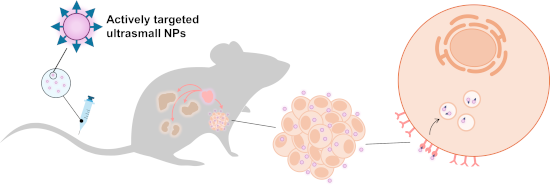
- through surface coating of the inorganic core with small molecules, such as glutathione (GSH), glucose, low molecular-weight polyethylene glycol (PEG), and various short peptides, among others [60][61][62][63]. This characteristic stands in sharp contrast to conventional large NPs, which often necessitate


Recent updates in applications of nanomedicine for the treatment of hepatic fibrosis
Beilstein J. Nanotechnol. 2024, 15, 1105–1116, doi:10.3762/bjnano.15.89
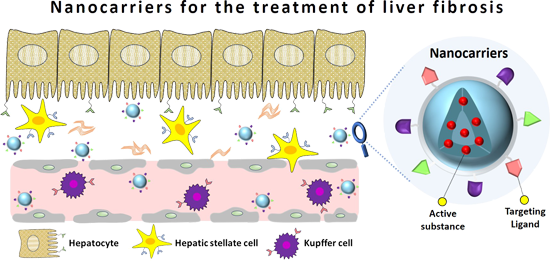
- decoration with polyethylene glycol (PEG) may minimalize the uptake of nanocarriers by Kupffer cells, and such PEGylated nanocarriers are likely taken up by hepatocytes [36][37][38][39]. Besides augmenting hydrophilicity through PEGylation, stealth properties could be endowed to the nanocarriers through a
- the antifibrosis compound myricetin in pro-liposome nanocarriers to improve its solubility, stability, and low oral bioavailability [57]. As illustrated in Figure 3, the surface modification of pro-liposome with ᴅ-α-tocopheryl polyethylene glycol 1000 succinate (vitamin E-TPGS) enhanced the stability
- complexation and cholesterol–polyethylene glycol–vitamin A as a helper lipoid. In the in vitro evaluation, the nanocarrier showed enhanced cellular uptake in HSCs-T6 cells, nine times higher than that in macrophages, displaying specific targeting to HSCs that could avoid phagocytosis by macrophages. These





