


Search results
Search for "polyvinyl alcohol (PVA)" in Full Text gives 30 result(s) in Beilstein Journal of Nanotechnology.
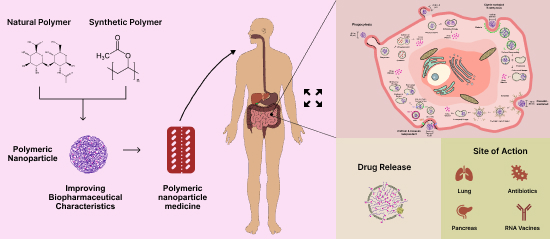
Exploring the potential of polymers: advancements in oral nanocarrier technology
Beilstein J. Nanotechnol. 2025, 16, 1751–1793, doi:10.3762/bjnano.16.122


Laser processing in liquids: insights into nanocolloid generation and thin film integration for energy, photonic, and sensing applications
Beilstein J. Nanotechnol. 2025, 16, 1428–1498, doi:10.3762/bjnano.16.104
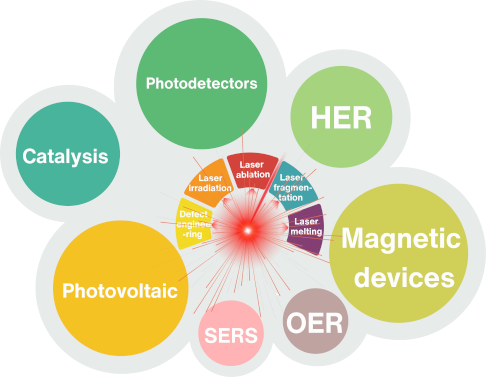
- better after spin coating than drop casting [110]. A functionalization study on SiC nanocrystals was made. SiC–polyvinyl alcohol (PVA) polymeric nanocomposites were manufactured by adding silicon carbide NPs prepared by PLAL to PVA and thin films of the composites were prepared by spin coating on glass


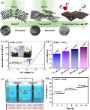


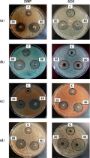


Functional bio-packaging enhanced with nanocellulose from rice straw and cinnamon essential oil Pickering emulsion for fruit preservation
Beilstein J. Nanotechnol. 2025, 16, 1234–1245, doi:10.3762/bjnano.16.91
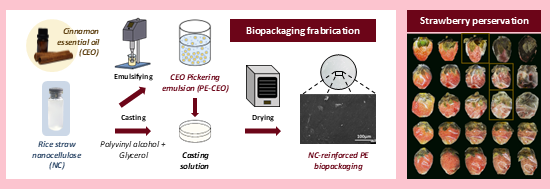
- biodegradability [1][2][3]. Polyvinyl alcohol (PVA) has been shown to provide better biodegradability compared to other polymers such as polyethylene, polyvinyl chloride, and polystyrene [4][5][6] due to its secondary alcohol groups being susceptible to enzymatic oxidation and its water solubility enhancing
- alcohol (PVA), and glycerin (C3H8O3), were obtained from commercial sources and used as received. Material synthesis Nanocellulose synthesis process Rice straw served as the source material for nanocellulose production. Following a previously established procedure [46], two alkaline pretreatment steps and
- by Loc Troi Group from An Giang province, Viet Nam. Cinnamon essential oil (CEO) was obtained from pure Cinnamomum verum bark through steam distillation by Notessen Co. Ltd. (Viet Nam) and exhibited a cinnamaldehyde content greater than 96%. All chemicals, including sulfuric acid (H2SO4), polyvinyl



Hydrogels and nanogels: effectiveness in dermal applications
Beilstein J. Nanotechnol. 2025, 16, 1216–1233, doi:10.3762/bjnano.16.90
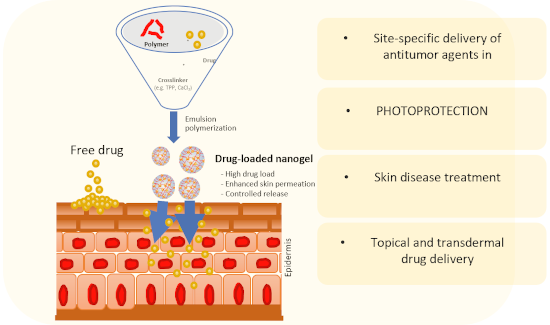
- [54], polyvinyl alcohol (PVA) [55], as well as natural polymers, notably chitosan [56][57] and alginates [58][59], have been tested in hydrogel formulations both individually and in combinations [60][61][62]. The variety of compounds that can be used in hydrogel formulations explains the large number


Synthesis of a multicomponent cellulose-based adsorbent for tetracycline removal from aquaculture water
Beilstein J. Nanotechnol. 2025, 16, 728–739, doi:10.3762/bjnano.16.56
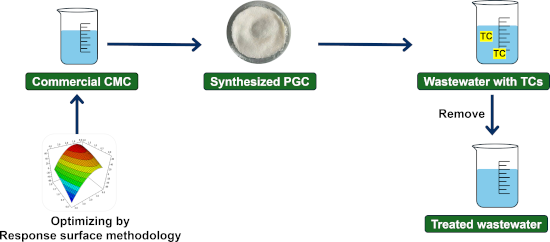
- ) and polyvinyl alcohol (PVA); and cationized with Ca2+ and Zn2+ for the removal of TC from aquaculture effluents. Our approach involves optimizing the material’s synthesis using the response surface methodology, and a wide range of characterization methods was performed to assess the surface
- employed to identify key influencing factors and optimize the synthesis process using RSM. The independent variables included CMC mass (X1) [31], PVA mass (X2), and GA volume (X3) [32], along with the molar ratio of Ca2+ and Zn2+ (X4) [25]. Polyvinyl alcohol (PVA), characterized by a high density of


Enhancing mechanical properties of chitosan/PVA electrospun nanofibers: a comprehensive review
Beilstein J. Nanotechnol. 2025, 16, 286–307, doi:10.3762/bjnano.16.22

- Department of Chemical Engineering, Faculty of Engineering, University of Malaya, 50603 Kuala Lumpur, Malaysia 10.3762/bjnano.16.22 Abstract This review examines strategies to enhance the mechanical properties of chitosan/polyvinyl alcohol (PVA) electrospun nanofibers, recognized for their biomedical and
- sensitive compounds [3]. Electrospun nanofibers exhibit a large surface area, high porosity, and small pore size, making them useful for a wide range of applications, as shown in Figure 1. Chitosan/polyvinyl alcohol (PVA) electrospun nanofibers have many applications, including water treatment, biomedical


Recent advances in photothermal nanomaterials for ophthalmic applications
Beilstein J. Nanotechnol. 2025, 16, 195–215, doi:10.3762/bjnano.16.16
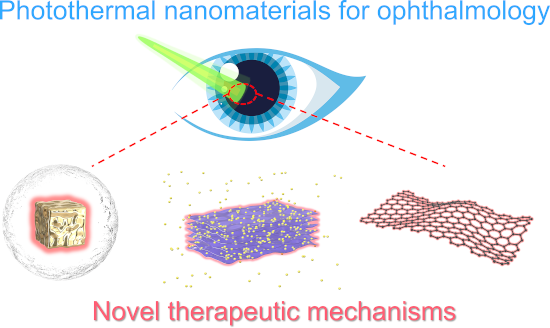
- vesicle leakage, bacterial endophthalmitis, and ocular hypotonia. Wang et al. developed a polyvinyl alcohol (PVA) hydrogel with enhanced photothermal, antimicrobial, and drug-delivery capabilities (PVA@rGO-Ag/5-Fu) [71]. Under NIR irradiation, the rGO-Ag component in the hydrogel effectively targets and


Synthesis, characterization and anticancer effect of doxorubicin-loaded dual stimuli-responsive smart nanopolymers
Beilstein J. Nanotechnol. 2024, 15, 1189–1196, doi:10.3762/bjnano.15.96
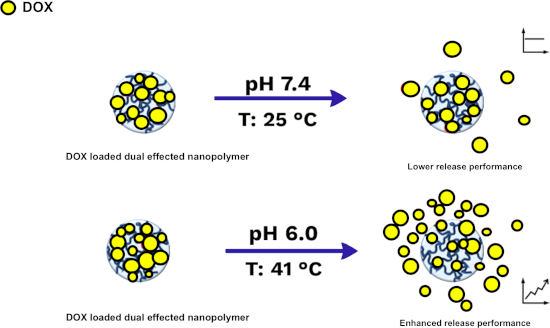
- polyvinyl alcohol (PVA), 57.7 mg sodium dodecyl sulfate (SDS), and 46.9 mg NaHCO3 in 20 mL of water (solution A in Figure 1). For solution B, 0.2 g PVA and 0.2 g SDS were dissolved in 400 mL of water. The organic phase (solution C) was obtained by mixing and dissolving (30 min in a beaker) 0.8 mL 2


Unveiling the potential of alginate-based nanomaterials in sensing technology and smart delivery applications
Beilstein J. Nanotechnol. 2024, 15, 1077–1104, doi:10.3762/bjnano.15.88


Hydroxyapatite–bioglass nanocomposites: Structural, mechanical, and biological aspects
Beilstein J. Nanotechnol. 2022, 13, 1490–1504, doi:10.3762/bjnano.13.123
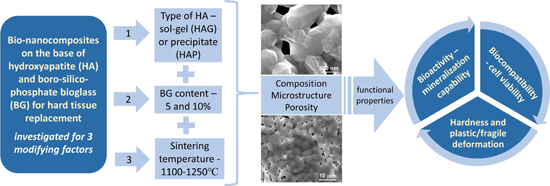
- obtained bioglass in an agate mortar. (vii) Sieving of the BG powder to obtain powder of particle sizes below 64 μm. The HA-BG composites were obtained by mixing 90 or 95 wt % of HA (HAP or HAG) powder with, respectively, 10 or 5 wt % of BG powder. An aqueous solution of 7% polyvinyl alcohol (PVA) was
Application of nanoarchitectonics in moist-electric generation
Beilstein J. Nanotechnol. 2022, 13, 1185–1200, doi:10.3762/bjnano.13.99
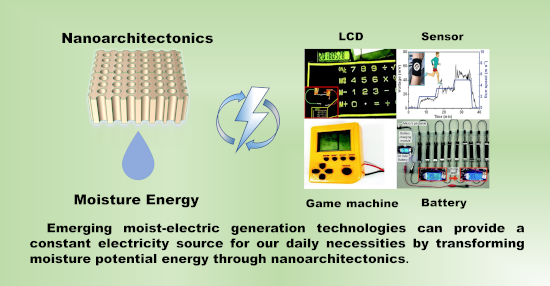
- available in MEGs, such as polymers, proteins, and natural fibers, poly(4-vinylphenol) (PVP) [75], polyvinyl alcohol (PVA) [76][77], fluorinated ethylene propylene (FEP) [21], and polyvinylidene difluoride (PVDF). These materials show good performance in the application of hydropower conversion. In addition


Microneedle-based ocular drug delivery systems – recent advances and challenges
Beilstein J. Nanotechnol. 2022, 13, 1167–1184, doi:10.3762/bjnano.13.98
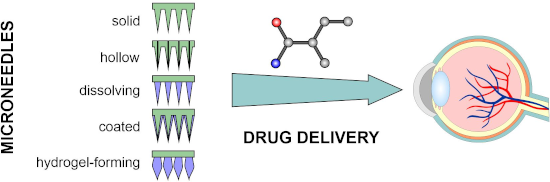
- ], polyvinyl alcohol (PVA) [123], and polymethacrylates [118][124][125]. Among the biodegradable materials, carbohydrates, including maltose [126], trehalose [127], and sucrose [128], are frequently mentioned. Moreover, biodegradable polymers such as poly(lactic acid) (PLA) [129], poly(glycolic acid) (PGA


Bioselectivity of silk protein-based materials and their bio-inspired applications
Beilstein J. Nanotechnol. 2022, 13, 902–921, doi:10.3762/bjnano.13.81


Ciprofloxacin-loaded dissolving polymeric microneedles as a potential therapeutic for the treatment of S. aureus skin infections
Beilstein J. Nanotechnol. 2022, 13, 517–527, doi:10.3762/bjnano.13.43
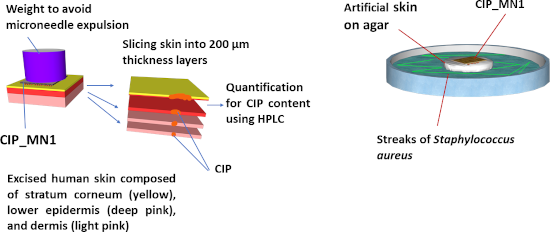
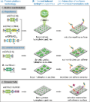
- dissolving polymeric microneedles prepared by a two-layer centrifugation method as a potential treatment of skin infections such as cellulitis. The polymers used were polyvinyl alcohol (PVA) and polyvinylpyrrolidone (PVP). Two formulations were investigated, namely CIP_MN1, composed of 10 mg ciprofloxacin
- results suggest that CIP_MN1 can be a potential delivery system for the treatment of S. aureus skin infections. Keywords: dissolving microneedles; microneedles; polyvinyl alcohol (PVA); polyvinylpyrrolidone (PVP); skin infection; Introduction Topical and transdermal drug delivery is a major route for


Design and characterization of polymeric microneedles containing extracts of Brazilian green propolis
Beilstein J. Nanotechnol. 2022, 13, 503–516, doi:10.3762/bjnano.13.42
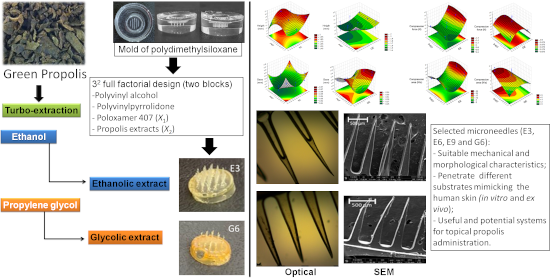
- and lower toxicity [26][27]. In our previous studies, polymeric systems composed of polyvinyl alcohol (PVA), polyvinylpyrrolidone (PVP), and poloxamer 407 (P407) were obtained and characterized. P407 could improve structuring and rapid dispersion of polymeric matrices, which showed promising
- from Sigma (St. Louis, MO, USA). Polyvinyl alcohol (PVA) was obtained from Neon (Sao Paulo, SP, Brazil), polyvinylpyrrolidone (PVP), and ethanol 96° GL was purchased from Labsynth (Sao Paulo, SP, Brazil). SylgardTM 184 silicone elastomers kit (polydimethylsiloxane; PDMS) was purchased from Dow (Midland
- of polyvinyl alcohol (PVA) and polyvinylpyrrolidone (PVP) in a fixed 1:1 ratio, poloxamer 407 (P407), and ethanolic propolis extract (EE) or glycolic propolis extract (GE). Supporting Information Supporting Information features pictures of molds and macroscopic appearance of the MNs, statistical


A comprehensive review on electrospun nanohybrid membranes for wastewater treatment
Beilstein J. Nanotechnol. 2022, 13, 137–159, doi:10.3762/bjnano.13.10
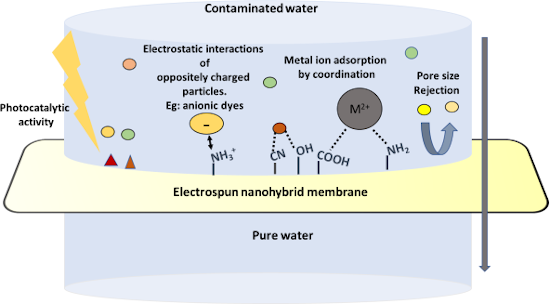
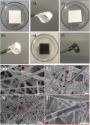
- common synthetic polymer membranes such as polycaprolactone (PCL), polyacrylonitrile (PAN), polyacrylic acid (PAA), polysulfones (PSF), polyimides (PI), polyvinyl alcohol (PVA), polystyrene (PS), polyethylene oxide (PEO), poly(vinylidene fluoride) (PVDF) and natural polymers such as gelatin, keratin




Nanoscale friction and wear of a polymer coated with graphene
Beilstein J. Nanotechnol. 2022, 13, 63–73, doi:10.3762/bjnano.13.4
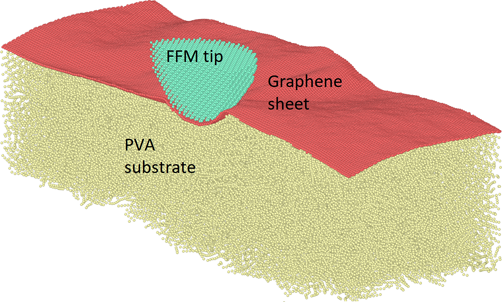
- of depositing, indenting, and sliding on graphene. In the final section, we draw some conclusions. Simulation Setup We simulate a slab of polyvinyl alcohol (PVA) coated with a single layer of graphene and a counterbody representing an AFM tip consisting of silicon. The simulations were performed
- by this mechanism, as it is harder to penetrate. Coarse grained model for polyvinyl alcohol (PVA, C2H4O)x). Red atoms are oxygen, dark gray are carbon, and light gray are hydrogen. One green circle represents one coarse-grained particle, which replaces the group of atoms C2H4O. Snapshot of the


Electrical, electrochemical and structural studies of a chlorine-derived ionic liquid-based polymer gel electrolyte
Beilstein J. Nanotechnol. 2021, 12, 1252–1261, doi:10.3762/bjnano.12.92
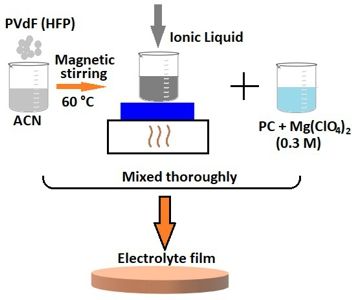
- -dimethylimidazolium chloride ([BDiMIM][Cl]), tested its application in polymer electrolytes, and obtained a maximum room-temperature conductivity of 2.7 × 10⁻⁶ S·cm−1. Among various polymer matrix systems, such as polyethylene oxide (PEO) [18][19], polyvinyl alcohol (PVA) [20][21], and polyvinylpyrrolidone (PVP) [22



A review on the green and sustainable synthesis of silver nanoparticles and one-dimensional silver nanostructures
Beilstein J. Nanotechnol. 2021, 12, 102–136, doi:10.3762/bjnano.12.9
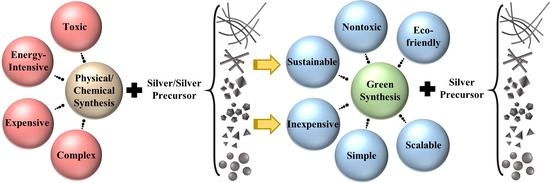
- AgNPs from 5 to 45 nm using the same method. In more recent works by Tseng et al. [132][133], AgNPs were produced using a micro-electrical discharge machining system and by adding polyvinyl alcohol (PVA) as the capping agent. They obtained AgNPs with a diameter of 50–100 nm when PVA was not used, and a


Applications of superparamagnetic iron oxide nanoparticles in drug and therapeutic delivery, and biotechnological advancements
Beilstein J. Nanotechnol. 2020, 11, 1092–1109, doi:10.3762/bjnano.11.94
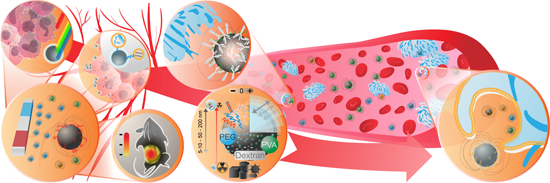
- with polyethyleneimine and conjugated with CD44 siRNA can be used as non-viral gene therapy vectors. Polyethylene imine is the material of choice for nucleic acid intracellular delivery, as it gives a positive charge to the nanoparticle surface [41]. Polyvinyl alcohol (PVA)-coated SPIONs were tested as


Gold and silver dichroic nanocomposite in the quest for 3D printing the Lycurgus cup
Beilstein J. Nanotechnol. 2020, 11, 16–23, doi:10.3762/bjnano.11.2
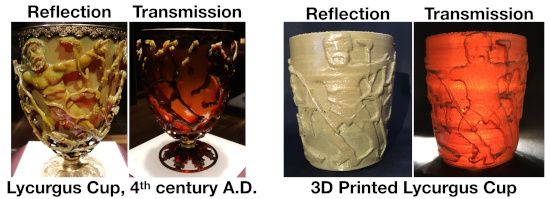
- hoped dichroic effect, and the nanoparticles precipitated out of solution as a black solid. A low amount of reducing agent in the presence of polyvinyl alcohol (PVA) as stabiliser agent, which would be the 3D printable material, also did not suffice to keep the nanoparticles in solution. After multiple


Growth dynamics and light scattering of gold nanoparticles in situ synthesized at high concentration in thin polymer films
Beilstein J. Nanotechnol. 2019, 10, 1768–1777, doi:10.3762/bjnano.10.172
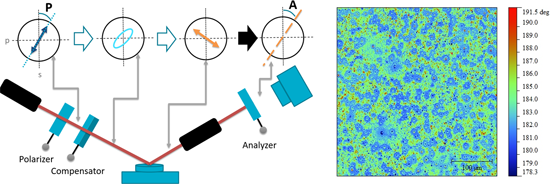
- components as a reducing agent for the metal salt. We therefore need a matrix that plays the role of reducing agent but also contributes to the stabilization of the NPs. Polymers like poly(vinylpyrrolidone) (PVP) or polyvinyl alcohol (PVA) are good candidates for this purpose. The self-stabilization process


Correlation of surface-enhanced Raman scattering (SERS) with the surface density of gold nanoparticles: evaluation of the critical number of SERS tags for a detectable signal
Beilstein J. Nanotechnol. 2019, 10, 1016–1023, doi:10.3762/bjnano.10.102
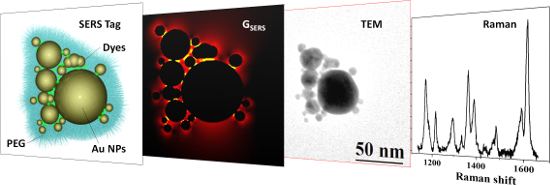
- samples for TEM analysis were obtained by mixing the AuNT solution (0.2 mg/mL in Au) 1:5 with a 10 mg/mL aqueous solution of polyvinyl alcohol (PVA, 200,000 Mw, on average, from Fluka) and depositing one drop on a copper grid coated with a holey carbon film, according to a well-established procedure which


Gold nanoparticles embedded in a polymer as a 3D-printable dichroic nanocomposite material
Beilstein J. Nanotechnol. 2019, 10, 442–447, doi:10.3762/bjnano.10.43
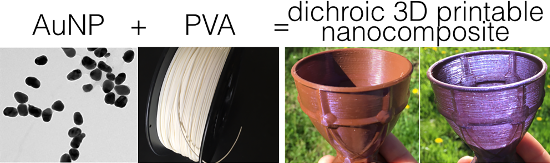
- standard off-the-shelf fused deposition modeling (FDM) 3D printer. We chose to use polyvinyl alcohol (PVA) as the nanoparticle carrier, because it is one of the most used 3D printing materials, it is water soluble, thus mixable with the AuNPs without the need to change solvents, and because it is known


Temperature-tunable lasing from dye-doped chiral microdroplets encapsulated in a thin polymeric film
Beilstein J. Nanotechnol. 2018, 9, 379–383, doi:10.3762/bjnano.9.37
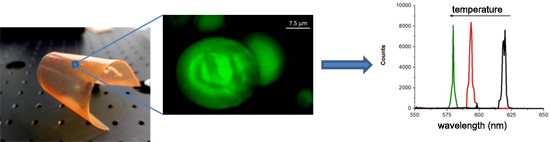
- : 70.5 wt % ZLI-1939 + 29.5 wt % ZLI-811. The chiral dopant is chosen for its well-known temperature-dependent solubility [9]. The chiral mixture is confined inside a 36 μm cell the internal surfaces of which are covered with a rubbed thin layer of polyvinyl alcohol (PVA). The PVA (Sigma-Aldrich) is





